Industry Briefing
A single destination for timely, editor-curated robotics news from around the world.
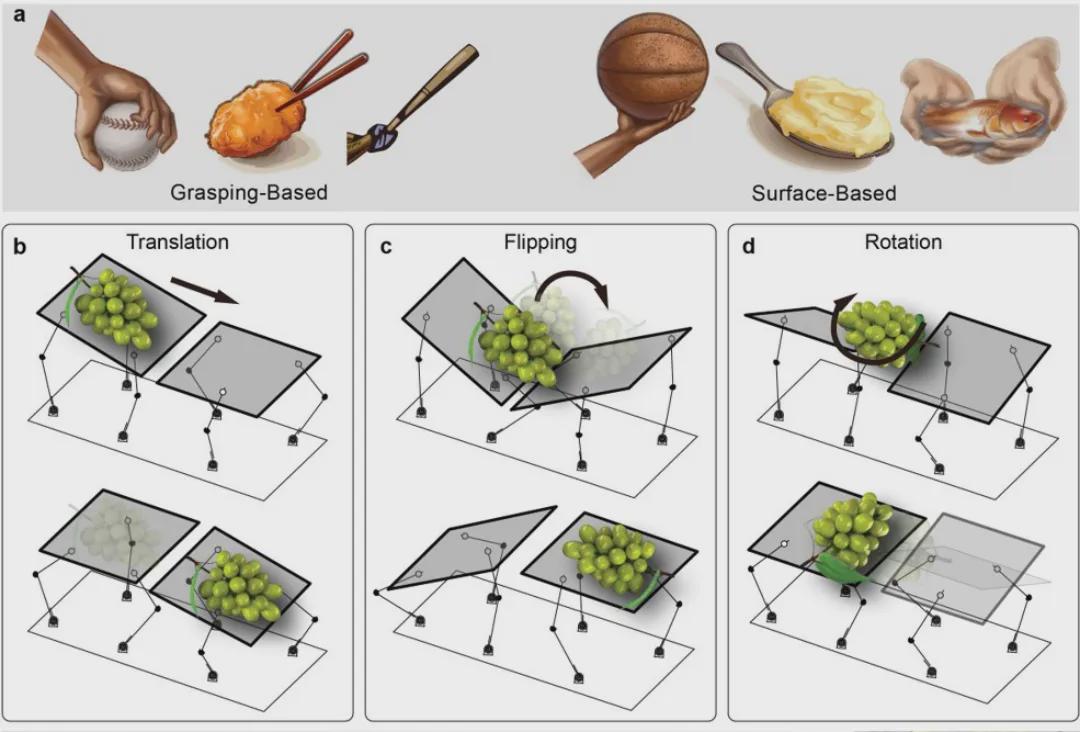
Replacing Grasping with Support: EPFL Team Proposes a New Paradigm for Robot Manipulation
Researchers from the École Polytechnique Fédérale de Lausanne (EPFL) have unveiled a groundbreaking robotic manipulation technique that moves away from conventional grasping methods to a surface-based support system. This new approach enables robots to interact with a wide range of objects without requiring stable grips, significantly improving their dexterity. The development, announced recently, has the potential to transform automation processes across multiple industries, enhancing efficiency and versatility in robotic applications. By allowing robots to manage objects more fluidly and adaptively, this innovation could lead to advancements in fields such as manufacturing, logistics, and service industries.
Robotic Manipulation Automation Technology Surface-Based Handling EPFL Research
Review of Underwater Grippers for Dexterous Manipulation and Enabling Technologies
A recent review published in the Journal of Field Robotics examines the design and technologies behind underwater grippers for dexterous manipulation. These grippers are essential for various underwater applications, including marine research and exploration, where precise handling of objects is crucial. The significance of this review lies in its comprehensive analysis of the current state of underwater gripper technology, highlighting advancements that enhance their functionality and adaptability. As underwater tasks become more complex, the need for sophisticated grippers that can perform delicate operations is increasingly important. Looking ahead, the review suggests that ongoing research and development in this field will focus on improving the dexterity and efficiency of underwater grippers. No further timeline was disclosed at the time of publication.
SURVEY ARTICLE
PHANES AI Launches TouchWorld Tactile Model for Enhanced Robot Dexterity
PHANES AI, established by 28-year-old Yang Shuo from HIT, has introduced TouchWorld, a tactile foundation model designed to enhance robotic manipulation capabilities. This model enables robots to perform precise physical tasks by incorporating a sense of touch, marking a significant advancement in robotic dexterity and interaction with their environment. The introduction of TouchWorld is significant as it allows robots to predict and react to tactile stimuli, which is crucial for applications requiring fine motor skills. This development could lead to improved performance in various sectors, including manufacturing and healthcare, where dexterous manipulation is essential for tasks such as assembly or surgical procedures. Looking ahead, the impact of TouchWorld on the robotics industry will be closely monitored, particularly regarding its adoption in real-world applications. No further timeline was disclosed at the time of publication, but the potential for this technology to transform robotic capabilities is substantial.
Technology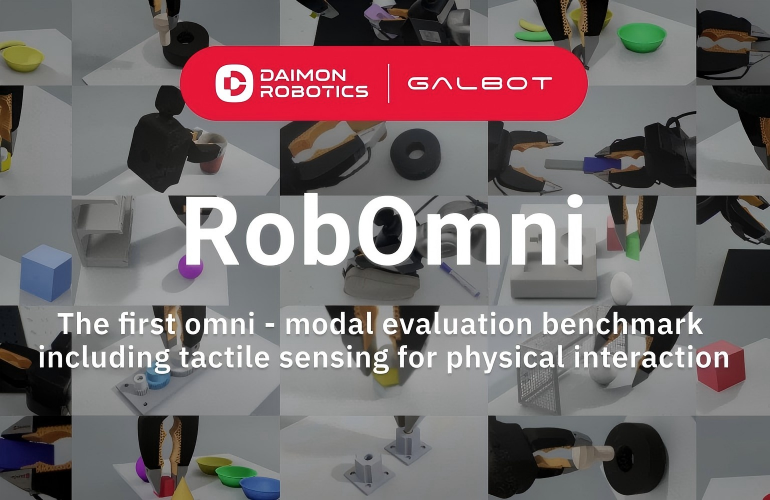
Daimon Robotics and Galbot jointly launches RobOmni for benchmarking tactile perception and dexterous manipulation
Daimon Robotics and Galbot have announced the launch of RobOmni, a new platform designed to benchmark tactile perception and dexterous manipulation in the field of embodied AI. This development marks a significant shift from traditional vision-centric approaches to a more comprehensive understanding of physical interactions. The collaboration aims to enhance the capabilities of robots in performing complex tasks that require fine motor skills and sensitivity to touch. The launch event took place recently, highlighting the growing importance of tactile feedback in robotics and its applications across various industries. By integrating advanced tactile sensing technologies, RobOmni is set to provide researchers and developers with the tools needed to push the boundaries of robotic dexterity and perception.
Sponsored Content
Robot Talk Episode 159 – Robot sensing and manipulation, with Maria Koskinopoulou
Claire recently engaged in a conversation with Maria Koskinopoulou, an Assistant Professor in Robotics and Computer Vision at Heriot-Watt University, regarding the advancements in autonomous robotic manipulators. The discussion highlighted the applications of these technologies in various fields, including surgery and industry. Koskinopoulou, who co-leads the ARM²Lab—focused on Autonomous Robotic Manipulation and Multi-Agent Systems—alongside Ignacio Carlucho, shared insights into her research interests and the potential impact of robotics on future innovations. The dialogue underscores the growing significance of robotics in enhancing efficiency and precision across multiple sectors.

Bionic Octopus Arm with 'Intuition' Achieves Autonomous Grasping
A research team at the Italian Institute of Technology has created an innovative soft robotic arm modeled after the biology of octopuses. This advanced arm incorporates integrated sensors within its suction cups, enabling it to autonomously and adaptively grasp objects underwater. The design focuses on emulating the octopus's unique sensory and decision-making capabilities, rather than simply replicating its physical appearance. This development highlights the potential for soft robotics to enhance underwater exploration and manipulation, leveraging the octopus's sophisticated distributed intelligence system.
Soft Robotics Bionic Systems Underwater Grasping Distributed Intelligence
Increased Investment in 'Dexterous Manipulation': Shunheng Intelligent Completes Three Rounds of Financing Led by Professor Fang Bin from Beijing University of Posts and Telecommunications
Shunheng Intelligent has announced the successful completion of three rounds of financing aimed at advancing its research in robotics, specifically in the area of 'dexterous manipulation.' This funding will support the development of tactile perception technology and intelligent algorithms, with the goal of enhancing the practical applications of robotics across various industries. The financing comes at a crucial time as the demand for sophisticated robotic solutions continues to grow, highlighting the company's commitment to bridging the gap between advanced robotic capabilities and real-world use.
Dexterous Manipulation Robotics AI Tactile Perception Industrial Automation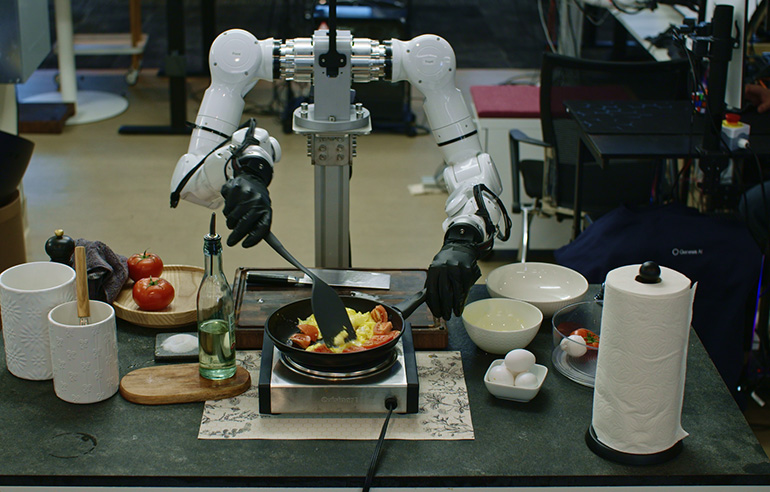
Genesis AI introduces GENE-26.5 model for more dexterous robot manipulation
Genesis AI has unveiled its latest innovation, the GENE-26.5 foundation model, which incorporates an advanced data engine alongside a proprietary robotic hand designed to enhance dexterity in robotic manipulation. This development aims to push the boundaries of robotic capabilities, enabling more precise and versatile movements. The introduction of the GENE-26.5 model marks a significant advancement in the field of robotics, reflecting the company's commitment to leveraging cutting-edge technology to improve robotic functionality. The announcement was made recently, highlighting the potential applications of this model in various industries where enhanced manipulation is crucial.
Arms / Manipulators Artificial Intelligence Artificial Intelligence / Cognition End Effectors / Grippers Grippers Humanoids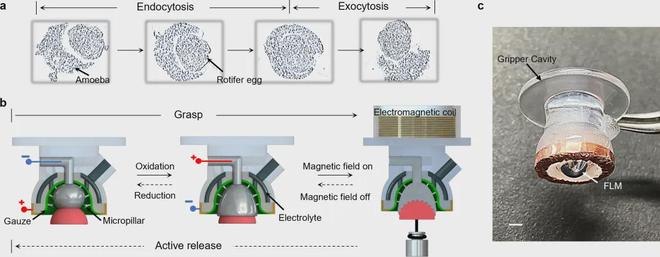
New Record in Robotic Micro-Manipulation: 42G Ejection and Precision Control Across 14 Orders of Magnitude
A team of researchers has unveiled a revolutionary liquid metal universal gripper (LiMU) that boasts exceptional manipulation capabilities, achieving a record ejection speed of 42G. This cutting-edge technology can handle a wide range of objects, from picograms to hundreds of grams, making it suitable for delicate tasks across various environments. The development of LiMU represents a significant advancement in robotic manipulation, potentially transforming industries that require precision handling of fragile materials.
Robotic Grippers Micro-Manipulation Liquid Metal Technology Adaptive Robotics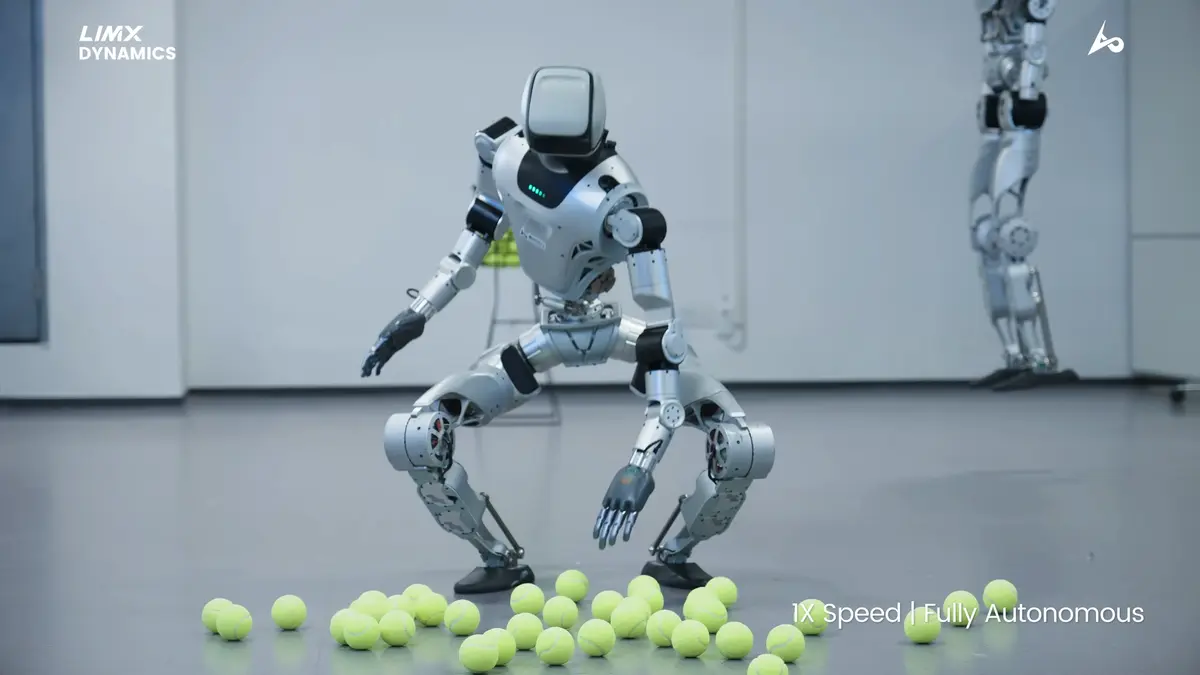
LimX Dynamics’ New Humanoid Robot Demonstrates a Rare Skill: Autonomous Loco-Manipulation
Shenzhen-based startup LimX Dynamics has unveiled a video showcasing its latest humanoid robot, Oli, demonstrating advanced capabilities in whole-body loco-manipulation. In the demonstration, Oli autonomously identifies a tennis ball, navigates towards it, and successfully picks it up. This innovative feat highlights a significant advancement in robotic technology, as such complex skills are rarely seen in contemporary humanoid robots. The release of this video marks a notable moment for the company, emphasizing its commitment to pushing the boundaries of robotics and automation.
LimX Dynamics Oli Loco-Manipulation humanoid-robot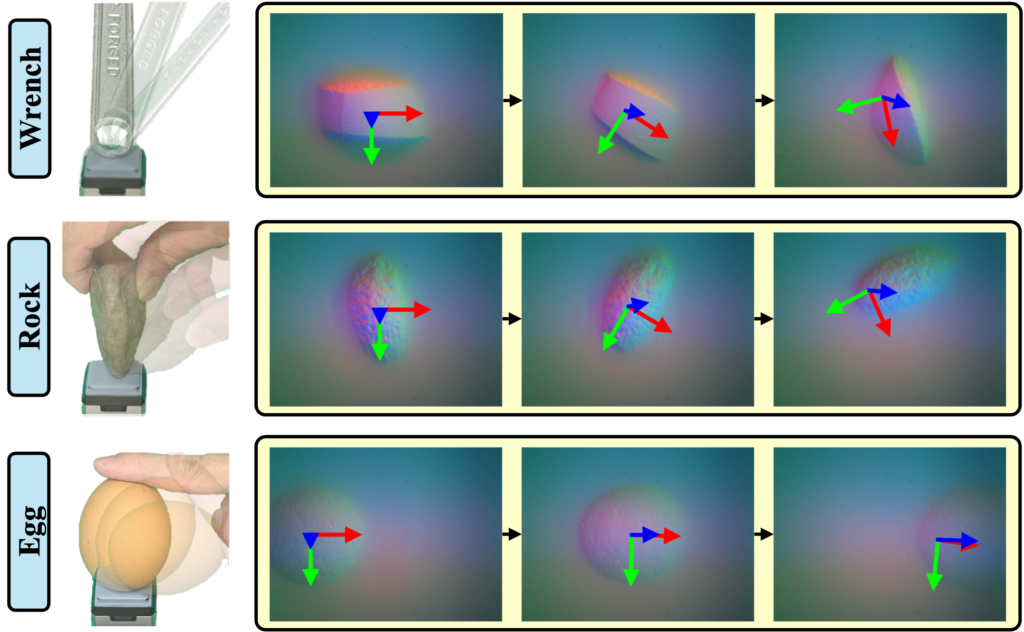
Innovative Algorithm Enhances Robot Tracking for High-Precision Manipulation Tasks
Researchers at Carnegie Mellon University's Robotics Institute are making strides in enhancing robotic capabilities with the development of an innovative algorithm designed to improve tracking for high-precision manipulation tasks. This advancement is particularly significant as it addresses the challenges robots face when handling a diverse range of low-texture objects, which require human-level dexterity for effective manipulation and reconstruction. The work, led by a Ph.D. student, aims to push the boundaries of current robotic tactile sensing technologies. By refining the algorithms that govern how robots perceive and interact with their environment, the team hopes to facilitate more accurate and versatile robotic applications in various fields. This breakthrough could pave the way for robots to perform complex tasks that demand a high degree of precision, ultimately revolutionizing the way robots are utilized in industries that rely on intricate object handling.
Research
Sanctuary AI Touts Reinforcement Learning Success for Dexterous Robot Hand Manipulation
Sanctuary AI has showcased its advanced robotic hand, featuring hydraulically actuated five fingers, successfully executing in-hand object reorientation. This demonstration took place recently, highlighting the company's innovative approach to robotics. The robotic hand utilized a reinforcement learning policy that was initially trained in a simulated environment, achieving a notable sim-to-real transfer even when subjected to an unexpected load of 500 grams. Sanctuary AI credits this accomplishment to its proprietary reinforcement learning techniques and the sophisticated design of its high-degree-of-freedom hand hardware, marking a significant milestone in the development of robotic manipulation capabilities.
phoenix sanctuary-ai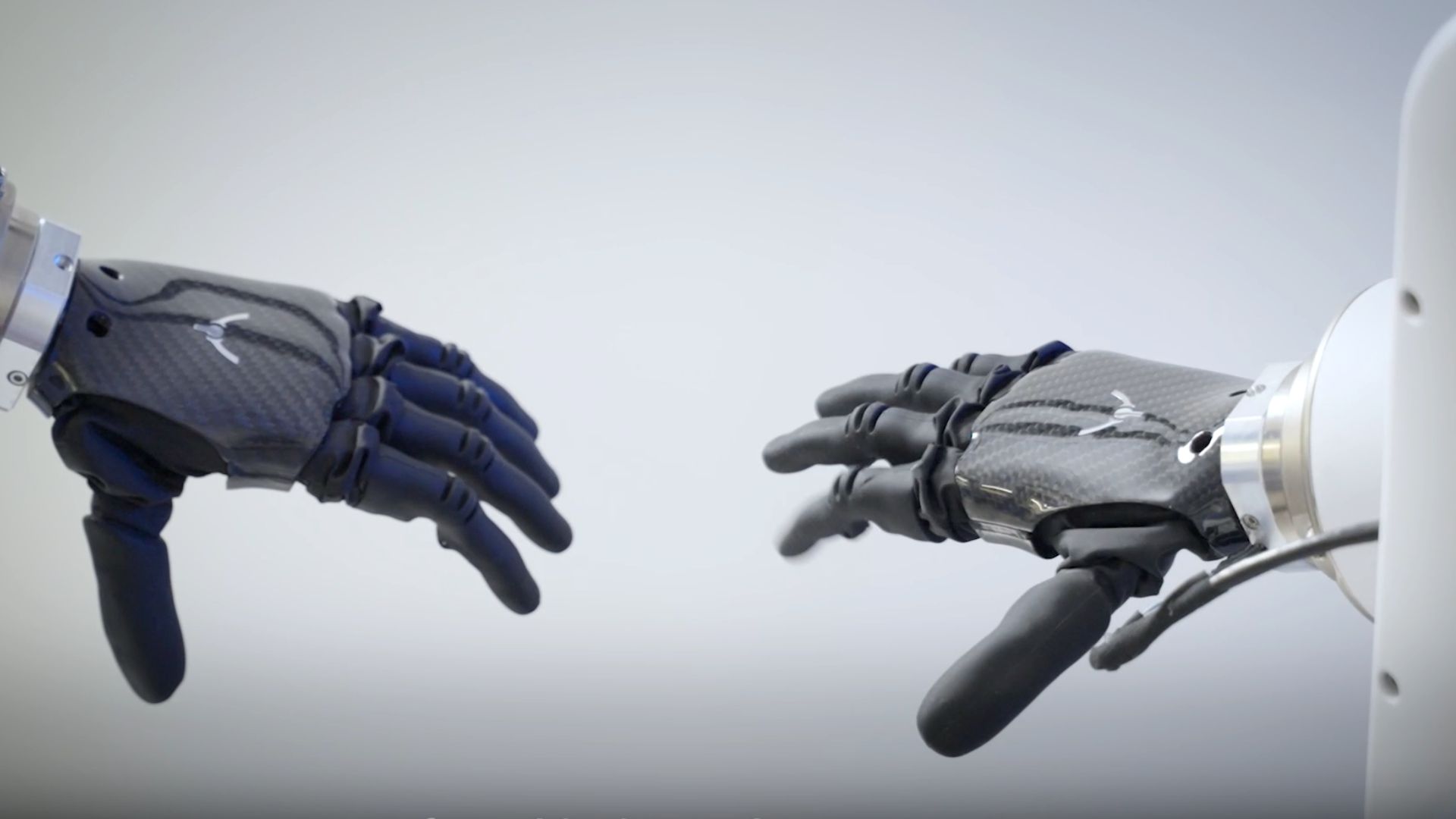
Prosthetic hands’ data helps robots get finer control for precise manipulation
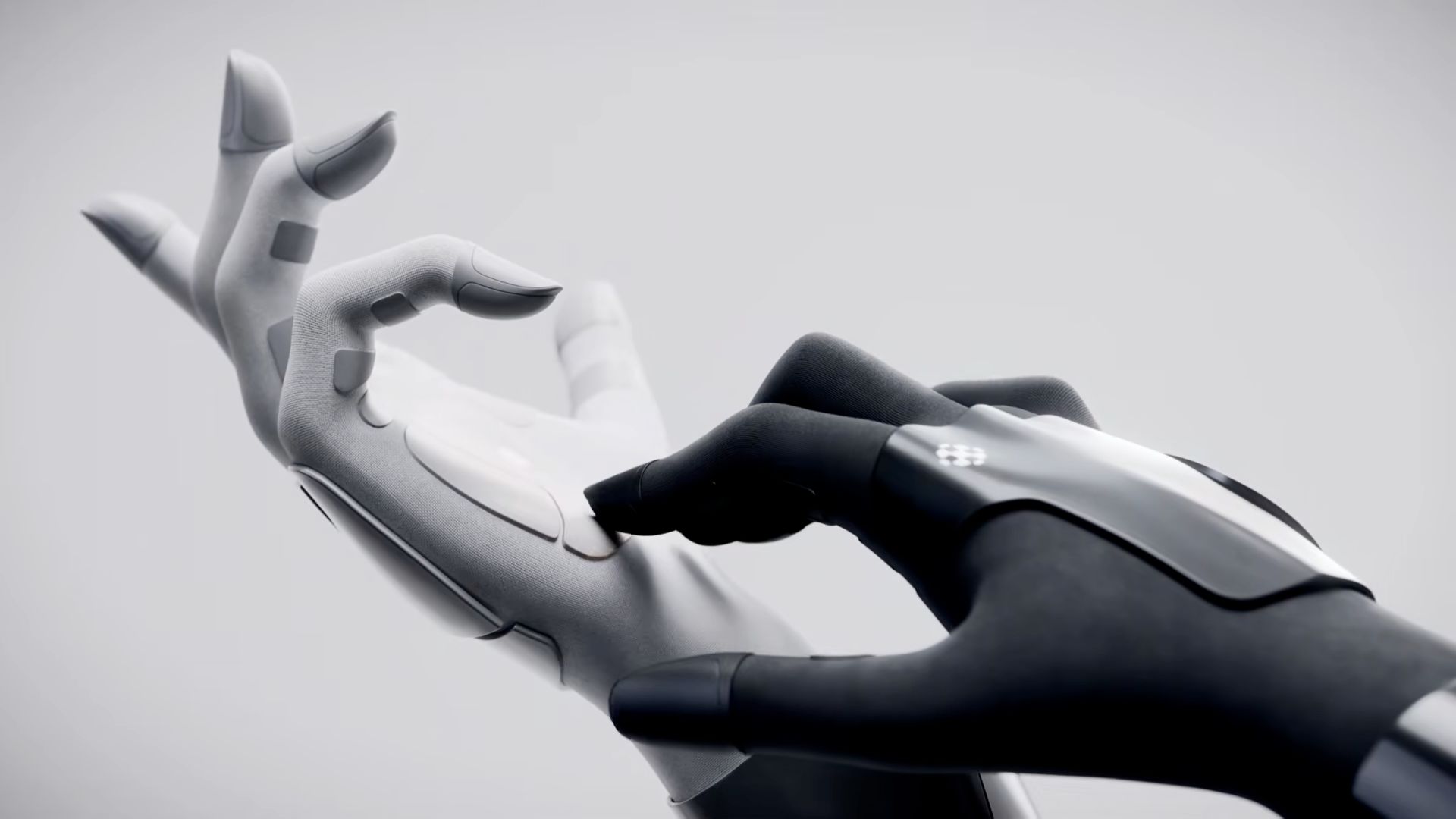
ABB Robotics has announced a collaboration with California-based bionic company PSYONIC to enhance the development of more dexterous robotic systems. This partnership aims to leverage PSYONIC's expertise in bionic technology to create advanced robotic solutions that can perform intricate tasks with greater precision and adaptability. The initiative is part of ABB's ongoing commitment to innovation in robotics, seeking to address the growing demand for versatile robotic applications across various industries. The collaboration was officially unveiled in October 2023, marking a significant step forward in the integration of bionic technology into robotic systems. By combining their strengths, both companies hope to push the boundaries of what is possible in robotic dexterity, ultimately improving efficiency and productivity in sectors such as manufacturing, healthcare, and beyond.
AI and Robotics
Robotic arm inspired by octopus uses tactile sensors in suction cups for autonomous underwater grasping
A research team led by Barbara Mazzolai at the Istituto Italiano di Tecnologia (IIT) has unveiled an innovative octopus-inspired soft robotic arm. This development, which emerged from the Bioinspired Soft Robotics unit, showcases advanced technology that allows the robotic arm to autonomously grasp objects in challenging environments, including underwater. The arm's artificial suction cups are equipped with sensors that can detect contact and assess the intensity and direction of applied forces. This breakthrough, announced recently, highlights the potential of oceanic biology to inspire future robotics solutions, emphasizing the importance of nature as a model for technological advancements.
Robotics
New humanoid robot brings advanced perception and manipulation to industrial droids
A Vietnamese technology company has introduced its newest humanoid robot, the VR-H3, during the IEEE International Conference on Robotics and Automation held in Paris. The unveiling took place on May 23, 2023, showcasing the company's commitment to advancing robotics and artificial intelligence. The VR-H3 is designed to assist in various tasks, including healthcare support and customer service, reflecting the growing demand for automation in diverse sectors. This innovation aims to enhance efficiency and improve service delivery, addressing labor shortages and increasing productivity. The development of the VR-H3 involved extensive research and collaboration with experts in robotics, highlighting the company's dedication to integrating cutting-edge technology into practical applications.

NVIDIA Research Unlocks Advanced Grasping, Smarter Autonomous Driving and Agent Training at Scale
Researchers are exploring advancements in robotics, focusing on the versatility of robot grippers and the safety of autonomous vehicle systems. The study highlights that the true utility of a robot gripper lies not only in its ability to grasp a single object but also in its capacity to adapt and handle various unfamiliar items consecutively. Similarly, the effectiveness of autonomous vehicles is assessed not just on their reasoning capabilities but on their overall safety in diverse driving conditions. This research, conducted by a team of engineers and computer scientists, aims to enhance the functionality of robotic systems and improve public trust in autonomous technology. The findings, which are expected to influence future designs and applications, were presented at a technology conference in early October 2023. By integrating advanced algorithms and machine learning techniques, the team is developing systems that can learn from experience, thereby increasing their efficiency and reliability in real-world scenarios.
China’s new robotic hand combines hybrid actuation for smarter robot manipulation
Chinese robotics company Xynova has introduced its second-generation dexterous hand, designed to enhance the capabilities of humanoid robots. The unveiling took place recently, showcasing advancements in robotic technology that aim to improve the dexterity and functionality of robots in various applications. This innovation is part of Xynova's ongoing commitment to push the boundaries of robotics, addressing the growing demand for more sophisticated and versatile robots in industries such as manufacturing, healthcare, and service. The new hand features improved grip strength and precision, enabling robots to perform complex tasks with greater ease. By advancing robotic dexterity, Xynova seeks to facilitate the integration of humanoid robots into everyday environments, ultimately enhancing human-robot collaboration.
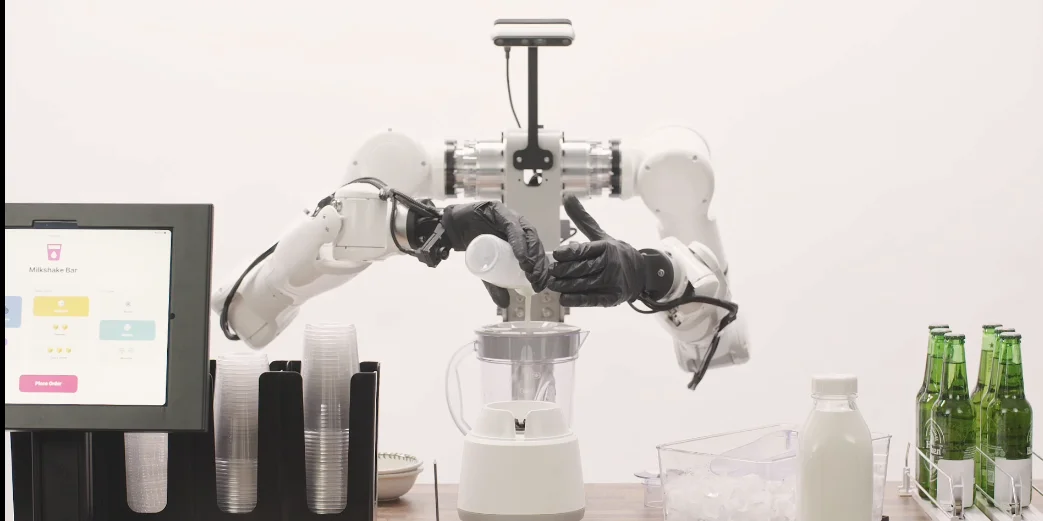
Genesis AI Unveils Foundation Model, Hand & Data Collection System to Develop Human-Level Physical Manipulation for Robotics
Genesis AI has introduced a groundbreaking robotics foundation model named GENE-26.5, accompanied by a proprietary robotic hand and a data collection system aimed at enhancing the ability of robots to learn complex physical tasks by observing human behavior. This innovative system seeks to tackle the challenges associated with gathering substantial amounts of usable training data necessary for teaching robots to perform intricate tasks effectively. The unveiling of GENE-26.5 marks a significant advancement in the field of robotics, as it promises to streamline the learning process for robots, making them more adept at mimicking human actions.
AI AI Use Cases Robotics Eclipse Eric Schmidt Foundation AI Model for Robotics
Genesis AI Unveils GENE-26.5, the First AI Brain to Enable Robots with Human-Level Physical Manipulation Capabilities
Genesis AI has unveiled a groundbreaking robotic foundation model that integrates an advanced data engine with a proprietary dexterous robotic hand, marking a significant advancement in robotics. The company showcased this innovation through a video released today, highlighting unprecedented complexity in robotic tasks. This development aims to enhance the capabilities of robots, positioning them as the most sophisticated machines ever created. By leveraging cutting-edge technology, Genesis AI seeks to revolutionize the field of robotics and expand the potential applications of these advanced systems.
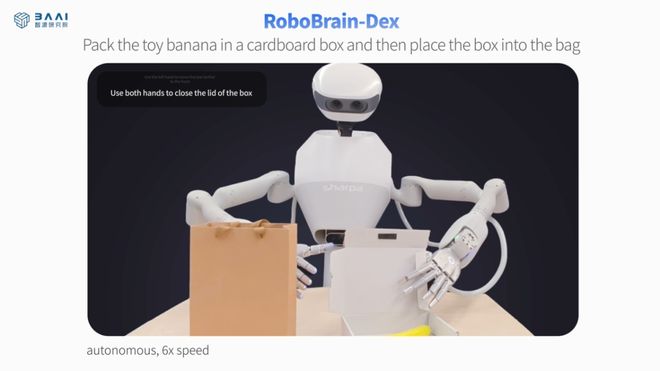
RoboBrain-Dex: Solving the Challenges of Embodied Intelligent Dexterous Manipulation through Human First-Person Perspective Operation Videos
RoboBrain-Dex has unveiled a groundbreaking pre-training paradigm designed to improve robotic dexterity by utilizing extensive collections of human first-person operation videos. This innovative method aims to streamline the learning process for robots, significantly cutting down on both time and costs associated with training. By enabling robots to swiftly grasp complex human operational logic, this approach opens up new possibilities for their application in various high-value industries. The introduction of RoboBrain-Dex marks a significant advancement in the field of robotics, promising to enhance the efficiency and effectiveness of robots in real-world tasks.
Robotic Dexterity AI Training Human-Robot Interaction Embodied Intelligence
The Gearbox Trap: Origami Robotics and 1X Clash Over the Future of Manipulation
Origami Robotics has released a technical critique highlighting that high-ratio gearboxes are a significant barrier to achieving greater dexterity in robotics. This assertion has led to an unusual hardware disclosure from Bernt Børnich, the CEO of 1X, who responded to the critique. The discussion surrounding this issue is particularly timely, as advancements in robotics are increasingly sought after in various industries. The critique emphasizes the need for innovation in gearbox technology to enhance robotic performance and functionality, suggesting that overcoming this bottleneck could lead to substantial improvements in robotic applications. Børnich's hardware reveal aims to address these concerns and showcase potential solutions to the challenges identified by Origami Robotics.
Origami Robotics 1X-technologies Scott Walter hand hands Bernt Børnich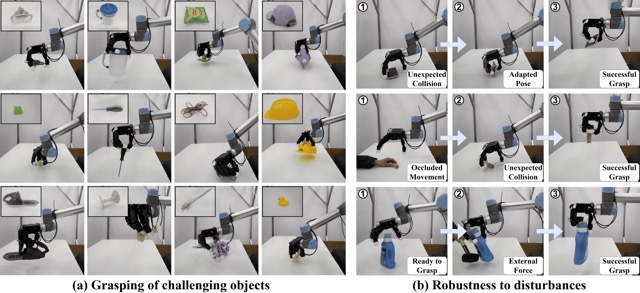
CoRL2025 – RobustDexGrasp: dexterous robot hand grasping of nearly any object
Researchers are increasingly focused on bridging the dexterity gap between human and robotic hands, a challenge that has significant implications for various industries. Human hands, with their remarkable 20 degrees of freedom, exhibit an unparalleled ability to perform intricate tasks, from gripping tools to making quick adjustments in response to unexpected changes. This natural dexterity allows humans to engage in a wide range of activities with ease and precision. The quest to replicate this level of skill in robotic hands has gained momentum in recent years, driven by the growing demand for advanced automation in sectors such as manufacturing, healthcare, and service industries. As of October 2023, experts are exploring innovative designs and technologies that could enhance the functionality and adaptability of robotic hands, aiming to create machines that can perform complex tasks with the same fluidity as human hands. By leveraging advancements in artificial intelligence, machine learning, and materials science, researchers are developing robotic systems that can learn from their environment and improve their performance over time. This ongoing effort not only seeks to enhance the capabilities of robots but also aims to expand their applications, potentially transforming the way humans and machines interact in everyday tasks. The successful integration of dexterous robotic hands could lead to significant improvements in efficiency and safety across various fields, marking a pivotal step toward a future where robots can seamlessly assist humans in their daily lives.
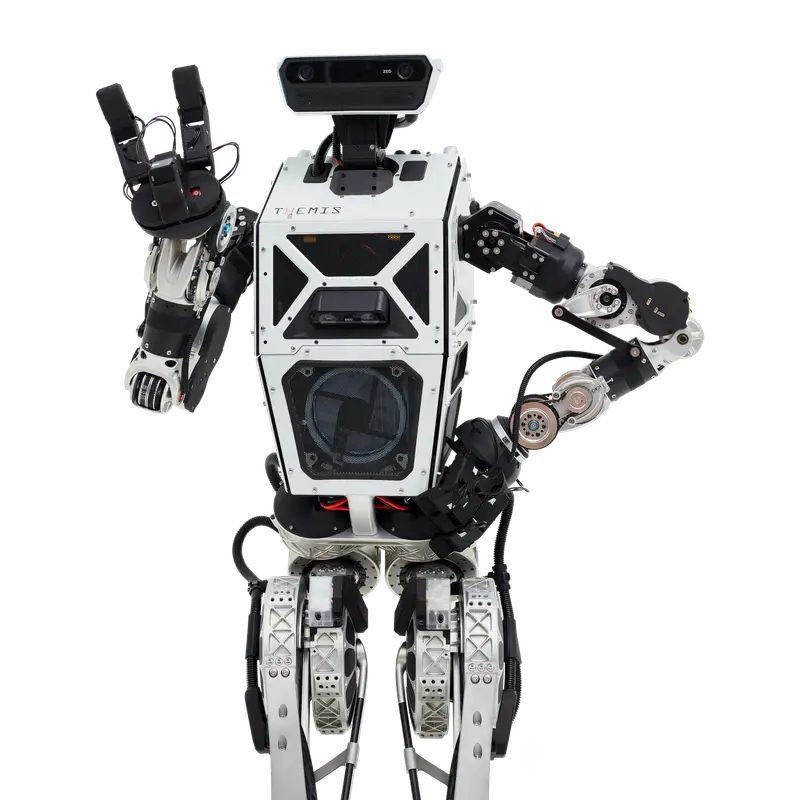
Westwood Robotics Details Agile THEMIS V2 Humanoid with Advanced Manipulation
Westwood Robotics has unveiled its latest humanoid robot, the THEMIS V2, designed to operate in challenging work environments. Standing at 1.6 meters tall, the robot boasts 40 degrees of freedom (DoF) and is equipped with proprietary BEAR actuators that enable agile and compliant movements. The upgraded model features enhanced 6-DoF arms and 7-DoF hands, allowing for greater dexterity and functionality. Incorporating advanced artificial intelligence processing and stereo vision capabilities, THEMIS V2 is engineered to perform complex tasks efficiently. Additionally, the robot is designed with hot-swappable batteries, ensuring minimal downtime during operation. This innovative technology aims to meet the increasing demand for versatile robotic solutions in various industries, highlighting Westwood Robotics' commitment to pushing the boundaries of robotic capabilities.
themis-v2 westwood-robotics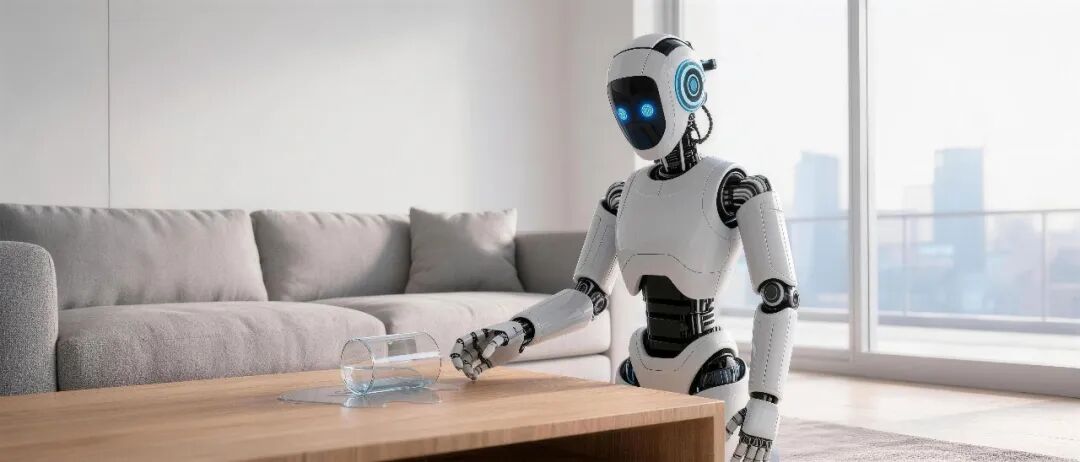
Robots Face Challenges in Basic Tasks Despite Advances in Embodied Intelligence
Over the past year, the robotics industry has engaged in a competitive race focused on enhancing the computational power, parameters, and algorithms of robotic 'brains.' While advancements in reasoning capabilities are evident, robots still struggle with basic tasks such as grasping objects or performing precise manipulations. This discrepancy raises questions about the effectiveness of current sensory technologies. The core issue lies in the limitations of robotic perception, which relies heavily on either pure vision or multi-sensor fusion approaches. Multi-sensor fusion, favored by many embodied intelligence manufacturers, combines various sensors to improve robustness and accuracy. However, this method introduces challenges related to data synchronization and processing overhead, hindering the scalability of embodied intelligence. Conversely, pure vision systems, exemplified by Tesla's approach, depend on 2D RGB cameras to reconstruct 3D environments. This method lacks depth information and can falter in challenging visual conditions. Both approaches suffer from the loss of information during data transmission and processing, resulting in robots receiving 'second-hand data' rather than real-time, unified information from the physical world. No further timeline was disclosed at the time of publication.
Robotic Vision Embodied Intelligence Sensor Technology AI Automation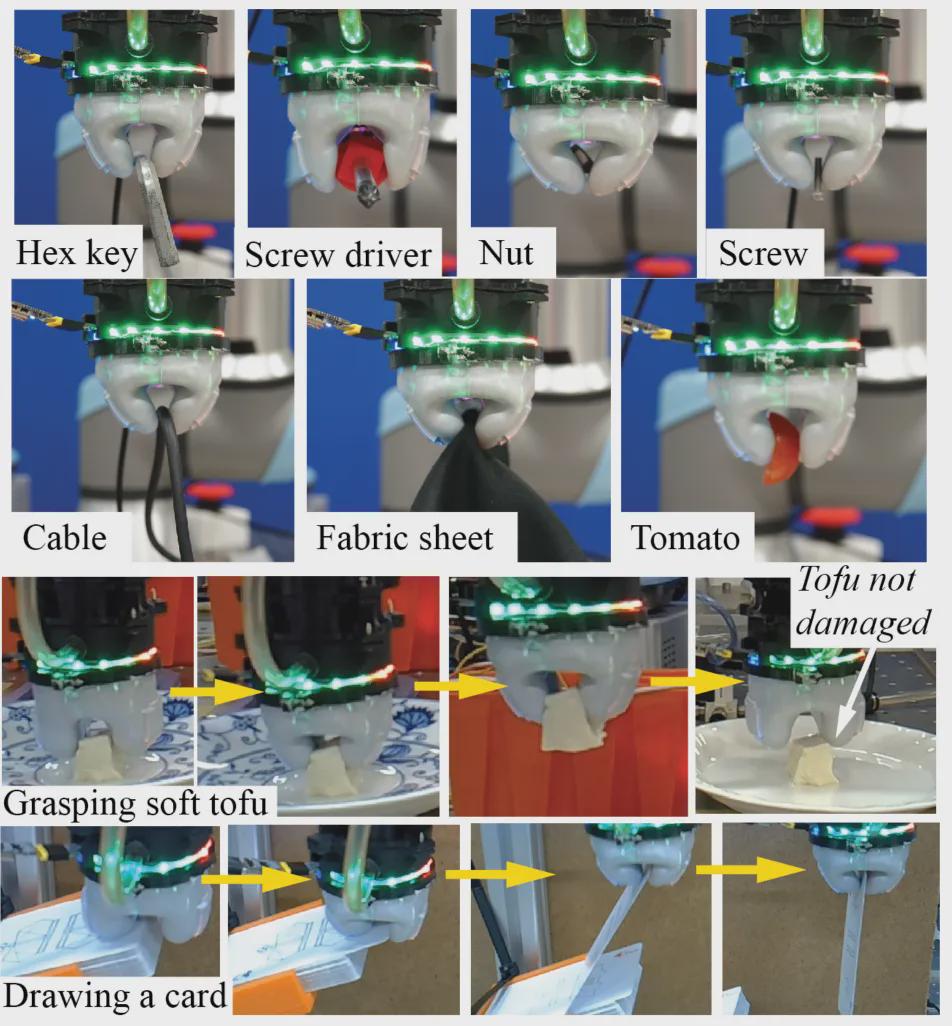
JAIST and King's College Develop EleTac Soft Gripper with Integrated Tactile Sensing
Researchers from Japan's JAIST and King's College London have developed EleTac, a soft robotic gripper inspired by the trunk of an elephant. This innovative design integrates grasping, external tactile perception, and proprioception within a single soft structure. The gripper can manipulate various objects, including tofu and fabric, while estimating contact position and force using a vacuum system operating at 30 kPa. The significance of EleTac lies in its ability to handle delicate and irregularly shaped items, addressing the challenges of soft robotics. Traditional rigid grippers utilize clear joints for sensing, while soft grippers often struggle with limited perception due to their material properties. EleTac's design allows for continuous tactile sensing across its surface, enhancing its ability to discern between self-induced deformations and external contacts. Future developments will focus on refining the visual-based tactile sensing capabilities of EleTac, which utilizes an internal optical system to monitor material deformation. This advancement could lead to improved performance in applications requiring precise manipulation of fragile objects. No further timeline was disclosed at the time of publication.
Soft Robotics Tactile Sensing Proprioception Robotic Grippers
RoboScience launches Visics, a versatile embodied model for cross-ontology, cross-object, and cross-task applications.
On June 24, RoboScience, a company specializing in embodied intelligence, unveiled its self-developed Visics large model, introducing the innovative VLOA (Vision-Language-Object-Action) architecture. This announcement marks a significant advancement in the field, demonstrating the model's applications in real-world scenarios such as furniture assembly, dexterous grasping, and dynamic assembly lines. The current landscape of embodied intelligence lacks a universally accepted foundational representation unit, which hampers data collection, model learning, and the transfer of knowledge to new contexts. Traditionally, models have focused on replicating specific robotic movements tied to particular tasks, limiting their adaptability to new robots, objects, or environments. Founder and CEO Tian Ye highlighted three major challenges in robotic operations: poor generalization, difficulty in precise manipulation, and cumulative errors in long-range tasks. To address these issues, RoboScience has developed a new foundational representation unit from the ground up. The Visics model employs a dual-engine architecture, consisting of an embodied world model and a universal operation model, each operating independently. The embodied world model utilizes vast amounts of internet video data to learn the physical dynamics of objects, while the operation model translates object trajectories into actionable commands for robots. This layered design enhances the model's generalization capabilities across various robotic platforms and tasks. RoboScience's innovative approach also includes a high-precision simulation engine, RoboMirage, which, combined with automated video data annotation, significantly reduces data acquisition costs. The company aims to build a comprehensive dataset of over 1 terabyte of high-quality manipulation trajectories by 2026. Since its inception, RoboScience has garnered support from multiple investors and established research and production centers in major Chinese cities. The company plans to collaborate with various sectors, including retail and logistics, to standardize robotic products for industrial and commercial applications by the end of this year.

ABB Robotics and PSYONIC Use Human-Generated Data to Advance Robotic Dexterity
ABB Robotics has partnered with California-based bionics company PSYONIC to enhance robotic dexterity and grasping capabilities by utilizing human-generated data from prosthetic use. Announced on June 16, 2026, this collaboration aims to address the significant challenge of replicating human-like dexterity in industrial robotics, which is essential for the development of Autonomous Versatile Robotics (AVR™). By integrating the PSYONIC Ability Hand with ABB's GoFa™ collaborative robot, the two companies will explore how real-world manipulation data can train robots to perform delicate tasks that are typically difficult to automate. This initiative is expected to reduce engineering time by up to 30% and improve productivity, flexibility, and workplace safety across various industries, including automotive, aerospace, packaging, logistics, and life sciences. Marc Segura, President of ABB Robotics, emphasized the importance of bridging the gap between human and robotic dexterity to enable robots to learn and interact with their environments more intuitively. Dr. Aadeel Akhtar, Founder and CEO of PSYONIC, highlighted that the collaboration will leverage high-fidelity data on movement and grip force to enhance robotic performance in complex tasks. The GoFa™ robot will provide the precision necessary for industrial applications, ensuring consistent execution of intricate movements, which is crucial for handling fragile or irregular objects. This partnership represents a significant step towards advancing physical AI in robotics, allowing for more effective collaboration between humans and machines.
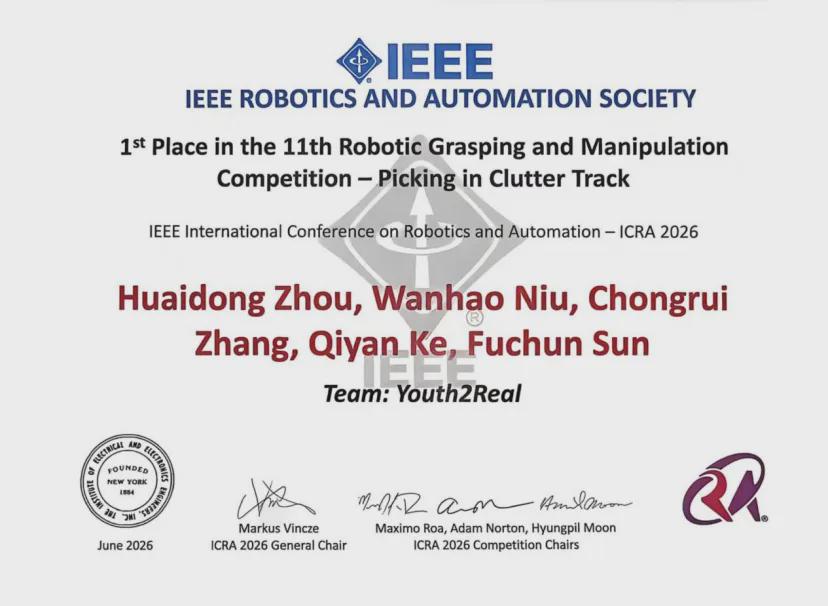
Tsinghua University and FiveAges Team Win Global Championship at ICRA 2026 Robotics Competition
The Youth2Real team, a partnership between Tsinghua University and FiveAges, has achieved a remarkable victory by winning the global championship in the Picking in Clutter Track at the 11th Robotic Grasping and Manipulation Competition (RGMC). This prestigious event took place during the International Conference on Robotics and Automation (ICRA) 2026 in Vienna. The team's success underscores their advanced expertise in robotic grasping and manipulation, reflecting significant technological progress that has potential applications in various real-world scenarios.
Robotic Grasping Artificial Intelligence Robotics Competition Automation Technology
XELA Robotics to Unveil New Major Tactile Sensor Capabilities at Automate 2026
Researchers have successfully developed advanced robotic fingertips equipped with sensitive nails, enabling precise grasping of extremely thin objects. This innovative technology, which was unveiled recently, features a universal manipulation interface that enhances the robot's ability to interact with various items. Additionally, the system includes improved magnetic interference compensation, allowing for more reliable handling of fragile objects. The advancements aim to address challenges in robotic dexterity and manipulation, making these robotic fingertips suitable for a range of applications, from delicate assembly tasks to intricate surgical procedures. This breakthrough represents a significant step forward in robotics, potentially transforming industries that require high precision and care in handling lightweight and fragile materials.
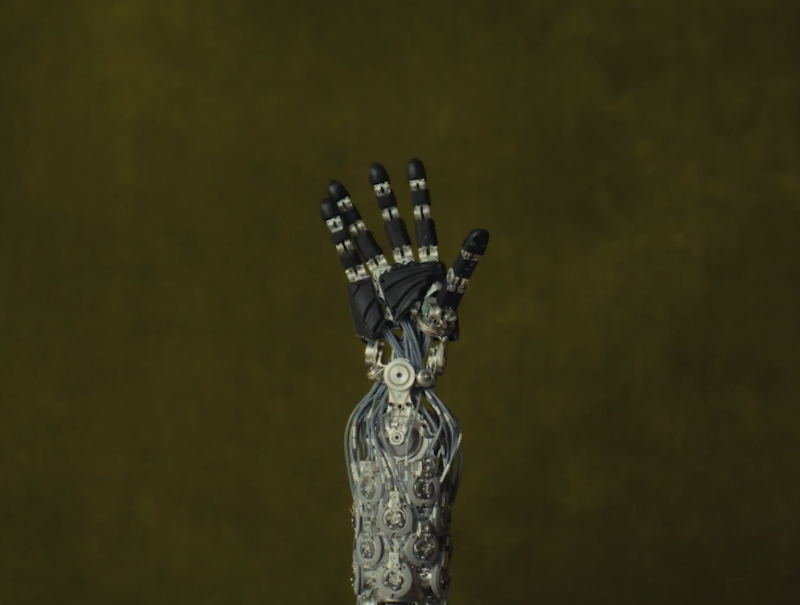
1X Introduces Advanced 25-Degree-of-Freedom Hands for NEO Humanoid Robot
1X has launched a new tendon-driven robotic hand for its NEO humanoid platform, featuring 25 degrees of freedom. This design enhances dexterity, strength, and tactile sensing, enabling advanced AI-driven manipulation capabilities. The introduction of these hands aims to eliminate the 'hardware ceiling' that has previously restricted humanoid robots, allowing for more human-like manipulation. The hands can perform various tasks, including assembling LEGO models and using tools, showcasing their versatility and advanced functionality. Looking ahead, 1X has established a dedicated production line and plans to manufacture up to 10,000 units this year, which will facilitate broader deployment of the NEO humanoid platform. No further timeline was disclosed at the time of publication.
Humanoids News 1x artificial intelligence automation embodied ai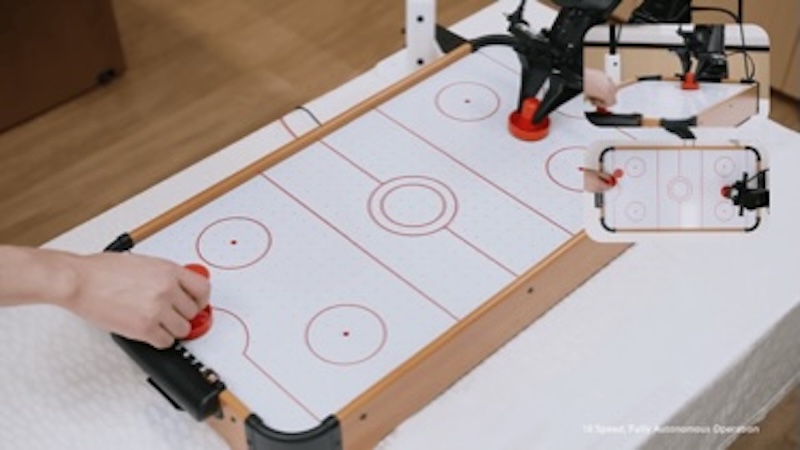
Robbyant Launches Upgraded LingBot-VLA 2.0 AI Model for Advanced Robotics
Robbyant, a company specializing in embodied AI under Ant Group, has unveiled the upgraded LingBot-VLA 2.0 model. This next-generation vision-language-action model enhances morphological generalization, degrees of freedom support, and deployment efficiency, addressing a critical gap in the embodied AI industry. The significance of LingBot-VLA 2.0 lies in its extensive pre-training on 60,000 hours of real-world data, which includes interactions from 20 different robot morphologies. This upgrade allows for improved whole-body control and dual-arm manipulation, achieving leading scores on benchmarks, thus demonstrating its effectiveness in industrial-scale deployment. Looking ahead, the introduction of a version optimized for efficient post-training and a threefold increase in inference efficiency positions LingBot-VLA 2.0 as a strong contender for real-time commercial applications. No further timeline was disclosed at the time of publication.
Computing Robot simulation artificial intelligence dual-arm robots embodied ai humanoid robots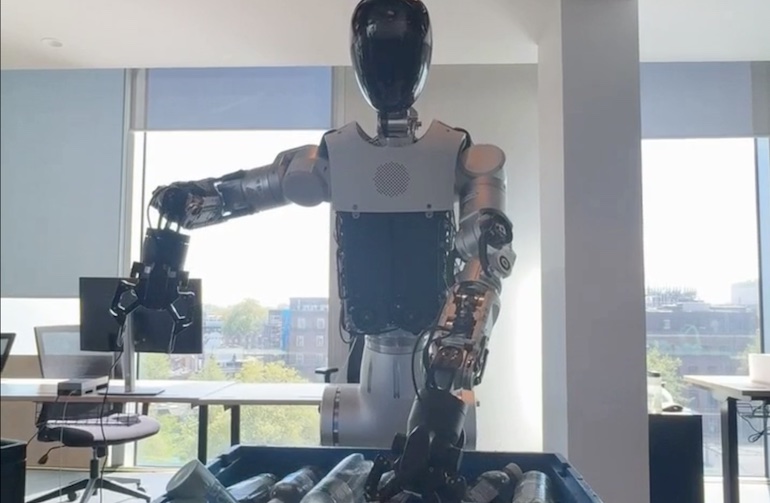
Humanoid says KinetIQ Ascend reinforcement learning approaches human-level dexterity
Humanoid has announced that its KinetIQ Ascend technology achieves an impressive 99.9% manipulation reliability, capable of performing industrial tasks at human speed and even surpassing it. This breakthrough is attributed to advanced reinforcement learning techniques that enable robots to exhibit human-level dexterity. The development marks a significant advancement in robotics, potentially transforming efficiency in various industrial applications.
Artificial Intelligence Artificial Intelligence / Cognition Humanoids News dexterous manipulation humanoid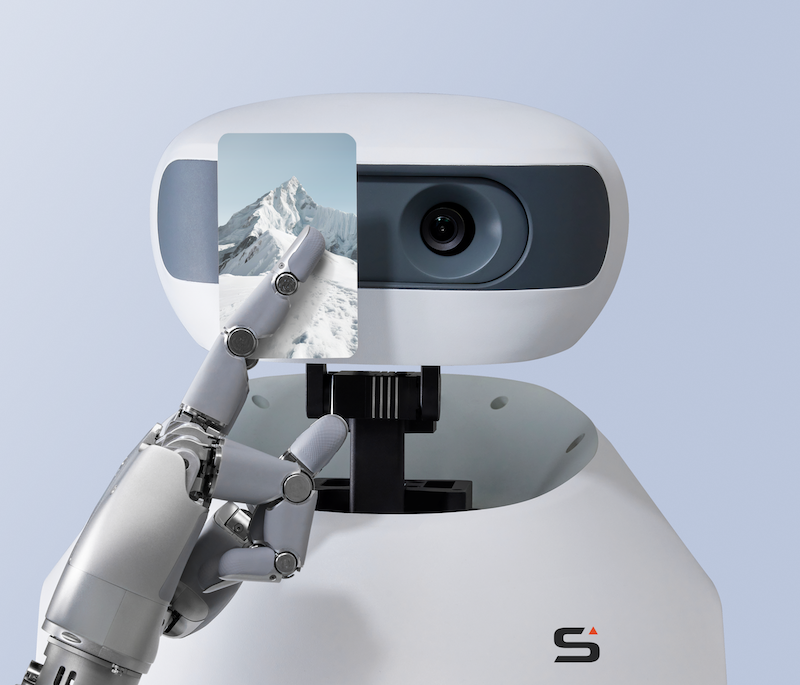
Sharpa brings dexterous robot hands to Nvidia and Unitree humanoid reference design
Sharpa has unveiled the integration of its Wave tactile robot hands into the Unitree H2 Plus humanoid robot reference design, marking a significant advancement in robotics technology. This collaboration makes the Unitree H2 Plus the first dexterous humanoid platform to utilize Sharpa's tactile manipulation technology within Nvidia’s Isaac GR00T development framework. The companies aim to enhance the capabilities of robotics developers and researchers by providing a sophisticated platform that combines advanced tactile feedback with humanoid robotics. This integration is expected to facilitate innovative developments in the field, enabling more nuanced and effective interactions between robots and their environments.
Humanoids News automation news dexterous manipulation humanoid robots nvidia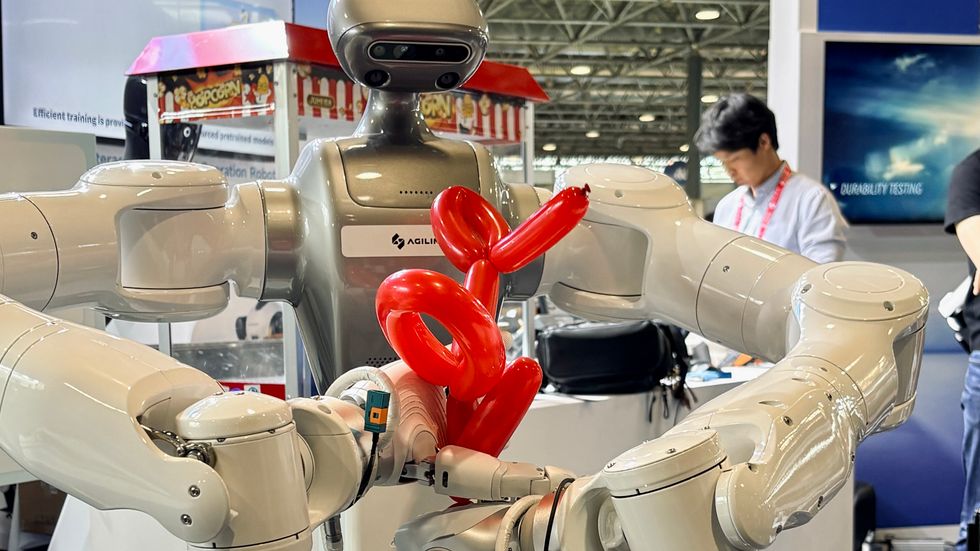
Beyond Dexterity: Why Contact May Define the Next Era of Robotics
At the 2026 IEEE International Conference on Robotics (ICRA) in Vienna, AGILINK showcased a captivating demonstration of robotic dexterity by creating a balloon dog, which drew significant attention from attendees. This seemingly playful task is recognized in the robotics community as a complex manipulation challenge due to the balloon's lightweight and highly deformable nature. The demonstration highlighted the intricate balance between motion and contact intelligence, essential for successful robotic manipulation. AGILINK's approach involved mapping the actions of professional balloon artists to robotic hands, allowing the robot to learn both successful manipulation sequences and recovery strategies during failures. This dual focus on motion and contact intelligence is crucial, as maintaining stable interaction with the balloon is as important as executing the correct sequence of actions. In conjunction with the balloon dog demonstration, AGILINK introduced the OmniHand 3 Ultra-M, a dexterous robotic hand designed to enhance contact intelligence through advanced sensing and faster response capabilities. The hand features 20 active degrees of freedom and a direct-drive architecture, enabling precise force regulation and tactile sensing across its surface. The significance of these advancements extends beyond balloon animals, addressing broader challenges in robotics related to unstable and deformable interactions, such as delicate assembly and household tasks. As robotics research increasingly prioritizes interaction dynamics, AGILINK's innovations may pave the way for more effective manipulation in unpredictable real-world environments.
Humanoid-robots Physical-ai Dexterous-hands Direct-drive-actuation Robotic-manipulation Reinforcement-learning
RLWRLD and Nvidia launch DexBench to standardize humanoid robot dexterity
RLWRLD, a company specializing in physical AI, has partnered with Nvidia to establish new industry standards for humanoid robot artificial intelligence. This initiative, announced recently, aims to enhance the capabilities of humanoid robots through three key components. The first is DexBench, a universal benchmark designed to assess dexterity performance in robotic systems. The second component focuses on creating a standardized data framework for training robots in dexterous manipulation. Lastly, the collaboration will ensure deep integration with Nvidia's open-source platforms, Isaac Lab and Isaac Lab-Arena, facilitating advanced development and testing of robotic technologies. This initiative is set to advance the field of robotics by providing essential tools and standards for evaluating and improving robot dexterity and functionality.
Computing Software automation news DexBench dexterous manipulation embodied ai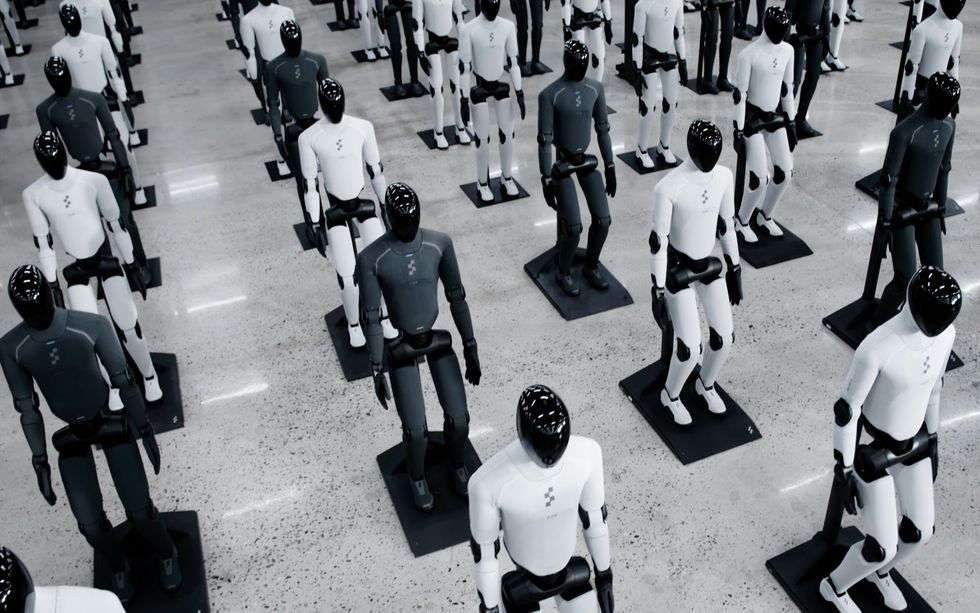
Video Friday: Figure, 1X Ramp Up Humanoid Robot Production
IEEE Spectrum robotics has released its weekly roundup of notable robotics videos and upcoming events, including major conferences like ICRA 2026 in Vienna and RSS 2026 in Sydney. A significant development in humanoid robotics has occurred with the opening of the NEO Factory in Hayward, California, which is now producing robots at a rate of 55 per week. This facility, which spans 58,000 square feet and employs over 200 staff, allows for complete in-house manufacturing, enhancing safety and efficiency. The first consumer robots are expected to ship in 2026, marking a pivotal step toward the realization of general-purpose home robots. In other news, NASA continues its exploration of Mars with two rovers, Perseverance and Curiosity, studying different geological eras of the planet. Meanwhile, the Chinese-made Unitree G1 humanoid robots are gaining traction in the U.S. tech landscape, being utilized by companies like OpenAI and Nvidia, raising questions about their implications for security and privacy. Additionally, advancements in robotics are showcased through various projects, including a surgical robot designed to streamline Neuralink implant procedures and a tactile-enabled humanoid manipulation system that enhances dexterity and stability in real-world tasks. As robotics technology evolves, experts are also exploring how autonomous systems make decisions in unpredictable environments, emphasizing the importance of AI in coordinating complex operations.
Humanoid-robots Video-friday Robot-videos Robot-manipulation Industrial-robots Robot-hands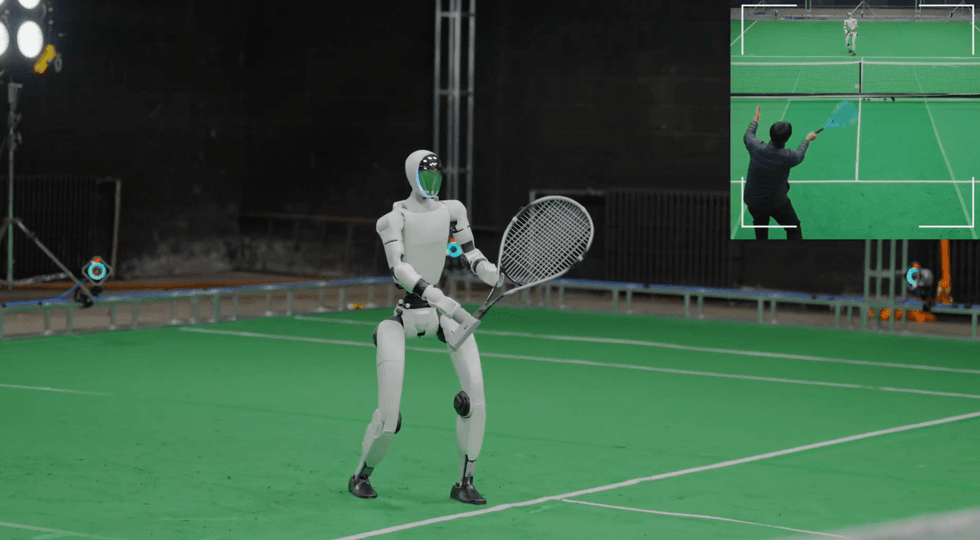
Video Friday: Humanoid Learns Tennis Skills Playing Humans
IEEE Spectrum robotics has released its latest edition of Video Friday, showcasing a variety of innovative robotics videos and announcing upcoming events in the field. Notable events include the International Conference on Robotics and Automation (ICRA) scheduled for June 1-5, 2026, in Vienna, and a Summer School on Multi-Robot Systems from July 29 to August 4, 2026, in Prague. Among the featured advancements, researchers have developed LATENT, a system designed to teach humanoid robots tennis skills by learning from imperfect human motion data. This innovation addresses the challenges of replicating human-like athleticism in robotics. Additionally, a breakthrough has been achieved in robotic manipulation, with a robot successfully peeling an apple using dual dexterous hands, showcasing significant progress in bimanual tasks. The development of MoDE-VLA, a control system that integrates vision, language, force, and touch data, further enhances the robot's ability to perform complex tasks with stability and precision. This shared-autonomy approach allows human operators to guide robots in executing intricate movements. In other highlights, collaborations between Tesollo and Hanyang University have led to advancements in robotic hand technology, while the Fluent Robotics Lab at the University of Michigan is set to present a paper on operational PR2 robots. The KAIST DRCD Lab has also demonstrated the capabilities of its humanoid robot, trained through deep reinforcement learning. As robotics continues to evolve, these innovations reflect the ongoing efforts to bridge the gap between human-like dexterity and robotic functionality.
Humanoid-robots Video-friday Robot-locomotion Nvidia Robot-manipulation Quadruped-robots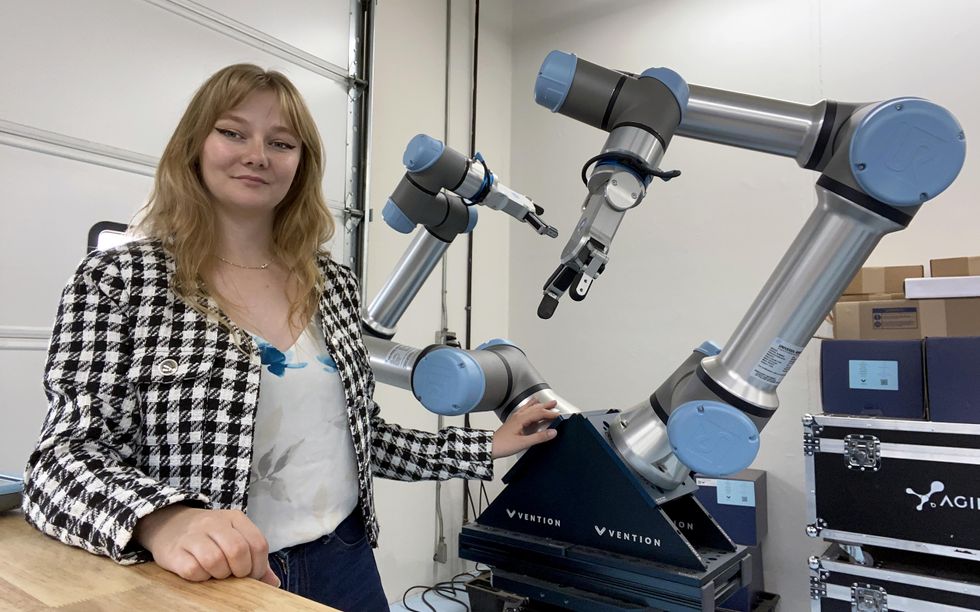
Graduate Student Develops NASA Robot Assembly Algorithm for Satellite Antennas
Sarah Downs, a graduate student at Texas A&M University, has developed an algorithm for NASA that enables robots to assemble satellites in space. This algorithm addresses the classic peg-in-hole problem by allowing robots to insert antennas accurately into designated spots. Downs's work is significant as it enhances the capabilities of robots operating in the challenging environment of outer space. The importance of Downs's research lies in its potential to improve satellite assembly processes, which are critical for space missions. By creating a robot that can perform tasks without relying on vision systems, Downs addresses the challenges posed by the harsh conditions of space where cameras may fail. This innovation could lead to more reliable and efficient satellite deployment in future missions. Looking ahead, Downs plans to continue her research on satellite assembly and manipulation at a larger scale. As she progresses in her Ph.D. studies, her work will likely contribute to advancements in robotics that could transform how satellites are constructed and maintained in orbit. No further timeline was disclosed at the time of publication.
Type-ti Ieee-member-news Robots Nasa Student-member Satellites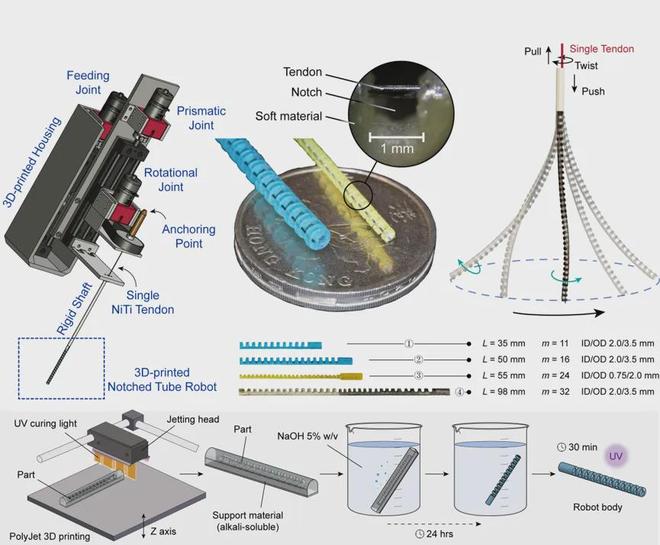
CUHK Introduces Innovative Single-Tendon Continuum Robots for Enhanced Motion Control
The Chinese University of Hong Kong (CUHK) has developed a groundbreaking single-tendon-driven continuum robot, addressing the longstanding challenges in minimally invasive medical applications. This innovative design utilizes a single eccentrically arranged tendon to achieve near omnidirectional motion control, significantly simplifying the actuator and transmission system while maintaining a compact size. This advancement is crucial as traditional tendon-driven continuum robots (TDCRs) rely on multiple tendons for three-dimensional motion, leading to increased complexity and limitations in miniaturization. The new paradigm proposed by CUHK's research team not only enhances spatial manipulation capabilities but also improves force transmission efficiency, paving the way for next-generation minimally invasive surgical robots. Looking ahead, the research, published in Nature Communications, offers a new design and technological pathway for continuum robots, inspired by the flexible movement observed in biological systems. No further timeline was disclosed at the time of publication.
Continuum Robots Medical Robotics Robotic Motion Control Tendon-Driven Robotics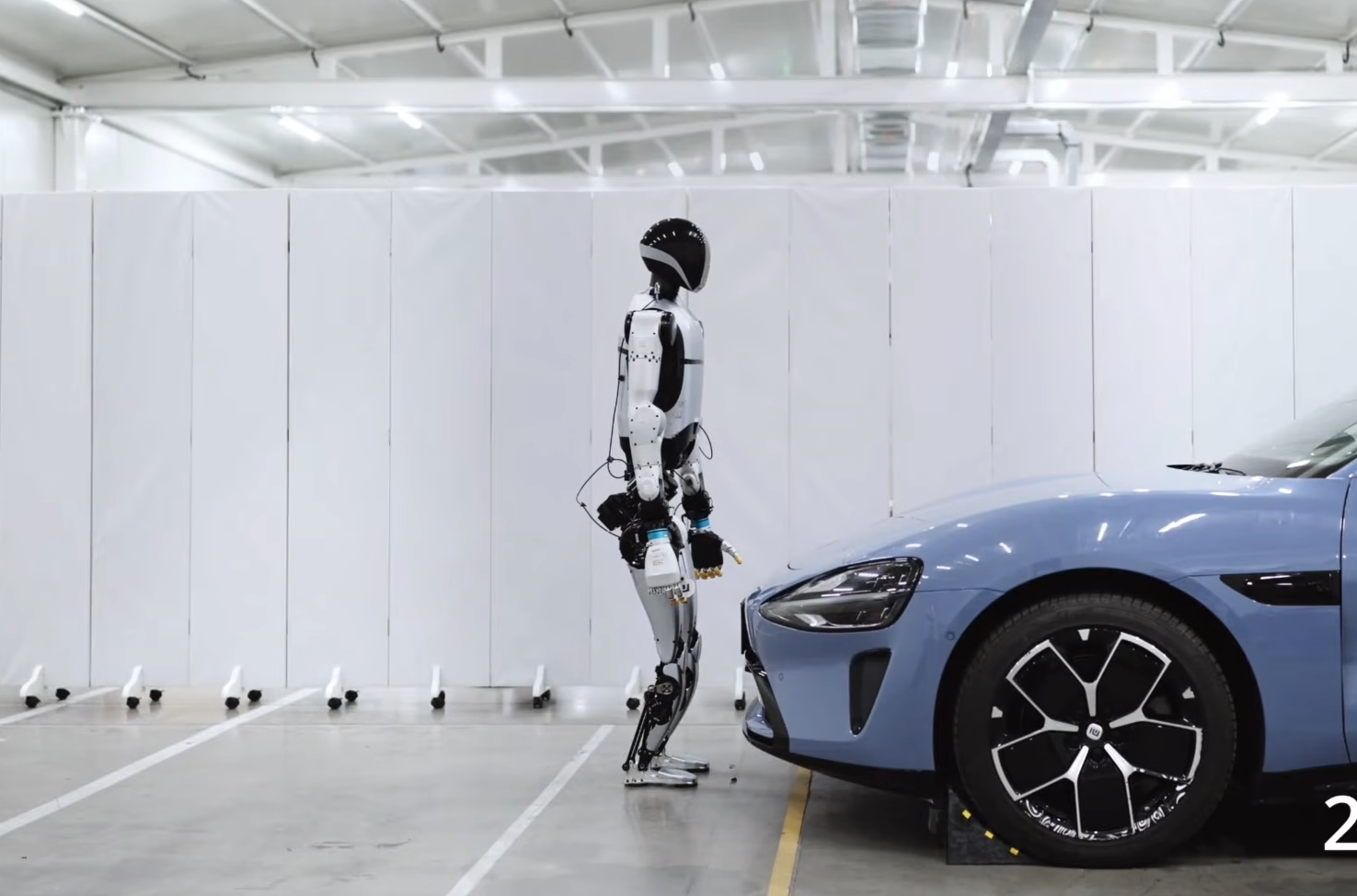
Xiaomi's Humanoid Robot Achieves 98% Success Rate in Automotive Production Tasks
Xiaomi has made significant advancements in deploying its humanoid robot on automotive production lines, achieving a 98% success rate at a self-tapping nut loading station. This improvement narrows the gap to human workers' qualification rates to just one percentage point, showcasing the robot's enhanced capabilities after four months of development. The importance of this development lies in Xiaomi's ability to expand the robot's role in manufacturing, as it has successfully taken on additional tasks such as center console side panel sorting and parts bin folding and recycling, both achieving a 90% success rate. This marks a significant milestone in the robot's operational capabilities, particularly in handling flexible workpieces, which are typically more challenging than rigid components. Looking ahead, Xiaomi's continued focus on refining its humanoid robot's perception and manipulation skills will be crucial for further integration into automotive assembly operations. No further timeline was disclosed at the time of publication.
AI and Robotics
BF-GNet: A Network for RGB-D Fusion in Grasp Pose Estimation
The article discusses BF-GNet, a novel RGB-D fusion network designed for grasp pose estimation in complex background environments. This technology aims to enhance robotic manipulation capabilities by accurately determining grasp poses despite challenging visual conditions. The significance of BF-GNet lies in its potential to improve the efficiency and reliability of robotic systems in real-world applications. By effectively integrating RGB and depth data, the network addresses common challenges faced in environments with clutter and varying textures, making it a valuable tool for advancing robotic perception. Looking ahead, the adoption of BF-GNet could lead to more sophisticated robotic applications in various sectors, including logistics and manufacturing. As the technology matures, further developments and potential collaborations may emerge to enhance its capabilities and deployment in practical scenarios. No further timeline was disclosed at the time of publication.
RESEARCH ARTICLE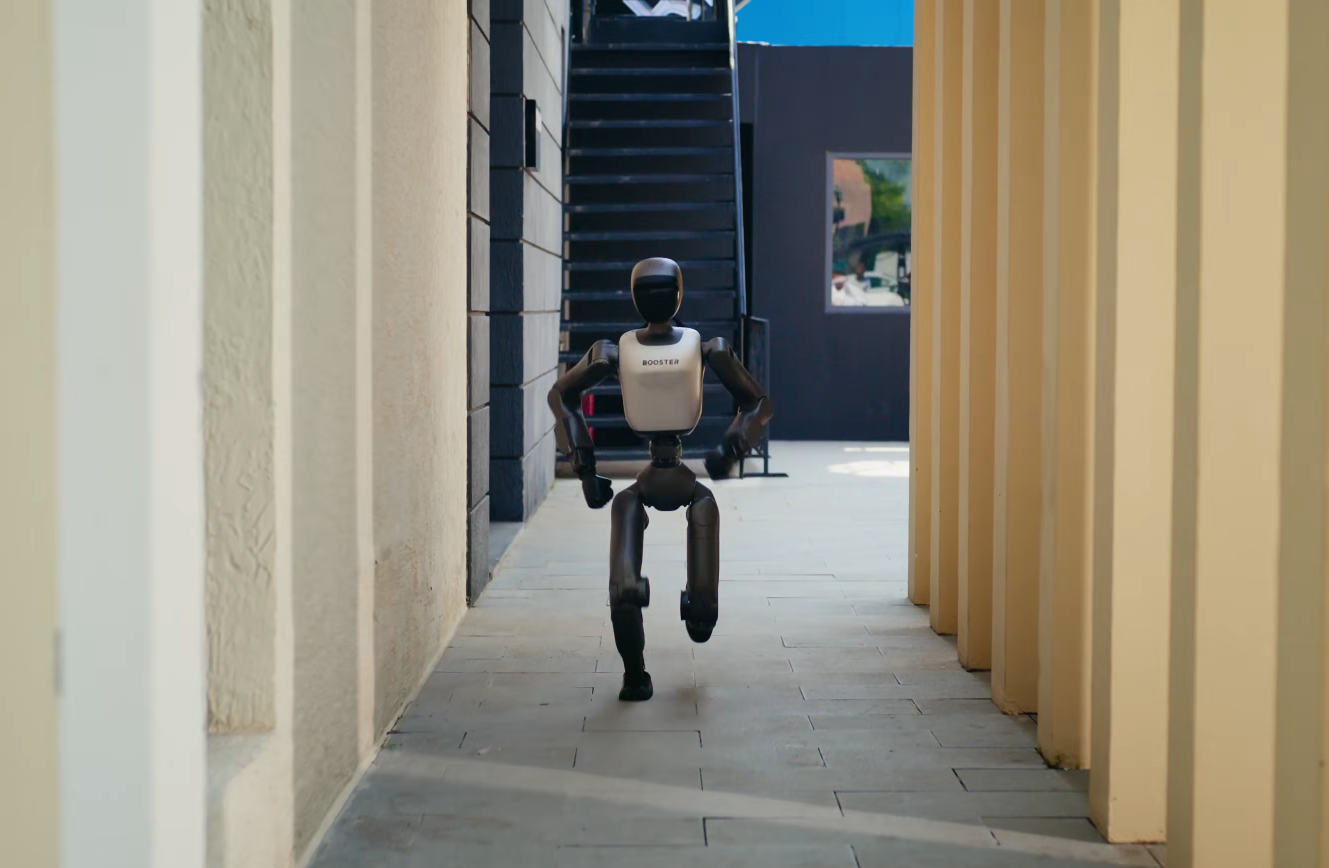
Booster Robotics Launches Booster T2 Humanoid Robot with NVIDIA Thor Computing Power
Booster Robotics has introduced the Booster T2, a humanoid robot platform aimed at real-world applications and embodied AI research. The T2 Pro version utilizes NVIDIA’s Thor chip, delivering up to 2,070 TFLOPS for real-time perception and control. The robot is designed for tasks requiring mobility and manipulation, showcasing advanced capabilities such as walking, dynamic balance, and athletic movements. The significance of the Booster T2 lies in its integration of cutting-edge technology and open development. With features like whole-body coordination and onboard AI computing, it supports a wide range of applications in robotics. The introduction of Booster Studio, an open software platform, further enhances its utility by allowing developers to simulate and deploy AI models effectively. Looking ahead, the Booster T2 is positioned to advance research in embodied AI and robotics. Its robust design, including 31 degrees of freedom and multiple hardware configurations, makes it suitable for various manipulation tasks. No further timeline was disclosed at the time of publication.
AI and Robotics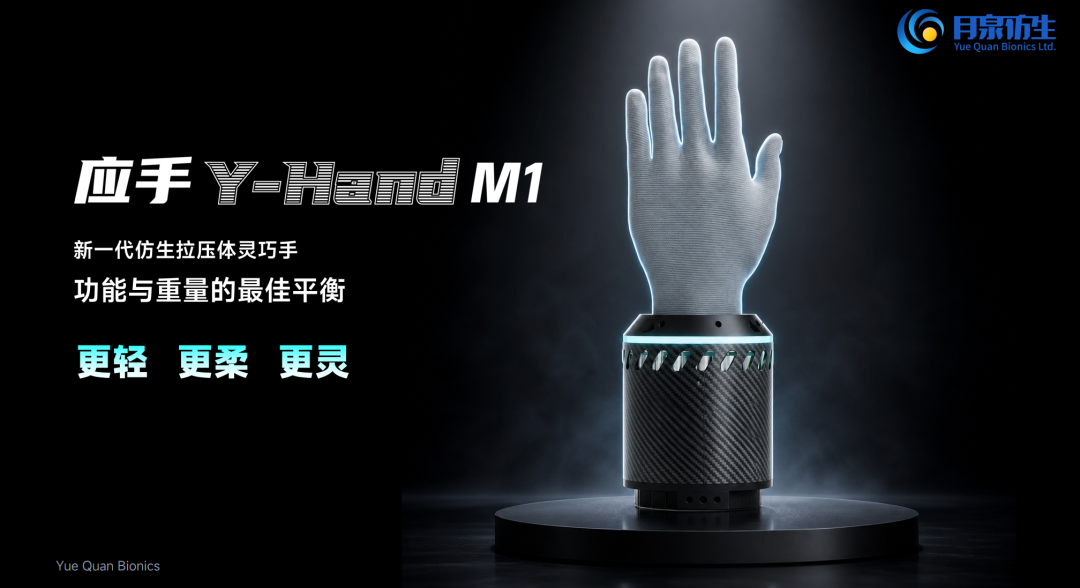
Yuequan Bionics Launches Innovative 299.7g Y-Hand M1 with Unique Biomechanical Technology
On July 3, Yuequan Bionics unveiled the Y-Hand M1, a dexterous robotic hand weighing 299.7 grams. Unlike competitors that focus on increasing degrees of freedom, the Y-Hand M1 employs a unique bionic tension-compression technology, achieving significant dexterity with only 26 degrees of freedom. This innovation is crucial as the robotics industry grapples with the challenge of balancing performance, cost, and reliability in dexterous hands. The Y-Hand M1 represents a paradigm shift, addressing the industry's 'impossible triangle' where high performance often leads to increased costs and reduced reliability. Looking ahead, the dexterous hand market in China is projected to grow significantly, with sales expected to reach 70,200 units in 2026. As investment in this sector surges, the Y-Hand M1's unique approach may set a new standard for future developments in robotic manipulation technology. No further timeline was disclosed at the time of publication.
Dexterous Hands Bionic Technology Robotics Innovation Embodied Intelligence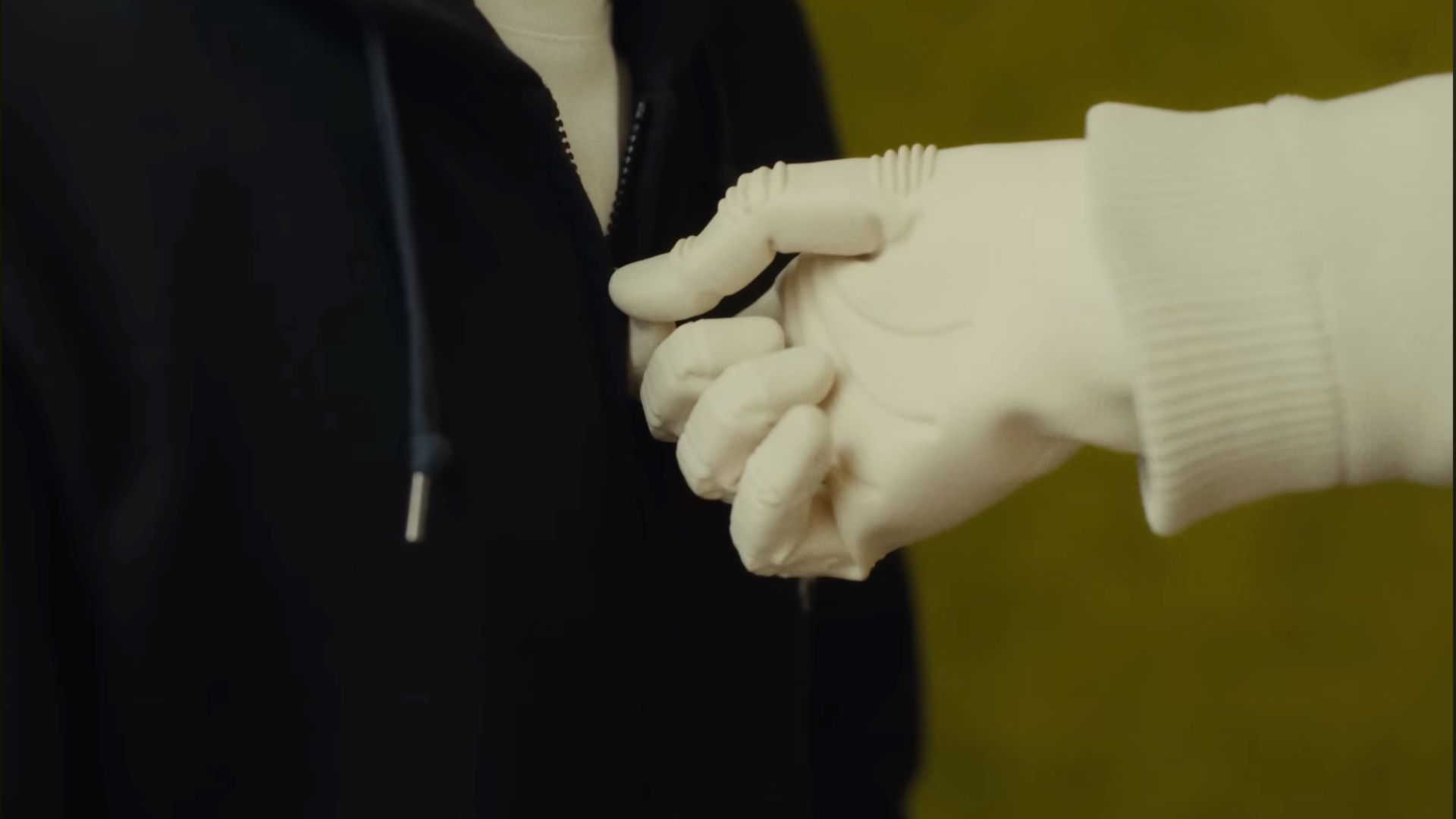
1X Enhances NEO Humanoid Robot with Advanced 25-DOF Hands for Versatile Tasks
Norwegian robotics firm 1X has introduced new 25-degree-of-freedom (DOF) tendon-driven hands for its NEO humanoid robot, marking a significant advancement in robotic dexterity. These hands feature 22 actuated joints across the fingers and palm, along with three at the wrist, enabling NEO to perform tasks such as assembling LEGO models and catching balls with precision and strength. The redesigned hands allow for force sensing and durability, overcoming previous hardware limitations in robotic manipulation. With a unique tendon-drive system and low gear ratios, the hands can detect contact forces and provide continuous proprioception, enhancing the robot's ability to manipulate objects safely and effectively. The hands' human-like joint distribution, particularly the opposable thumb, facilitates a wide range of fine manipulation tasks, making NEO suitable for various household applications. 1X has commenced mass production of the NEO robot at its new California facility, aiming to commercialize home robots for daily assistance. The company emphasizes the hands' combination of precision, strength, and safety features, including IP68 waterproofing and self-cleaning capabilities. No further timeline was disclosed at the time of publication.
AI and Robotics
Three Key Challenges Hindering the Development of Advanced Humanoid Robots
The development of humanoid robots, akin to C-3PO, faces significant challenges in reliability, dexterity, and data management. While advancements in AI have improved reasoning capabilities, the physical aspects of robotics remain problematic. Current robots excel in specific tasks but struggle with complex manipulations that require high precision and reliability. These challenges are critical as they impact the deployment of robots in various sectors, including healthcare and manufacturing. For instance, surgical robots like the da Vinci system demonstrate the gap between theoretical intelligence and practical application, where reliability is paramount. The need for robots to perform consistently across millions of cycles is essential for their acceptance in sensitive environments. Looking ahead, the industry must focus on overcoming these bottlenecks to enable broader adoption of humanoid robots. The reliance on a combination of real and synthetic data for training highlights the ongoing need for innovative solutions. No further timeline was disclosed at the time of publication.
Factory / Robotics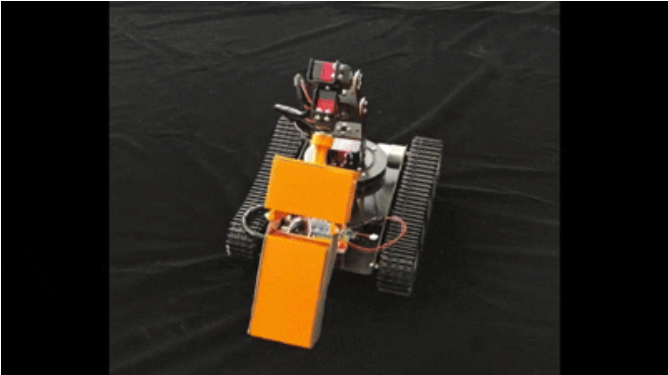
Breakthrough in Mobile Electrostatic Grippers: Soft on Contact, Rigid During Transport
Researchers at Harbin Institute of Technology have unveiled a groundbreaking electrostatic gripper capable of adjusting its stiffness on demand. This innovative device remains soft when in contact with objects, allowing for improved adherence, and transitions to a rigid state during transport to mitigate the risk of drop-offs caused by inertia. The development aims to enhance the stable handling of diverse surfaces and has been integrated into mobile robots, significantly boosting their operational performance. This advancement represents a significant step forward in robotic manipulation technology, promising to improve efficiency in various applications.
Electrostatic Grippers Robotics Mobile Manipulation Variable Stiffness Technology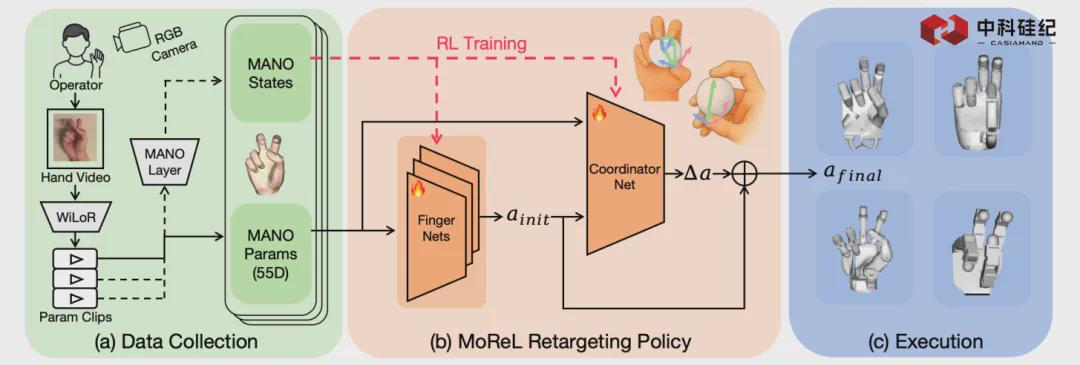
Breaking Through Data Bottlenecks: Si 0.5 Enables Millisecond Mapping from Human to Dexterous Hands
Zhongke Silicon Memory has unveiled MoReL, an innovative modular reinforcement learning framework designed to enhance embodied intelligence by facilitating real-time mapping of human hand movements to a variety of dexterous robotic hands. This significant advancement, announced recently, aims to tackle the prevalent issues of data scarcity and compatibility that have hindered the effective control of robotic systems. By enabling precise and efficient manipulation across different robotic platforms, MoReL eliminates the necessity for extensive reconfiguration, thereby streamlining the integration of human-like dexterity in robotics. This development marks a pivotal step forward in the field, promising to enhance the functionality and adaptability of robotic hands in various applications.
Robotic Manipulation Reinforcement Learning Dexterous Robotics Human-Robot Interaction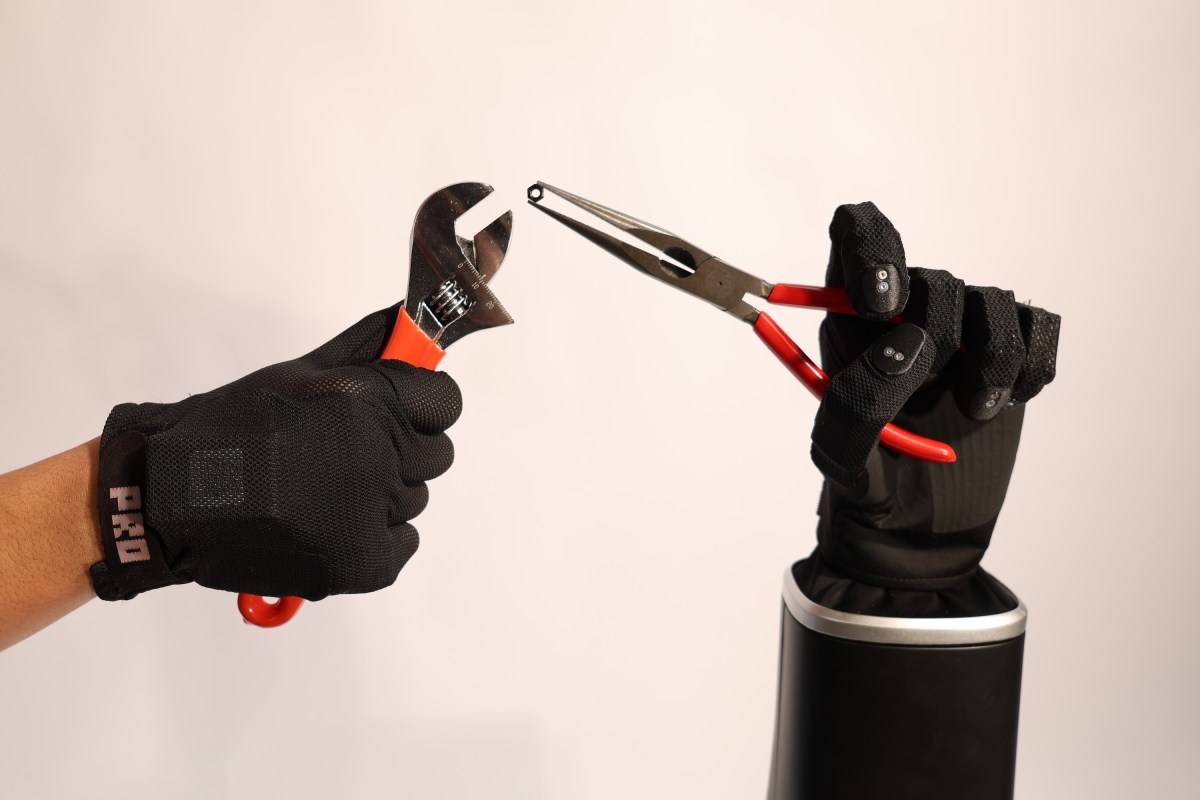
Robot hand company settles Tesla trade secret suit and announces $11M raise
Proception, a startup focused on advancing robotics, is innovating in the field of training data collection to address the complex challenges associated with robotic hand functionality. Established with the aim of enhancing robotic dexterity, the company is developing methods to gather and analyze data that will improve the performance of robotic hands. This initiative comes in response to the growing demand for more sophisticated and capable robotic systems in various industries. By leveraging cutting-edge technology and research, Proception aims to overcome the limitations currently faced in robotic manipulation, ultimately contributing to the evolution of robotics as a whole. The startup's efforts are expected to play a significant role in shaping the future of automation and robotics, particularly in applications requiring intricate hand movements.
AI Robotics Exclusive proception robotics
Humanoid Announces its KinetIQ Ascend Reinforcement Learning Approach
A groundbreaking robotic system has demonstrated its effectiveness in various manipulation tasks, including retrieving parts from bins, delivering objects to humans, and lifting and moving containers with its dual arms. This innovative technology was rigorously tested and has shown promising results across multiple scenarios, showcasing its potential for practical applications in industries requiring automation. The trials were conducted recently, highlighting the system's versatility and efficiency in handling complex tasks that typically require human intervention. As industries increasingly seek to enhance productivity through automation, this new robotic solution could play a significant role in transforming operational workflows.
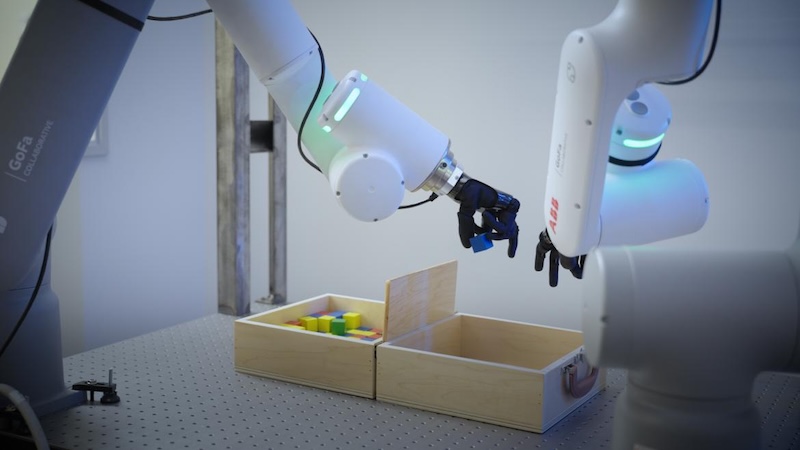
ABB Robotics and Psyonic use human-generated data to advance robotic dexterity
ABB Robotics is partnering with California-based bionics firm Psyonic to enhance robotic gripping and dexterity, addressing a significant challenge in the industry. This collaboration aims to leverage real-world manipulation data derived from human prosthetic use, which could lead to a reduction in engineering time by as much as 30%. The initiative involves integrating the Psyonic Ability Hand with ABB's GoFa robotic arm, creating a more efficient and adaptable solution for various applications. This innovative approach seeks to improve the functionality of robotic systems, making them more effective in handling tasks that require precision and flexibility.
Components Design Engineering abb robotics ai robotics automation newsRobotics needs a service framework.
RSF defines a common language for robot service capability, lifecycle operations, certification pathways, and service-provider networks.