


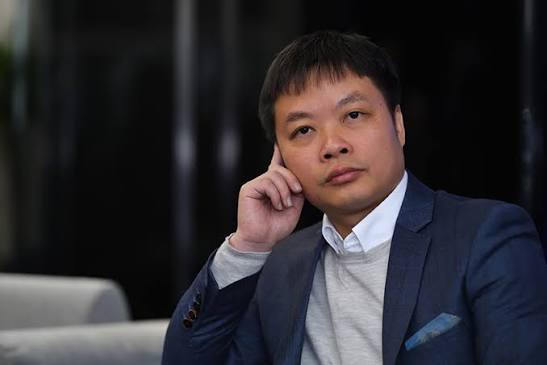
Shiao Tianlan, founder of Mechamand, has criticized certain high-profile embodied intelligence companies for generating unsustainable revenue through questionable practices. His own company, Mechamand, recently went public on the Hong Kong Stock Exchange but faced a drop in share price on its first day. This criticism highlights the growing anxiety within the industry regarding the viability of these companies as they rush to IPO.
The significance of this situation lies in the alarming trends observed in the financing and revenue structures of these companies. For instance, Yushu Technology, which saw a dramatic surge in market value shortly after its IPO, has since experienced a significant decline in valuation. Analysts have noted that many founders underestimate the challenges of deploying robots in real-world scenarios, leading to inflated expectations and unsustainable business models.
Looking ahead, the Chinese Securities Regulatory Commission has indicated that humanoid robot companies must demonstrate sustainable revenue and genuine technological innovation to gain approval for IPOs. As the market continues to evolve, it will be crucial to monitor how these companies adapt to the regulatory landscape and whether they can deliver on their ambitious promises.
Editor's Note
The robotics and AI sectors are facing increasing scrutiny as companies rush to go public without demonstrating sustainable business models. This trend raises concerns about the long-term viability of many startups in the embodied intelligence space. Investors and decision-makers should remain vigilant about the financial health and operational capabilities of these firms as they navigate a rapidly changing market landscape.






















Leave a comment