

Om AI 联汇科技
Om AI (Lianhui Technology) is a Chinese AI firm behind VLX, an edge-deployed multimodal model for perception and decision-making in physical AI hardware.

Company Facts
Founded
-
Primary Role
Software/Algorithm
Company Size
-
Primary Region
Asia-Pacific
Annual Sales
-
Funding Stage
-
Funding Total
-
IROS 2026 Best Paper Finalists: South Korea Leads
Ten papers made the IROS 2026 Best Paper and Best Student Paper shortlist, four from South Korea. What each one does and what it means for industry.
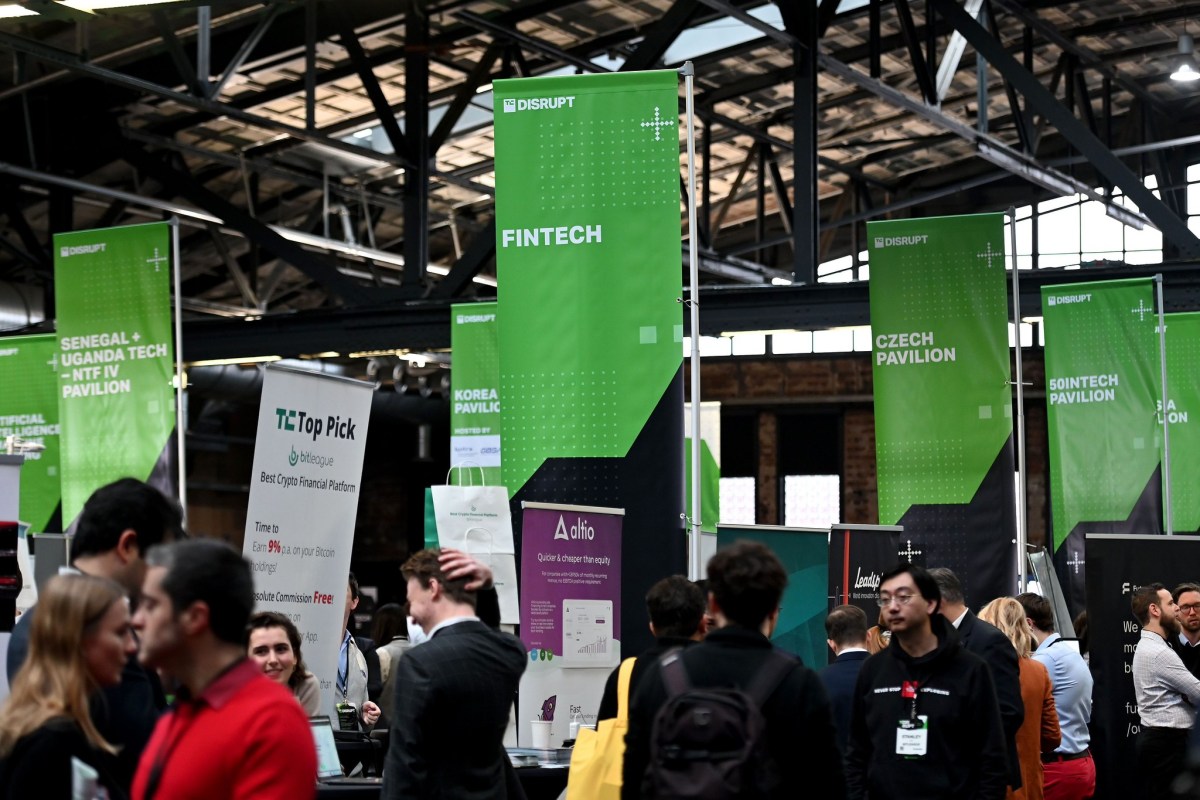
TechCrunch Disrupt 2026: Register Now for Discounts Before the Event
In just six days, over 10,000 participants from the global startup and tech ecosystem will gather at Moscone West in San Francisco for TechCrunch Disrupt 2026. Attendees are encouraged to register early to take advantage of discounted online pricing, which offers savings of up to $100 before the event begins on October 13. This event is significant as it showcases hundreds of startups and technology companies, presenting their latest innovations and business models. With over 200 sessions across six stages, attendees will hear from more than 250 tech leaders on topics ranging from AI and fintech to robotics and scaling. Notable speakers include Mark Wahlberg and Rivian CEO RJ Scaringe, among others. Looking ahead, the Startup Battlefield 200 competition will feature 20 finalists vying for a $100,000 prize, attracting attention from investors and media. This competition is a key opportunity for startups to learn about effective pitching and what constitutes a viable business. No further timeline was disclosed at the time of publication.
Enterprise TC Startups Crypto Climate Fintech
IEEE CASE 2027 Linz: Aug 23–27 | Automation Science
IEEE CASE 2027, the 23rd Conference on Automation Science and Engineering, runs Aug 23–27, 2027 in Linz, Austria. Chairs, deadline and scope.
Telecom Operators Embrace Open Models for AI Strategy Development
Telecom operators are increasingly adopting open models to shape their AI strategies, driven by the need for trust, control, and customization across critical workloads. According to NVIDIA’s State of AI in Telecommunications report, 89% of respondents view open source models as vital to their AI initiatives. The strategic advantages of open models include enhanced reasoning performance and tailored capabilities for telecom applications. SoftBank Corp. exemplifies the effective use of open models, leveraging them to enhance its telecom-specific AI capabilities. Rajeev Koodli from SoftBank Corp. highlighted that open models enable the company to build on global foundation models while utilizing their extensive network knowledge. They are actively developing the SoftBank Large Telecom Model, which focuses on network operations and management. NVIDIA is also collaborating with partners to transform open models into practical tools for telecom AI, recently introducing the 30-billion-parameter Nemotron 3 Large Telco Model. This model is designed to improve accuracy in telecom tasks and is customizable using NVIDIA NeMo open libraries. No further timeline was disclosed at the time of publication.
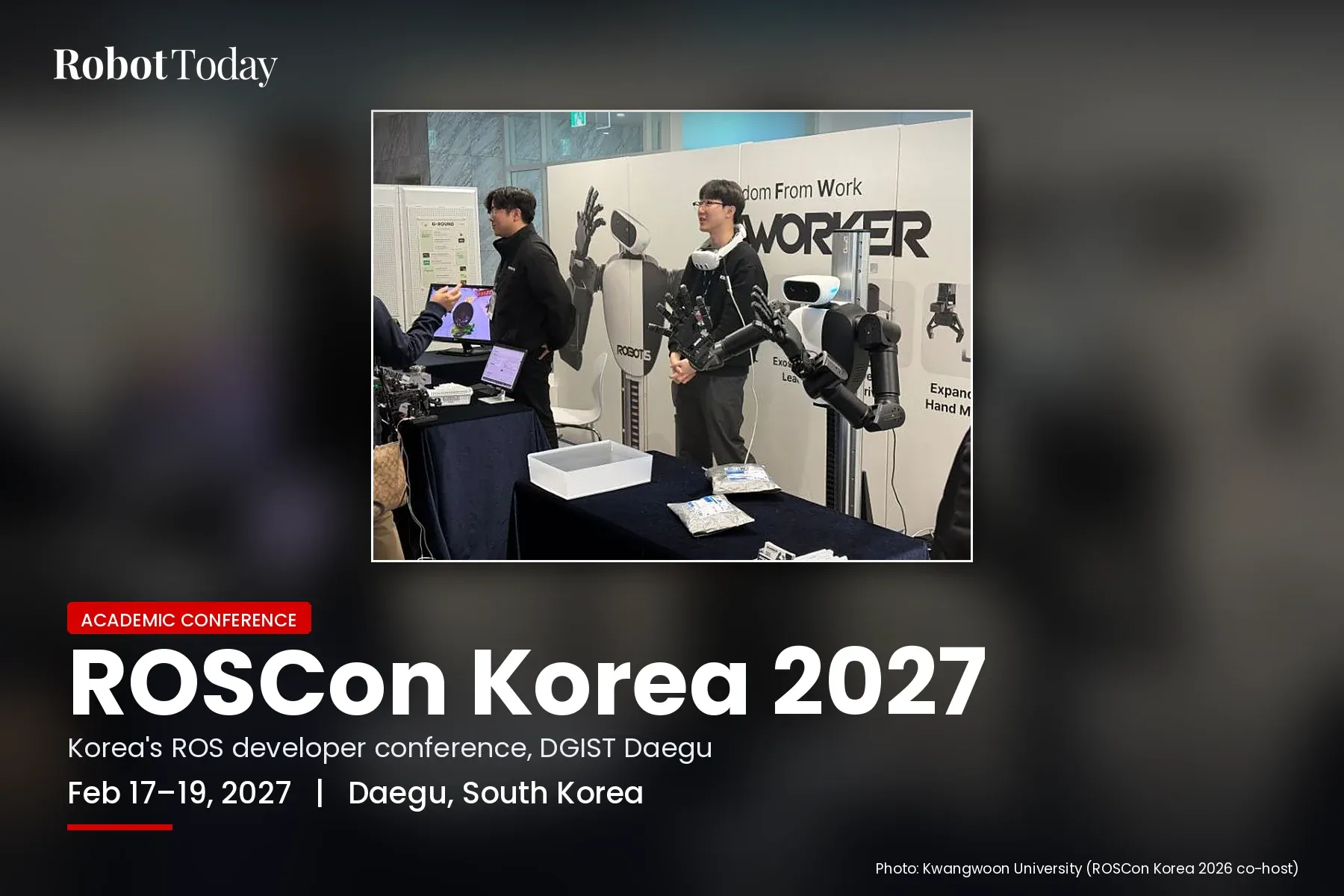
ROSCon Korea 2027: Feb 17–19 at DGIST, Daegu
ROSCon Korea 2027, Korea's official ROS developer conference, runs Feb 17–19, 2027 at DGIST in Daegu, after a sold-out 2026 debut.

Satya Nadella Faces New Challenges in Reinventing Microsoft for the AI Era
Satya Nadella has been at the helm of Microsoft since 2014, transforming it into a cloud leader. However, as the AI boom progresses, Microsoft has not yet achieved a significant breakthrough in AI applications or models. Nadella's current challenge is to pivot the business model towards a token-based system, reflecting the new AI economy. The importance of this shift is underscored by Nadella's recent emphasis on the need for widespread deployment of AI tools within enterprises. Despite Microsoft's substantial market cap of nearly $4 trillion, it faces stiff competition from AI leaders like Nvidia, OpenAI, and Google. The company's Copilot technology has yet to gain widespread adoption, and its proprietary AI models remain limited in scope. Looking ahead, Microsoft is set to host a Windows and Surface event, focusing on the impact of local AI on personal computing. Investors are cautious, as the stock has underperformed compared to peers. Nadella's ability to navigate this transition will be critical for Microsoft's future in the rapidly evolving AI landscape.

AI Data Centers Expected to Use 1% of Global Electricity by 2030
Researchers have projected that electricity demand from AI data centers could reach 1% of global consumption by 2030. This significant increase highlights the growing reliance on AI technologies and the infrastructure needed to support them. The implications of this projection are substantial, as certain regions may experience heightened pressure on their power systems due to concentrated AI data center infrastructure. Understanding these regional hotspots is crucial for energy planning and management. Looking ahead, stakeholders should monitor developments in AI data center deployment and energy consumption trends. No further timeline was disclosed at the time of publication.
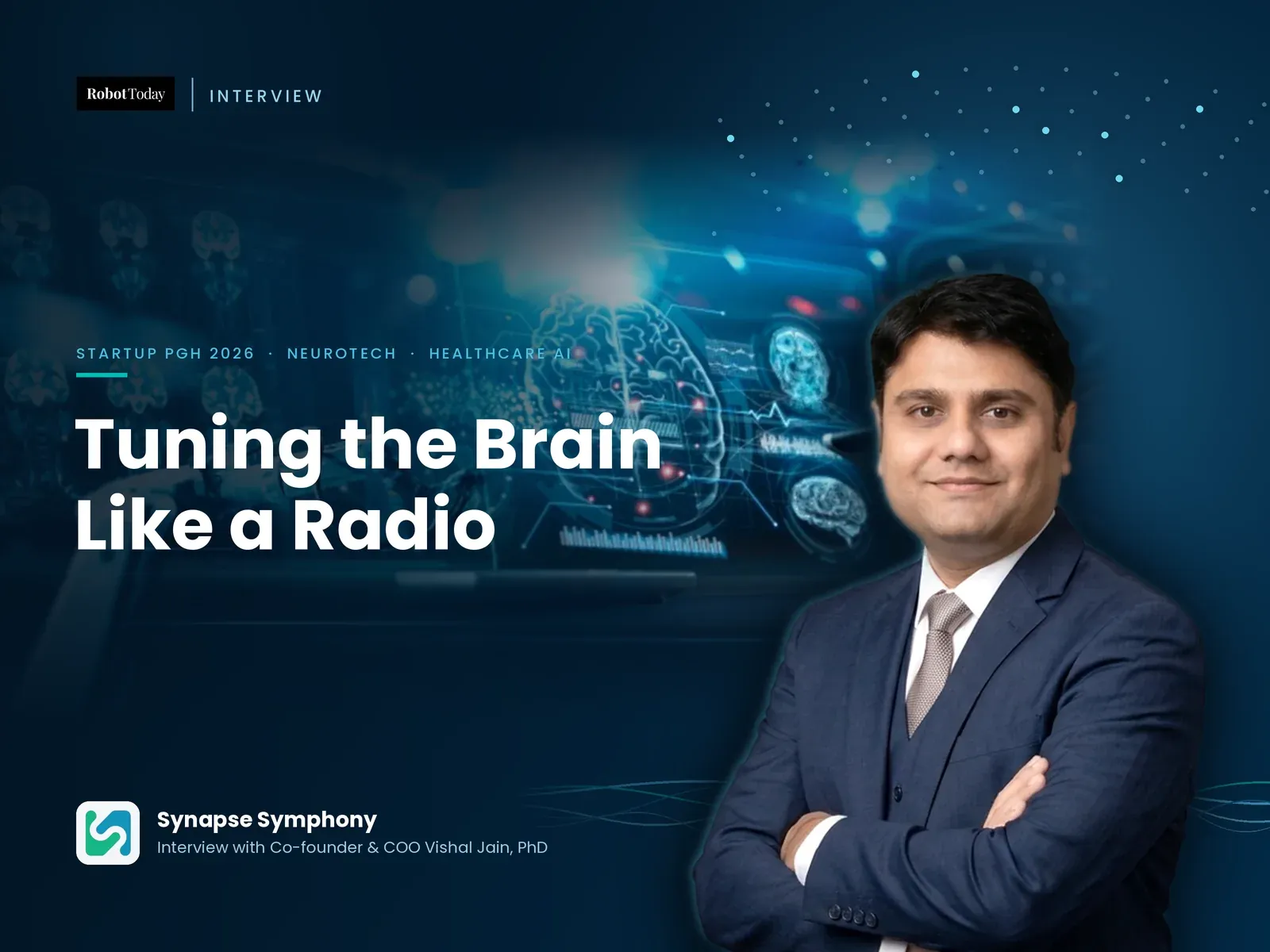
Tuning the Brain Like a Radio: Synapse Symphony’s Plan to Treat Chronic Pain at Home
COO Vishal Jain on Synapse Symphony's DARPA-rooted wearable brain-stimulation headset for chronic pain, its FDA plans, and a second use: motor-health checks.

ALBATROSS: A Bio-Inspired Robot Transitions from Airborne to Autonomous Sailboat
Researchers at Singapore University of Technology and Design and MIT have developed ALBATROSS, a hybrid robot that combines aerial and aquatic capabilities. This innovative design mimics the natural descent of a maple seed and the swimming motion of a fish, allowing the robot to transition seamlessly from flying to sailing. In field trials, ALBATROSS demonstrated autonomous sailing after being deployed from a height of 150 meters. The significance of ALBATROSS lies in its ability to operate efficiently in both air and water without the need for heavy motors or complex systems. By utilizing a passive autorotation mechanism during descent, the robot reduces impact energy and ensures a soft landing. Once on the water, it transforms its wings into sails and employs a fish-inspired tail rudder for propulsion, achieving a remarkable 91 percent effective mass usage. Looking ahead, ALBATROSS's design showcases the potential of bio-inspired engineering to create lightweight, multifunctional robots. Future developments may include the integration of Reinforcement Learning algorithms for advanced navigation capabilities, enabling the robot to autonomously complete complex missions. No further timeline was disclosed at the time of publication.
AI and Robotics
Arrowfly Introduces AI for Engineers Platform and Upcoming Conference for Technical Leaders
Arrowfly has launched AI for Engineers, a comprehensive resource aimed at engineers and technical leaders utilizing artificial intelligence in their work. This initiative is supported by Arrowfly's extensive network of over 20 engineering brands, reaching 2.1 million verified industry readers and generating 202 million monthly impressions. The platform includes a News Desk, an annual conference, original research, and an Advisory Board, all designed to provide practical knowledge and professional guidance as AI transforms the engineering landscape. The significance of AI for Engineers lies in its timely response to the growing demand for practical applications of AI across various engineering functions, including design, manufacturing, and cybersecurity. With over 30,000 professionals already engaging with AI topics through Arrowfly's portfolio, the platform aims to facilitate the transition from AI experimentation to effective implementation. Amanda Buehner, senior vice president at Arrowfly, emphasized that the challenge for engineers is not whether to adopt AI, but how to effectively integrate it into their operations. Looking ahead, the AI for Engineers conference is scheduled for September 20 to 22, 2027, at M Resort Spa Casino in Henderson, Nevada. The event will gather around 700 engineers and technical leaders to explore AI's role across the product and plant lifecycle. The program will feature five content tracks and provide attendees with actionable insights and vendor-tested AI workflows to enhance their practices in various engineering disciplines.
Artificial Intelligence Artificial Intelligence / Cognition Design / Development Events News Press Release
RobotToday Weekly September 21 – 25, 2026
Cognex buys RealSense, Qualcomm acquires PickNik, the IFR counts 5 million factory robots, AGIBOT deploys 300 robots at Chimelong, and Tekever raises $580 million.

Blue Cross Blue Shield Association Reports AI Increased Healthcare Costs by $942 Million
An analysis by the Blue Cross Blue Shield Association revealed that the use of artificial intelligence tools in hospitals has resulted in an additional $942 million in healthcare spending over two years. The report highlights a significant rise in the documentation of patients with complex conditions, yet it notes a disconnect between medical coding and actual treatment, indicating no evidence of improved care delivery. This finding is crucial as it underscores the growing concern that AI is exacerbating healthcare costs rather than alleviating them. The New York Times emphasized that the ongoing disputes between hospitals and insurers regarding treatments and payments are being intensified by the implementation of AI technologies on both sides. This situation raises questions about the efficiency and effectiveness of AI in the healthcare system. Looking ahead, experts like Dr. Shiv Rao from AI startup Abridge warn of potential negative outcomes, including a future where AI systems are at odds with each other. However, there is also hope that AI could streamline processes and reduce costs. No further timeline was disclosed at the time of publication.
AI Biotech & Health Blue Cross Blue Shield Abridge
Qualcomm Acquires PickNik to Enhance MoveIt Integration with Dragonwing Robotics
Qualcomm Technologies has announced its acquisition of PickNik, the company behind the MoveIt manipulation framework. This acquisition aims to integrate MoveIt's motion planning, manipulation, perception, and kinematics tools with Qualcomm's Dragonwing robotics platforms, enhancing their AI processing and real-time capabilities. The integration of MoveIt with Dragonwing is significant as it will streamline the development of advanced robotic applications, providing developers with a more direct path from AI models to real-time robot control. Qualcomm also plans to extend MoveIt’s capabilities to Arduino hardware, starting with the VENTUNO Q board, while maintaining its open-source model. Looking ahead, Qualcomm's commitment to keeping MoveIt open-source will support community-driven development and third-party hardware. The companies are showcasing MoveIt Pro on the VENTUNO Q and Dragonwing platforms at ROSCon Toronto, indicating a strong focus on collaboration and innovation in the robotics sector. No further timeline was disclosed at the time of publication.
AI AI Funding & Investment Robotics acquisition Open Source PickNick
Glacian: Physics Model Vets AI Data Center Cooling
Glacian Technologies pairs AI with a physics-based digital twin that rejects unsafe commands. CEO Jie Zhao on cutting data center cooling energy 15-30%.

Siemens on Robots, Agentic AI and the "Last 3%" Problem
Siemens tells RobotToday at IMTS 2026 why AI robot demos are only the tip of the iceberg, and why agentic AI depends on PLM data and business context.
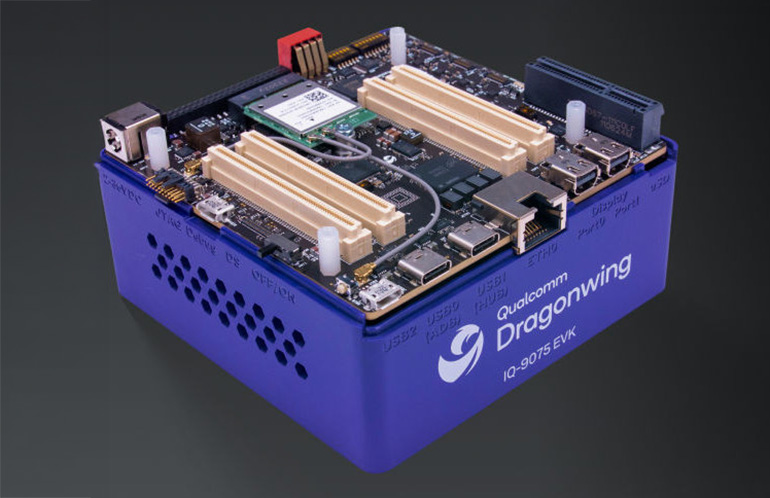
Qualcomm to Acquire PickNik Robotics, Enhancing MoveIt Open-Source Framework
Qualcomm Technologies Inc. has announced its agreement to acquire PickNik Inc., known for its MoveIt open-source manipulation framework. This acquisition aims to integrate PickNik’s MoveIt with Qualcomm's Dragonwing platform, facilitating a smoother transition for developers from AI models to real-time control and manipulation. The significance of this acquisition lies in Qualcomm's commitment to advancing robotics innovation. By enhancing MoveIt, Qualcomm intends to provide developers with robust tools and frameworks, fostering an open robotics ecosystem that supports collaboration and community-driven development. Looking ahead, Qualcomm plans to maintain the open-source nature of MoveIt 1 and 2, ensuring continued support for developers and researchers. No further timeline was disclosed at the time of publication.
6-Axis Artificial Intelligence / Cognition Controllers Development Tools / SDKs / Libraries Grippers Mergers & Acquisitions
Human and Terminator-Style Robot Engage in Controlled Fight in San Francisco
A 44-second video showcases internet personality Frankie LaPenna facing a six-foot humanoid robot in a cage match organized by REK in San Francisco. This event marks the first human versus humanoid robot fight, where LaPenna, equipped with protective gear, attempts to strike the robot, which responds with a series of kicks and punches, ultimately knocking him out of the cage. The significance of this event lies in the fact that the robot, named EngineAI T800 and developed by the Chinese company EngineAI, was not autonomous but operated remotely by a human controller. This distinction shifts the focus from AI learning mixed martial arts to demonstrating the physical capabilities of humanoid robots through teleoperation, highlighting that such machines can move and exert force in confined spaces. As LaPenna struggled to land effective hits, he questioned the robot's ability to push him back as dramatically as depicted in the video. While REK promoted the match as a genuine fight rather than a choreographed display, the short footage does not provide enough information to independently verify the match's intensity or execution. This event appears to be part of REK's broader effort to transform remote-controlled humanoid robots into a form of combat entertainment.
Humanoid Robots Remote Control Technology Robotics Entertainment
Innovation Works Venture Expo 2026: 58 Pittsburgh Startups Pitch to Investors
58 health, deep tech and robotics startups pitched at Innovation Works Venture Expo 2026 in Pittsburgh. Full company list, program and 2025 funding data.

SimScale Engineering AI Moves Physics Simulation to the Exact Moment a Design Decision Gets Made, Inside Onshape
SimScale’s Engineering AI Agent runs CFD, thermal, EMag and FEA from one prompt inside PTC’s Onshape, starting from CAD that isn’t simulation-ready.
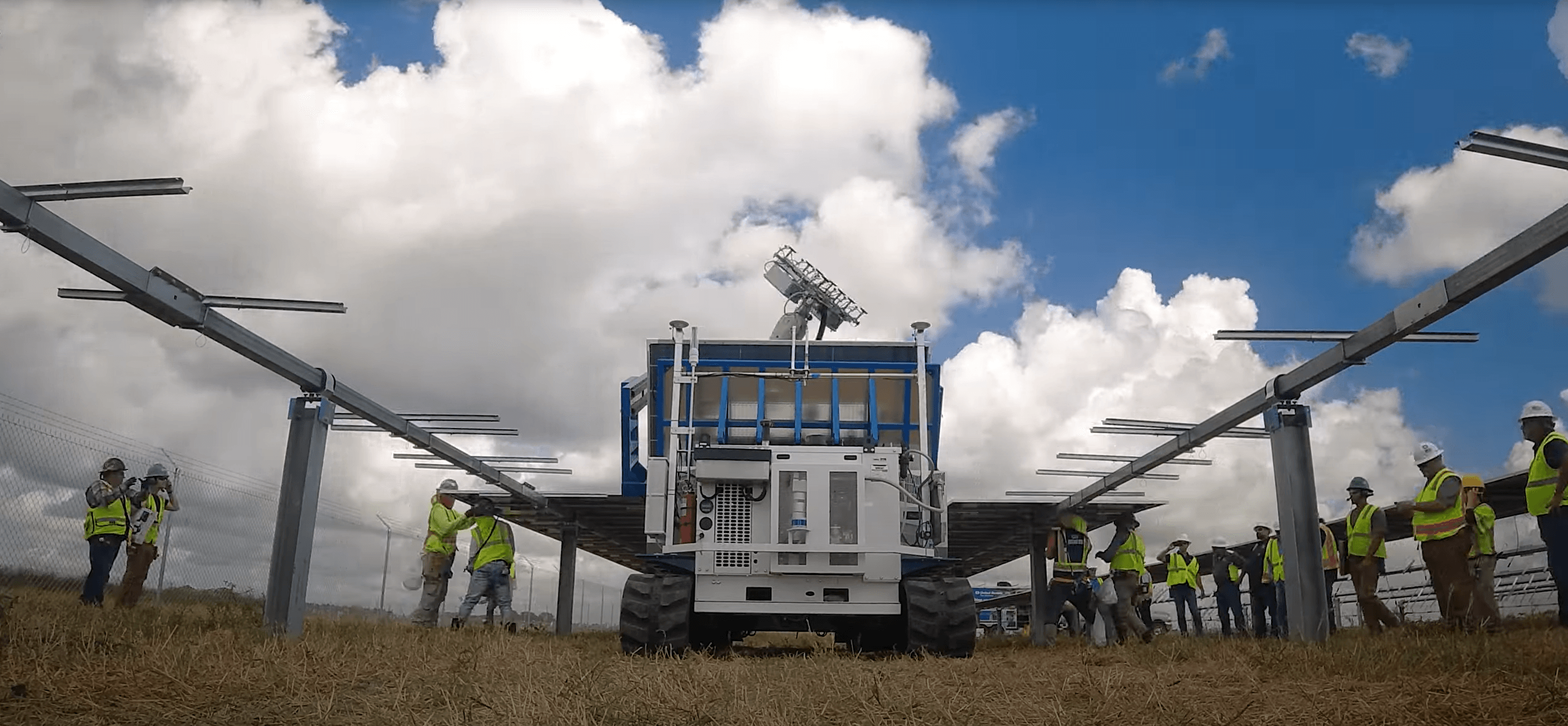
Solar Installation Robots Reach Infrastructure Scale in 2025
Solar installation robots are scaling from pilots to infrastructure-grade automation in 2025, reshaping EPC productivity, labor economics, and utility-scale PV construction.

