


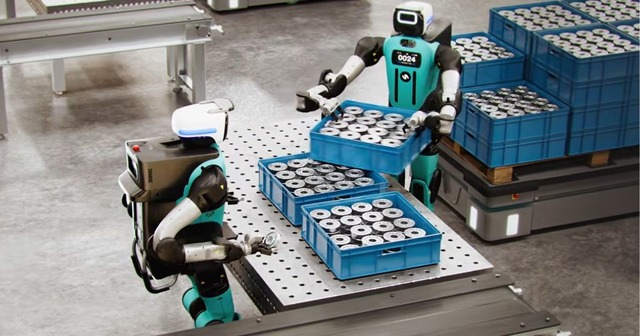
Yin Fangming, Chairman of Galaxy General, spoke on embodied intelligence at the SCO Digital Economy Forum, emphasizing open collaboration. He proposed two main approaches: providing mature technology and product solutions, and partnering with local industries to tailor robotic solutions to regional needs. This perspective highlights China's strategy to address data scale disparities in the context of significant investments in embodied intelligence by companies like OpenAI.
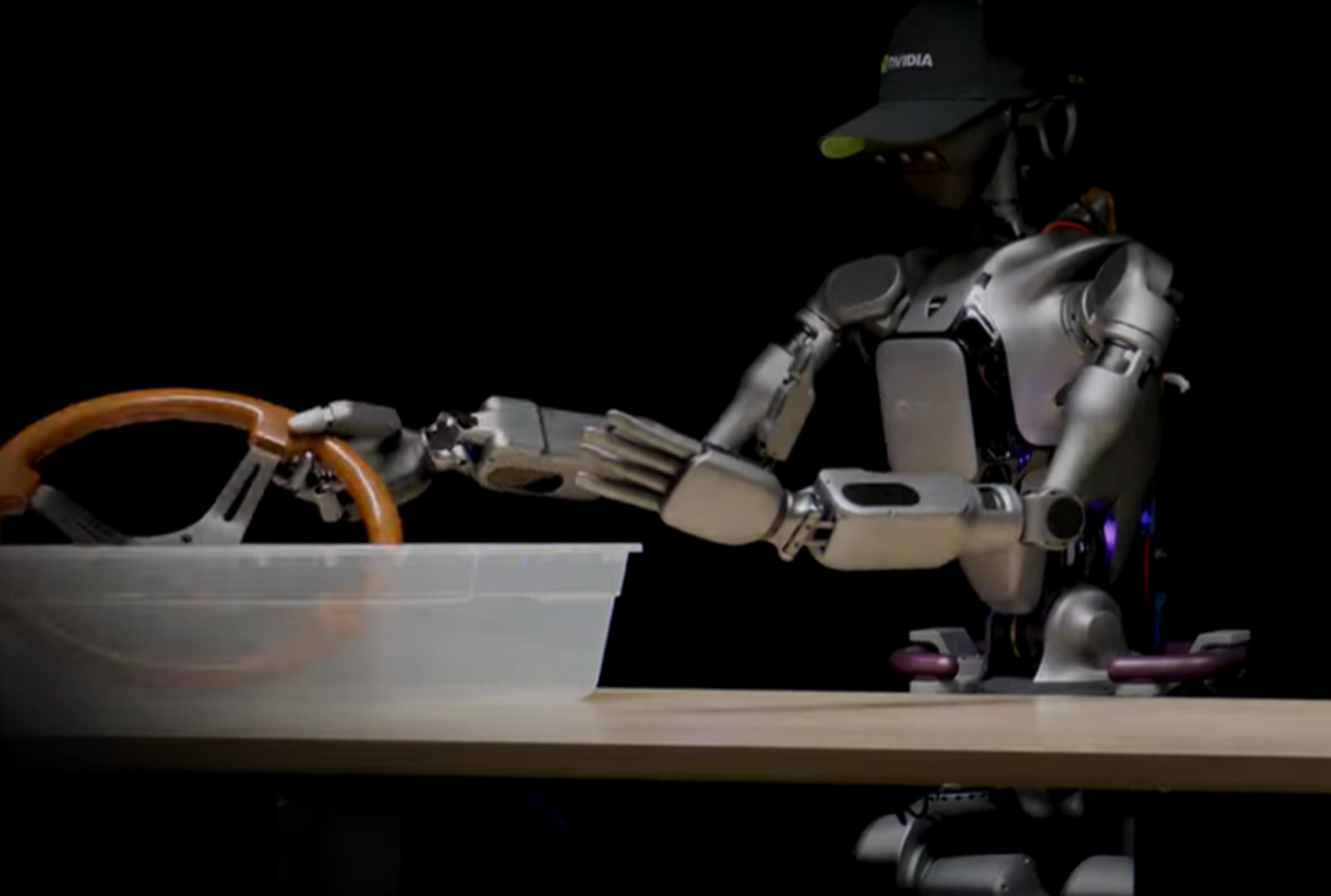
In less than two weeks since its release, a Chinese team was the first to systematically assess the capabilities of GPT-6 Astra. The report, authored by a doctoral student of Professor Wang He, founder and CTO of Galaxy General, compared OpenAI's GPT-6 Astra with the π0.5 model. The hybrid architecture achieved a score of 62.60 and a 48% success rate on ten dual-arm tasks in the Robo Dojo benchmark, nearly double the score of the top entry on the public leaderboard.
The report indicates breakthroughs in the generalization of American large models for embodied control, with the pace of advancements in the embodied intelligence domain exceeding expectations. Industry insiders revealed that OpenAI has invested over 10 billion yuan to acquire vast amounts of embodied data, surpassing any Chinese company. As the industry evolves, metrics such as operational duration, repurchase rates, and unit economics may redefine rankings in the embodied intelligence sector in the coming years.
Editor's Note
The discussion around embodied intelligence is gaining momentum, particularly as companies like OpenAI invest heavily in this technology. The contrasting approaches between U.S. and Chinese firms highlight the competitive landscape, especially regarding data acquisition and technological advancements. As the industry matures, understanding these dynamics will be crucial for stakeholders in robotics and AI.





















Leave a comment