

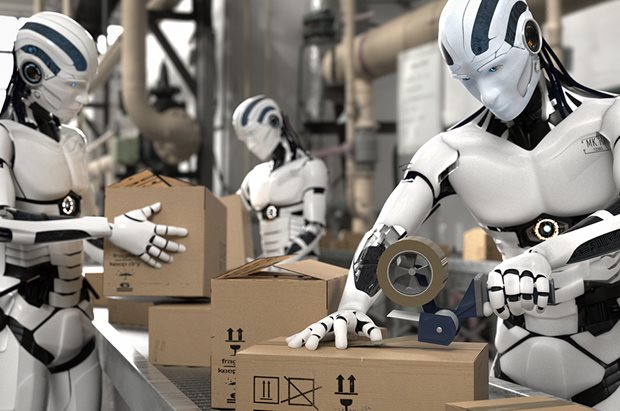
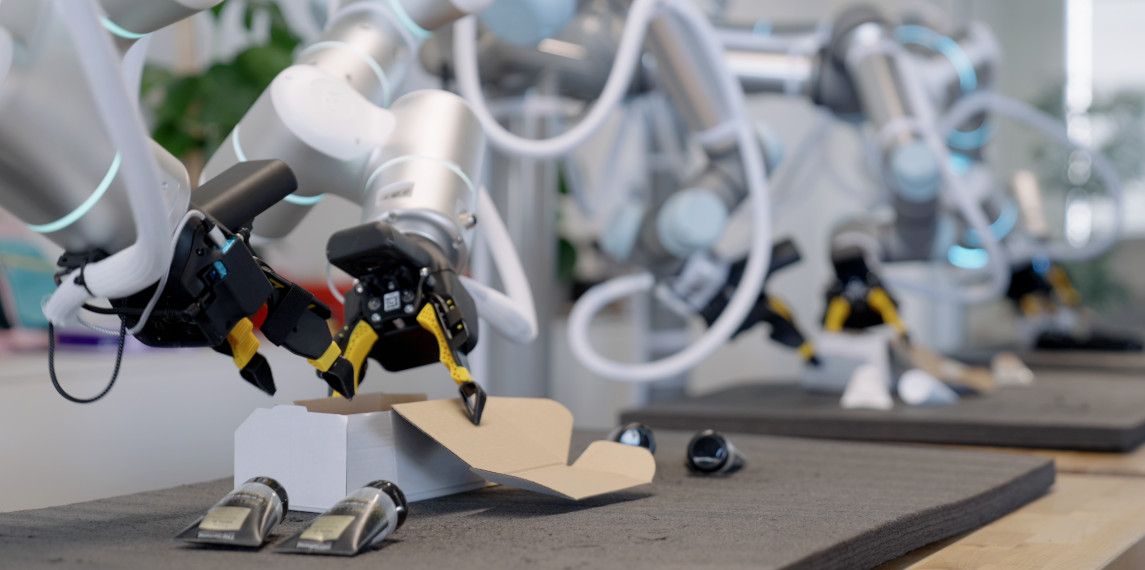
In early September, OpenAI launched GPT-6 Astra, which quickly gained attention for its ability to control robotic arms without additional training. Independent testing by Robocurve showed Astra achieving a 95% success rate in tasks involving dual-arm robots, significantly outperforming Claude Fable 5.1's 40%. This breakthrough has sparked discussions about the future of embodied intelligence, with experts divided on its implications.
The significance of Astra's performance lies in its potential to reshape the robotics landscape. Zeeshan Zia, Chief Scientist at Amazon Alexa, suggested that OpenAI could dominate the robotics field, while others like He Yonghao, CTO of Virtual Time Technology, believe that traditional approaches may no longer hold value. The rapid advancements in language models are seen as a threat to embodied intelligence, with experts urging teams to accelerate their development.
Looking ahead, the industry is keenly observing how Astra's capabilities will evolve. Some experts argue that while Astra excels in semantic and spatial generalization, it struggles with complex physical tasks. The ongoing debate highlights the importance of high-quality data in training models, with predictions that future iterations, like GPT-8, may focus on high-frequency motion control. No further timeline was disclosed at the time of publication.
Editor's Note
The launch of GPT-6 Astra by OpenAI marks a pivotal moment in the robotics sector, particularly in embodied intelligence. As companies strive to integrate advanced AI capabilities into physical systems, the competition for high-quality training data and effective model architectures will intensify. Stakeholders must navigate the balance between cloud-based models and real-time processing to achieve optimal performance in robotic applications.






















Leave a comment