

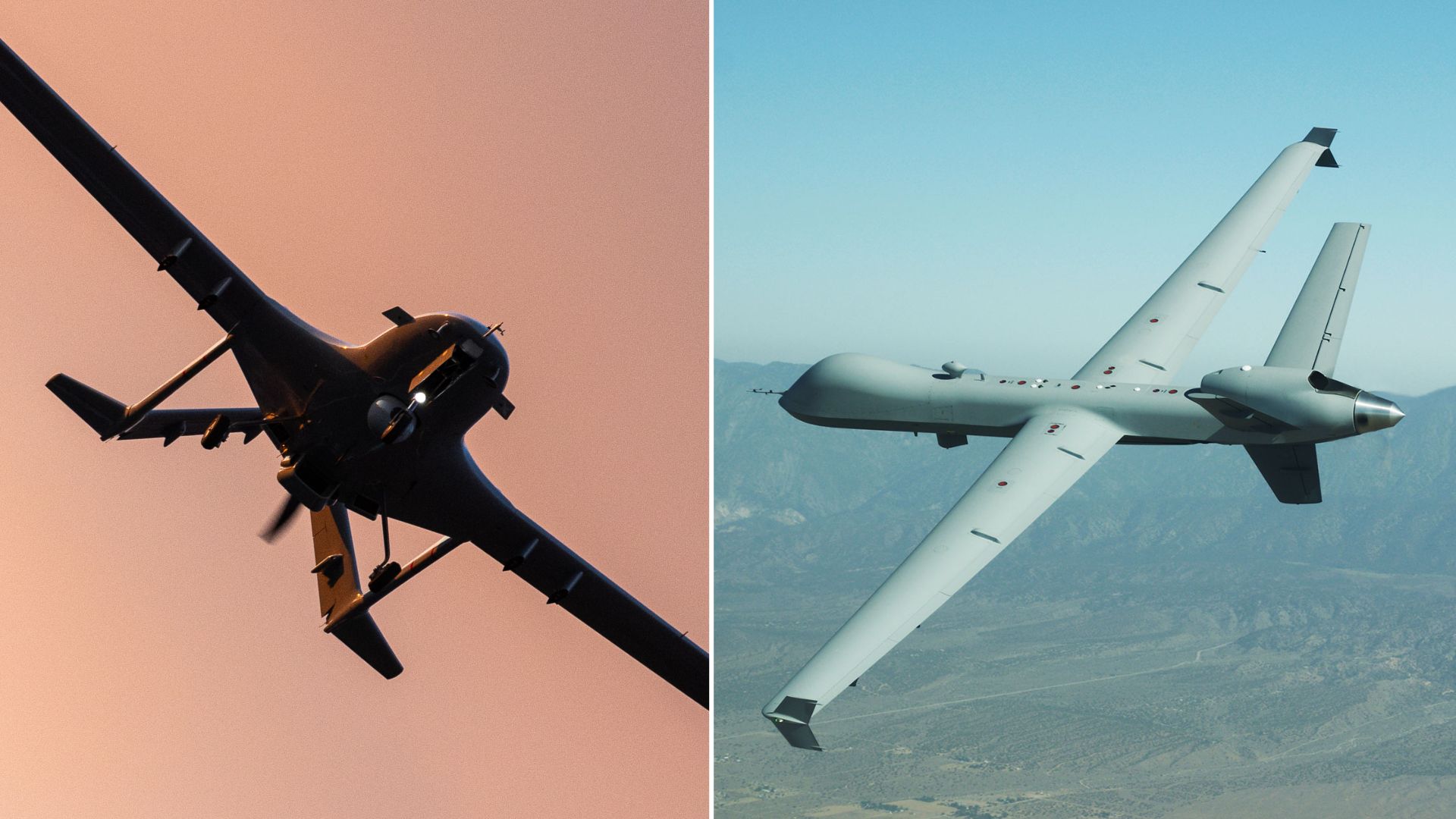
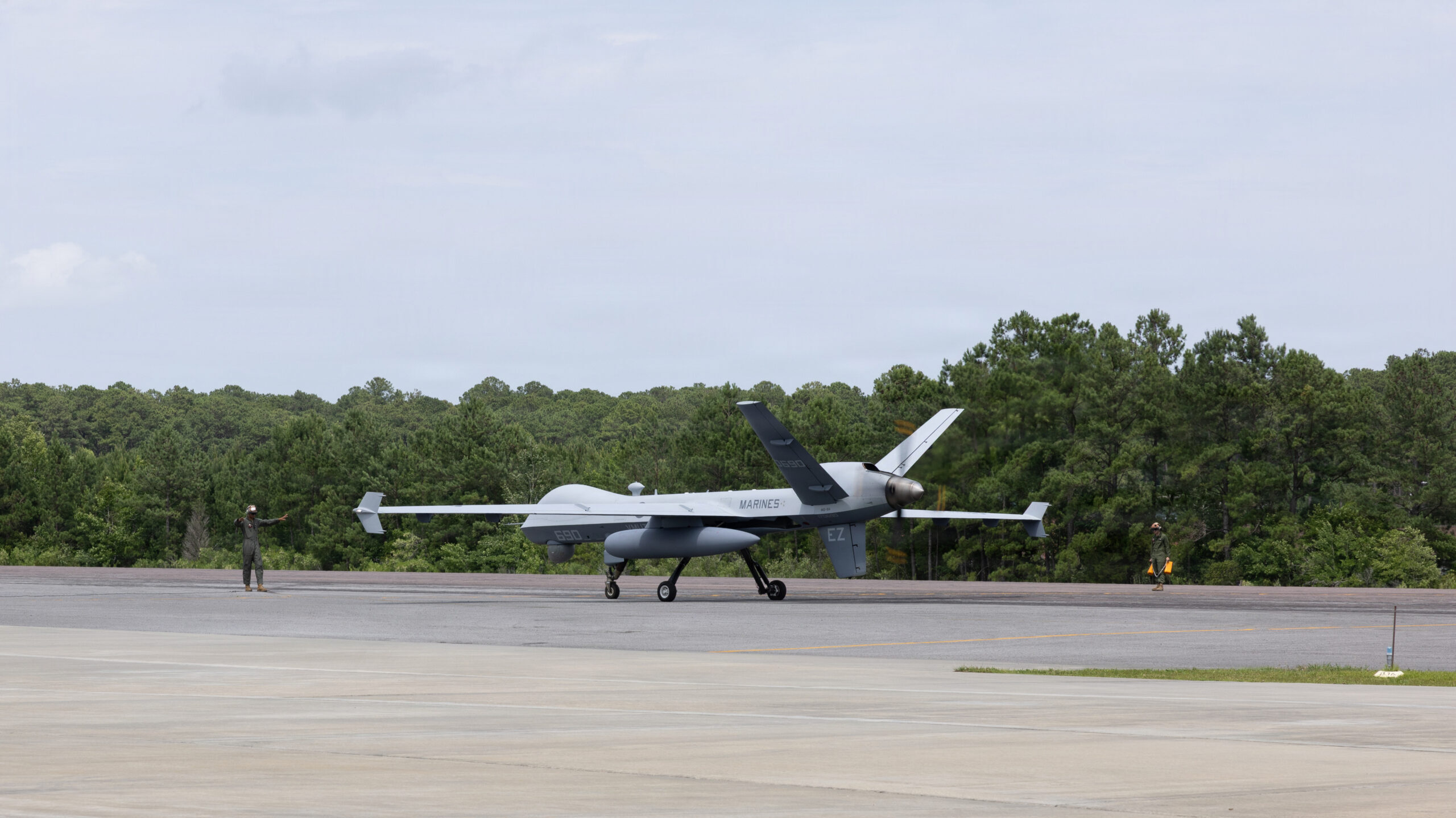
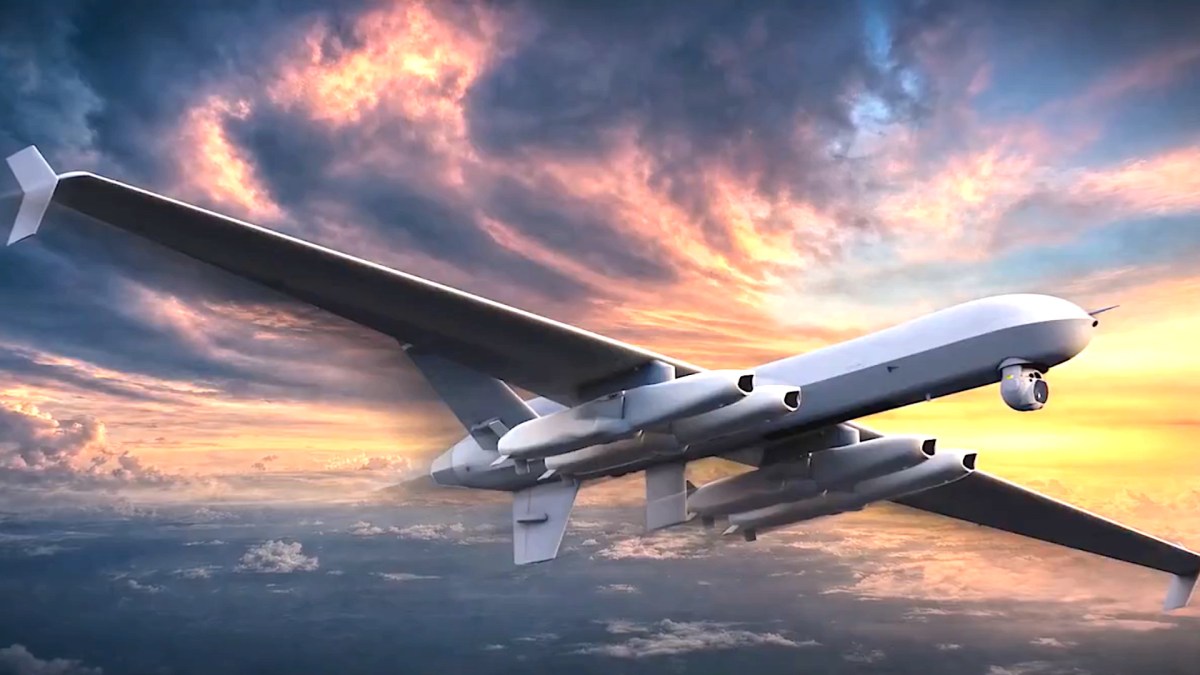
The MQ-9 Reaper and Bayraktar TB2 are two prominent combat drones with distinct capabilities. The U.S. Air Force primarily uses the MQ-9 for intelligence, surveillance, and reconnaissance, while the Bayraktar TB2 focuses on affordability and operational flexibility. The Reaper boasts advanced sensors and a larger payload, making it suitable for extensive military operations.
The significance of these drones lies in their differing roles in modern warfare. The MQ-9 Reaper's sophisticated sensor suite and long endurance allow it to engage high-value targets over vast distances, while the Bayraktar TB2 has proven effective in various conflicts despite its lower payload capacity. Each drone serves unique operational needs, reflecting the evolving landscape of military technology.
Looking ahead, the operational effectiveness of both drones will depend on battlefield conditions and technological advancements. The MQ-9 Reaper's reliance on advanced infrastructure contrasts with the Bayraktar TB2's lower cost and ease of deployment. No further timeline was disclosed at the time of publication.
Editor's Note
The comparison between the MQ-9 Reaper and Bayraktar TB2 highlights the diverse requirements of modern military operations. As defense budgets tighten and technology evolves, understanding the strengths and weaknesses of these platforms will be crucial for procurement professionals and military strategists alike. The operational context in which these drones are deployed will continue to shape their effectiveness.






























Leave a comment