

Industry Briefing
A single destination for timely, editor-curated robotics news from around the world.
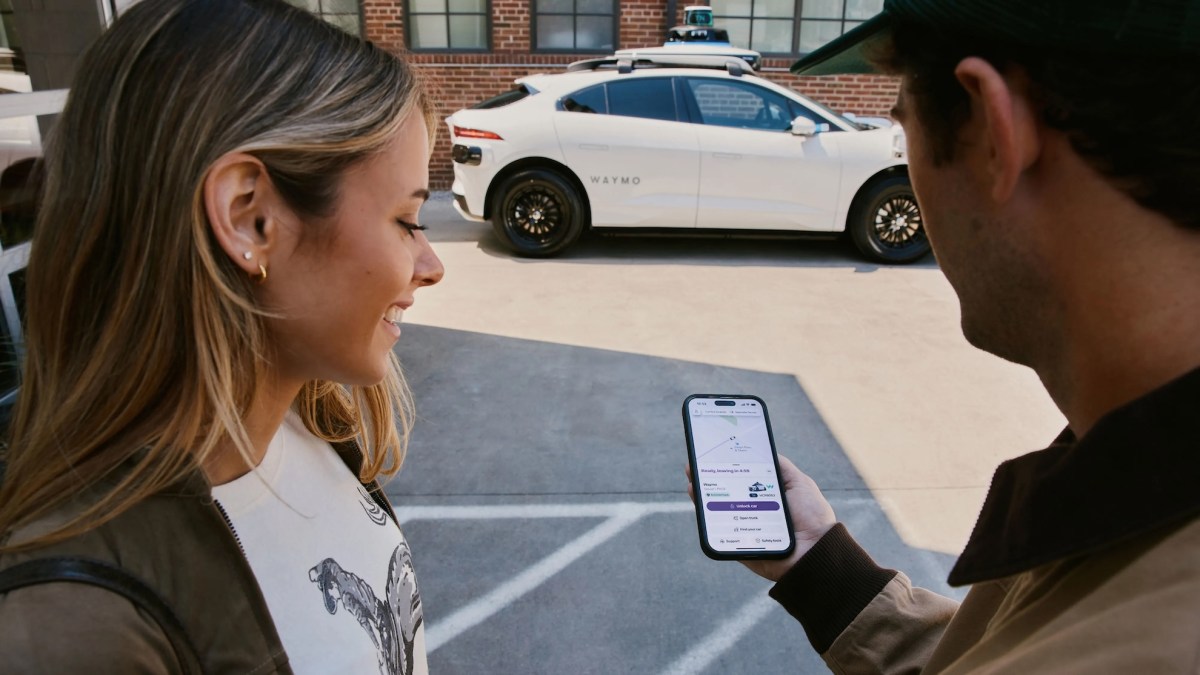
Lyft Partners with Waymo to Launch Robotaxi Services in Nashville
Lyft has achieved a significant milestone by integrating Waymo robotaxis into its app in Nashville. This partnership allows Lyft to manage fleet services, vehicle maintenance, and depot operations through its subsidiary Flexdrive, enabling customers to hail Waymo robotaxis via both the Waymo and Lyft apps based on availability. This development is crucial as it marks Lyft's first foray into commercial robotaxi services utilizing driverless vehicles without human operators. Previously, Lyft had invested heavily in its own autonomous vehicle technology but shifted focus after selling its AV unit to Toyota’s Woven Planet Holdings for $550 million in 2021. The company is now looking to expand its AV partnerships internationally, particularly in markets like London. Looking ahead, Lyft aims to diversify its robotaxi offerings and enhance its partnerships with Waymo and Baidu. Lyft's executive vice president of growth, Jeremy Bird, indicated that 2026 will be pivotal for the company as it explores international markets where it can implement a hybrid network of autonomous and human-driven vehicles. No further timeline was disclosed at the time of publication.
Transportation Ford Lyft Waymo robotaxis techcrunch mobility
Tesla Cybercab Launch Faces Challenges Amid NHTSA Investigation and Market Skepticism
Tesla's Cybercab event in Austin has sparked mixed reactions, with some viewing it as a pivotal moment for robotaxi innovation while others criticize its lack of substance. CEO Elon Musk's absence raised eyebrows, especially given the company's focus on robotics and AI as key to its future. Currently, Tesla has registered 45 Cybercabs in Texas, but the event did not significantly enhance investor confidence. The importance of this launch lies in its potential to reshape urban transportation. However, the National Highway Traffic Safety Administration (NHTSA) has initiated an investigation into Tesla's Cybercabs, which operate without traditional manual controls. This scrutiny highlights the regulatory challenges Tesla faces as it attempts to self-certify its vehicles, a move that could impact its ability to scale the robotaxi service. Looking ahead, the outcome of the NHTSA investigation will be crucial for Tesla's plans. The company may continue operations during the inquiry, but the real test will be whether it can successfully launch a safe and scalable robotaxi service. No further timeline was disclosed at the time of publication.
Transportation Tesla robotaxi techcrunch mobility cybercab
The Human Cost of Robotaxis: Injuries Reported Among Waymo and Zoox Test Drivers
Recent investigations reveal that test drivers for Waymo and Zoox sustained over two dozen injuries in 2024 and 2025 due to sudden movements of autonomous vehicles. Injuries included whiplash, leading to extended recovery times for affected workers. This raises concerns about the safety of test drivers in the autonomous vehicle sector. The findings highlight a hidden human cost associated with the development of autonomous vehicle technology, challenging the narrative that robotaxis will solely enhance road safety. While proponents argue for the benefits of reduced crash incidents, the injuries sustained by test drivers indicate that the transition to autonomous driving may come with significant risks for those involved in the testing process. Looking ahead, it remains to be seen whether other autonomous vehicle developers face similar issues, as they may not be subject to the same reporting requirements as Waymo and Zoox. No further timeline was disclosed at the time of publication.
Transportation Waymo robotaxis techcrunch mobility
Waymo Advances Robotaxi Goals with Custom 5 nm Chip for Self-Driving System
Waymo has made significant strides in its robotaxi expansion, recently launching its sixth-generation Ojai robotaxi for riders in Los Angeles, Phoenix, and San Francisco. This next-gen vehicle is designed to be more cost-effective in terms of production, operation, and maintenance, which is essential for the company's profitability aspirations. A key component of this advancement is Waymo's custom 5 nm ASIC chip, engineered to process vast amounts of data from the Ojai's 13 high-fidelity cameras. The chip boasts over 1,000 TOPS of computing performance, comparable to Nvidia’s DRIVE AGX Thor processor, enhancing the system's efficiency and performance in complex urban environments. Waymo's collaboration with partners like AMD, Micron, and Nvidia underscores its commitment to innovation in self-driving technology. As the company continues to refine its systems, attention will be on how these developments impact the competitive landscape of autonomous vehicles and the ongoing investigation into potential security risks associated with lidar sensors from China.
Transportation Tesla Uber Waymo wayve robotaxis
Zoox Receives Regulatory Exemption to Launch Commercial Robotaxi Service in Las Vegas
The National Highway Traffic Safety Administration (NHTSA) has granted Zoox a temporary exemption from eight federal motor vehicle safety standards, enabling the company to charge for rides in its custom-built robotaxi. This exemption is crucial as it removes one of the last regulatory barriers Zoox faced before launching its commercial service. This development is significant as it highlights the contrasting dynamics within the autonomous vehicle sector, where federal initiatives aim to accelerate technology deployment, while state and local governments impose stricter regulations. The scrutiny faced by other operators like Waymo underscores the challenges of ensuring safety and compliance in the industry. Looking ahead, Zoox plans to initiate paid rides in Las Vegas shortly. However, the ongoing regulatory discussions, including proposed national safety standards for autonomous vehicles, indicate that the path forward for the AV industry remains complex and fraught with challenges.
Transportation Tesla Uber Waymo wayve robotaxis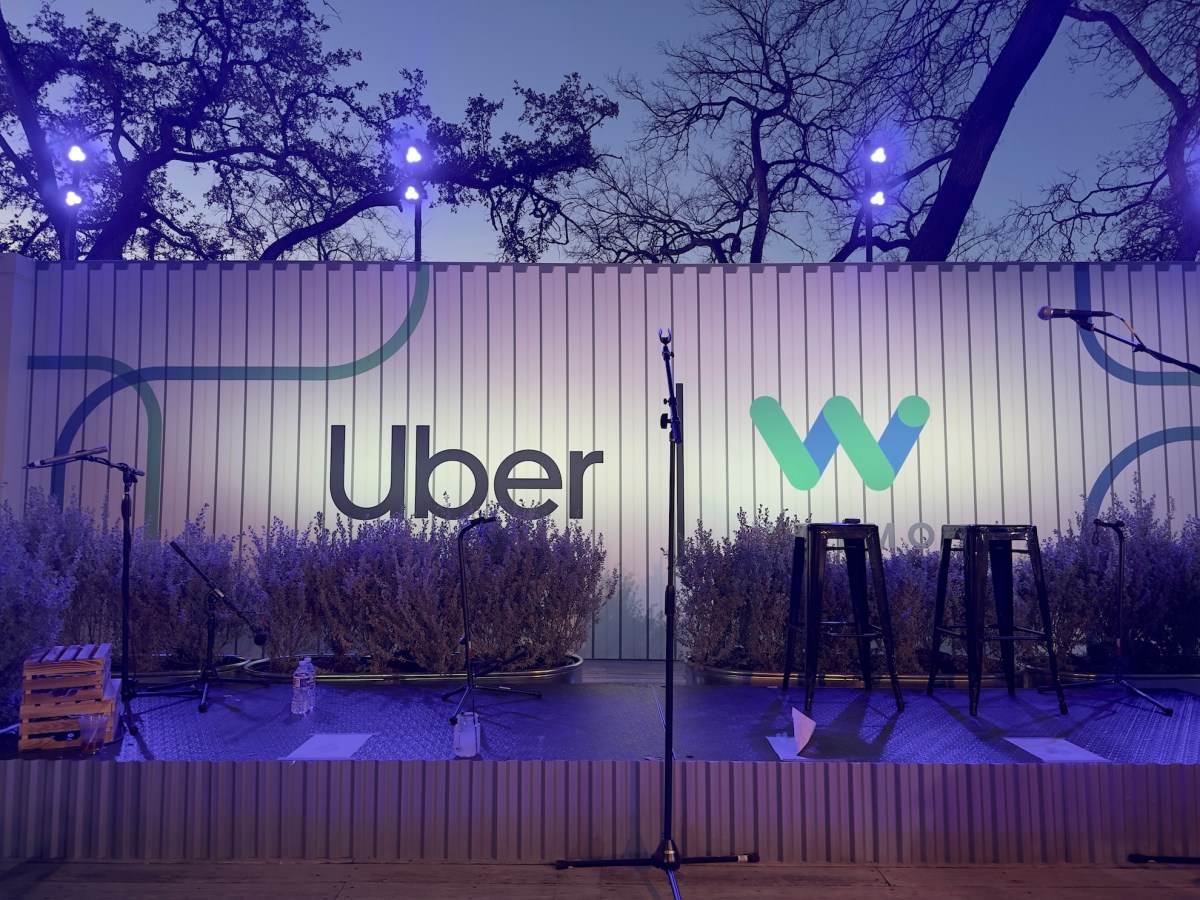
Uber and Waymo Clash Over Robotaxi Regulations in Washington, D.C.
Uber and Waymo are currently in opposition regarding a proposed bill in Washington, D.C. that would allow autonomous vehicles to operate. Uber argues that the bill would displace human drivers and grant Waymo a monopoly, advocating instead for a hybrid model that includes human drivers alongside robotaxis. However, insiders suggest that this hybrid approach is unlikely to be enacted. The implications of this regulatory battle are significant for the autonomous vehicle industry. While Waymo supports the bill, other industry players like Tesla have raised concerns about stringent testing requirements and high fees associated with the legislation. Waymo's existing testing in D.C. gives it a potential competitive advantage if the bill passes in its current form. As the D.C. Council prepares for further discussions, stakeholders from various sectors, including disability rights advocates and labor unions, are weighing in. The outcome of this legislative process will be crucial for the future deployment of autonomous vehicles in urban environments. No further timeline was disclosed at the time of publication.
Transportation Waymo techcrunch mobility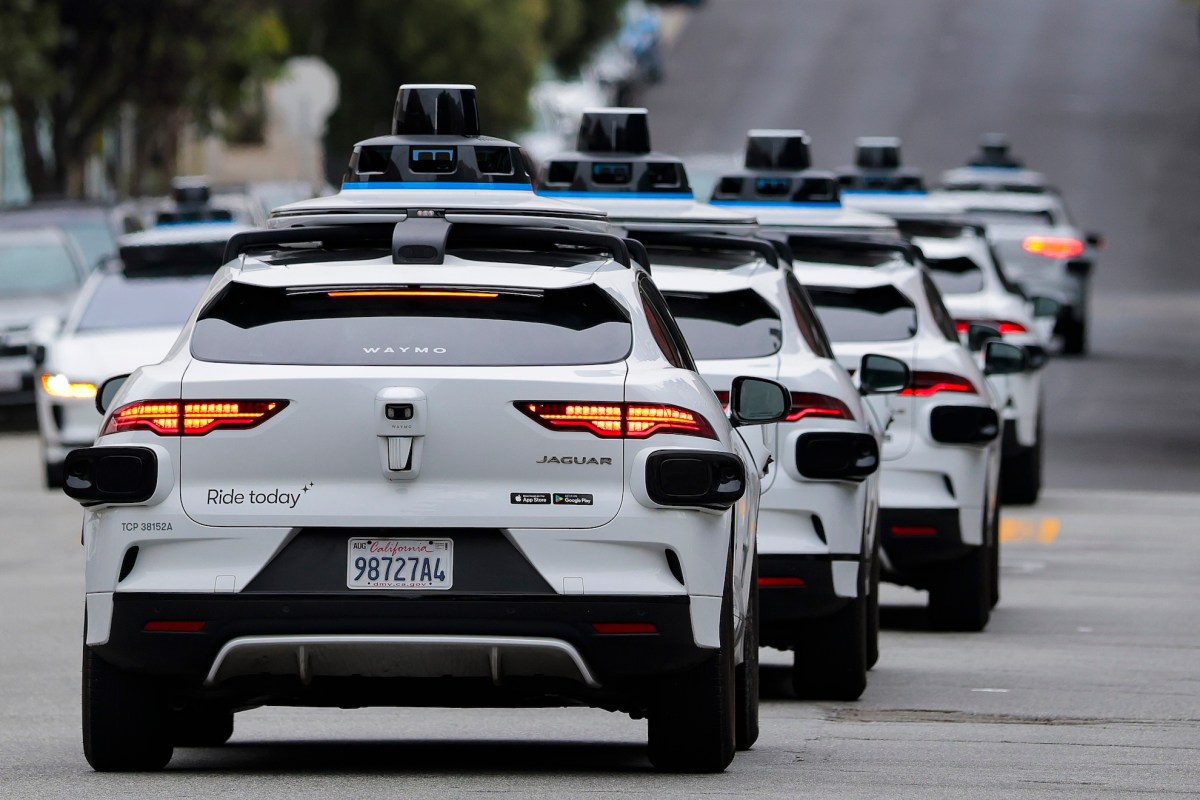
Uber and Waymo Face Tensions as Robotaxi Partnerships Shift in Major Cities
The recent end of the Uber-Waymo partnership in Phoenix marks a significant shift in the robotaxi landscape, with both companies still maintaining services in Atlanta and Austin. The future of these agreements remains uncertain, as tensions rise between Uber executives and Waymo, suggesting potential conflicts in policy and market access as partnerships dissolve. This development is crucial as the National Highway Traffic Safety Administration (NHTSA) has issued a directive emphasizing the need for autonomous vehicles to effectively respond to emergency situations. Waymo, which operates the largest robotaxi fleet in the U.S., has faced scrutiny for its interactions with first responders, raising concerns about operational safety and regulatory compliance. Looking ahead, the NHTSA has called for solutions from AV developers by the end of the month, indicating a potential shift in regulatory oversight. Additionally, Rivian's recent capital raise of $1.32 billion and the introduction of its R2 SUV could signal a competitive shift in the EV market, as the company aims to deliver between 65,000 and 70,000 vehicles by 2026.
Transportation Elon Musk Uber Waymo Rivian robotaxi
TechCrunch Mobility: A new robotaxi scorecard shows China’s dominance
TechCrunch Mobility has resumed its coverage, providing a comprehensive source for the latest news and insights related to the future of transportation. With a focus on emerging trends and innovations, the platform aims to keep readers informed about developments in the mobility sector. The relaunch comes as the industry faces rapid changes and advancements, making it essential for stakeholders to stay updated. By delivering timely information and expert analysis, TechCrunch Mobility seeks to empower its audience to navigate the evolving landscape of transportation effectively.
Transportation Tesla Uber zoox Waymo robotaxi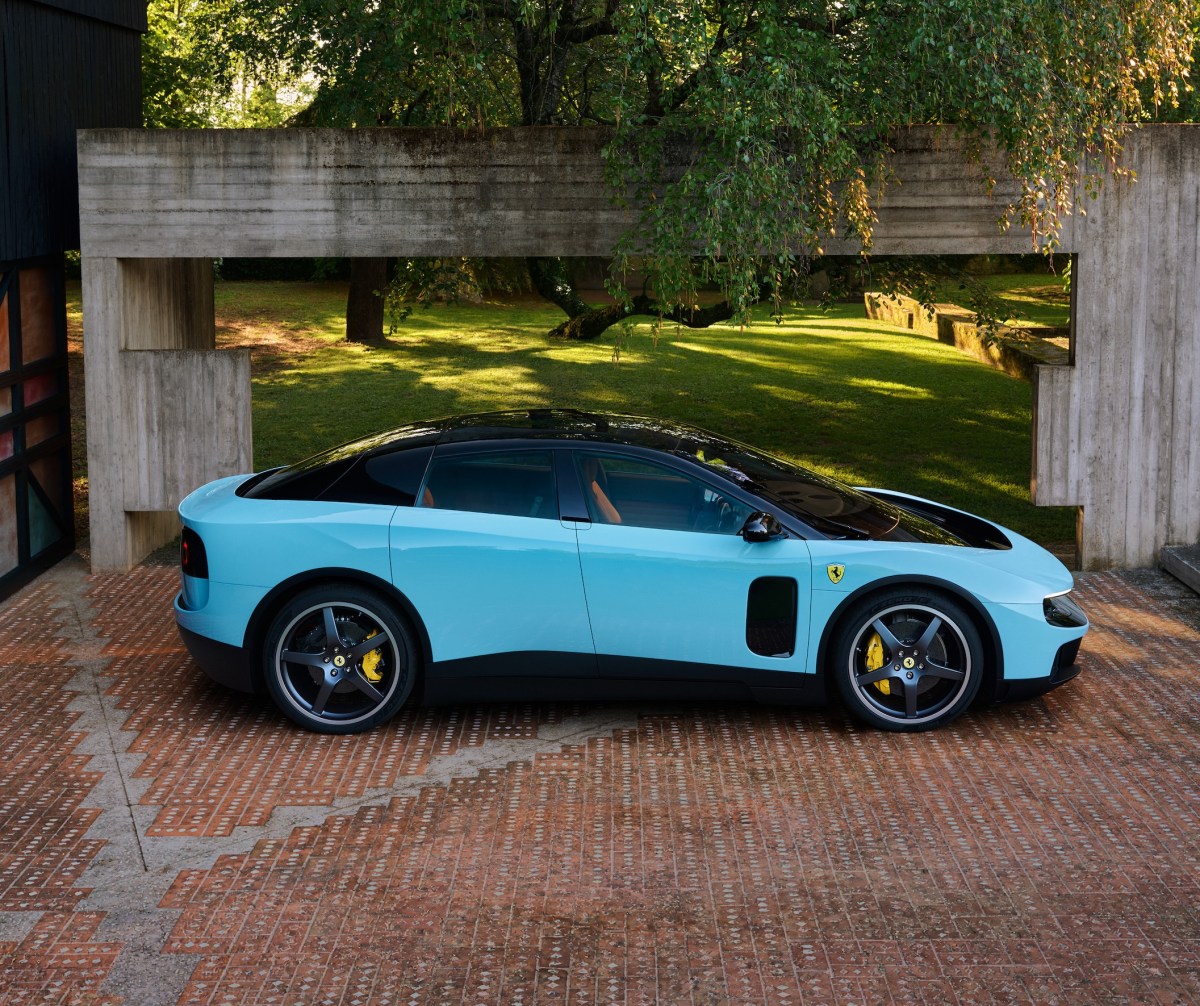
TechCrunch Mobility: It doesn’t matter that people hate the Ferrari Luce
TechCrunch Mobility has re-emerged as a leading source for insights into the future of transportation, particularly focusing on the increasing role of artificial intelligence in the sector. With advancements in technology and data analysis, the platform aims to provide comprehensive coverage and analysis of how AI is transforming various aspects of mobility. This renewed emphasis comes at a time when the transportation industry is rapidly evolving, making it essential for stakeholders to stay informed about the latest trends and innovations. By leveraging data up to October 2023, TechCrunch Mobility seeks to equip its audience with the knowledge needed to navigate the changing landscape of transportation.
Transportation Ferrari jony ive Waymo Rivian robotaxis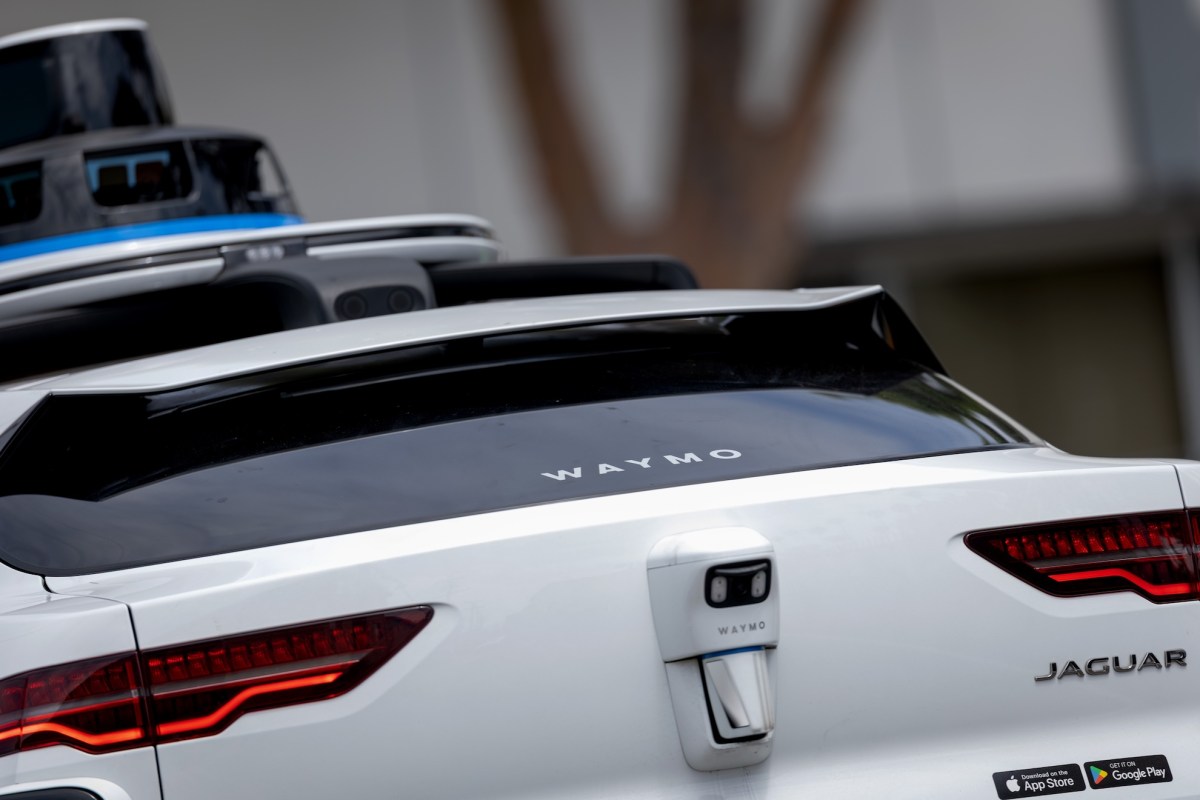
TechCrunch Mobility: Robotaxi reality check
TechCrunch Mobility has resumed its coverage, serving as a key source for the latest news and insights regarding the future of transportation. With a focus on developments in the industry, the platform aims to keep readers informed about innovations, trends, and challenges shaping the mobility landscape. The initiative, which began its latest phase in October 2023, seeks to engage audiences by providing in-depth analysis and expert commentary on emerging technologies and their implications for transportation. As the sector evolves rapidly, TechCrunch Mobility positions itself as an essential resource for anyone interested in the transformative changes ahead.
Transportation Elon Musk SpaceX Tesla xAI Waymo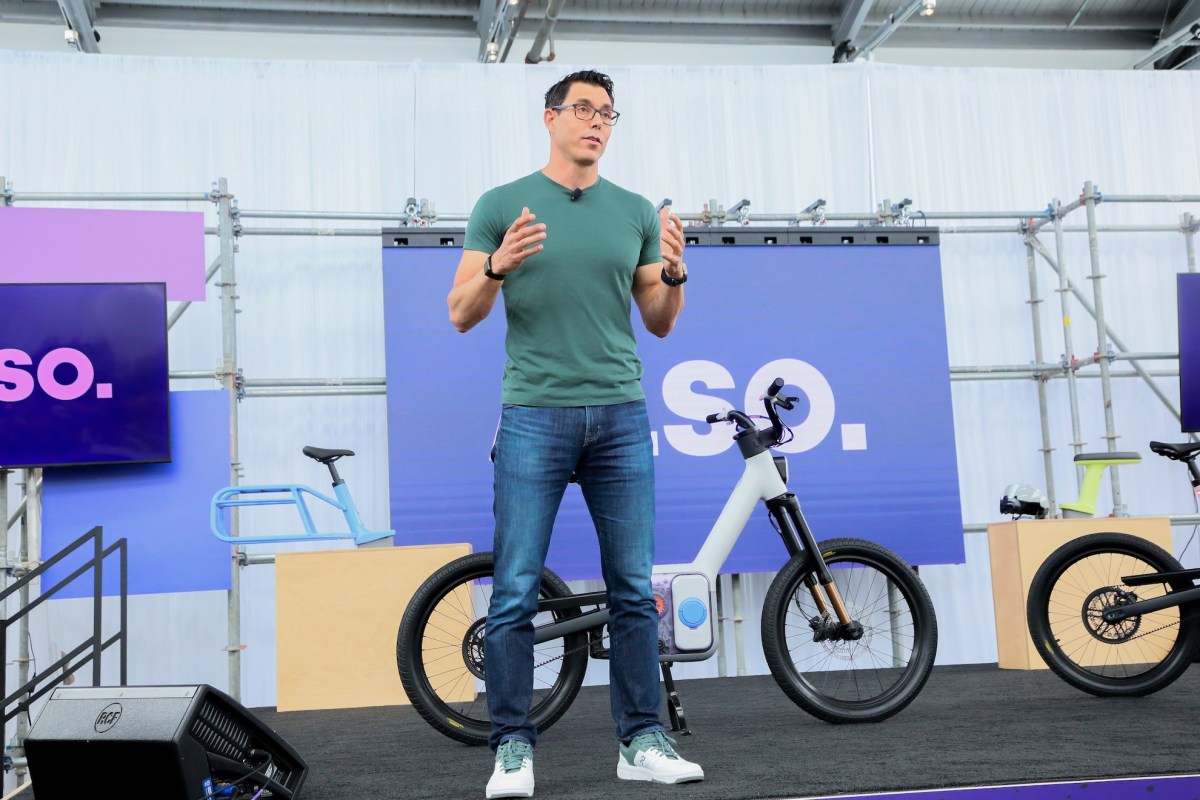
TechCrunch Mobility: The AI skills arms race is coming for automotive
TechCrunch Mobility has resumed its coverage, providing a comprehensive source for the latest news and insights related to the evolving landscape of transportation. This platform aims to keep readers informed about innovations, trends, and developments that are shaping the future of mobility. With a focus on emerging technologies and industry shifts, TechCrunch Mobility offers timely updates and expert analysis to help stakeholders navigate the rapidly changing transportation sector. The return of this resource comes as the industry faces significant transformations driven by advancements in technology and changing consumer demands.
Transportation AI General Motors Rivian RJ Scaringe Rapido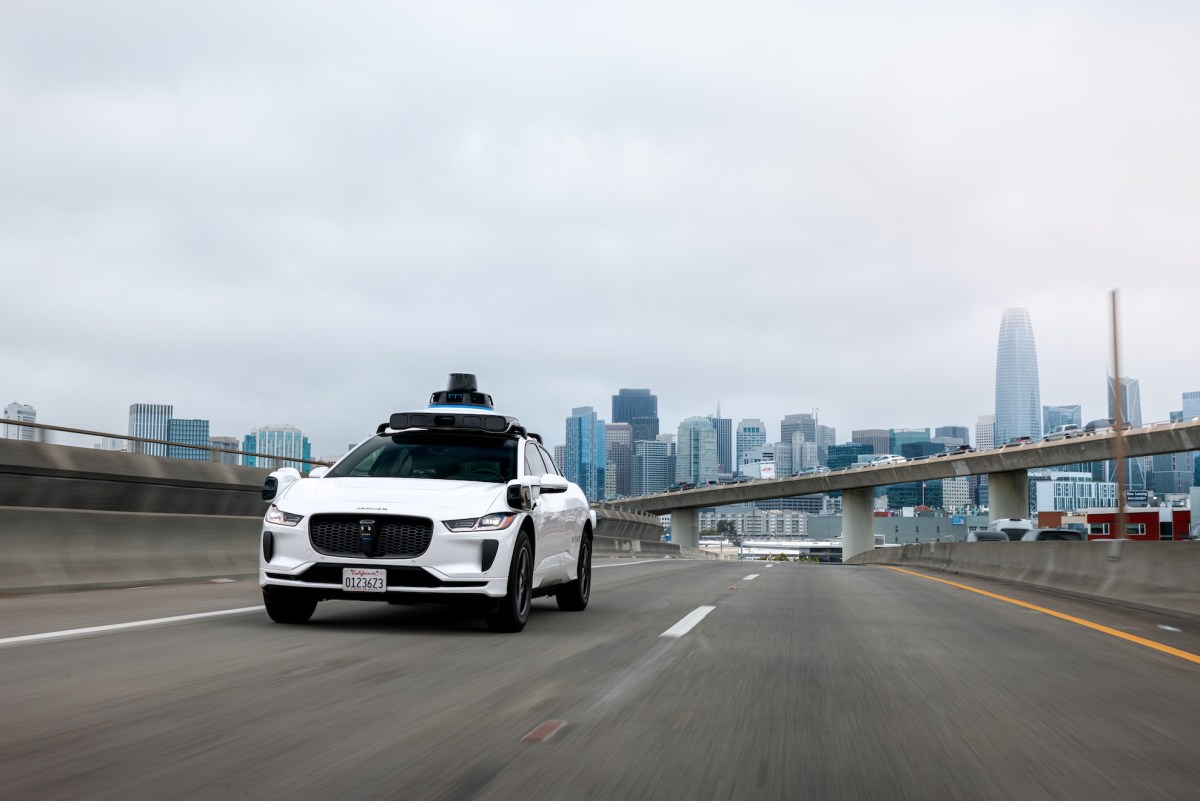
TechCrunch Mobility: How do you issue a ticket to a robotaxi?
TechCrunch Mobility has resumed its coverage, serving as a key resource for the latest news and insights regarding advancements in transportation. With a focus on the evolving landscape of mobility, the platform aims to keep its audience informed about significant developments and trends shaping the future of the industry. The initiative reflects a commitment to providing timely updates and expert analysis, ensuring that readers stay engaged with the rapid changes in transportation technology and infrastructure.
Transportation Tesla Uber Waymo Rivian robotaxiRobotics needs a service framework.
RSF defines a common language for robot service capability, lifecycle operations, certification pathways, and service-provider networks.
Join the RobotToday community on LinkedIn
Daily robotics news, in-depth analysis, conference highlights, and discussions with professionals worldwide.







