Autonomous Vehicle / UGV Logistics & Supply Chain Press Release
Uber and Waymo Face Tensions as Robotaxi Partnerships Shift in Major Cities
Original from TechCrunch: TechCrunch Mobility: A robotaxi ultimatum

Uber and Waymo Face Tensions as Robotaxi Partnerships Shift in Major Cities

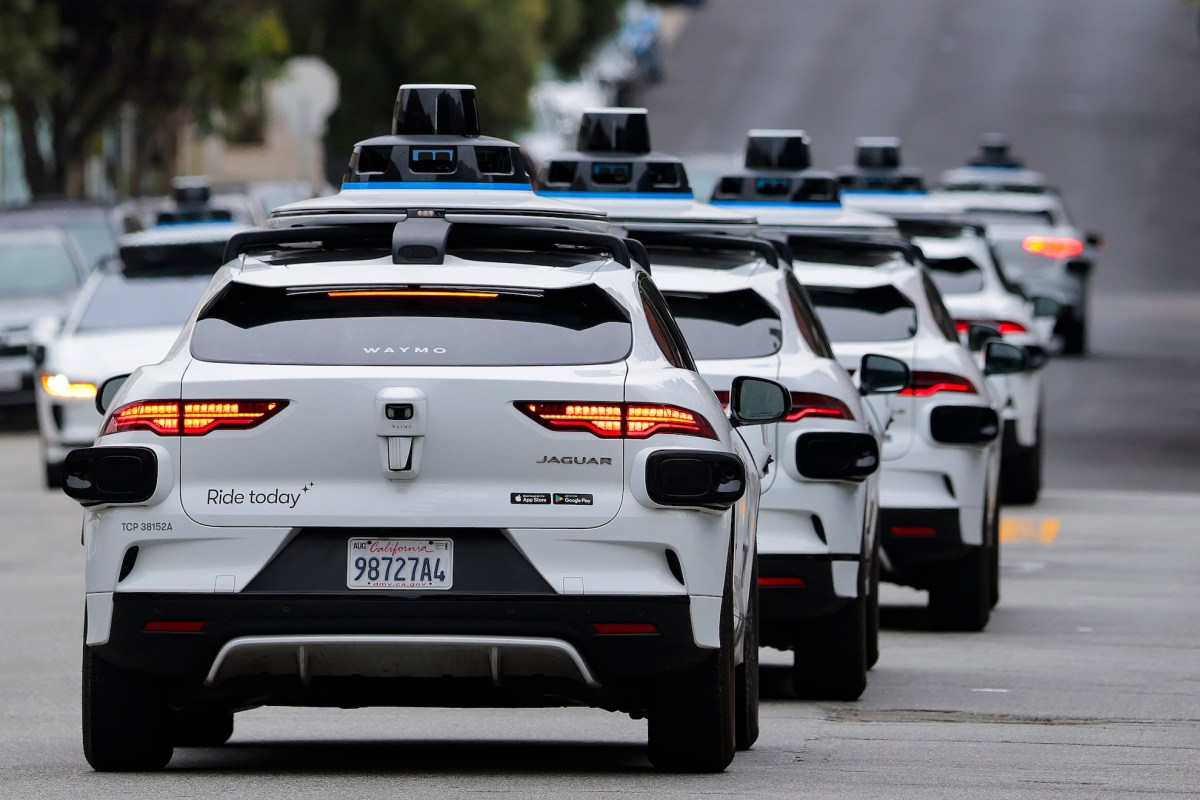
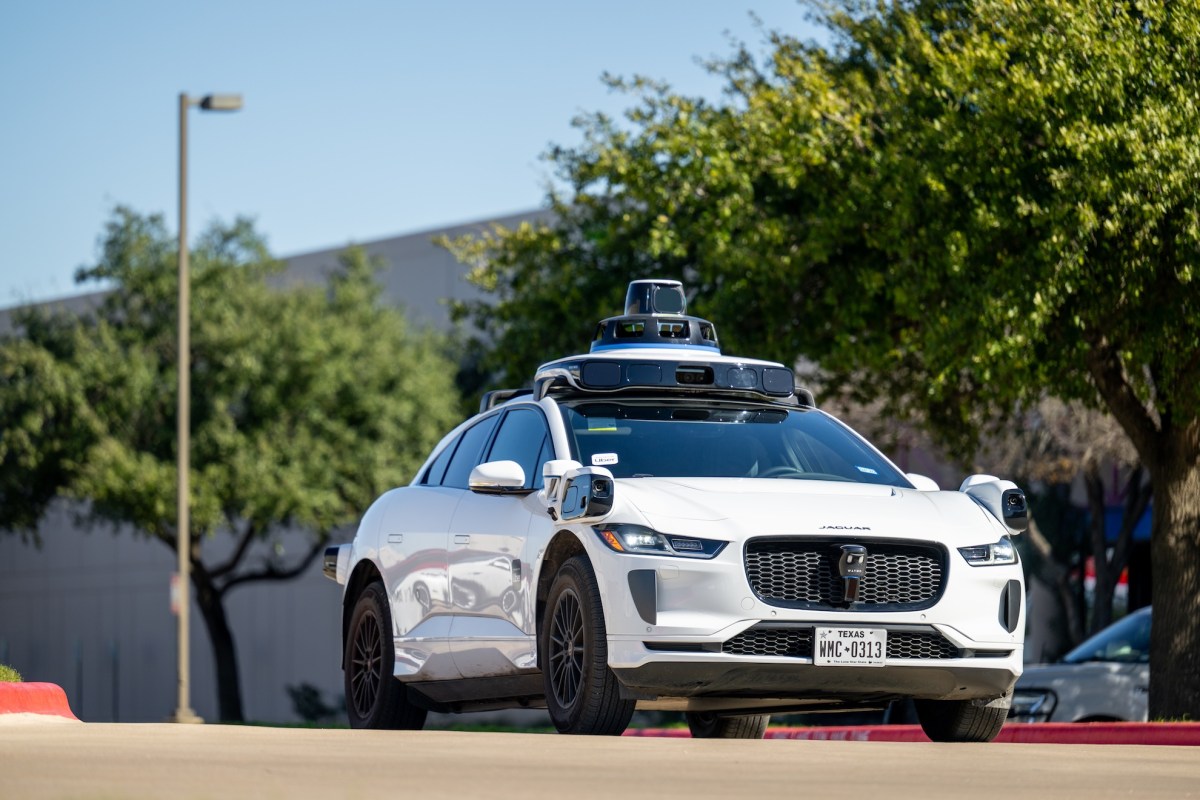
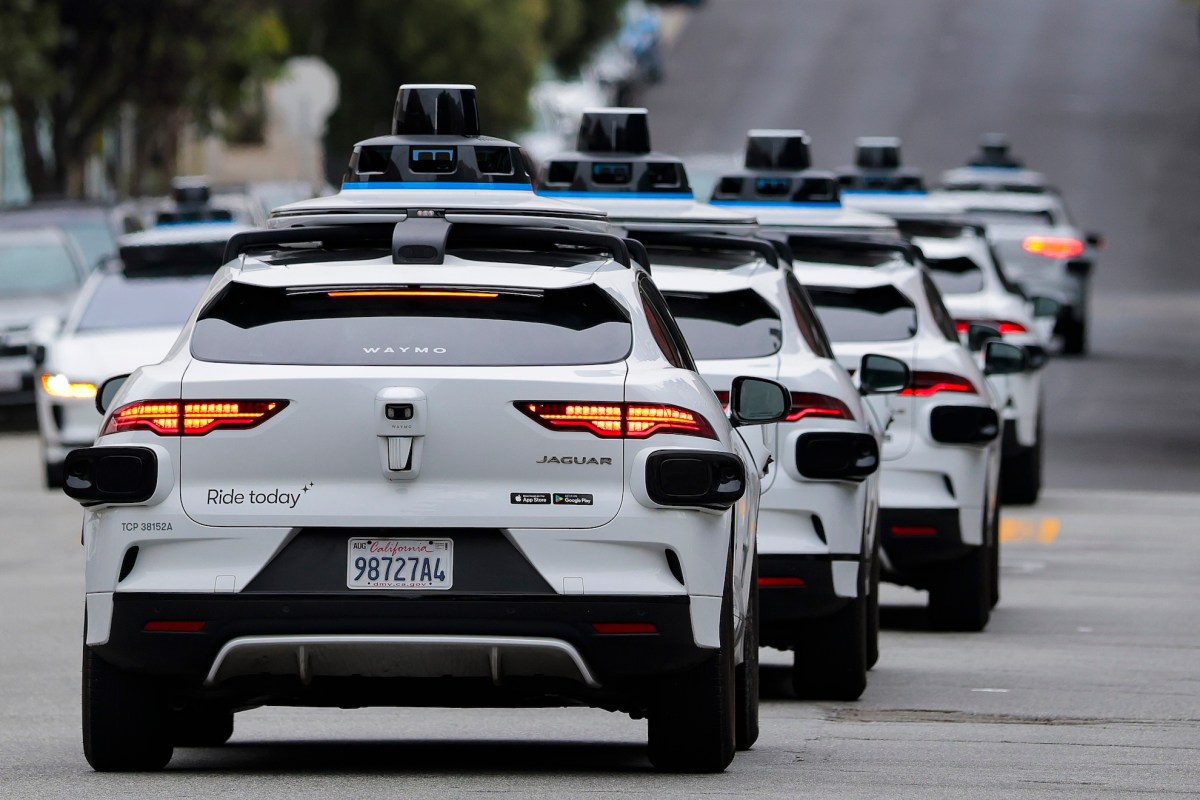
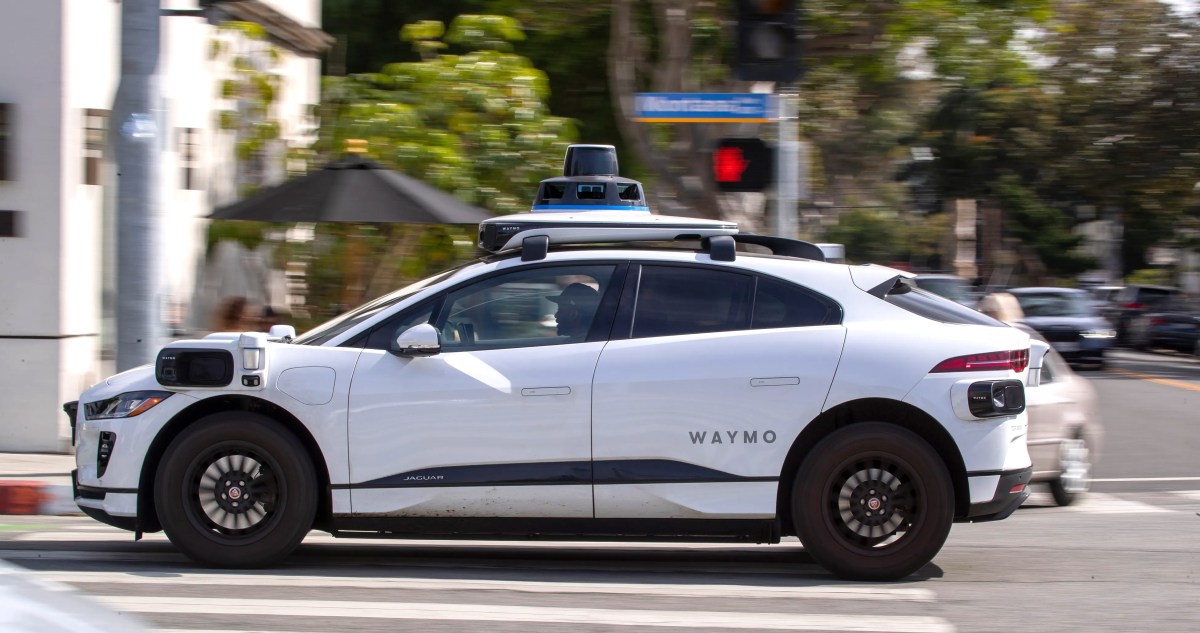
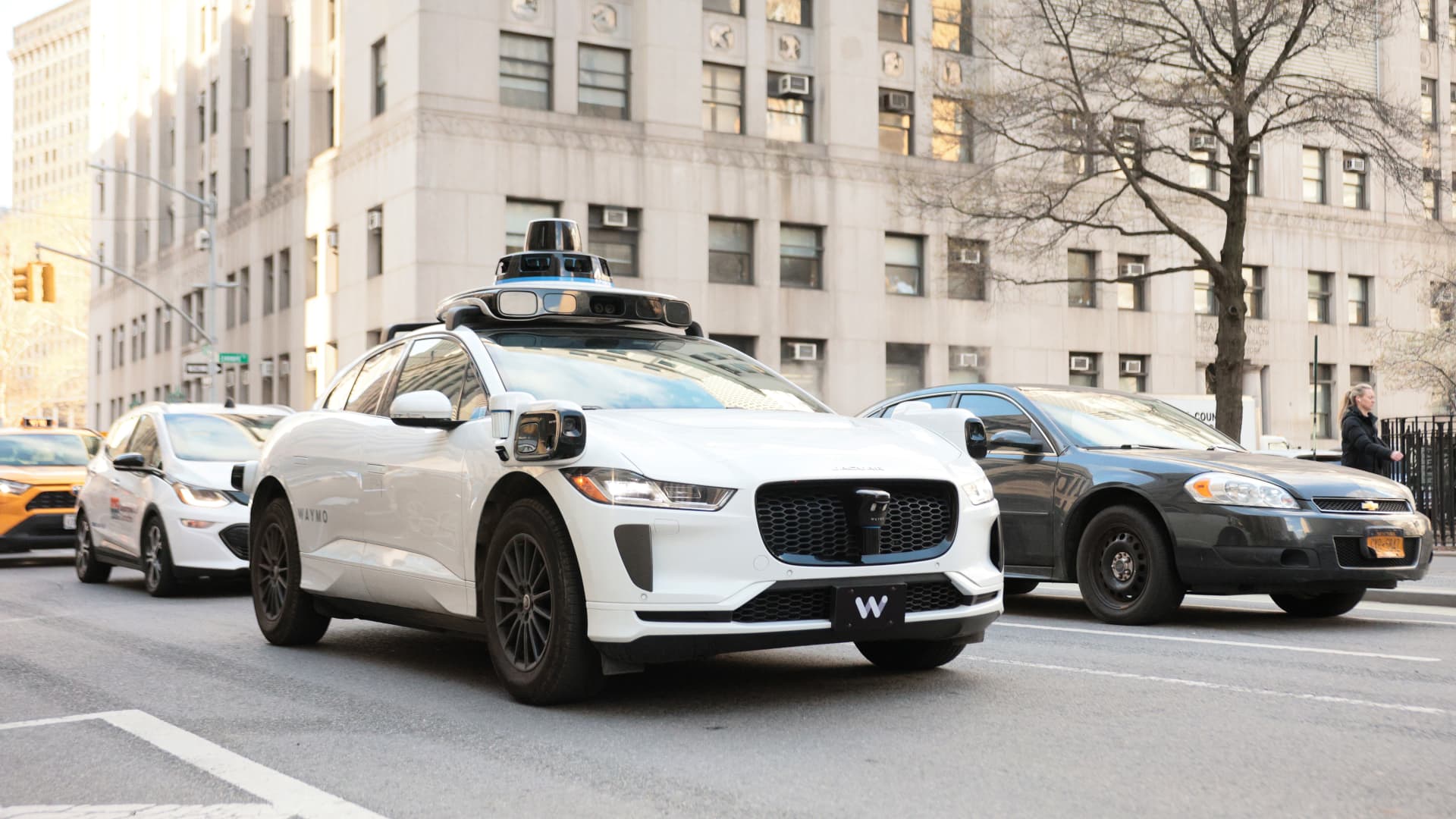
The recent end of the Uber-Waymo partnership in Phoenix marks a significant shift in the robotaxi landscape, with both companies still maintaining services in Atlanta and Austin. The future of these agreements remains uncertain, as tensions rise between Uber executives and Waymo, suggesting potential conflicts in policy and market access as partnerships dissolve.

This development is crucial as the National Highway Traffic Safety Administration (NHTSA) has issued a directive emphasizing the need for autonomous vehicles to effectively respond to emergency situations. Waymo, which operates the largest robotaxi fleet in the U.S., has faced scrutiny for its interactions with first responders, raising concerns about operational safety and regulatory compliance.

Looking ahead, the NHTSA has called for solutions from AV developers by the end of the month, indicating a potential shift in regulatory oversight. Additionally, Rivian's recent capital raise of $1.32 billion and the introduction of its R2 SUV could signal a competitive shift in the EV market, as the company aims to deliver between 65,000 and 70,000 vehicles by 2026.

Editor's Note

The evolving dynamics between major players like Uber and Waymo highlight a critical moment in the autonomous vehicle sector. As regulatory pressures increase, companies must adapt to ensure compliance while navigating competitive tensions. This situation underscores the importance of strategic partnerships and the need for robust operational protocols in the face of regulatory scrutiny.
RobotToday Initiative

Robotics needs a service framework.

RSF defines a common language for robot service capability, lifecycle operations, certification pathways, and service-provider networks.

Share

Related Articles/News

ROBOTTODAY Weekly July 6 – 10, 2026

ROBOTTODAY Weekly July 6 – 10, 2026

This week in robotics: AI² Robotics raises $735M for wheeled humanoids, Unitree G1 performs first live surgery, Dexmal launches DexOS platform, Agility Robotics announces SPAC, and Ondas acquires DZYNE for $875.8M. July 6–10, 2026.

RobotToday Weekly
RBC Capital Increases Tesla Price Target to $500 Amid Robotaxi Potential

RBC Capital Increases Tesla Price Target to $500 Amid Robotaxi Potential

On July 7, 2026, RBC Capital raised its price target for Tesla, Inc. (NASDAQ:TSLA) from $475 to $500, maintaining an Outperform rating. This adjustment reflects a 25% to 30% premium to current trading levels, considering a potential acquisition scenario involving SpaceX. The firm highlighted the robotaxi market as Tesla's most significant opportunity, wit...

Rivian Just Raised Its 2026 Outlook While Tesla Stock Stumbled. Is the Electric Vehicle Underdog Finally a Buy?

Rivian Just Raised Its 2026 Outlook While Tesla Stock Stumbled. Is the Electric Vehicle Underdog Finally a Buy?

Rivian Automotive, the electric vehicle manufacturer, has raised its delivery outlook for 2026 following a strong performance in the second quarter, where it delivered 12,194 vehicles, surpassing its initial estimate of 9,000 to 11,000. This update, announced on July 4, 2026, has led to an 8% increase in Rivian's stock price. In contrast, Tesla's stock fe...

Former DJI scientist raises billions in four funding rounds within six months, backed by YaoTu Capital and JinQiu Fund.

Former DJI scientist raises billions in four funding rounds within six months, backed by YaoTu Capital and JinQiu Fund.

Silicon Feather Technology (SPARO), a company specializing in general aerial intelligence, has successfully completed four rounds of financing totaling hundreds of millions of yuan within six months. Following initial seed funding from Yaotu Capital, subsequent investments came from Jin Qiu Fund, Alibaba, Hongyi Investment, ProLogis Yingshan Capital, and ...

Waymo and Uber end robotaxi pilot in Phoenix

Waymo and Uber end robotaxi pilot in Phoenix

Waymo's self-driving cars, previously utilized in a pilot program with Uber in Phoenix, will continue their operations by providing autonomous delivery services in partnership with DoorDash. This initiative marks a significant step in the expansion of autonomous vehicle technology, as it aims to enhance delivery efficiency and convenience for consumers. T...

Uber and Waymo Have Ended Their Robotaxi Tie-Up in Phoenix; Uber to Announce New Partner

Uber and Waymo Have Ended Their Robotaxi Tie-Up in Phoenix; Uber to Announce New Partner

Uber Technologies Inc. has officially ended its robotaxi partnership with Alphabet Inc.’s Waymo in Phoenix. This decision marks a significant shift in the evolving relationship between the two companies, which have been both collaborators and rivals in the autonomous vehicle sector. The termination of the robotaxi service reflects the challenges and compl...

NYS:UBER
Waymo and Uber quietly part ways in Phoenix

Waymo and Uber quietly part ways in Phoenix

In a surprising turn of events, two companies have announced the conclusion of their partnership in Phoenix, which lasted nearly three years. The decision to end the collaboration was confirmed to TechCrunch, although specific reasons for the dissolution have not been disclosed. This partnership, which had garnered attention for its unique approach, has n...

Transportation autonomous vehicles avs
Tesla and Waymo duel in the robotaxi race — but the company spending the most builds no cars at all

Tesla and Waymo duel in the robotaxi race — but the company spending the most builds no cars at all

Tesla and Waymo are competing in the rapidly evolving robotaxi market, with Tesla focusing on its own fleet of autonomous vehicles while Waymo continues to expand its ride-hailing services. As of spring 2026, Tesla has deployed approximately 20 driverless Model Y vehicles in Texas cities like Austin, Dallas, and Houston, but its ambitious Cybercab project...

Tesla Declines 5% While Lucid and Rivian Hold Steady: What’s Going On With EV Stocks Today?

Tesla Declines 5% While Lucid and Rivian Hold Steady: What’s Going On With EV Stocks Today?

Tesla's stock experienced a significant decline of 5% on June 23, 2026, dropping to $383, while competitors Lucid and Rivian showed more stability, with Lucid's stock rising by 1% to $5.22 and Rivian's falling slightly by 1% to $14.99. This divergence indicates that the selling pressure is largely specific to Tesla rather than a broader downturn in the el...

ROBOTTODAY Weekly, June 15 – 19, 2026

ROBOTTODAY Weekly, June 15 – 19, 2026

This week in robotics: Japan commits $65B to physical AI, UBTECH’s U1 humanoid companion robot nears 5,000 pre-orders, XDOF raises $70M for robot foundation model infrastructure, and Waymo recalls ~3,900 robotaxis after construction-zone failures. June 15–19, 2026.

RobotToday Weekly
Uber will bring its premium robotaxi service to Houston in 2027

Uber will bring its premium robotaxi service to Houston in 2027

Uber is set to launch its second robotaxi service, featuring Lucid electric vehicles (EVs) equipped with a self-driving system developed by Nuro. This innovative service aims to enhance urban mobility by providing a reliable and efficient transportation option. The rollout is expected to take place in the coming months, following the success of the initia...

Transportation lucid Uber
Rivian CEO taking different approach than Elon Musk for humanoid robotics company

Rivian CEO taking different approach than Elon Musk for humanoid robotics company

RJ Scaringe, the CEO of electric vehicle manufacturer Rivian, has launched a new robotics venture named Mind Robotics, which has successfully secured over $1 billion in funding. The company was established in late 2022, reflecting Scaringe's ambition to expand beyond the automotive sector into the rapidly evolving field of robotics. This significant finan...

Related Suppliers

Otto Motors (acq by Uber)

OTTO Motors (now OTTO by Rockwell Automation) manufactures autonomous mobile robots for industrial material handling. With millions of operational hours, its AMR fleet management platform integrates into manufacturing and distribution workflows.

Logistics & Supply Chain Healthcare & Senior Care Mobile Robot (AGV/AMR)

Waymo

SAE Level 4 autonomous driving platform (Waymo Driver, 6th-gen): 13 high-res 17MP cameras, 4 LiDAR (short/long-range, cm-level accuracy), 6 imaging radar, external audio receivers; 360° overlapping FOV up to 500 m; sensor fusion + AI perception/planning; onboard redundant compute (CPUs/GPUs), steering/braking/power; >20M real miles, >20B sim miles; robotaxi service (Waymo One) on Jaguar I-PACE, Zeekr RT (Ojai), future Hyundai Ioniq 5. No construction/site robotics applications.

Autonomous Vehicle / UGV

Radius Dynamics GmbH

Radius Dynamics is a medical device company, founded in 2001, specializing in articulating and robotic surgical instrumentation for minimally invasive procedures. The company pioneers technology for steerable devices, notably the Radius Robotic System R2 instrument, which features a unique, slim kinematic structure and proprietary actuation design, intended for use as a single-use disposable device in various clinical specialties.

Mighty AI

Mighty AI (acquired by Uber ATG) was a data annotation and training data platform for autonomous vehicle perception systems. The company specialised in generating high-quality labelled datasets to train machine learning models for self-driving applications.

Waabi (Waabi Innovation Inc.)

Waabi's Physical AI Platform integrates advanced AI and neural simulation to facilitate autonomous transportation across diverse environments. Utilizing a unified, verifiable AI model, it supports both autonomous trucks and robotaxis, enhancing scalability and safety. The platform's capabilities include highway and surface street navigation, enabling a Direct to Customer trucking model while adhering to rigorous safety standards through simulation and validation processes.

AutoX Inc.

Chinese autonomous driving technology company focused on fully driverless robotaxi systems. Developed proprietary sensor fusion and AI software stack for L4 autonomous vehicles in urban environments. Website returned 404 at time of scrape; known as an autonomous driving startup operating in China.

Arbe Robotics (IL)

Arbe Robotics develops 4D imaging radar chipsets and systems for autonomous vehicles and advanced driver assistance systems. Technology provides high-resolution radar perception with angular resolution enabling object classification for automotive safety and full autonomy applications.

Autonomous Vehicle / UGV Perception & Vision Control & Software Systems

Ushr Inc.

Developer of high-definition mapping and localisation software for autonomous vehicles. Provides precise lane-level HD maps and real-time positioning technology enabling reliable self-driving system navigation.

Pony.AI

Pony.ai is a global autonomous driving technology company developing full-stack self-driving solutions for passenger vehicles and robotaxis, with operations in China and the United States targeting commercial deployment.

Autonomous Vehicle / UGV Logistics & Supply Chain Commercial Service Robots

Canadian Space Agency

Canadian federal agency responsible for the country's space science, technology, and exploration programs. Develops and operates space robotics (Canadarm), satellites, and conducts research relevant to autonomous systems in space environments.

Education & Research Healthcare & Senior Care Robot Manufacturer

US Naval Research Lab

US federal research laboratory conducting advanced science and technology programs for the US Navy and Marine Corps. Active in autonomous systems, AI, underwater vehicles, and robotics for defence applications.

May Mobility

May Mobility specializes in autonomous vehicle (AV) technology, utilizing a Multi-Policy Decision Making (MPDM) system. This real-time, reinforcement-learning AI algorithm enables vehicles to generate training data dynamically, enhancing adaptability to diverse driving environments. The system processes information every 200 milliseconds, significantly improving situational awareness and decision-making capabilities compared to conventional AV methodologies. This approach aims to ensure safe and reliable autonomous transportation solutions.