

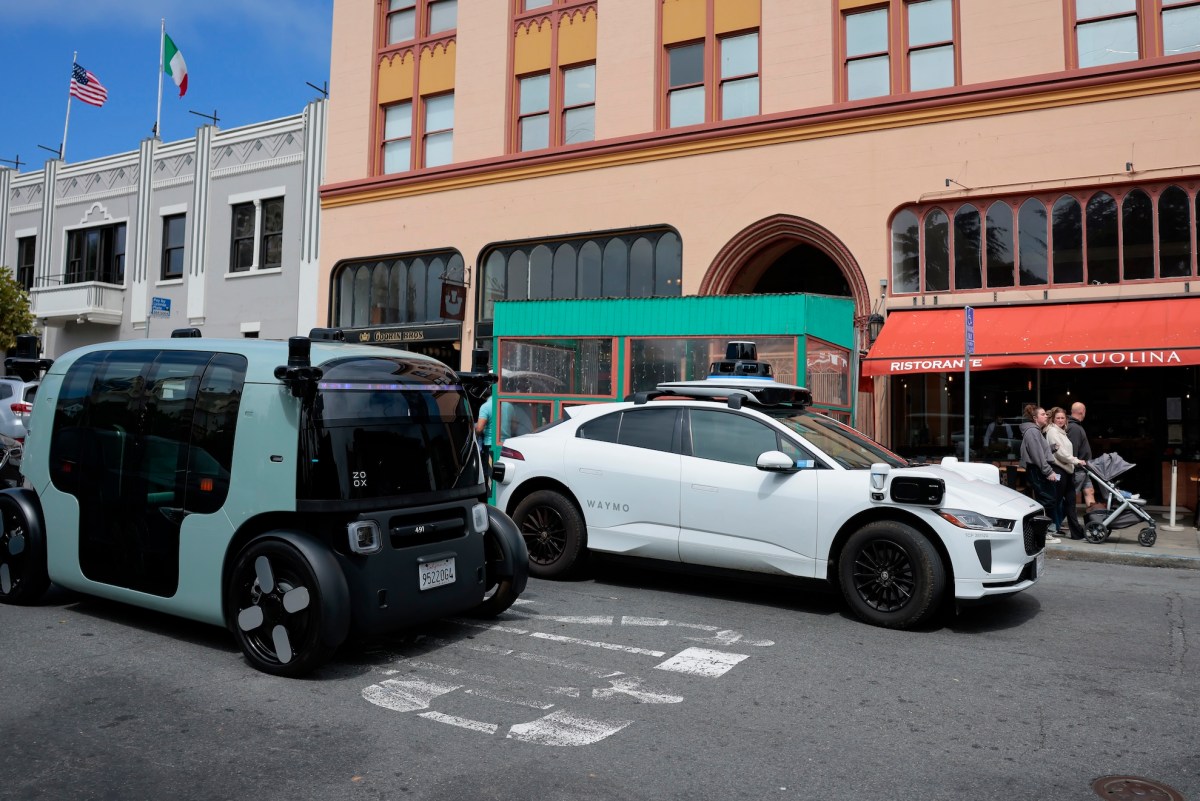
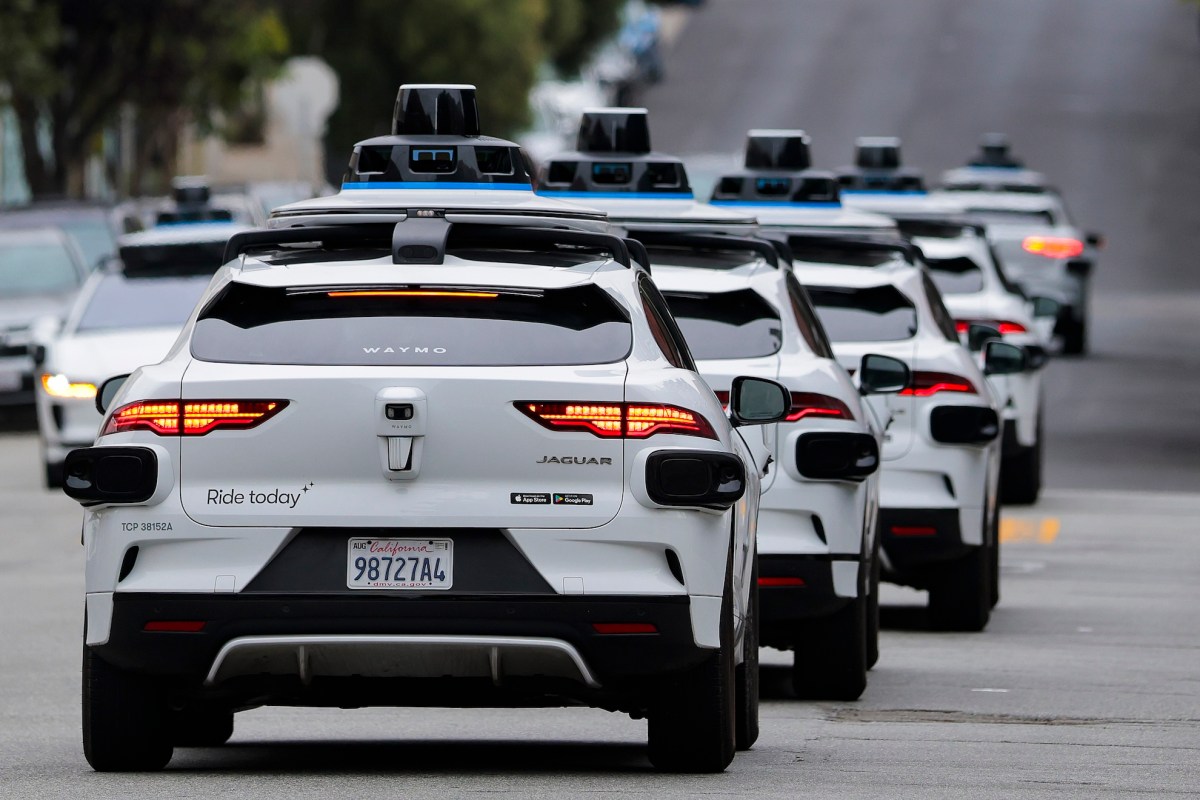
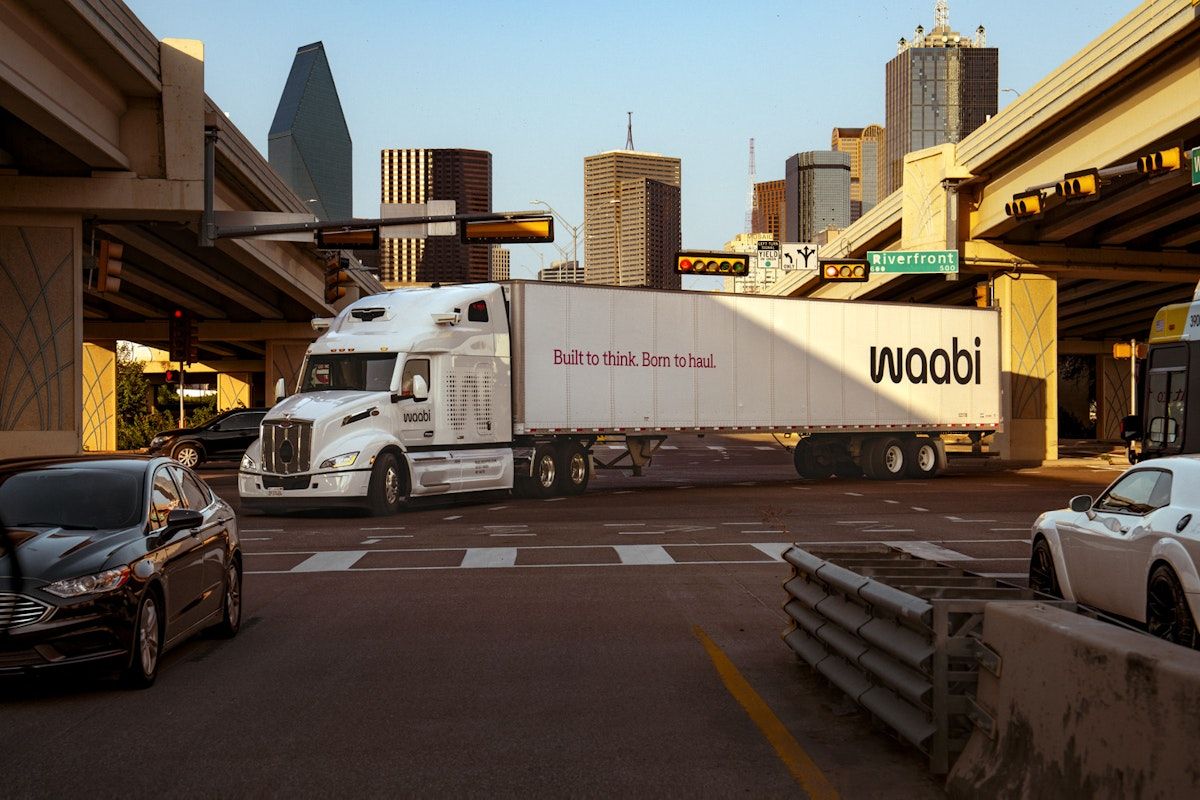
California has introduced Senate Bill 1246, signed by Governor Gavin Newsom, to regulate autonomous vehicles, particularly robotaxis, to improve safety and emergency response. The law aims to address issues such as robotaxis obstructing traffic and interfering with first responders, which have been reported in various incidents across the state.
This legislation is significant as it establishes accountability measures for autonomous vehicle companies like Waymo, Tesla, and Zoox, requiring them to provide local support during emergencies and face penalties for prolonged obstructions. The law also mandates that remote drivers must be U.S.-based and licensed, ensuring better oversight of robotaxi operations.
As the law is set to take effect in July 2028, it remains to be seen if it will effectively mitigate disruptions caused by robotaxis. The potential for other states to adopt similar regulations or await federal guidance is also a key point to monitor in the evolving landscape of autonomous vehicle legislation.
Editor's Note
The introduction of Senate Bill 1246 reflects growing concerns over the integration of autonomous vehicles into urban environments. As robotaxis become more prevalent, ensuring they do not hinder emergency services is critical for public safety. This law may set a precedent for other states, influencing how autonomous vehicle regulations evolve across the country.
Copyright Notice
This briefing is an independently written summary based on publicly available reporting and is provided for industry information and news discovery. The original report and source publication are credited and linked where applicable. RobotToday does not claim ownership of third-party source material.
Rights concerns? If you believe any material in this briefing infringes your copyright or other rights, please contact [email protected] with the relevant URL and details. We will review the matter and take appropriate action where warranted.


























Leave a comment