

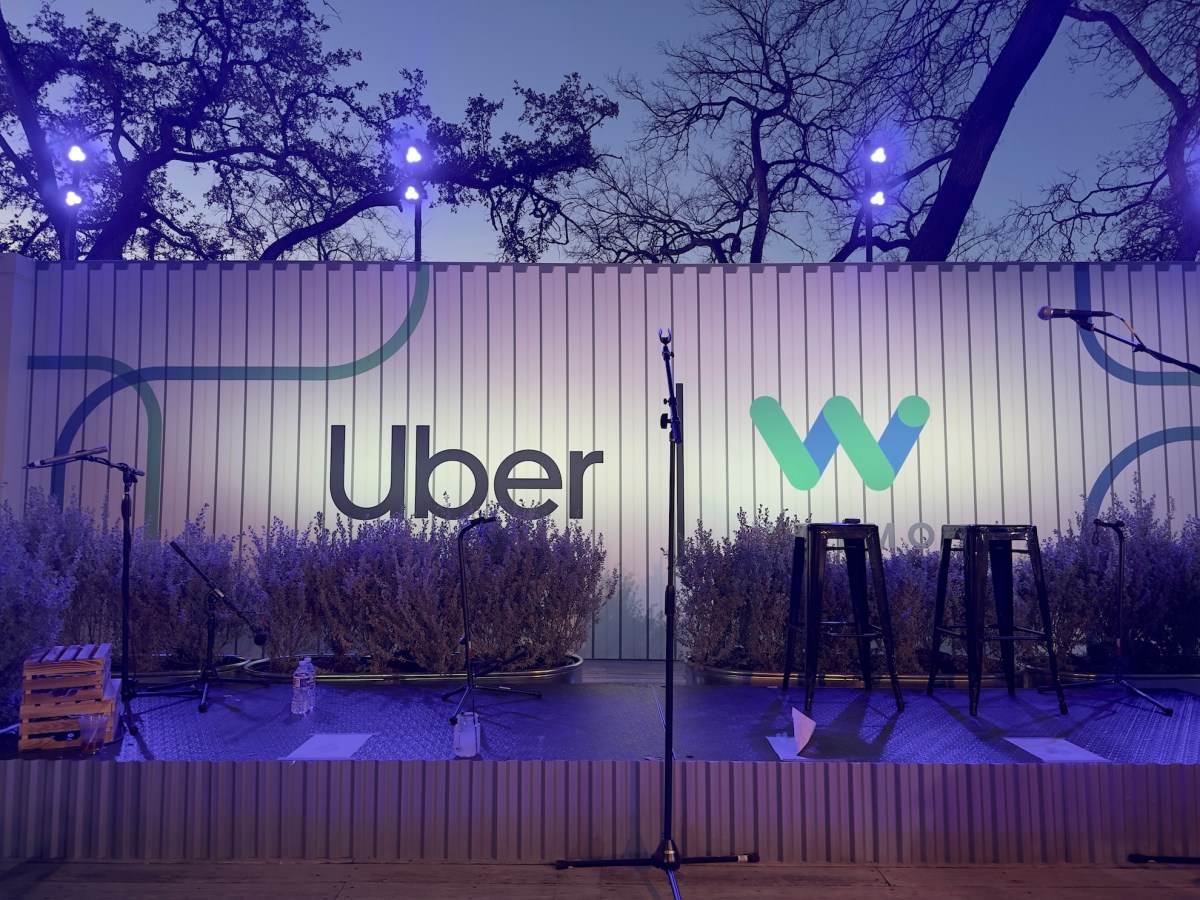
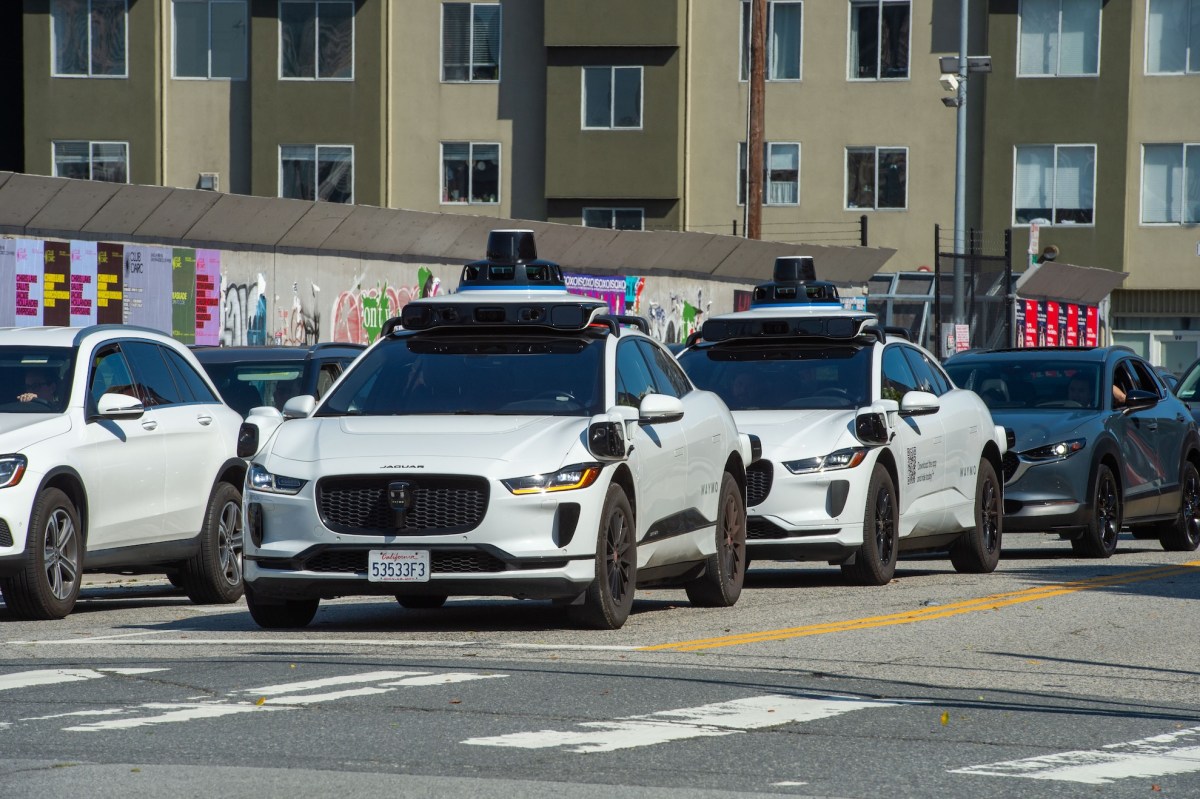
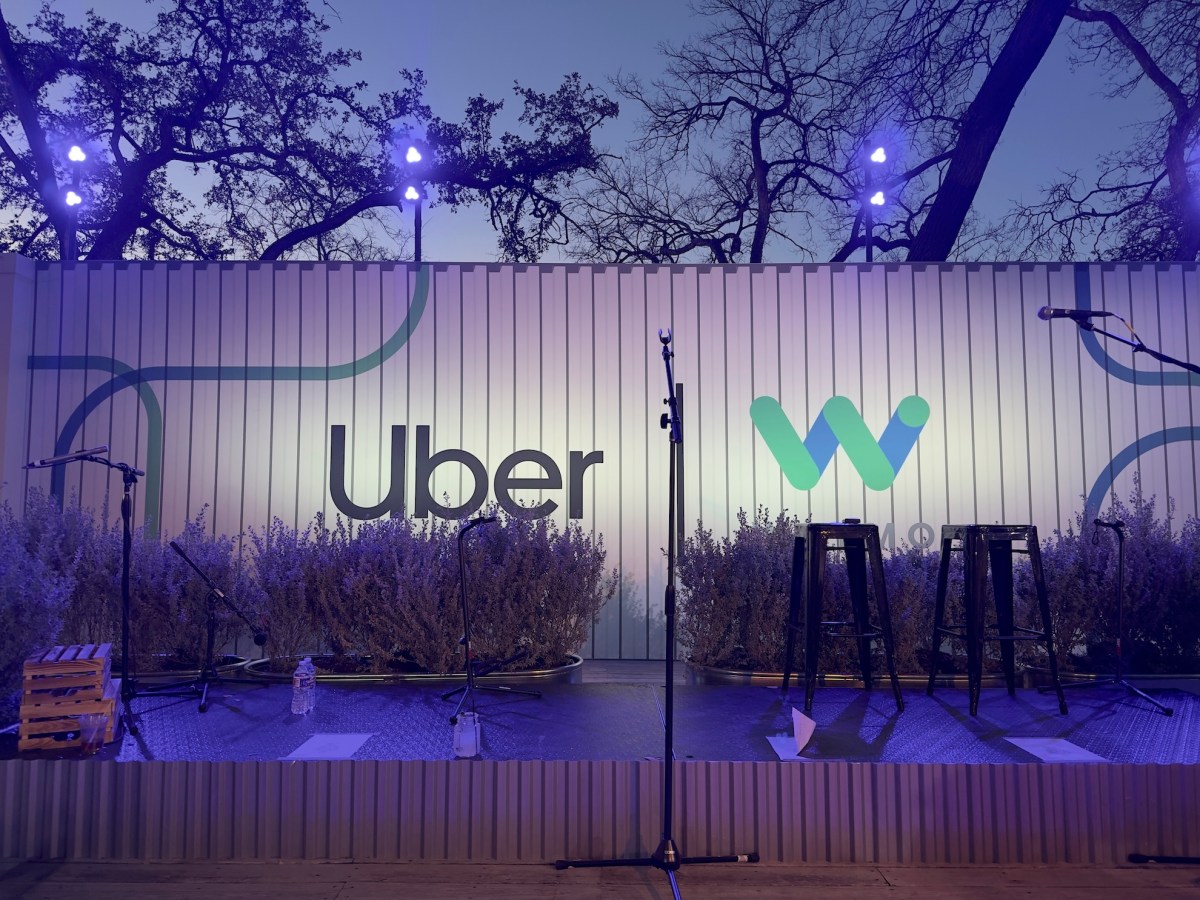
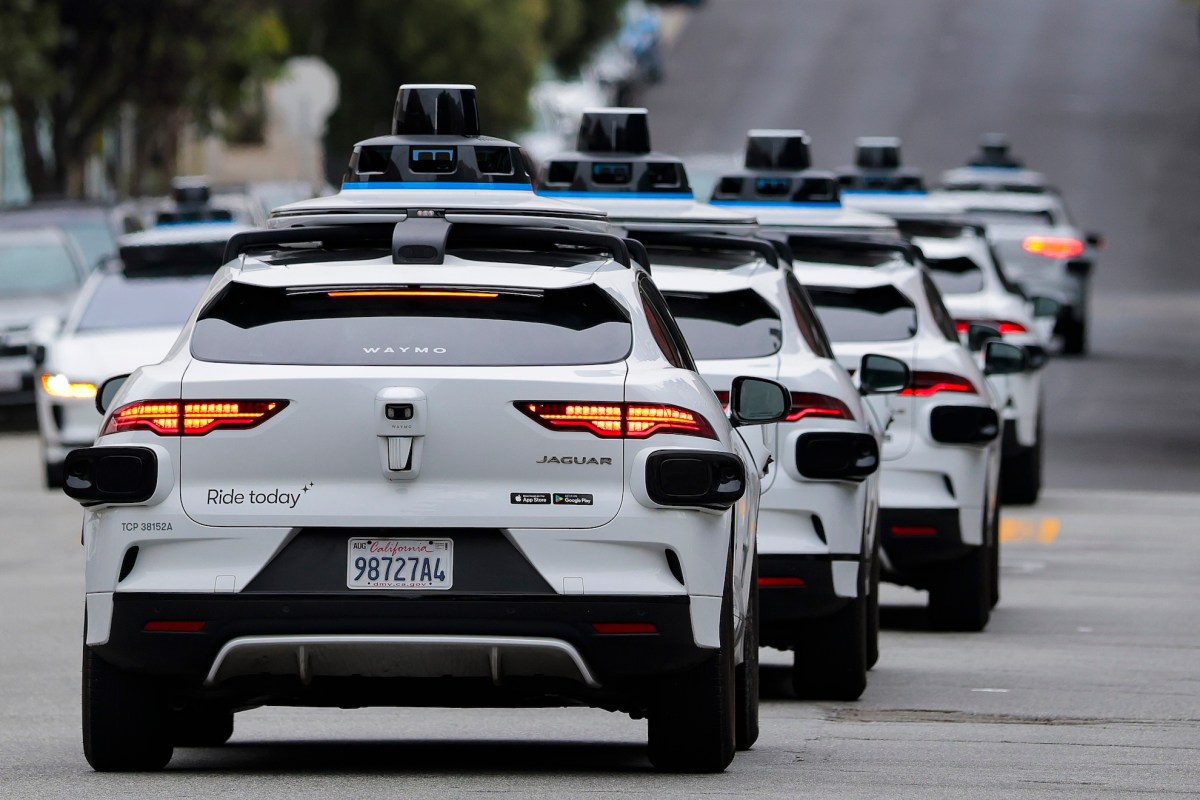
Uber and Waymo are currently in opposition regarding a proposed bill in Washington, D.C. that would allow autonomous vehicles to operate. Uber argues that the bill would displace human drivers and grant Waymo a monopoly, advocating instead for a hybrid model that includes human drivers alongside robotaxis. However, insiders suggest that this hybrid approach is unlikely to be enacted.
The implications of this regulatory battle are significant for the autonomous vehicle industry. While Waymo supports the bill, other industry players like Tesla have raised concerns about stringent testing requirements and high fees associated with the legislation. Waymo's existing testing in D.C. gives it a potential competitive advantage if the bill passes in its current form.
As the D.C. Council prepares for further discussions, stakeholders from various sectors, including disability rights advocates and labor unions, are weighing in. The outcome of this legislative process will be crucial for the future deployment of autonomous vehicles in urban environments. No further timeline was disclosed at the time of publication.
Editor's Note
The ongoing debate over robotaxi regulations highlights the complexities of integrating autonomous vehicles into existing transportation frameworks. As companies like Uber and Waymo navigate these challenges, the regulatory landscape will significantly impact technology adoption and competitive dynamics in the autonomous vehicle sector.























Leave a comment