

Industry Briefing
A single destination for timely, editor-curated robotics news from around the world.

Ten Notable AI Scale-Ups in Switzerland to Watch in 2026
A recent overview highlights ten significant AI scale-ups based in Switzerland, with a strong presence in Zurich, which is home to six of these companies. The sectors represented include machine vision, robotics, computer vision, and Web3 infrastructure, showcasing Switzerland's commitment to precision engineering and software innovation. These companies are addressing critical challenges in various industries, such as improving airport turnaround efficiency through AI, enhancing trust in digital interactions, and advancing microelectronics inspection technologies. Their combined funding reflects a robust investment landscape, with Delvitech leading with $48.6 million, indicating strong investor confidence in the Swiss AI ecosystem. As these companies continue to develop their technologies, stakeholders should monitor their progress and potential market impacts. The ongoing advancements in AI applications across sectors like energy trading, manufacturing, and airport operations suggest a growing influence of these scale-ups in shaping the future of AI in Switzerland and beyond. No further timeline was disclosed at the time of publication.
AI AI Funding & Investment AI Startups Exclusives AI Scale-Ups business
Key AI Scale-Ups from CEE and the Baltics to Watch in 2026
Central and Eastern Europe is home to several notable AI scale-ups, with the Czech Republic contributing three companies focused on fraud detection, embedded lending, and behavioral biometrics. Poland leads in funding for warehouse robotics and customer intelligence, while Romania, Hungary, Lithuania, and Estonia emphasize cybersecurity and fraud prevention. These companies are addressing pressing challenges, such as cancer target discovery and assistive technologies for the visually impaired, showcasing the region's technical ambition and responsiveness to digital threats. The significance of these scale-ups lies in their innovative approaches to AI applications, particularly in sectors like cybersecurity and finance. With a total funding of $62.6 million, BlackWall is enhancing web security solutions, while Druid AI, with $81.6 million, is automating enterprise workflows through AI agents. Flowpay is addressing financing challenges for small businesses, raising $35.8 million to expand its embedded lending infrastructure, demonstrating the region's focus on practical AI solutions. Looking ahead, the growth trajectory of these companies indicates a vibrant ecosystem for AI development in Central and Eastern Europe. As they continue to secure funding and expand their technologies, stakeholders should monitor their progress and the potential impact on various industries. No further timeline was disclosed at the time of publication.
AI AI Funding & Investment AI Startups Insights AI Scale-Ups CEE & Baltics
Explore 10 Notable AI Scale-Ups in the Benelux Region for 2026
The Benelux region showcases a diverse array of AI scale-ups, with the Netherlands leading with seven companies. These firms are innovating in various sectors, including medical imaging, energy optimization, and defense software, highlighting the region's significant contributions to high-stakes AI applications in Europe. This diversity is crucial as it demonstrates the potential of AI to address complex challenges across industries. From autonomous driving to AI-driven revenue management, these companies are not only advancing technology but also enhancing operational efficiencies and sustainability in their respective fields. Looking ahead, the continued evolution of these AI scale-ups will be pivotal. With substantial funding rounds completed, such as Aidoptation's $28.6 million and Dexter Energy Services' $41 million, stakeholders should monitor their developments closely as they expand their technologies and market reach. No further timeline was disclosed at the time of publication.
AI AI Funding & Investment AI Startups Exclusives Benelux business
Nscale's Upcoming IPO to Gauge Investor Interest in AI Concentration Risks
Nscale, a British neocloud company, is preparing for its IPO, which will assess investor interest in a business heavily reliant on two major customers. The company has secured over $103 billion in contracts since its separation from Arkon Energy, with 85% of this revenue linked to a $43.8 billion deal with Microsoft and a $44.6 billion agreement with Anthropic. However, Anthropic's contract is contingent on Nscale achieving specific milestones, highlighting the risks associated with customer concentration. The significance of Nscale's IPO lies in its reflection of the interconnected nature of the AI industry, where many infrastructure providers depend on a limited customer base. Competitors like CoreWeave and Applied Digital also exhibit similar revenue dependencies, raising concerns about the industry's vulnerability to shifts from major players. Nscale's expected valuation of $35 billion and its goal to raise $3 billion in the offering underscore the stakes involved in this public offering. Looking ahead, Nscale's performance post-IPO will be closely monitored, especially given its substantial net losses and the competitive landscape that includes companies like Nebius and Lambda. No further timeline was disclosed at the time of publication.
AI ai data centers IPO neocloud nscale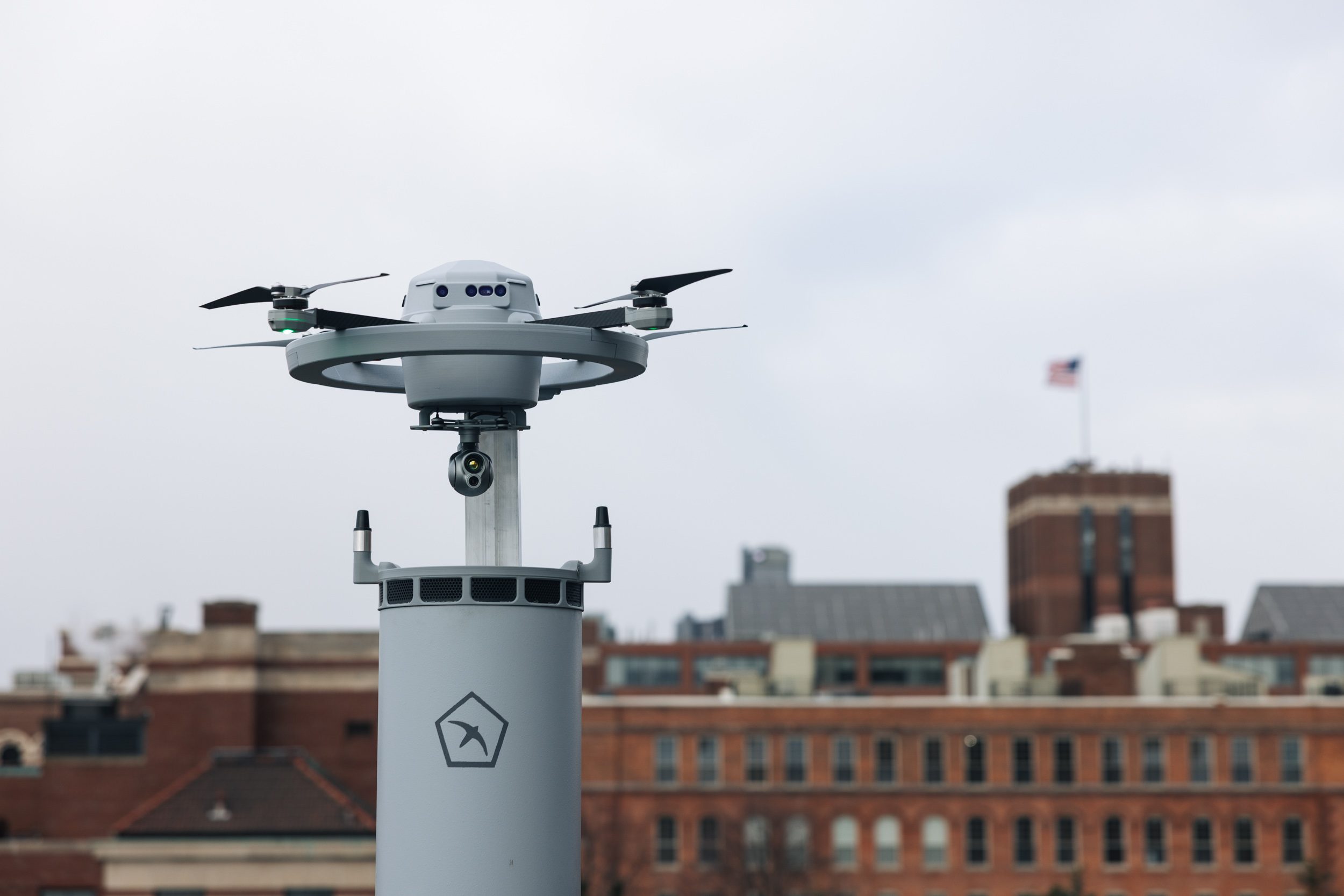
Birdstop Leverages Detroit's Auto Supply Chain to Enhance U.S. Drone Manufacturing
Birdstop, an autonomous security drone manufacturer, has relocated from Silicon Valley to Detroit to capitalize on the city's automotive supply chain. CEO Keith Miao emphasized that Detroit offers significant opportunities for scaling drone production, particularly due to the region's robust electronics manufacturing capabilities tied to the auto industry. The move is significant as it highlights the potential for cross-industry collaboration, where components used in automotive manufacturing can also be applied to drone technology. Miao noted that the overlap in specifications and testing requirements between automotive parts and drone components allows Birdstop to leverage existing resources effectively. Looking ahead, Birdstop has introduced its new flagship product, the Fealty system, which began deployment in May for monitoring truck parking sites in Detroit. This innovative drone system is designed for persistent coverage and features advanced AI capabilities, setting a new standard in the drone industry. No further timeline was disclosed at the time of publication.
DL Exclusive Drone Manufacturing Drone News Drone News Feeds Drones in the News Feature 1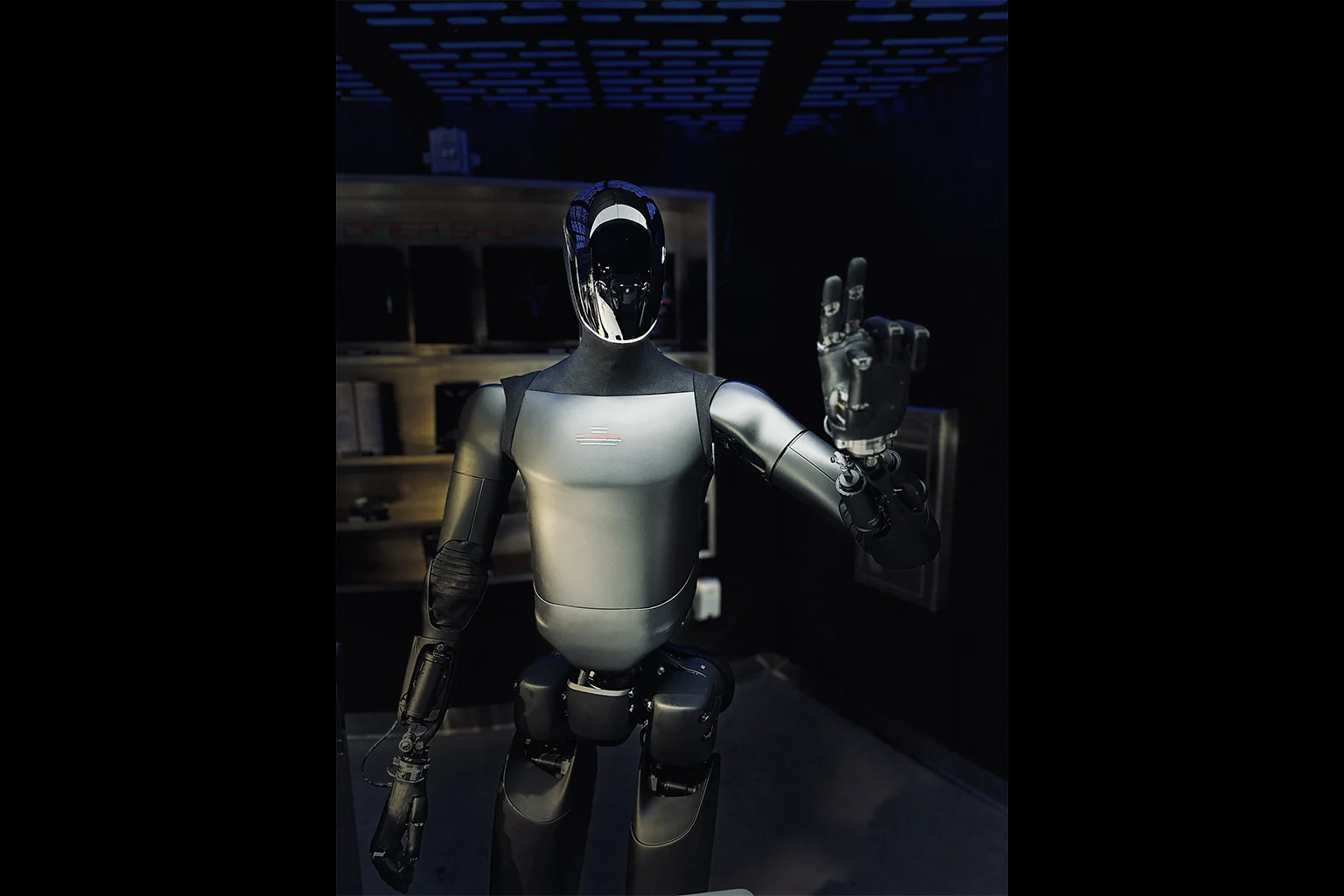
Tesla Reportedly Places Large-Scale Order for Optimus Components Amid Production Ramp-Up
Reports from Chinese industrial channels suggest that Tesla has initiated its first significant procurement order for the Optimus humanoid program, with approximately 5,000 component units ordered in early September. This move indicates a shift from low-volume prototyping to a structured production-level supply chain, coinciding with manufacturing advancements at Tesla's Fremont plant. The implications of this procurement are substantial, as it signals a transition point for the Optimus initiative, which aims for an installed capacity of 1 million units per year. Analysts predict that if the current batch of components is successfully assembled, production rates could exceed 2,500 units weekly by year-end, marking a critical phase in Tesla's manufacturing strategy. Looking ahead, Tesla is reportedly targeting an internal delivery goal of 10,000 to 20,000 humanoid robots for deployment by 2026. The transition to large-scale production will test suppliers' capabilities, particularly in motion-control components, as the demands of humanoid robotics require precision and advanced engineering solutions. No further timeline was disclosed at the time of publication.
Optimus Tesla US Optimus gen 3 manufacturing China
FarmDroid Launches FD60: A Large-Scale Autonomous Seeding and Weeding Robot
FarmDroid has unveiled the FD60, a large-scale field robot designed for autonomous seeding and mechanical weeding of row crops. Launched on September 1, 2026, the FD60 boasts a working width of up to 6.75 meters and a seasonal capacity of 60 hectares, significantly increasing productivity compared to its predecessor, the FD20. This innovation is crucial as it addresses the high cost per hectare that has previously limited the adoption of field robots. With operational costs as low as €304 per hectare, the FD60 offers a sustainable alternative to manual labor and chemical inputs, making it suitable for both organic and conventional farming practices. Looking ahead, the FD60's ability to operate autonomously throughout the season while minimizing labor demands will be a key factor for growers. The robot's compatibility with over 100 row crops and its efficient energy use through solar power and a generator make it a versatile tool in modern agriculture. No further timeline was disclosed at the time of publication.
Field robots autonomous farm equipment FarmDroid mechanical weeder precision agriculture solar energy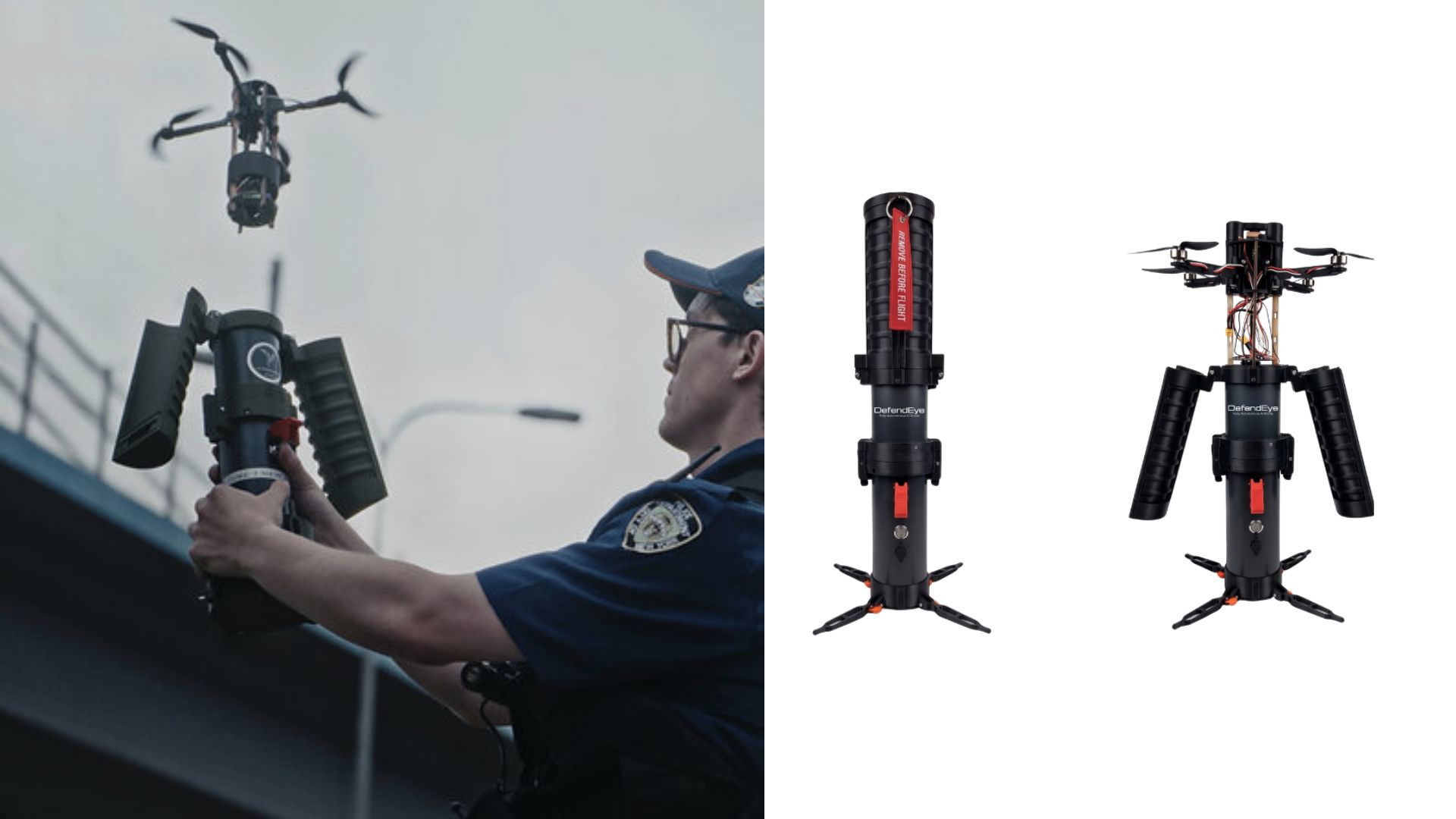
DefendEye to Scale Production of First Autonomous AI Drone for First Responders
DefendEye has announced plans to scale up production of the Overwatch Drone, the world's first autonomous AI drone designed for first responders, following a significant investment round led by NovaCapital. This funding will enable the company to enhance its operations and manufacturing capabilities at its facilities in Hallandale Beach, Florida, and Krakow, Poland. The Overwatch Drone is engineered to provide emergency personnel with immediate situational awareness, deploying in seconds without the need for trained pilots. This innovative system utilizes onboard AI to detect and identify individuals from the air, making it a vital tool for police, firefighters, and search-and-rescue teams in high-stakes environments. Looking ahead, DefendEye aims to redefine crisis management through its autonomous aerial capabilities, ensuring that first responders have rapid access to live video feeds and critical information. No further timeline was disclosed at the time of publication.
AI and Robotics
Rescale Joins Genesis Mission to Enhance Engineering with Next-Gen Supercomputing
Rescale, a digital engineering platform, has secured funding through the Genesis Mission, a US Department of Energy initiative aimed at creating an advanced integrated science discovery platform. As a partner in the Agentic HPC Pipeline Initiative, Rescale will collaborate with national laboratories to leverage agentic AI for accelerating the adoption of advanced computing tools in US industry. This initiative is significant as it seeks to enhance the productivity of scientific research by integrating AI, supercomputing, and advanced scientific instruments. The Genesis Mission, established in November 2025, aims to double the productivity of US scientific research within the next decade, drawing comparisons to historic projects like the Manhattan Project and the Apollo program. Looking ahead, Rescale's project will integrate AI agents into simulation tools developed by national laboratories, significantly reducing the time and expertise required for their use. No further timeline was disclosed at the time of publication.
AI and Robotics Innovation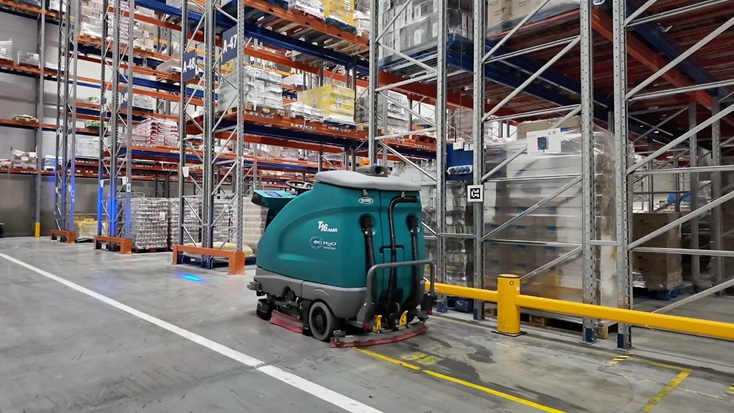
Nabuurs Supply Chain Solutions Transitions to Tennant T16AMR for Enhanced Warehouse Cleaning
Nabuurs Supply Chain Solutions in Oosterhout, Netherlands, is addressing the challenges of maintaining cleanliness in a 60,000m² logistics environment. The company faced rising labor costs and operational pressures while using a Tennant M17 ride-on scrubber, which required extensive manual labor for effective cleaning. To improve efficiency and reduce labor dependency, Nabuurs explored autonomous cleaning technology. After a pilot program and ROI assessment with Tennant, the company decided to transition to the Tennant T16AMR autonomous floor scrubber, aiming to balance cleaning performance with labor efficiency. The shift to the Tennant T16AMR is expected to alleviate labor pressures while maintaining high cleaning standards across the large logistics operation. No further timeline was disclosed at the time of publication.
The Warehouse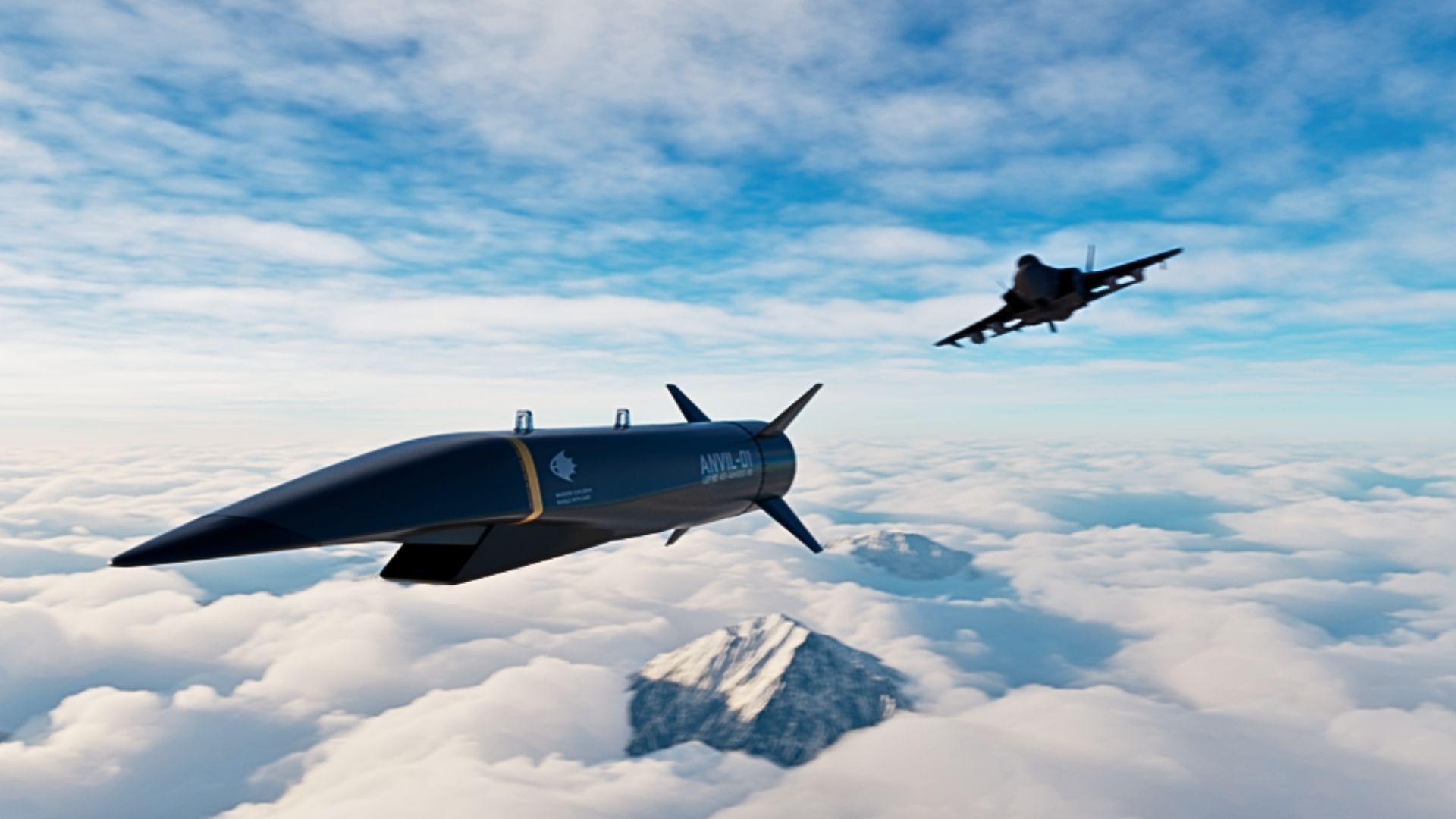
VulcanForms and Specter Aerospace Collaborate to Enhance U.S. Hypersonic Manufacturing with 3D Printing
VulcanForms and Specter Aerospace have announced a partnership to establish a dedicated manufacturing operation in the U.S. for airbreathing hypersonic weapons. This collaboration aims to address the significant challenge of scaling production for hypersonic systems, which include munitions, interceptors, and cruise missiles. The partnership combines Specter's expertise in hypersonic vehicle development with VulcanForms' advanced metal additive manufacturing capabilities. As demand for hypersonic weapons increases, the companies are leveraging existing production-ready facilities while assessing potential locations for a new dedicated manufacturing site. The planned operation will focus on comprehensive manufacturing and integration processes, essential for producing complete hypersonic weapon systems. The complexity of hypersonic technology necessitates precise manufacturing tolerances and specialized materials, making additive manufacturing a valuable approach. No further timeline was disclosed at the time of publication.
Military
NEURA Robotics and SECO Collaborate to Advance European Physical AI Hardware Production
On September 7, 2026, NEURA Robotics, based in Metzingen, announced a strategic partnership with SECO S.p.A. to industrialize the compute infrastructure for NEURA's cognitive robots. SECO will design and produce industrial-grade electronic compute modules for NEURA’s humanoid platform, the 4NE-1, utilizing Qualcomm Dragonwing processors to support a decentralized compute strategy. This collaboration is significant as it aims to transition from centralized computing to localized, real-time edge processing, enhancing the robots' responsiveness in unpredictable industrial environments. NEURA's architecture, described as a 'Brain + Nervous System,' integrates sensing and compute hardware across the robot's limbs, allowing for ultra-low-latency interactions crucial for human-robot collaboration. Looking ahead, NEURA and SECO plan to establish a 'NEURA Gym' in Italy, focusing on real-world data collection to improve physical AI models. This initiative aims to address challenges in robotic autonomy during the transition from simulation to real-world applications, particularly in semiconductor manufacturing. No further timeline was disclosed at the time of publication.
Neura Robotics Europe Market
NVIDIA Acquires Hugging Face for $12.93 Billion to Enhance Open-Source Robotics
NVIDIA has announced its acquisition of Hugging Face for $12.93 billion, marking a significant milestone in artificial intelligence history. This acquisition combines NVIDIA's leadership in AI computing with Hugging Face's extensive platform, which supports over 18 million developers and 3 million models, while maintaining its independence as an open platform. The importance of this acquisition lies in its potential to scale open-source AI alternatives to proprietary systems. Hugging Face CEO Clément Delangue emphasized the need for increased compute and collaboration to enhance open-source AI's visibility and capabilities. This move aligns with NVIDIA's ambitions in robotics, particularly as Hugging Face has become a key player in physical AI development. Looking ahead, the integration of Hugging Face into NVIDIA's ecosystem could redefine workflows in robotics research. The recent partnership to standardize open-source robotics workflows indicates a strategic alignment that may lead to enhanced capabilities in embodied AI, particularly through Hugging Face's LeRobot library and its hardware initiatives. No further timeline was disclosed at the time of publication.
NVIDIA Le Robot US Europe pollen-robotics hugging-face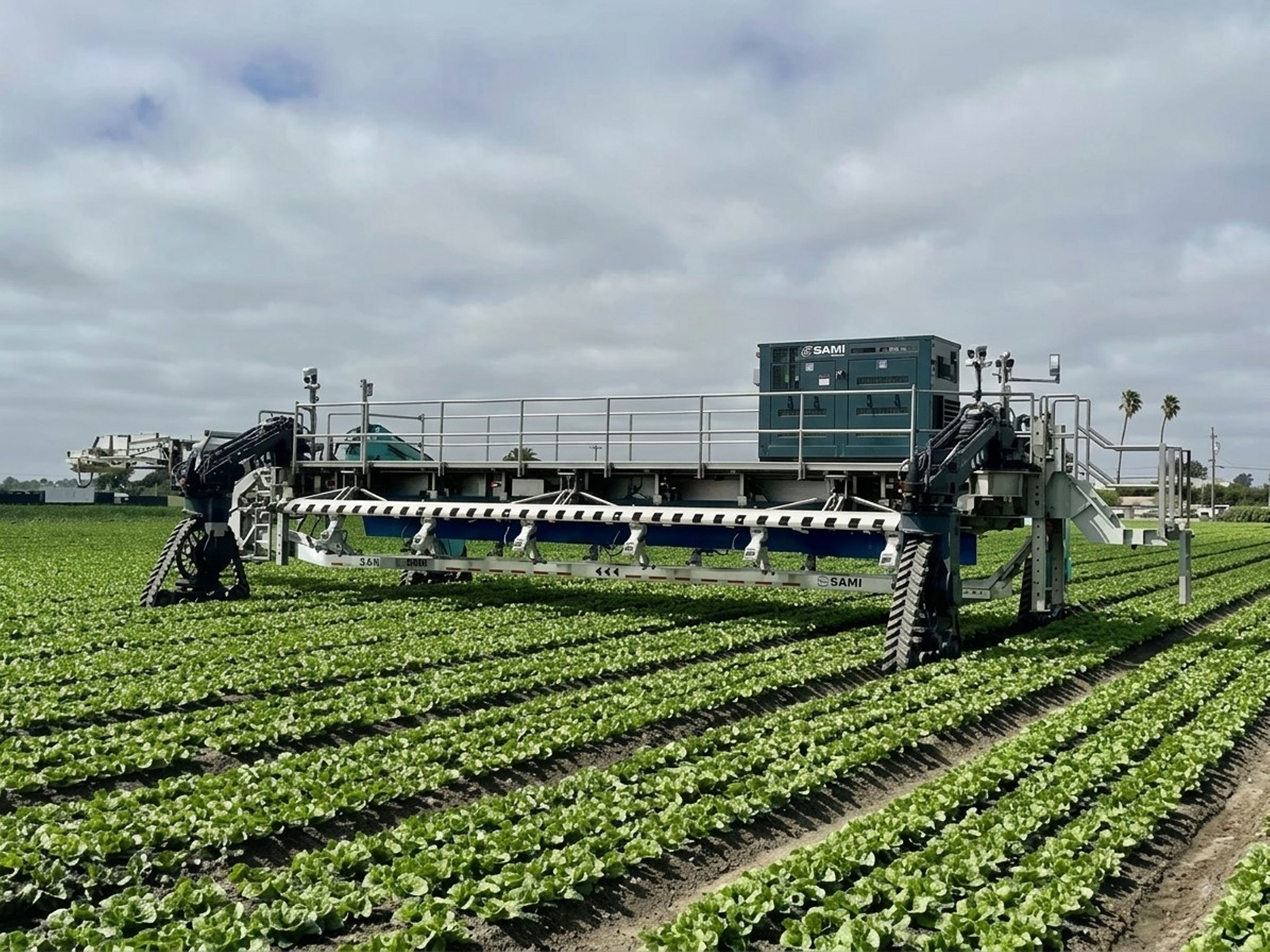
Sami Robotics Advances Broccoli Harvesting with Multi-Crop Platform Development
Sami Robotics, located in Varennes, Québec, has successfully transitioned its broccoli harvesting application from prototype to operational status, utilizing a scalable, multi-arm design. The platform employs 12 to 18 robotic arms that work in parallel to identify and harvest mature vegetables, although specific throughput figures are not disclosed due to varying field conditions. The significance of this advancement lies in Sami Robotics' commitment to automating labor-intensive agricultural tasks through advanced robotics, AI, and data analytics. CEO Pascal Labrecque emphasizes the platform's adaptability for multiple crops and agricultural operations, aiming to enhance efficiency and reduce labor dependency for growers. Looking ahead, Sami Robotics plans to scale commercial deployments while refining its technology. Romaine lettuce is next in line for development, with iceberg lettuce and cauliflower also generating interest. The company envisions a multifunctional platform that could eventually support various agricultural tasks beyond harvesting, although no additional capabilities are currently in development.
Crop solutions Harvest & storage harvest Harvest robot
SimActive's Correlator3D Facilitates Extensive Green Hydrogen Mapping in Southern Chile
SimActive's Correlator3D photogrammetry software has been instrumental in a large-scale mapping initiative for green hydrogen development in southern Chile. Geo4D, a Chilean geospatial firm, utilized the software to process high-resolution aerial imagery over an area exceeding 100,000 hectares, producing essential geospatial products like orthomosaics and digital terrain models. This project underscores the challenges of large-area aerial mapping, particularly in remote regions like Patagonia, where adverse weather conditions hinder data collection. SimActive's Correlator3D proved vital in processing Phase One imagery, enabling Geo4D to deliver accurate mapping products despite difficult image-matching conditions, as highlighted by Geo4D's CEO, Francisco Ramos. Looking ahead, the advancements in Correlator3D, including improved processing capacity and workflow efficiency, will be crucial for future projects. The software's capabilities in handling high-resolution imagery from various platforms, including drones and crewed aircraft, position it as a key tool for geospatial applications in energy and infrastructure sectors.
Applications Canada Drone News Featured - Surveying Mapping News
Productive Robotics Launches OB7 Deburring Package for CNC Machinery Integration
Productive Robotics has introduced the OB7 deburring package, which is compatible with both new and legacy CNC machinery. This innovative solution aims to assist manufacturers in automating various tasks, including deburring, chamfering, and descaling. The OB7 package is designed to handle a wide range of parts, such as gears, cylindrical threaded items, complex profiles, and prepped blanks. The significance of the OB7 deburring package lies in its ability to enhance production efficiency for job shops. By integrating seamlessly with existing CNC systems, manufacturers can scale up their operations instantly without the need for extensive modifications. This capability is particularly valuable for businesses looking to improve their automation processes while minimizing downtime and costs. Looking ahead, the adoption of the OB7 deburring package may influence the competitive landscape in the manufacturing sector. As more companies seek to automate their processes, the demand for versatile and easy-to-integrate solutions like the OB7 is expected to grow. No further timeline was disclosed at the time of publication.

SpaceX's Starmind Plans 1 Million AI Satellites Amid Collision Risks
SpaceX has announced its ambitious Starmind project, which aims to deploy 1 million AI satellites in orbits between 500 and 2,000 km. This initiative, confirmed by Elon Musk on June 23, 2026, follows a merger with xAI, valuing the combined entity at $1.25 trillion. The satellites will function as orbital data centers, processing AI workloads powered by solar arrays and linked by optical lasers. The significance of Starmind lies in its potential to add 100 gigawatts of AI compute capacity annually, contingent on the successful operation of the Starship launch system. However, the project raises concerns regarding space debris, as the current orbital environment is already congested, with a 20% increase in collision risk reported since 2024. The European Space Agency has highlighted that the density of debris in low Earth orbit is now comparable to that of active satellites, complicating the operational landscape for new entrants like Starmind. Looking ahead, the first operational orbital AI deployments are targeted for 2028, with test launches expected in early 2027. However, the project faces scrutiny regarding its impact on space debris, as even a 1% failure rate could significantly increase the number of uncontrollable objects in orbit, exacerbating existing risks. No further timeline was disclosed at the time of publication.

SpaceX's Starmind Targets AI Labs with $6.3 Billion Compute Contracts
SpaceX's Starmind is designed to provide wholesale AI compute services to businesses, particularly AI labs and cloud customers, rather than individual consumers. The service operates similarly to AWS, where users benefit from applications running on Starmind without direct subscriptions. The compute capacity of a single AI1 satellite is comparable to one NVIDIA GB300 rack, emphasizing its enterprise-grade capabilities. The significance of Starmind lies in its positioning as a potential fourth hyperscaler, joining the ranks of AWS, Microsoft Azure, and Google Cloud. The Reflection AI contract, valued at $150 million per month, exemplifies the enterprise-focused model, with total payments potentially reaching $6.3 billion through 2029. This contract highlights the growing demand for AI compute resources, particularly from AI-native startups and labs. Looking ahead, the focus will remain on securing additional enterprise contracts as Starmind expands its offerings. No consumer-facing products or subscriptions have been announced, and the current strategy is to cater to businesses with substantial AI workloads. No further timeline was disclosed at the time of publication.

Starmind's Satellite Technology Achieves 880 Billion Liters in Annual Water Savings
Starmind has announced that its satellite technology can save approximately 880 billion liters of cooling water annually at full scale. This figure is equivalent to the annual household water use of around 6.5 million Americans. The technology operates by utilizing a closed-loop liquid cooling system that eliminates the need for water during its operational life, contrasting sharply with traditional ground data centers that consume vast amounts of water for cooling. The significance of this achievement lies in the growing water consumption crisis faced by data centers, particularly as AI expansion drives demand. In 2025, U.S. data centers consumed nearly one trillion liters of water, highlighting the urgent need for sustainable solutions. Starmind's approach not only addresses direct water usage but also avoids indirect water consumption associated with electricity generation, marking a substantial shift in how computing can be conducted in a resource-efficient manner. Looking ahead, Starmind's deployment strategy includes a projected buildout of 100 GW of orbital compute per year, which could displace an additional 735 billion liters of ground water demand annually. The first tranche of 10,000 satellites is already operational, offsetting approximately 8.8 billion liters of water per year. No further timeline was disclosed at the time of publication.

SpaceX Unveils AI1 Satellite Specs for Starmind Constellation with Key Thermal Challenges
SpaceX has introduced the AI1 satellite, the inaugural component of its Starmind constellation, which stands 20 meters tall and has a wingspan of 70 meters. This orbital compute node is designed to deliver computing power equivalent to one NVIDIA GB300 server rack, utilizing a unique cooling system with deployable liquid radiators. The satellite's specifications were revealed during a presentation on June 8, 2026, ahead of SpaceX's IPO. The significance of the AI1 satellite lies in its role as a compute platform rather than a traditional satellite, focusing on running AI inference workloads. The satellite's cooling system, which is critical for its operation in the vacuum of space, is designed to reject heat through infrared radiation. However, independent engineers have raised concerns about the feasibility of the thermal and mass claims made by SpaceX, suggesting that the cooling requirements may exceed practical limits. Looking ahead, SpaceX plans to launch two AI1 prototypes in early 2027, with full-scale production expected to commence later that year at its Gigasat facility in Bastrop, Texas. The ongoing debate regarding the satellite's thermal management capabilities will be crucial to monitor as the project progresses, with no further timeline disclosed at the time of publication.
SpaceX Launches Starmind Project for 1 Million AI Satellites by 2028
SpaceX has officially named its orbital AI infrastructure project 'Starmind,' which aims to deploy a constellation of up to 1 million satellites. This initiative, confirmed by Elon Musk on June 22, 2026, will enable AI inference directly in space, utilizing solar energy rather than terrestrial power sources. The first satellite, designated AI1, was unveiled on June 8, 2026, and is designed to operate in sun-synchronous orbits. The significance of Starmind lies in its potential to overcome the limitations faced by ground-based data centers, such as land, power, and water constraints. By running AI computations in orbit, Starmind can provide a more efficient solution to the growing demand for AI computing power. The project leverages the existing Starlink infrastructure for data transmission, distinguishing its function from Starlink's internet relay capabilities. Looking ahead, SpaceX plans to begin hardware deployment with the AI1 satellite, while full-scale production and deployment of the satellite constellation are targeted for 2028. As of now, no Starmind satellites have been launched, and further engineering challenges remain to be addressed, particularly regarding the scalability of the satellite design.
LandSpace's Zhuque-3 Static Fire Test Succeeds as Commercial Aerospace Scales Up
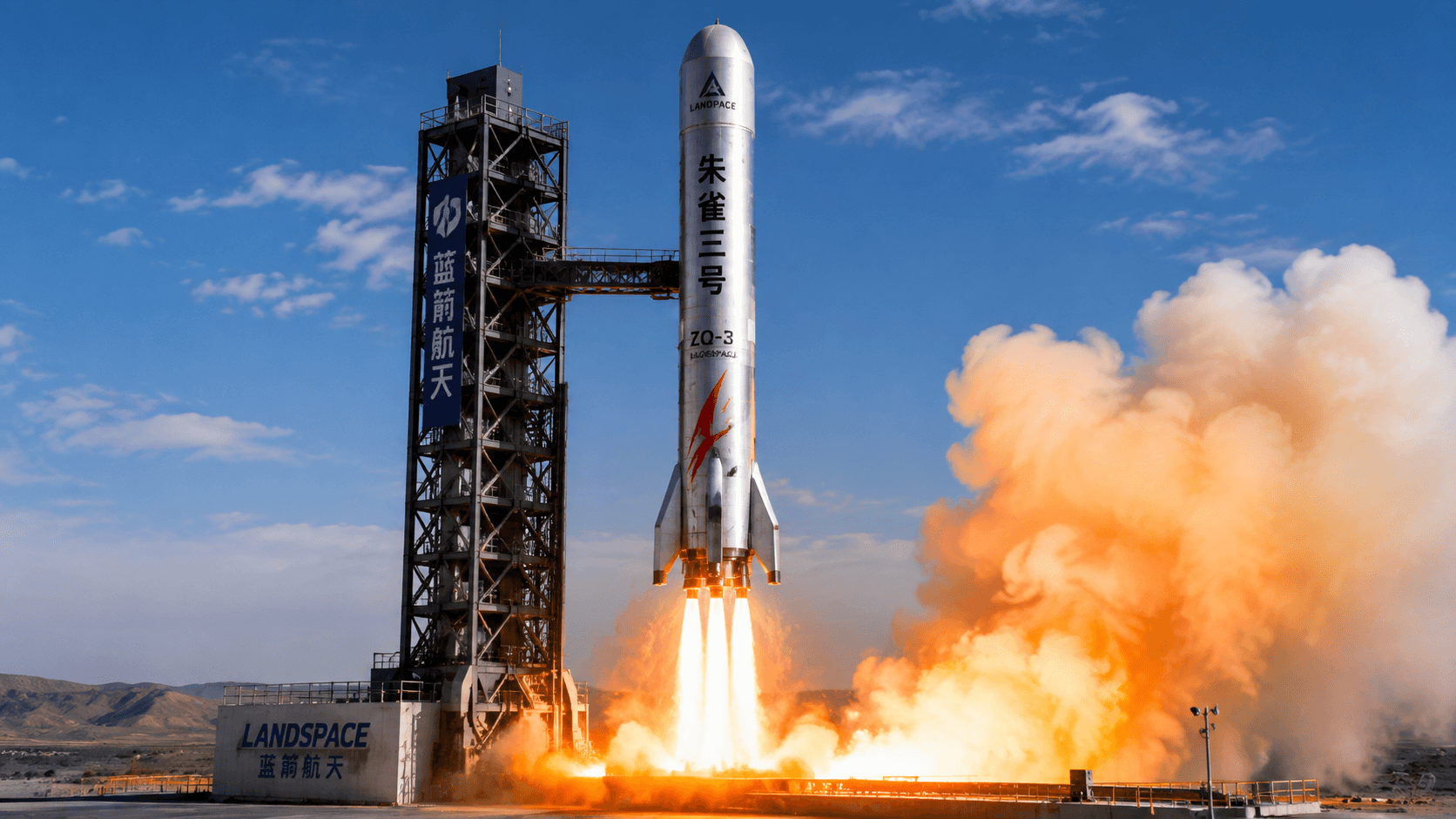
LandSpace's Zhuque-3 reusable rocket successfully completed a static fire test on October 15, 2023, at the Dongfeng Commercial Aerospace Innovation Zone. This milestone is significant for the company as it advances its efforts in developing reliable and cost-effective space launch solutions. The static fire test, which involves igniting the rocket's engines while it remains secured to the ground, is a crucial part of the testing process to ensure the vehicle's performance and safety before its first flight. This achievement underscores LandSpace's commitment to innovation in the aerospace sector and positions the company to contribute to the growing demand for satellite launches and space exploration initiatives.
Industry News
Reservoir acquires Contain to scale agtech startups
Reservoir has announced its acquisition of the agriculture finance platform Contain, with the aim of enhancing the growth of AI-driven startups in the agtech sector. As part of this strategic move, Nicola Kerslake, the founder of Contain, has been appointed as a general partner. This acquisition, which underscores Reservoir's commitment to advancing agricultural technology, is expected to leverage Contain's expertise in financing to support the scaling of innovative agricultural solutions. The deal was finalized recently, reflecting a growing interest in the intersection of technology and agriculture, particularly in the wake of increasing demands for sustainable farming practices.
Agriculture Investments Mergers & Acquisitions News Startups Reservoir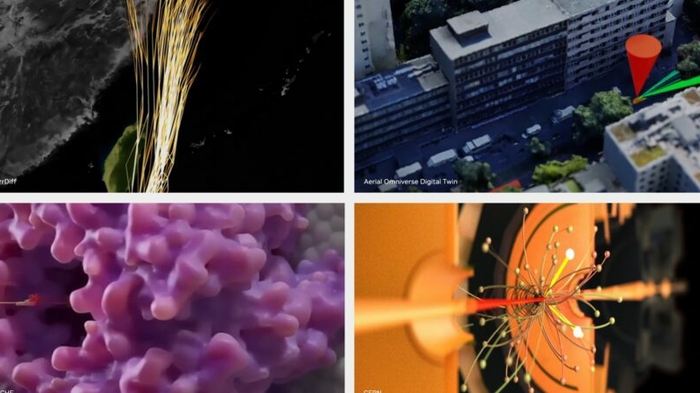
At ISC, JUPITER Shows What Exascale Science Looks Like
Europe's first exascale supercomputer, JUPITER, located at Germany's Forschungszentrum Jülich, has made significant strides over the past year. Powered by NVIDIA Grace Hopper Superchips and utilizing NVIDIA Quantum-X800 InfiniBand networking, JUPITER is positioned at the forefront of high-performance computing. This advanced system is designed to tackle complex scientific challenges and enhance research capabilities across various fields. The supercomputer's development reflects a growing commitment within the international supercomputing community to push the boundaries of technology and innovation. As it continues to operate and evolve, JUPITER aims to facilitate breakthroughs in areas such as climate modeling, artificial intelligence, and medical research, underscoring the vital role of supercomputing in addressing pressing global issues.
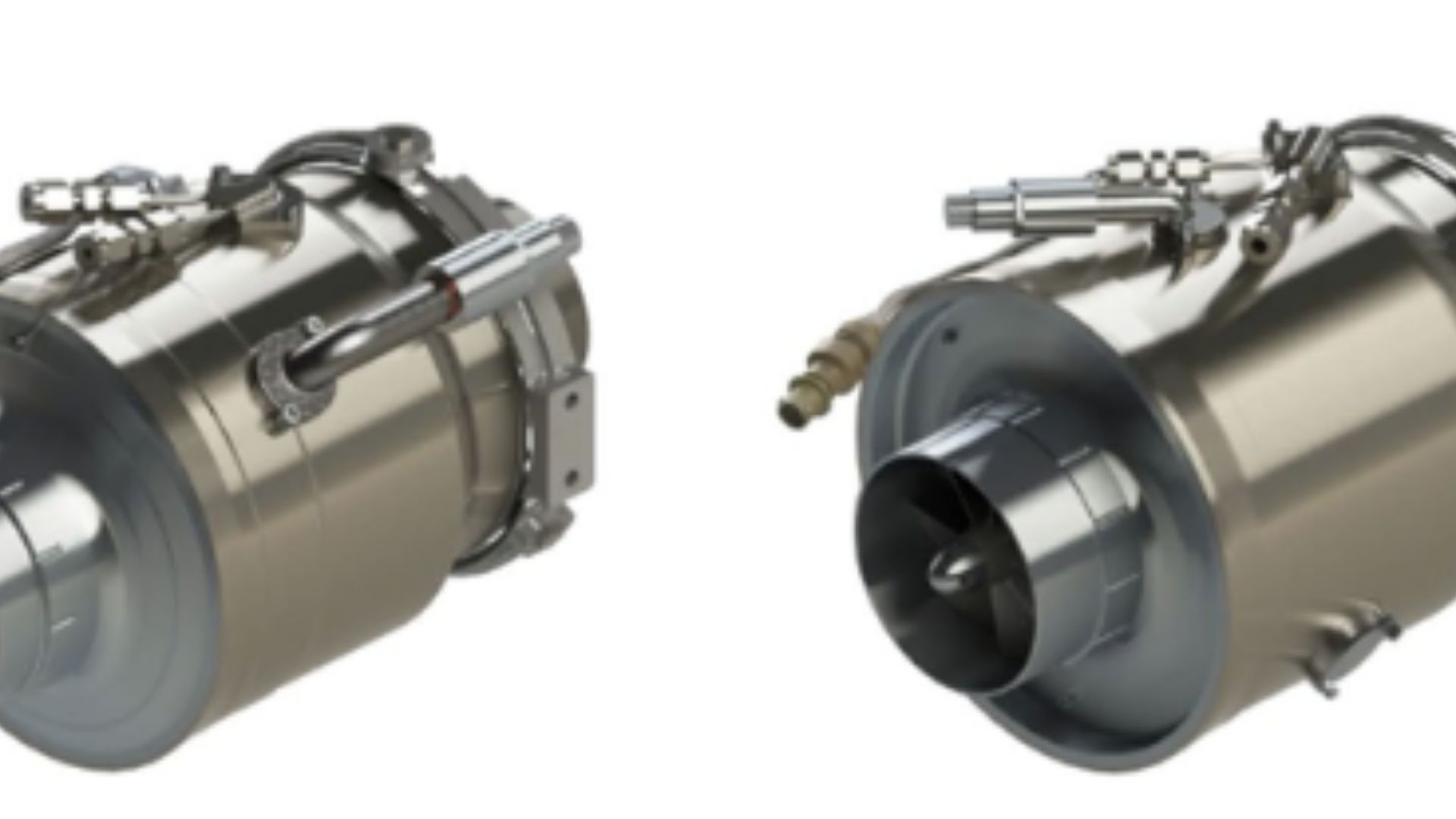
Kratos to upscale engine production to 3000 units for powering one way attack drones
Kratos Defense & Security Solutions is significantly increasing its manufacturing capacity for the Spartan family of unmanned aerial vehicles (UAVs) to meet growing demand. This strategic move comes as the company aims to enhance its production capabilities in response to heightened interest from both military and commercial sectors. The expansion is set to take place at Kratos' facilities in California, with plans to streamline operations and implement advanced technologies to boost efficiency. The decision to ramp up production is driven by the rising need for advanced drone systems, which are increasingly being utilized for surveillance, reconnaissance, and various defense applications. By enhancing its manufacturing capabilities, Kratos seeks to solidify its position as a leader in the UAV market and ensure timely delivery of its products to clients.
News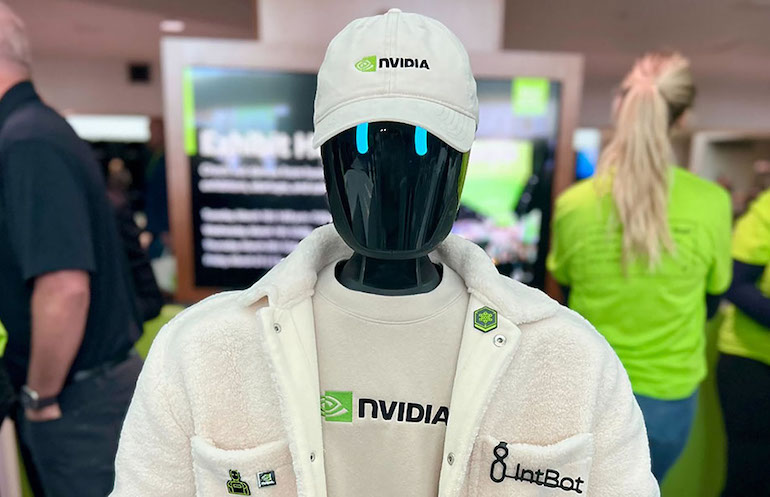
IntBot and Certis Group partner to scale physical AI for enterprises across Singapore
Certis Group has announced a partnership with IntBot to enhance its service robot portfolio by integrating humanoid robots. This collaboration aims to expand their presence in Singapore's market. The initiative reflects a growing trend towards the adoption of physical AI technologies in enterprises, as both companies seek to leverage their expertise to meet the increasing demand for advanced robotic solutions. The partnership is expected to facilitate the deployment of humanoid robots in various sectors, enhancing operational efficiency and customer engagement.
Artificial Intelligence Artificial Intelligence / Cognition Healthcare Robotics Human Robot Interaction / Haptics Humanoids News
IntBot and Certis Group Partner to Scale Enterprise Physical AI Across Singapore
A significant partnership has been established to enhance the integration of enterprise-ready Physical AI into daily operations. This collaboration aims to streamline processes and improve efficiency across various sectors. The announcement was made recently, reflecting a growing trend towards the adoption of advanced technologies in business environments. By leveraging cutting-edge AI capabilities, the partnership seeks to address operational challenges and drive innovation. The initiative is expected to transform how organizations utilize AI, making it more accessible and effective in real-world applications. As businesses increasingly recognize the potential of Physical AI, this partnership marks a pivotal moment in the evolution of operational technology.

The 2026 American Humanoid Robotics Race: Scaling Production and Addressing Intelligence
In 2026, the humanoid robotics industry is shifting focus from viral videos to large-scale manufacturing. Major American companies are racing to prove their capabilities in producing humanoid robots, with Figure announcing a 24x increase in throughput at its BotQ facility, now producing one robot per hour. This marks a significant transition from prototypes to scalable fleets, with over 350 units delivered. The urgency for mass production is evident as companies like 1X Technologies and Agility ramp up their manufacturing capabilities. 1X's NEO Factory in California aims for an annual production of 10,000 units, targeting 100,000 by the end of 2027. Agility's CEO confirmed a similar capacity at their facility in Oregon, with plans for a safety-certified humanoid to operate alongside human workers. However, challenges persist, particularly for established players like Boston Dynamics and Tesla, who face internal transitions and production delays. As the industry industrializes, the gap between hardware readiness and practical utility remains a concern. While companies are scaling up production, the definition of what constitutes useful work for humanoids continues to evolve, highlighting the need for smarter robots to justify mass production efforts. No further timeline was disclosed at the time of publication.
1X Technologies US Figure Agility Robotics Apptronik Boston Dynamics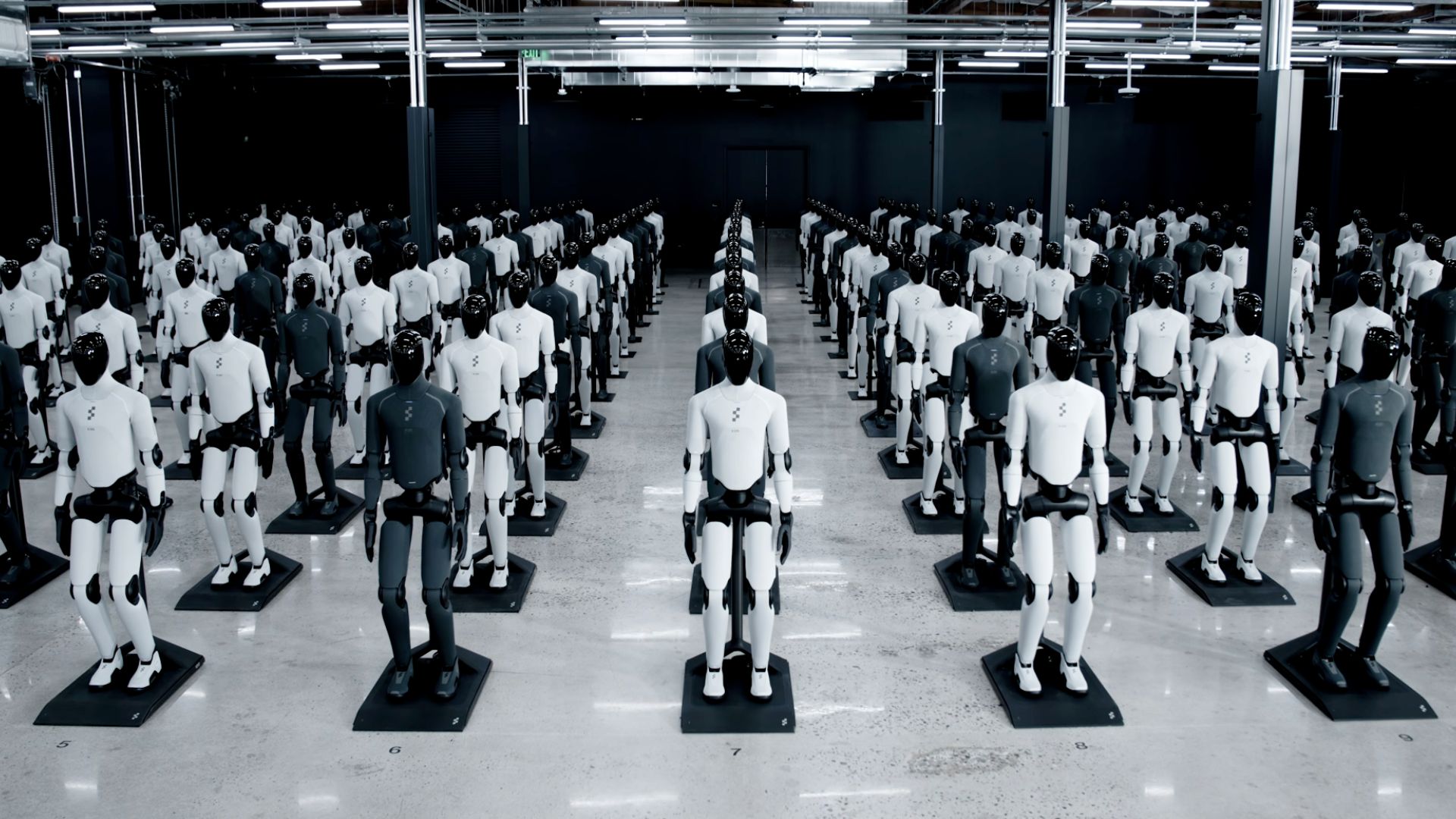
Figure claims one humanoid robot production per hour, 24x scale-up in just 4 months
US robotics company Figure has significantly increased the production of its Figure 03 humanoid robots, showcasing its commitment to advancing automation technology. This surge in manufacturing comes as the company aims to meet growing demand for robotic solutions across various industries. The expansion of production capabilities was announced recently, reflecting Figure's strategic efforts to position itself as a leader in the robotics market. By enhancing its output, Figure intends to address the rising interest from businesses seeking to integrate humanoid robots into their operations for improved efficiency and productivity. The company is leveraging advanced manufacturing techniques to streamline the assembly process, ensuring that it can deliver these innovative robots to clients in a timely manner.
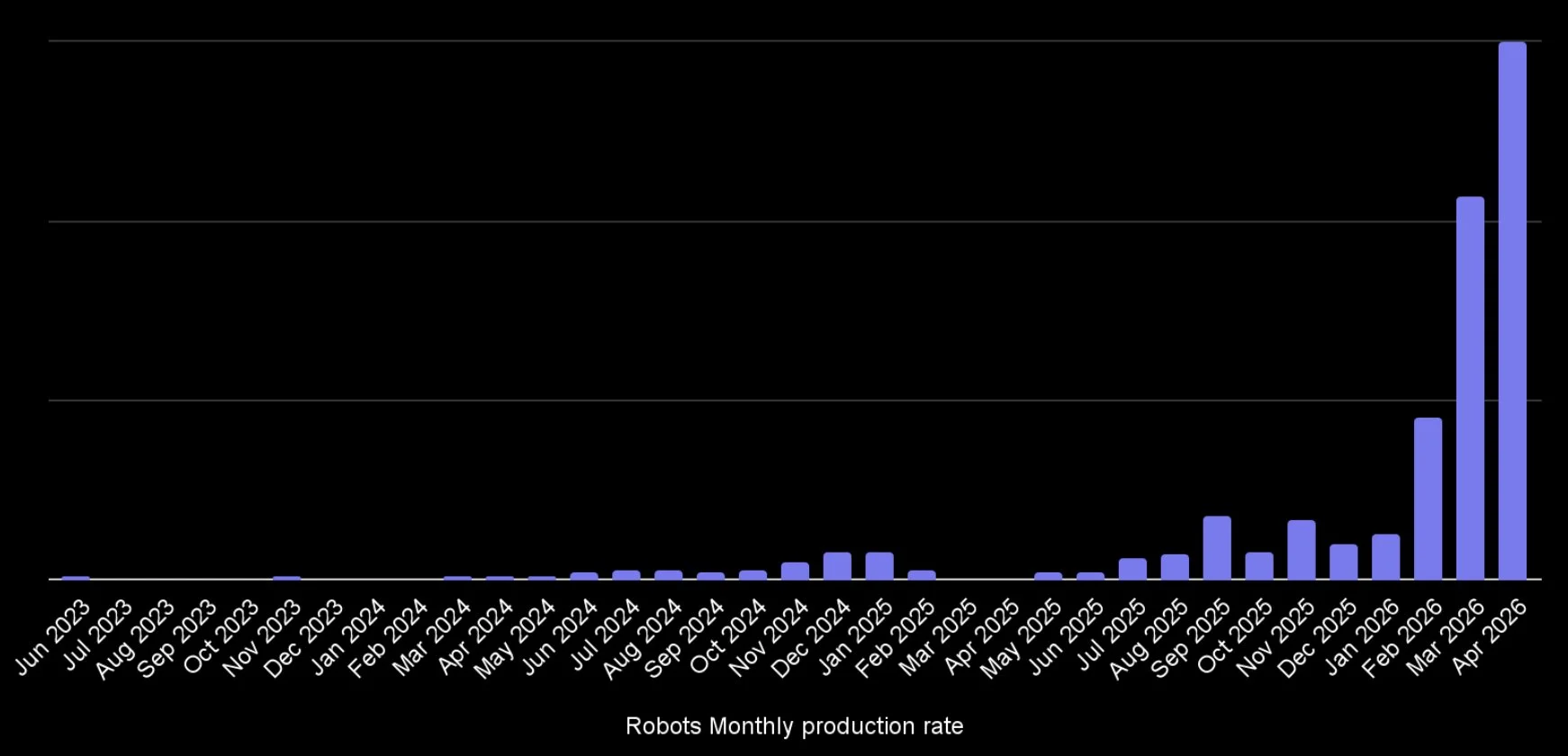
The Shape of Scale: New Figure Production Data Hints at Exponential Ramp-Up
CEO Brett Adcock announced a significant increase in humanoid manufacturing at Figure's BotQ facility, sparking widespread speculation regarding the exact production volume. This surge comes as the company aims to enhance its capabilities in humanoid robotics, reflecting a growing interest in advanced automation technologies. While specific figures have not been disclosed, the announcement has generated considerable excitement and curiosity within the tech industry and among investors. The developments at the BotQ facility are seen as a pivotal step in Figure's strategy to position itself as a leader in the humanoid robotics sector.
Brett Adcock US Figure Figure-03
Beijing’s Robot Marathon Scales Up: 300 Humanoids to Chase Autonomous Milestone
The 2026 Beijing Humanoid Half-Marathon is set to advance from its experimental debut last year, with over 300 robots already registered to participate. Scheduled to take place in Beijing, this event will introduce new regulations that promote autonomous navigation, reflecting a shift towards industrial standardization in robotic competitions. The initiative aims to enhance the capabilities of humanoid robots and establish a more structured framework for future events. By fostering innovation and competition among developers, the marathon seeks to push the boundaries of robotics technology while engaging audiences in this evolving field.
China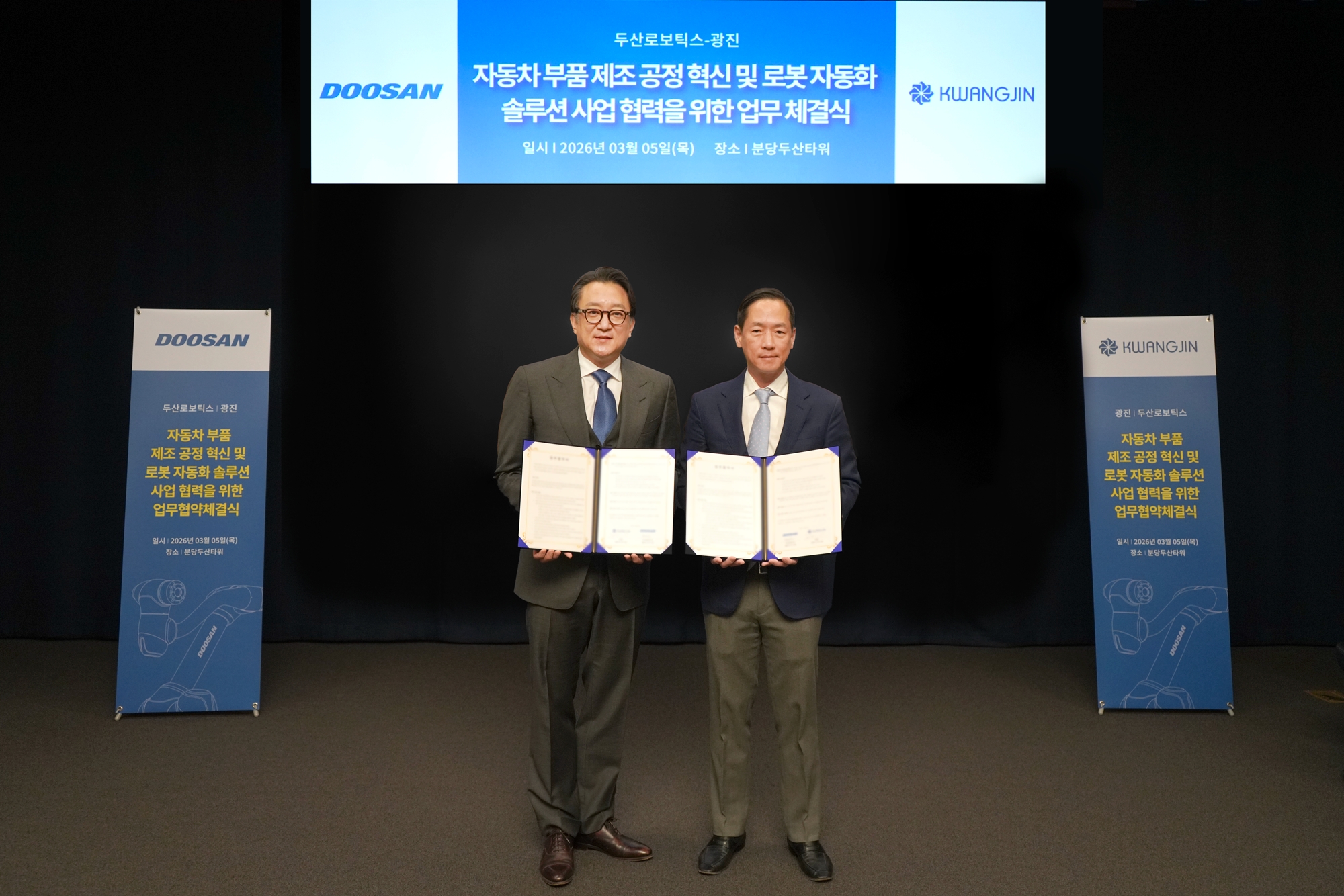
Doosan Robotics to Supply Large-Scale Manufacturing Robot Solutions to Kwangjin Group
Doosan Robotics has entered into a strategic partnership with Kwangjin Group, a global automotive components manufacturer, to supply over 100 manufacturing robot solutions. The agreement was formalized on March 9 at Bundang Doosan Tower in Seongnam, South Korea, through a Memorandum of Understanding (MOU). This collaboration aims to enhance manufacturing process automation and improve quality competitiveness by integrating Doosan's robotic solutions into Kwangjin's production lines. Kwangjin Group, known for its automotive door system components, operates facilities in key markets including the United States, Mexico, India, and Vietnam, serving major clients such as General Motors, Ford, and Volkswagen. The partnership follows Kwangjin's successful implementation of Doosan's technologies in its riveting, assembly, and inspection processes, which resulted in a remarkable reduction of product defect rates to zero. The deployment of these robotic solutions, which can be integrated without altering existing factory layouts, is expected to enhance safety, precision, and productivity while minimizing quality variations. The two companies plan to further their collaboration by developing customized robot solutions for additional manufacturing processes and establishing a joint task force to optimize production environments. Inwon Park, CEO of Doosan Robotics, emphasized the trust in their solutions, particularly after achieving a zero-defect rate, which has solidified this expanded partnership. The collaboration is set to continue evolving, positioning both companies to lead in the global automation market while advancing manufacturing innovation.
NVIDIA "Supersizes" Humanoid Control: SONIC Open-Sources Whole-Body Tracking at Scale
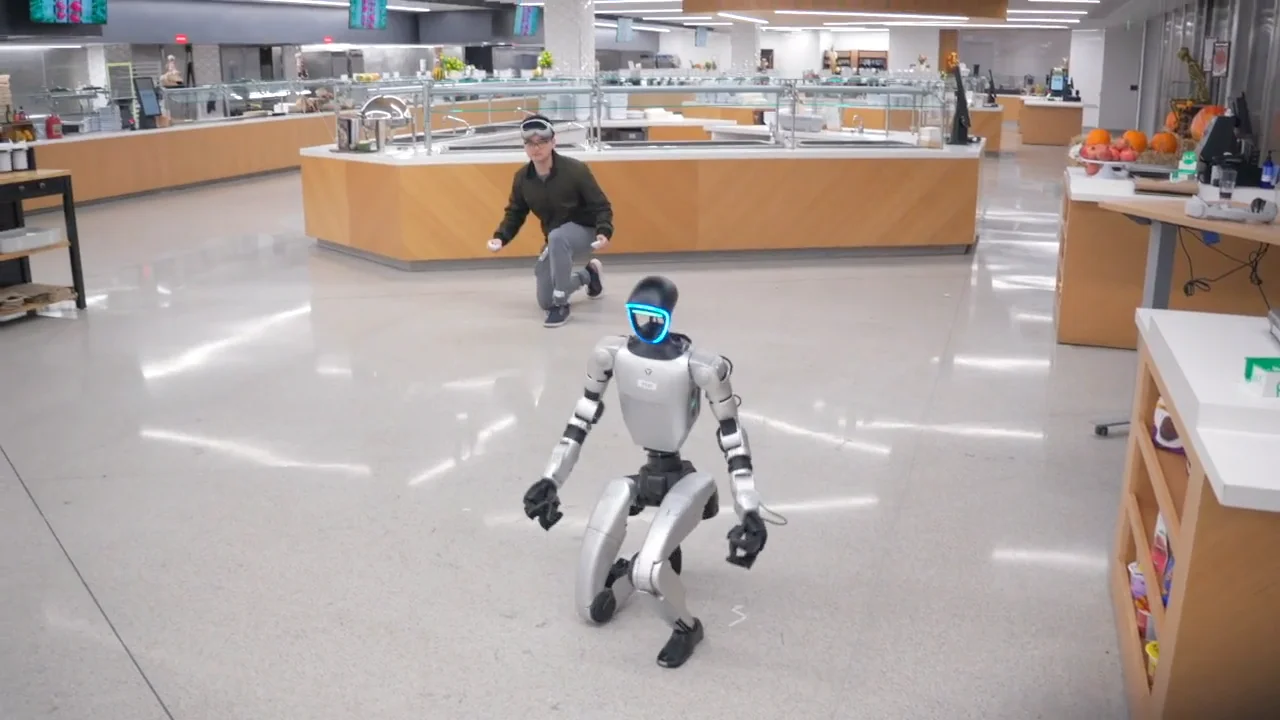
NVIDIA has unveiled SONIC, an advanced humanoid controller designed to enhance robotic movement by utilizing a vast dataset of 100 million frames of motion. This innovative technology seeks to eliminate the need for manual reward engineering, offering a scalable "System 1" foundation that facilitates whole-body movement in robots. The release of SONIC marks a significant advancement in the field of robotics, showcasing NVIDIA's commitment to pushing the boundaries of artificial intelligence and automation. The development is part of the company's ongoing efforts to create more intuitive and efficient robotic systems capable of complex tasks.
NVIDIA open-source Research embodied-ai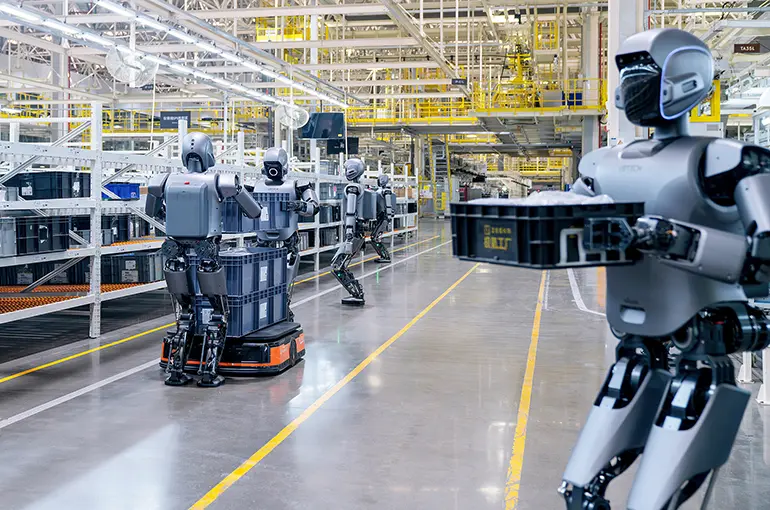
Ubtech Targets 100x Scale-Up for Humanoid Robot Production in 2025
Ubtech Robotics, a Chinese company specializing in robotics, has announced an ambitious plan to ramp up production significantly, targeting the assembly of 1,000 humanoid robots by 2025, a substantial increase from the mere 10 units expected to be produced in 2024. This strategic move comes on the heels of a 24% rise in annual revenue, which reached $180 million, although the company continues to operate at a loss and humanoid robots currently do not contribute significantly to its revenue streams. The focus of this production surge will be on deploying these robots in real-world applications, particularly within the manufacturing sector, as Ubtech aims to establish a foothold in the growing robotics market.
UBTECH Robotics Walker S
ECOsubsea Secures USD 6.2m Loan to Scale Up Singapore Operation
Innovation Norway, a government agency, has awarded a NOK 69 million (USD 6.2 million) Green Growth Loan to ECOsubsea, a pioneer in sustainable hull-cleaning technology. This funding will support the construction of additional next-generation hull-cleaning robots as ECOsubsea prepares to expand its operations significantly. The initiative comes as the company aims to enhance its presence in the world's second-busiest port, reflecting a commitment to sustainable maritime practices. The loan is part of a broader effort to promote green technology and innovation within the industry, positioning ECOsubsea to meet increasing demand for environmentally friendly solutions in shipping and maritime operations.
ecosubsea loan scale up singapore operation
Baidu CEO says robotaxi business ‘scale-up’ underway in 2025
Baidu, the Chinese technology giant, is set to accelerate the expansion of its autonomous ride-hailing business, as announced by CEO Robin Li during an earnings call with investors on Tuesday. The company is actively seeking partnerships with various entities, including mobility service providers, local taxi companies, and third-party fleet operators, to significantly increase the size of its driverless fleet. This strategic move aims to enhance Baidu's competitive edge in the rapidly evolving autonomous transportation market.
News FeedRobotics needs a service framework.
RSF defines a common language for robot service capability, lifecycle operations, certification pathways, and service-provider networks.
Join the RobotToday community on LinkedIn
Daily robotics news, in-depth analysis, conference highlights, and discussions with professionals worldwide.







