

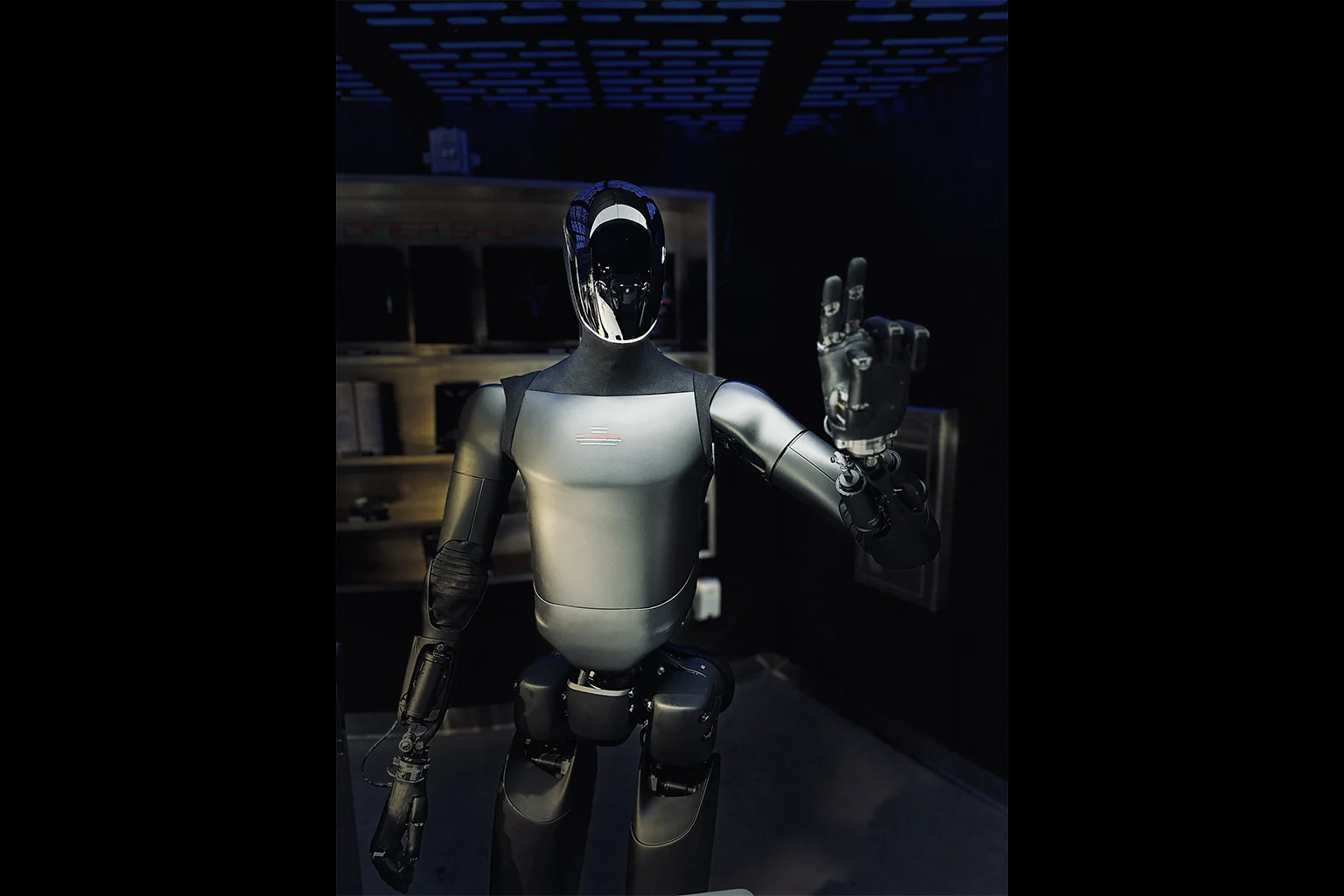
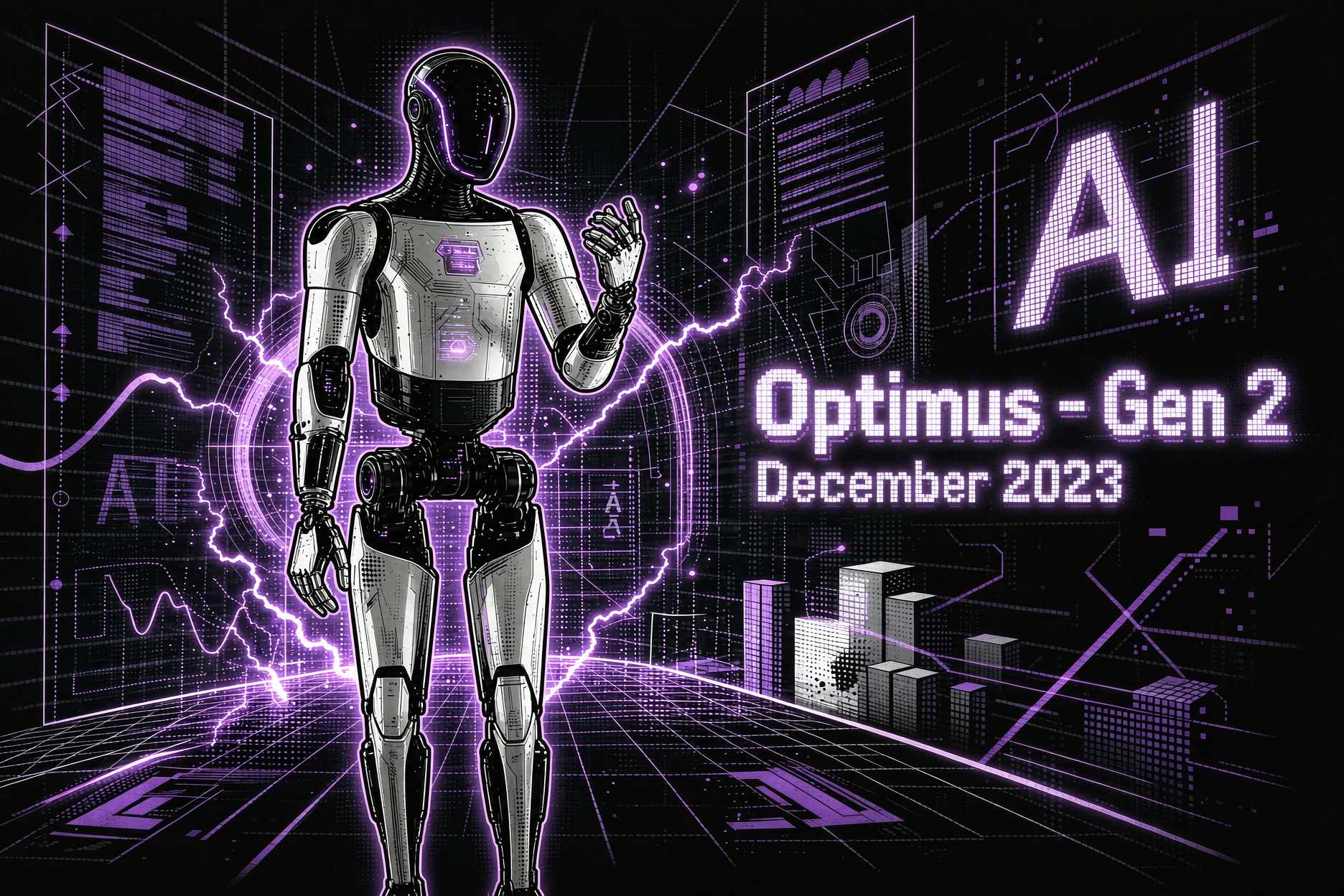
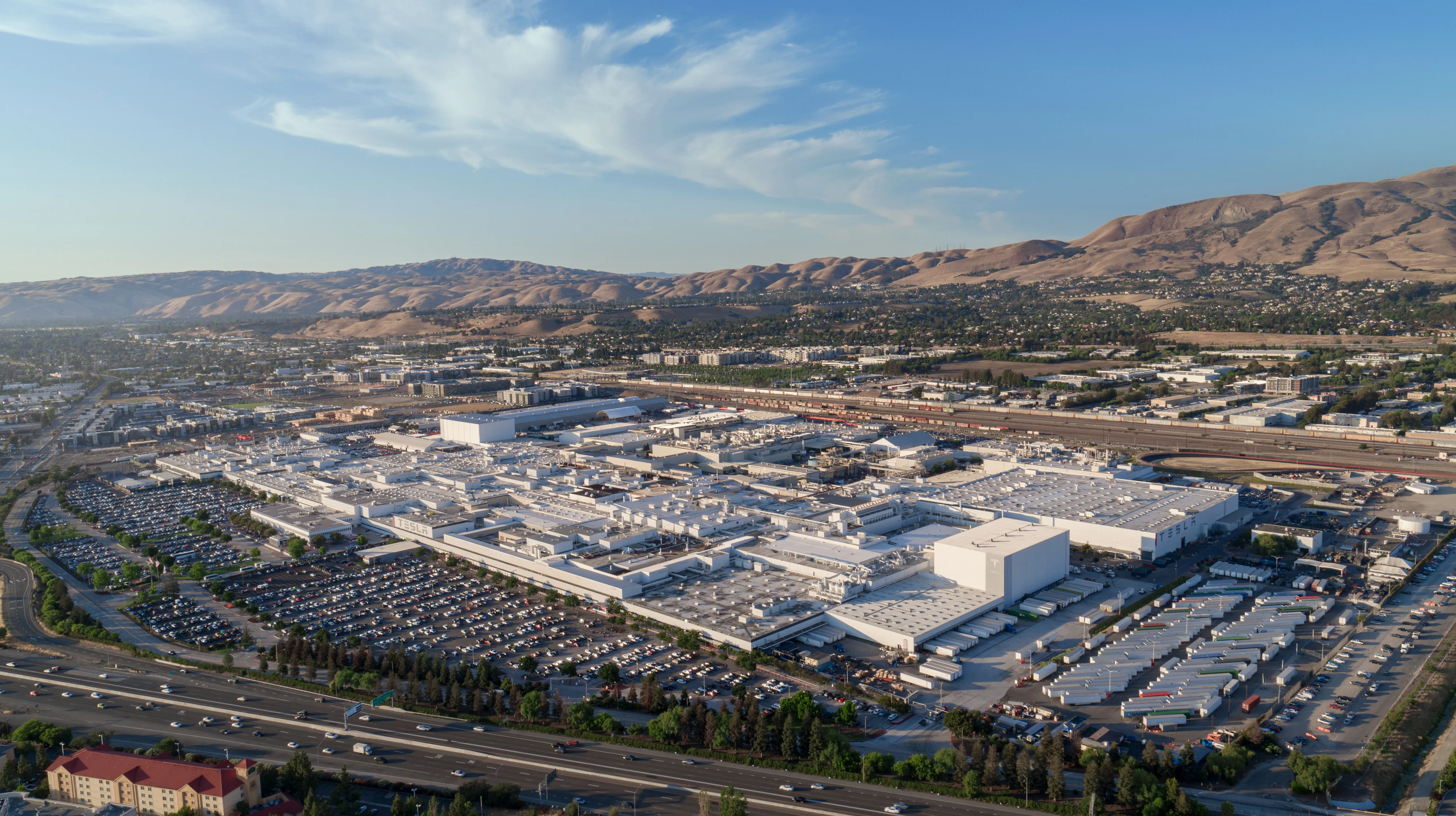
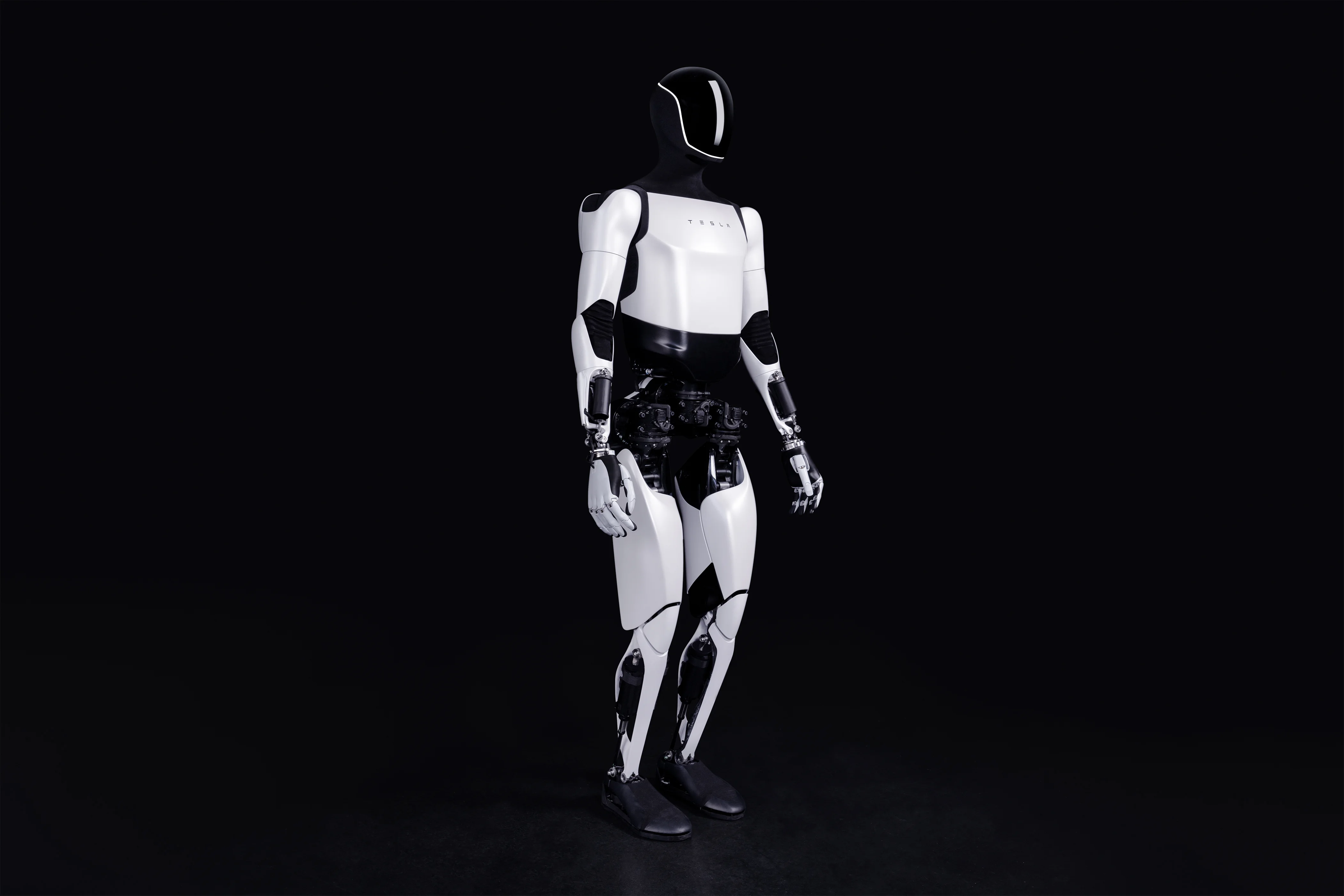
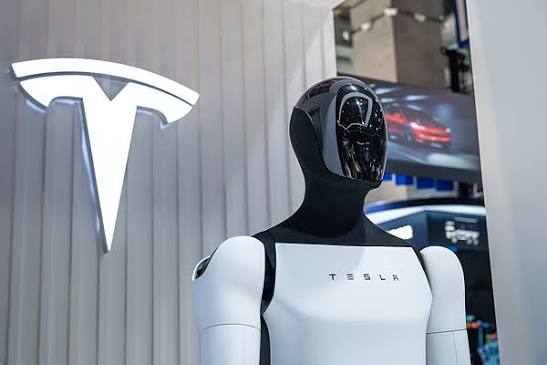
Reports from Chinese industrial channels suggest that Tesla has initiated its first significant procurement order for the Optimus humanoid program, with approximately 5,000 component units ordered in early September. This move indicates a shift from low-volume prototyping to a structured production-level supply chain, coinciding with manufacturing advancements at Tesla's Fremont plant.
The implications of this procurement are substantial, as it signals a transition point for the Optimus initiative, which aims for an installed capacity of 1 million units per year. Analysts predict that if the current batch of components is successfully assembled, production rates could exceed 2,500 units weekly by year-end, marking a critical phase in Tesla's manufacturing strategy.
Looking ahead, Tesla is reportedly targeting an internal delivery goal of 10,000 to 20,000 humanoid robots for deployment by 2026. The transition to large-scale production will test suppliers' capabilities, particularly in motion-control components, as the demands of humanoid robotics require precision and advanced engineering solutions. No further timeline was disclosed at the time of publication.
Editor's Note
Tesla's move towards large-scale production of the Optimus humanoid robot reflects a significant shift in the robotics landscape, emphasizing the need for advanced manufacturing capabilities. As the demand for precision components increases, suppliers must adapt to meet the rigorous standards required for humanoid robotics, which could reshape competitive dynamics in the sector.





















Leave a comment