Industry Briefing
A single destination for timely, editor-curated robotics news from around the world.
How to Choose a Robot Vacuum and Mop That Actually Fits Your Home
In the evolving landscape of home cleaning technology, combination robots that vacuum and mop have transitioned from novelty items to essential household tools. However, the market is saturated with options, making it challenging for consumers to discern which models truly deliver on their promises. As two machines priced similarly can yield vastly different performances in actual home environments, potential buyers must navigate a plethora of marketing claims that often emphasize specifications not necessarily relevant to effective cleaning on various floor types. This complexity highlights the need for informed decision-making when selecting a cleaning robot that best suits individual home needs.
Cleaning robots best robot vacuum and mop floor cleaning hardwood floor cleaning home automation home technology
Anker Eufy Robot Vacuum Omni E25 with wide roller mop now 33% off at ¥99,900.
Amazon.co.jp is currently offering a time-limited sale on Anker's advanced robotic vacuum cleaner, which features a fully automatic cleaning station. This high-end model, known for its powerful floor cleaning capabilities and automatic debris collection, is available at a discounted price of 99,900 yen, reflecting a 33% reduction. The promotion highlights the growing demand for efficient home cleaning solutions, particularly as consumers seek convenience and enhanced functionality in household appliances.
Roborock Launches Roborock Saros 10 – Ultra-Slim Robotic Vacuum Flagship with RetractSense Navigation System
Roborock has introduced the Saros 10, a sleek robotic vacuum equipped with the cutting-edge RetractSense Navigation System, which improves maneuverability beneath low furniture. This latest model, unveiled recently, incorporates advanced cleaning technologies, including the VibraRise 4.0 mopping system and anti-tangle features, aimed at delivering efficient and thorough home cleaning solutions. The Saros 10 reflects Roborock's commitment to innovation in smart home technology, enhancing user convenience and cleaning effectiveness.
Robotic Vacuum Home Automation Smart Home Technology Cleaning Technology CES 2025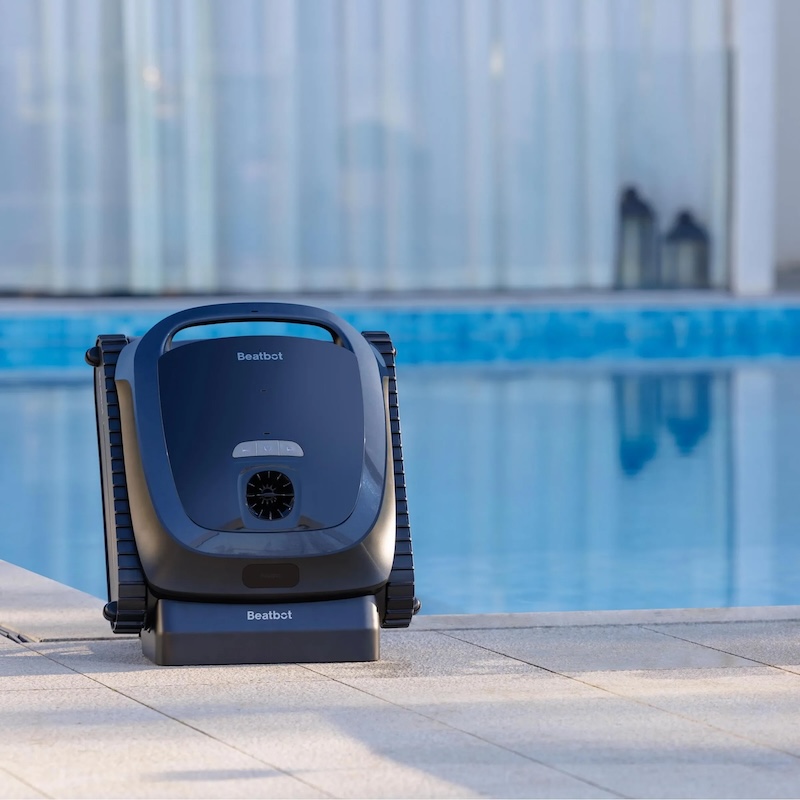
How AI Navigation is Improving the Performance of Robotic Pool Cleaners
Robotic pool cleaners have evolved beyond traditional metrics such as suction power and debris collection, with a significant emphasis now placed on navigation capabilities. Previously, these devices were primarily evaluated based on their ability to pick up dirt and debris, but advancements in technology have shifted the focus to how effectively they can navigate a pool's surface. A robot that operates randomly may clean certain areas thoroughly while neglecting others, leading to inconsistent cleaning results. This change in evaluation criteria reflects a growing understanding that efficient navigation is crucial for maximizing the overall performance of pool cleaning robots. As manufacturers continue to innovate, the integration of sophisticated navigation systems is becoming a key factor in the design and functionality of these devices, ensuring a more comprehensive cleaning experience for pool owners.
Artificial Intelligence Environment Technology AI navigation ai robotics AquaSense 2 Ultra
Sonardyne Revolutionises Small Marine Robotics Navigation with Launch of SPRINT-Nav U
Sonardyne International Ltd has unveiled the SPRINT-Nav U, a groundbreaking hybrid acoustic-inertial navigator tailored for compact marine robotic platforms. This innovative device, recognized as the world's smallest of its kind, aims to enhance navigation capabilities in various underwater applications. The launch took place in October 2023, showcasing Sonardyne's commitment to advancing marine technology. By integrating both acoustic and inertial navigation systems, the SPRINT-Nav U offers improved precision and reliability, addressing the growing demand for efficient navigation solutions in the field of marine robotics.
sonardyne small marine robotics navigation launch sprint-nav u
Roborock launches Saros 10R at CES 2025: ultra-slim and highly intelligent robotic vacuum flagship
Roborock introduced its latest flagship robotic vacuum, the Saros 10R, during the CES 2025 event. The vacuum stands out with its ultra-slim design and incorporates advanced AI navigation along with innovative cleaning technologies. This new model aims to enhance home cleaning efficiency and intelligence, catering to the growing demand for smart home solutions. The unveiling at CES, a prominent platform for tech innovations, underscores Roborock's commitment to pushing the boundaries of home automation and convenience.
Robotics Home Automation Smart Appliances AI Technology Consumer Electronics
Award Registration! Top Scholars Discuss Micro Robots and Autonomous Navigation Innovations
A recent Cell Press Live event brought together three prominent experts to explore the latest advancements in autonomous navigation technologies. The discussion covered a range of applications, including self-driving cars, drones, and innovative drug delivery systems. Scheduled for a future date, the event offers free registration for attendees eager to gain insights into cutting-edge research in micro-robotics, light-driven robots, and optimization frameworks for enhancing autonomous systems. This initiative aims to inform and engage the public in the rapidly evolving field of autonomous technology, showcasing how these innovations can transform various industries.
Micro Robots Autonomous Navigation Soft Robotics AI Drug Delivery Systems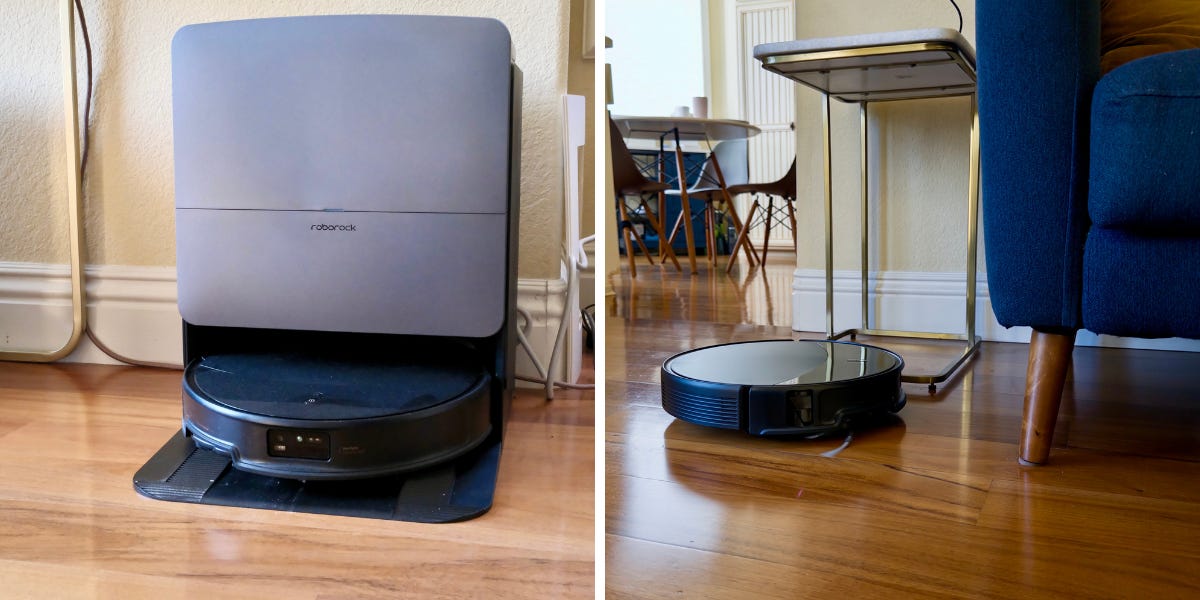
Roborock Saros 20 review: A smarter, more refined robot vacuum, but is it worth the upgrade?
The Roborock Saros 20, a new robotic vacuum, has been designed to navigate various surfaces by raising over three inches to effectively clear rugs and thresholds. However, recent testing has revealed that its cleaning performance does not consistently meet expectations given its price point. While the innovative height adjustment feature aims to enhance usability across different flooring types, users may find that the overall cleaning efficiency falls short of what is anticipated for a product in this price range.
Home (Reviews) Reviews ip-home cleaning insider-picks vacuum-cleaners
Robot Talk Episode 154 – Visual navigation in insects and robots, with Andrew Philippides
In a recent conversation, Claire engaged with Andrew Philippides, a Professor of Biorobotics at the University of Sussex, to explore insights from the behaviors of ants and bees that could enhance robot navigation systems. Philippides, who co-directs the Centre for Computational Neuroscience and Robotics as well as the be.AI Leverhulme Doctoral Centre for Biomimetic Embodied AI, emphasized the potential of studying these social insects to inform the development of more efficient and adaptive robotic technologies. The discussion highlighted how the intricate navigation strategies employed by ants and bees can inspire innovative approaches to solving complex challenges in robotics. This dialogue took place at the University of Sussex, a hub for advanced research in robotics and artificial intelligence, underscoring the institution's commitment to interdisciplinary collaboration and the application of biological principles in technological advancements.
Real‐Time Monocular 2D Occupancy Grid Mapping for Autonomous Navigation of Ground Robots
In May 2026, researchers published a significant study in the Journal of Field Robotics, focusing on advancements in robotic technology. The study, appearing in Volume 43, Issue 3, pages 1844-1860, highlights innovative methodologies for enhancing the efficiency and autonomy of field robots. Conducted by a team of experts in robotics and artificial intelligence, the research aims to address the growing demand for automation in various industries, including agriculture and disaster response. The findings reveal new algorithms that improve navigation and decision-making processes for robots operating in complex environments. This research is particularly relevant as industries increasingly seek to integrate robotic solutions to optimize operations and reduce human risk in hazardous situations. By employing advanced machine learning techniques, the team demonstrated how robots can adapt to dynamic conditions, thereby increasing their effectiveness in real-world applications. The study's implications extend beyond theoretical advancements, as it provides practical frameworks for deploying robots in challenging scenarios. As the field of robotics continues to evolve, this research contributes to the ongoing dialogue about the future of automation and its potential to revolutionize traditional practices across multiple sectors.
RESEARCH ARTICLE
NVIDIA Halos for Robotics: A New Era for Industrial Robot Safety
Recent advancements in industrial robotics have marked a significant milestone in the integration of physical artificial intelligence. Over the past few years, the field has experienced unprecedented growth, evolving beyond mere data analysis and text generation. Now, AI technology is enabling machines to perceive their surroundings, make real-time decisions, and interact directly with their environment. This evolution is exemplified by NVIDIA's latest innovations, which are set to enhance the safety and functionality of industrial robots. As these developments unfold, the landscape of robotics is transforming, paving the way for smarter and more autonomous machines in various industries.
À la une IA Industrie Robotique automatisation industrielle. cobot industriel
Robotic Assistance in Natural Disasters and Human-Caused Crises
The Synergise research and development consortium is conducting its first integrated system field test to evaluate new technological solutions, including robots, drones, sensors, localization systems, wearables, and communication platforms. This test is taking place at a training ground in Botkyrka, Sweden, where the consortium aims to assess the effectiveness of these technologies in realistic operational environments. The initiative is driven by the need to enhance response capabilities for natural disasters and human-made crises, showcasing how advanced technology can aid in emergency situations.
Allgemein Newsarchiv Servicerobotik
Eufy’s Omni C28 is one of the best Prime Day deals on robot vacuums
During Amazon Prime Day, a significant event for online shoppers, consumers are finding numerous discounts on various products, particularly in the home appliance sector. Among the standout deals is the Eufy Omni C28, a robot vacuum and mop hybrid that has garnered attention for its impressive features and affordability. This model combines advanced cleaning technology with a competitive price point, making it an attractive option for those looking to enhance their home cleaning routine. The promotion, which runs for a limited time, aims to boost sales and attract new customers by offering high-quality products at reduced prices. As shoppers take advantage of these deals, the Eufy Omni C28 is emerging as a top choice for its blend of functionality and value.
Deals Gadgets Prime Day Tech Verge Shopping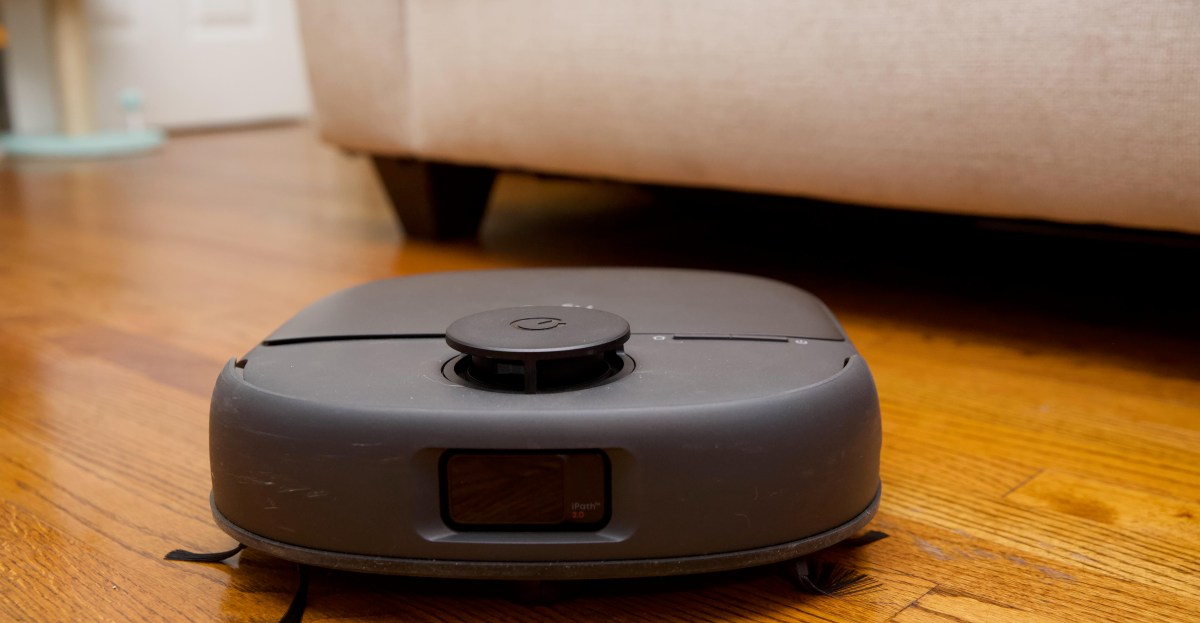
The best robot vacuum deals available ahead of Prime Day
As consumers seek affordable options for robot vacuums, retailers are responding with early discounts ahead of Prime Day next week. Various brands, including Roborock, are offering deals on tested models, making it an opportune time for potential buyers to explore their options. With prices often a barrier to entry for many, these promotions aim to attract budget-conscious shoppers looking for efficient cleaning solutions. The early sales reflect a competitive market as retailers strive to capture consumer interest before the major shopping event.
Deals Gadgets Prime Day Smart Home Tech Verge Shopping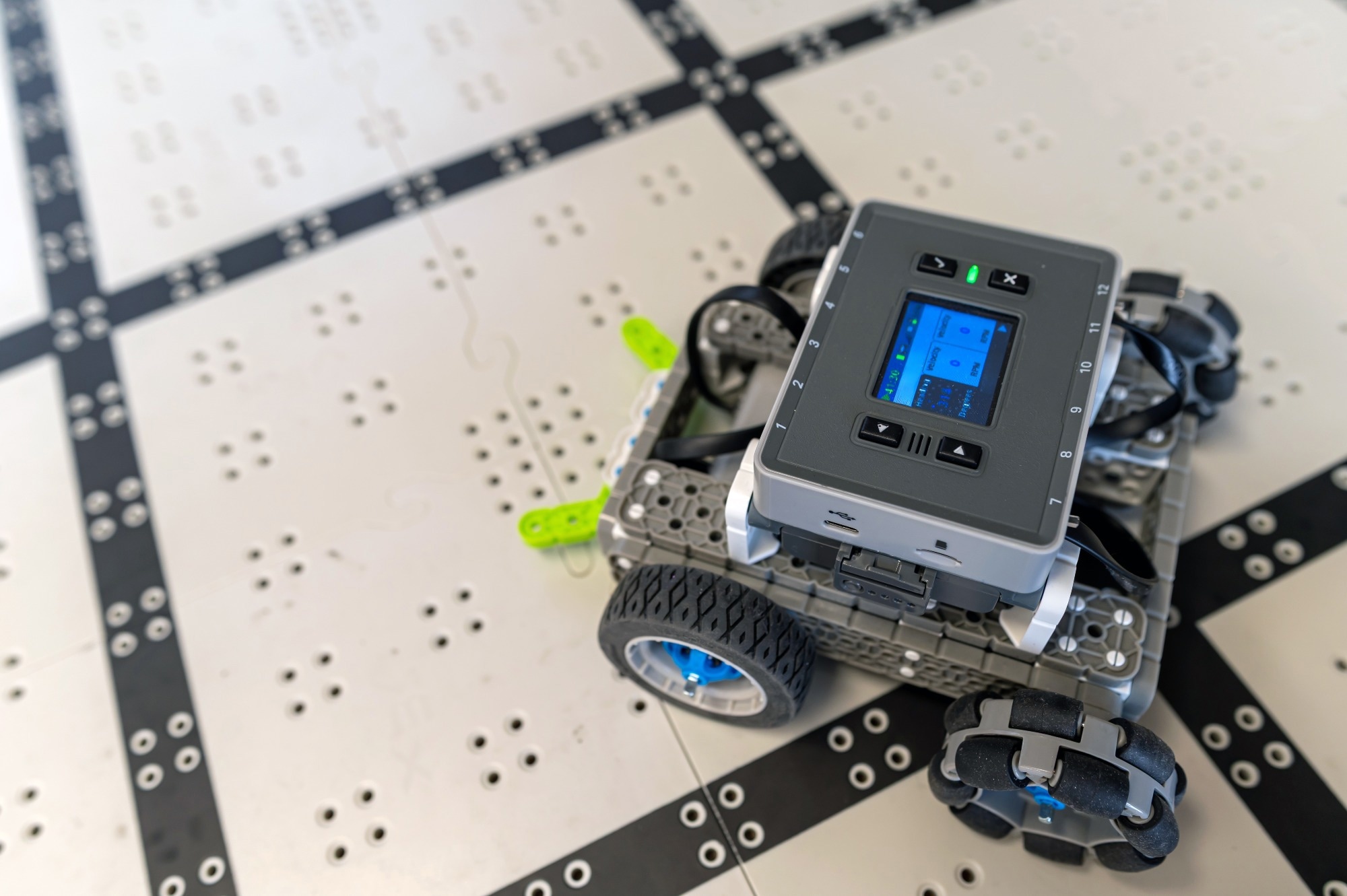
Robot Navigation Learns Faster Through Greedy Replay
A significant advancement in autonomous navigation has been achieved by GER-RL, a leading research initiative focused on enhancing robotic movement. This development emphasizes the importance of prioritizing valuable experiences, which enables robots to navigate complex environments more quickly, safely, and efficiently. By leveraging advanced algorithms and machine learning techniques, the project aims to improve the operational capabilities of robots in various settings, potentially transforming industries that rely on automation. This breakthrough comes at a time when the demand for sophisticated robotic systems is on the rise, driven by the need for increased efficiency and safety in tasks ranging from manufacturing to logistics. The research team continues to refine these technologies to ensure that robots can adapt to dynamic situations, ultimately paving the way for a new era of intelligent automation.
Robots could learn to predict, plan navigation with new ‘bio-inspired’ framework
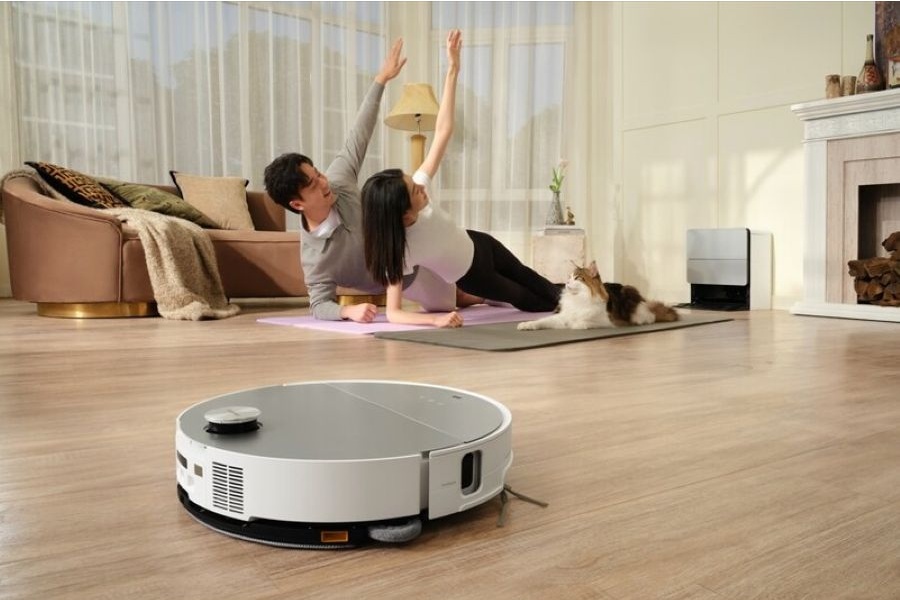
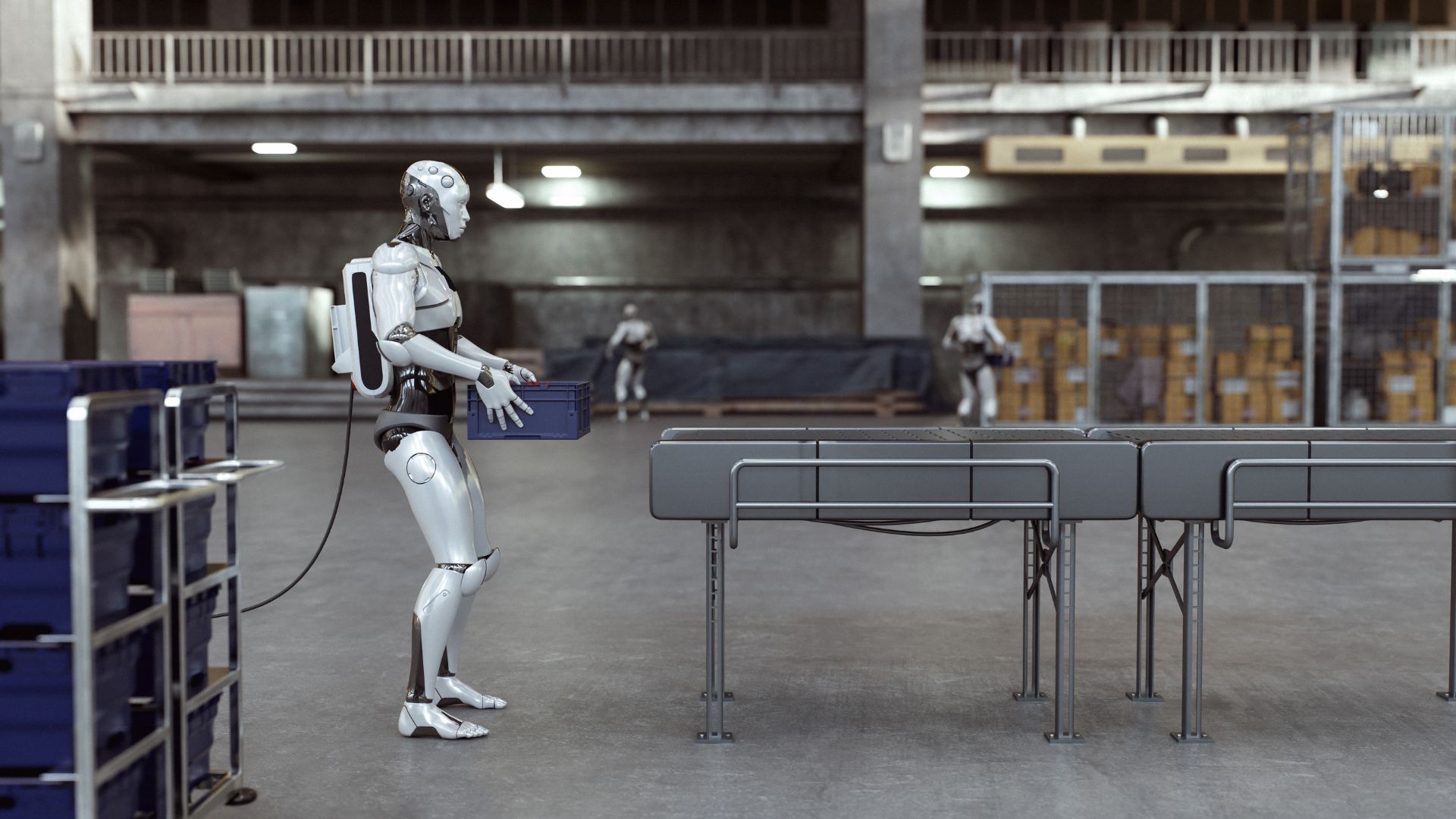
A recent study highlights the advanced capabilities of robot vacuums in home cleaning. Researchers observed that when placed in a living room, these devices effectively create detailed maps of their surroundings, allowing them to navigate and clean efficiently. This development comes as more households adopt smart home technology, seeking convenience and improved cleaning solutions. The study, conducted in various residential settings, demonstrates how robot vacuums utilize sensors and algorithms to optimize their cleaning paths. As the demand for automated home care increases, manufacturers are focusing on enhancing these technologies to meet consumer expectations for efficiency and thoroughness.
Bees Inspire Navigation! This Small Flying Robot Uses a 42KB 'Brain' to Fly 600 Meters Home
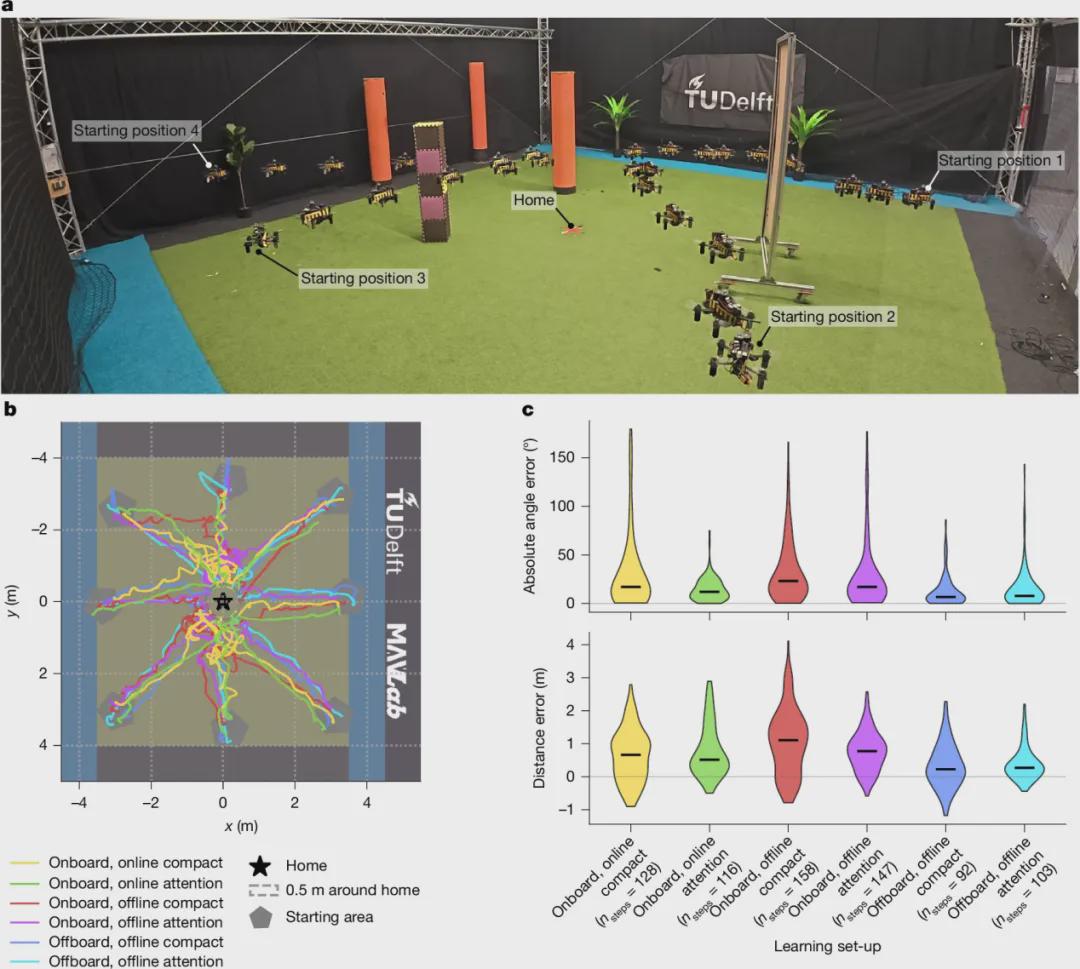
Researchers at Delft University of Technology have unveiled Bee-Nav, an innovative navigation strategy for flying robots, drawing inspiration from the natural navigation abilities of bees. This lightweight system enables the robot to successfully return home after traveling a distance of 600 meters, utilizing a compact 42.3KB neural network. The breakthrough combines path integration with visual memory, enhancing the robot's capability for long-distance navigation. This development marks a significant advancement in robotics and artificial intelligence, potentially paving the way for more efficient autonomous navigation systems in various applications.
Flying Robots Navigation Technology AI Robotics Machine Learning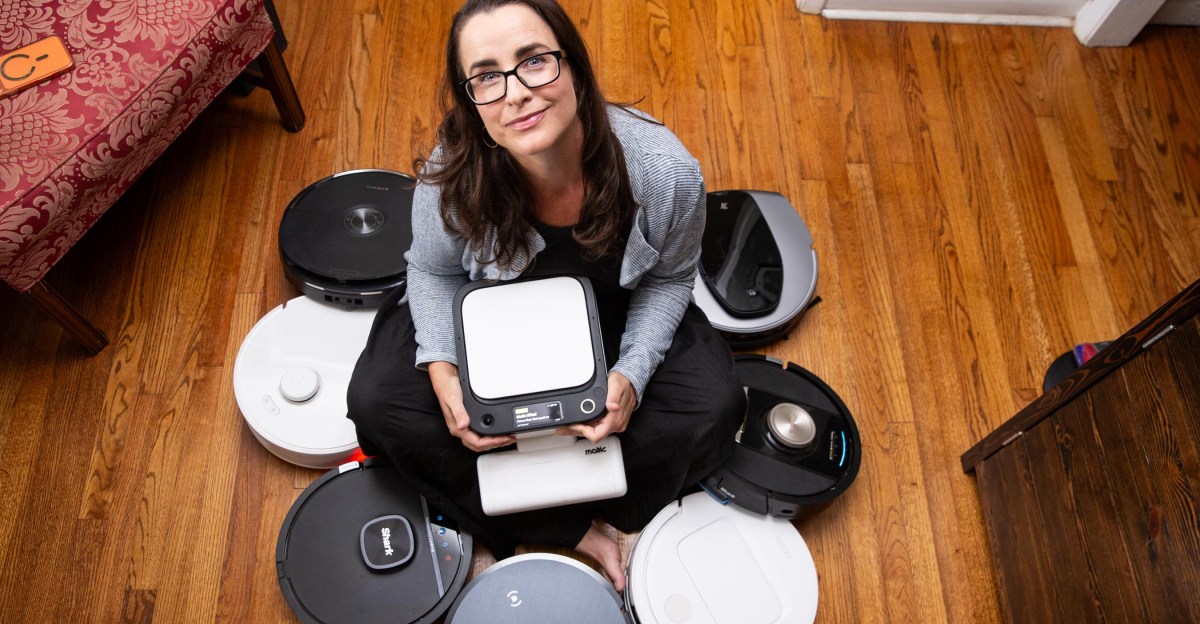
These are the robot vacuum-mops I recommend for every type of home
The decision to incorporate a robot vacuum-mop into one’s home is increasingly common, as these autonomous cleaning devices promise to simplify household chores. While their ability to navigate and clean floors can be seen as a significant advantage, users often face challenges, including potential damage to personal items such as rugs and electronics. Instances of these machines running over delicate objects or leaving behind messes, like smearing food on carpets, have raised concerns about their reliability and effectiveness. Despite these drawbacks, many homeowners find that the convenience of automated cleaning may outweigh the occasional mishaps, leading to a growing acceptance of these technologies in daily life. As the market for smart home devices expands, consumers are weighing the pros and cons of integrating such innovations into their routines.
Buying Guides Gadgets Robot Smart Home Tech Verge Shopping
How agentic AI can enable general-purpose robotic navigation
Researchers are exploring the capabilities of agentic AI to enhance robotic navigation by integrating perception, simultaneous localization and mapping (SLAM), reasoning, and planning. This innovative approach aims to improve the performance of robots operating in dynamic environments. The findings were discussed in a recent article published by The Robot Report, highlighting the potential of agentic AI to transform how robots navigate and interact with their surroundings. By leveraging advanced algorithms and technologies, this method seeks to address the challenges faced by robots in real-world scenarios, ultimately paving the way for more versatile and efficient robotic systems.
Artificial Intelligence Artificial Intelligence / Cognition Autonomous Mobile Robots (AMRs) Cameras / Imaging / Vision Mobility / Navigation Motion Control
DJI Unveils ROMO 2 Robot Vacuum: Incremental Upgrades, but Early Adopters May Have the Last Laugh
DJI has unveiled its second-generation robot vacuum, featuring a series of incremental upgrades that enhance its performance compared to the original model. This latest release aims to solidify the company's position in the mid-to-high market segment, appealing to consumers seeking advanced cleaning technology. The announcement was made recently, showcasing DJI's commitment to innovation and improvement in home automation products. By refining the design and functionality of its robot vacuum, DJI seeks to attract a broader audience while addressing the evolving needs of consumers in the competitive smart home market.
Gadgets
Robotics Institute Launches Next Phase of Vision-Language-Navigation Challenge
Carnegie Mellon University’s Robotics Institute is set to host the latest phase of the Vision-Language-Navigation (VLN) Challenge, aimed at advancing the ability of robots to comprehend and execute human instructions in real-world environments. This new iteration of the challenge, which takes place this year, marks a significant evolution from previous versions by eliminating certain constraints, thereby enhancing the complexity and applicability of the tasks involved. The initiative seeks to unite researchers in tackling one of the most challenging aspects of robotics, ultimately striving to improve the interaction between humans and machines.
Research
Groundbreaking: The World's First Open-Source Humanoid Robot Marathon Navigation System!
At the inaugural Humanoid Robot Games, a groundbreaking event in the robotics industry, a team introduced Marathongo, the world's first open-source navigation system designed for humanoid robots. This innovative technology enables robots to autonomously run a distance of 21 kilometers, showcasing a significant advancement in their capabilities. The event, held recently, highlights the rapid progress being made in robotics and the potential for future applications in various fields. By allowing robots to navigate independently, Marathongo represents a pivotal step toward enhancing the functionality and versatility of humanoid machines.
Humanoid Robots Autonomous Navigation Open Source Technology Robotics Innovation
Control System for the Navigation of the Agricultural Robots: A Review
The Journal of Field Robotics has published new research findings that highlight advancements in autonomous robotic systems. This study, released in EarlyView, focuses on the integration of artificial intelligence in navigation and obstacle avoidance, showcasing significant improvements in efficiency and safety for robotic applications. Conducted by a team of researchers from various institutions, the study emphasizes the growing importance of robotics in fields such as agriculture, manufacturing, and disaster response. The research was initiated in response to the increasing demand for reliable autonomous systems capable of operating in complex environments. By employing advanced algorithms and machine learning techniques, the team successfully enhanced the robots' ability to adapt to dynamic surroundings, thereby reducing the risk of accidents and improving operational performance. The findings are expected to influence future developments in robotic technology, paving the way for more sophisticated applications that can operate seamlessly alongside humans. This work not only contributes to the academic field but also has practical implications for industries looking to implement robotic solutions in their operations. The study underscores the potential of robotics to transform various sectors by providing safer and more efficient alternatives to traditional methods.
SURVEY ARTICLE
iRobot Launches Roomba® Mini Robot Vacuum & Mop + AutoEmpty™ Dock in UK and Europe
iRobot Corporation, a prominent player in the consumer robotics market, has unveiled the Roomba Mini, marking the launch of its smallest Roomba robot to date. This innovative device, introduced today, features a robust cleaning system capable of both vacuuming and mopping, catering to diverse cleaning needs. The Roomba Mini is designed to enhance convenience for users, providing a compact solution for maintaining cleanliness in various home environments. With its advanced technology, iRobot aims to further solidify its position in the competitive landscape of home automation and smart cleaning solutions.

Robots Helping Robots: STL Uses HP SitePrint to Enable Geek+ AMR Navigation
STL has announced a partnership with LE34, a certified HP SitePrint Service Provider, to enhance warehouse automation through the precise positioning of QR codes for Autonomous Mobile Robot (AMR) navigation. This collaboration aims to improve operational efficiency by achieving an accuracy of ±2 mm in QR code placement. By implementing this technology, project timelines are significantly reduced, allowing completion in days rather than the previous weeks. The initiative reflects STL's commitment to advancing automation solutions in the logistics sector, streamlining processes, and optimizing workflow in warehouses.
CES 2026: This Concept Robot Vacuum Grows Legs to Climb Stairs
Dreame has unveiled its innovative Cyber X concept, a vacuum cleaner designed to autonomously navigate stairs and uneven surfaces, eliminating the need for users to transport it between floors. First introduced at the IFA technology trade show, the Cyber X features retractable rubber tracks that enable it to ascend steps up to 25 centimeters high and tackle inclines of 42 degrees. This advancement aims to enhance user convenience by allowing the device to operate seamlessly across multiple levels of a home. The Cyber X represents a significant leap in robotic cleaning technology, promising to simplify household chores for users.
News Feed CES 2026
CES 2026: world’s first wheel-legged robot vacuum designed to tackle stairs and multi-level homes
At CES 2026, Roborock introduced the G-Rover, a groundbreaking concept device that is being hailed as the world's first wheel-legged robot vacuum capable of navigating stairs and multi-level homes. This innovative prototype features a unique dual wheel-leg architecture, allowing each leg to lift independently and adjust its height for optimal maneuverability. Enhanced by advanced AI algorithms and 3D spatial perception technology, the G-Rover is designed to efficiently clean various surfaces and adapt to complex environments. The unveiling of this device highlights Roborock's commitment to pushing the boundaries of home automation and robotics, aiming to provide consumers with a versatile cleaning solution for modern living spaces.
News Feed CES 2026
CES 2026: Roborock releases the world's first robotic vacuum with wheel-leg architecture as it joins hands with Real Madrid Football Club
At CES 2026, Roborock made headlines with the introduction of the Saros Rover, a groundbreaking robotic vacuum featuring a unique wheel-leg architecture that enables it to navigate stairs and slopes with remarkable agility. This innovative product marks a significant advancement in robotic cleaning technology. In addition to the Saros Rover, Roborock announced a strategic partnership with Real Madrid Football Club, further enhancing its brand visibility and market reach. The company also expanded its smart cleaning product lineup with the launch of the Saros 20 and the RockMow X1 LiDAR, showcasing its commitment to innovation in home and garden maintenance solutions.
Robotics Smart Home Consumer Electronics AI Technology Partnerships
Robotic vacuum pioneer iRobot files for bankruptcy, Chinese firm Picea to acquire 100% ownership
iRobot, a leading name in the robotic vacuum cleaner industry, has filed for Chapter 11 bankruptcy protection with the US Bankruptcy Court for the District of Delaware. The filing, which took place yesterday, marks a significant step for the company as it seeks to restructure its finances amid ongoing challenges. iRobot aims to complete this restructuring process by February 2026, utilizing the Chapter 11 provisions designed to assist financially troubled businesses in reorganizing their debts and operations. This move reflects the company's efforts to navigate its current financial difficulties and reposition itself in the competitive market.
News Feed
DJI to launch first robot vacuum ROMO next month
DJI has revealed plans to launch its inaugural robot vacuum cleaner, named ROMO, on August 6. The announcement, made on Wednesday, was accompanied by a teaser poster that highlights the product’s slogan, “Power in Every Sweep,” underscoring its performance and ability to maintain a dust-free environment. The development of this all-in-one vacuum and mop robot has reportedly been in the works for over four years, indicating DJI's commitment to expanding its product line beyond drones and into home cleaning technology.
News Feed
Global robotic vacuum shipments reach 5.1 million in Q1, top four Chinese brands hold 54.1% market share
Global shipments of smart robotic vacuum cleaners reached 5.096 million units in the first quarter of 2023, according to data from market research firm IDC. This figure represents an 11.9% increase compared to the same period last year, continuing a trend of robust growth with shipment rates exceeding 20% for two consecutive quarters. The surge in demand for these devices reflects a growing consumer preference for automated cleaning solutions, driven by advancements in technology and increased awareness of home automation benefits. Leading brands in the market, including Roborock, Ecovacs, Dreame, and Xiaomi, have contributed significantly to this growth, showcasing their competitive edge in innovation and market reach.
News Feed
DJI reportedly set to launch robotic vacuum cleaner next month
DJI, the renowned drone manufacturer, is set to enter the home robotics market with its new robotic vacuum cleaner, which has reportedly begun mass production. Sources from China Securities Journal’s Jinniuzuo indicate that the product, designed to perform both sweeping and mopping functions, is anticipated to launch in June. This venture into home automation comes after more than four years of development, reflecting DJI's ambition to diversify its product offerings and tap into the growing demand for smart home devices. The company's strategic move aims to leverage its expertise in technology and innovation to enhance household cleaning solutions.
News Feed
PUDU Robotics releases video showcasing new cleaning robot feature that instantly updates maps, eliminating task resets.
PUDU Robotics has released a video showcasing its cleaning robot's capabilities in a segment titled "Quick On-site Tes" on its official YouTube channel. The video was published on June 12, 2026, highlighting the robot's efficiency and effectiveness in real-time cleaning tasks. This initiative aims to demonstrate the advanced technology behind PUDU's cleaning solutions and their potential applications in various environments. By sharing this content, the company seeks to engage with its audience and promote the benefits of automation in maintaining cleanliness and hygiene.

Miniature sensors for the safe operation of robotic grippers
Contrinex has introduced a new line of inductive and photoelectric miniature sensors designed specifically for robotic grippers used in Pick&Place applications and precision assembly. These sensors aim to enhance the safety and efficiency of robotic operations, ensuring reliable performance in various industrial settings. The development reflects a growing demand for advanced automation solutions that can improve productivity and operational safety in manufacturing processes.
Allgemein Greifer & Werkzeuge Robotik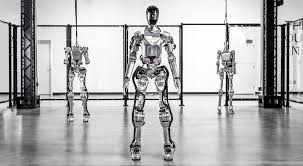
Is your robot vacuum cleaner spying on you?
In a groundbreaking study published in the June 2026 issue of Science Robotics, researchers have unveiled a new robotic system designed to enhance surgical precision and efficiency. This innovative technology, developed by a team of engineers and medical professionals, aims to reduce the risks associated with complex surgical procedures. The research team conducted extensive trials over a two-year period, testing the robotic system in various surgical environments. Their findings indicate that the robot can perform intricate tasks with a level of accuracy surpassing that of human surgeons, potentially leading to improved patient outcomes. The motivation behind this development stems from the increasing demand for safer and more effective surgical methods, particularly in high-stakes operations. By integrating advanced robotics with surgical practices, the team hopes to address common challenges such as human error and fatigue during lengthy procedures. The trials took place in multiple hospitals across the United States, where the robotic system was utilized in real-time surgeries. Observations showed a significant decrease in operation times and recovery periods for patients, highlighting the potential of robotics to revolutionize the field of surgery. As the medical community continues to explore the implications of this technology, the research team is optimistic about future applications, including training programs for surgeons and expanded use in various medical specialties. This advancement marks a significant step forward in the intersection of robotics and healthcare, promising to enhance the capabilities of surgical teams worldwide.
Focus
Multi‐Robot Collaborative Navigation Framework Based on 3D Voronoi Partitioning in Uneven and Unstructured Environments
A recent study published in the Journal of Field Robotics highlights advancements in autonomous robotic systems designed for agricultural applications. Researchers from various institutions collaborated to develop innovative algorithms that enhance the efficiency and accuracy of these robots in crop monitoring and management. The study, released in early October 2023, emphasizes the growing need for automation in agriculture due to labor shortages and the increasing demand for food production. The research was conducted across multiple farms in the Midwest, where the team tested the robots' capabilities in real-world conditions. By integrating machine learning techniques, the robots can now analyze crop health, detect pests, and optimize resource usage, significantly reducing the environmental impact of farming practices. This initiative aims to address the challenges faced by farmers, particularly in light of climate change and the need for sustainable agriculture. The findings suggest that implementing these robotic systems can lead to improved yields and reduced operational costs, ultimately benefiting both farmers and consumers. As the agricultural sector continues to evolve, the integration of such technologies is seen as a crucial step toward a more sustainable future.
RESEARCH ARTICLE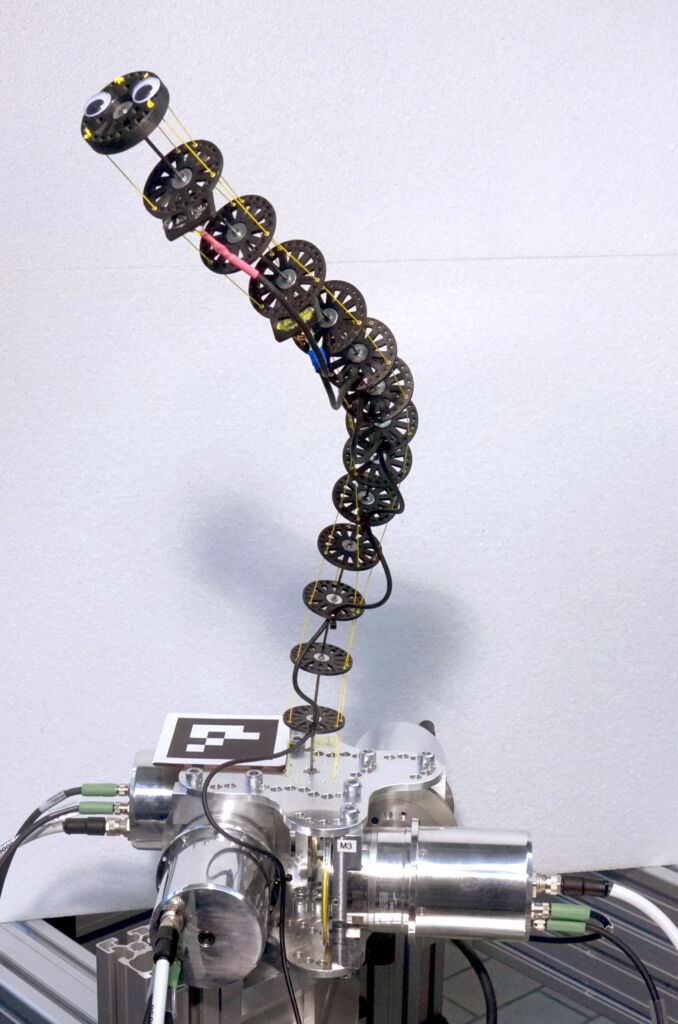
Continuum Robotics for Research
Continuum robots, known for their continuously deformable structures, are paving the way for innovative applications across various fields, particularly in medical technology, inspection tasks in confined spaces, and critical human-robot interactions. These advancements highlight the potential of continuum robotics to enhance operational efficiency and safety in environments where traditional robotic systems may fall short. The ongoing research and development in this area aim to further explore and expand the capabilities of these versatile robots, promising significant benefits for industries that rely on precision and adaptability.
Allgemein Lösungen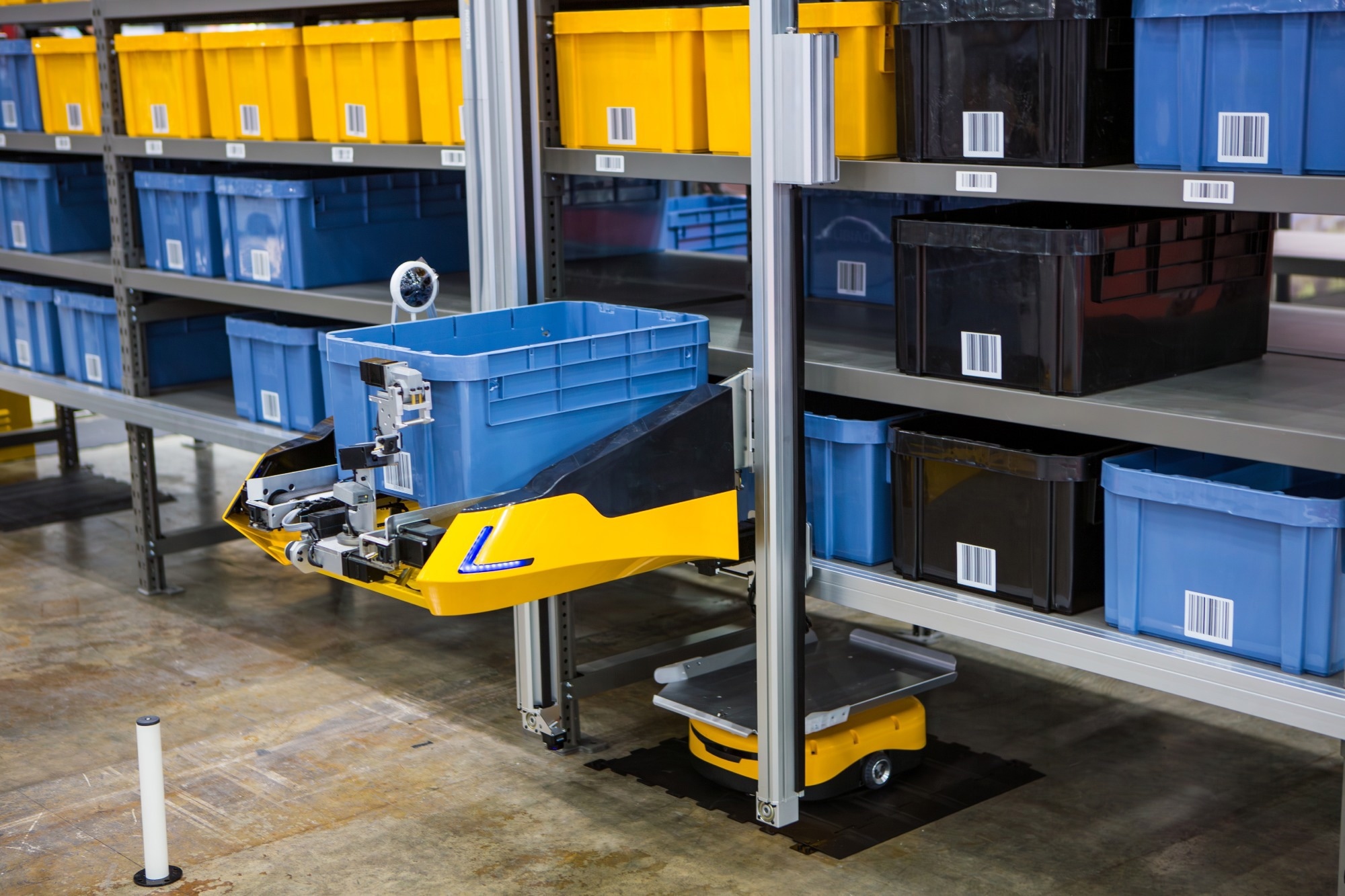
VSLAM Navigation Improves Indoor Logistics Robot Efficiency
A new research initiative has unveiled a VSLAM (Visual Simultaneous Localization and Mapping) framework designed to enhance obstacle avoidance in indoor logistics. This innovative approach utilizes advanced algorithms and integrates multiple sensors to improve navigation efficiency within complex environments. Conducted by a team of researchers, the study aims to address the growing challenges faced in warehouse and distribution center operations. By optimizing the movement of automated systems, the framework seeks to minimize accidents and increase productivity. The findings, which were developed using data collected up to October 2023, promise to significantly advance the capabilities of indoor logistics technology.

Soft Computing Techniques Applied to Adaptive Hybrid Navigation Methods for Tethered Robots in Dynamic Environments
A recent study published in the Journal of Field Robotics highlights advancements in robotic technology aimed at enhancing agricultural efficiency. Researchers from various institutions conducted experiments over the past year, focusing on the integration of autonomous robots in crop monitoring and management. The study, carried out in multiple agricultural settings across the Midwest, demonstrates how these robots can significantly reduce labor costs and increase yield by providing real-time data on soil conditions and crop health. The motivation behind this research stems from the growing need for sustainable farming practices amid rising global food demands. By employing sophisticated sensors and machine learning algorithms, the robots are designed to analyze vast amounts of agricultural data, allowing farmers to make informed decisions quickly. The findings indicate that the use of these robotic systems can lead to a more precise application of resources, ultimately promoting environmental sustainability. As the agricultural sector faces challenges such as labor shortages and climate change, the implementation of robotic technology presents a viable solution to improve productivity and resilience in farming operations. The research team plans to continue refining these technologies, aiming for broader adoption in the industry.
RESEARCH ARTICLE
How Roomba started a robot revolution
In the early days of robotic vacuum technology, the Roomba was characterized by its simplicity and limited functionality. These devices navigated homes by randomly bumping into obstacles while attempting to clean, often ceasing operation once their batteries depleted or their dust containers filled. Despite these shortcomings, the Roomba gained popularity among consumers for its convenience, marking a significant step in the evolution of home cleaning appliances. As technology has advanced, newer models have incorporated sophisticated navigation systems and improved suction capabilities, reflecting the growing demand for more efficient and user-friendly cleaning solutions.
Gadgets Podcasts Smart Home Tech Version History
Sixth sense: Robot uses human-like touch awareness for camera-free navigation
Researchers at the National University of Singapore have unveiled an innovative soft robot system designed to enhance human-robot interaction. This groundbreaking development, announced on October 15, 2023, aims to improve the safety and effectiveness of collaborative tasks in various environments, including healthcare and manufacturing. The motivation behind this project stems from the growing need for robots that can work alongside humans without posing risks. Traditional robots often lack the flexibility and adaptability required for close collaboration, which can lead to accidents or inefficiencies. The new soft robot system addresses these challenges by utilizing advanced materials and design techniques that allow for greater dexterity and a more human-like touch. The research team achieved this by integrating soft actuators that mimic the movements of human muscles, enabling the robot to perform delicate tasks with precision. This technology not only enhances the robot's ability to interact safely with humans but also opens up new possibilities for applications in fields such as rehabilitation, where gentle handling is crucial. As the demand for collaborative robots continues to rise, this development represents a significant step forward in creating machines that can seamlessly integrate into human environments, ultimately improving productivity and safety. The researchers are optimistic that their soft robot system will pave the way for more advanced human-robot partnerships in the future.
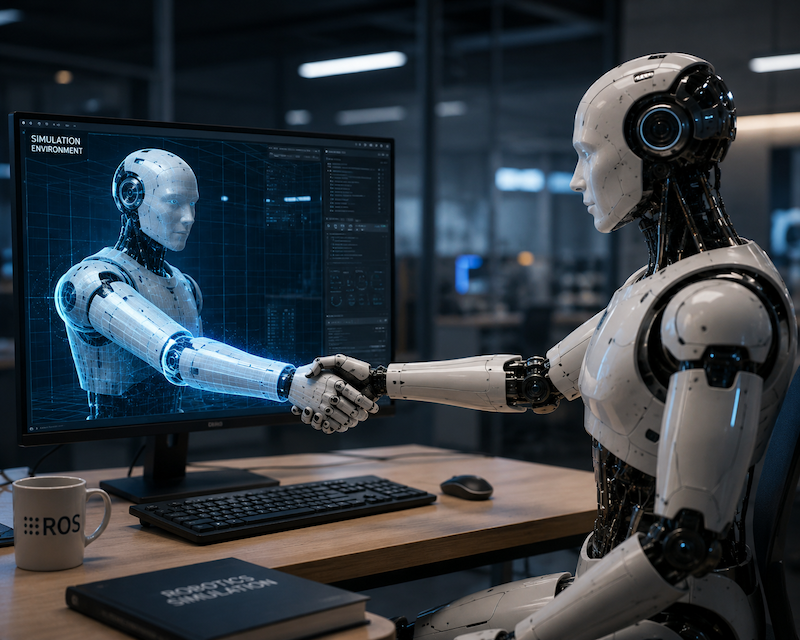
Simulation tools in the ROS ecosystem: Testing and validating robots virtually
In a significant advancement for robotics, researchers are increasingly relying on virtual environments to develop and refine robots before they are deployed in the real world. This trend allows robots, such as those used in warehouses, autonomous vehicles, and humanoid designs, to undergo extensive training and testing in simulated settings. By utilizing these virtual platforms, developers can enhance the robots' navigation and operational skills without the risks and costs associated with real-world trials. This approach not only accelerates the development process but also improves the overall safety and efficiency of robotic systems. As the technology evolves, the reliance on virtual training is expected to grow, paving the way for more sophisticated and capable robots in various industries.
Computing Features Robot simulation Software automation news Autonomous robots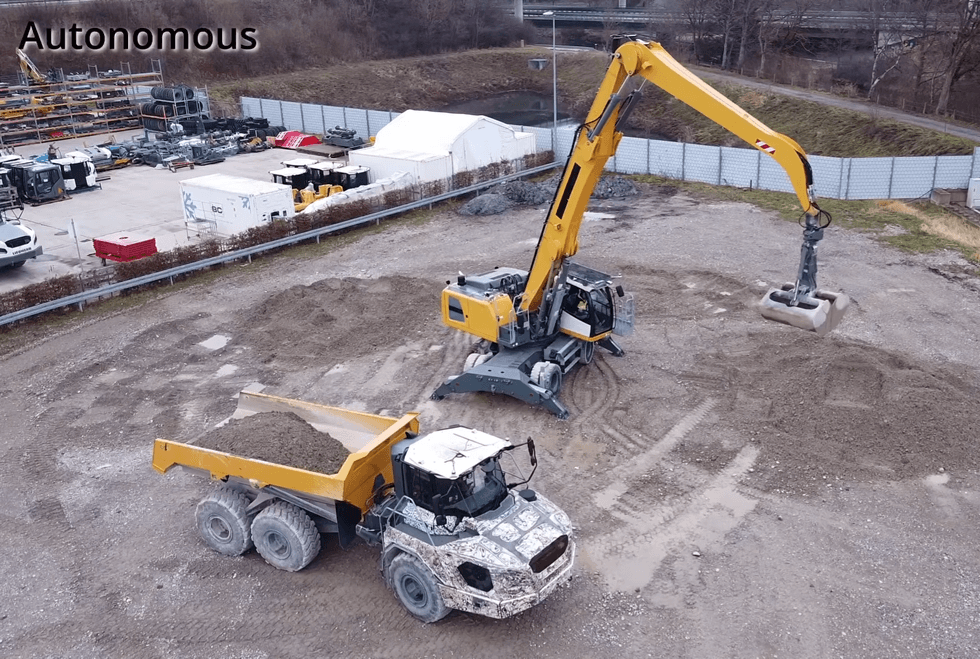
Video Friday: Heavy Robotic Machinery Operates Itself
IEEE Spectrum robotics has released its latest edition of "Video Friday," showcasing a variety of innovative robotics videos and announcing upcoming robotics events. Notable conferences include ICRA 2026 in Vienna from June 1-5, and the Summer School on Multi-Robot Systems in Prague from July 29 to August 4, 2026. Among the featured content is a groundbreaking autonomous material-handling solution developed by ETH Zurich, capable of operating a 40-ton material handler, traditionally a labor-intensive task. Other highlights include the introduction of the world's first production-ready manned mecha by Unitree, and the launch of NIX, an embodied AI exploring dance and movement, which will be made available for free to select partners. NTNU has unveiled the Unified Autonomy Stack, a robust system designed for aerial and ground robots, enhancing their autonomy through advanced perception and navigation capabilities. This system has been validated in challenging environments, showcasing its effectiveness in exploration and object discovery. Robotics expert Rodney Brooks, cofounder of Robust AI, shared insights on the challenges of innovation in robotics and the implications of the current AI surge during a Q&A session ahead of his panel at the Forbes America Innovates event in San Francisco. As the field continues to evolve, the integration of data collection methods remains a significant challenge, with the Koala platform exemplifying innovative approaches to enhance robotic manipulation tasks.
Home-robots Humanoid-robots Video-friday Material-handling-technology Robot-videos Robot-grippers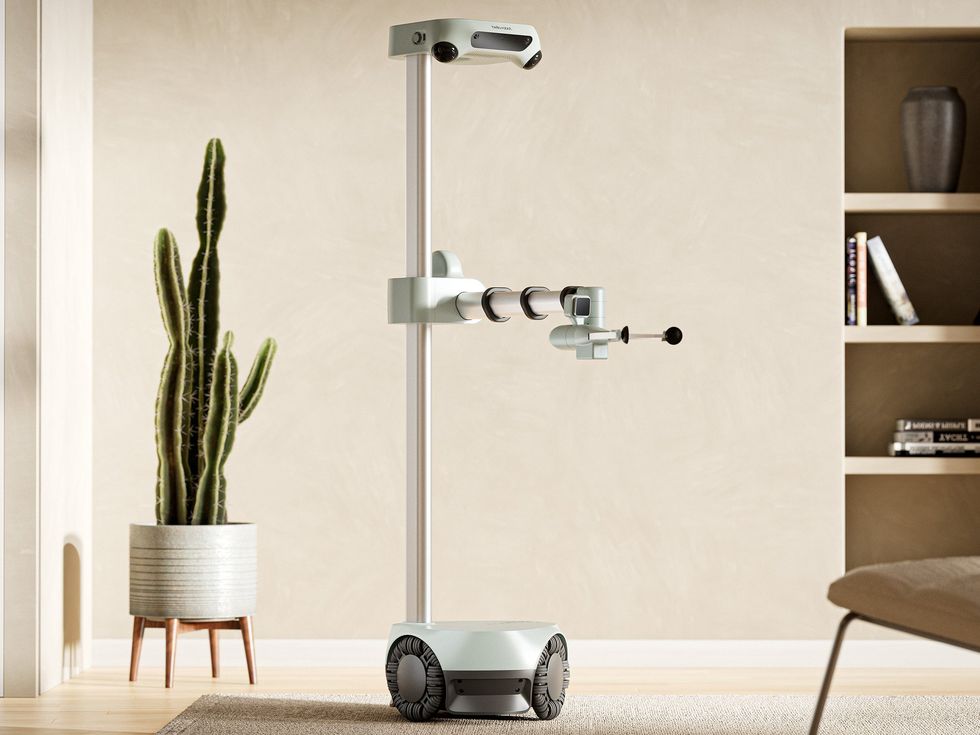
Hello Robot Sets the Standard for Practical, Safe Home Robots
Hello Robot has announced the launch of Stretch 4, a new version of its mobile robot designed for practical household tasks. This announcement comes as the company aims to transition from research-focused robotics to a deployable solution for home use, particularly for individuals with severe mobility impairments. The unveiling took place today, with the robot's design emphasizing mobility and manipulation over humanoid features. Stretch 4 features an advanced omnidirectional base allowing it to move in any direction, enhancing user control. The robot is equipped with a sophisticated sensor suite for improved navigation and autonomy, including cameras and lidar technology. Co-founders Aaron Edsinger and Charlie Kemp highlighted the challenges faced during the design process, aiming to avoid overcomplicating the robot while ensuring it meets real-world needs. The robot is intended for pilot deployments in homes, with the goal of gathering data to refine its capabilities for everyday use. Unlike humanoid robots, which may not effectively serve individuals with disabilities, Stretch 4's wheeled design is seen as more practical and safer for home environments. Priced at $29,950, Stretch 4 is positioned as an affordable option in the mobile manipulation market, with plans for further development leading to a commercially viable assistive robot in the near future.
Hello-robot Home-robots Humanoid-robots Mobile-manipulator Mobility-impaired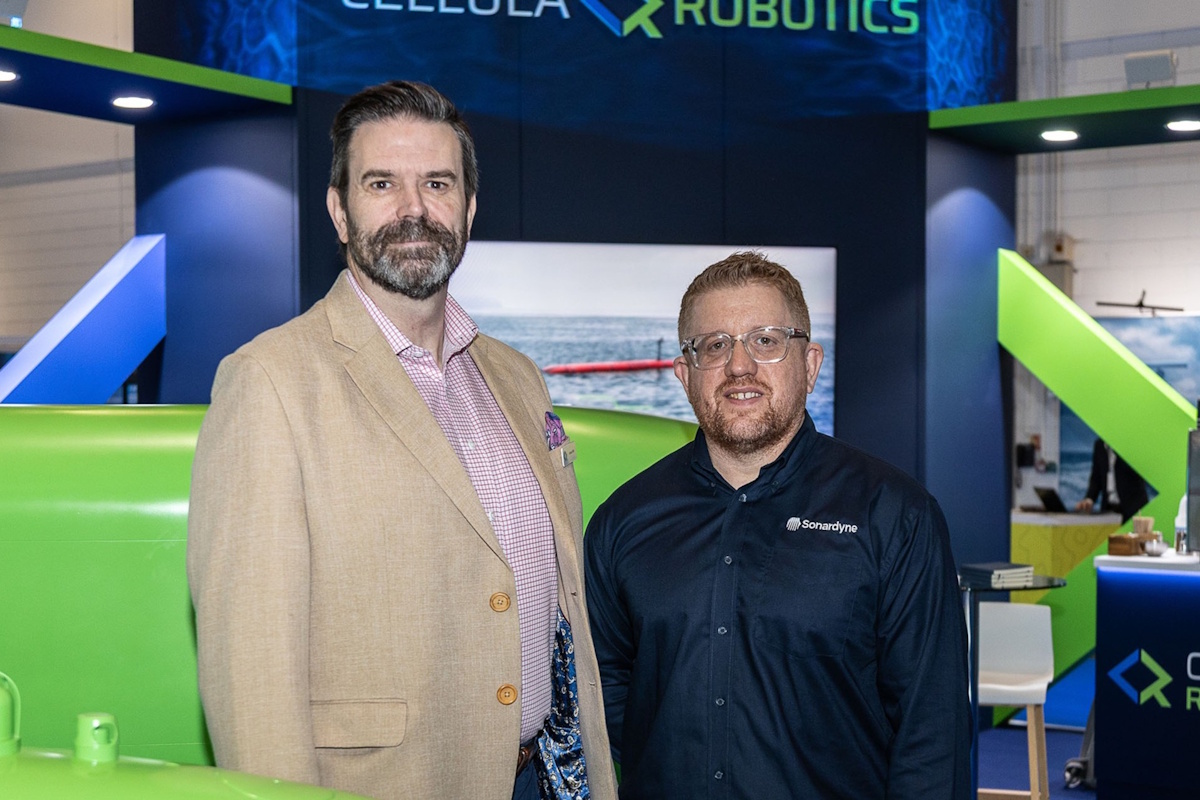
Cellula Robotics selects Sonardyne for long-range AUVs
Cellula Robotics, a prominent developer of autonomous subsea robotic systems, has selected Sonardyne's navigation and positioning technology for its long-range autonomous underwater vehicle (AUV) platforms. This partnership aims to enhance the operational capabilities of Cellula's AUVs, allowing for more precise navigation and positioning in underwater environments. The integration of Sonardyne's advanced technology is expected to significantly improve the efficiency and effectiveness of subsea operations, addressing the growing demand for reliable and sophisticated underwater exploration and data collection. The collaboration marks a strategic move for Cellula Robotics as it continues to innovate in the field of autonomous underwater systems.
cellula robotics sonardyne long-range auvs navigation avtrak 6 ranger 2 ultra-short baseline
Video Friday: Autonomous Robots Learn By Doing in This Factory
In a recent edition of Video Friday, IEEE Spectrum robotics showcased a variety of innovative robotics projects and developments. Notably, scientists at the Toyota Research Institute are collaborating with Toyota Manufacturing to implement autonomous robots on factory floors, enhancing production efficiency. Zipline shared insights into their drone delivery system, detailing the challenges faced and lessons learned in its development. Humanoid introduced KinetIQ, an AI framework designed for the orchestration of humanoid robot fleets, which integrates task allocation and execution through advanced cognitive layers. Meanwhile, researchers at VISTEC unveiled a decentralized adaptive resilient neural control system (DARCON) that enables legged robots to autonomously adapt to limb loss, ensuring mission success despite mechanical failures. NASA's Jet Propulsion Lab presented an animation of the Perseverance rover's drive along the Jezero Crater, captured on December 10, 2025, showcasing the rover's navigation capabilities. Additionally, Unitree's humanoid robot G1 made its mark on the snowfields of Altay, demonstrating its adaptability in extreme conditions. The Norwegian University of Science & Technology introduced a hierarchical 3D scene graph to enhance autonomous agents' understanding of their environments. Other highlights included the HoLoArm quadrotor, which features compliant arms for improved stability, and SkyDreamer, a pioneering vision-based autonomous-drone racing policy. The event also featured demonstrations of dexterous object manipulation by the AI Worker robot and advancements in swarm robotics for architectural applications.
Video-friday Autonomous-robots Humanoid-robots Industrial-robots Robot-ai Perseverance-rover
Roborock Saros Z70: World’s First* Robotic Home Assistant with OmniGrip Launched at CES 2025
Roborock has introduced the Saros Z70, marking a significant advancement in home cleaning technology as it becomes the first robotic home assistant equipped with the groundbreaking OmniGrip foldable arm designed for efficient obstacle removal. Launched recently, this innovative device combines advanced artificial intelligence navigation with powerful suction capabilities, setting a new standard for automated cleaning solutions. The Saros Z70 aims to enhance the user experience by providing a more thorough and adaptable cleaning process, addressing common challenges faced by traditional robotic vacuums. With its release, Roborock continues to lead the market in smart home technology, catering to the growing demand for efficient and effective home maintenance tools.
Robotics Home Automation AI Technology Smart Home Devices Cleaning Technology
Research on Harvesting Robots for Fragile Fruit: A Review
A recent study published in the Journal of Field Robotics highlights advancements in autonomous robotics technology. Researchers from a leading robotics institute conducted experiments to improve the navigation and decision-making capabilities of robots in complex environments. The study, released in early October 2023, took place in various outdoor settings, including forests and urban areas, to test the robots' adaptability to different terrains. The motivation behind this research stems from the growing demand for autonomous systems in sectors such as agriculture, disaster response, and urban planning. By enhancing the robots' ability to process real-time data and make informed decisions, the team aims to increase their efficiency and reliability in real-world applications. Through a combination of machine learning algorithms and sensor integration, the researchers developed a new framework that allows robots to better interpret their surroundings and respond to dynamic changes. This innovative approach not only improves navigation but also enables robots to collaborate more effectively with human operators. The findings from this study are expected to pave the way for more sophisticated autonomous systems, ultimately contributing to the advancement of robotics technology and its integration into everyday life.
SURVEY ARTICLE
Former Baidu autonomous driving lab head raises millions in angel funding for global robot model startup.
Nuwa Robotics, a company specializing in embodied intelligence, has successfully secured 50 million yuan in angel funding, led by Blue Lake Capital with participation from various investors including Qiongcheng Puyi Investment. This funding follows a seed round completed two months prior, led by Plug and Play China. Founded in February 2026 by Dr. Yang Ruigang, a former director at Baidu’s autonomous driving and robotics lab, Nuwa aims to advance robotic capabilities in navigating complex human environments. As the field of embodied intelligence gains momentum, industry consensus is forming around the need for a "layered decoupling" approach. Nuwa is focusing on developing a "World Traversal Model" (WTM) that enables robots to autonomously navigate, interact, and complete tasks in human settings, addressing a critical gap in the industry. This model is designed to be compatible with various robotic platforms, including humanoid robots and delivery vehicles. Nuwa's technology integrates high-fidelity physical simulation with advanced data generation techniques to create a robust training environment for its WTM. The company has made significant strides in motion control and navigation capabilities, allowing robots to navigate complex terrains without relying on high-precision maps. Additionally, Nuwa is prioritizing social behavior compliance, essential for robots operating in public spaces. With plans to deploy the WTM in real-world applications by 2026, Nuwa aims to validate its core capabilities and expand its operational scale. Blue Lake Capital expressed confidence in Nuwa’s vision, highlighting the potential for the company to overcome key industry challenges and pioneer advancements in intelligent navigation.
Robotics needs a service framework.
RSF defines a common language for robot service capability, lifecycle operations, certification pathways, and service-provider networks.