

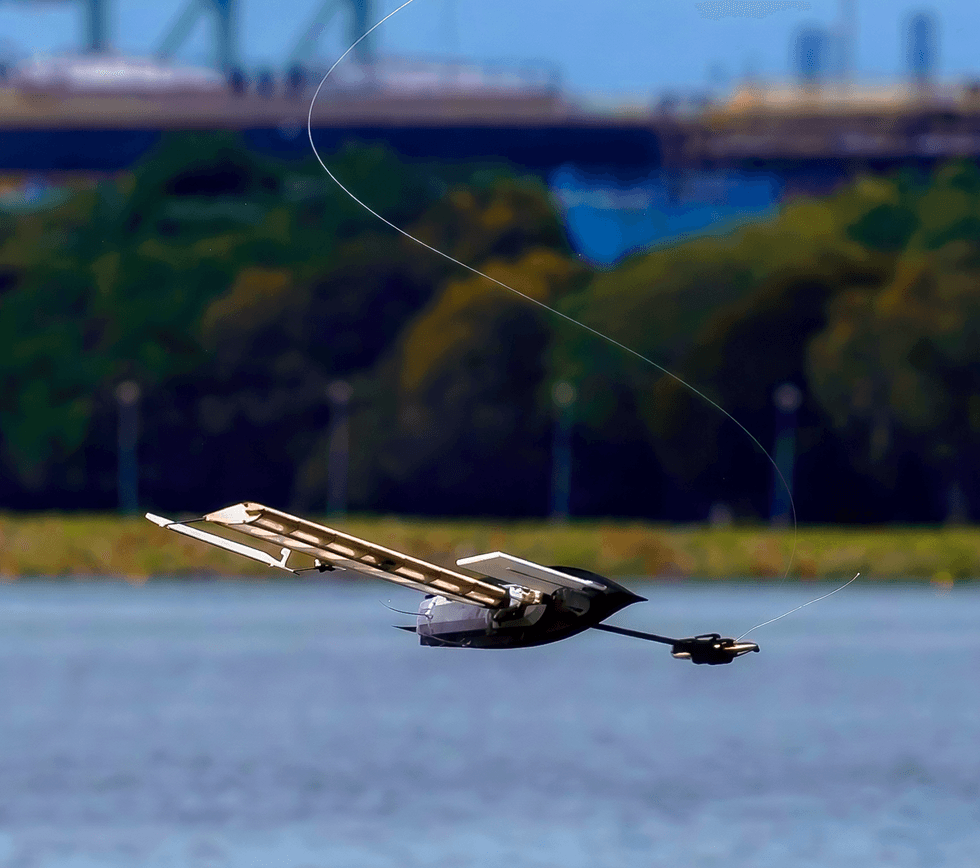
The Singapore University of Technology and Design has developed ALBATROSS, a hybrid aerial-marine robot capable of autorotating down to water without a parachute and self-righting after landing. This innovative design allows the same rigid wings to be used for both aerial descent and wind-powered sailing, minimizing the need for separate systems.
This advancement is significant as it combines rapid aerial deployment with energy-efficient marine sensing, potentially transforming how robotic platforms operate in diverse environments. The integration of aerial and marine capabilities could lead to enhanced efficiency in various applications, including environmental monitoring and disaster response.
Looking ahead, the focus will be on the potential applications of ALBATROSS in real-world scenarios, particularly in marine environments. No further timeline was disclosed at the time of publication.
Editor's Note
The development of hybrid robots like ALBATROSS highlights a growing trend in robotics where multifunctional capabilities are prioritized. This approach not only enhances operational efficiency but also addresses the challenges of deploying separate systems for different environments. As industries increasingly seek versatile solutions, the integration of aerial and marine functionalities could reshape applications in environmental monitoring and disaster response.
Copyright Notice
This briefing is an independently written summary based on publicly available reporting and is provided for industry information and news discovery. The original report and source publication are credited and linked where applicable. RobotToday does not claim ownership of third-party source material.
Rights concerns? If you believe any material in this briefing infringes your copyright or other rights, please contact [email protected] with the relevant URL and details. We will review the matter and take appropriate action where warranted.




























Leave a comment