

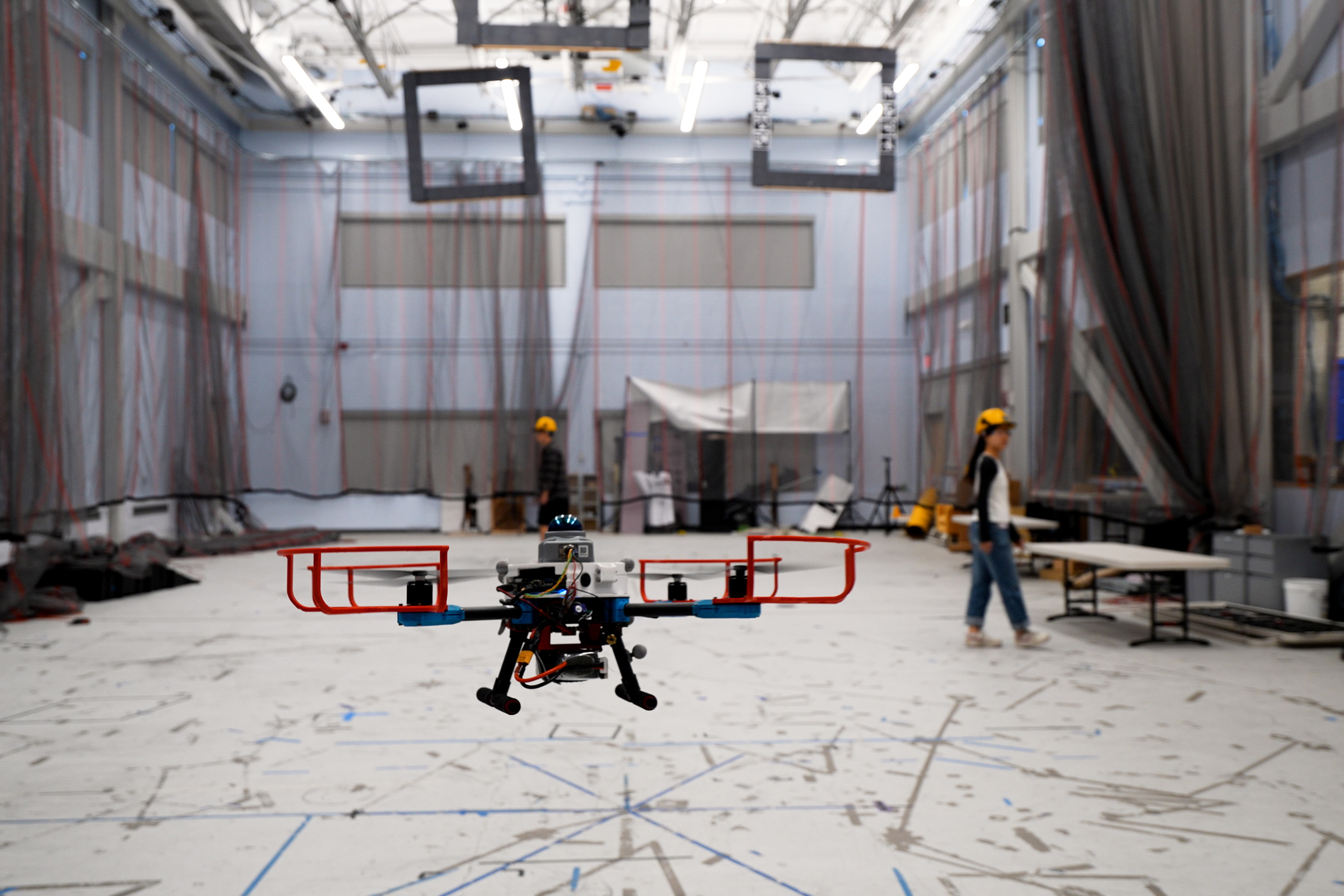
MIT researchers have developed an autonomous navigation system named SANDO, designed for uncrewed aerial vehicles (UAVs) to navigate safely in unpredictable environments. This system ensures that UAVs can avoid collisions with unknown moving obstacles, which is crucial in high-risk scenarios like search and rescue missions or disaster response.
The significance of SANDO lies in its ability to provide formal safety guarantees in dynamic environments, where traditional navigation systems fall short. Unlike existing planners that only work in static settings or lack formal guarantees, SANDO uses a mathematical approach to ensure collision avoidance, making it particularly valuable for applications requiring real-time adaptability.
Looking ahead, the potential applications for SANDO are vast, including emergency medical supply deliveries and exploration in hazardous areas. As the technology matures, it could revolutionize how UAVs operate in complex environments, enhancing safety and efficiency. No further timeline was disclosed at the time of publication.
Editor's Note
The development of SANDO by MIT researchers highlights a significant advancement in UAV navigation technology. As industries increasingly rely on drones for critical operations, the ability to navigate safely in dynamic environments could reshape applications in emergency response, logistics, and exploration. This innovation may drive further investment and interest in autonomous systems capable of operating in unpredictable conditions.
Copyright Notice
This briefing is an independently written summary based on publicly available reporting and is provided for industry information and news discovery. The original report and source publication are credited and linked where applicable. RobotToday does not claim ownership of third-party source material.
Rights concerns? If you believe any material in this briefing infringes your copyright or other rights, please contact [email protected] with the relevant URL and details. We will review the matter and take appropriate action where warranted.































Leave a comment