Industry Briefing
A single destination for timely, editor-curated robotics news from around the world.

Minerva Humanoids Secures $10M Funding to Develop Robots for Hazardous Environments
Minerva Humanoids has emerged from stealth mode, announcing approximately $10 million in pre-seed funding aimed at developing semi-autonomous humanoid robots for hazardous work environments. The funding round was led by General Catalyst, with Long Journey Ventures and Credo Ventures as co-leads, and will support advancements in robot hardware and AI systems as the company prepares for its initial paid pilots this fall. The significance of this funding lies in Minerva's focus on enhancing safety in high-risk sectors such as energy operations, public safety, and explosive ordnance disposal. The company's first robot, Roger, is designed to allow trained specialists to perform dangerous tasks remotely, minimizing the need for human presence in hazardous areas. This approach aims to improve efficiency and safety in operations where traditional robots may fall short. Looking ahead, Minerva plans to produce its robots in both the U.S. and Germany, while avoiding reliance on single-source Chinese components. The company is also exploring partnerships with academic institutions to address challenges in hazardous environments. No further timeline was disclosed at the time of publication.
AI Funding & Investment Business & Markets Humanoids Physical AI AI Chaotica
Realbotix to Showcase Humanoid Robots and AI at Silicon Valley Humanoids Summit
Realbotix Corp. will exhibit its humanoid robots, conversational AI, and Vision technology at the Humanoids Summit in Silicon Valley on December 1-2, 2026. This event is significant as it highlights advancements in humanoid robotics and AI systems, showcasing Realbotix's leadership in the field. The demonstration at the summit is crucial for Realbotix, as it provides an opportunity to engage with industry professionals and showcase their innovative technologies. The event will allow attendees to experience firsthand the capabilities of Realbotix's humanoid robots and AI systems, reinforcing the company's position in the competitive landscape of robotics. Looking ahead, the Humanoids Summit will serve as a platform for Realbotix to connect with potential partners and investors. No further timeline was disclosed at the time of publication.
U.S. Army Trials Military Humanoids Amid Diverse Development Stages and Ambitions
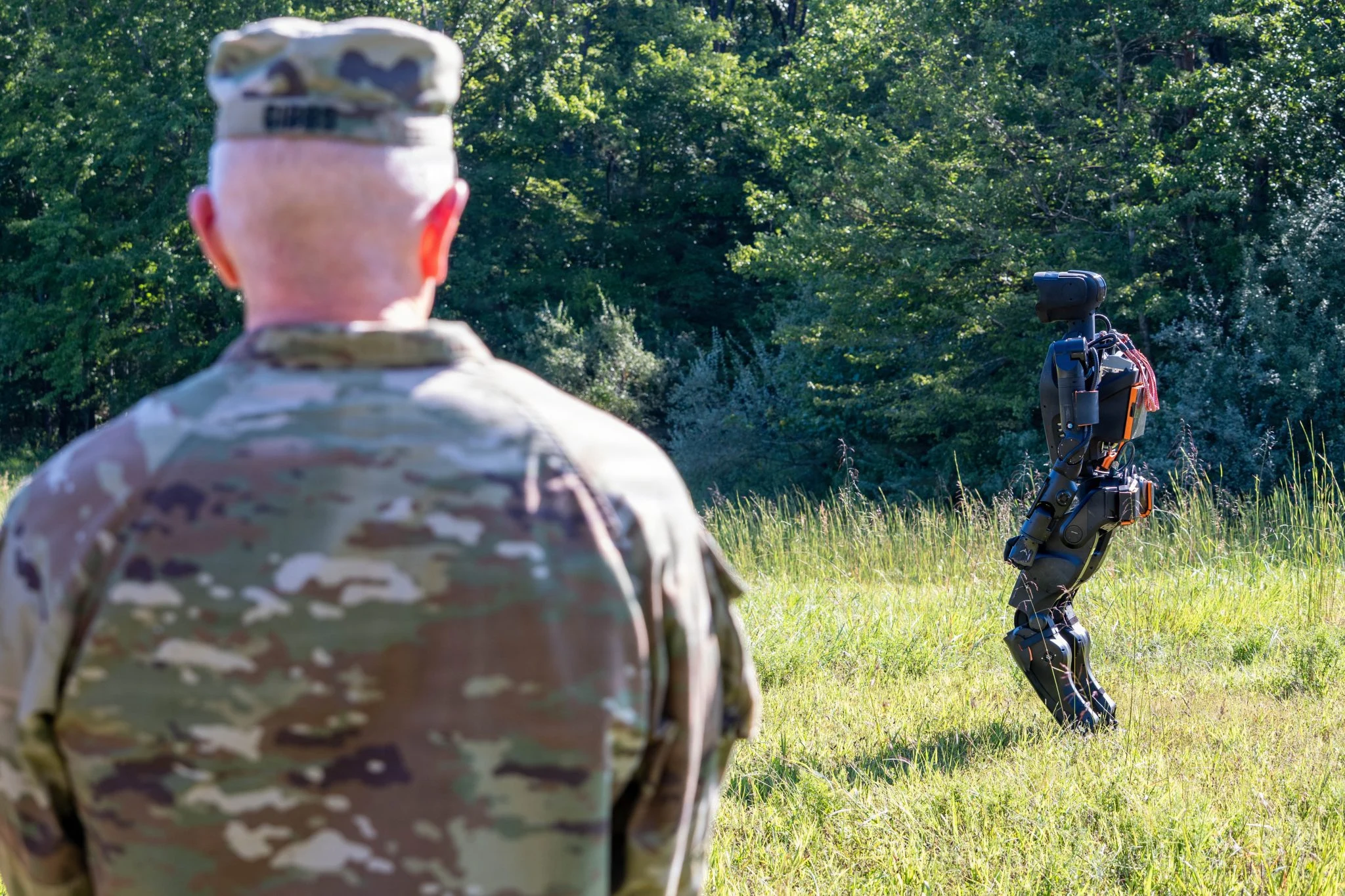
The U.S. Army has concluded a competition showcasing military humanoid robotics, with various developers from the U.S. and Poland presenting their innovations. IHMC's Alex emerged as a winner, demonstrating advanced capabilities in resilience and autonomy. However, the competition revealed a wide gap in development stages among entrants, highlighting the challenges in transitioning from ambitious concepts to practical deployment. This competition, known as xTechHumanoid, received 103 submissions, with ten finalists demonstrating their technologies at Marine Corps Base Quantico. While IHMC's Alex was recognized for its hybrid autonomy and robust design, other entrants like Vision One and Si Robotics are still refining their products. The varying stages of development underscore the complexities of integrating humanoid robots into military operations, where energy, sensing, and control technologies are crucial. Looking ahead, the focus will be on how these technologies evolve and whether they can meet military needs effectively. IHMC's ongoing development contract with the Office of Naval Research and the ambitions of other companies like Vision One and Si Robotics will be critical in shaping the future of military humanoids. No further timeline was disclosed at the time of publication.
Skylark Labs Foundation IHMC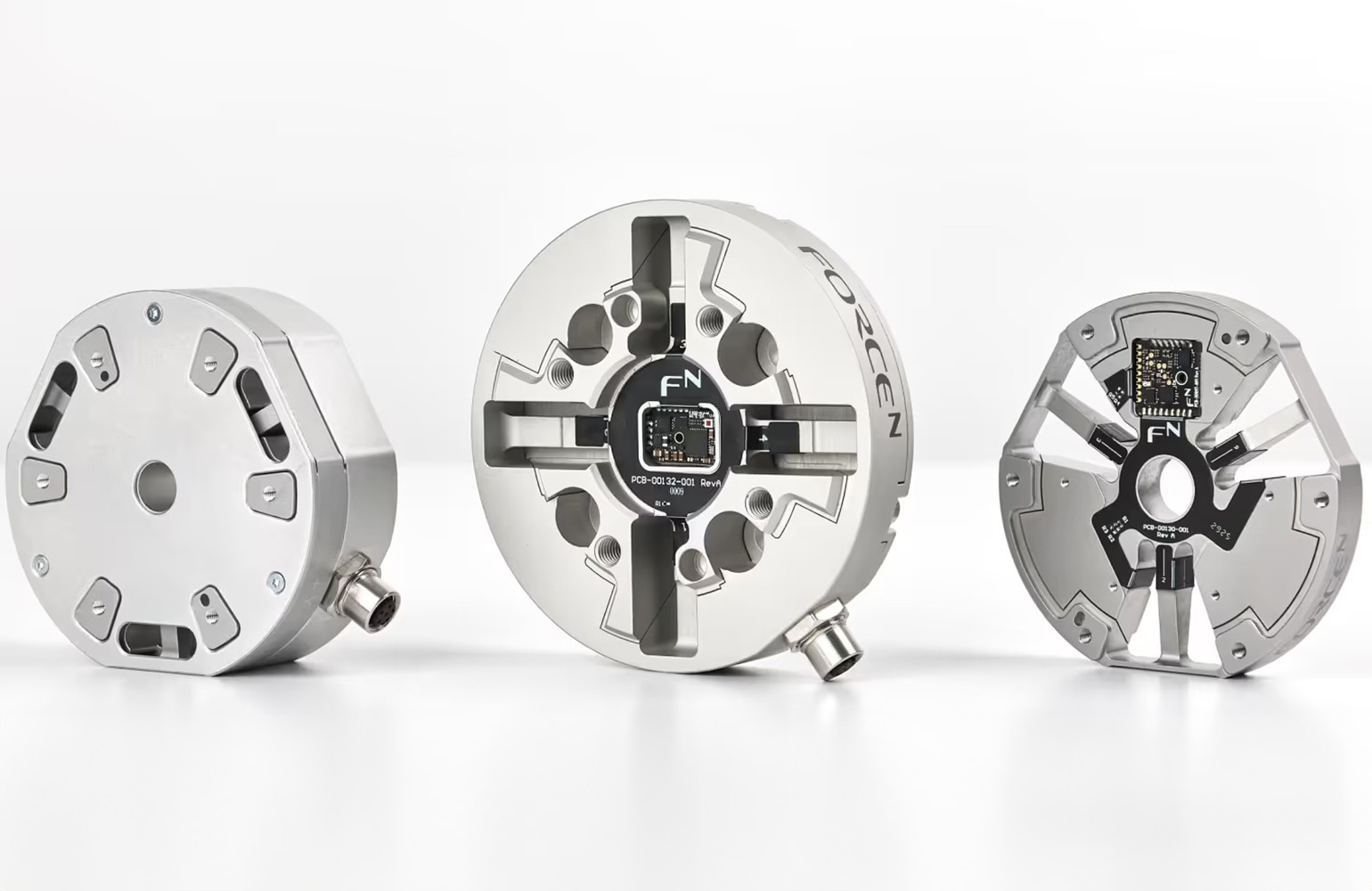
ForceN to Present on Force and Torque Sensing for Humanoids at RoboBusiness 2026
ForceN, a provider of force torque sensors, will showcase its technology at RoboBusiness 2026. CEO Robert Brooks will deliver a presentation titled 'A Crash Course in Force & Torque Sensing for Humanoids' on October 20, focusing on the importance of these sensors for humanoid robots in industrial applications. The significance of force torque sensors lies in their ability to provide robots with a sense of touch, enabling them to handle a variety of objects with precision. Brooks will share insights from his extensive experience with leading humanoid companies, emphasizing best practices for integrating these sensors into robotic systems to enhance their functionality and safety. Attendees can expect to learn about the latest advancements in force and torque sensing technology and its applications across various sectors, including surgical and logistics robotics. No further timeline was disclosed at the time of publication.
Events Healthcare Robotics Humanoids News Robots / Platforms Sensors / Sensing Systems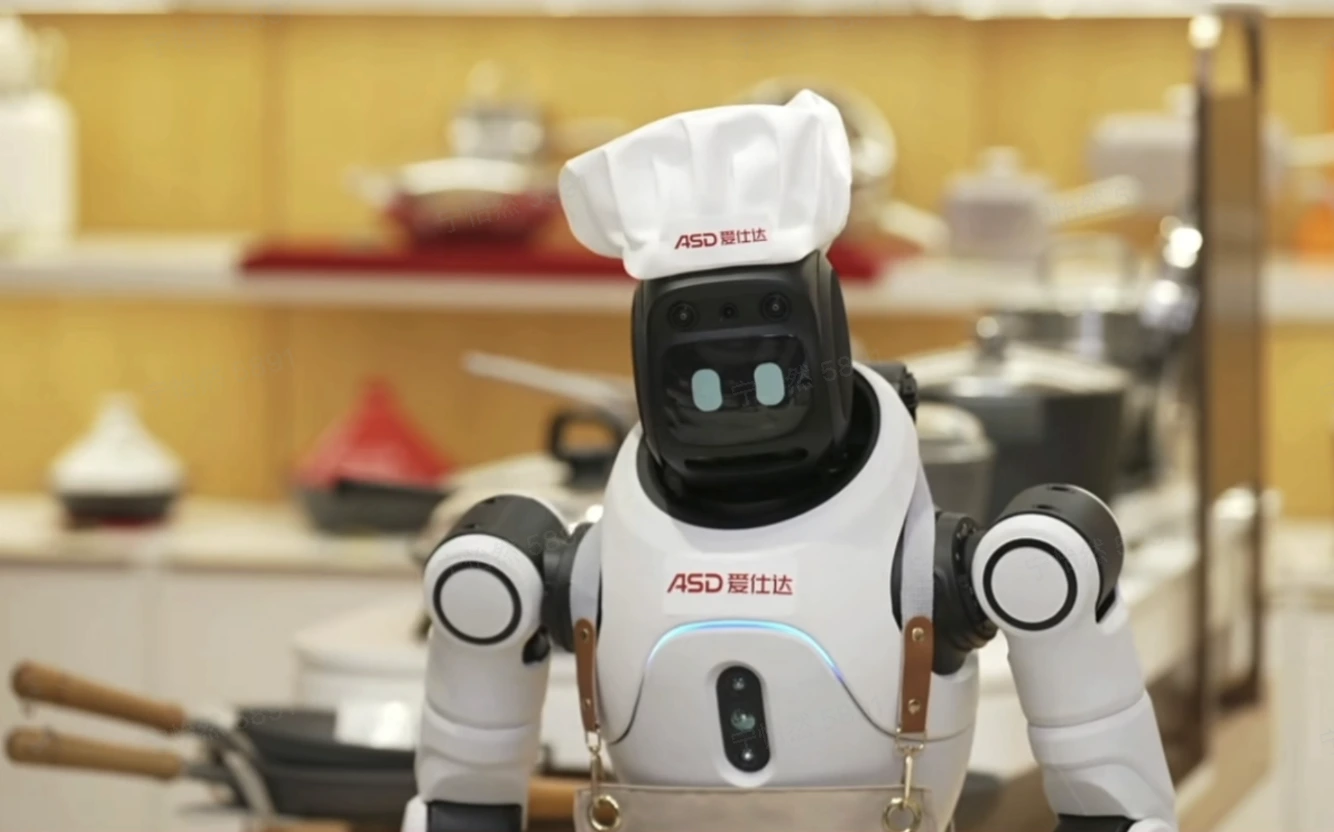
AGIBOT Deploys 100 X2 Humanoids in 100 ASD Retail Stores Across China
AGIBOT has announced the deployment of 100 X2 humanoid robots across 100 ASD retail stores in China, enhancing customer interaction in cookware sales. These robots assist shoppers by discussing their needs and recommending products, while also being integrated into a three-day livestream event. This initiative marks AGIBOT's continued expansion into public-facing roles, following their recent deployment at Chimelong theme park. The significance of this deployment lies in AGIBOT's strategy to integrate humanoid robots into everyday retail environments, allowing for a more interactive shopping experience. The X2 robots engage with customers by asking about household size, cooking habits, and budget, thereby personalizing product recommendations. This approach not only showcases the capabilities of humanoid robots but also emphasizes the importance of human staff in completing transactions, as the robots hand off to human associates for specific inquiries. Looking ahead, the livestream event, running from September 28 to September 30, will provide insights into how these humanoids interact with customers in real-time. While the deployment highlights AGIBOT's innovative approach to retail, it remains to be seen how effectively the robots will operate across all locations and how they will manage customer interactions without constant human support. No further timeline was disclosed at the time of publication.
China AGIBOT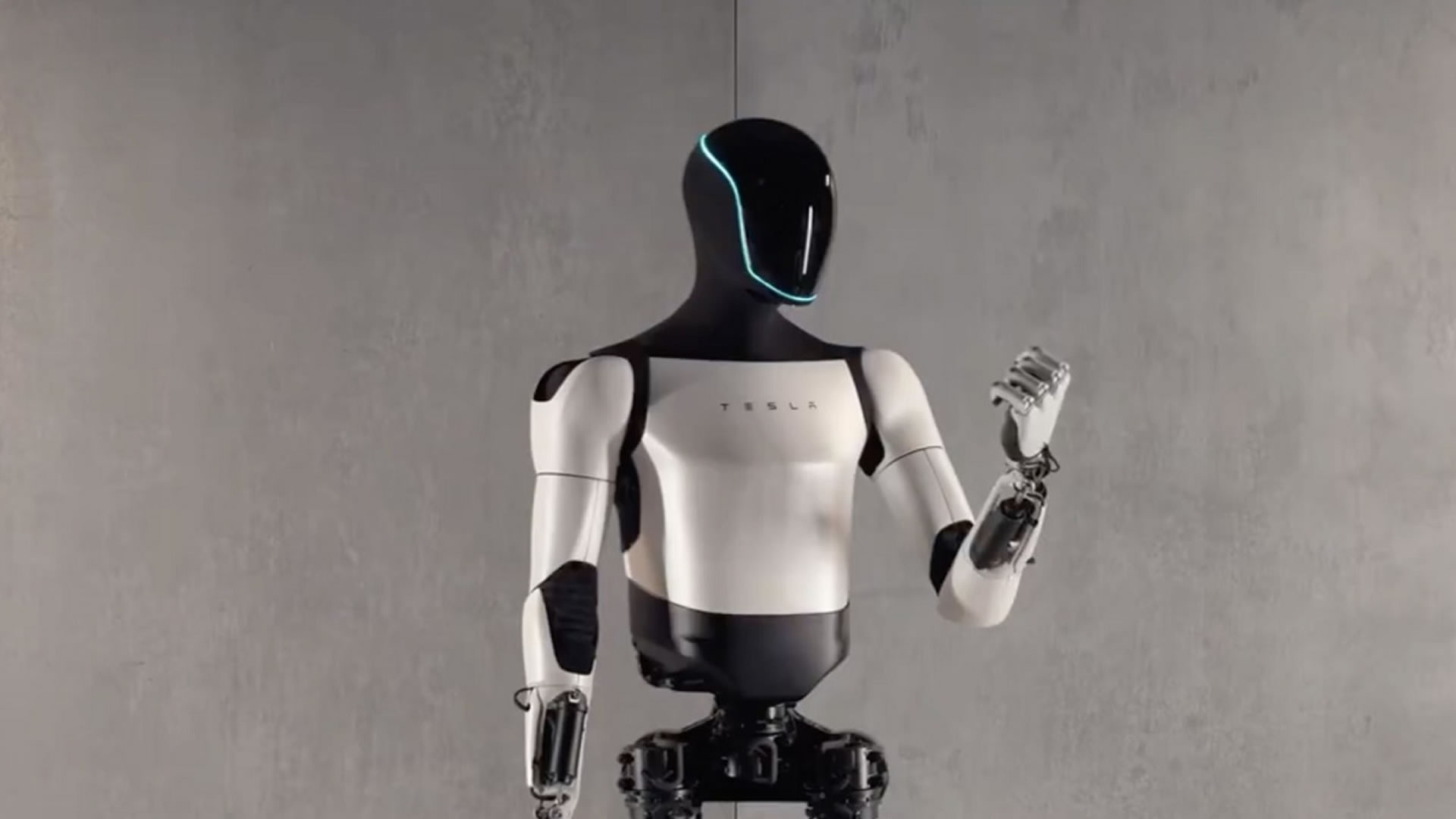
Tesla Aims for 1,000 Weekly Production of Optimus Humanoids Amid Task Challenges
Tesla has announced its capability to produce hundreds of Optimus humanoid robots, marking a tenfold increase from Q2 2026 levels. If production trends continue, the company expects to reach a weekly output of 1,000 units by the end of the year. However, despite this increase in production, Tesla has acknowledged that the Optimus robots still struggle with performing generalized tasks effectively. The significance of this development lies in the fact that while production volume is increasing, the robots' ability to handle diverse tasks remains limited. Tesla's Optimus robots require extensive training to adapt to new tasks, which hampers their utility in industrial applications. The company aims for these robots to perform simple commands autonomously, similar to human workers, but current capabilities fall short of this goal. Looking ahead, Tesla is working on creating a library of fundamental behaviors to enhance the AI capabilities of Optimus. The company has gathered over 500,000 hours of training data to improve task performance. However, mechanical challenges, particularly with the complexity of Optimus' hands, continue to pose significant hurdles for the rollout of these humanoid robots. No further timeline was disclosed at the time of publication.
AI and Robotics Innovation
RLWRLD Unveils 'Deployment-First' Strategy for Industrial Humanoids at Humanoids Summit 2026
RLWRLD, a physical AI company, showcased its 'Deployment-First' strategy at the Humanoids Summit Seoul 2026, held from September 22 to 23. The company emphasized the importance of real-world industrial deployment in advancing robotic dexterity, a critical capability for humanoid robots in various industrial applications. This strategy is significant as it allows RLWRLD to gather valuable data from actual industrial environments, which can enhance the dexterous manipulation capabilities of its robots. By prioritizing deployment over traditional research methods, RLWRLD aims to create a reinforcing cycle of technology improvement and application in diverse industrial settings. Looking ahead, RLWRLD's approach could influence how other companies develop and deploy humanoid robots in the industry. The emphasis on real-world applications may lead to faster advancements in robotic capabilities. No further timeline was disclosed at the time of publication.
Computing Events Features artificial intelligence cj logistics dexterous manipulation
RoboBusiness 2026 to Feature 'State of Humanoids' Keynote with Industry Leaders
At RoboBusiness 2026, the 'State of Humanoids' keynote will gather leaders from Agility, Apptronik, Persona AI, and PSYONIC to discuss the current state of humanoid robotics. This session aims to provide insights into the practical applications of humanoids in various industrial sectors, moving beyond mere demonstrations to real-world implementations. The significance of this keynote lies in its focus on the evolving role of humanoid robots in manufacturing, warehousing, and logistics. With substantial investments and high expectations surrounding humanoid technology, understanding its current capabilities and challenges is crucial for stakeholders in the robotics and automation sectors. Attendees can anticipate a comprehensive discussion on the operational hurdles and safety standards that must be addressed for broader adoption of humanoids. The session will be moderated by Mike Oitzman and will take place on October 21, marking the beginning of Day 2 at RoboBusiness.
Artificial Intelligence / Cognition Events Humanoids News Agility Robotics Apptronik
Brett Adcock Predicts Humanoids Will Require More Data and Compute Than LLMs
Figure CEO Brett Adcock has stated that scaling humanoid robots will necessitate hundreds of billions of dollars in investment and more data and computational power than large language models (LLMs). In a recent interview, he outlined a four-stage development process for humanoids, emphasizing the need for capable hardware and advanced AI control architecture. Adcock's insights highlight the significant engineering challenges involved in expanding humanoid intelligence and production capabilities. He argues that simply providing a large budget to an inexperienced team will not guarantee success, drawing parallels to the complexities of developing orbital rockets. The focus is on ensuring that the robot's architecture functions effectively before investing in training data and compute resources. Looking ahead, Adcock predicts that the requirements for training data and computation in humanoids will exceed those of LLMs, although he did not provide specific quantitative comparisons. Figure's response to the data challenge includes its Index project, aimed at collecting high-quality recordings of physical tasks, which was initiated after finding external data sources inadequate.
Figure AI manufacturing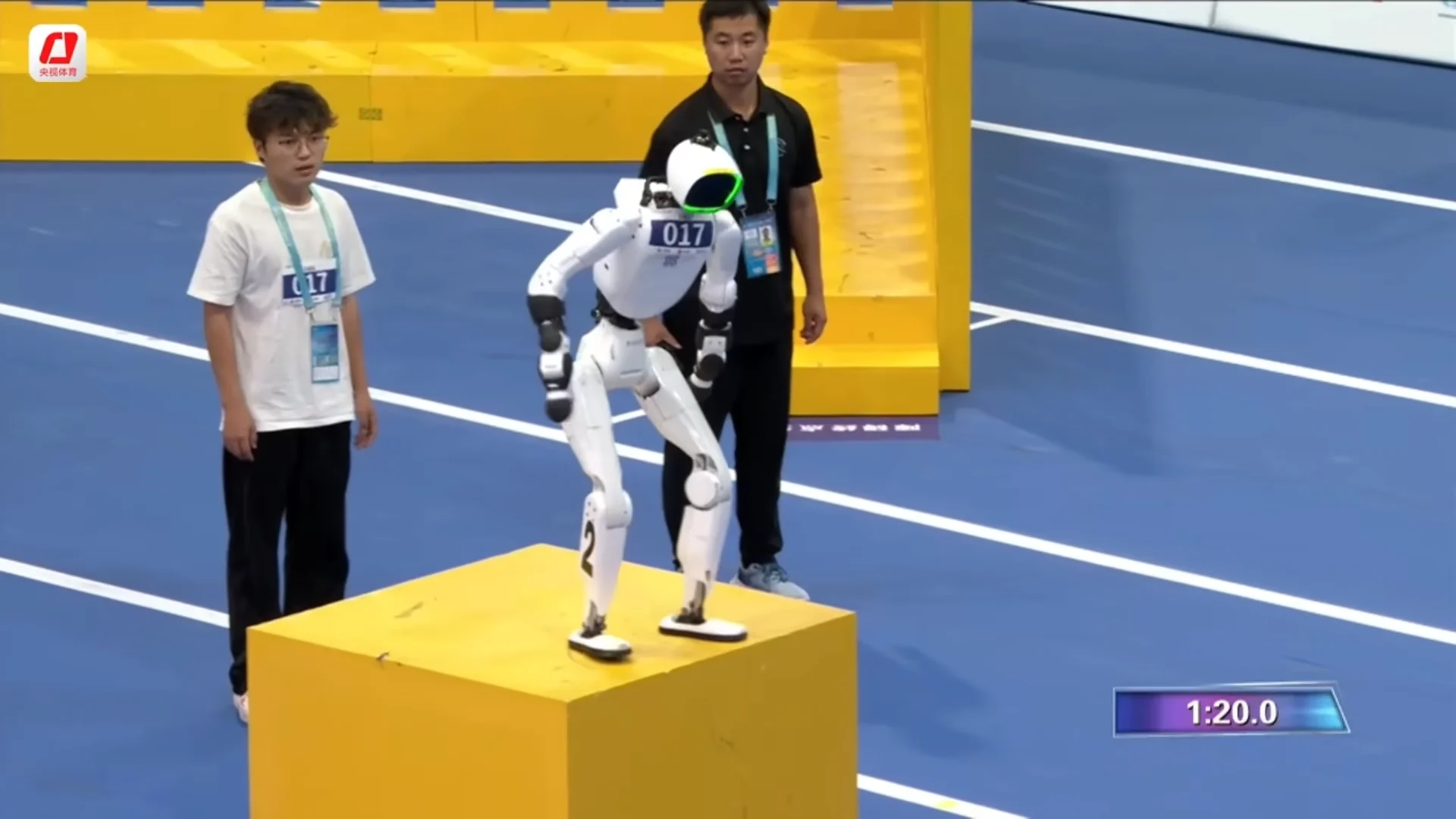
Beijing to Host Robot Warrior Challenge for Humanoids in October 2026
Beijing is set to host the 2026 Robot Warrior Challenge Fall Competition on October 17–18, where robots will be tested on practical capabilities such as opening doors, closing valves, and navigating disaster-style obstacles. According to Global Times, 24 teams have registered to participate in 14 challenges that include emergency rescue, industrial inspection, and urban management tasks. This competition is significant as it aims to assess the practical applications of humanoid robots in real-world scenarios, such as simulated explosive-hazard handling and firefighting. The event will feature six categories that differentiate between humanoids, quadrupeds, and wheeled quadrupeds, focusing on both remote operation and autonomous navigation. The outcomes will provide insights into the robots' abilities to perform complex tasks and the level of human intervention required. Following a previous competition in April, which tested locomotion and obstacle navigation, the upcoming event will further evaluate the reliability of robots in unfamiliar and potentially hazardous environments. No further timeline was disclosed at the time of publication.
China
UBTECH Initiates Mass Deliveries of UWorld U1 Companion Humanoids to Chinese Customers
UBTECH has commenced the mass delivery of its UWorld U1 Lite, Pro, and Ultra companion humanoids to customers in China. This follows a successful launch in June, during which the company received over 13,000 orders for these humanoid robots. The significance of this delivery lies in the growing demand for humanoid robots in various sectors, particularly in China, where technology adoption is rapidly increasing. The UWorld U1 series aims to cater to diverse applications, enhancing user interaction and support in various environments. Looking ahead, it will be important to monitor UBTECH's ability to fulfill these orders efficiently and the potential impact on the humanoid robotics market. No further timeline was disclosed at the time of publication.
Odyssey Launches Odyssey-3 World Model for Robots, Humanoids, and Drones
Odyssey has unveiled Odyssey-3, a versatile world model designed to control robots, humanoids, autonomous vehicles, and drones using a unified AI system. This autoregressive diffusion transformer is trained on a diverse set of visual observations, allowing it to adapt with minimal task-specific data. The model has been pre-trained to understand physics, motion, and human behavior, enabling developers to create tailored action decoders for various systems. The significance of Odyssey-3 lies in its potential to streamline the training process for humanoid robots. In collaboration with Flexion, Odyssey is exploring how pretraining can minimize the data required for teaching new skills. Flexion has successfully developed control policies for tasks like object manipulation using only a small amount of teleoperation data, demonstrating improved generalization over traditional models. Looking ahead, Odyssey plans to publicly release Odyssey-3 in the coming weeks. The company is also collaborating with Poke & Wiggle to assess the model's adaptability across different robot types and control systems. This initiative could reshape how robots learn and adapt to new environments, enhancing their operational capabilities significantly.
AI AI Funding & Investment Robotics autonomous vehicles Flexion humanoid robotics
Schneider Electric's Andre Marino Warns Humanoids Distract from Core Manufacturing Challenges
Andre Marino, senior vice president of industrial automation for North America at Schneider Electric, cautions that humanoid robots are diverting attention from essential manufacturing issues. He emphasizes the need for manufacturers to focus on the appropriate robotic forms for specific tasks rather than being captivated by humanoid technology. Marino advocates for a broader transformation in the manufacturing sector, highlighting the importance of small and mid-sized companies in driving innovation and attracting talent. Marino's insights come as humanoids advance through AI breakthroughs, yet he notes that their widespread use in production settings remains years away. He points out that while humanoids may mimic human actions, they are not yet capable of performing many tasks effectively. The focus should shift from the allure of humanoid robots to addressing the actual problems manufacturers face and determining the right solutions for those challenges. Looking ahead, Marino suggests that companies must prepare for the next generation of manufacturing by laying the groundwork for greater autonomy. He believes that the transformation of the industry should not be limited to the top 10% of companies, as a strong base of small and mid-sized manufacturers is crucial for attracting new talent to the field. No further timeline was disclosed at the time of publication.
MW Inc. Introduces Homes with Robotic Housekeeping Arms to Compete with Humanoids
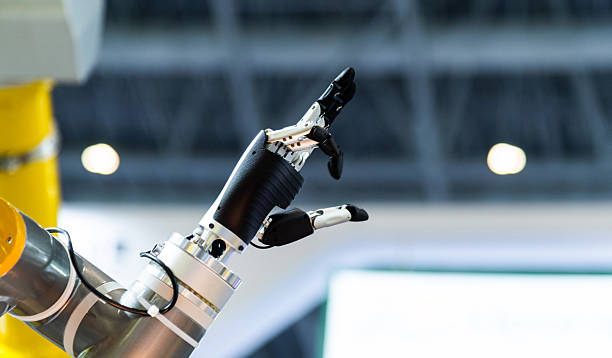
Tokyo-based startup MW Inc. has launched homes equipped with robotic housekeeping arms, positioning itself against the growing trend of humanoid robots. This innovative approach aims to enhance domestic living by integrating advanced robotics directly into residential spaces. The introduction of these homes is significant as it reflects a shift in the robotics market, where traditional humanoid robots are being challenged by more specialized robotic solutions. MW Inc.'s offering could appeal to consumers looking for practical automation in their daily lives, potentially influencing future home design and technology integration. Looking ahead, it will be important to monitor the market response to MW Inc.'s homes and whether this model gains traction among consumers. The success of this initiative may pave the way for further innovations in residential robotics and influence the competitive landscape of home automation technologies. No further timeline was disclosed at the time of publication.
AGIBOT to Discuss Scaling Humanoids from Lab to Real-World at RoboBusiness 2026
AGIBOT will present at RoboBusiness 2026, focusing on the transition of humanoid robots from laboratory settings to real-world applications. Yinghao Song, AGIBOT's North America head, will share insights on overcoming deployment challenges in complex environments during his talk on October 20 at 1:15 p.m. PT. The significance of this presentation lies in addressing the systemic deployment of hardware necessary for executing advanced robotics in various sectors, including automotive and logistics. Song will highlight the importance of bridging the software-hardware gap through modular software stacks and open SDKs, which facilitate the deployment of humanoids and dexterous robotic hands. Attendees can expect to learn about identifying valuable robotics use cases and strategies for scaling in the evolving landscape of embodied AI. No further timeline was disclosed at the time of publication.
Events Humanoids News Robots / Platforms AgiBot
Exploring Wireless Connectivity's Role in Advancing Physical AI and Humanoids
As artificial intelligence transitions from research environments to practical applications in homes, warehouses, and factories, the importance of wireless connectivity has surged. It is now considered as vital to a robot's intelligence as the AI model itself. This shift highlights the necessity for a robust wireless infrastructure that supports low-latency, low-power, and high-speed communication. Such capabilities are essential for enabling embodied AI, which relies on seamless interaction with its environment. Looking ahead, the development of a multi-radio stack will be crucial for the future of physical AI and humanoid robots. The integration of advanced wireless technologies will likely enhance their operational efficiency and responsiveness. No further timeline was disclosed at the time of publication.
UBTECH Reports 104% Revenue Growth in H1 2026 Driven by Full-Size Humanoids
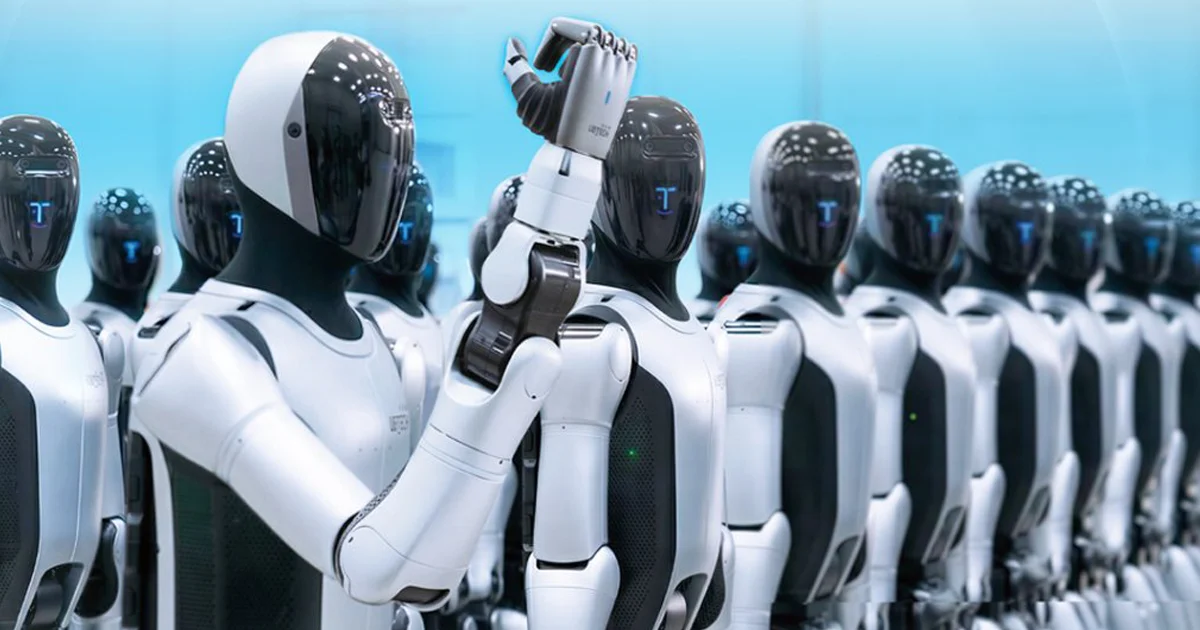
UBTECH Robotics, based in Shenzhen, reported a remarkable 104% increase in revenue for the first half of 2026, reaching RMB 1.27 billion (approximately $188.8 million). This surge is attributed to the growing enterprise adoption of its full-size humanoid platforms, particularly the Embodied Intelligence segment, which saw revenue soar by 1,445% year-over-year. The company’s financial performance reflects a significant transformation from its previous focus on educational and consumer toys to bipedal and embodied systems, which now serve as its primary revenue drivers. Full-size humanoids accounted for 46.5% of UBTECH's total revenue, with shipments increasing nearly twentyfold compared to the same period last year. Looking ahead, UBTECH's operational metrics indicate a positive trend, with gross profit rising by 160.9% and gross margins expanding. However, the company faces challenges as revenue from its legacy product lines continues to decline. No further timeline was disclosed at the time of publication.
Market China UBTECH Robotics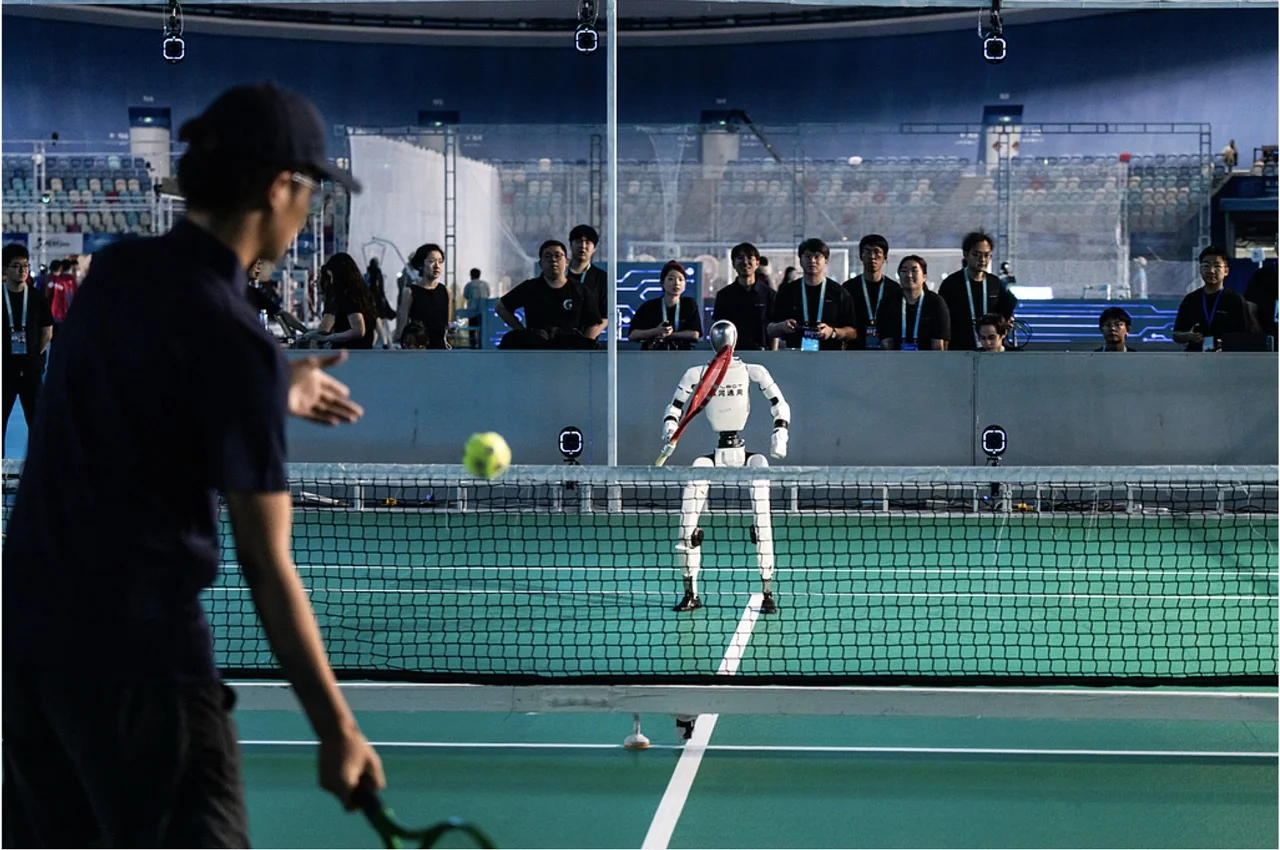
Galbot's Humanoids Achieve Milestone with 100+ Rallies in Live Tennis Match
Galbot, a Beijing-based robotics firm, staged the world's first live autonomous humanoid tennis match during the opening ceremony of the second World Humanoid Robot Games. Their humanoid machines completed over 100 consecutive rallies, showcasing advanced reactive physical intelligence and high-speed robotic locomotion. This achievement is significant as racket sports demand continuous real-time perception and dynamic balance recovery, which are critical benchmarks for physical AI. The event, named 'AstraTennis,' demonstrated the robots' capabilities in serves, returns, and defensive shots, highlighting their ability to adjust tactics in real time while competing alongside human players. Looking ahead, Galbot's performance reflects the scaling of their research efforts, particularly with the introduction of the LATENT framework for training robots. As the company prepares for a potential $4 billion IPO, the demonstration underscores the importance of agile locomotion and robust technology in the competitive landscape of humanoid robotics in China. No further timeline was disclosed at the time of publication.
Galbot China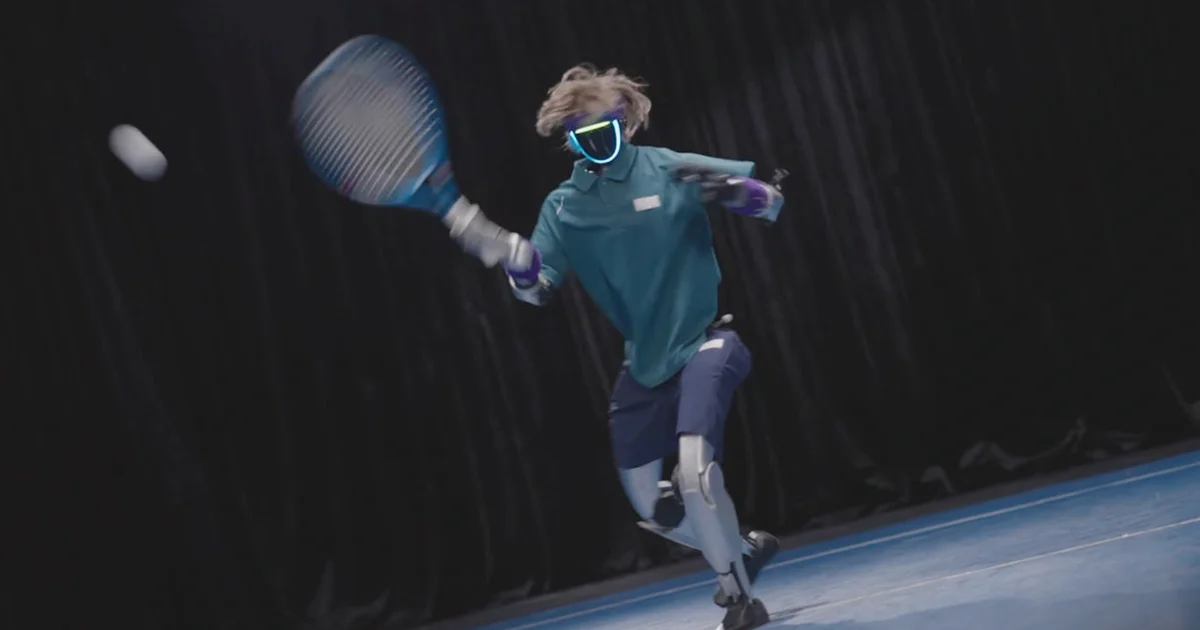
AdaPT Framework Teaches Humanoids Tennis Techniques of Federer, Nadal, and Djokovic
A research collaboration has developed AdaPT, a framework that enables humanoid robots to learn tennis strokes from broadcast footage, mimicking the styles of Roger Federer, Rafael Nadal, and Novak Djokovic. This innovation addresses the complexities of capturing motion data on a tennis court by reconstructing 3D body meshes from video clips, allowing for effective training without expensive motion-capture setups. The significance of AdaPT lies in its ability to replicate elite human biomechanics, which is crucial for efficient energy management and rapid recovery in sports. By employing a decoupled planning-and-tracking hierarchy, AdaPT overcomes challenges associated with sim-to-real degradation, ensuring that humanoid robots can perform with both style and precision during dynamic racket sports. Future developments to watch include further enhancements to the AdaPT framework and its application in real-world scenarios. The research team has demonstrated substantial improvements in performance using the Unitree G1 and Dobot Atom humanoids, indicating promising advancements in the field of dynamic humanoid robotics.
Dobot Robotics China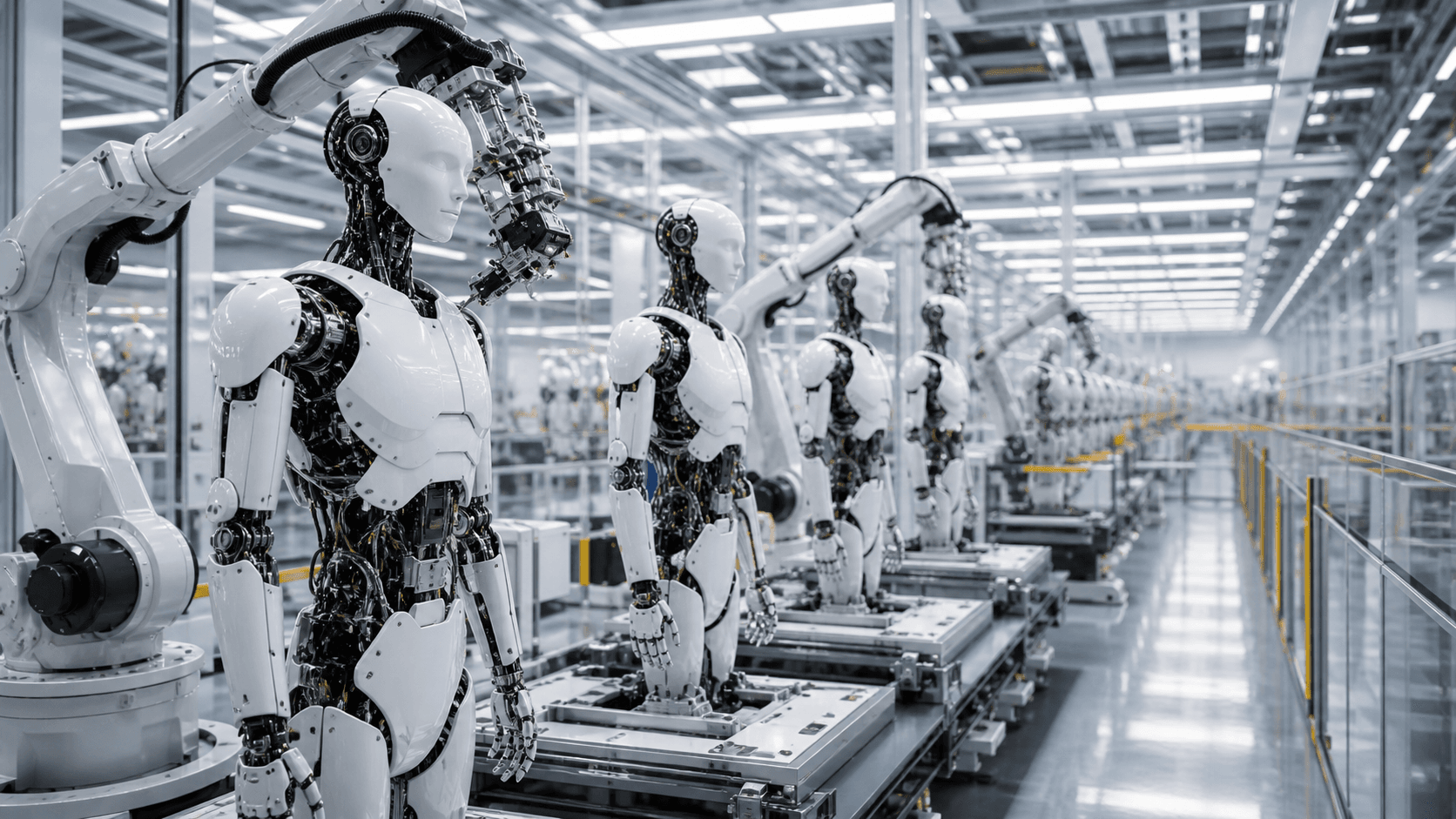
Unitree Achieves 18,000 Bipedal Humanoids, Leading China's Robotics Market
Unitree has announced that it has reached a cumulative production of 18,000 bipedal humanoid robots as of July 2026, establishing itself as the leader in the pure bipedal robotics sector. This significant milestone highlights the company's dominance over competitors, with AgiBot producing 7,000 pure bipedal humanoids out of a total of 15,000 all-category humanoids, while UBTECH and Galbot lag behind with approximately 3,000 and 1,000 units, respectively. The achievement underscores Unitree's strong position in the rapidly evolving robotics market in China, where the demand for advanced humanoid robots is growing. The clear production gap between Unitree and its competitors indicates not only the company's technological advancements but also its effective market strategies that have allowed it to capture a significant share of the bipedal robot segment. Looking ahead, the robotics industry will be keen to observe how Unitree maintains its lead and whether AgiBot, UBTECH, and Galbot can close the gap. No further timeline was disclosed at the time of publication.

Figure CEO Brett Adcock Highlights ROI from Humanoids Amid Labor Shortages
Brett Adcock, CEO of Figure AI, asserts that humanoid robots are already providing return on investment as companies face severe labor shortages. In a recent podcast, he emphasized that the focus has shifted from merely proving hardware functionality to addressing critical workforce needs for enterprise clients. Adcock pointed out that while many companies are increasing production, the real challenge lies in developing intelligent robotic systems rather than just mass-producing hardware. He compared unintelligent robots to early consumer drones, which were often difficult to operate and quickly abandoned, highlighting the importance of achieving human-level intelligence in robots. Figure has recently celebrated the completion of its 1,000th engineering validation test robot for the Figure 03 generation, marking a significant milestone for the $39 billion startup. Adcock noted that the modularity of humanoid components makes scaling production easier compared to automobile manufacturing, allowing Figure to deploy robots to its commercial customers effectively.
Brett Adcock US Figure Figure-03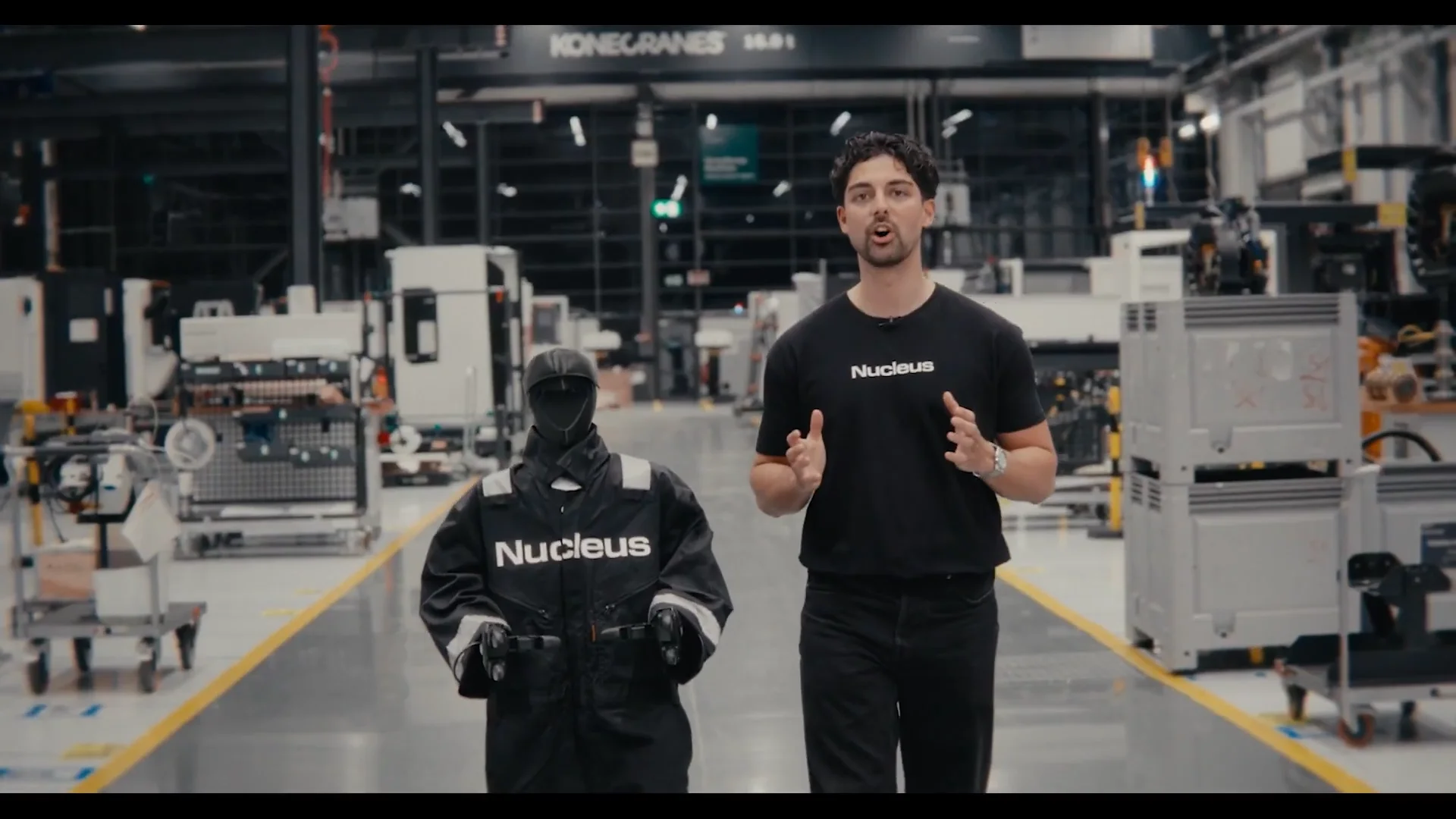
Nucleus Launches Teleoperated Humanoids in Factories, Achieving Deployment in Under 90 Days
Nucleus, a European startup, has emerged from stealth mode to announce the deployment of humanoid robots in a factory setting in Germany within 90 days. This initiative marks a significant shift in the robotics industry, which has been focused on achieving full autonomy. Nucleus aims to address labor shortages by leveraging teleoperation and supervised deployment, allowing humanoids to perform useful tasks from day one. The company's approach contrasts with the industry's tendency to wait for complete autonomy before deploying robots. Nucleus co-founder Melvin Schwarz emphasized the importance of early deployment and heavy supervision, drawing parallels to data-gathering strategies used by Tesla and Waymo in autonomous driving. By actively managing the robots in real-world tasks, Nucleus not only provides immediate value to clients but also collects valuable training data that cannot be easily replicated. Looking ahead, Nucleus plans to continue refining its deployment strategies while addressing logistical challenges faced by clients. The company utilizes Unitree G1 humanoid platforms for its operations, but acknowledges that off-the-shelf hardware often falls short in complex factory environments. No further timeline was disclosed at the time of publication.
Europe Nucleus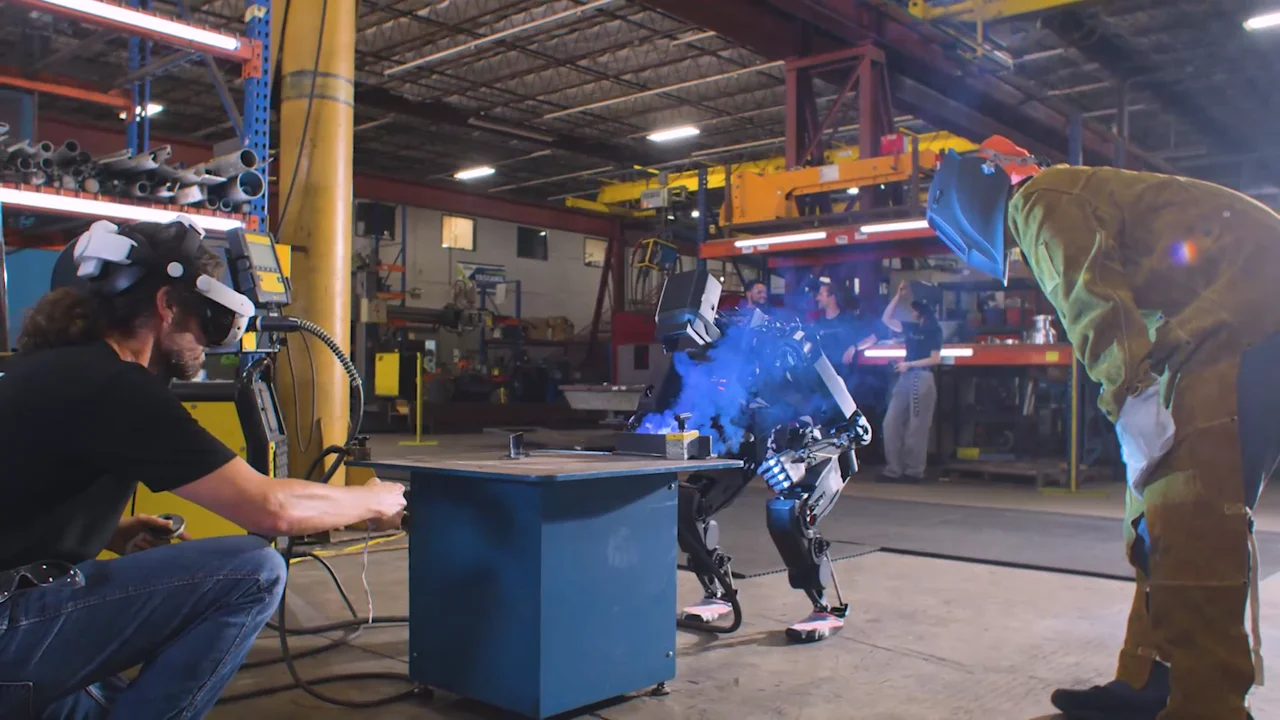
Persona AI's Humanoids Arrive in Korea After Successful Welding Demonstration
Persona AI, a Houston-based robotics firm, has announced the arrival of its humanoid robots in South Korea for early integration work. CEO Nicolaus Radford confirmed that the deployment aligns with the company’s partnership with HD Hyundai, focusing on bipedal welding robots for the shipbuilding sector. The Gen 3 deliveries are expected by the end of the year. This deployment follows a successful proof-of-concept demonstration conducted earlier this summer at ARC Specialties in Houston, where a Gen 1 humanoid robot executed a functional weld in a live industrial environment. The robot showcased advanced capabilities by performing the task without safety tethers, validating its actuation and kinematics in unstructured settings. Looking ahead, Persona AI aims to leverage the data collected during teleoperated movements to enhance its neural networks, paving the way for fully autonomous welding operations. The company’s rapid progress in functional manipulation and international hardware deployment highlights its significant development velocity in the robotics sector. No further timeline was disclosed at the time of publication.
US South Korea Persona AI
Walden Robotics Secures $300 Million Funding to Develop Practical Humanoids with Toyota
Walden Robotics has emerged from stealth with $300 million in funding and a valuation of $1.1 billion. As a spinout from the Toyota Research Institute, the company aims to transition from research to real-world applications in humanoid robotics, focusing on practical solutions rather than purely humanoid designs. The partnership with Toyota emphasizes a people-first approach, prioritizing improvements in quality of life over immediate profit. Walden Robotics plans to target manufacturing and logistics environments, where robots can handle repetitive tasks, thereby allowing skilled workers to focus on more complex responsibilities. Looking ahead, Walden Robotics aims to carve out a niche in the competitive landscape of humanoid robotics by leveraging its wheeled design for stability and safety. No further timeline was disclosed at the time of publication.
Humanoid-robots Robotics Toyota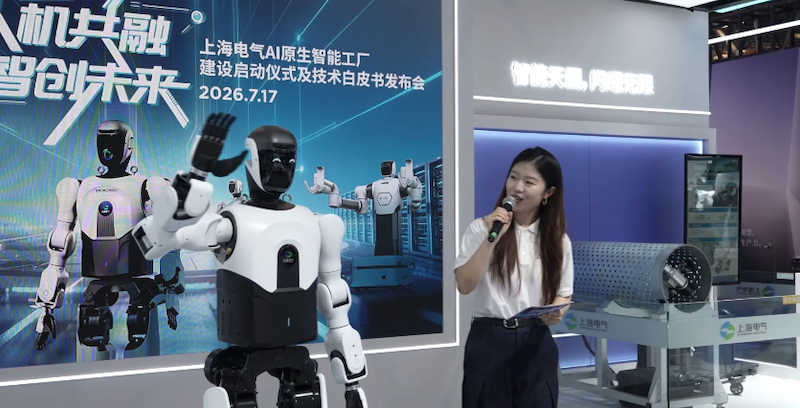
Shanghai Electric Showcases Humanoids, Industrial Robots, and AI Smart Factory Innovations
At the 2026 World Artificial Intelligence Conference, Shanghai Electric presented its advanced embodied intelligence solutions for industrial applications. The company emphasized its capabilities in embodied AI robots, core components, and AI-native smart factory technologies, showcasing a comprehensive portfolio designed for various industrial scenarios. This development is significant as it highlights the integration of machine precision with human expertise, aiming to enhance collaboration in manufacturing processes. Shanghai Electric's robotics solutions address critical tasks such as connector insertion, intelligent assembly, and flexible sorting, showcasing innovations like the planetary roller screw and DexHand dexterous hand. Looking ahead, Shanghai Electric's launch of 51 AI models under the “StarCloud Intelligent Manufacturing” series marks a shift towards data-driven operations in manufacturing. The release of the “AI-Native Smart Factory Technology White Paper” outlines a new architecture for real-time production optimization, indicating a transformative approach to industrial automation. No further timeline was disclosed at the time of publication.
Artificial Intelligence Robotics AI-native smart factory embodied ai humanoid robots industrial ai
U.S. Government Prohibits Import of Foreign-Made Humanoids and Robot Dogs Over Security Concerns
The Trump administration has enacted a ban on the import of new foreign-made humanoid robots, robot dogs, and power inverters, citing significant national security risks. This decision primarily impacts imports from China, which dominates the global market share in these technologies. The U.S. Federal Communications Commission (FCC) announced the ban, expressing concerns that foreign-made devices could be exploited for surveillance or cyberattacks by foreign governments. Exceptions may be granted if a device is deemed safe for U.S. national security. The ongoing tensions between the U.S. and China, particularly regarding cybersecurity and data theft, underscore the importance of this ban. Looking ahead, the implications of this ban could affect future technological collaborations and trade relations between the U.S. and China. No further timeline was disclosed at the time of publication.
Robotics Security cybersecurity Trump Administration
FCC to Impose Ban on Chinese Humanoids Amid National Security Concerns
The Trump administration is set to announce new bans on the importation of Chinese-made humanoid and quadruped robots, as reported by U.S. officials. The Federal Communications Commission (FCC) will implement these restrictions to safeguard U.S. AI development from potential national security threats, including data breaches and cyber sabotage. This move is significant as it reflects a growing geopolitical divide impacting the robotics industry, with domestic manufacturers supporting protective measures against heavily subsidized Chinese imports. The impending ban particularly targets Unitree Robotics, a leading player in the humanoid sector, which controls nearly 20% of the global market share. Looking ahead, the FCC's new regulations will affect models not yet released, but the agency can also revoke existing sales authorizations. This situation poses challenges for American AI labs, which may struggle to find domestic hardware alternatives. No further timeline was disclosed at the time of publication.
1X Technologies Unitree Robotics US GUARD China Geo political
Congress Debates GUARD Act Amid Divisions Over Chinese Humanoids and National Security
This week, U.S. lawmakers intensified discussions surrounding the GUARD Act, a bipartisan bill aimed at enforcing strict security reviews for humanoid and quadruped robots from foreign adversaries. The legislation has ignited a significant divide within the U.S. tech community, balancing national security concerns against the realities of global research and innovation. Proponents argue that the rise of Chinese humanoids poses serious threats to both economic stability and cybersecurity. Michael Robbins, President and CEO of AUVSI, highlighted that Chinese firms dominate approximately 90% of global humanoid shipments, drawing parallels to the U.S. drone market's capture by DJI. This situation raises alarms about potential surveillance capabilities of compromised robots within critical infrastructure. As the GUARD Act gains traction, industry leaders like Peggy Johnson, CEO of Agility, advocate for its passage to safeguard foundational technologies from falling into adversarial hands. The ongoing debate will likely shape the future landscape of robotics and AI, with significant implications for domestic manufacturers and national security. No further timeline was disclosed at the time of publication.
Unitree Robotics US GUARD China Agility Robotics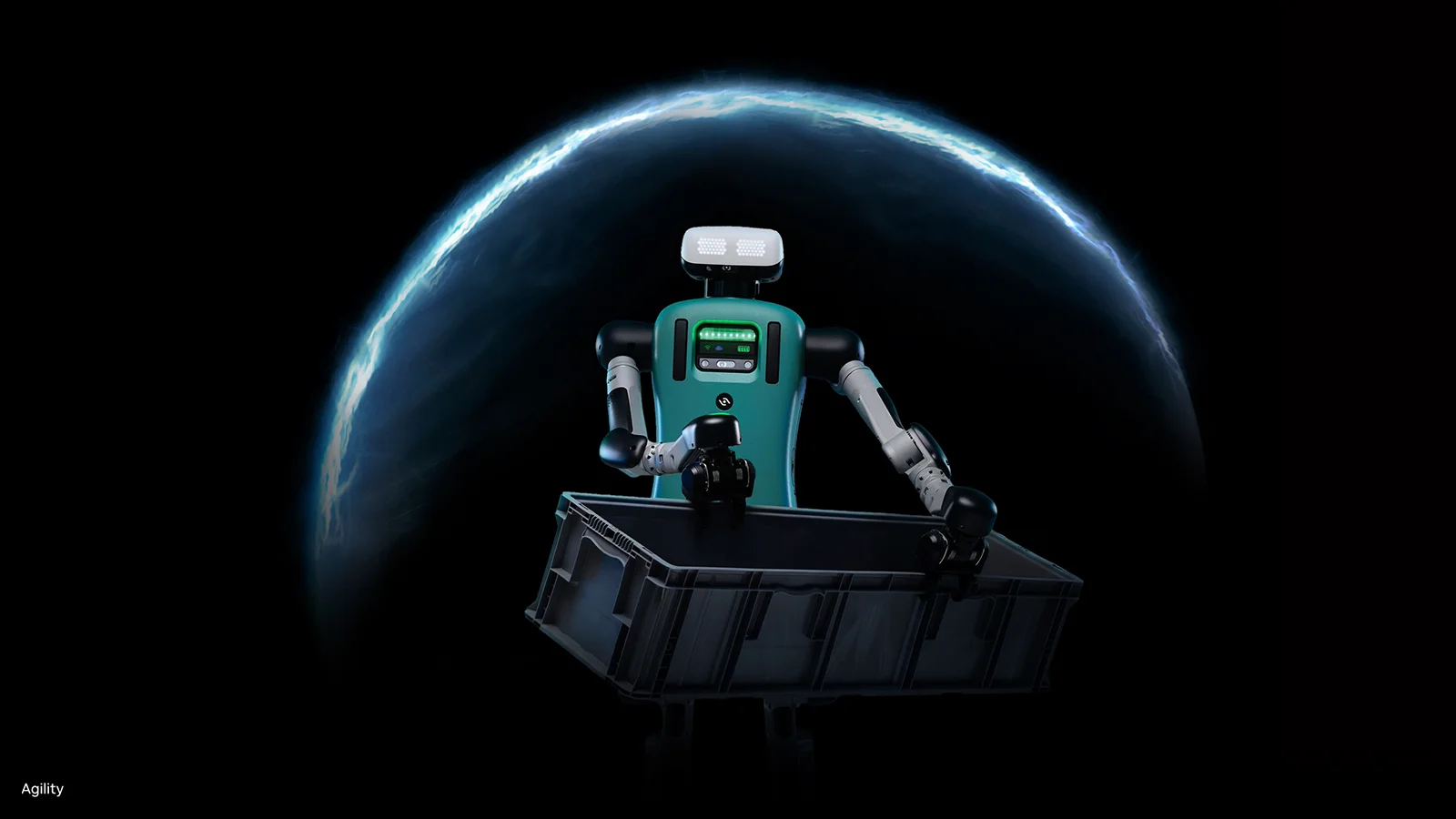
NVIDIA and Agility Robotics Launch Halos, a Comprehensive Safety System for Humanoids
NVIDIA has unveiled NVIDIA Halos for Robotics, a full-stack safety architecture aimed at enhancing the safety of humanoid robots. Agility Robotics, known for its bipedal robot Digit, is the first to integrate this platform, addressing the critical need for robots to work safely alongside humans without physical barriers. This partnership is significant as it responds to the growing scrutiny in the robotics sector regarding safety standards and compliance. With organizations like IEEE working on humanoid standards, NVIDIA's Halos system seeks to provide a certifiable foundation built on extensive experience from its autonomous vehicle programs, which include over 18,000 engineering years of safety development. Looking ahead, Agility Robotics plans to deploy its fifth-generation Digit model, designed for cooperative safety, by late 2026. This model will utilize the NVIDIA IGX Thor platform for human detection and will have a lift capacity aligned with OSHA's guidelines. The company is also preparing for a new funding round to support the scaling of these advanced humanoids.
NVIDIA US safety standards Agility Robotics
MindOn Robotics Demonstrates Coordination of Humanoids and Dual-Arm Robots Using Unified AI Model
MindOn Robotics has released a video showcasing a coordinated logistics workflow involving two Unitree G1 humanoid robots and two dual-arm systems. The demonstration highlights the robots' ability to work together seamlessly, with the G1 humanoids picking items and the dual-arm robots packing them. The innovation lies in the software that powers this heterogeneous system, which is driven by a single AI model trained on human data without the need for teleoperation. This development is significant as it addresses the industry's need for diverse robotic hardware to navigate human-centric environments while performing structured tasks efficiently. MindOn's approach separates its software architecture into high-level and low-level layers, allowing for better scalability and adaptability across different robot platforms. This decoupling is crucial in overcoming the traditional bottlenecks associated with training unique models for each robot type. Looking ahead, MindOn's advancements in training models on human-centric data and employing a Cross-Embodiment Data Pipeline could revolutionize how robots learn and execute tasks. The company aims to bridge the gap between human motion and robotic action, achieving high precision in manipulation tasks. No further timeline was disclosed at the time of publication.
MindOn China
Lumos Robotics Unveils Project EDGE, Distributing 100 Free Humanoids to Developers
Lumos Robotics has launched Project EDGE, a new initiative aimed at accelerating humanoid robot development by giving away 100 LUMOS NIX humanoid robots to universities, robotics labs, and creative technologists. This program, announced by CEO Yu Chao, seeks to enhance research in embodied AI, dynamic motion control, and human-robot interaction by providing capable hardware directly to researchers. The significance of Project EDGE lies in its potential to bridge the gap between hardware and software development in humanoid robotics. By offering high-performance LUMOS NIX robots equipped with advanced actuators and an onboard Rockchip RK3588 platform, Lumos aims to foster innovation in real-time inference and state estimation. The initiative also includes a full-stack open SDK, enabling researchers to focus on application deployment without the burden of low-level hardware debugging. Looking ahead, the success of Project EDGE will depend on Lumos's ability to manage the distribution and support of 100 humanoid robots globally. While the program is open for applications until all spots are filled, with a priority deadline of July 31, 2026, the challenge remains for Lumos to prove its manufacturing consistency and technical support capabilities as it ventures into this ambitious initiative.
Lumos Robotics Project Edge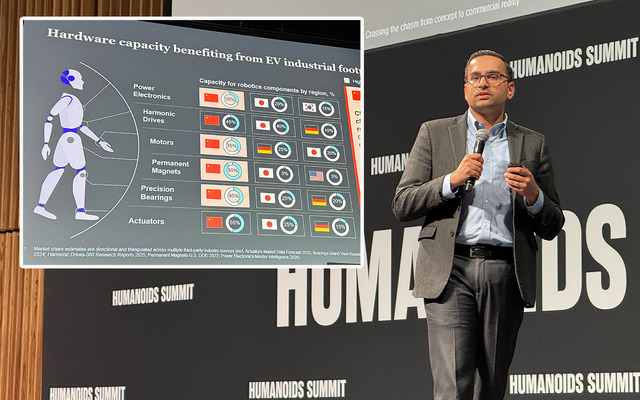
McKinsey analyzes the humanoid market's current state and commercialization challenges at Humanoids Summit.
At the Humanoids Summit Tokyo 2026 held in Takanawa, Tokyo, a partner from McKinsey & Company delivered insights on the future of the robotics industry. The presentation focused on market size forecasts and the challenges associated with commercialization. Additionally, the speaker analyzed the competitive advantages that China is developing in this rapidly evolving sector. The conference brought together industry leaders and experts to discuss the implications of these trends for global markets and technological advancements.
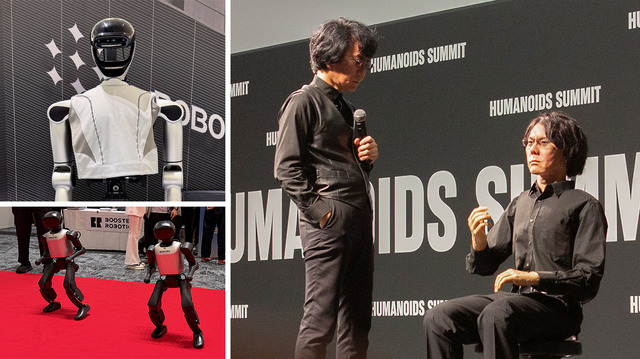
"Humanoids Summit Tokyo Opens with Keynote by Professor Ishiguro on 'Cybernetic Avatar Society in 2050'"
The "Humanoids Summit Tokyo 2026," an international conference focused on humanoid robots and physical AI, commenced on May 28 in Tokyo. This event marks the first time the summit, which originated in Silicon Valley, is being held in Asia. The conference is organized by ALM Ventures, a U.S.-based venture capital firm, with support from the AI Robot Association (AIRoA) in Japan. The summit aims to foster collaboration and innovation in the rapidly evolving field of robotics and artificial intelligence.
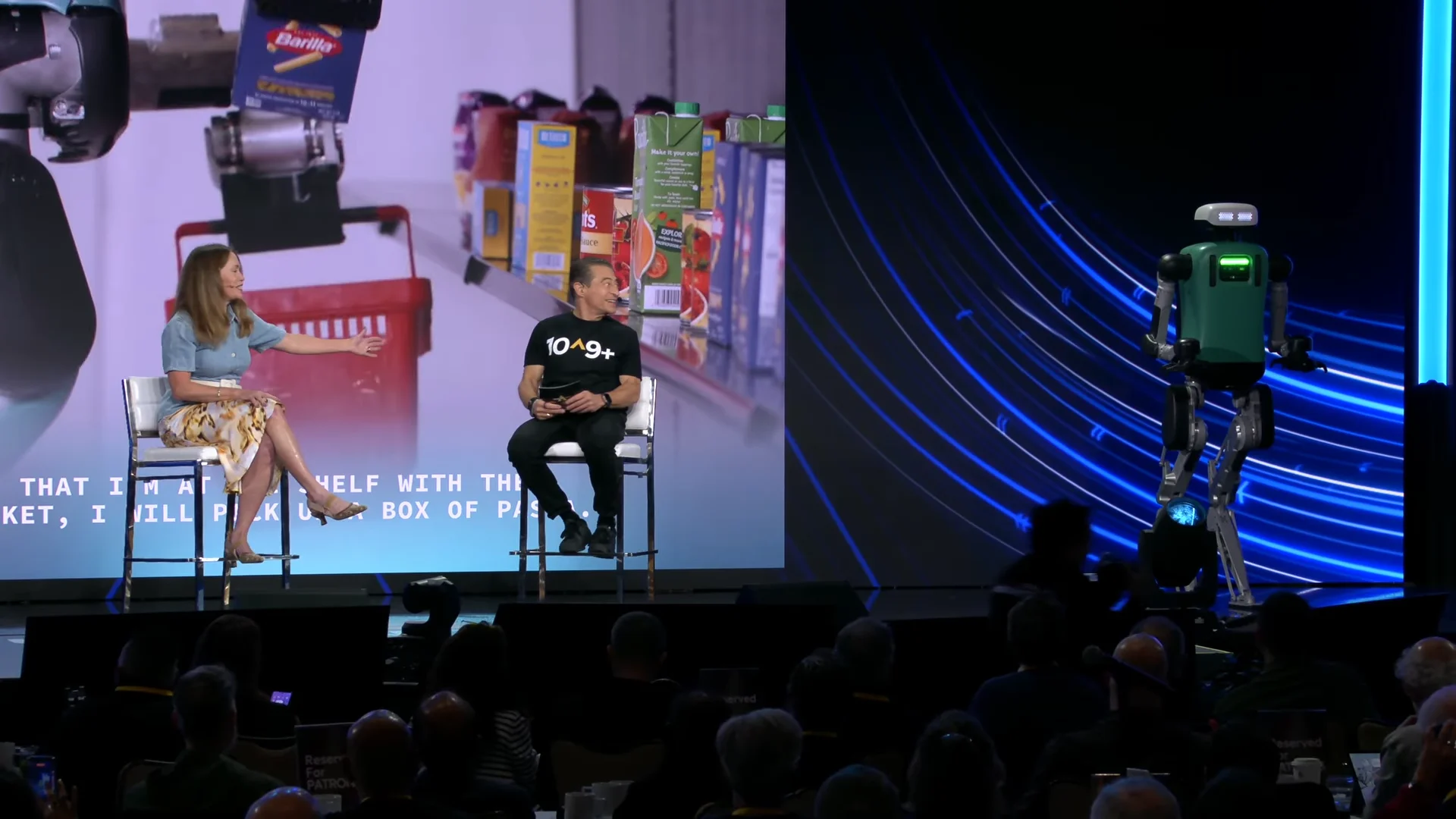
Agility CEO Peggy Johnson Discusses Future of Humanoids at Abundance Summit 2026
At the Abundance Summit 2026, Agility CEO Peggy Johnson announced a transformative approach to humanoid labor, indicating the end of safety cages for their bipedal robot, Digit. This shift allows for more fluid interactions across factory floors, moving beyond isolated work cells, with a new version of Digit expected by the end of 2026 that will be 'cooperatively safe'. This development is significant as it aligns with Agility's strategy to enhance operational efficiency and safety in manufacturing environments. The company has already secured OSHA-recognized safety approval, which has facilitated partnerships with major firms like Toyota and Mercado Libre. The anticipated deployment of Digit will enable it to perform tasks that require mobility, such as transporting materials, thereby addressing labor shortages and reducing operational costs. Looking ahead, Agility plans to raise new capital to support the expansion of its Salem, Oregon factory, which can produce 10,000 units annually. The economic implications of this transition are notable, with Digit's operational costs projected to decrease significantly, making it a viable alternative to human labor in warehousing and manufacturing sectors. No further timeline was disclosed at the time of publication.
US Market Digit Agility Robotics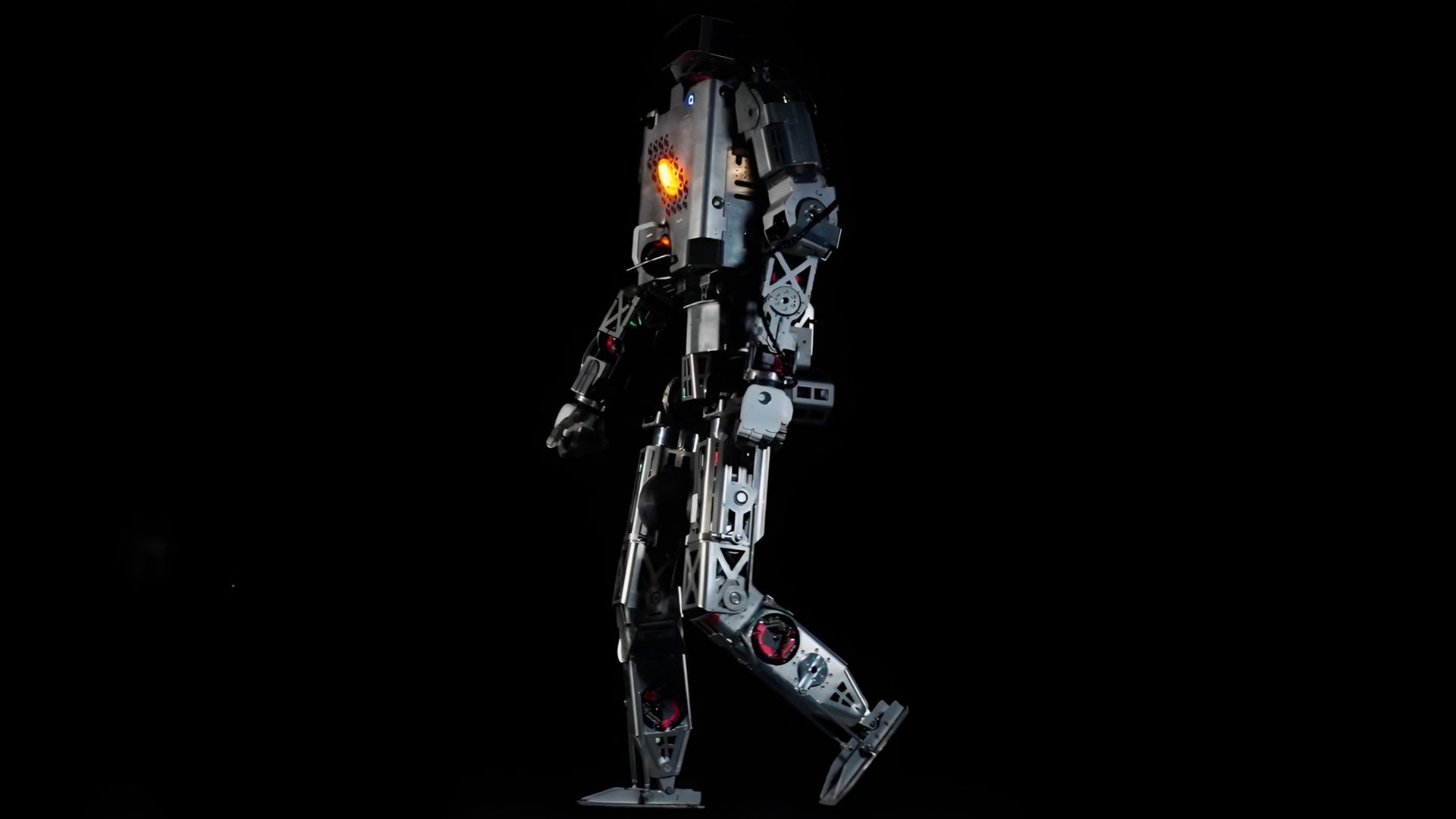
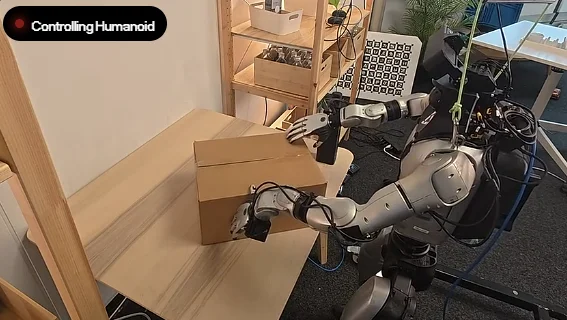
Minerva Humanoids Unveils Roger, a Humanoid Robot for Hazardous Operations
Minerva Humanoids, a San Francisco-based robotics startup, has developed a humanoid robot named Roger in just five months. This semi-autonomous robot enables specialists to remotely manage explosives and hazardous energy tasks while remaining outside danger zones. The robot integrates remote human control with onboard software for balance and navigation, allowing operators to perform complex two-handed tasks through a VR headset. The significance of Roger lies in its ability to enhance safety and efficiency in high-risk environments such as explosive ordnance disposal and hazardous material response. With approximately $10 million in pre-seed funding led by General Catalyst, Minerva aims to further develop Roger ahead of its initial paid pilots scheduled for this fall. The robot's design keeps trained specialists in control while minimizing their exposure to dangerous situations. Looking ahead, Minerva plans to refine Roger's capabilities and expand its applications in various sectors, including offshore oil and gas operations. The company has not disclosed specific figures regarding the robot's payload, battery life, or manipulation accuracy. No further timeline was disclosed at the time of publication.
AI and Robotics
Evaluating the Five-Year Cost of Humanoid Robots in Warehousing Operations
Humanoid robots are increasingly being considered for warehousing applications, but users must evaluate their five-year total ownership costs, according to Jonathan Sp, co-founder of RobixOne. While the initial purchase price may seem manageable, the total cost of ownership often exceeds 1.6 times the list price when factoring in service, repairs, and energy costs. The importance of understanding these costs is critical as downtime can significantly impact throughput in distribution centers. Humanoids currently function as supervised assistants, requiring proper mapping and task management, which complicates their deployment. Businesses must assess whether humanoids can effectively handle narrow, repeatable tasks before committing to their use. Looking ahead, companies should focus on the long-term economic viability of humanoids versus traditional labor and automation solutions. Key questions regarding total costs, maintenance, and performance metrics should be addressed before making capital expenditures. No further timeline was disclosed at the time of publication.
AI Materials Handling Robotic Picking bipedal robot humanoids RobixOne
Donut Robotics Partners with Charm Care for ¥300 Million Eldercare Humanoid Initiative
Tokyo-based Donut Robotics has secured a ¥300 million investment from nursing-home operator Charm Care to develop humanoid robots aimed at assisting eldercare staff. This partnership, announced on August 31 and detailed in an English release on October 5, will initially focus on an experimental deployment of the cinnamon humanoid at one of Charm Care's facilities, which operates over 100 private nursing homes. The collaboration is significant as it combines Donut's innovative technology with Charm Care's extensive experience in eldercare workflows. The cinnamon humanoid is designed to enhance communication with residents and has developed patrol functionalities, with plans to further improve its capabilities. Future enhancements include responding to nurse calls, which could potentially alleviate some workload for staff, although specific metrics on workload reduction have not been disclosed. Looking ahead, Donut Robotics plans to officially announce its next-generation cinnamon 2 this fall, following a demonstration at AI Expo Summer 2026. The success of this initiative will depend on the robot's ability to effectively assist caregivers in practical tasks, marking a crucial step in Japan's growing humanoid robotics sector, alongside efforts from other companies like Panasonic and Kawasaki.
donut robotics Japan
Singapore to Deploy AI-Powered Humanoid Robots for Public Safety by 2028
Singapore has announced plans to deploy AI-powered humanoid robots alongside public safety officers by 2028. These robots will assist in hazardous-material response, blast investigations, and prison searches, enhancing safety for human personnel in high-risk environments. The initiative, revealed during the opening of the Home Team Humanoid Robotics Centre (H2RC) on September 30, aims to integrate robotics into police and prison operations. The Home Team Science and Technology Agency (HTX) is developing these humanoids, which are designed to operate in environments built for humans and utilize existing tools without significant infrastructure changes. Looking ahead, HTX aims to have the first humanoid robot operational alongside Home Team officers by 2028. The H2RC features realistic training environments and advanced mobility systems, which will facilitate the development of robots capable of performing tasks that reduce human exposure to danger while allowing officers to focus on critical decision-making responsibilities. No further timeline was disclosed at the time of publication.
AI and Robotics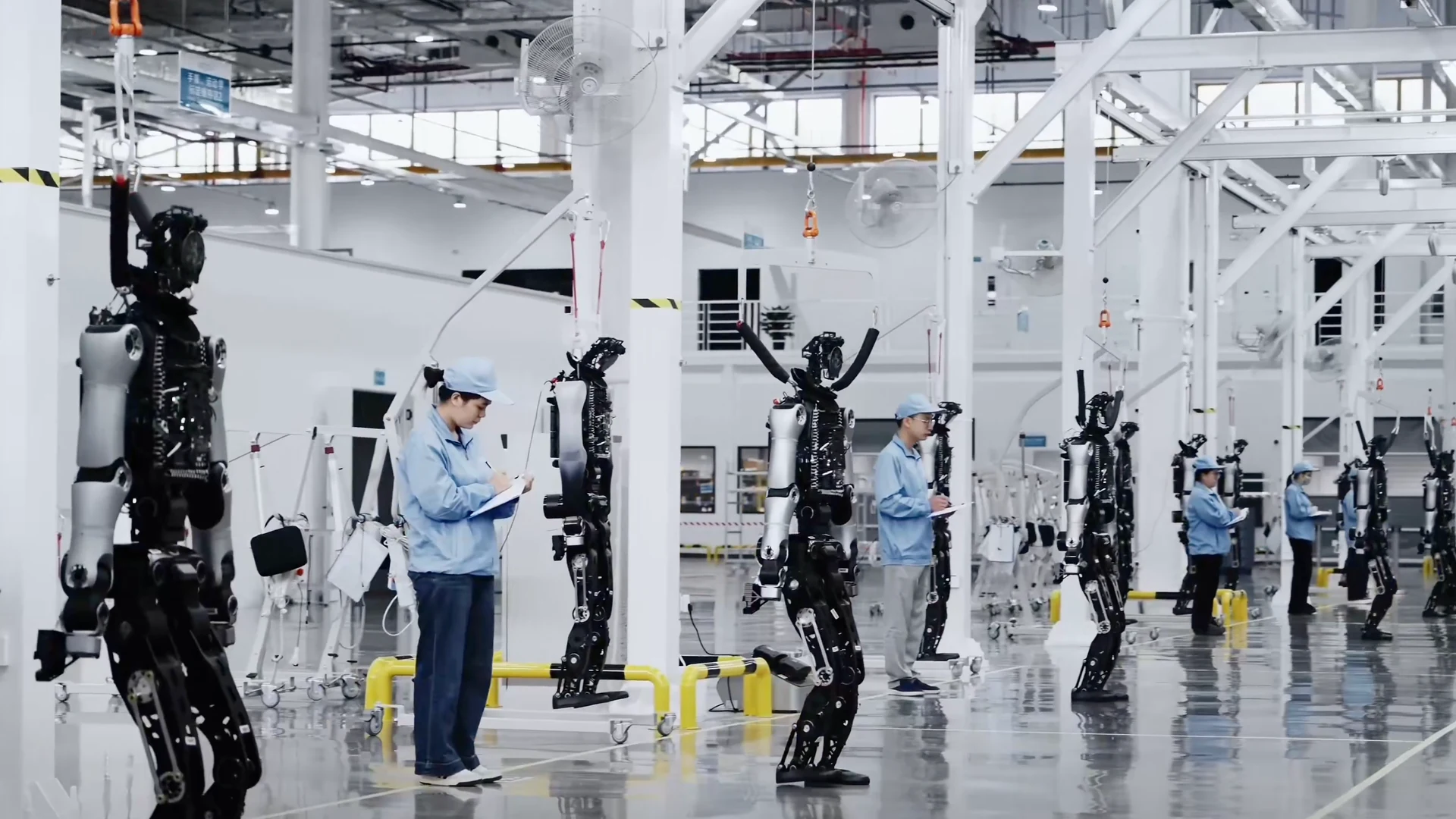
UBTECH CEO Highlights Robot Factory's Capacity to Produce 1,500 Humanoids Monthly
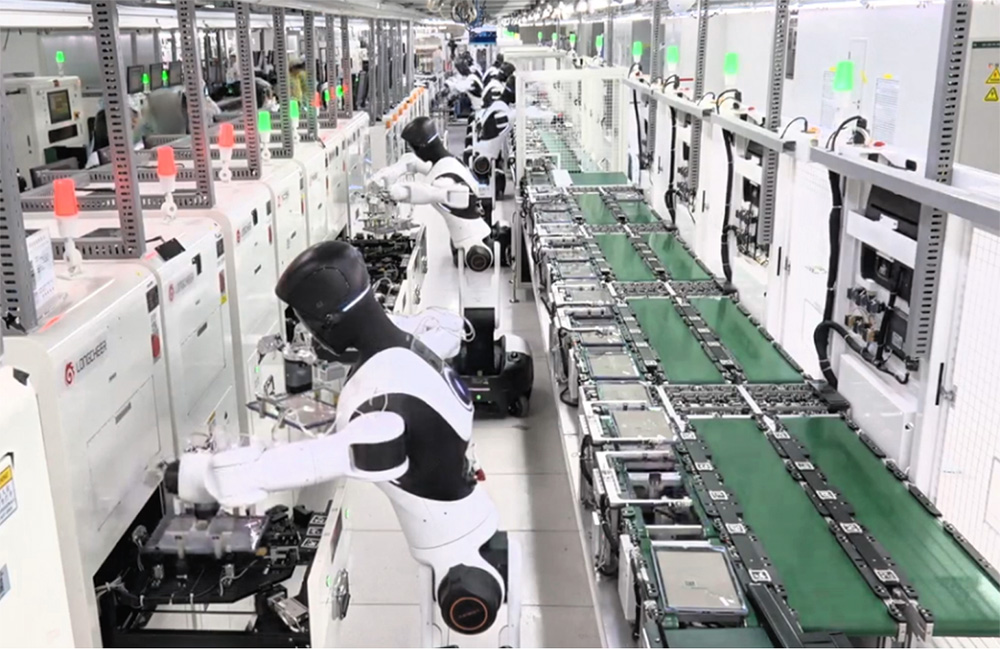
UBTECH's CEO James Zhou recently showcased the company's Super Smart Factory in a new video series, revealing its ambitious production capabilities. The factory, spanning approximately 14,000 square meters, has the potential to produce a humanoid robot every eight to ten minutes, with a monthly output reaching around 1,500 units. This production capacity is significant as it underscores UBTECH's commitment to advancing industrial humanoid robotics. The integration of robots like Cruzr Y1 and Cruzr S2 in the assembly process exemplifies the company's innovative approach to human-robot collaboration, enhancing efficiency in material handling and packaging. Looking ahead, UBTECH plans to release more episodes in the factory tour series, which will delve deeper into the assembly, testing, and quality control processes that support its production claims. No further timeline was disclosed at the time of publication.
China UBTECH Robotics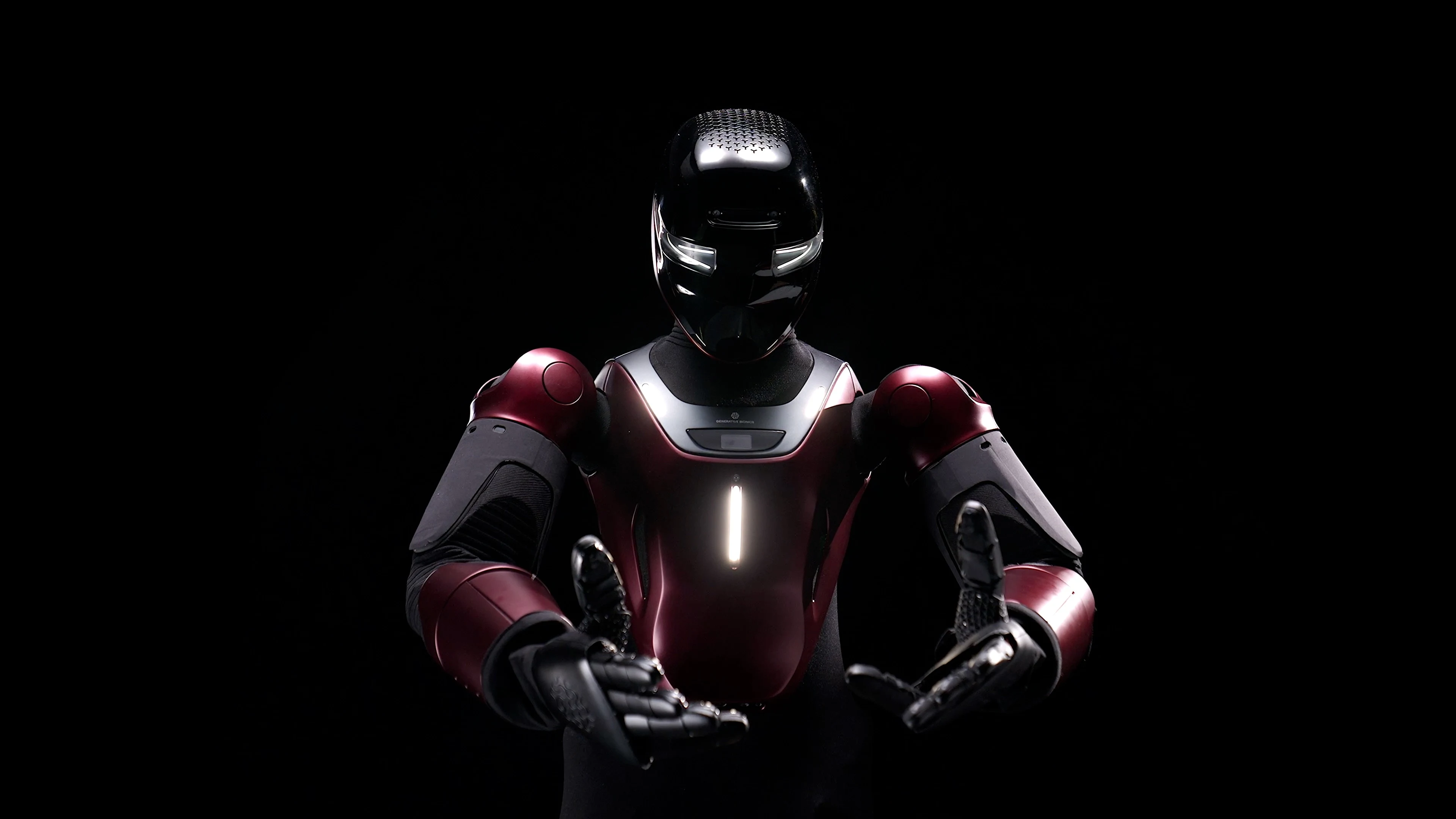
Eni and Generative Bionics Collaborate on Humanoid Robots and Smart Footwear Innovations
Eni and Generative Bionics have signed a memorandum of understanding to explore industrial applications for humanoid robots, beginning with GENE.01. This agreement, established on September 30, aims to enhance inspection, manufacturing, and Physical AI computing through joint analysis and testing efforts. The collaboration is significant as it seeks to improve safety and efficiency in complex environments, focusing on the development of GENE.01's footwear system. The companies aim to create lighter and stronger designs that enhance impact absorption and durability, leveraging Eni's expertise in ultra-lightweight materials. Looking ahead, Eni will assess its industrial sites for potential robotics production and testing capabilities. The partnership also opens avenues for battery recycling and high-performance computing for humanoid AI model development. No further timeline was disclosed at the time of publication.
Generative Bionics Europe GENE01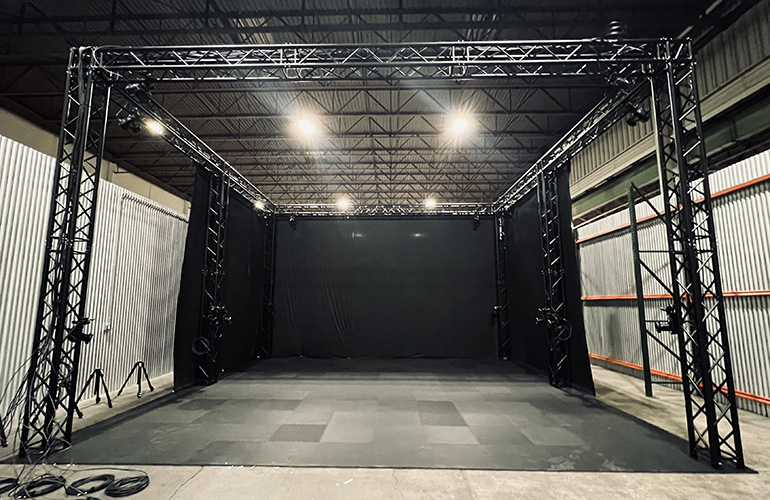
Innodata Launches Motion-Capture Lab to Enhance Humanoid Robot Training Data
Innodata Inc. has inaugurated a new laboratory dedicated to capturing motion data essential for training humanoid robots. This facility aims to address the critical shortage of real-world interaction data that robotics teams face, as highlighted by CEO Rahul Singhal. The lab will also validate the performance data generated by robots, streamlining the development process for physical AI. The establishment of this lab is significant as it provides a comprehensive solution for physical AI companies, enabling them to collect data and evaluate models efficiently. Innodata emphasizes the importance of high-quality training data, which is crucial for the advancement of humanoid robots and other forms of physical AI. The company’s approach of capturing 3D motion directly from human or mechanical bodies sets it apart from other data providers that rely on 2D video analysis. Looking ahead, the lab's capabilities could lead to more precise training for humanoid robots, enhancing their functionality and safety in real-world applications. No further timeline was disclosed at the time of publication.
Artificial Intelligence Artificial Intelligence / Cognition Humanoids Motion Control News Research
AIRA Analysts Discuss Economic Autonomy and Humanoid Robots in Smart Cities
At the AI Robotics Alliance of America (AIRA) Summit in June, analysts proposed that economic autonomy and reduced transaction costs could enhance robot governance. However, challenges arise when transitioning from theory to practice, particularly regarding the definition of cyber-physical systems and robots, as highlighted by analyst Sergey Lonshakov. The discussion emphasizes the importance of price as a key indicator for market entry, especially for humanoid robots intended for home use. Historically, robotics focused on B2B applications, but the industry is now shifting towards consumer-oriented solutions. This transition mirrors the evolution of mobile phones before the Apple era, where functionality often took precedence over design. Looking ahead, the challenge remains to develop humanoid robots that can be priced affordably for the mass market, ideally between €1,000 and €1,500 ($1,136.8 to $1,705.3 U.S.). Achieving this requires a fundamental rethink of development philosophies, prioritizing technology's adaptability to human needs over traditional precision metrics.
Artificial Intelligence Drones Human Robot Interaction / Haptics Logistics News Opinion
SiMa.ai Achieves $1.45 Billion Valuation with $150 Million Series C Funding Round
SiMa.ai has successfully raised $150 million in Series C financing, increasing its total funding to $500 million and achieving a valuation of $1.45 billion. This funding round was co-led by Fidelity Management & Research Company and Amplify, with new investments from AllianceBernstein, Baron Capital, J.P. Morgan, and the State of Michigan. The significance of this funding lies in SiMa.ai's position as a leader in Physical AI, which is crucial for advancing technologies in humanoids, automotive applications, and drones. The participation of notable investors highlights the growing interest and confidence in the potential of Physical AI to transform various industries. Looking ahead, SiMa.ai's continued focus on scaling its technology will be critical. The company aims to leverage this funding to enhance its capabilities in Physical AI, although no further timeline was disclosed at the time of publication.
O-ID Secures $1.2 Million to Develop Modular Humanoid Robots for Factories
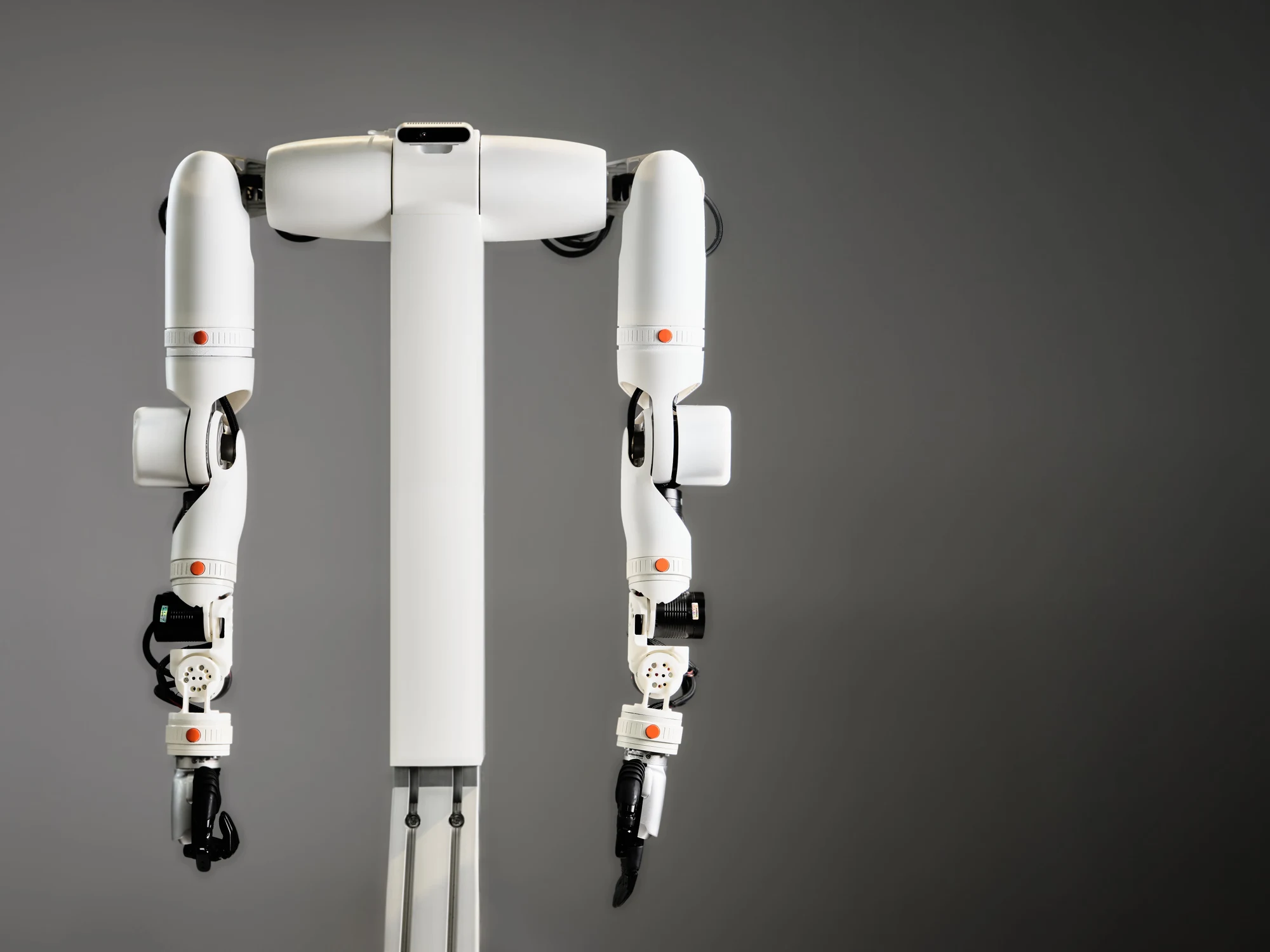
Tokyo-based startup O-ID has successfully raised $1.2 million to advance the development of modular humanoid robots designed for industrial applications. The funding, led by TAWANI Ventures, aims to create robots with swappable joints, limbs, and computing hardware, enabling quick on-site repairs in factories, particularly in automotive manufacturing and logistics in Japan. This innovative approach to robot design focuses on serviceability, allowing components to be replaced in minutes rather than sending entire machines for repairs. O-ID's robots will feature onboard sensors to monitor component wear, predicting failures and facilitating timely replacements to minimize downtime. The company emphasizes that its humanoid robots will not be traditional walking bipeds but will include a wheeled configuration for enhanced mobility. Looking ahead, O-ID plans to transition its first robot from prototype to production, with manufacturing set to occur in Japan. The company has also initiated discussions with Sumitomo Electric Industries regarding the integration of their technologies into the robot's wire harnesses. No further timeline was disclosed at the time of publication.
Japan O-ID
Persona AI Partners with HD Hyundai and Posco to Deploy Humanoids in Heavy Industries
Persona AI is focusing on deploying humanoid robots in South Korea's heavy industries, particularly shipbuilding and steelmaking, through collaborations with HD Hyundai and Posco. Michael Perry, the company's head of commercial strategy, emphasizes that these robots can address labor shortages and enhance productivity in hazardous environments. The significance of this initiative lies in Korea's unique combination of labor shortages and advanced technological capabilities, making it an ideal testing ground for humanoid robots. Persona AI aims to demonstrate that its bipedal humanoid can navigate shipyards and perform welding tasks to meet production standards, with field testing planned for 2027. Looking ahead, Persona AI's collaboration with Posco, which includes a $3 million investment, will explore the use of humanoids in steel manufacturing logistics. The company is also interested in expanding its partnerships with other industrial players in Korea and Louisiana, where it has already begun testing robots with a local steel fabricator.
All News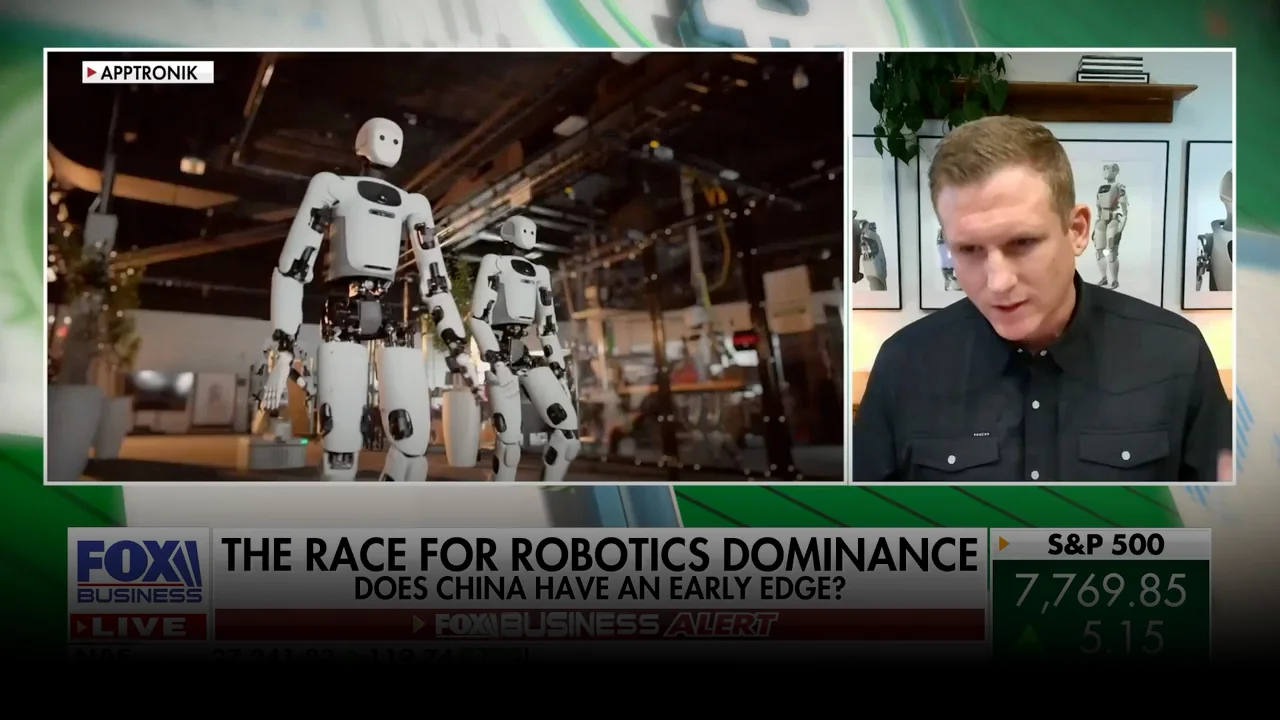
Apptronik CEO Highlights Component Shortages Hindering U.S. Humanoid Robot Production
Apptronik CEO Jeff Cardenas has raised concerns about the United States' ability to produce humanoid robots due to a shortage of essential components, particularly gears. In a recent interview on Fox Business, he emphasized that while the U.S. leads in AI, it lacks a robust domestic supply chain for critical parts, which hampers its competitive edge against countries like China. Cardenas pointed out that actuators, which can account for up to 60% of a robot's bill of materials, are crucial for humanoid functionality. Apptronik has developed over 80 distinct electric actuators since its inception, yet the company faces challenges in sourcing the necessary components at competitive prices. He stressed the importance of having both advanced software and world-class hardware to support the growth of the robotics sector in the U.S. No specific timeline was disclosed for addressing these supply chain issues. However, Cardenas's remarks underscore the need for a strong manufacturing foundation in the U.S. to support its ambitions in humanoid robotics, highlighting the broader implications for domestic production capabilities and the competitive landscape in the industry.
Supply Chain manufacturing Apptronik
Boston Dynamics Launches Metaplant Application Center for Atlas Humanoid Training
Boston Dynamics has inaugurated its Robotics Metaplant Application Center (RMAC) near Savannah, Georgia, aimed at training Atlas humanoids for integration into Hyundai's automotive manufacturing processes. This facility will serve as a testbed for developing specific skill sets necessary for general-purpose automation in the automotive sector. The RMAC represents a significant advancement in the collaboration between Boston Dynamics and Hyundai Motor Group, focusing on optimizing supply chain and production capabilities. Zack Jackowski, chief product and technology officer at Boston Dynamics, emphasized the importance of this partnership in pioneering physical AI at an enterprise scale, aiming to enhance productivity and safety in manufacturing. Looking ahead, Boston Dynamics plans to expand Atlas's capabilities to include component assembly by 2030, with the humanoids expected to take on more complex tasks involving repetitive motions and heavy lifting. The RMAC will play a crucial role in refining these applications through real-world training and data collection.
Artificial Intelligence Artificial Intelligence / Cognition Assembly Automotive Food / Beverage Humanoids
Dongfeng Motor to Deploy Humanoid Robots for Factory Operations by October 2023
Dongfeng Motor is set to introduce humanoid robots into factory settings for sorting and quality inspection starting in October 2023. This initiative marks a significant step towards enhancing operational efficiency within their manufacturing processes. The deployment of these humanoid robots is crucial as it aims to achieve human-level operational capabilities by the end of 2027. This advancement reflects Dongfeng's commitment to integrating advanced robotics into their production lines, which is essential for maintaining competitiveness in the automotive industry. Looking ahead, Dongfeng plans to initiate small-batch trial production of these robots by the end of this year. Additionally, the company is preparing to launch the Yuanzai robot dog to dealerships, indicating a broader strategy to incorporate robotics across various applications within their operations.
Spirit AI Implements Moz1 Humanoids on CATL and JD.com Production Lines
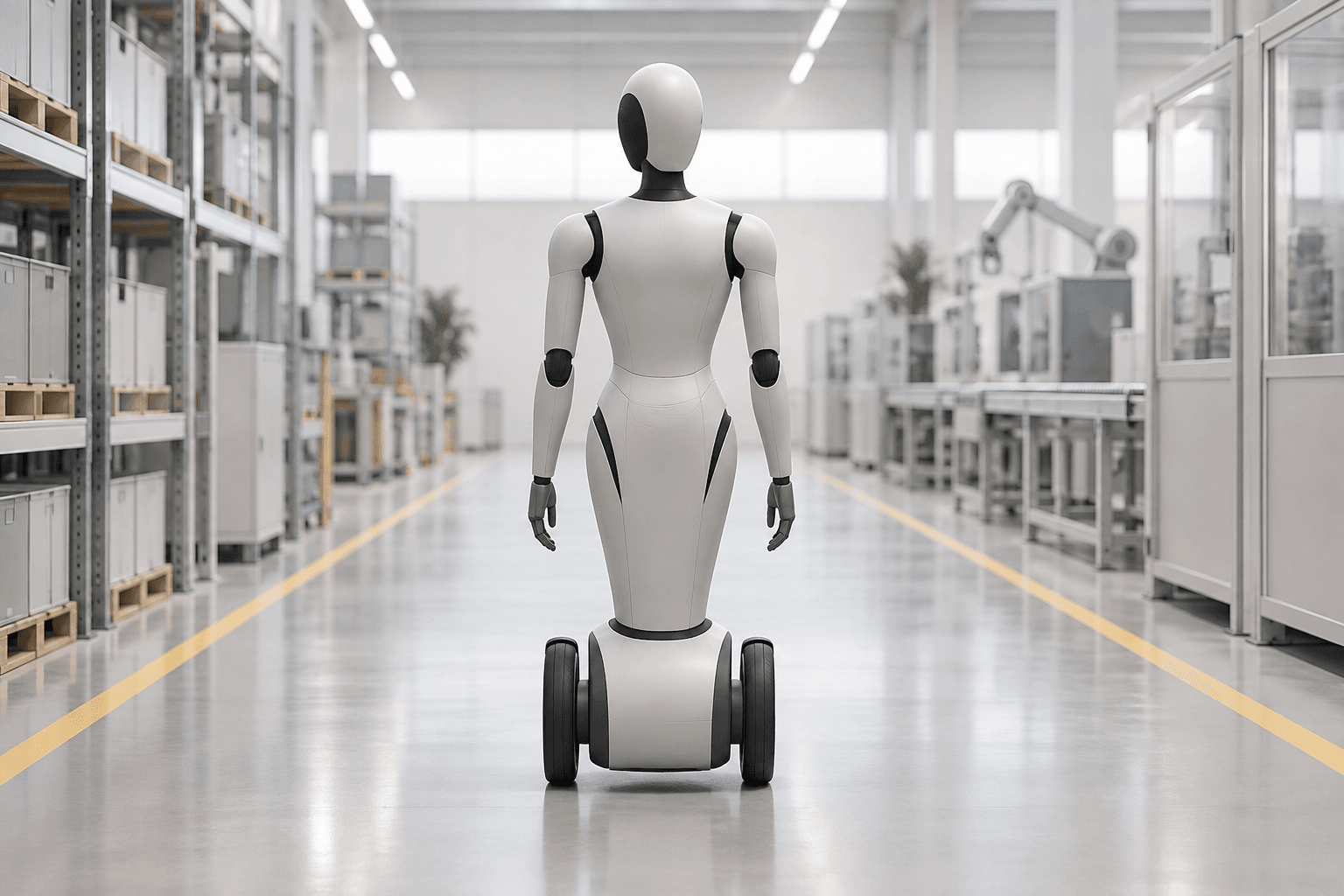
Spirit AI has deployed its Moz1 wheeled humanoids on production lines at CATL and JD.com. This move marks a significant step in integrating advanced robotics into manufacturing processes. The deployment of Moz1 is crucial as it reflects the growing trend of utilizing humanoid robots in industrial settings, enhancing efficiency and productivity. Gao Yang, the founder of Spirit AI, anticipates a pivotal moment in mid-2027, likening it to a GPT-3 breakthrough for natural-language processing in robot brains. Looking ahead, the industry will be watching closely for developments in natural-language capabilities and how they can further transform robotic applications. No further timeline was disclosed at the time of publication.
XPeng Expands Turing AI Chip Technology from Electric Vehicles to Humanoid Robots
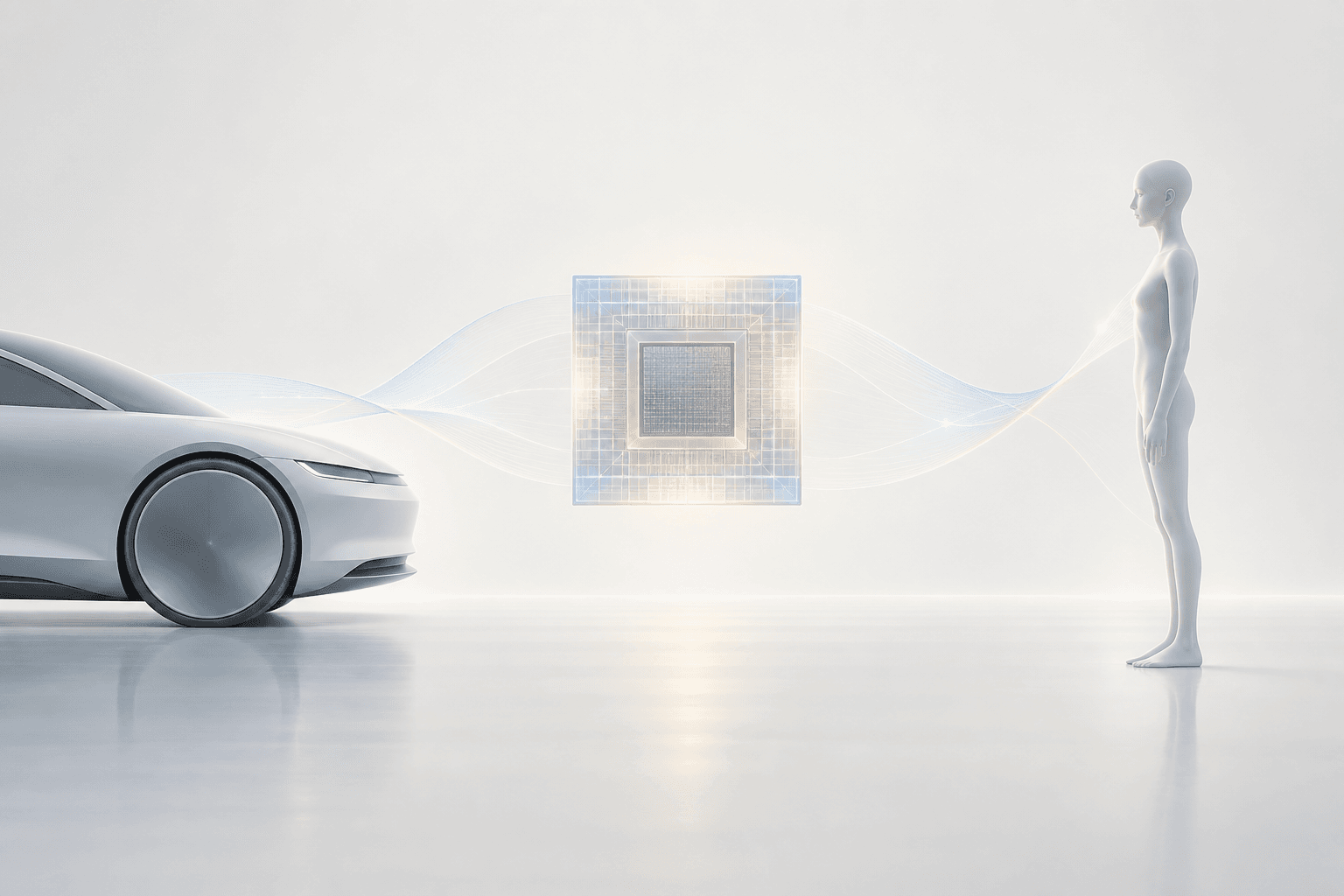
XPeng is advancing its self-developed Turing AI silicon by integrating it into humanoid robots, moving beyond its initial application in intelligent electric vehicles. This initiative is part of a broader Physical AI stack, showcasing XPeng's commitment to diversifying its technology applications. The significance of this development lies in the potential for enhanced AI capabilities in humanoid robots, leveraging the power of the Turing chips. With configurations cited at approximately three on-device Turing chips, the total processing power reaches around 2,250 TOPS, indicating a robust foundation for complex AI tasks. Looking ahead, industry observers should monitor XPeng's progress in the humanoid robotics sector and the performance of its Turing AI chips in real-world applications. No further timeline was disclosed at the time of publication.
Robotics needs a service framework.
RSF defines a common language for robot service capability, lifecycle operations, certification pathways, and service-provider networks.
Join the RobotToday community on LinkedIn
Daily robotics news, in-depth analysis, conference highlights, and discussions with professionals worldwide.