Industry Briefing
A single destination for timely, editor-curated robotics news from around the world.

New Study on Human-Robot Interaction Reveals Insights on Proxemics in Crowded Spaces
A recent large-scale empirical study published in Science Advances by teams from ETH Zürich, SPF, and EPFL examined human-robot interaction (HRI) in crowded environments. Utilizing four real-world datasets across Europe, North America, and Asia, the research established a benchmark for social navigation distances based on density perception and speed dependency. This study is significant as it addresses the ongoing challenge of how robots can comfortably share space with humans, a concept rooted in proxemics. Previous research indicated that pedestrians maintain specific distances from each other, but robots behave differently. The findings suggest that pedestrians tend to give robots more space, which varies with the robot's speed and the density of the crowd. Looking ahead, the CrowdBot dataset, which includes various robot platforms operating at different speeds, will serve as a foundation for future studies. The research team has developed a unified analysis pipeline to quantify behaviors based on movement dynamics and proxemics, paving the way for improved human-robot interactions in public spaces. No further timeline was disclosed at the time of publication.
Human-Robot Interaction Social Navigation Crowd Dynamics Robotics Research
Exploring Multilevel Dynamics of Brain, Hormones, Mind, and Behavior in Human-Robot Interaction
A recent study published in Science Robotics investigates the complex interactions between the brain, hormones, mind, and behavior in social human-robot interactions. This research highlights how these multilevel dynamics influence the way humans engage with robots, potentially reshaping our understanding of robotics in social contexts. Understanding these interactions is crucial as it can lead to improved design and functionality of robots, enhancing their effectiveness in various applications. The findings may also inform the development of robots that can better respond to human emotional and psychological states, thereby fostering more natural interactions. As the field of robotics continues to evolve, it will be important to monitor advancements in understanding human-robot dynamics. Future research may explore specific applications of these findings in sectors such as healthcare, education, and entertainment, where social interaction with robots is increasingly prevalent. No further timeline was disclosed at the time of publication.
Research Article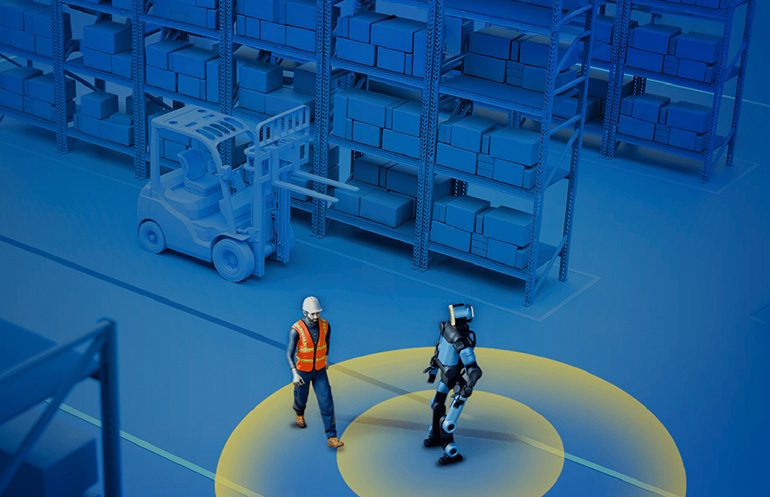
Boston Dynamics Hosts Webinar on Human-Robot Interaction Design for Trust and Safety
Boston Dynamics is set to present a free webinar focused on human-robot interaction (HMI) considerations for humanoid robots. The event, titled "The Art Behind Human-Robot Interaction," will feature experts discussing how to foster trust and safety in human-robot collaboration. The webinar is scheduled for 11:00 a.m. ET on Wednesday, July 22, 2026. As humanoid robots transition from research environments to commercial applications, addressing safety concerns becomes crucial. Boston Dynamics emphasizes that predictability, rather than human-like appearance, is key to successful human-robot coexistence. The insights shared during the webinar will be vital for developers aiming to enhance the user experience and operational safety of humanoid robots. Participants can expect to learn from Mario Bollini, director of human-robot interaction, and Leland Hepler, a distinguished product designer. Both speakers bring extensive experience in robotics and design, making this webinar a significant opportunity for those interested in the future of human-robot collaboration. No further timeline was disclosed at the time of publication.
Artificial Intelligence Artificial Intelligence / Cognition Collaborative Robots Human Robot Interaction / Haptics Humanoids Motion Control
Humanoid Robots' Errors Increase Human Wariness in Expressive Interactions
Recent findings indicate that humans tend to become more suspicious of humanoid robots that exhibit errors, particularly when these robots engage in expressive conversations. This phenomenon highlights the delicate balance between human-like interaction and the potential for mistrust when technology falters. The implications of this research are significant for the development of humanoid robots, especially those designed for social interaction. As these robots become more integrated into daily life, understanding human reactions to their mistakes will be crucial for fostering acceptance and effective communication. Looking ahead, developers and researchers should focus on improving the reliability of expressive humanoid robots to mitigate wariness among users. No further timeline was disclosed at the time of publication.
Consumer & Gadgets
Drexel University Study Reveals Trust Dynamics in Humanoid Robots During Interactions
Researchers at Drexel University have discovered that trust in expressive humanoid robots can develop quickly but may also diminish rapidly following errors. This study is notable for its comprehensive approach, measuring brain activity, hormone levels, self-reported attitudes, and behaviors during human-robot interactions, providing insights into the complexities of trust dynamics. The implications of these findings are significant for the design of social robots in various sectors, including healthcare and education. While expressive behaviors enhance engagement, they also make trust more vulnerable to mistakes. The research highlights the need for designers to balance social expressiveness with reliability to maintain user trust in humanoid robots. Future developments in humanoid robot design should focus on minimizing errors to sustain trust. No further timeline was disclosed at the time of publication. The study emphasizes the engineering challenge of creating robots that are both engaging and dependable, as even minor conversational mistakes can lead to a substantial loss of trust among users.
AI and Robotics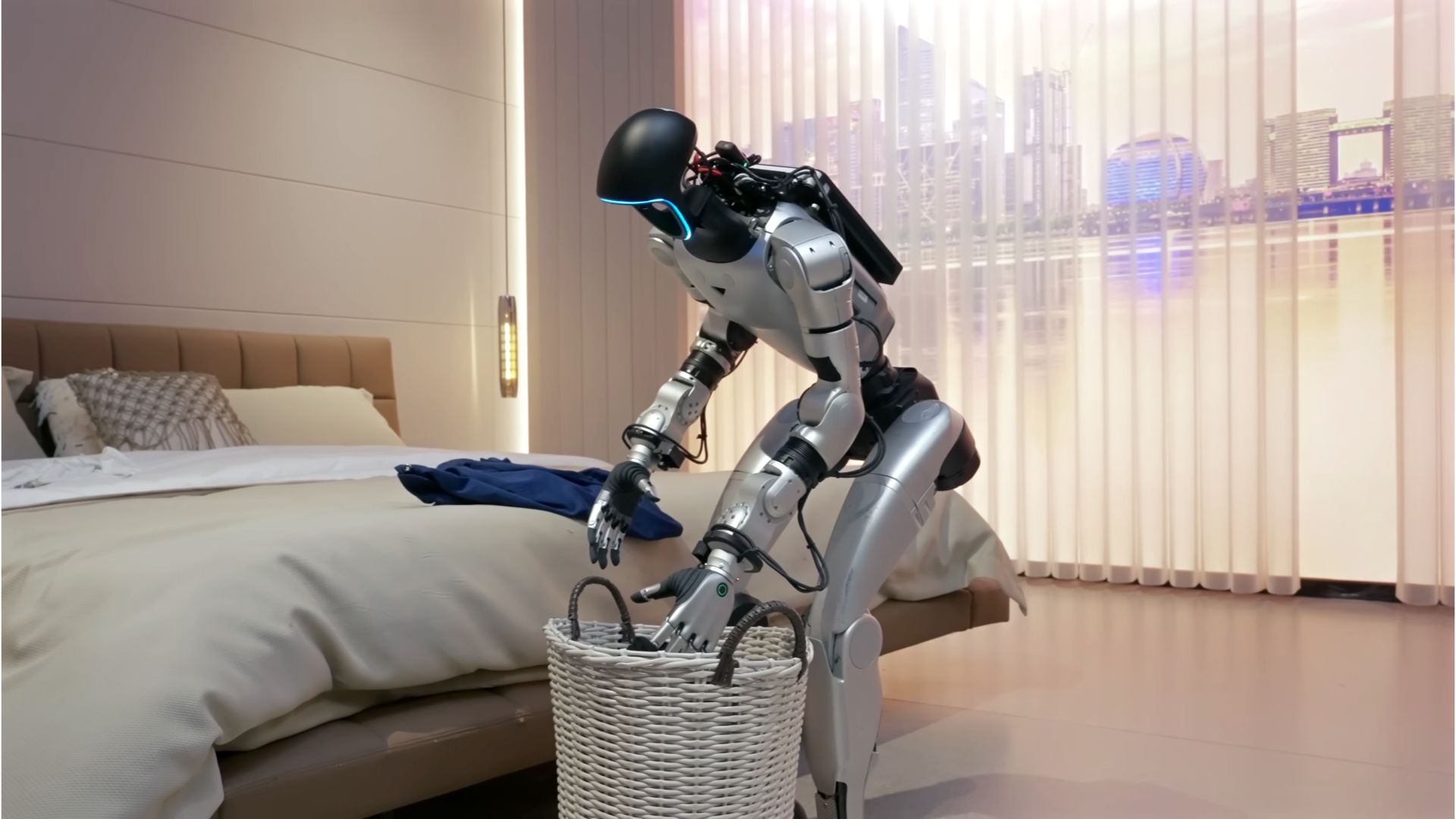
Unitree Launches UnifoLM-OminiA-0.3 for Enhanced Humanoid Robot Interaction and Assistance
Chinese robotics firm Unitree has introduced UnifoLM-OminiA-0.3, a unified AI model designed for humanoid robots. This model facilitates real-time omni-modal interaction, reasoning, dialogue, and whole-body mobile manipulation, targeting home-care and wellness applications. The robots can autonomously perform tasks such as tidying rooms and assisting patients while responding to various inputs. The significance of UnifoLM-OminiA-0.3 lies in its ability to integrate multiple capabilities into a single system, allowing robots to process information from speech, vision, and environmental cues simultaneously. This unified architecture enables seamless task execution, as demonstrated by a humanoid robot that can adjust a hospital bed and respond to user commands mid-task, showcasing continuous human-robot interaction. Looking ahead, the trend towards embodied AI is expected to grow, with developers focusing on integrating vision-language models with robot control. This approach enhances flexibility in dynamic environments like homes and healthcare facilities, where tasks and interactions can vary significantly. No further timeline was disclosed at the time of publication.
AI and Robotics
Generative Bionics Unveils Gene.01, a Smart-Skin Humanoid Robot for Safe Human Interaction
Generative Bionics has launched Gene.01, a fully functional humanoid robot platform designed for safe human collaboration. Built in just six months, Gene.01 is equipped with advanced sensors that detect touch, proximity, force, and temperature, enhancing its interaction capabilities with humans. The introduction of Gene.01 is significant as it provides a foundation for Physical AI developers to create industrial applications. Its open-sourced robot model allows for collaborative development, potentially accelerating innovation in the field of humanoid robotics. Looking ahead, the focus will be on how Gene.01 can be integrated into various industrial environments and the applications it can support. No further timeline was disclosed at the time of publication.
Palm Garden AI Introduces Coherence Guard for Enhanced Human-Robot Interaction
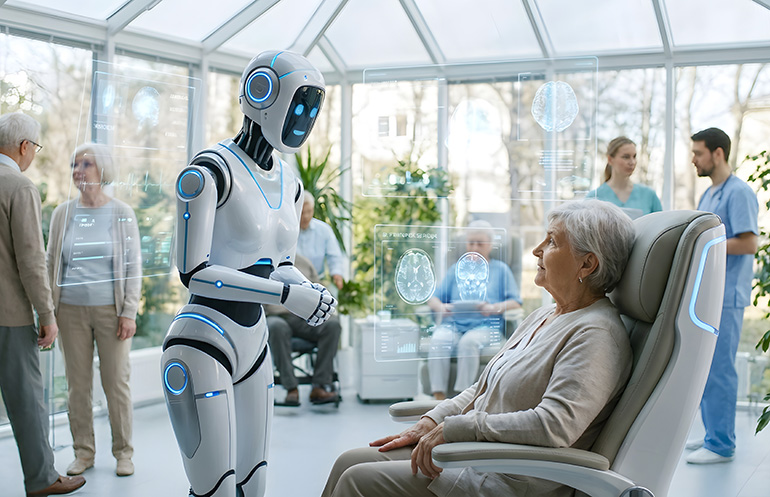
Palm Garden AI has developed Coherence Guard, a relational decision layer aimed at improving the behavior of service robots in human environments. This platform-agnostic technology evaluates actions before execution, ensuring they are relationally coherent by considering factors such as timing, proximity, and emotional tone. The significance of Coherence Guard lies in its potential to enhance the interaction between humanoid robots and humans in various sectors, including hospitality, care, and education. CEO Joachim Scheuerer emphasized that the technology does not replace existing systems but adds a crucial layer for evaluating social appropriateness, which is essential as robots become more integrated into everyday life. Looking ahead, the demand for such relational decision-making capabilities is expected to grow as service robots become more prevalent in human-centric environments. No further timeline was disclosed at the time of publication.
Artificial Intelligence Artificial Intelligence / Cognition Development Tools / SDKs / Libraries Healthcare Robotics Human Robot Interaction / Haptics Humanoids
Challenges in Training Robots for Effective Human Collaboration
Humans present a unique challenge for robot training due to their quick and complex thinking processes, making exact actions unpredictable. This unpredictability raises questions about the methods and techniques required to effectively train robots for collaboration with humans. Understanding how to train robots to work alongside humans is crucial as industries increasingly adopt automation. The ability to predict and respond to human actions can enhance productivity and safety in various sectors, emphasizing the importance of developing advanced training methodologies for robots. Looking ahead, the focus will be on exploring innovative training approaches that can bridge the gap between human unpredictability and robotic capabilities. No further timeline was disclosed at the time of publication.
Robotics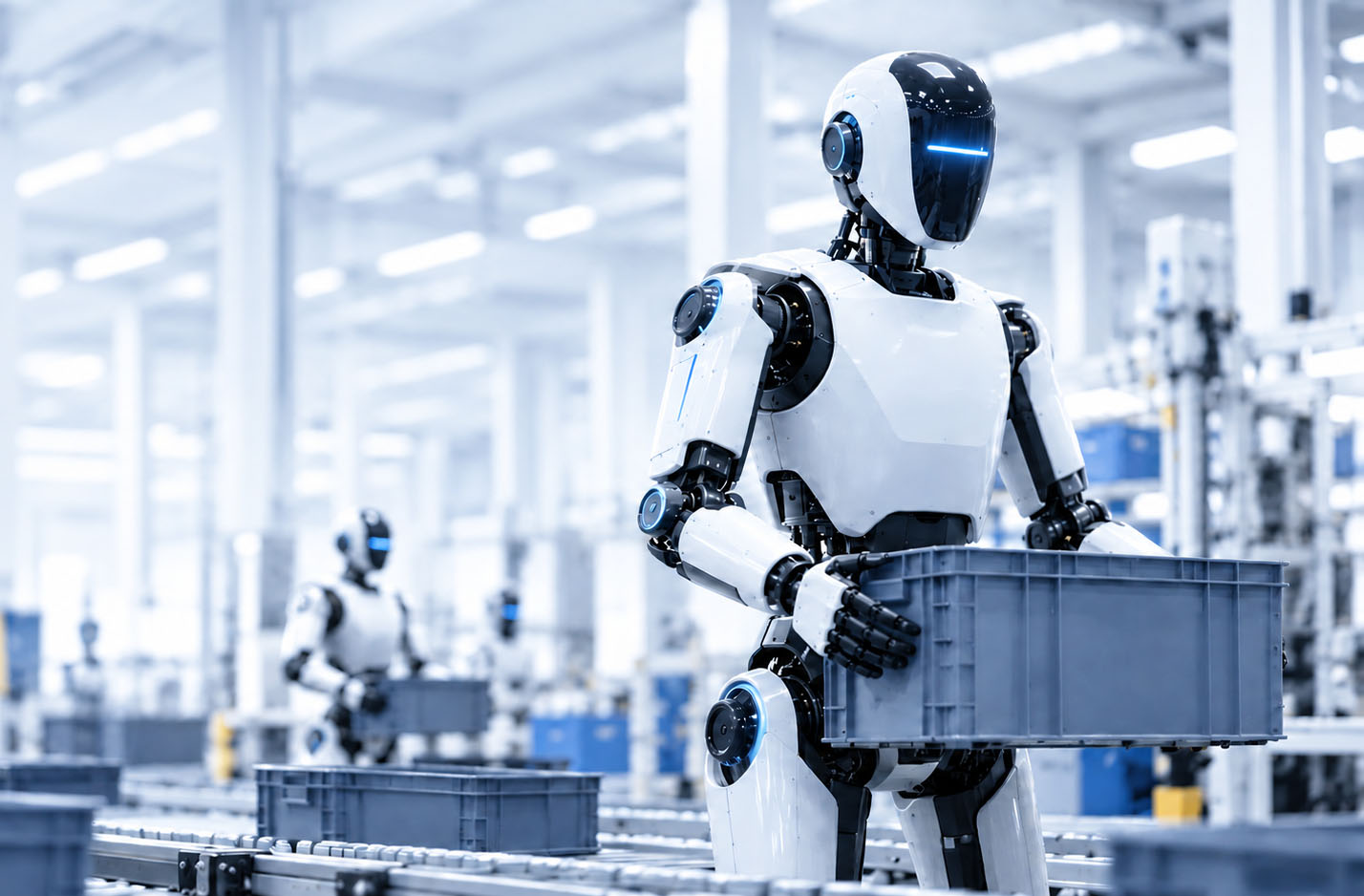
Humanoid Robots: Moving Beyond Demonstrations to Real-World Profitability
The humanoid robotics sector has long promised productivity, with expectations for significant sales by 2026. Humanoid robots are now capable of walking, sorting components, and performing increasingly complex industrial tasks. However, industrial buyers are shifting their focus from impressive demonstrations to the critical question of return on investment. As the industry transitions from prototypes to production environments, the evaluation criteria are evolving. Successful demonstrations are no longer sufficient; manufacturers must now prove operational availability, throughput, safety, integration costs, and actual customer willingness to pay for their robots' work. Data from September 2026 indicates that this transition is underway, but only a few companies report significant commercial deployments. Agility Robotics stands out as a strong example, with its robot Digit commercially deployed by GXO Logistics since 2024 under a multi-year Robots-as-a-Service agreement. Digit has moved over 100,000 bins at GXO's Flowery Branch site, showcasing its role in a repetitive logistics process rather than a staged demonstration. In 2026, Agility announced over $300 million in multi-year contractual orders for Digit v5, signaling that industrial clients are ready to invest significantly in humanoid automation.
À la une Humanoide IA Industrie Robotique automatisation industrielle.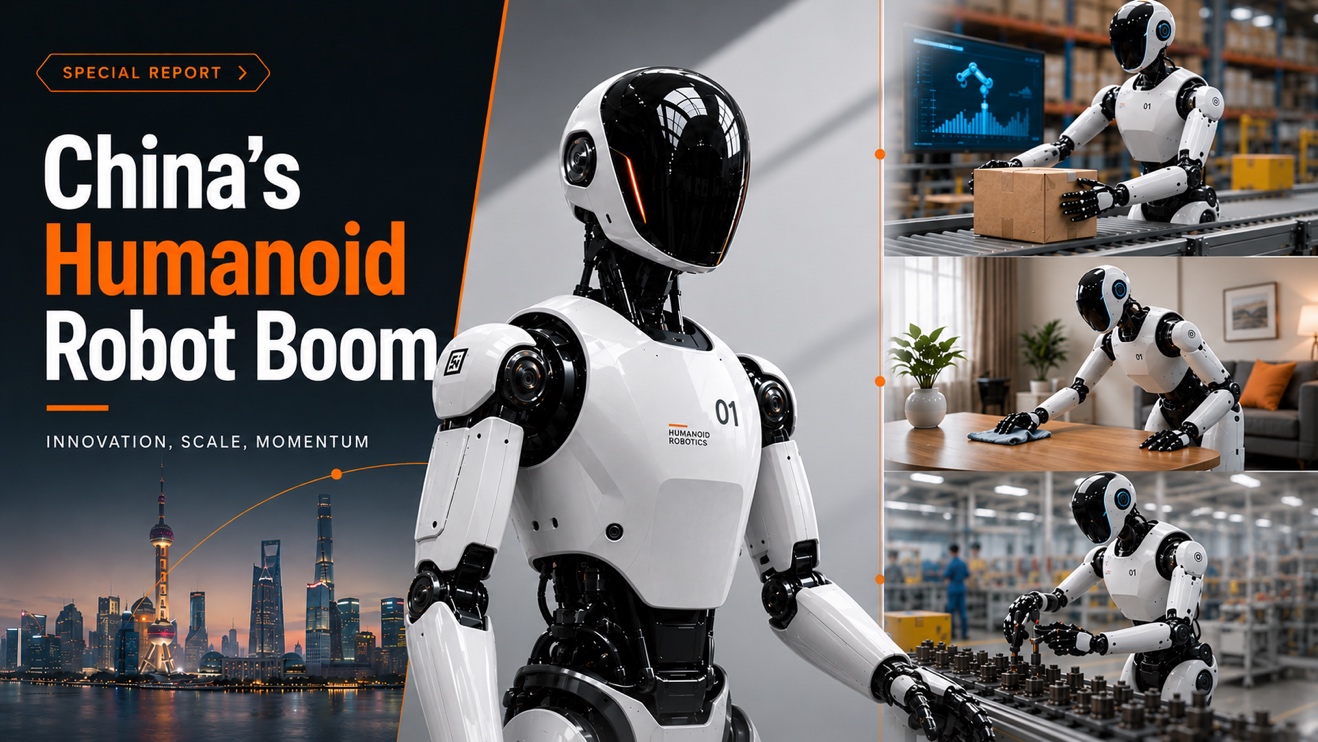
China's Humanoid Robot Industry Faces Challenges on Path to Commercial Success
China's humanoid robot industry is transitioning from impressive demonstrations to practical applications in everyday environments. Companies are exploring roles for these robots in workplaces and services, with a significant lead over U.S. counterparts in terms of speed and scale. In the first half of 2026, five Chinese companies accounted for 86% of global humanoid shipments, highlighting their rapid growth. The industry's success hinges on three key factors: cost, capital, and a vast testing ground for commercialization. With a robust manufacturing base and significant funding, Chinese companies are well-positioned to innovate and lower prices. However, challenges remain, including the need for reliable AI systems and integrated software, as well as the ability to convert physical capabilities into sustainable demand. Looking ahead, the commercialization of humanoid robots is still in its early stages, with limited large-scale orders. Experts emphasize the importance of repeat orders and customer payback periods as indicators of success. As the industry evolves, addressing safety, security, and supply-chain vulnerabilities will be crucial for gaining acceptance in global markets.
Heavy Hitters Highlight News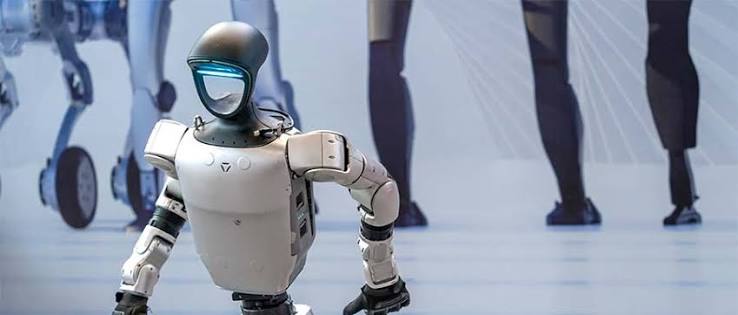
Supply Chain Challenges Hinder Humanoid Robot Development Despite AI Advances
The primary bottleneck for humanoid robots is not just AI model limitations but also supply chain constraints. A recent McKinsey report highlights that critical hardware components such as precision motor systems and tactile sensing are high-risk areas that won't automatically improve with algorithm upgrades. Renesas Vice President Ivo Marocco emphasizes that the complexity of ecosystem and system integration poses a greater challenge than solving AI issues. Despite expectations for humanoid robots to become mainstream, Omdia data forecasts only 13,000 units shipped globally by 2025, a figure that pales in comparison to automotive and industrial automation markets. Renesas aims to cover 30% of the bill of materials (BOM) costs for humanoid robots, with a long-term goal of reaching 70%. However, this target is often misunderstood as immediate market share, when in fact it represents a future product mix goal. The transition from 30% to 70% BOM coverage faces significant hurdles, particularly in high-risk hardware components. While automotive and industrial components can be repurposed, they do not address the unique challenges of humanoid robots. Renesas is focusing on system-level solutions and has established a physical AI and robotics lab in Beijing to support customers through the entire engineering validation process. The company anticipates a compound annual growth rate of 40% in the physical AI market by 2030-2035, although consumer humanoid robots are expected to take over five years to achieve significant market presence.
Humanoid Robots Supply Chain AI Hardware Components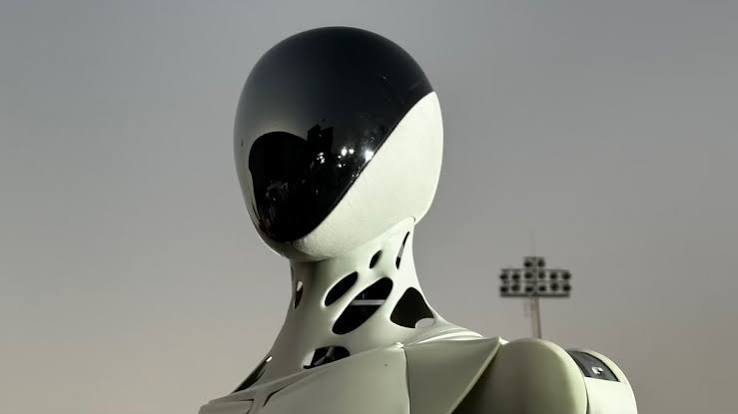
Xpeng Motors Launches Automated Production Line for Humanoid Robot IRON in Guangzhou
In September 2026, Xpeng Motors officially launched the automated production line for its humanoid robot IRON in Guangzhou, aiming for mass production by the end of the year. This initiative signifies the transfer of quality management systems from automotive manufacturing to the robotics sector, as stated by Xpeng CEO He Xiaopeng during the launch ceremony. This move is part of a broader trend, with over 140 humanoid robot manufacturers in China, which released more than 330 humanoid robot products in the past year. According to Omdia, Chinese companies accounted for nearly 80% of the global humanoid robot shipment volume in 2025, with ZhiYuan Robotics leading in deliveries. The rapid integration of advanced algorithms into hardware by Chinese manufacturers has given them a competitive edge in this emerging market. Despite the excitement, concerns remain about the sustainability of the industry, as many companies are startups focusing on basic functionalities. The launch of Xpeng's production line may serve as a model for integrating established automotive manufacturing practices into robotics, but significant challenges remain before achieving true commercial viability in the humanoid robot sector.
Humanoid Robots Robot Manufacturing Automation AI Industrial Robotics
Humanoid Robots Enhance Mobility with AI-Driven Sprinting and Spin Kicks
Recent advancements in humanoid robots have led to the development of systems capable of sprinting and executing spin kicks, utilizing AI trained on human motion data. This progress signifies a leap in the capabilities of humanoid robots, which have traditionally been limited in their movement repertoire. The ability of humanoid robots to perform complex movements like sprinting and spin kicks is crucial for their potential application in assisting humans with manual tasks across various environments. Enhanced mobility could enable these robots to engage more effectively in real-world scenarios, thereby increasing their utility and acceptance in society. Looking ahead, the focus will likely be on further refining the movement capabilities of humanoid robots and exploring their practical applications in industries such as healthcare, logistics, and personal assistance. No further timeline was disclosed at the time of publication.
Robotics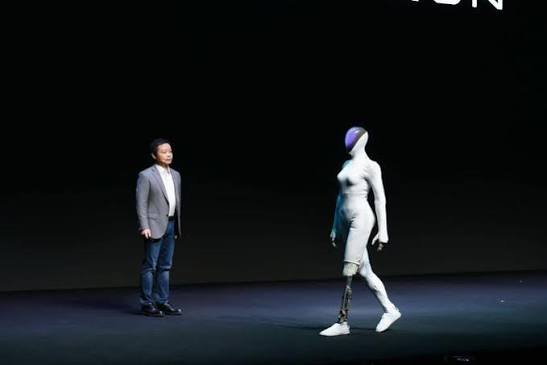
Xpeng Motors Unveils Robot Production Line, Signaling a New Era in Humanoid Robotics
On September 8, 2026, Xpeng Motors announced the official launch of its robot production line, with the first advanced humanoid robot, IRON, completing automated assembly and autonomously walking off the production line. This production line, designed and built by Xpeng, achieves over 80% automation in core manufacturing processes. The significance of this production line lies not in the robot's ability to walk but in marking a pivotal shift in humanoid robot competition from 'can it be made' to 'can it be mass-produced.' The core challenge in scaling production from dozens to thousands of units is ensuring consistency in manufacturing, particularly in the assembly of thousands of joint modules. Xpeng's approach integrates automotive manufacturing systems into robot production, leveraging established capabilities in supply chain management and quality control. While Xpeng's IRON features unique technology with three self-developed AI chips, the humanoid robot industry still lacks a unified technical route and business model. Xpeng's robot business has completed over $900 million in funding, with plans for initial deployment in its own stores, while commercial sales are set to begin in 2027.
Humanoid Robots Automation Manufacturing Technology AI
Strategic Partnership to Integrate Humanoid Robots into Urban Sanitation Systems
On September 7, 2026, Qiaoyin Urban Management Co., Ltd. signed a strategic cooperation agreement with the National Local Co-construction Humanoid Robot Innovation Center. The partnership aims to establish the first national application hub for humanoid robots in urban services, integrating advanced technology into real-world sanitation and property management scenarios. This collaboration is significant as Qiaoyin is the only selected partner for urban service applications, indicating that the center's technological innovations will be tested in frontline sanitation operations. The agreement outlines the joint development of two product lines for humanoid robots, with practical training models being created in various urban projects, including those in Guangzhou and Maoming. Looking ahead, Qiaoyin's President, Xia Guanming, has set a timeline for validating sanitation operations by the end of this year and implementing applications in Maoming next year. The integration of humanoid robots into urban sanitation represents a critical step in addressing labor shortages and enhancing operational efficiency in city services, marking a pivotal moment for the industry as it moves towards mass production of humanoid robots.
Humanoid Robots Urban Sanitation Robotics Innovation AI in Urban Services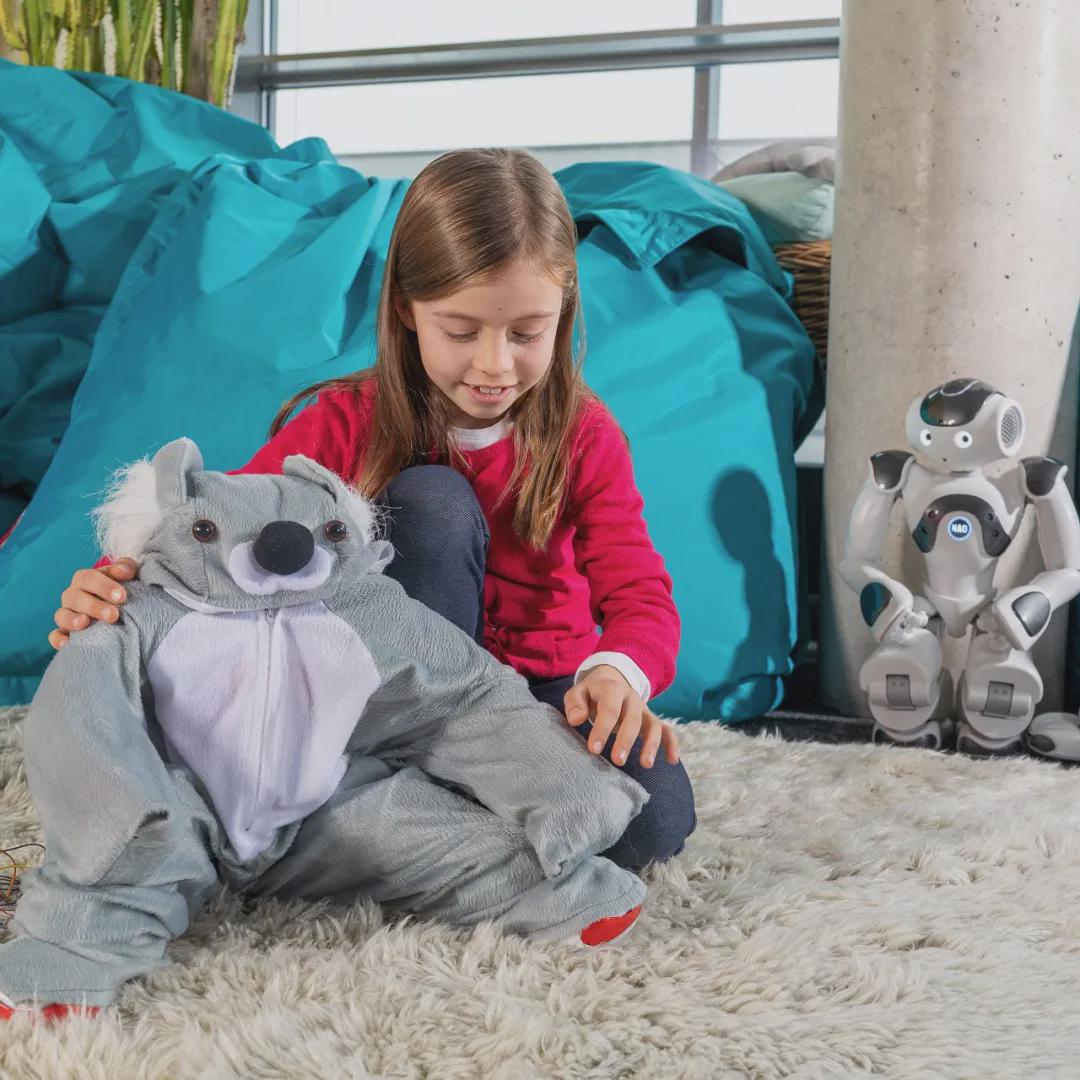
Affordable Touch Sensors Enhance Interaction in Social Robots with HERA Prototype
The HERA prototype, developed by the Max Planck Institute for Intelligent Systems in collaboration with the University of Tennessee and Fraunhofer IPA, integrates 16 custom flexible touch sensors into a modified koala pajama outfit for the NAO robot. This setup allows the robot to recognize five touch gestures and two pressure levels, enhancing its interactive capabilities. This advancement is significant as it addresses the limitations of existing social robots, which typically have few touch points and lack comprehensive tactile feedback. The HERA prototype's design prioritizes affordability and ease of manufacturing, making it a viable option for therapeutic applications, particularly for autism treatment, where durability and cost-effectiveness are crucial. Looking ahead, the research team has published their findings in the IEEE Transactions on Affective Computing, indicating a commitment to further development in this area. No further timeline was disclosed at the time of publication.
Touch Sensors Social Robotics Human-Robot Interaction AI Emotional Computing
Humanoid Robots Enhanced by AI Controller for Translating Commands into Actions
Humanoid robots, designed to mimic human limbs and body structures, are being enhanced by an AI controller that translates virtual reality, video, and language commands into actionable movements. This advancement aims to simplify the teaching process for these robots, which often struggle with executing humanlike movements reliably. The significance of this development lies in its potential to streamline the deployment of humanoid robots across various environments, including homes and workplaces. By improving the efficiency of command translation, the AI controller could reduce the time and effort required to train these robots, making them more accessible for practical applications. Looking ahead, the focus will be on the effectiveness of the AI controller in real-world scenarios and its ability to adapt to diverse tasks. No further timeline was disclosed at the time of publication.
Robotics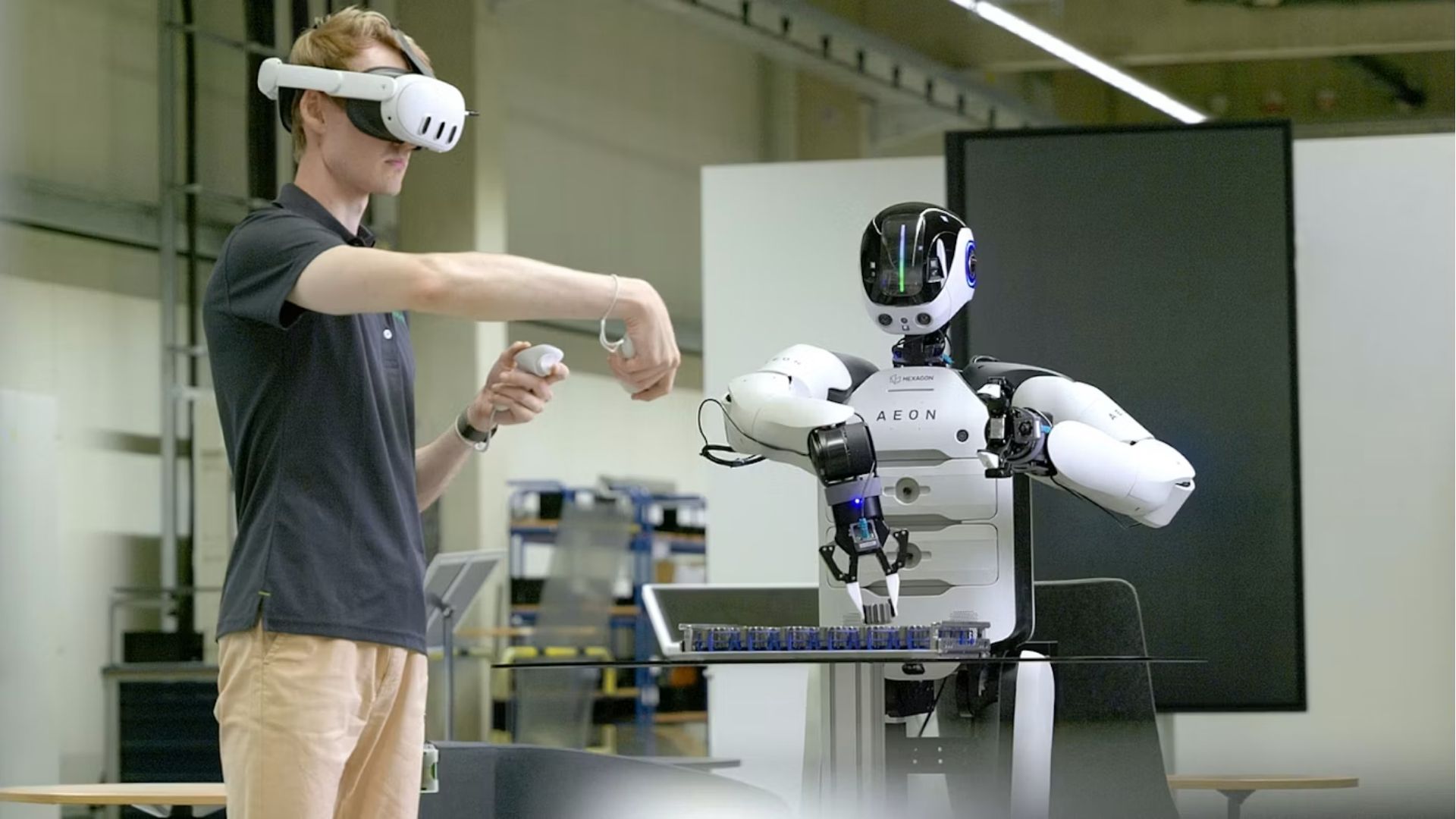
AEON Joins Schaeffler's Humanoid Gym to Enhance Industrial Skills for Robot Deployment
AEON has entered Schaeffler’s Humanoid Gym in Germany, marking a significant step in their collaboration to integrate humanoid robots into industrial settings. This facility will be instrumental in teaching AEON new manufacturing capabilities, validating its learning, and preparing it for a planned deployment of at least 1,000 humanoid robots in the coming years. The importance of this initiative lies in its structured approach to training, validation, and deployment, which will enable AEON to acquire essential industrial skills while Schaeffler builds the necessary expertise to manage and integrate these robots into its operations. This dual focus on technology and organizational readiness is crucial for successful adoption in manufacturing environments. Looking ahead, the collaboration between Hexagon Robotics and Schaeffler is set to evolve as they work towards deploying the humanoids. However, no specific timeline for individual deployments has been disclosed, nor have the initial industrial capabilities or tasks for AEON been identified. The Humanoid Gym will serve as a foundational space for developing these capabilities.
AI and Robotics
Neura Robotics and SECO Collaborate to Enhance Humanoid Robot Production in Europe
Neura Robotics has entered into a strategic partnership with SECO to develop and manufacture electronic compute modules for its cognitive robots, including the 4NE1 humanoid. This collaboration aims to facilitate scalable series production in Europe, addressing the growing demand for advanced robotics solutions. The partnership is significant as it not only focuses on humanoid robot production but also aims to expand into physical AI applications within the semiconductor and electronics manufacturing sectors. This move is expected to enhance the capabilities of Neura's robots and improve production efficiency. Looking ahead, the collaboration between Neura Robotics and SECO could lead to advancements in both humanoid robotics and AI applications in manufacturing. No further timeline was disclosed at the time of publication.
Humanoids News 4ne1 cognitive robots dragonwing edge ai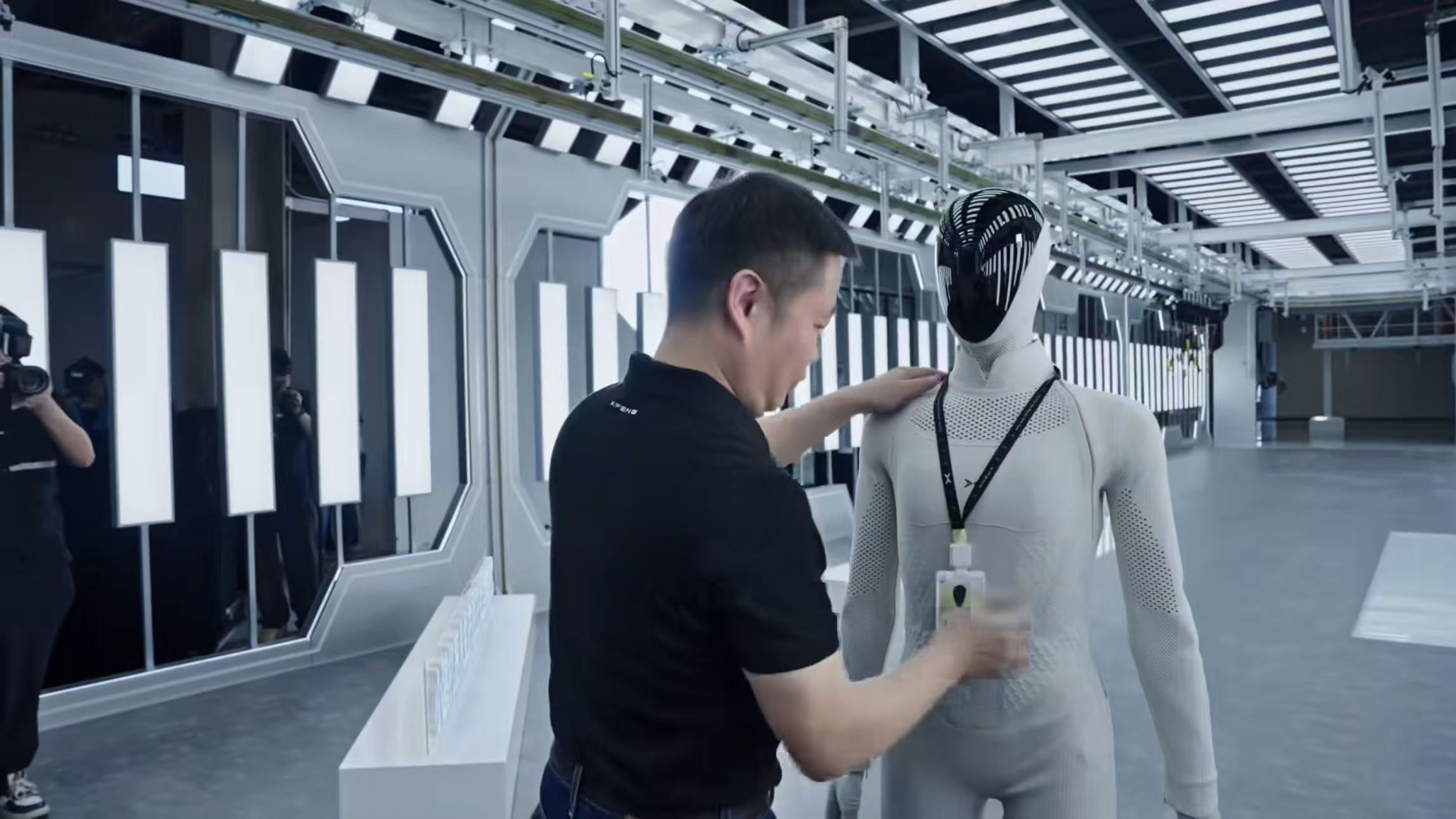
XPeng Launches Automated Production Line for Humanoid Robots with First IRON Model
XPeng has officially commenced operations of its automated production line for humanoid robots, with the first IRON robot successfully completing its final assembly and autonomously walking off the line. This milestone signifies XPeng's transition from research and development to mass production of humanoid robots, which are still in the early stages of commercialization. The significance of this development lies in XPeng's claim that IRON is the world's first high-level general-purpose humanoid robot produced on an automated line. The production line, designed by XPeng's team, integrates automotive manufacturing and quality-control systems tailored for humanoid robot assembly, with over 80% of its core processes automated. Looking ahead, XPeng plans to scale production of IRON by the end of 2026, with commercial deliveries expected in 2027. The company aims to position IRON for tasks that are dangerous or repetitive, while also expanding its applications. XPeng's recent funding round raised over $900 million to support its robotics business, indicating strong investor interest in the future of humanoid robots.
Heavy Hitters AI Highlight News Robotics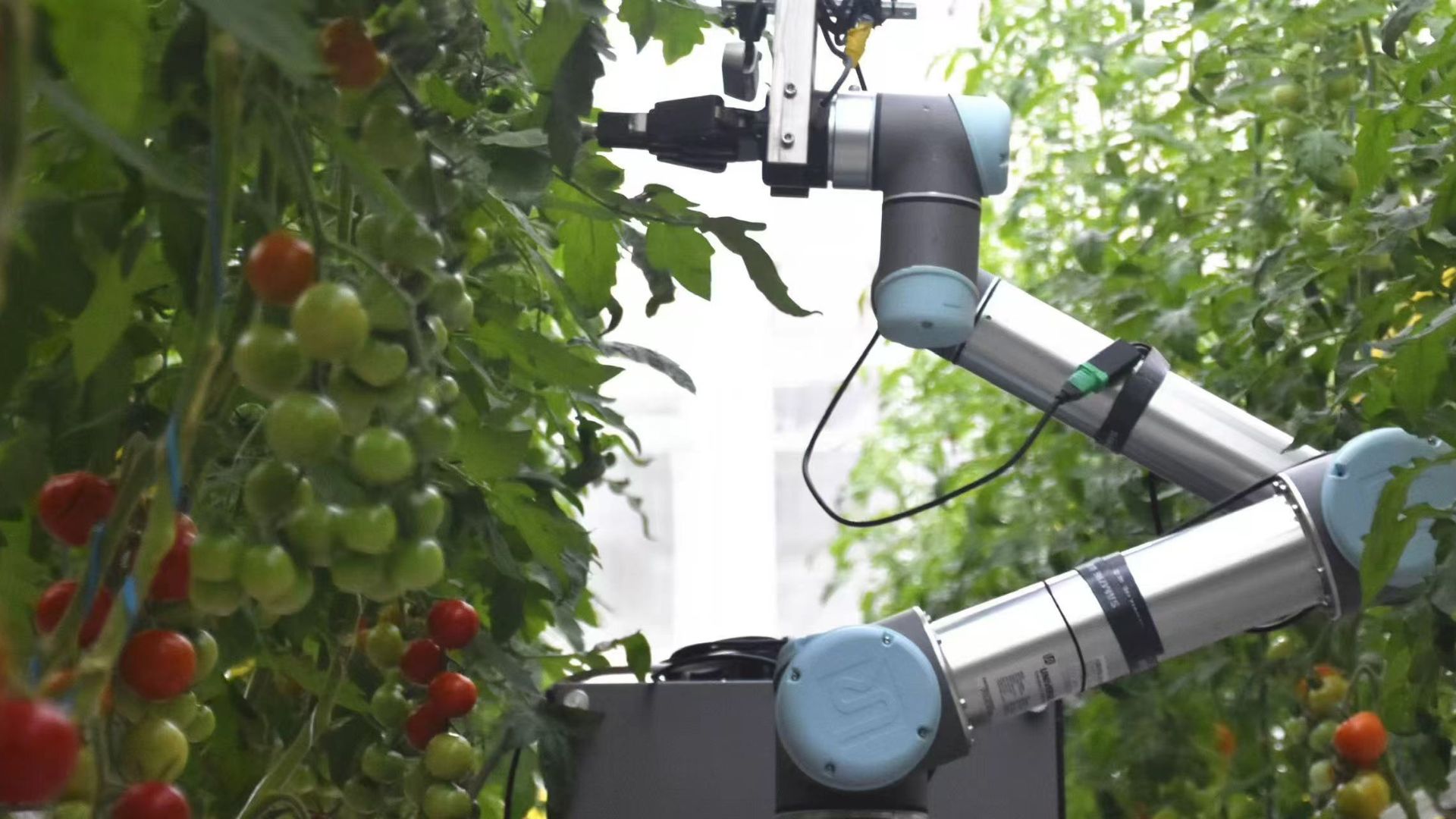
China Unveils GEAIR 2.0 Humanoid Robot for Efficient Crop Pollination
A new humanoid robot named GEAIR 2.0 has been introduced in Beijing, designed to assist in crop breeding through autonomous hybrid pollination. Developed by the Institute of Genetics and Developmental Biology under the Chinese Academy of Sciences, this robot operates independently in complex agricultural environments, enhancing its flower-recognition capabilities and improving stigma-recognition accuracy from 85% to 92.8%. The significance of GEAIR 2.0 lies in its potential to revolutionize crop breeding by automating a labor-intensive process. By combining robotics, artificial intelligence, and biotechnology, the robot can perform pollination tasks efficiently, reducing the reliance on manual labor and lowering breeding costs. Its ability to work continuously without human supervision makes it a valuable asset for large-scale agricultural operations. Looking ahead, the developers emphasize the robot's role in improving the efficiency of hybrid breeding. The system's design allows it to navigate through dense crops and perform tasks under varying environmental conditions. No further timeline was disclosed at the time of publication.
AI and Robotics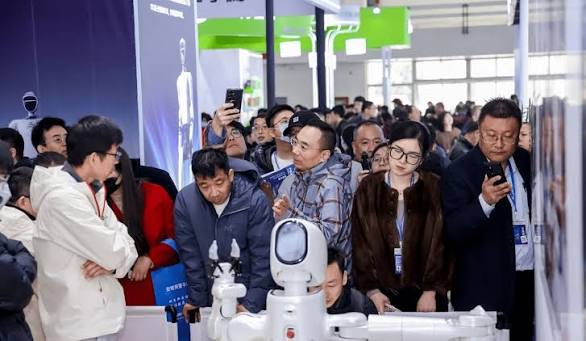
Zhejiang Transforms Humanoid Robots from Showpieces to Production Workers
The AI Show 2026 in Hangzhou showcased over 500 brands, highlighting the rise of humanoid robots. In the first half of the year, Zhejiang saw a 1.2-fold increase in service robot production and a 25.6% revenue growth in the core AI industry. Unlike many regions still in planning phases, Zhejiang is leveraging its manufacturing base to transition humanoid robots from exhibition roles to actual production line workers. In Ningbo, robots from Junpu Intelligent are undergoing final tests before being deployed in European automotive production lines, marking a shift from demonstration to order fulfillment. With rising labor costs in Europe, Chinese robots are becoming a viable option for cost-effective manufacturing. A notable example is at Geely's factory, where humanoid robots from Yushu Technology automate the entire process of handling wheel cover parts. Zhejiang's innovation center is delivering 2,000 customized robots for various applications, achieving a 99% success rate in specific testing scenarios. The province has invested 840 million yuan in a major project focused on core technologies for humanoid robots, while local policies support small and medium enterprises in adopting domestic intelligent equipment. As Zhejiang continues to refine its approach, the effectiveness of this model will determine the future of China's embodied intelligence industry.
Humanoid Robots Manufacturing Automation AI Technology Robotics Innovation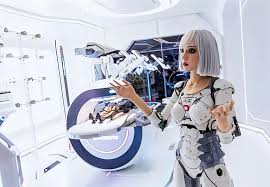
EX Robots Unveils Hyper-Realistic Humanoid Robots for Cultural Tourism Experiences
In September 2026, EX Robots, a tech innovation company, emerged in the public eye during a visit to Dalian Jinshitan National Tourism Resort. Unlike traditional industrial applications, EX Robots focuses on deploying hyper-realistic humanoid robots in science museums, commercial districts, and educational settings, aiming to enhance human-robot interaction through lifelike features and emotions. The significance of this development lies in EX Robots' unique technological approach and its potential to transform cultural tourism. Established in 2013, the company has transitioned from silicone doll exports to bionic robotics, leveraging overlapping technologies such as silicone skin and skeletal drives. With over 160 core intellectual properties, EX Robots has made significant advancements in flexible joints and intelligent expressions, positioning itself for growth in both consumer and business markets. Looking ahead, the demand for humanoid robots is expected to surge, with projections indicating a market value of $1.1 billion by 2030 for companion-type robots. However, challenges such as high costs, empathy limitations, and ethical concerns regarding human likeness remain. EX Robots' President, Li Boyang, emphasizes the need for patience and understanding as the market evolves, highlighting the company's differentiated strategy centered on emotional engagement.
Humanoid Robots Cultural Tourism AI Technology Robotics Innovation
Shanghai Tourism Festival Introduces Humanoid Robot as Innovative Tour Guide
The Shanghai Tourism Festival, set to commence on September 12, 2026, will feature a unique humanoid robot as a tour guide. This robot will be showcased on a themed float, providing real-time intelligent guidance and making smoothies for visitors along the iconic Bund. This marks the first time a humanoid robot has been integrated into a float parade at the festival. The inclusion of the humanoid robot highlights its dual applications in tourism: guiding visitors and providing consumer services. As the float travels approximately 2.2 kilometers through a bustling area, the robot will face challenges such as GPS signal interference and noise from crowds, testing its movement control and task planning capabilities. This event represents a significant step in the commercialization of humanoid robots, moving beyond traditional industrial and educational applications. Following the parade, the float will tour various districts in Shanghai, culminating at the Songjiang Guangfulin Cultural Site. This initiative not only showcases technological advancements but also serves as a public demonstration of the robot's readiness for broader deployment in real-world scenarios.
Humanoid Robots Tourism Technology Event Automation Cultural Innovation
Humanoid Robots Tested as Store Assistants in Hefei's Real-World Retail Experiment
On August 26, 2026, a humanoid robot named 'Xiaomai' was seen assisting customers in Hefei, quickly retrieving items after they placed orders via QR codes or voice commands. This initiative marks one of the first large-scale implementations of embodied intelligent robots in unmanned retail in Anhui Province, with a reported order fulfillment rate of 99% after months of testing. The significance of this experiment lies in its real-world application, as the robots operate in bustling areas rather than controlled environments, allowing them to adapt to unpredictable customer interactions. The project is backed by Hefei Guoxian Holdings and Zero Degree Robotics, which emphasizes the need for robots to perform reliably in dynamic settings, addressing challenges related to product variability and operational stability. Looking ahead, Zero Degree Robotics plans to expand its network of robotic stores to 500 locations by 2026 and aims for 2,000 by 2027. This initiative reflects Hefei's strategic investment in the robotics industry, including a 20 billion yuan public service platform to support the development of intelligent robots, showcasing a promising future for humanoid robots in everyday retail settings.
Humanoid Robots Retail Automation AI Robotics Smart Technology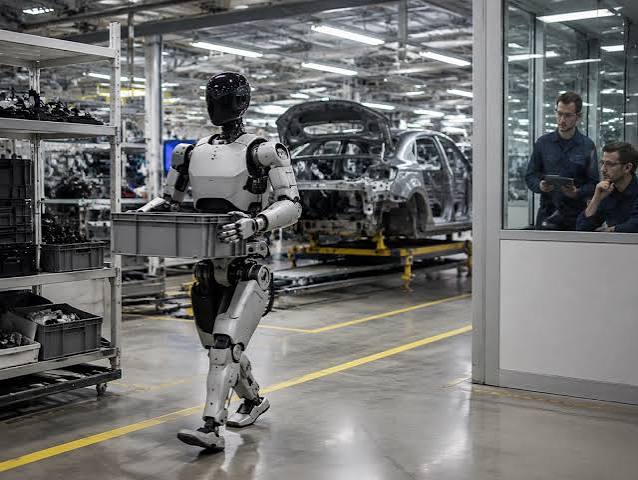
Humanoid Robots Face Hardware Challenges Amid Advancements in AI Technology
In 2026, humanoid robots showcased impressive performances, such as the Yushu H1 completing 1.9 kilometers in 4 minutes and 13 seconds, surpassing human world records. However, a critical issue arises: as AI becomes more intelligent, can the physical capabilities of robots keep pace? According to The Robot Report, there is a fundamental misalignment between AI and humanoid robots, as robots require physical interaction data that cannot be sourced from the internet. The hardware limitations are particularly evident in dexterous hands, which can cost over 100,000 yuan, with some models exceeding 800,000 yuan. Despite their high costs, these hands have a limited operational lifespan in real industrial settings, lasting only a few weeks to a few months. Zhang Zhengtang, founder of Zhongke Huiling, emphasizes the complexity of integrating motors, sensors, and controls in a confined space, where even minor environmental factors can lead to failures after repeated use. As humanoid robots are projected to reach an annual production of 100,000 units by 2026, the industry faces challenges in ensuring consistency across thousands of joint modules and simplifying assembly processes. Wang Xingxing from Yushu Technology predicts that widespread adoption in factories and homes could occur within 2 to 10 years, contingent on hardware stability to support AI advancements in unfamiliar environments.
Humanoid Robots AI Integration Robotics Hardware Automation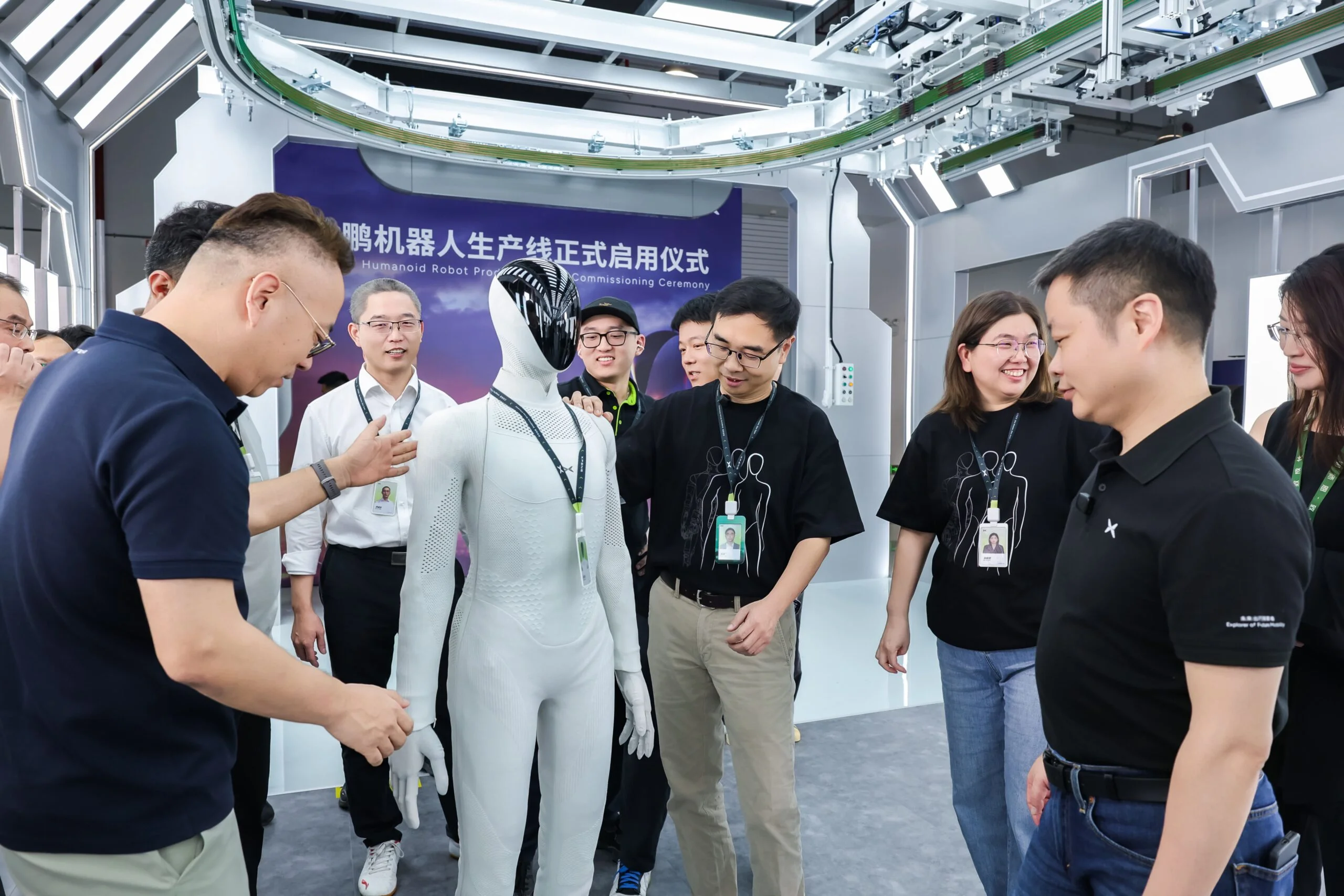
XPeng Launches Production for Humanoid Robot 'Iron' with Advanced Features
XPeng has commenced production of its humanoid robot, Iron, with initial units set to be deployed in the company's stores before a broader market launch in 2027. The production lines are highly automated, with over 80% of core processes automated, and Iron boasts 76 degrees of freedom and three Turing AI chips delivering up to 2,250 TOPS. This development is significant as XPeng aims to position robotics as a key growth sector alongside its automotive business, having raised over $900 million for this initiative. The company’s chairman, He Xiaopeng, emphasized the importance of building a new product category and the potential for higher profit margins in robotics compared to new-energy vehicles. Looking ahead, XPeng plans to enhance production efficiency and scale in robot manufacturing, aiming to create robots that integrate into daily life. No further timeline was disclosed at the time of publication.
AI AI Funding & Investment AI Use Cases Robotics China humanoid robotics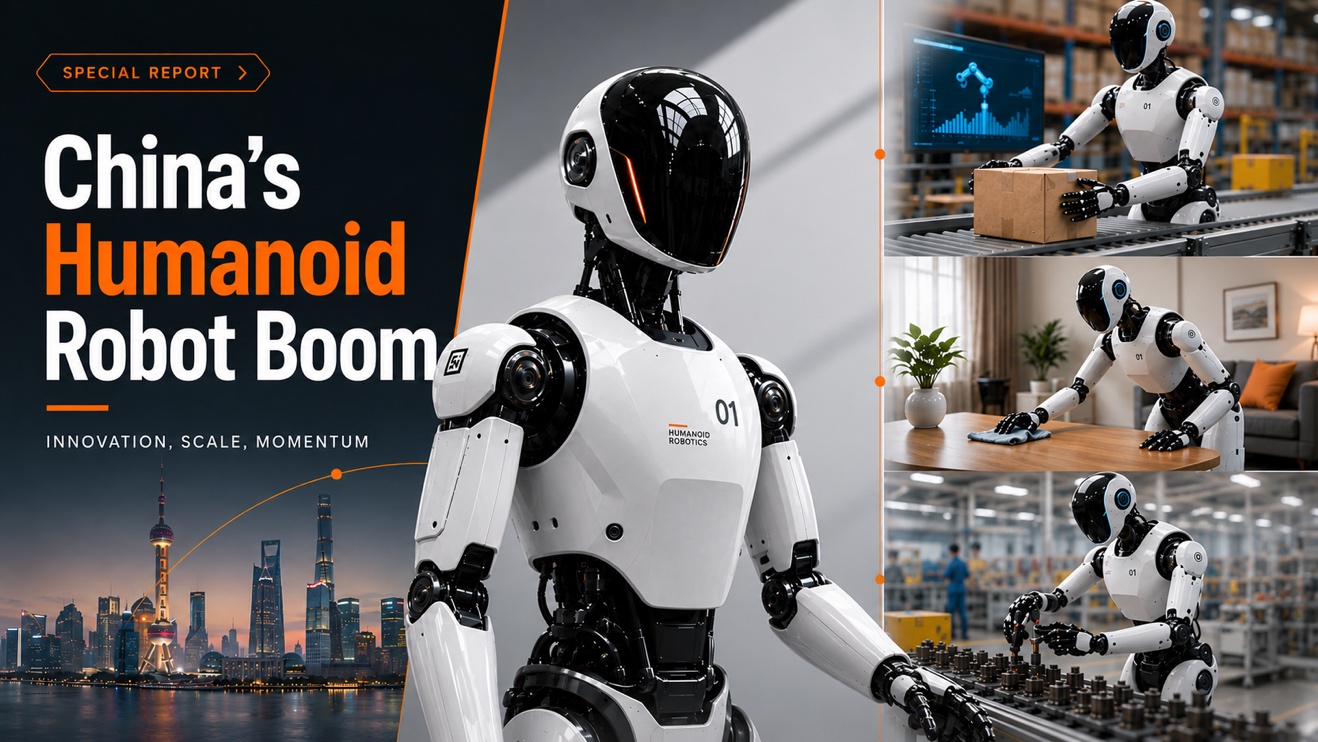
China's Humanoid Robot Boom: Startups Transition from Demonstrations to Practical Applications
China's humanoid robot sector is experiencing significant growth, marked by increased capital investment and diverse applications. Unitree has emerged as a key player, listing on Shanghai’s STAR Market in August 2026, with shares initially soaring to RMB 1,100, reflecting a 629% increase from its offering price. Despite a subsequent stock correction, Unitree reported a 48.5% year-over-year revenue increase, generating RMB 1.15 billion in the first half of 2026 and producing approximately 18,000 bipedal humanoid robots. The expansion of China's robotics industry is also evident in startups like Zerith and RobotEra, which are addressing specific challenges in automation. Zerith's H1 robot, priced at RMB 199,000, began global shipments in Q2 2026 and has been deployed in commercial settings, including airports and supermarkets. Meanwhile, RobotEra is focusing on dexterous manipulation, with its robots already operational in logistics centers for major companies like China Post and SF Express, securing orders exceeding RMB 500 million. As the humanoid robot boom evolves, the focus is shifting from industrial applications to service-oriented environments. The success of these startups will depend on their ability to deliver reliable performance in everyday tasks, ensuring continued customer investment in robotic solutions. No further timeline was disclosed at the time of publication.
Heavy Hitters Highlight News
BigWave Robotics Partners with Space Factory to Deploy Humanoid Robots in Construction by 2026
BigWave Robotics, a South Korean AI company, has announced a partnership with modular housing manufacturer Space Factory to deploy humanoid robots in housing production starting in 2026. This initiative marks a significant shift in the construction industry, which has traditionally relied on human expertise, as robots begin to automate complex tasks such as insulation installation. The entry of humanoid robots into the construction sector is crucial as it addresses labor shortages and enhances production efficiency amid rising housing demands. Modular housing, which involves factory prefabrication and on-site assembly, is increasingly seen as a solution to expedite housing construction, and the integration of robotics is expected to further advance this trend towards smart manufacturing. Looking ahead, the success of humanoid robots in various industries will depend on their cost, reliability, and efficiency. While BigWave Robotics is focusing on the construction sector, the broader implications of this technology could lead to its application in logistics, energy maintenance, and public facility management, marking a new era in industrial automation.
Humanoid Robots Construction Automation Smart Manufacturing Modular Housing AI Technology
LG Electronics Advances Humanoid Robot Actuator Production Plans Amid Industry Shift
As artificial intelligence technology progresses, the humanoid robot industry is transitioning from proof-of-concept to commercialization. The focus of competition is shifting from showcasing complete robots to the core components that drive scalability. Actuators, which connect the robot's control system to its mechanical structure, are becoming a key area of investment. Recently, LG Electronics announced its commercialization plan for humanoid robot actuators at the IFA 2026 exhibition, revealing plans to establish an automated production line in Changwon, South Korea, to supply its AXIUM series integrated actuators globally. This move indicates LG's transition from a consumer electronics company to a core supplier in the robotics sector, aiming to secure a critical position in the future humanoid robot supply chain. The actuator's performance and cost significantly impact the robot's mobility, stability, and commercialization costs, as a standard humanoid robot typically requires around 30 actuators, which can account for 60% to 70% of the total cost. The competition in the humanoid robot industry will not only revolve around mechanical structures but also the integration of hardware and software capabilities, necessitating industry collaboration to address challenges in power, perception, computation, and algorithms.
Humanoid Robots Actuators AI Technology Robotics Supply Chain
Military Humanoid Robots in Engineering Validation Phase Amid Global Defense Research Trends
The global embodied intelligence industry is increasingly capturing the attention of national defense research, with humanoid robots expected to enhance their mobility, dexterity, and environmental perception by 2025-2026. Chinese manufacturers dominate the global humanoid robot shipment market, providing a substantial hardware foundation for military research. Various military research institutions are exploring potential battlefield applications, including urban warfare and infiltration, with simulations indicating that usable prototype systems may emerge within 5-10 years. However, despite advancements, there is currently no public evidence that armed humanoid robots have been officially deployed in combat units, as most projects remain in laboratory and training validation phases. The battlefield presents complex conditions that impose stringent reliability and endurance standards, far exceeding those of commercial products. Challenges such as high energy consumption and complex repair processes hinder the operational capabilities of humanoid robots in high-intensity combat scenarios. Tactically, humanoid robots are not the sole optimal solution for battlefield unmanned equipment. More mature technologies like wheeled and tracked vehicles are already fulfilling reconnaissance and logistics roles at lower costs. The dual-use technology approach emphasizes the importance of civilian advancements in robotics for military applications, while military requirements can drive improvements in civilian products. The path forward involves addressing environmental adaptability, energy consumption, and cost issues to ensure humanoid robots can reliably operate in harsh conditions and meet tactical and economic demands.
Humanoid Robots Military Robotics Dual-Use Technology Robotics Research
Robots Engage in Activism: Demonstrating for Job Preservation and Human Employment
Recent developments in robotics have seen machines taking on activist roles, with robots staging protests to advocate for the preservation of human jobs. This movement highlights the growing intersection of technology and social issues, emphasizing the need for a balance between automation and employment. The significance of this robotic activism lies in its potential to influence public perception and policy regarding automation in the workforce. As industries increasingly adopt robots for various tasks, the conversation around job displacement and the future of work becomes more critical. Companies like Monumental are focusing on automating construction while maintaining skilled jobs, showcasing a commitment to both innovation and employment. Looking ahead, the evolution of robotics and AI technologies will likely continue to shape these discussions. The integration of advanced systems, such as XTEND’s XOS and DEEP Robotics’ capabilities, will be pivotal in determining how robots can coexist with human workers. No further timeline was disclosed at the time of publication.
AI and Robotics
XPENG Launches Production of World's First Advanced Humanoid Robot with Official Facility Commissioning
XPENG has officially launched its humanoid robot production lines, successfully completing the manufacturing of the world's first advanced humanoid robot. This milestone signifies a significant transition from research and development prototyping to actual production-line manufacturing. The achievement is crucial as it demonstrates XPENG's capabilities in humanoid robotics, potentially influencing the future of automation and robotics in various sectors. The autonomous walking of the humanoid robot off the production lines showcases advancements in technology and manufacturing processes. Looking ahead, industry observers will be keen to see how XPENG's humanoid robot performs in real-world applications and how it impacts the competitive landscape of robotics. No further timeline was disclosed at the time of publication.

Xpeng Launches Automated Production Line for Humanoid Robots with High-Level Capabilities
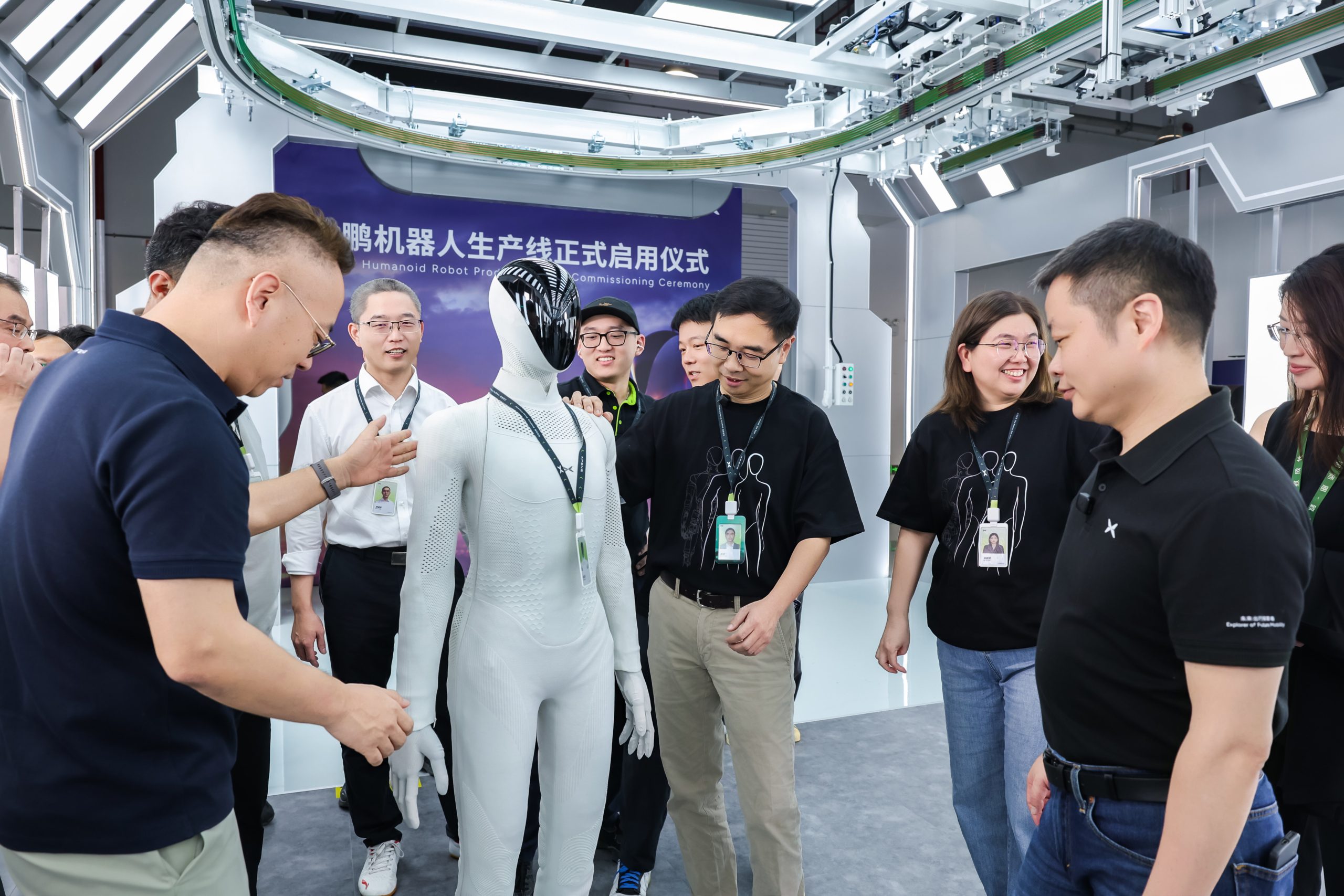
Xpeng has successfully activated an automated production line dedicated to humanoid robots, marking a significant milestone in robotics. The company claims that the first high-level general-purpose humanoid robot has completed its assembly and autonomously walked off the production line. This production line is engineered for mass production, boasting an automation rate exceeding 80% in its essential processes. The establishment of this production line is crucial as it positions Xpeng to meet the growing demand for humanoid robots in various sectors. With plans to initiate volume production by the end of 2026, Xpeng aims to deliver these advanced robots to both domestic and international markets starting in 2027. This move highlights the company's commitment to innovation and leadership in the robotics industry. Looking ahead, stakeholders should monitor Xpeng's progress toward its production and delivery timelines. The successful launch of this automated line could set a precedent for other companies in the robotics sector, potentially influencing market dynamics and technological advancements. No further timeline was disclosed at the time of publication.
News Feed
EcoPro Co. Targets Humanoid Robotics for Growth Beyond Electric Vehicles
EcoPro Co. is set to engage in the South Korean battery-materials sector's initiative to support the humanoid robotics industry. The company is betting on the increasing demand for lightweight and powerful batteries, which is expected to create a new growth market beyond the traditional electric vehicle sector. This strategic move is significant as it highlights the evolving landscape of battery applications, where the need for advanced battery technology is expanding into new domains like humanoid robotics. The shift could lead to innovative developments in both battery design and robotics, potentially transforming how these technologies are integrated. Looking ahead, industry stakeholders will be keen to observe how EcoPro Co. and other battery manufacturers adapt their technologies to meet the specific needs of the humanoid robotics market. No further timeline was disclosed at the time of publication.
Xpeng Launches Automated Humanoid Robot Production Lines in China
Xpeng has announced the commissioning of humanoid robot production lines in China, with over 80% of core processes being automated. This significant step highlights Xpeng's commitment to advancing robotics technology in manufacturing. The automation of these production lines is crucial as it enhances efficiency and reduces labor costs, positioning Xpeng as a competitive player in the robotics sector. The move reflects a broader trend in the industry towards increased automation and intelligent manufacturing practices. Looking ahead, it will be important to monitor how Xpeng's investment in automated humanoid robot production impacts its market position and the overall robotics landscape. No further timeline was disclosed at the time of publication.
News Robotics China Funding humanoid robots Xpeng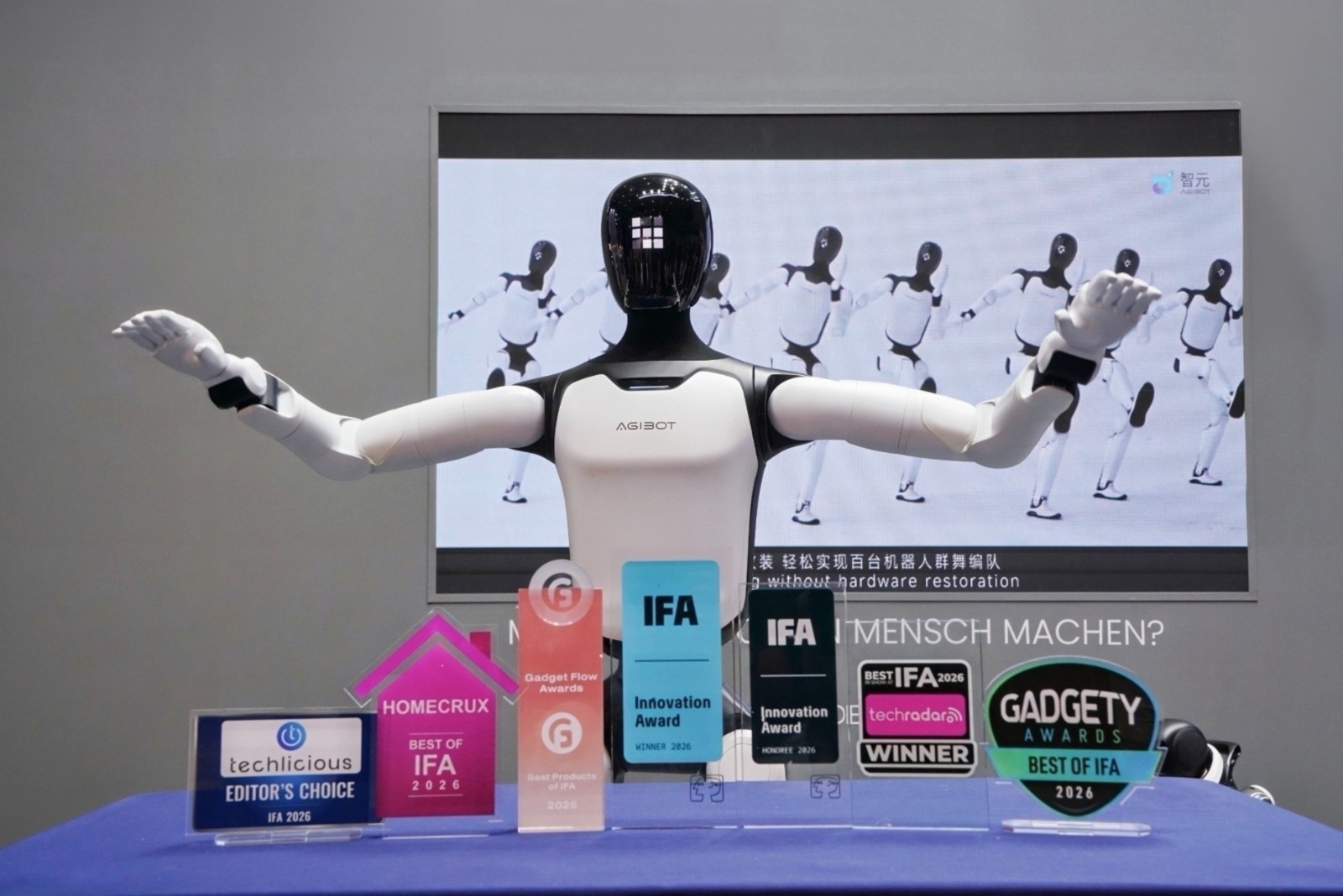
AGIBOT's Humanoid Robots Win IFA Innovation Awards at IFA 2026
AGIBOT's humanoid robots, the AGIBOT A3 and AGIBOT X2, were honored with the IFA Innovation Awards at IFA 2026. These awards highlight the robots' advancements in mobility, interaction, and multi-robot coordination, demonstrating their capabilities for practical applications in various sectors. The recognition from IFA and global tech media underscores the significance of AGIBOT's innovations in the robotics field. The AGIBOT A3 and AGIBOT X2 are designed to enhance human-robot interaction and improve operational efficiency through advanced coordination techniques, making them valuable assets in real-world scenarios. Looking ahead, the continued development and deployment of AGIBOT's humanoid robots could lead to broader adoption in industries that require sophisticated robotic solutions. No further timeline was disclosed at the time of publication.
Humanoid Robots AI Robotics Innovation Awards Technology Automation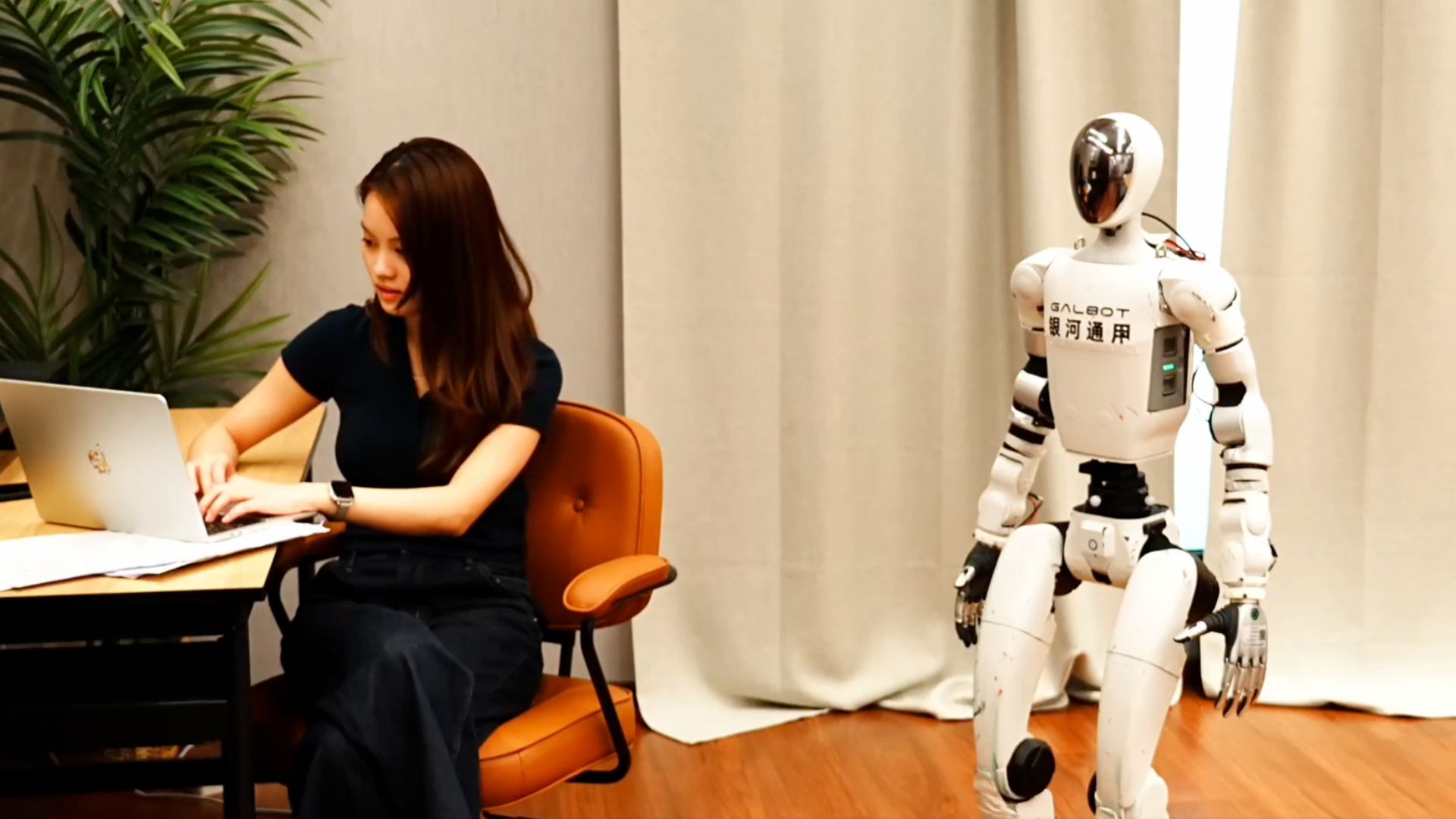
Galbot Introduces RoboGesture for Enhanced Natural Movement in Humanoid Robots
Chinese robotics company Galbot has launched RoboGesture, a new framework designed to enhance nonverbal communication in humanoid robots. This system generates real-time gestures that correspond with spoken language, aiming to make robot interactions more natural and engaging during conversations. The significance of RoboGesture lies in its ability to address common limitations in humanoid robotics, such as mechanical and repetitive movements that detract from effective communication. Scheduled for presentation at the European Conference on Computer Vision (ECCV) 2026, this technology could revolutionize how humanoid robots engage in social settings by allowing them to respond with gestures that reflect the meaning and tone of speech. Looking ahead, the research team, which includes experts from Galbot and several prestigious universities, is focused on overcoming challenges in robot communication, including limited training data and safety concerns. No further timeline was disclosed at the time of publication.
AI and Robotics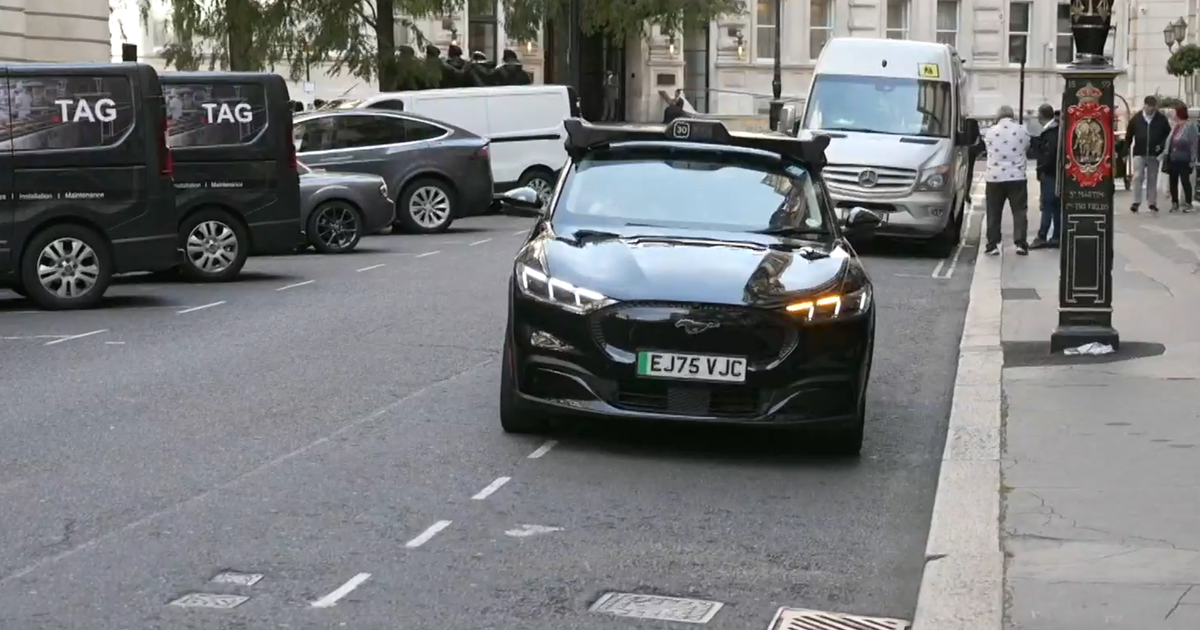
Uber Launches Robotaxis in London with Human Supervisors Amid Regulatory Challenges
Uber has introduced 15 autonomous Ford Mustang Mach-E vehicles in London, marking a significant milestone in urban mobility. This initiative, in collaboration with Wayve, faces regulatory hurdles as human supervisors are required on board due to current laws prohibiting full autonomy. The launch is crucial as it tests the capabilities of autonomous technology in a complex urban environment characterized by dense layouts and numerous roundabouts. Wayve's AI, which learns from diverse driving experiences, aims to navigate the challenges of London's unique road conditions, including a high volume of cyclists and pedestrians. Looking ahead, the project will continue to evolve as Uber and Wayve work towards achieving full autonomy. However, as of now, the robotaxis cannot service airport trips, and the presence of a supervisor remains a regulatory requirement. No further timeline was disclosed at the time of publication.

Data Collectors at JD Teach Robots to Live Like Humans Through Daily Activities
At JD's Robot Data Collection Center in Suqian, data collectors are teaching robots to mimic human activities such as cooking and scanning. This innovative approach transforms everyday actions into precise data points, essential for training embodied intelligent models. The center aims to collect over 10 million hours of quality data within two years, recruiting 100,000 full-time and 500,000 part-time data collectors across various environments. This initiative is significant as it bridges the gap between AI and human-like understanding, allowing robots to learn from real-life scenarios. The data collectors, equipped with lightweight devices, meticulously capture actions to ensure the data's accuracy and relevance. Their work exemplifies the evolving relationship between humans and robots, highlighting the importance of human input in AI development. Looking ahead, the center's ambitious goal of extensive data collection will play a crucial role in advancing AI capabilities. As the demand for skilled data collectors grows, this emerging profession is gaining popularity, with experienced collectors earning substantial incomes. No further timeline was disclosed at the time of publication.
AI Data Collection Robotics Human-Robot Interaction
OpenAI's CEO Confirms Plans for Humanoid Robots After GPT-6 Astra Launch
Just two days before the launch of the next-generation flagship model GPT-6 Astra, OpenAI's CEO Sam Altman made a definitive statement regarding the company's plans to develop humanoid robots. This announcement positions OpenAI as a formidable competitor in the humanoid robot market, traditionally dominated by Tesla's Optimus robot, which has already influenced Tesla's stock price with expectations of a robot monopoly. The significance of OpenAI's entry into the humanoid robot space cannot be understated, as it introduces a well-funded and top-tier AI brain into the competition. Investor Gene Munster noted that the humanoid robot market is becoming a two-horse race between Tesla and OpenAI, with OpenAI holding a substantial capital advantage. This dynamic complicates the narrative surrounding Tesla's ambitions, which may be seen as speculative and harder to justify. As the competition heats up, it is crucial to observe how these three major players—OpenAI, Tesla, and NVIDIA—navigate their distinct infrastructure paradigms in the humanoid robot arena. OpenAI's historical involvement in robotics dates back to 2017 with the development of Dactyl, showcasing their long-standing commitment to the field despite their recent focus on large language models.
Humanoid Robots AI Robotics Machine Learning
Figure Partners with Nscale to Deploy 100,000 GPUs for Humanoid Robot AI Training
U.S. robotics company Figure has entered a strategic partnership with UK-based Nscale to secure up to 100,000 GPUs for training its next generation of humanoid robots. This collaboration aims to meet the increasing data and computational demands of developing advanced AI models for general-purpose robotics, utilizing NVIDIA’s Vera Rubin platform. The partnership is significant as it represents an initial commitment of $3.5 billion, with plans to expand to over $6 billion. The deployment of this large-scale computing infrastructure is expected to begin in the second half of 2027 in Barstow, Texas. This investment will support Figure's Helix AI system, enhancing the capabilities of its humanoid robots by processing vast amounts of real-world data. Looking ahead, Figure is also scaling its Index dataset, which has gained over 264,000 downloads globally. This dataset is crucial for training AI models by capturing diverse human activities. The collaboration with Nscale is designed to create a comprehensive infrastructure for physical AI, facilitating the transition from model training to real-world deployment of humanoid robots. No further timeline was disclosed at the time of publication.
AI and Robotics
RobStride Launches 10P Integrated Joint for Humanoid Robots with 42N·m Torque
RobStride has introduced the ROBSTRIDE 10P integrated joint, designed to address the supply gap in mid-torque joints for humanoid and quadruped robots. With a peak torque of 42N·m and a weight of just 460g, it is priced at 859 Yuan, making it a competitive option in the 30 to 50N·m range. This innovation is significant as it balances torque and weight, crucial for developers who often face trade-offs between high-torque joints that add excess weight and lower-cost options that compromise performance. The 10P aims to resolve these challenges, offering a torque density of approximately 91.3N·m/kg, which is competitive within its category. Looking ahead, the 10P's integrated design simplifies assembly and calibration, allowing developers to focus on higher-level programming without the burden of complex component integration. No further timeline was disclosed at the time of publication.
Humanoid Robots Robotics Components Joint Actuators Prototyping Solutions
Humanoid Robotics Industry Expected to Achieve 26 Million Annual Shipments by 2040
A recent report from Berg Insight indicates that the humanoid robotics sector is poised for significant long-term commercial growth. This growth is expected to culminate in annual shipments reaching 26 million units globally by 2040. The anticipated increase in shipments highlights the rising demand for humanoid robots across various applications, signaling a shift in market dynamics. As the industry evolves, it is crucial for stakeholders to adapt to these changes and explore new opportunities in humanoid robotics. Looking ahead, industry participants should monitor advancements in technology and shifts in consumer preferences that could influence the trajectory of humanoid robot adoption. No further timeline was disclosed at the time of publication.

Nscale and Figure Forge $3.5 Billion Partnership for Humanoid Robot Computing
Nscale has entered into a multi-year partnership with Figure, committing $3.5 billion to deploy up to 100,000 Nvidia GPUs for Figure's next generation of humanoid robots. The agreement has the potential to exceed $6 billion, with initial deployments of Nvidia Vera Rubin GPUs set for Barstow, Texas, starting in the latter half of 2027. This partnership is significant as it positions Nscale as Figure's preferred compute provider and shareholder, while also exploring the integration of humanoid robots into Nscale's supply chain. The collaboration aims to enhance the capabilities of Figure's AI model, Helix, which relies on increased data and computing power to improve its performance. Looking ahead, the companies plan to leverage Nvidia's AI infrastructure to support Figure's models throughout their lifecycle, from training to deployment. No further timeline was disclosed at the time of publication.
AI AI Funding & Investment Robotics compute deal Figure
Zeroth Launches Bridge, the First AI-Native Humanoid Robot with OpenBridge Ecosystem
Zeroth, a Chinese robotics company, has unveiled Bridge, touted as the world's first AI-native embodied robot, along with the OpenBridge open-source ecosystem. This platform aims to facilitate real-world robot development through its compact humanoid design and developer-friendly interfaces, with the first Bridge Geek Edition units now available for purchase. The introduction of Bridge is significant as it represents a shift towards more adaptable and interactive robotics, moving away from traditional fixed-motion robots. With features like bipedal walking and obstacle avoidance, Bridge is designed to support developers in creating innovative capabilities, making physical AI development more accessible and collaborative. Looking ahead, Zeroth's Bridge Builder Program will engage developers globally, with the first phase selecting 500 participants for a co-creation challenge. This initiative aims to foster community-driven development within the OpenBridge ecosystem, enhancing the robot's capabilities and encouraging shared contributions among developers. No further timeline was disclosed at the time of publication.
AI and Robotics
Preliminary Study Investigates Humanoid Robot Touch's Impact on Mood and Emotions
A preliminary study has examined the relationship between humanoid robot touch and changes in mood and emotional expression. This research highlights the potential applications of robot-assisted therapy, suggesting that interactions with humanoid robots could positively influence emotional well-being. Understanding how humanoid robot touch affects mood is significant as it opens new avenues for therapeutic interventions. The findings may lead to the development of robots designed to assist in emotional support and mental health care, enhancing the quality of life for individuals in need. Future research will be crucial to further explore the implications of these findings. Continued investigation into the effects of humanoid robot touch on emotional states could pave the way for innovative therapeutic solutions. No further timeline was disclosed at the time of publication.
Barclays Predicts Significant Increase in Humanoid Robot Deployments Ahead
Humanoid robots are transitioning from laboratory settings to practical applications, with a notable increase in deployments anticipated in the coming years. Zornitsa Todorova, head of Thematic FICC Research at Barclays, highlighted that the industry is entering a crucial scale-up phase, which is expected to enhance the presence of humanoid robots in various sectors. This surge in humanoid robot deployment is significant as it indicates a growing acceptance and integration of advanced robotics in everyday environments. However, Todorova pointed out that a critical challenge remains: the lack of sufficient real-world training data, which is essential for the effective operation and development of these robots. Looking ahead, stakeholders in the robotics industry should monitor advancements in data collection and training methodologies, as overcoming this hurdle will be vital for the successful scaling of humanoid robots. No further timeline was disclosed at the time of publication.

China's Humanoid Robot Conference Showcases Innovations and Industry Potential
The 2026 World Robot Conference (WRC), held in Beijing from August 19 to 23, highlighted advancements in humanoid robotics. With 373 companies showcasing over 3,000 products, including 311 debuts, the event focused on how robots can integrate into daily life and work environments. The conference theme, 'Human-Robot Symbiosis, Production-Demand Convergence,' emphasized the practical applications of robotics. Notable demonstrations included Galaxea AI's G1 robot preparing breakfast and CASBOT's robot rock band performing popular songs, illustrating the diverse capabilities of humanoid robots. As the industry evolves, the increasing human-like design of robots from companies like UBTECH and AheadForm raises questions about their future roles. Observers should watch for further developments in biomimetic robots and their integration into various sectors. No further timeline was disclosed at the time of publication.
Heavy HittersRobotics needs a service framework.
RSF defines a common language for robot service capability, lifecycle operations, certification pathways, and service-provider networks.
Join the RobotToday community on LinkedIn
Daily robotics news, in-depth analysis, conference highlights, and discussions with professionals worldwide.