

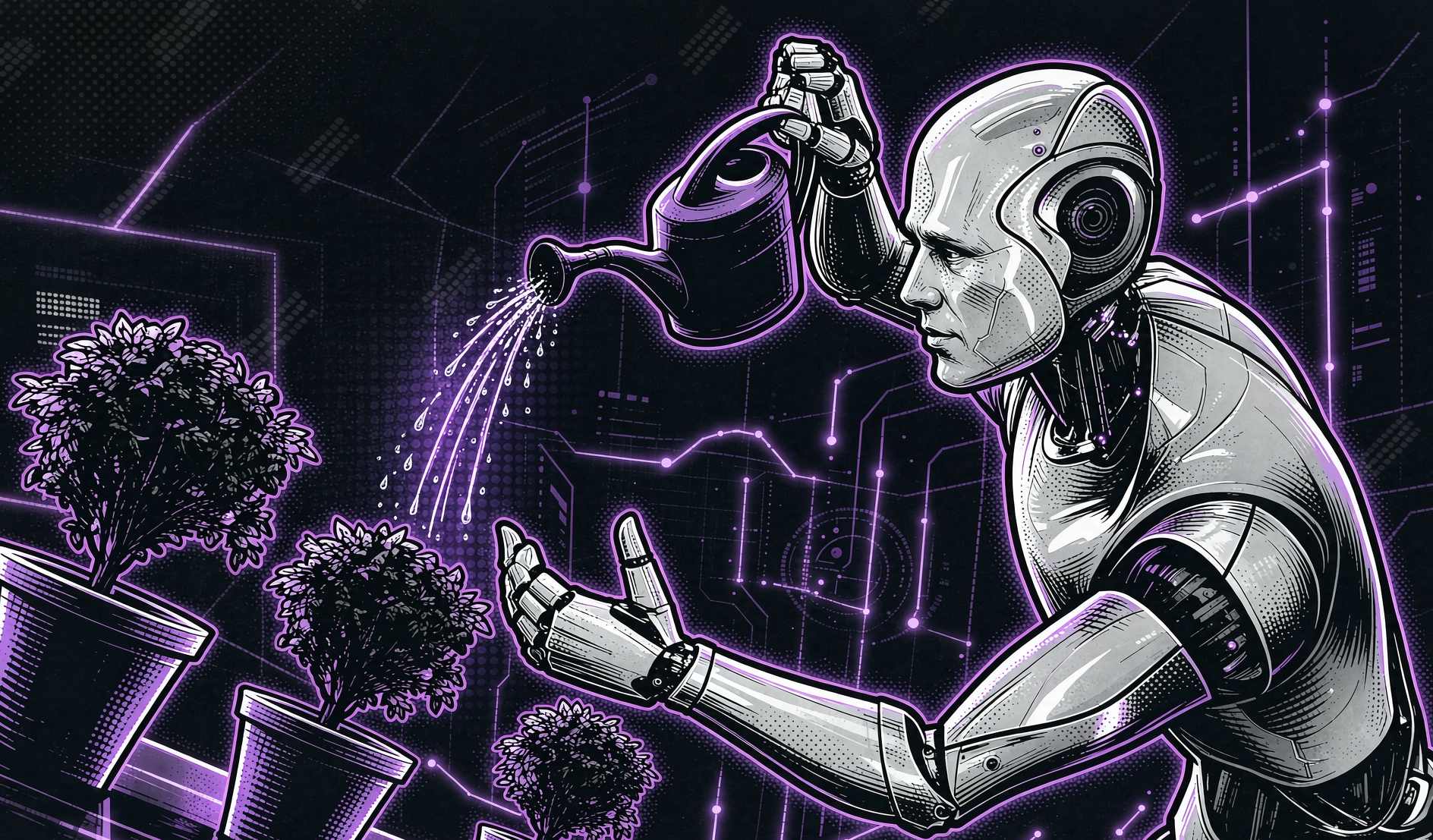
Qiyuan Robotics is preparing to deliver its Q1 robot, which stands 88 cm tall and weighs 15 kg, designed for companionship and entertainment. The company, part of the Upwind New Materials group, is also launching the T1, a transformable robot. CEO Tian Hua emphasizes that personal robots should not merely replicate industrial robots but instead create a new form of human-robot interaction.
The significance of these developments lies in the potential for personal robots to become a primary interface in homes, connecting AI, digital services, and everyday life. Unlike structured factory environments, homes present unpredictable challenges, which is why Qiyuan has opted for a smaller, safer design for the Q1. The T1, standing about one meter tall, can switch between wheeled and quadrupedal forms, indicating a shift in the industry towards robots that better fit human lifestyles.
Looking ahead, Qiyuan Robotics faces the challenge of moving from prototypes to mass production, with plans for a production line capable of handling thousands of units. The company has secured 210 million yuan in prepayments for its consumer-grade robots and is investing significantly in R&D. Analysts remain cautious, noting that while the home market is promising, it may take longer to reach commercialization compared to industrial applications. The real test will be whether users will keep these robots in their homes after initial trials.
Editor's Note
The emergence of personal robots like Qiyuan's Q1 and T1 highlights a pivotal moment in the robotics industry, particularly in the context of home automation and user interaction. As companies navigate the complexities of integrating robots into everyday life, the focus on user-friendly designs and practical applications will be crucial for adoption. The balance between technological advancement and consumer acceptance will shape the future landscape of personal robotics.























Leave a comment