


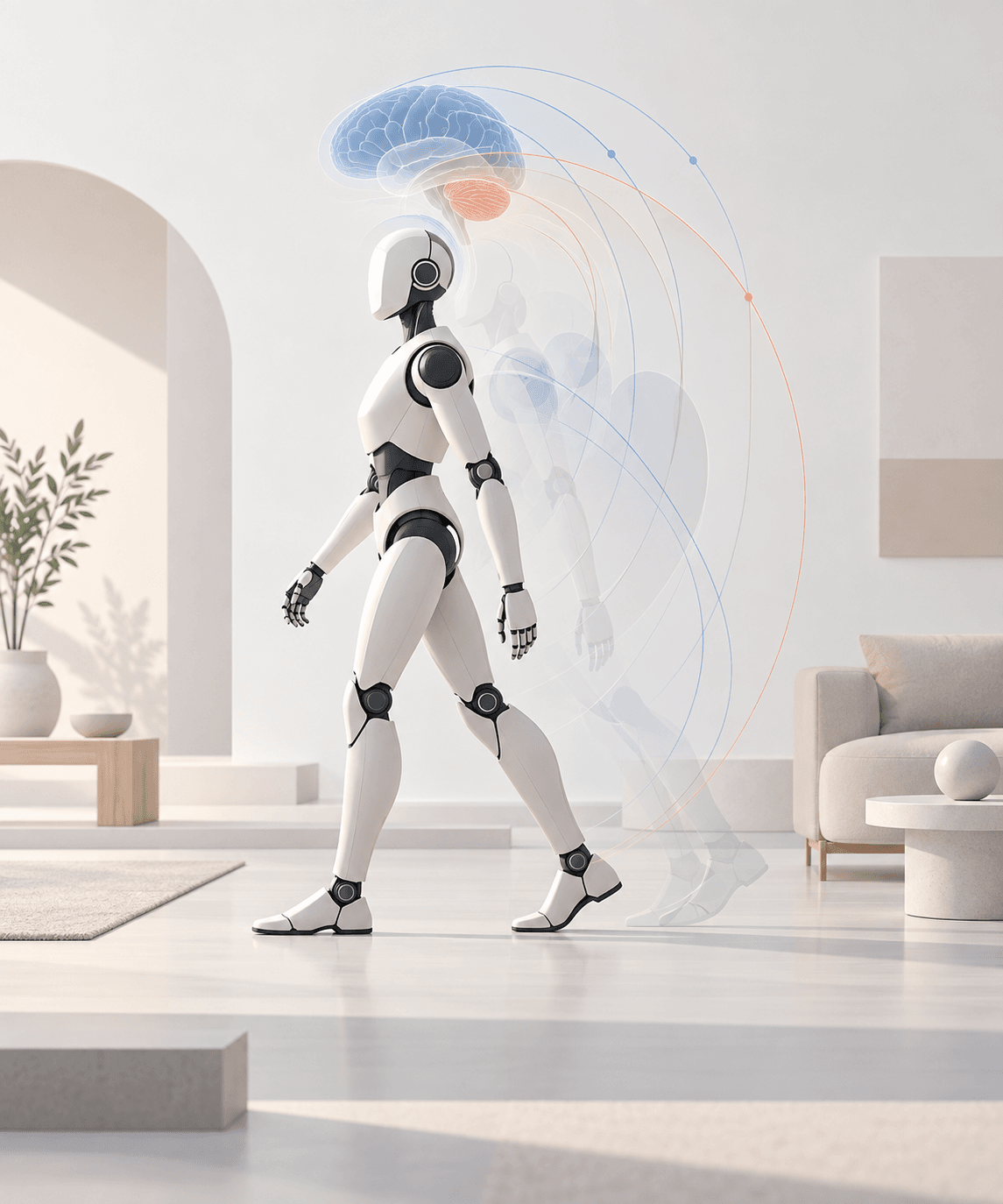
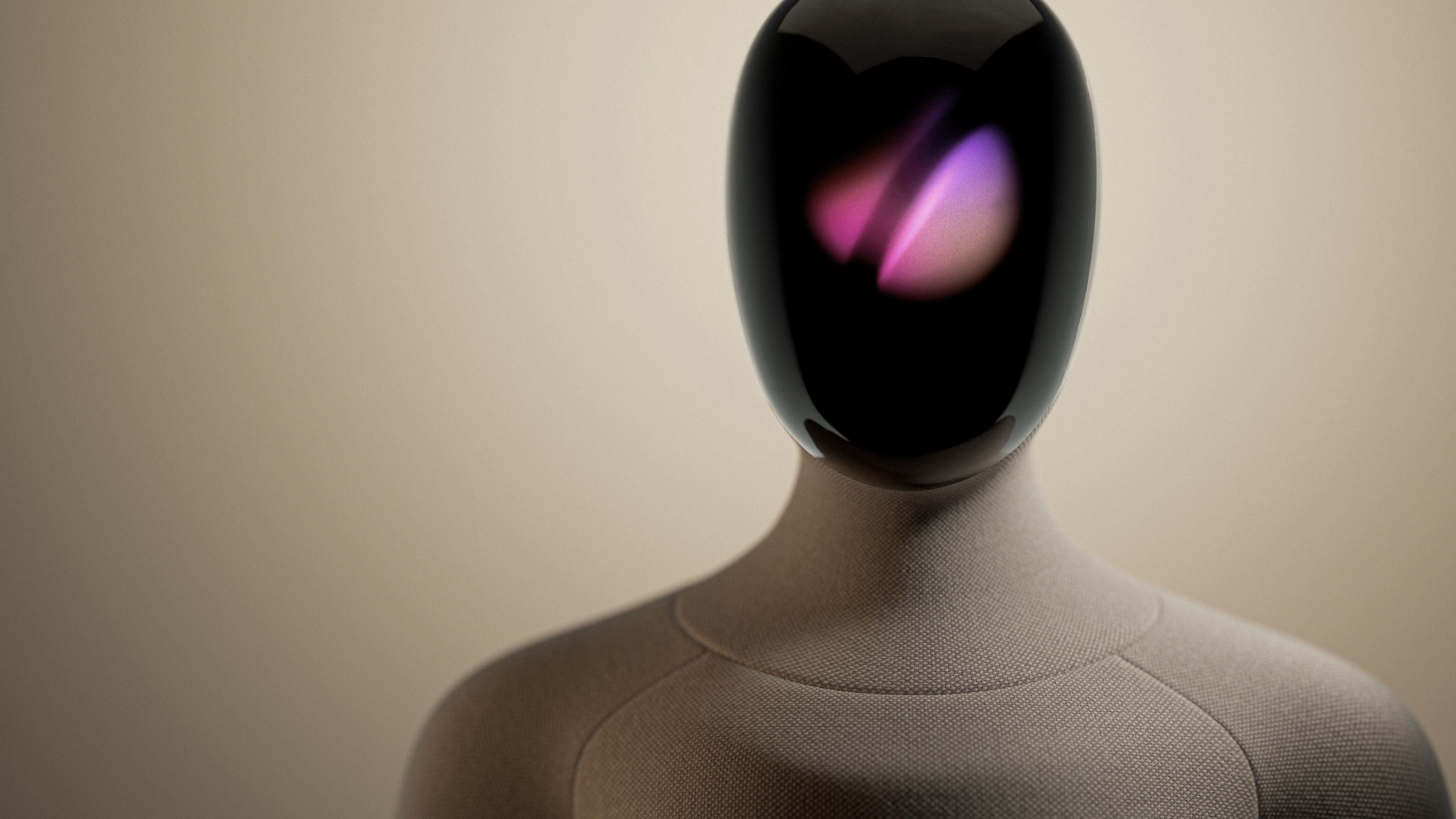
Recent findings indicate that humans tend to become more suspicious of humanoid robots that exhibit errors, particularly when these robots engage in expressive conversations. This phenomenon highlights the delicate balance between human-like interaction and the potential for mistrust when technology falters.
The implications of this research are significant for the development of humanoid robots, especially those designed for social interaction. As these robots become more integrated into daily life, understanding human reactions to their mistakes will be crucial for fostering acceptance and effective communication.
Looking ahead, developers and researchers should focus on improving the reliability of expressive humanoid robots to mitigate wariness among users. No further timeline was disclosed at the time of publication.
Editor's Note
The relationship between human perception and robotic performance is critical in the robotics industry. As humanoid robots become more prevalent in social settings, addressing the factors that lead to mistrust will be essential for successful adoption and integration into various applications.




























Leave a comment