


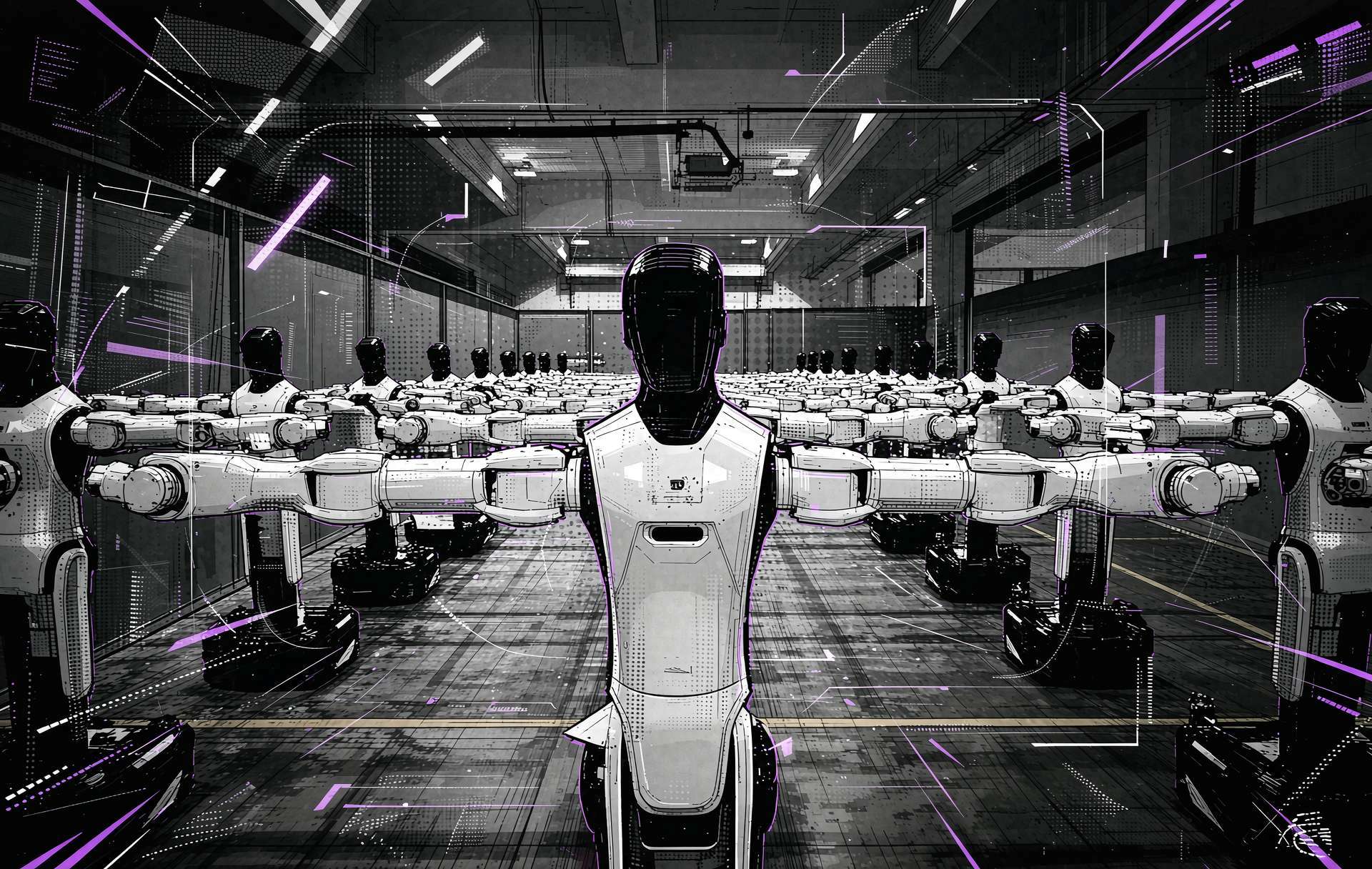
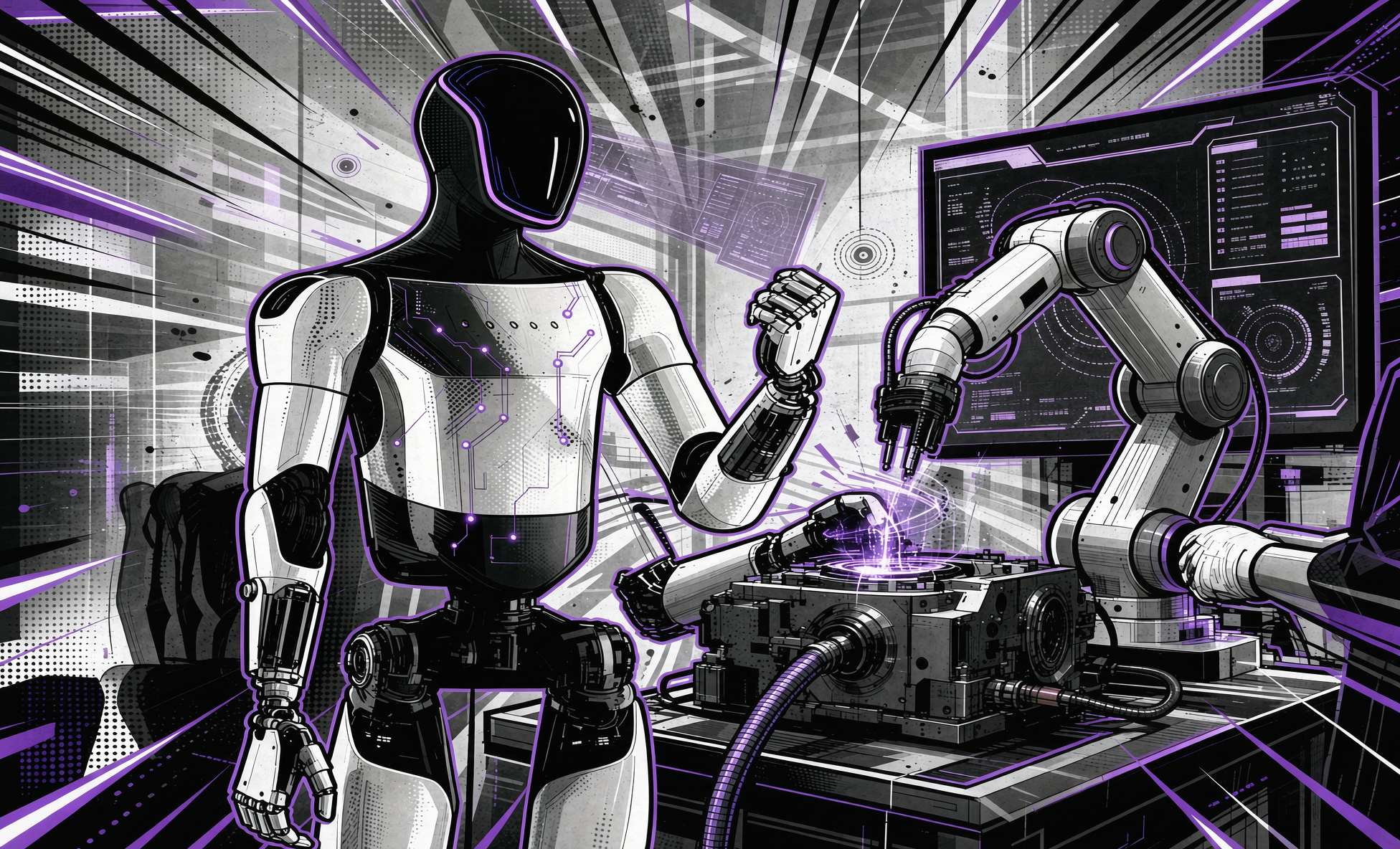
The HiPHI dataset, comprising 617.5 hours of whole-body human motion data, aims to enhance the training of humanoid robots. Captured with optical motion capture technology at sub-millimeter accuracy, it includes 245.7 hours dedicated to human-object interactions, providing synchronized object trajectories and meshes.
This dataset is significant as it addresses the limitations of existing training data, which often lacks precision or diversity. By utilizing FrameNet, a linguistic framework for human action, HiPHI organizes its coverage effectively, enabling better training and evaluation of humanoid robots in various scenarios.
Looking ahead, the introduction of a benchmark suite for measuring motion diversity and interaction grounding will be crucial for future developments. The results from policies trained on the HiPHI dataset and deployed on the Unitree G1 humanoid robot will be important to monitor as they could set new standards in the field of humanoid robotics.
Editor's Note
The HiPHI dataset represents a significant advancement in the training of humanoid robots, addressing the critical need for high-precision data in diverse scenarios. As the robotics industry continues to evolve, the integration of such comprehensive datasets will enhance the capabilities of robots in real-world applications, driving innovation in human-robot interaction and automation.
Copyright Notice
This briefing is an independently written summary based on publicly available reporting and is provided for industry information and news discovery. The original report and source publication are credited and linked where applicable. RobotToday does not claim ownership of third-party source material.
Rights concerns? If you believe any material in this briefing infringes your copyright or other rights, please contact [email protected] with the relevant URL and details. We will review the matter and take appropriate action where warranted.





























Leave a comment