

Industry Briefing
A single destination for timely, editor-curated robotics news from around the world.
Arm Launches Total Design for Physical AI, Uniting Over 80 Developers in Robotics
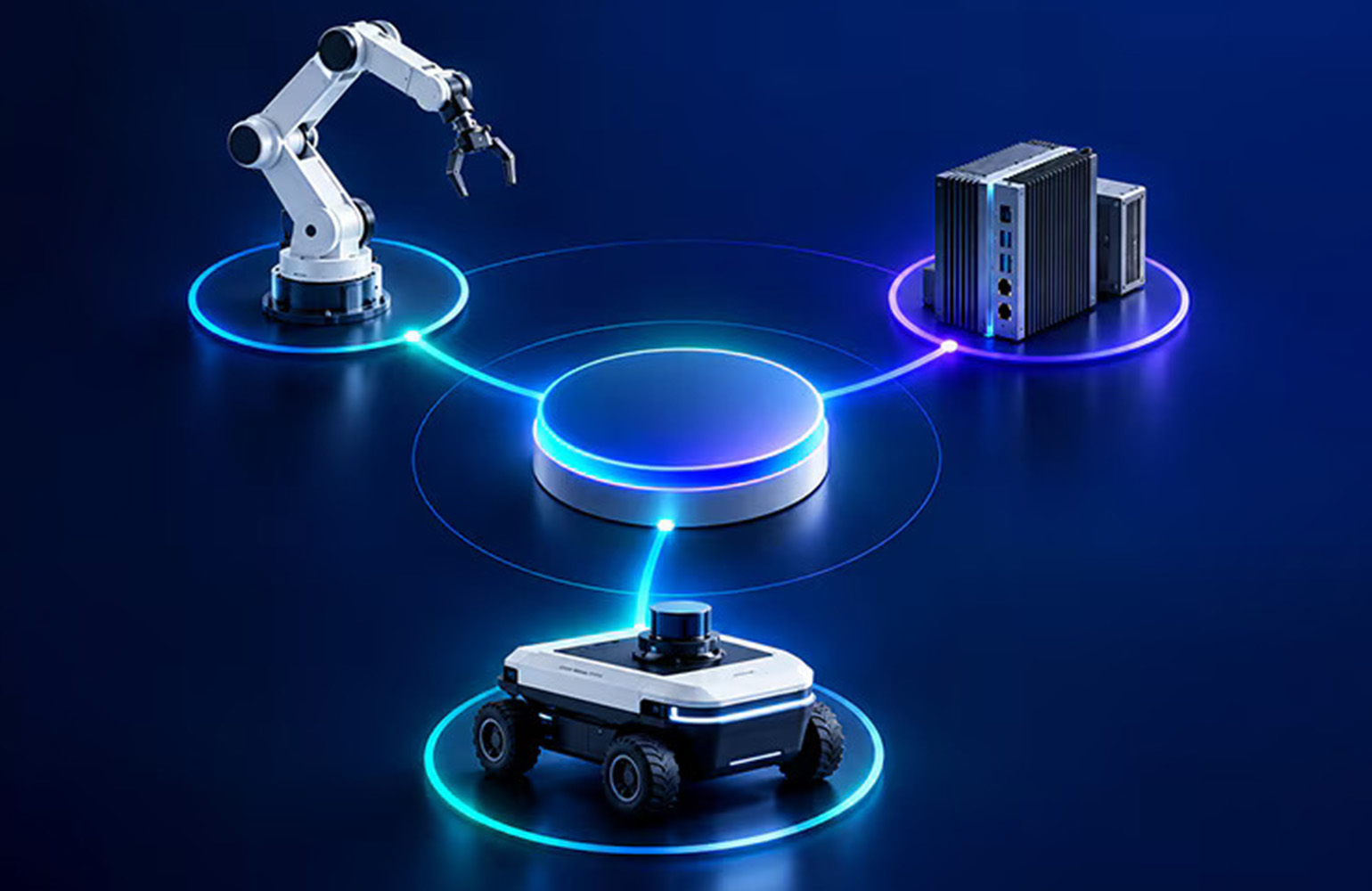
Arm Holdings PLC has introduced Arm Total Design for Physical AI, a program that unites over 80 companies involved in the physical AI technology stack. This initiative aims to foster collaboration among participants in the physical AI space, addressing challenges in perception, AI, real-time control, and safety. The significance of this program lies in its potential to streamline the fragmented robotics industry, which often sees companies struggling to collaborate effectively. Dermot O’Driscoll, vice president at Arm, emphasized the need for a cohesive ecosystem where technology and ideas can be shared, enhancing the development of interoperable systems. Looking ahead, Arm's Robotics Capability Framework will categorize robotic systems into six levels of sophistication, from basic reactive robots to advanced systems that learn and self-optimize. Arm is seeking industry feedback to refine these levels, indicating a commitment to evolving the understanding and capabilities of robotics in the market.
Artificial Intelligence Artificial Intelligence / Cognition Automotive Design / Development Development Tools / SDKs / Libraries Markets / Industries
SpaceX Launches Starmind Project for 1 Million AI Satellites by 2028
SpaceX has officially named its orbital AI infrastructure project 'Starmind,' which aims to deploy a constellation of up to 1 million satellites. This initiative, confirmed by Elon Musk on June 22, 2026, will enable AI inference directly in space, utilizing solar energy rather than terrestrial power sources. The first satellite, designated AI1, was unveiled on June 8, 2026, and is designed to operate in sun-synchronous orbits. The significance of Starmind lies in its potential to overcome the limitations faced by ground-based data centers, such as land, power, and water constraints. By running AI computations in orbit, Starmind can provide a more efficient solution to the growing demand for AI computing power. The project leverages the existing Starlink infrastructure for data transmission, distinguishing its function from Starlink's internet relay capabilities. Looking ahead, SpaceX plans to begin hardware deployment with the AI1 satellite, while full-scale production and deployment of the satellite constellation are targeted for 2028. As of now, no Starmind satellites have been launched, and further engineering challenges remain to be addressed, particularly regarding the scalability of the satellite design.

Tesla's Optimus Robots to Support Starmind Satellite Production, Not Maintenance
Tesla's Optimus robots will not be used to repair Starmind satellites in orbit, as confirmed by recent statements from Elon Musk. Instead, these robots are intended to assist in the construction and operation of the Terafab chip manufacturing facility in Texas. The AI1 satellites, designed to disintegrate upon reentry, highlight the company's swap-and-replace strategy rather than traditional maintenance practices. This approach is significant as it reflects a broader trend in satellite management, where mass-produced satellites are replaced rather than repaired. The economics of servicing missions are prohibitive, with the cost of launching a replacement satellite being significantly lower than conducting a repair mission. This model aligns with SpaceX's operational history, where rapid replacement of satellites is more efficient than attempting to maintain them in orbit. Looking ahead, the focus will remain on the production capabilities of the Gigasat factory, which is expected to support the continuous replacement of satellites. No further timeline was disclosed at the time of publication, but the demand for rapid satellite turnover suggests a robust future for Optimus robots in terrestrial manufacturing rather than in-space servicing.

SpaceX's Starmind Plans 1 Million AI Satellites Amid Collision Risks
SpaceX has announced its ambitious Starmind project, which aims to deploy 1 million AI satellites in orbits between 500 and 2,000 km. This initiative, confirmed by Elon Musk on June 23, 2026, follows a merger with xAI, valuing the combined entity at $1.25 trillion. The satellites will function as orbital data centers, processing AI workloads powered by solar arrays and linked by optical lasers. The significance of Starmind lies in its potential to add 100 gigawatts of AI compute capacity annually, contingent on the successful operation of the Starship launch system. However, the project raises concerns regarding space debris, as the current orbital environment is already congested, with a 20% increase in collision risk reported since 2024. The European Space Agency has highlighted that the density of debris in low Earth orbit is now comparable to that of active satellites, complicating the operational landscape for new entrants like Starmind. Looking ahead, the first operational orbital AI deployments are targeted for 2028, with test launches expected in early 2027. However, the project faces scrutiny regarding its impact on space debris, as even a 1% failure rate could significantly increase the number of uncontrollable objects in orbit, exacerbating existing risks. No further timeline was disclosed at the time of publication.

SpaceX's Starmind Project: Supplier Strategy and Chip Manufacturing Plans for 2026
SpaceX's Starmind project, aimed at deploying up to 1 million AI satellites, was filed with the FCC on January 30, 2026. The initiative is designed to minimize reliance on external suppliers, with CEO Elon Musk stating that current chip production capabilities only meet 2% of the projected needs. The first satellite, AI1, is set for prototype launches in early 2027, featuring a 70-meter wingspan and a modular payload system that allows for interchangeable chips from various suppliers. The significance of Starmind lies in its ambitious supply chain strategy, which seeks to transition from external hardware suppliers to a fully integrated Musk-owned facility by 2028. The Gigasat manufacturing site in Bastrop, Texas, is expected to be operational by the end of 2027, with plans for high-volume production of the D3 chip, specifically designed for space applications. This approach aims to consolidate chip manufacturing processes under the Terafab joint venture, which has an estimated initial investment of $55 billion. Looking ahead, the next milestone for Starmind is the launch of AI1 prototypes in early 2027, while the full-scale chip production at Terafab is projected to ramp up significantly thereafter. However, analysts express skepticism regarding the feasibility of achieving Musk's ambitious compute goals, which may require substantial investment and time to establish the necessary manufacturing capabilities.

Starmind's Satellite Technology Achieves 880 Billion Liters in Annual Water Savings
Starmind has announced that its satellite technology can save approximately 880 billion liters of cooling water annually at full scale. This figure is equivalent to the annual household water use of around 6.5 million Americans. The technology operates by utilizing a closed-loop liquid cooling system that eliminates the need for water during its operational life, contrasting sharply with traditional ground data centers that consume vast amounts of water for cooling. The significance of this achievement lies in the growing water consumption crisis faced by data centers, particularly as AI expansion drives demand. In 2025, U.S. data centers consumed nearly one trillion liters of water, highlighting the urgent need for sustainable solutions. Starmind's approach not only addresses direct water usage but also avoids indirect water consumption associated with electricity generation, marking a substantial shift in how computing can be conducted in a resource-efficient manner. Looking ahead, Starmind's deployment strategy includes a projected buildout of 100 GW of orbital compute per year, which could displace an additional 735 billion liters of ground water demand annually. The first tranche of 10,000 satellites is already operational, offsetting approximately 8.8 billion liters of water per year. No further timeline was disclosed at the time of publication.

Starmind's Orbital Compute vs. Terrestrial Data Centers: Analyzing Resource Advantages
Starmind's orbital compute technology presents a significant advantage over traditional ground-based data centers by eliminating constraints related to land, water, and grid permitting. While terrestrial data centers are currently cheaper and faster to construct, with U.S. data center spending reaching $85.3 billion in 2026, Starmind's approach focuses on addressing the growing resource limitations faced by hyperscale facilities. The significance of Starmind's technology lies in its ability to sidestep the increasing challenges of land and water usage. For instance, a 100 MW data center can consume approximately 530,000 gallons of water daily for cooling, while Starmind's AI1 utilizes deployable liquid radiators that require no water. This structural advantage could resonate with investors as the demand for AI computing continues to escalate, potentially leading to annual water withdrawals of up to 1.7 trillion gallons by 2027. Looking ahead, Starmind's next milestones include the launch of AI1 prototypes scheduled for early 2027. However, the technology's claims regarding cooling efficiency and operational reliability remain unverified until real flight data is available. As the industry evolves, the competition between orbital and terrestrial solutions will become increasingly relevant, particularly in the context of resource management and sustainability.

Italian Institute of Technology Develops Soft Robotic Arm Inspired by Octopus Design
A team from the Italian Institute of Technology (IIT) has developed a soft robotic arm inspired by the octopus, utilizing a distributed perception design philosophy. Unlike traditional robots with centralized control, this arm mimics the octopus's ability to independently sense and respond through its tentacles, allowing for more agile and nuanced movements underwater. This innovation matters as it enhances the speed and simplicity of robotic control, eliminating the need for high-frequency data processing from a central system. The arm's design incorporates optoelectronic sensors and micro-LEDs in each suction cup, enabling real-time assessment of contact direction and force, thus allowing for immediate actions without centralized commands. The soft robotic arm has demonstrated its capabilities in complex environments, accurately grasping fragile objects without visual feedback. Its potential applications include assisting in medical procedures, handling delicate components in manufacturing, and performing underwater archaeology or deep-sea sampling, showcasing the advantages of biological problem-solving approaches in robotics.
Soft Robotics Robotic Arms Biomimicry Underwater Robotics
SpaceX Proposes 1 Million AI Satellites to Address Ground Data Center Constraints
On January 30, 2026, SpaceX filed with the FCC to launch up to 1 million AI compute satellites, positioning orbital data centers as a solution to the increasing demand for AI computing power. Ground data centers are facing significant challenges, with energy consumption projected to reach approximately 1,050 TWh in 2026, making them the fifth-largest electricity consumer globally. The demand for new data center capacity is outpacing the growth of power generation infrastructure, leading to a critical bottleneck in the grid system. The significance of this initiative lies in the structural constraints faced by ground data centers, including power delivery limitations, high water consumption, and local opposition to new projects. The Uptime Institute's 2026 outlook identifies power as the primary constraint on data center growth, with capacity clearing prices in the PJM grid skyrocketing to $329.17/MW, driven by data center expansion. Additionally, cooling requirements are becoming increasingly unsustainable, with facilities consuming vast amounts of water, further complicating their operational viability. Looking ahead, SpaceX's orbital AI compute initiative aims to circumvent these challenges by leveraging the advantages of space, such as continuous solar power and minimal local opposition. The first AI prototypes are expected to launch in early 2027, with operational deployments planned for 2028. No further timeline was disclosed at the time of publication.

The Rise of Robotic Arms in Tourist Attractions: A Call for Safety and Design Innovation
Robotic arms are increasingly being integrated into tourist attractions, providing exciting experiences for visitors. However, this trend has raised safety concerns regarding the use of industrial robots in public spaces. Experts are calling for the development of specially designed robots that prioritize human interaction and safety. While these advanced technologies have the potential to significantly enhance the tourism experience, it is crucial to address safety issues to ensure public confidence and enjoyment. The ongoing dialogue emphasizes the importance of balancing innovation with the well-being of visitors as the tourism industry continues to evolve.
Robotics Tourism Technology Safety Standards Human-Robot Interaction
Carmaker Renault teams with Thales on ‘4Troop’ military vehicle design
Thales' Marc Dehondt expressed concerns about the potential for high-intensity combat occurring on French soil, emphasizing the need for preparedness in light of this possibility. The statement reflects growing apprehension within France regarding escalating military tensions and the implications for national security. Dehondt's remarks highlight the urgency for the country to bolster its defense capabilities and readiness to respond effectively to any emerging threats.
Global Land Warfare Army Europe EUROSATORY 2026 france
Design, Development, and Field Test Analysis of a Multiarm Tomato Harvesting Robot
In June 2026, researchers published a significant study in the Journal of Field Robotics, focusing on advancements in autonomous robotic systems. The study, featured in Volume 43, Issue 4, highlights innovative methodologies for enhancing the navigation and operational efficiency of field robots. Conducted by a team of experts in robotics and artificial intelligence, the research aims to address the growing demand for autonomous technologies in various sectors, including agriculture, construction, and disaster response. The findings reveal novel algorithms that improve the robots' ability to adapt to dynamic environments, thereby increasing their effectiveness in real-world applications. By employing advanced sensor integration and machine learning techniques, the researchers demonstrated how these robots can better interpret their surroundings and make informed decisions in unpredictable situations. This research is particularly timely, as industries increasingly rely on automation to boost productivity and safety. The implications of these advancements could lead to significant improvements in operational capabilities, ultimately transforming how tasks are performed in challenging environments. The study not only contributes to the academic field but also provides practical insights for engineers and developers working on the next generation of autonomous systems.
RESEARCH ARTICLE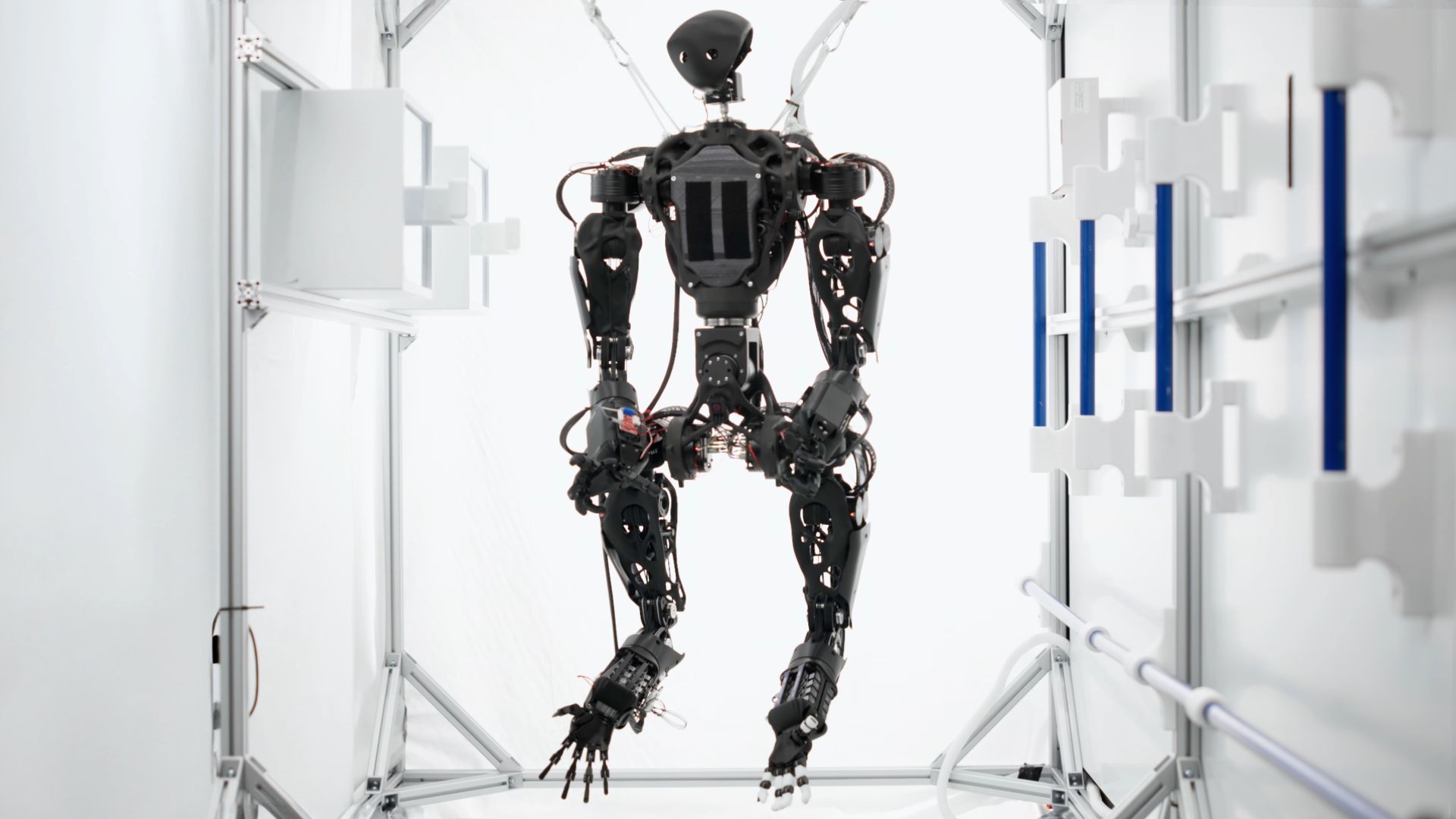
Video: Helios humanoid robot brings a four-armed design for in-orbit missions
A Canadian robotics company has introduced an innovative humanoid robot intended for space exploration. The unveiling took place recently, showcasing the robot's advanced capabilities and potential applications in extraterrestrial environments. This development aims to enhance human efficiency and safety during missions beyond Earth, addressing the growing need for reliable robotic assistance in space. The robot is designed to perform various tasks that could support astronauts, thereby reducing their workload and allowing them to focus on critical operations. The project reflects ongoing efforts in the aerospace sector to integrate cutting-edge technology into future space missions, highlighting the importance of robotics in advancing human exploration of the cosmos.
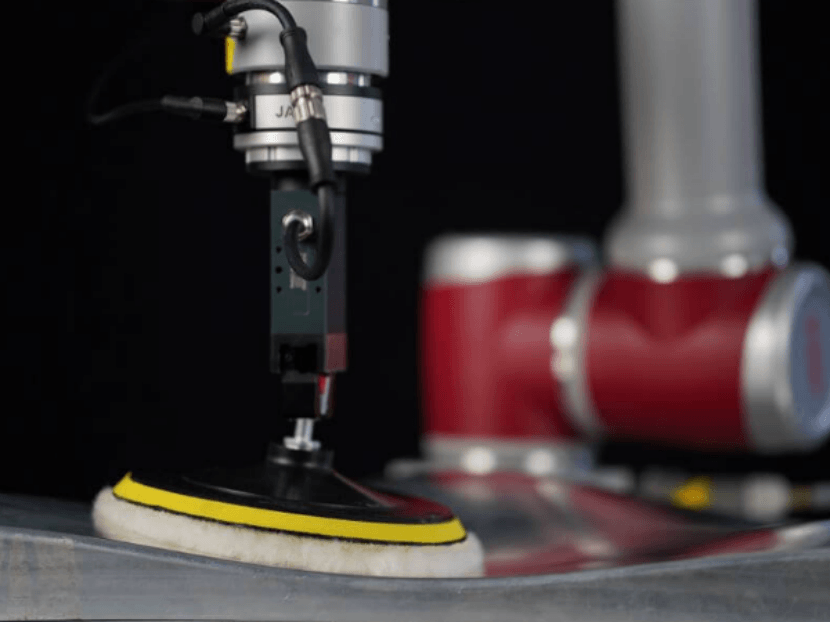
The Future of Factory Robot Arm Design: Lightweight Materials and Modularity
JAKA, a leader in factory automation technology, is advancing the design of robotic arms by integrating lightweight materials and modular architecture to enhance efficiency and safety. In recent years, the demand for precise and adaptable automation solutions has surged, prompting JAKA to innovate in creating flexible, high-performance systems that prioritize user safety. The company’s latest model, the JAKA S5, exemplifies this evolution by utilizing lightweight materials that facilitate smoother movements and improved processing accuracy, particularly in delicate operations like polishing. This design minimizes vibration and inertia, leading to enhanced repeatability and efficiency, which is crucial in high-quality production environments. Moreover, JAKA’s modular approach allows for high reprogrammability, enabling users to easily adjust the robots for various tasks without significant downtime or extra costs. This adaptability not only streamlines workflows but also reduces the risk of workplace accidents by minimizing direct contact with hazardous equipment. While the initial investment in these robotic solutions can vary, JAKA’s focus on lightweight and modular designs ultimately lowers long-term costs by extending the operational lifespan and reducing maintenance needs. The JAKA S5 serves as a versatile platform for multiple production lines, allowing manufacturers to quickly adapt to changing demands. In summary, JAKA is at the forefront of transforming manufacturing processes through innovative robotic solutions that enhance precision, safety, and cost-effectiveness, aligning with the evolving needs of the industry.
Robust Ship‐to‐Ship Object Pick‐Up With a 6‐DoF Robotic Arm Based on Force/Torque Measurement and Gripper Design
In a recent study published in the Journal of Field Robotics, researchers explored advancements in robotic navigation systems, focusing on enhancing autonomous vehicles' capabilities. This research, conducted by a team of engineers and computer scientists, was published in May 2026 and highlights significant improvements in the algorithms used for real-time decision-making in complex environments. The study was carried out at a leading robotics research facility, where the team aimed to address the challenges faced by autonomous vehicles in dynamic settings, such as urban areas with unpredictable obstacles. The motivation behind this research stems from the increasing demand for reliable and efficient autonomous transportation solutions, which are crucial for the future of smart cities and sustainable mobility. To achieve their objectives, the researchers employed a combination of machine learning techniques and advanced sensor technologies, allowing the vehicles to better interpret their surroundings and make informed navigation choices. The findings suggest that these enhanced systems could significantly reduce the likelihood of accidents and improve overall traffic flow. As the world moves towards greater automation in transportation, this study represents a critical step in ensuring that autonomous vehicles can safely and effectively navigate the complexities of modern urban landscapes. The implications of this research could pave the way for widespread adoption of autonomous vehicles, ultimately transforming how people and goods are transported in the future.
RESEARCH ARTICLE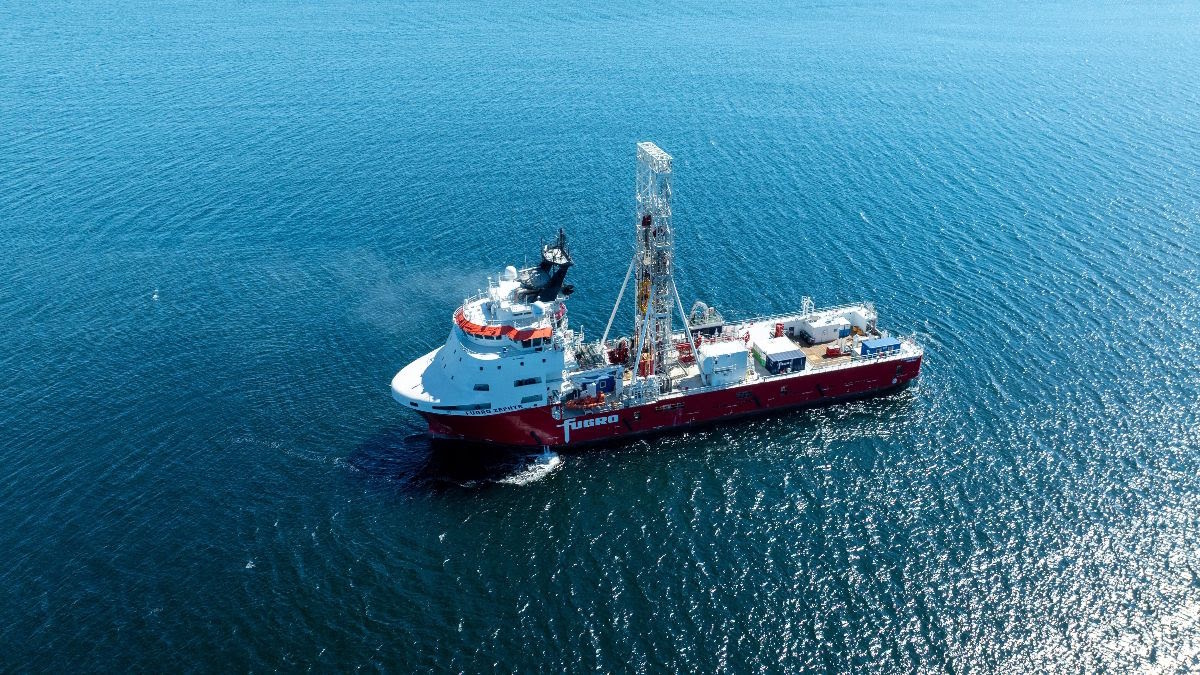
Fugro Awarded Geotechnical Survey Contract for TotalEnergies’ NSE 1 Offshore Wind Farm Development
Fugro has secured a contract to conduct extensive geotechnical surveys for the NordSee Energies 1 offshore wind farm, a significant renewable energy initiative spearheaded by TotalEnergies. The project is located at the North Sea N-12.1 site. Scheduled to begin shortly, these investigations aim to gather critical data on seabed conditions at the designated locations for wind turbines and inter-array cable routes. This information is vital for ensuring the safe and efficient design of the turbine foundations, thereby supporting the overall success of the wind farm development.
fugro geotechnical survey totalenergies nse 1 offshore wind farm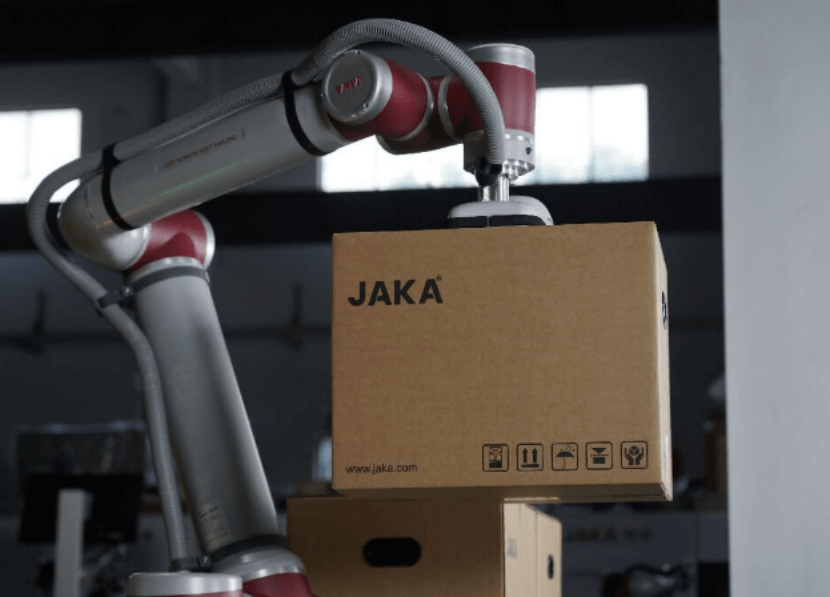
Pick and Place Robotic Arm Design: Comparing SCARA vs. 6-Axis for Speed
In the ongoing debate over robotic efficiency in assembly and packaging lines, JAKA highlights the critical factors influencing speed in pick and place applications. The comparison between SCARA and 6-axis robotic arms reveals that speed is not solely defined by peak velocity but is also affected by travel distance, directional changes, and the complexity of movement paths. SCARA robots excel in tasks requiring rapid, point-to-point movements within a single horizontal plane, making them ideal for high-frequency transfers, such as moving components from a conveyor to a fixture. However, their performance can decline when tasks involve vertical or complex movements. Conversely, 6-axis robotic arms, with their articulated joints, offer enhanced flexibility for navigating intricate three-dimensional paths. This capability allows them to perform complex maneuvers—such as retrieving parts from tilted trays and placing them at various angles—more efficiently than SCARA models, despite potentially slower joint speeds. Moreover, the workspace coverage plays a significant role in overall system throughput. SCARA robots typically operate within a cylindrical workspace, which may necessitate multiple units for larger areas. In contrast, 6-axis robots can cover broader volumes from a single mount point, reducing the need for additional robots or complex transfer systems and ultimately improving operational speed by minimizing idle time. In conclusion, the choice between SCARA and 6-axis robotic arms should be guided by the specific requirements of the task, as each design offers distinct advantages in speed and efficiency based on the nature of the application.
Robotics needs a service framework.
RSF defines a common language for robot service capability, lifecycle operations, certification pathways, and service-provider networks.
Join the RobotToday community on LinkedIn
Daily robotics news, in-depth analysis, conference highlights, and discussions with professionals worldwide.







