Industry Briefing
A single destination for timely, editor-curated robotics news from around the world.

World Robot Conference Mascot Unveiled with Online Naming Contest Launch
The World Robot Conference has introduced its mascot and launched an online naming contest, inviting public participation. This initiative aims to engage the community and enhance awareness of the event, which is set to showcase advancements in robotics and artificial intelligence. The significance of this mascot and naming contest lies in its potential to foster a sense of connection among attendees and participants. By involving the public in the naming process, the conference organizers hope to create a more inclusive atmosphere that reflects the innovative spirit of the robotics industry. As the event approaches, attention will be focused on how the mascot will be integrated into the conference activities and its role in promoting the latest developments in robotics. No further timeline was disclosed at the time of publication.
Robotics Automation AI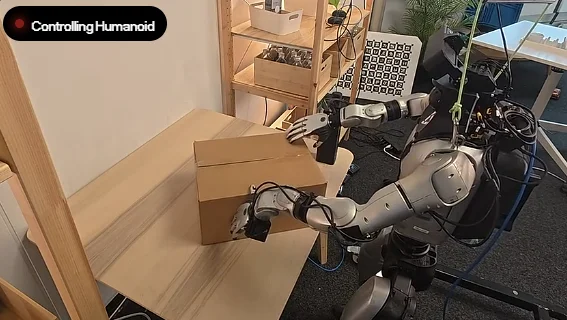
Odyssey Launches Odyssey-3 World Model for Robots, Humanoids, and Drones
Odyssey has unveiled Odyssey-3, a versatile world model designed to control robots, humanoids, autonomous vehicles, and drones using a unified AI system. This autoregressive diffusion transformer is trained on a diverse set of visual observations, allowing it to adapt with minimal task-specific data. The model has been pre-trained to understand physics, motion, and human behavior, enabling developers to create tailored action decoders for various systems. The significance of Odyssey-3 lies in its potential to streamline the training process for humanoid robots. In collaboration with Flexion, Odyssey is exploring how pretraining can minimize the data required for teaching new skills. Flexion has successfully developed control policies for tasks like object manipulation using only a small amount of teleoperation data, demonstrating improved generalization over traditional models. Looking ahead, Odyssey plans to publicly release Odyssey-3 in the coming weeks. The company is also collaborating with Poke & Wiggle to assess the model's adaptability across different robot types and control systems. This initiative could reshape how robots learn and adapt to new environments, enhancing their operational capabilities significantly.
AI AI Funding & Investment Robotics autonomous vehicles Flexion humanoid robotics
Zoomlion's Humanoid Robots Showcase Full-Stack Capabilities at World Games
Zoomlion's humanoid robots participated in the World Humanoid Robot Games, facing challenging conditions that tested their gait algorithms, joint responsiveness, and stability during high-speed movements. This event is significant as it allows Zoomlion to gather critical data to enhance its full-stack capabilities, which encompass algorithms, software, hardware, and industrial applications. Looking ahead, the insights gained from these competitions will be crucial for Zoomlion's ongoing development and refinement of its robotic technologies. No further timeline was disclosed at the time of publication.
Cog-WM 1.0 Launches as the First Brain-Inspired Cognitive World Model for Robots
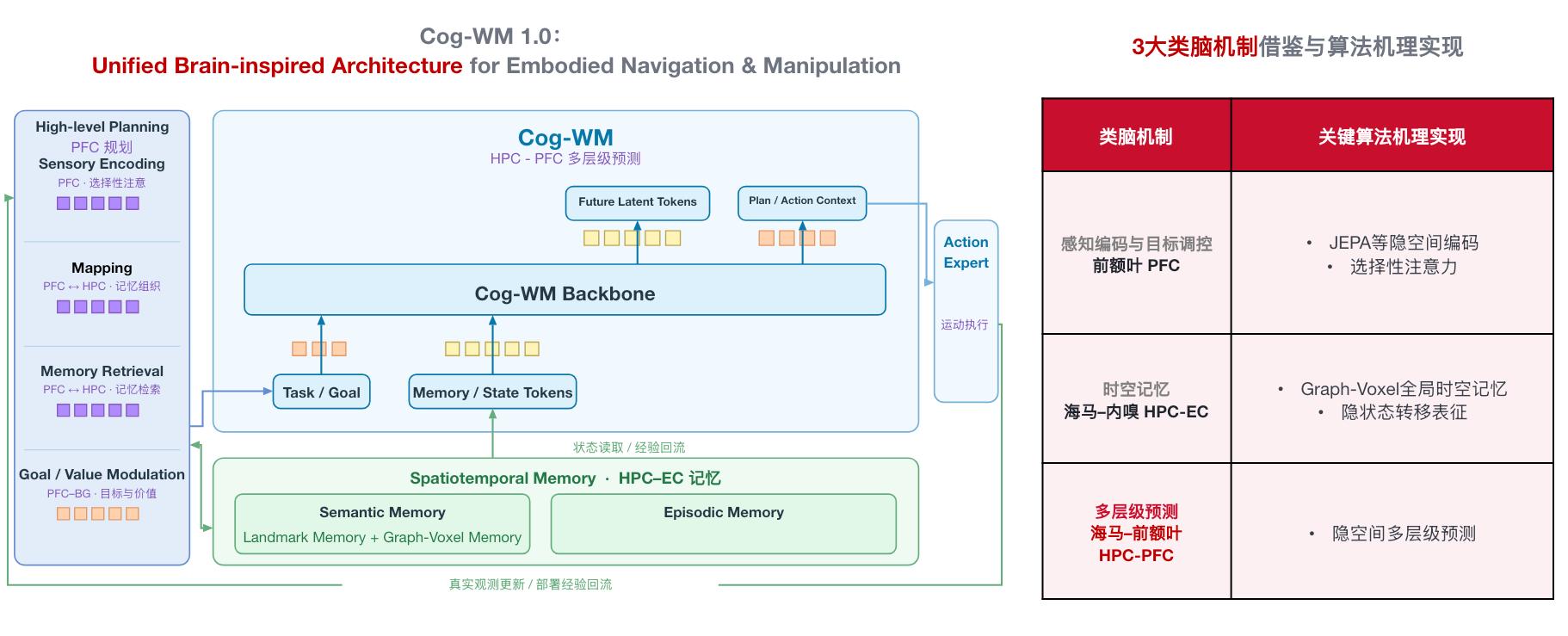
On September 14, Shanghai Juna Technology Co., Ltd. officially launched Cog-WM 1.0, the world's first brain-inspired cognitive world model, at the 2026 Pujiang Innovation Forum. This model, based on systematic brain-like neural mechanisms, has demonstrated capabilities in autonomous navigation and manipulation without relying on pre-built maps. Cog-WM 1.0's significance lies in its ability to enhance robotic autonomy in unfamiliar environments, achieving over a 10% improvement in navigation success rates compared to existing state-of-the-art models. It allows robots to perform tasks such as spatial memory retrieval and object searching, marking a significant advancement in embodied intelligence. Looking ahead, the focus will be on how Cog-WM 1.0 addresses key challenges in robotic cognition, such as reducing reliance on extensive data and improving long-term task completion. No further timeline was disclosed at the time of publication.
Cognitive Robotics Autonomous Navigation AI Technology Robotics Innovation
Advancements in Surgical Robots and Real-World Warehouse Automation Explored
The September 2026 digital issue of The Robot Report highlights significant advancements in surgical robotics and warehouse automation. It features case studies from El Camino Health, where the da Vinci system from Intuitive Surgical is utilized for coronary artery bypass grafting, emphasizing the need for precise motion control to enhance patient outcomes and reduce complications. This report is crucial for commercial robotics developers and end users as it illustrates the successful integration of robotic systems in healthcare and logistics. El Camino Health's implementation of robotic surgery not only alleviates cognitive burdens on staff but also improves care consistency and accessibility, showcasing the potential of surgical robots in modern medicine. Additionally, the report discusses the integration of autonomous mobile robots (AMRs) in warehouse operations, highlighting their independent capabilities compared to traditional automated guided vehicles. As AMRs become more prevalent in third-party logistics, retailers, and manufacturing, best practices for their deployment and maintenance will be essential for maximizing efficiency and investment returns. No further timeline was disclosed at the time of publication.
Autonomous Mobile Robots (AMRs) Case Study Controllers Digital Issues Healthcare Robotics Logistics
Shanghai AI Laboratory Launches Intern Physical World Model W0 for Robotics Applications
Shanghai Artificial Intelligence Laboratory has introduced the Intern physical world model W0, which features native force-tactile sensing and duplex collaboration capabilities. This model is designed to enhance robotics applications by integrating with Intern InkStone and the science model S2, facilitating closed-loop processes in both wet and dry lab environments. The release of the Intern W0 model is significant as it aims to improve the efficiency of tasks such as lipid nanoparticle synthesis, which is crucial in various scientific and industrial applications. By enabling seamless collaboration between different models, the Shanghai AI Laboratory is positioning itself at the forefront of advancements in robotics and AI technologies. Looking ahead, industry observers should monitor how the integration of the Intern W0 with existing systems will impact research and development in robotics. No further timeline was disclosed at the time of publication.

Digua Robotics and Giga Vision Collaborate to Integrate World Models into Edge AI Chips
On September 14, Digua Robotics and Giga Vision announced a strategic collaboration focused on integrating their respective technologies. Giga Vision will provide world models, embodied foundational models, and real-world application experience, while Digua Robotics will contribute an edge AI computing platform, algorithm toolchain, and robotics ecosystem. The initial integrated model chosen is GigaBrain-0.7, utilizing the Xuri S600 hardware base and GigaWorld's capabilities. This partnership aims to create an affordable, integrated solution for embodied intelligence at the edge. GigaWorld will handle scene generation, action consequence prediction, strategy evaluation, and retraining of failure samples, providing a virtual training environment for robots. GigaBrain will serve as the edge intelligence core, managing natural language tasks, spatial perception, task decomposition, skill routing, and decision-making, while the Xuri S600 will support multimodal reasoning and task scheduling. Looking ahead, both companies plan to accelerate the practical application of GigaBrain-0.7 across various robotic platforms, including industrial manufacturing and home services. The success of this collaboration will depend on the performance of GigaBrain-0.7 in real-world robotic applications, particularly in terms of task success rates and system stability.
Robotics AI Edge Computing Embodied Intelligence
Seven Humanoid Robot Manufacturers Transforming Factory Operations Worldwide
Humanoid robots are increasingly transitioning from research labs to real-world applications in factories, warehouses, and service centers. These robots, equipped with artificial intelligence, are capable of understanding instructions, recognizing objects, and performing complex tasks. While American companies are pivotal in developing advanced AI and robotic technologies, Chinese manufacturers have gained a significant edge in production, dominating over 80% of global humanoid robot installations by 2025. California-based Figure AI is at the forefront, creating general-purpose humanoids like the Figure 03, which utilizes the Helix AI system to translate visual and language inputs into physical actions. The company has successfully showcased its technology on active production lines, including a BMW facility, where its Figure 02 robot has already loaded over 90,000 components and contributed to the assembly of more than 30,000 vehicles. This practical application highlights the potential of humanoid robots in enhancing manufacturing efficiency. AgiBot, founded in Shanghai in 2023, has rapidly become a leading producer of embodied AI robots, capturing 30.4% of the global market share in 2025. Its diverse portfolio includes humanoids, industrial machines, and service robots, driven by mass production and an open-source approach. The ongoing advancements in humanoid robotics will be crucial to watch as they continue to integrate into various sectors, reshaping the landscape of automation.
AI and Robotics
ACE Robotics and NTU S-Lab Release Open-Source Puffin-World Multimodal Model
ACE Robotics and NTU S-Lab have announced the open-source release of Puffin-World, a multimodal world model that integrates physics, geometry, and appearance. This model utilizes the Puffin-16M dataset and achieves state-of-the-art camera absolute pose errors, reporting sub-degree accuracy across four public benchmarks. The significance of this release lies in its potential to enhance various applications in robotics and computer vision by providing a unified framework for understanding complex environments. By achieving such high accuracy in pose estimation, Puffin-World could facilitate advancements in autonomous navigation and scene understanding. Looking ahead, the impact of Puffin-World on the robotics community will be closely monitored, particularly in how it influences future research and development in multimodal models. No further timeline was disclosed at the time of publication.
2026 Bund Conference Showcases Ant Group's Robots Integrating Intelligence into Real-World Applications
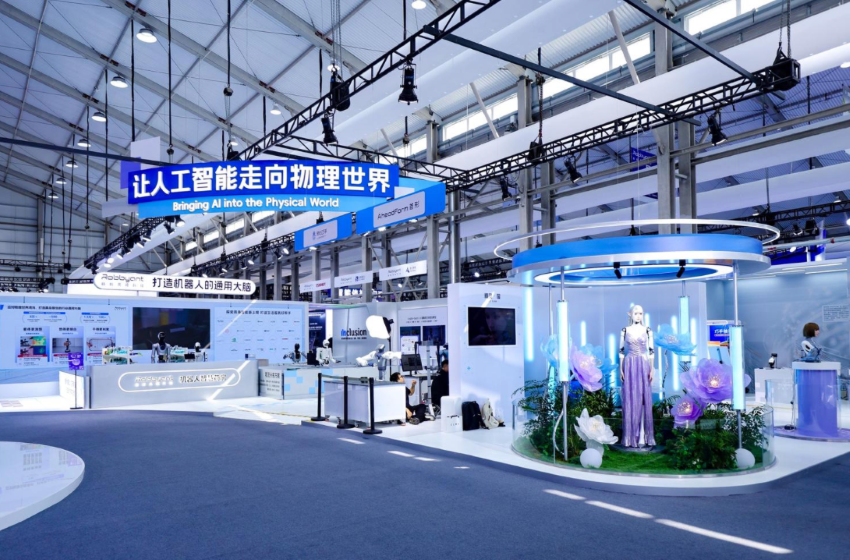
At the 2026 Bund Conference, Ant Group showcased robots that perform practical tasks such as accurately retrieving medication from shelves and sorting in logistics. Unlike previous demonstrations focused on flashy movements, these robots are designed to understand their environment and adapt to complex scenarios without human intervention. This shift is significant as it addresses the industry's long-standing challenge of creating versatile robots capable of operating in real-world settings. The demonstration included a 'smart pharmacy' where robots autonomously received orders, identified medications, and delivered them, proving the feasibility of deploying such technology in retail environments without requiring store modifications. Looking ahead, Ant Group's LingBot-VLA 2.0 model is set to support various robot configurations, enhancing the scalability of robotic services in real-world applications. The conference also featured discussions on the evolution of embodied intelligence, with insights from leading scientists and industry leaders, indicating a promising future for robotics in practical scenarios.
Robotics AI Warehouse Automation Pharmacy Automation Intelligent Systems
CCID Media and RX China Collaborate for Enhanced ROBOTECH 2026 with Real-World Robotics Applications
CCID Media and RX China have announced a strategic alliance to enhance the ROBOTECH 2026 expo, focusing on real-world robotics applications. This collaboration aims to combine authoritative industry insights with global exhibition expertise, facilitating the commercialization of embodied intelligence across various sectors. The partnership is significant as it aligns with the rapid growth of China's embodied intelligence and intelligent robotics industry. By merging CCID Media's insights into industrial policy with RX China's exhibition capabilities, the expo is set to become a benchmark event for the robotics and intelligent manufacturing sectors. Looking ahead, ROBOTECH 2026 is expected to showcase advanced robotics technologies and applications, reflecting the evolving landscape of the industry. No further timeline was disclosed at the time of publication.

Humanoid Robots Tested as Store Assistants in Hefei's Real-World Retail Experiment
On August 26, 2026, a humanoid robot named 'Xiaomai' was seen assisting customers in Hefei, quickly retrieving items after they placed orders via QR codes or voice commands. This initiative marks one of the first large-scale implementations of embodied intelligent robots in unmanned retail in Anhui Province, with a reported order fulfillment rate of 99% after months of testing. The significance of this experiment lies in its real-world application, as the robots operate in bustling areas rather than controlled environments, allowing them to adapt to unpredictable customer interactions. The project is backed by Hefei Guoxian Holdings and Zero Degree Robotics, which emphasizes the need for robots to perform reliably in dynamic settings, addressing challenges related to product variability and operational stability. Looking ahead, Zero Degree Robotics plans to expand its network of robotic stores to 500 locations by 2026 and aims for 2,000 by 2027. This initiative reflects Hefei's strategic investment in the robotics industry, including a 20 billion yuan public service platform to support the development of intelligent robots, showcasing a promising future for humanoid robots in everyday retail settings.
Humanoid Robots Retail Automation AI Robotics Smart Technology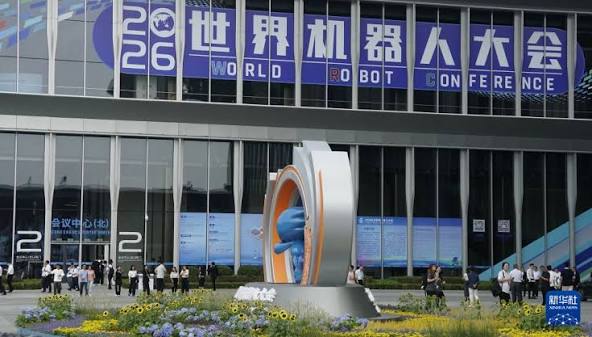
Insights from the 2026 World Robot Conference: Specialized Robots Gain Traction Over General-Purpose Models
At the 2026 World Robot Conference, a clear trend emerged indicating that the embodied intelligence industry is shifting focus from creating general-purpose robots to developing specialized solutions that deliver real value in specific scenarios. Innovations in areas such as garment sewing, biomedical applications, and airport luggage handling highlight this transition. The significance of this shift lies in the ability of specialized robots to address industry-specific challenges, such as labor shortages and rising costs in garment production. For instance, Aitu's humanoid robot is designed solely for garment sewing, showcasing its capability to autonomously identify fabrics and perform precise stitching without the need for constant reprogramming. Looking ahead, the conference revealed advancements in collaborative robotics, with companies exploring multi-robot systems for enhanced efficiency. Notably, Xingyuan Intelligence demonstrated a novel multi-robot collaboration in a jumping rope task, indicating a trend towards more complex interactions among robots. No further timeline was disclosed at the time of publication.
Specialized Robots Industrial Automation Biomedical Robotics Robotic Collaboration
Scalabot Unveils HERON-World Model with Enhanced Multiplayer Mode for Robotics
Scalabot has introduced the HERON-World Model, a new action-conditioned world model aimed at enhancing robotic understanding and future prediction capabilities. This model utilizes a three-tier data pyramid, incorporating real robot teleoperation data, simulation data, and first-person human operation videos to improve the robot's interaction with the environment. The significance of this development lies in its ability to extend the boundaries of world models from physical to social reasoning. By employing a diverse range of data sources, HERON-World Model aims to create a robust learning loop that allows robots to adapt and respond to dynamic environments, thereby advancing embodied intelligence from single-task capabilities to more general, transferable skills. Looking ahead, Scalabot's focus on integrating real-world data with simulation and human interaction videos will be crucial for the ongoing evolution of robotics. The HERON-World Model's current evaluation score stands at 75.80, indicating its potential impact on the industry. No further timeline was disclosed at the time of publication.
World Models Robotics AI Machine Learning Data Strategy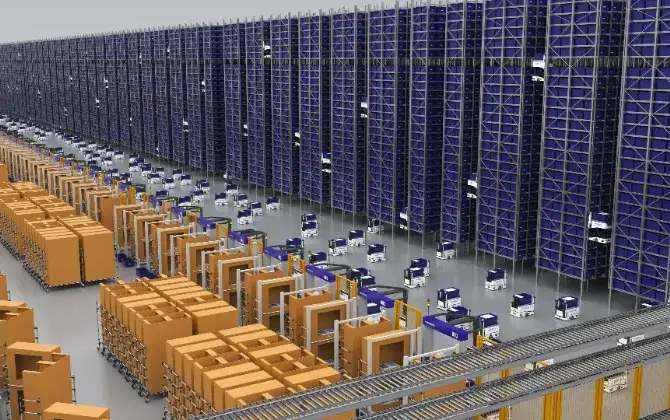
Hai Robotics Chosen for Largest Deployment of Rack-Climbing Warehouse Robots Worldwide
Hai Robotics has been selected to implement automation technology for a new large-scale e-commerce fulfillment center operated by a major European fashion retailer. This project features the HaiPick Climb system, marking the largest deployment of rack-climbing warehouse robots globally, with over 1,500 units set to enhance operational efficiency. The significance of this deployment lies in its potential to revolutionize warehouse automation, establishing a new benchmark in the industry. The retailer's expansion of its partnership with Hai Robotics underscores the reliability of the HaiPick Climb solution in managing high-volume online orders, with a throughput exceeding 24,000 totes per hour across a 30,000m² automated fulfillment operation. Looking ahead, the project exemplifies the increasing trend towards scalable robotic automation in large-scale fulfillment operations. No further timeline was disclosed at the time of publication, but the successful integration of over 1,500 HaiPick Climb robots is expected to enhance the retailer's capacity for omnichannel fulfillment significantly.
Warehouse Automation E-commerce Fulfillment Robotic Systems Logistics Supply Chain Management
XPENG Launches Production of World's First Advanced Humanoid Robot with Official Facility Commissioning
XPENG has officially launched its humanoid robot production lines, successfully completing the manufacturing of the world's first advanced humanoid robot. This milestone signifies a significant transition from research and development prototyping to actual production-line manufacturing. The achievement is crucial as it demonstrates XPENG's capabilities in humanoid robotics, potentially influencing the future of automation and robotics in various sectors. The autonomous walking of the humanoid robot off the production lines showcases advancements in technology and manufacturing processes. Looking ahead, industry observers will be keen to see how XPENG's humanoid robot performs in real-world applications and how it impacts the competitive landscape of robotics. No further timeline was disclosed at the time of publication.

China Achieves World-First with AI-Driven Ultrasound Robot for Heart Surgery
A groundbreaking achievement in cardiology occurred when a Chinese medical team successfully utilized an AI-driven, ultrasound-guided robot to perform a transcatheter closure for congenital heart disease in a 48-year-old patient. This milestone was reached at the Sixth Medical Center of the Chinese PLA General Hospital, also known as 301 Hospital, marking a significant advancement in surgical techniques. The importance of this development lies in its potential to enhance surgical precision and transform cardiovascular care. Unlike existing surgical robots that require direct human control, this innovative system employs deep learning algorithms to autonomously navigate and perform the procedure, significantly reducing radiation exposure for both patients and medical staff. Looking ahead, the implications of this technology are profound, as it could facilitate the expansion of specialized healthcare access globally. The intelligent automation of complex ultrasound-guided procedures may streamline workflows, reduce human error, and ultimately improve patient outcomes in cardiovascular interventions. No further timeline was disclosed at the time of publication.
Science
AGIBOT and Resorts World Genting Collaborate for First International Robotics Show
AGIBOT and Resorts World Genting have teamed up to unveil the first overseas robotics performance, set to feature more than 40 robots in a production inspired by Wukong. This groundbreaking show, which merges robotics with elements of Chinese mythology and storytelling, is scheduled for its full debut in February 2027. This collaboration is significant as it represents a major milestone in the strategic partnership between AGIBOT and Resorts World Genting. By integrating advanced robotics into a culturally rich narrative, the performance aims to attract a diverse audience and enhance the entertainment offerings at Resorts World Genting. As the debut date approaches, industry observers will be keen to see how this innovative blend of technology and storytelling resonates with audiences. The success of this performance could pave the way for future collaborations in the realm of robotics and entertainment, potentially influencing trends in both sectors.
Robotics Entertainment AI Technology Cultural Performance Partnerships
TechCrunch Disrupt 2026 Introduces Real World AI Stage Featuring Nvidia and Robotics
TechCrunch Disrupt 2026 is set to feature a new Real World AI Stage, expanding the focus on AI's intersection with the physical world. This stage will highlight advancements in autonomous hardware, including robotics and their applications in various sectors, from public spaces to conservation efforts. The significance of this new stage lies in addressing the challenges faced by general-purpose robotic intelligence, particularly the data gap that hinders progress. Experts believe that closing this gap is essential for achieving breakthroughs similar to those seen with large language models, making this discussion crucial for the future of robotics and AI. Attendees can expect engaging sessions with industry leaders from companies like Nvidia and Colossal Biosciences, who will explore safety in AI deployment and the ethical implications of reviving extinct species. The event will take place from October 13 to 15 at Moscone West in San Francisco, with further details on the lineup to be announced.
AI Colossal Biosciences nvidia TechCrunch Disrupt
Humanoid Robots Set New Records at World Championships, Highlighting Industry Progress
On August 26, the second World Humanoid Robot Games concluded in Beijing, where multiple records were significantly improved. The 400-meter run time was reduced from 1:28.03 to 38.15 seconds, the 1500-meter run from 6:34.40 to 2:21.64, and the high jump from 0.956 meters to 3.40 meters. Many competing robots also secured medals and orders, demonstrating a successful transition from competition to practical application. This progress stems from the stringent replication of real physical environments in the competition rules. Robots had to navigate centrifugal forces on standard tracks, endure impacts in combat arenas, and make autonomous decisions at table tennis tables. These high-pressure scenarios drive algorithm optimization, material upgrades, and control system reconstruction, with iterative testing being crucial for overcoming foundational technological barriers. With 666 teams from 16 countries and regions participating in 1301 matches across 51 events, the competition fostered collaboration among enterprises, universities, and research institutions. The event also released the world's first comprehensive dataset for humanoid robot competitions, available for free to encourage further development. As China leads in humanoid robot shipments, with over 40,000 units expected in the first half of 2026, the next games aim to showcase even more robots transitioning from exhibition to practical use.
Humanoid Robots Robotics Competitions AI Technology Industry Standards Robotics Innovation
Key Challenges in Embodied Intelligence Discussed at the 2026 World Robot Conference
At the 2026 World Robot Conference, six industry experts addressed critical challenges in embodied intelligence during a technical roundtable. Key topics included full-body coordination in bipedal robots, training paradigms for embodied foundational models, and the integration of reinforcement learning with Agentic Robotics. The discussions highlighted the importance of data for scaling embodied intelligence technologies. Experts emphasized that while the path to scalability is multifaceted, the foundational requirement remains robust data. The conversation also touched on the potential of leveraging one million hours of human video for scaling laws and the efficiency of multimodal and causal signals. Looking ahead, the panelists underscored the need for breakthroughs in real-world applications of reinforcement learning and the establishment of closed-loop systems. No further timeline was disclosed at the time of publication.
Embodied Intelligence Bipedal Robots Reinforcement Learning Robotics Data Scaling
Robots Demonstrate Practical Uses at the 2026 World Robot Conference
At the 2026 World Robot Conference, various robots showcased their real-world applications, addressing the question of their practical utility. From pharmacy operations to home assistance, and industrial logistics to emotional companionship, hundreds of robots are transitioning from demonstrations to fulfilling actual needs. Notably, Ant Group's robot efficiently retrieved items ordered by journalists at their booth, demonstrating a pioneering pharmacy sorting solution now operational at Shanghai Guoda Pharmacy. This system alleviates the workload of pharmacists during night shifts. Additionally, the humanoid robot Kuafu from Leju served as the event's host, autonomously explaining the operational status of various workstations, having been in practical use for 3 to 4 months in automotive and logistics production lines. Looking ahead, companies like Ruiman plan to deploy nearly a thousand RealBOT robots in real-world scenarios by 2026. As robots like Ant Group's sorting machine and Leju's solutions prove their capabilities, the next phase involves integrating these technologies into factories, pharmacies, homes, and communities.
Robotics Healthcare Automation Emotional Support Robots Industrial Automation
Yushu Technology Founder Highlights Humanoid Robots' Limitations at World Robot Conference
At the World Robot Conference, the founder of Yushu Technology addressed the limitations of humanoid robots, stating their efficiency is only 30% to 50% of human capabilities. He emphasized that the company's ongoing 'physical AI self-evolution' is still in the research phase, far from large-scale application. This candid assessment contrasts with typical expectations for a newly listed company, where founders often project optimism. Instead, he highlighted significant challenges, including the robots' inability to adapt to new environments, which drastically reduces task success rates. Looking ahead, he suggested that for robots to reach a 'ChatGPT moment,' they must operate effectively in 80% of unfamiliar scenarios using voice commands, a milestone that could take two to ten years to achieve. No further timeline was disclosed at the time of publication.
Humanoid Robots AI Robotics Technology Startup Innovation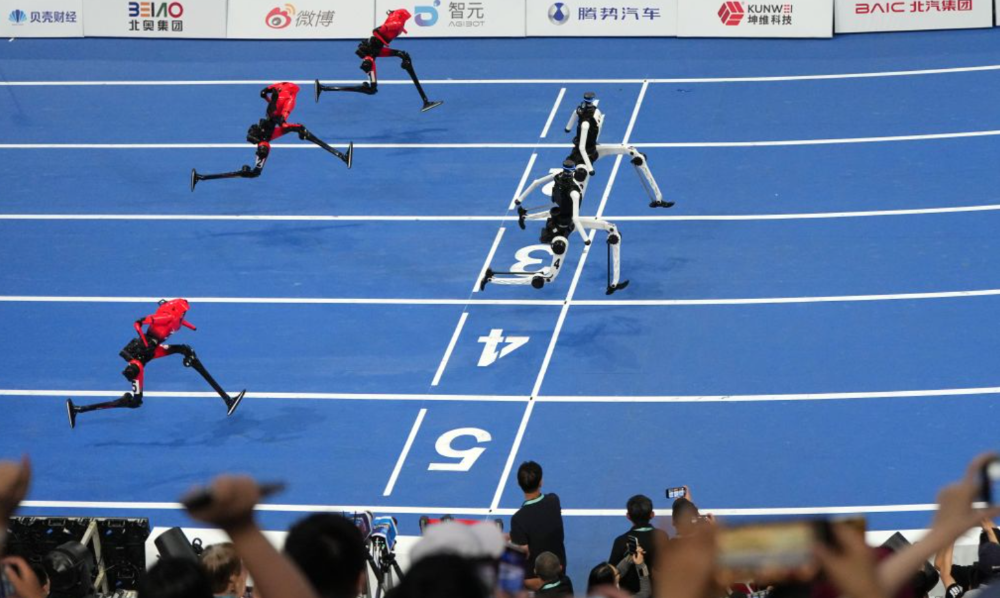
Challenges of Braking in Humanoid Robots Highlighted at World Championships
During the 100-meter final at the second World Humanoid Robot Games, a humanoid robot named Tian Gong Ultra finished in 8.64 seconds but crashed into a soft wall. This incident raised questions about the difficulties of braking for humanoid robots. Gao Dawei explained that to maximize performance, the robot's control algorithm was set to 'full acceleration,' prioritizing speed over deceleration, which complicates the braking process. The significance of this challenge lies in the trade-off between speed and braking capability. Adding perception and braking modules would increase algorithm complexity and response time, ultimately affecting performance. The competition showcased remarkable advancements, with the 400-meter run improving from 1:28.03 to 38.15 seconds and the 1500-meter run from 6:34.40 to 2:21.64, indicating rapid progress in humanoid robot capabilities. Looking ahead, Gao Dawei noted that the speed limits for robots will continue to rise, suggesting that future iterations may not require crashing into walls as control algorithms and braking systems mature. The dramatic improvement in the 100-meter championship time from 21 seconds last year to 8.64 seconds this year illustrates the rapid evolution of humanoid robotics, with the focus now shifting towards refining stopping mechanisms in subsequent developments.
Humanoid Robots Robotics Engineering AI Algorithms Performance Optimization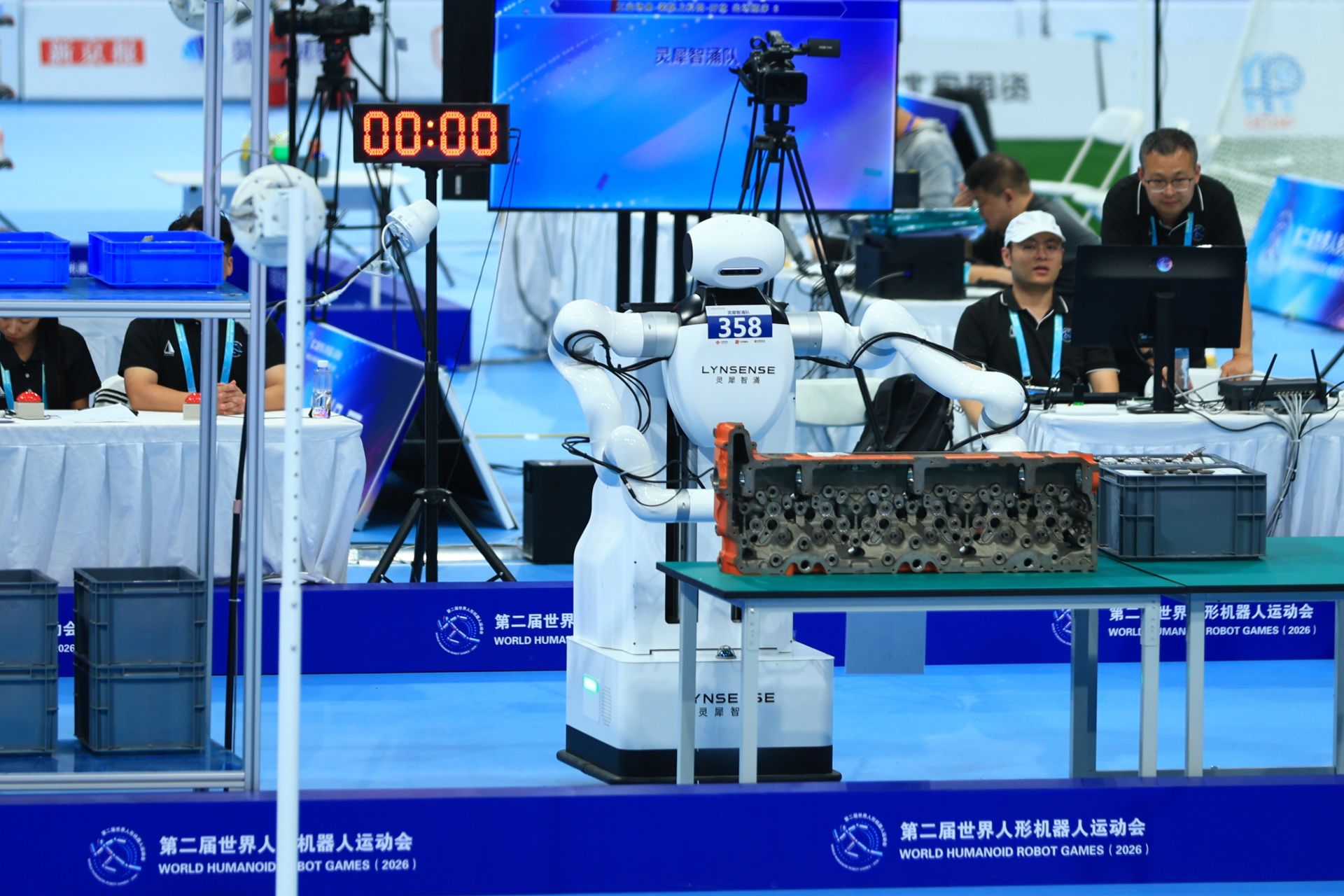
ROSS Harness Secures Third Place in World Humanoid Robot Competition for Industrial Tasks
In the 2026 World Humanoid Robot Competition for Industrial Applications, a robot successfully completed three tasks: transporting a 10kg material box, selecting seven types of parts, and assembling 18 engine valves with sub-millimeter precision. The Lingxi Zhiyong robot autonomously achieved a total score of 160, ranking third among established industry leaders and marking the only startup to reach the national top three in its debut. This competition highlights the pressing challenges in the field of embodied intelligence robotics, emphasizing the need for robots to perform reliably in real industrial environments. Unlike other competitions, this event focused on continuous, accurate task execution within industrial time constraints, showcasing the necessity for robots to deliver verifiable production results. Lingxi Zhiyong, founded by a PhD graduate from the University of Science and Technology of China, is addressing these challenges with its unique approach combining the CONWAY industrial native model and the ROSS Harness self-evolution engine. As the industry grapples with the gap between model capabilities and real-world delivery, the focus is shifting from merely developing advanced models to effectively utilizing them in practical applications.
Embodied Intelligence Industrial Robotics Automation Technology Robot Competitions
Lingxi Zhiyong Secures Top Three Position at World Humanoid Robot Games
Lingxi Zhiyong, a startup founded just three months ago, achieved a remarkable third-place finish at the World Humanoid Robot Games, scoring 160 points in the industrial scene assembly competition. This event evaluated robots based on their operational stability, precision, and recovery capabilities under disturbances, making it a critical test for industrial applications. The significance of Lingxi Zhiyong's achievement lies in its ability to compete against established industry leaders using a demo-level robot rather than a mass-produced model. The company utilized its proprietary ROSS Harness Agent to overcome hardware limitations, highlighting the challenges faced by the robotics industry in transitioning from demo models to real-world industrial applications. Looking ahead, Lingxi Zhiyong's focus on the ROSS Harness system, which integrates embodied models with industrial execution capabilities, positions it uniquely in the market. The company aims to evolve its technology to enhance the reliability and efficiency of robotic operations in industrial settings. No further timeline was disclosed at the time of publication.
Humanoid Robots Industrial Automation AI Robotics Machine Learning
JAKA π Completes Trials Ahead of 2026 World Humanoid Robot Games
The JAKA π humanoid robot, developed by JAKA Robotics, has successfully completed trials for the upcoming 2026 World Humanoid Robot Games. This lightweight robot showcased its capabilities in various events, including 100m sprints and martial arts, during the recent competition held in Beijing. Its design focuses on dynamic balance control and human-robot interaction, making it a notable entry in the field of humanoid robotics. The significance of JAKA π lies in its ability to bridge advanced technology with practical applications in everyday life. With a focus on sectors such as education, commercial services, and entertainment, JAKA π aims to make robotics more accessible. The robot's performance at the World Humanoid Robot Games reflects ongoing efforts to innovate and expand the boundaries of humanoid robotics. Looking ahead, JAKA π is set to officially launch in June 2026, following a series of successful demonstrations and trials. The robot's rapid development and adaptability in various environments highlight its potential for widespread use in diverse applications. No further timeline was disclosed at the time of publication.
Humanoid Robots Robotics Technology AI Emergency Response Education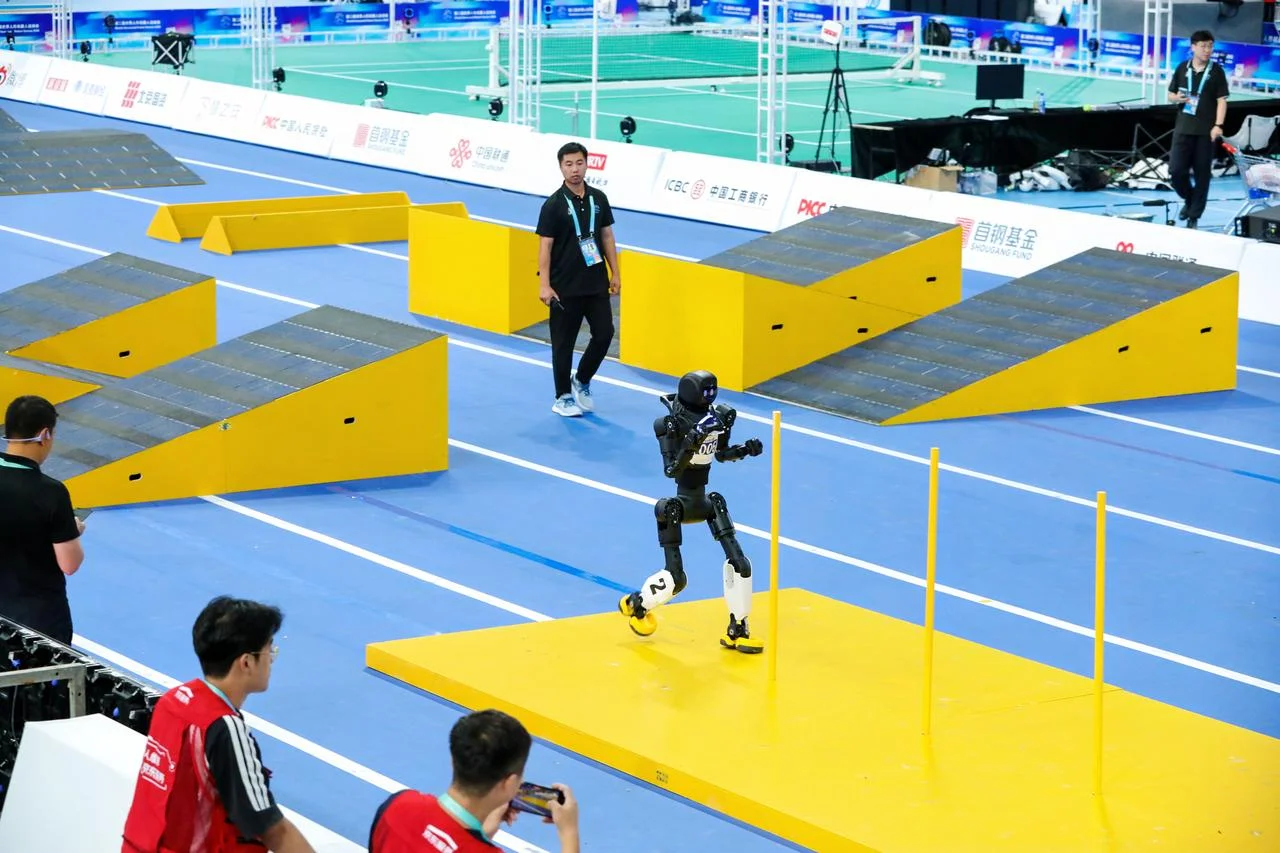
AGIBOT Dominates Medal Table at 2nd World Humanoid Robot Games in Beijing
The 2nd World Humanoid Robot Games concluded at Beijing's National Speed Skating Oval, with Shanghai-based AGIBOT emerging as the top competitor. AGIBOT secured the highest position on the medal table, amassing a total of 46 medals, including 18 gold, 16 silver, and 12 bronze, narrowly surpassing TianGong Robotics, which earned 45 medals. AGIBOT's success was attributed to its diverse performance across various categories, particularly in dexterous manipulation, where its OmniHand excelled, winning seven gold medals. The company also showcased its motion-control capabilities, with the X2 platform winning gold in the 100-meter obstacle race and the G2 platform achieving five gold medals in scenario-based challenges, emphasizing the importance of multi-domain competence in humanoid robotics. The competition highlighted a significant shift in the humanoid robotics industry, with AGIBOT's strategy of utilizing commercial units from mass production lines demonstrating real-world applicability. As the industry evolves, the contrasting approaches of AGIBOT and TianGong Robotics underscore the growing importance of both athletic performance and versatile task execution in humanoid robotics.
AGILINK Beijing Humanoid Robot Innovation Center China AGIBOT UBTECH Robotics WHRG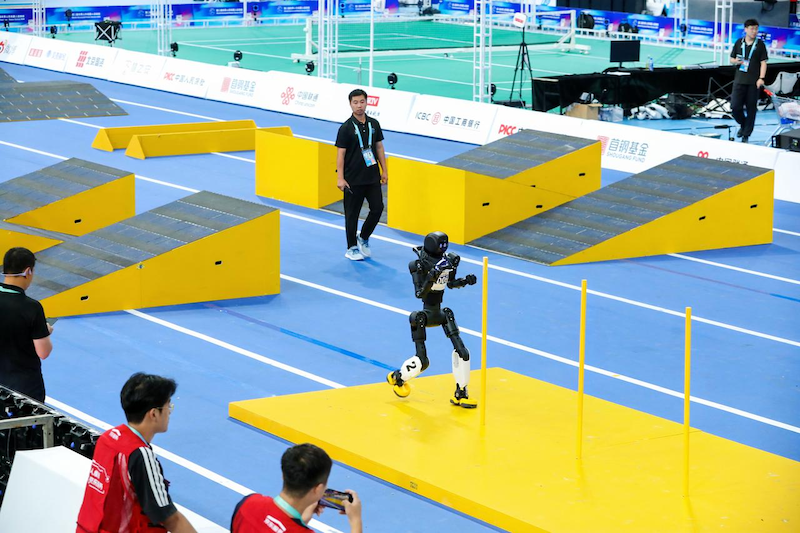
Agibot Dominates World Humanoid Robot Games with 46 Medals in Debut
Agibot made a remarkable debut at the 2nd World Humanoid Robot Games, winning a total of 46 medals, which included 18 gold, 16 silver, and 12 bronze. This achievement placed Agibot at the top of both the gold medal and overall medal tables, showcasing its capabilities across various events. The significance of Agibot's performance lies in its demonstration of advanced humanoid robotics in real-world applications. Competing in diverse categories such as athletics, martial arts, and scenario-based tasks, Agibot's robots, including OmniHand and X2, proved their effectiveness in dexterous manipulation and motion-control events, highlighting their readiness for deployment in practical settings. Looking ahead, the continued development of Agibot's technologies, particularly the AGILE framework, will be crucial for enhancing the performance of its robots in future competitions and real-world applications. No further timeline was disclosed at the time of publication.
Humanoids News agibot AGIBOT A3 Agibot G2 agibot x2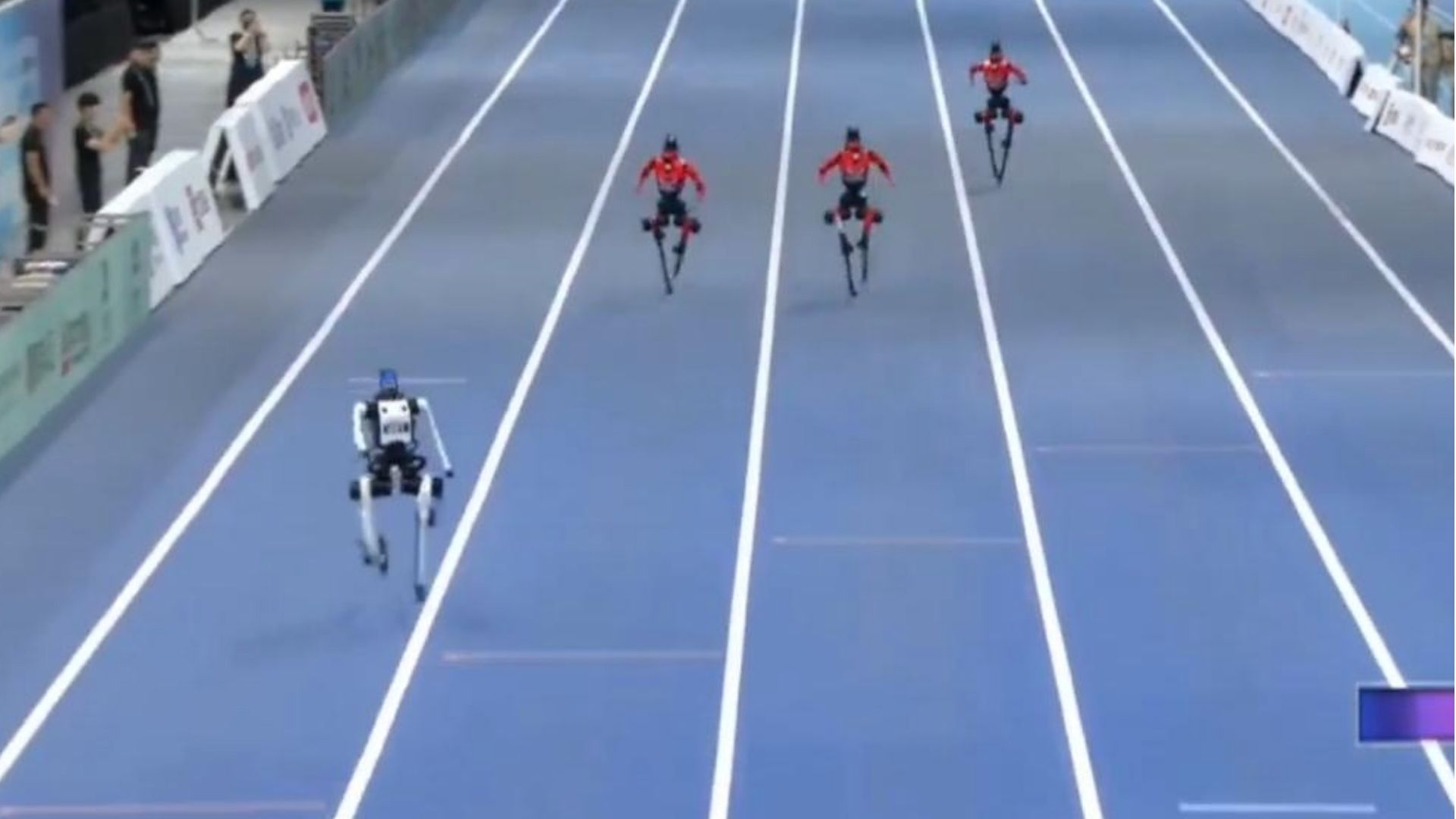
Tiangong Ultra Sets New 100-Meter Record at World Humanoid Robot Games
At the 2nd World Humanoid Robot Games, the humanoid robot Tiangong Ultra, developed by X-Humanoid in Beijing, completed a 100-meter race in 8.64 seconds, establishing a new record for the event. This performance was nearly one second faster than Usain Bolt's human world record of 9.58 seconds, although direct comparisons between robot and human times are not applicable. The achievement is significant as it demonstrates the rapid advancements in humanoid locomotion, with Tiangong Ultra improving its own previous record of 8.86 seconds set earlier in the competition. This year's event showcased substantial progress compared to the inaugural games, where the fastest time exceeded 12 seconds, indicating a year of remarkable development in robotic sprinting capabilities. Looking ahead, Tiangong Ultra's performance raises expectations for future competitions and advancements in humanoid robotics. The robot's closest competitor, Lightning, also made headlines with its own record-breaking feats, including a half-marathon completion time of 50 minutes and 26 seconds. No further timeline was disclosed at the time of publication.
AI and Robotics
Final Medal Tally Released for the Second World Humanoid Robot Games
The final medal tally for the Second World Humanoid Robot Games has been announced, showcasing the achievements of various teams. This event highlights the advancements in humanoid robotics and the competitive spirit among participants. The games serve as a platform for innovation and collaboration in the robotics community. The significance of the Second World Humanoid Robot Games lies in its ability to bring together engineers, researchers, and enthusiasts to share knowledge and push the boundaries of humanoid robot capabilities. The medal tally reflects not only individual team efforts but also the growing interest and investment in humanoid robotics. Looking ahead, the robotics community will continue to monitor developments in humanoid technologies and the impact of competitions like these on future innovations. No further timeline was disclosed at the time of publication.
Robotics Automation AI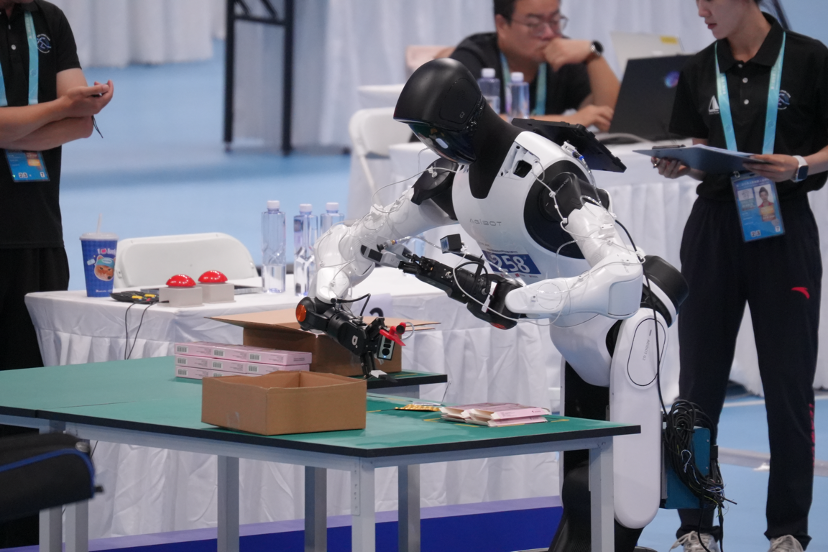
Leading Production Robot Secures Six Gold Medals at World Humanoid Robot Games
On August 26, the second World Humanoid Robot Games concluded at the National Speed Skating Oval. The event tested humanoid robots in real-world scenarios, including emergency response, firefighting, and hotel guest services. The ZhiYuan G2 robot excelled, winning six gold medals, seven silver medals, and five bronze medals, making it the top-performing mass-produced humanoid robot. The significance of this achievement lies in the G2's ability to perform complex tasks without specialized adjustments, demonstrating its full-body coordination, environmental understanding, and long-process task planning capabilities. The industrial scene presented the highest demands, requiring precision and adaptability, which the G2 successfully met, particularly in tasks like packaging and assembly. Looking ahead, the G2's performance in challenging environments, such as firefighting, has garnered significant attention. Its ability to operate under pressure and adapt to complex scenarios showcases the practical experience gained from real-world deployments. No further timeline was disclosed at the time of publication.
Humanoid Robots Industrial Automation AI Robotics Warehouse Operations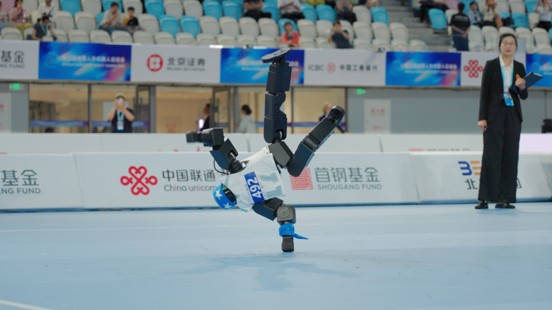
Luming's NexCore Achieves Two Golds and a Silver at World Robot Games
On August 27, the second World Robot Games concluded, with Luming Robotics winning gold in cheerleading and securing both gold and silver in breakdancing. Luming ranked fourth in the overall gold medal tally. The event showcased humanoid robots from around the globe, testing their movement, collaboration, and task adaptability through diverse competitions. Luming's success is attributed to its Lumos NexCore technology, which supports continuous data collection, model training, skill assessment, and deployment optimization. This enables robots to acquire and enhance new movement skills, facilitating stable performance in high-dynamic movements, complex actions, and multi-robot collaboration. The cheerleading event required multiple robots to perform synchronized dance routines, emphasizing the need for coordination and timing. Luming's robots excelled, demonstrating their ability to decompose complex tasks and execute them collaboratively. As robots transition from individual tasks to multi-robot coordination, these capabilities will be essential for applications in complex environments like factories. No further timeline was disclosed at the time of publication.
Humanoid Robots Robot Skills Evolution Multi-Robot Collaboration AI Robotics
AGIBOT Achieves 18 Gold Medals at World Humanoid Robot Games Debut
AGIBOT made a remarkable debut at the World Humanoid Robot Games, securing 18 gold medals and leading both the gold and overall medal tables. The competition featured a diverse range of events, including athletics, martial arts, dance, and practical applications like hotel services and emergency response. This achievement highlights AGIBOT's advanced capabilities in humanoid robotics, showcasing its proficiency in various tasks that mimic real-world scenarios. The competition serves as a platform for innovation in robotics, pushing the boundaries of what humanoid robots can accomplish in both competitive and practical environments. Looking ahead, the success of AGIBOT may influence future developments in humanoid robotics and inspire further participation in international competitions. No further timeline was disclosed at the time of publication.
Insights from the World Championships Highlight Advancements and Challenges in Humanoid Robotics
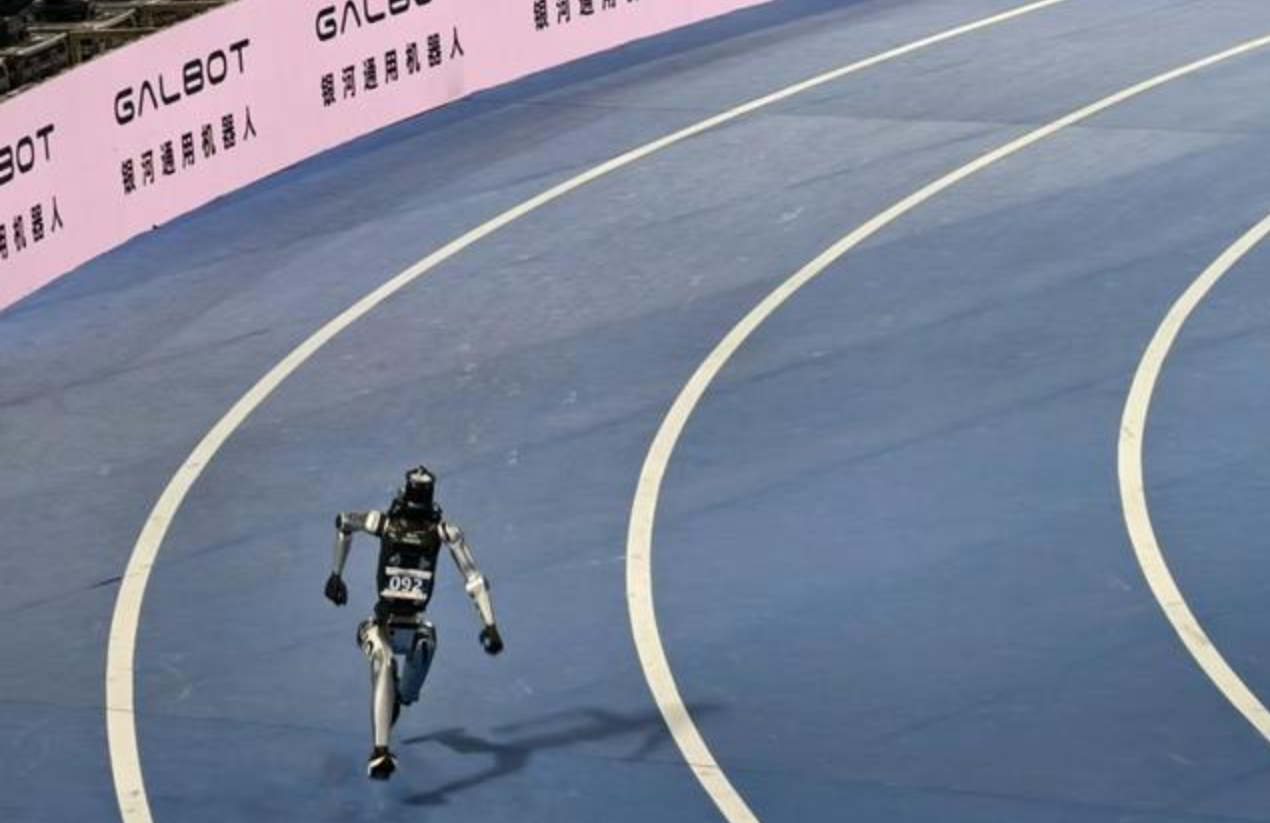
The second World Humanoid Robotics Championships took place from August 22 to 26 at the National Speed Skating Hall in Beijing, featuring 666 teams and 2056 robots from 16 countries. The event expanded significantly, showcasing 51 events including soccer, athletics, and boxing. The Beijing Humanoid Robotics Innovation Center emerged as a major winner, securing 8 gold, 4 silver, and 12 bronze medals, along with setting 4 new world records in various running events. The advancements in humanoid robotics were evident, with notable improvements in performance metrics. For instance, the 100-meter sprint record improved from 20 seconds last year to 9.32 seconds this year. However, challenges were also apparent, as some robots struggled with navigation and control during competitions, leading to humorous mishaps. According to Cao Xu, Vice President of the General Business Department at Zhiyuan, while there are still visible flaws, the rapid development in robotics is promising, especially with ongoing data collection efforts. Looking ahead, the event emphasized the need for robots to transition from competitions to real-world applications. Industry experts believe that while pure athletic capabilities may have limited practical value, foundational technologies like balance control and recovery from falls can be applied in various sectors. With over 40,000 humanoid robots shipped in China in the first half of the year, the evolution of robotics continues to progress, with expectations for further improvements in the coming years.
Humanoid Robots Robotics Competitions AI Development Robotic Applications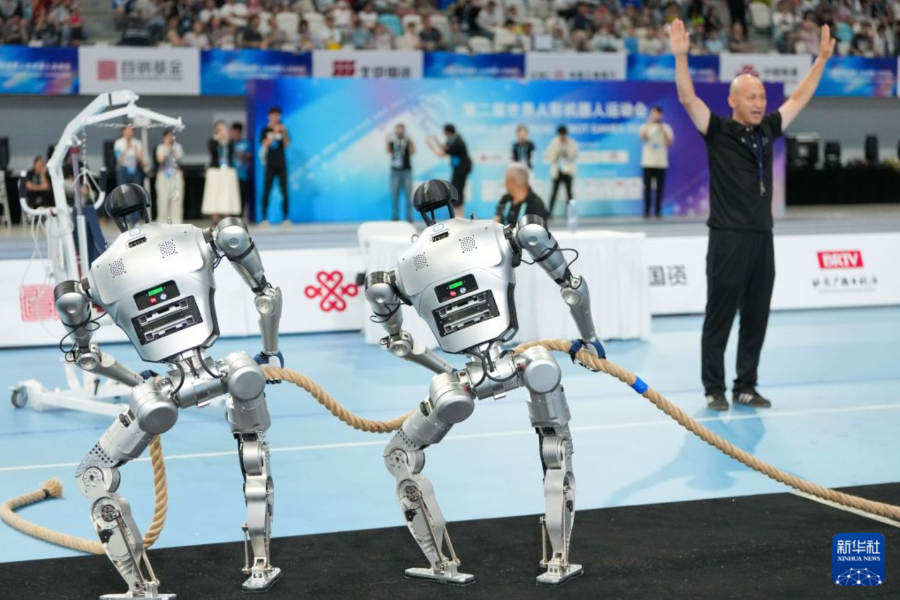
Humanoid Robots Showcase Strength in Tug-of-War at World Robot Games
On August 25, the second World Humanoid Robot Games featured a tug-of-war competition at the National Speed Skating Stadium in Beijing. This new event captivated audiences as it tested not only the robots' strength but also their teamwork and grip capabilities. The lightweight category saw the Xingzhe Taishan team emerge victorious, demonstrating exceptional coordination and stability. The heavyweight competition was even more intense, with the Tiangong team facing off against the Beijing Humanoid-Huake Union team. Both teams showcased their robots' grip and stability in a fierce battle, ultimately leading to Tiangong's triumph due to superior teamwork. The tug-of-war event is significant as it evaluates core robotic abilities, including lower body strength, grip control, and multi-robot collaboration, highlighting any weaknesses in these areas. As humanoid robots evolve from speed to stability and from individual tasks to team challenges, the tug-of-war serves as a critical test of their foundational capabilities for real-world applications. Each match acts as a pressure test for technological maturity, with spectators noting the heightened tension compared to human competitions.
Humanoid Robots Robotics Competitions Team Collaboration Grip Strength AI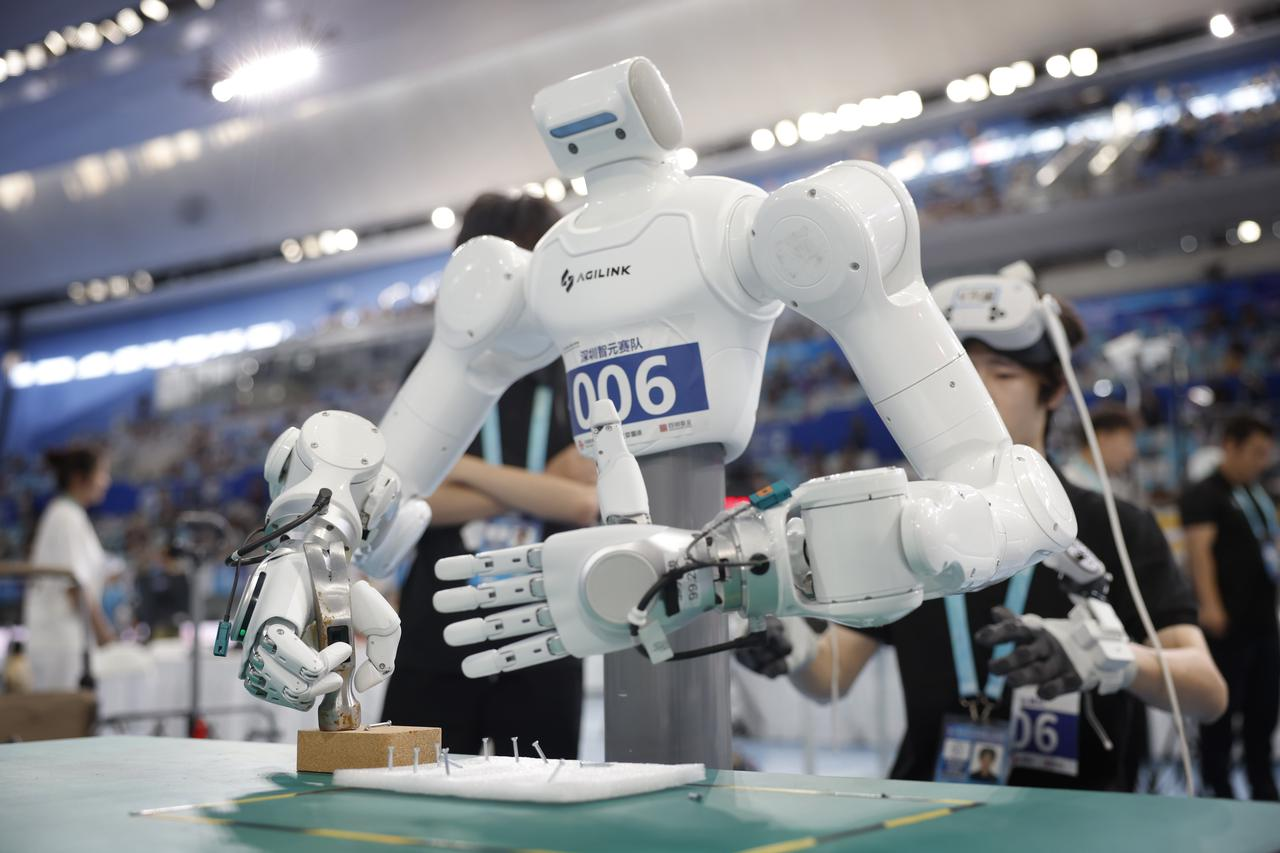
AGIBOT Achieves 18 Gold Medals at World Humanoid Robot Games, Leading Medal Rankings
AGIBOT made a significant impact during its first appearance at the 2nd World Humanoid Robot Games, securing 18 gold medals and leading the overall medal standings with a total of 46 medals. This achievement underscores AGIBOT's commitment to advancing humanoid robotics, as its robots demonstrated exceptional performance in events such as dexterous manipulation, motion control, and real-world scenario tasks. The success reflects the company's emphasis on practical applications of embodied AI technology. Looking ahead, AGIBOT's performance at this prestigious event may influence future developments in humanoid robotics and AI applications. No further timeline was disclosed at the time of publication.
Robotics Artificial Intelligence Humanoid Robots Technology Competitions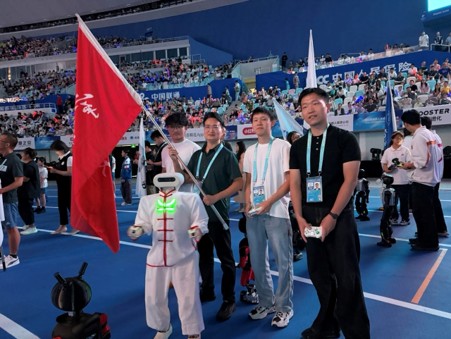
JAKA π Robot Successfully Completes Trials Ahead of 2026 World Humanoid Robot Games
The JAKA π robot, developed by JAKA Robotics, has successfully completed its first international humanoid competition at the World Humanoid Robot Games in Beijing. This lightweight humanoid robot, which debuted just two months ago, showcased its capabilities in various events, including 100m sprints and emergency rescue scenarios, demonstrating its adaptability to real-world applications. The significance of JAKA π's participation lies in its focus on expanding the boundaries of humanoid robotics beyond traditional athletic performance. JAKA Robotics aims to make robotic technology accessible for diverse applications, including education, commercial services, and entertainment, thereby fostering innovation and talent development in the field. Looking ahead, JAKA π is set for an official launch in June 2026, following a series of successful trials and public demonstrations. The company is committed to refining its technology and expanding its impact on various industries, emphasizing the importance of making advanced robotics more approachable for students and professionals alike. No further timeline was disclosed at the time of publication.
Humanoid Robots Robotics Technology AI Education Robotics Emergency Services
World Humanoid Robot Games 2.0 Concludes in Beijing with Focus on Real-World Applications
The second edition of the World Humanoid Robot Games concluded at Beijing's Ice Ribbon, featuring 666 teams and 2,056 robots competing in 51 events. This year's focus shifted from merely achieving speed to demonstrating dexterity and autonomy in real-world scenarios. This evolution in the competition highlights the growing importance of practical applications for humanoid robots, moving beyond traditional speed tests. The emphasis on real-scenario work reflects industry trends toward developing robots capable of performing complex tasks in everyday environments. Looking ahead, the outcomes of these games may influence future designs and functionalities of humanoid robots. No further timeline was disclosed at the time of publication.

Humanoid Robots Break Usain Bolt's Record at 2nd World Humanoid Robot Games
At the 2nd World Humanoid Robot Games held in Beijing, humanoid robots surpassed Usain Bolt's 9.58-second world record in the 100-meter dash. The Tiangong Ultra, developed by the Beijing Innovation Center of Humanoid Robotics (X-Humanoid), achieved times between 9.32 and 9.39 seconds, showcasing significant advancements in robotic speed and performance. This event highlights the rapid progress in dynamic locomotion control, with robots previously completing the same sprint in approximately 21.50 seconds just a few years prior. The ability to break such records reflects advancements in torque delivery, reinforcement learning, and joint thermal management, although challenges remain in controlled braking and stability at high speeds. As the robotics community analyzes these achievements, attention will be on how these developments impact future applications in industrial and commercial settings. No further timeline was disclosed at the time of publication.
TianGong Robotics Honor China World Robot Contest X-Humanoid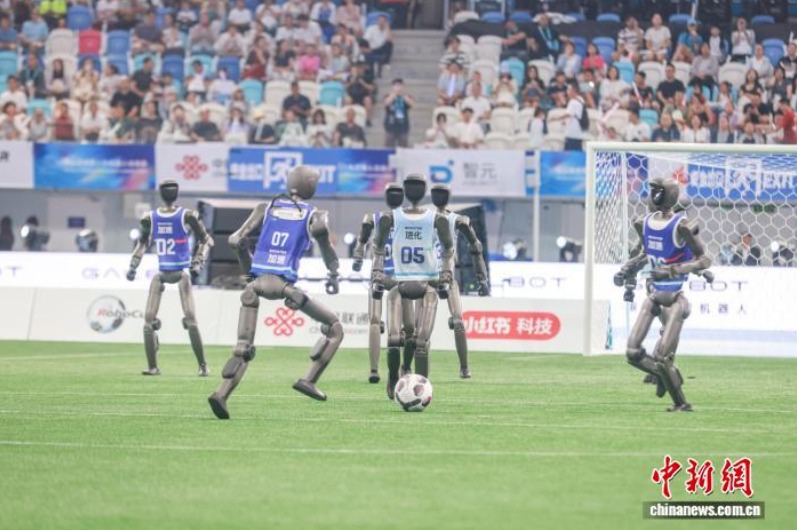
World Humanoid Robot Games Showcase Robots in Precision Task Competitions
The second World Humanoid Robot Games opened on August 22 at the National Speed Skating Hall in Beijing, featuring 666 teams and 2,056 robots from 16 countries, marking a 138% increase in teams and a fourfold increase in robots compared to the first event. The competition includes various precision tasks such as the dexterous hand event, where robots simulate real-world scenarios requiring fine motor skills. Tasks include weighing 20 grams of powder with a tolerance of ±0.5 grams, stacking building blocks, using tweezers to pick up soybeans, and connecting USB cables, all testing the limits of robotic hand-eye coordination and force control. The event emphasizes the importance of autonomous operation, with a scoring system favoring fully autonomous robots over remote-controlled ones. While the performance of autonomous robots exceeded expectations, challenges remain in adapting to variations in object properties and placement. No further timeline was disclosed at the time of publication.
Humanoid Robots Robotic Dexterity Autonomous Robotics AI Food Service Robotics
2026 World Robot Conference Features 150 New Products from 373 Exhibitors
The 2026 World Robot Conference, held from August 19 to 23 in Beijing, showcased 373 companies and over 3,000 innovative products, with more than 150 new releases, marking a 21% increase from the previous year. The event highlighted the transition of robots from mere exhibits to commercial products, emphasizing their growing capabilities. Notable innovations included the Nexo robot from Xinghaitu, featuring 30 degrees of freedom and a 20 kg load capacity, capable of completing a full order-to-delivery process autonomously. Additionally, the Galbot ET1 from Yinhe Tongyong demonstrated real-time interaction and learning abilities, showcasing the potential for robots to perform complex household tasks. The conference also addressed the scarcity of high-quality human motion data with the release of the HiPHI dataset, which offers 617.5 hours of data for research purposes. As the robot industry continues to grow, with revenues projected to exceed 300 billion yuan by 2025, the conference underscored the expanding role of robots in various sectors, including homes, factories, and warehouses.
Humanoid Robots Warehouse Automation AI Robotics Innovation Automation Technology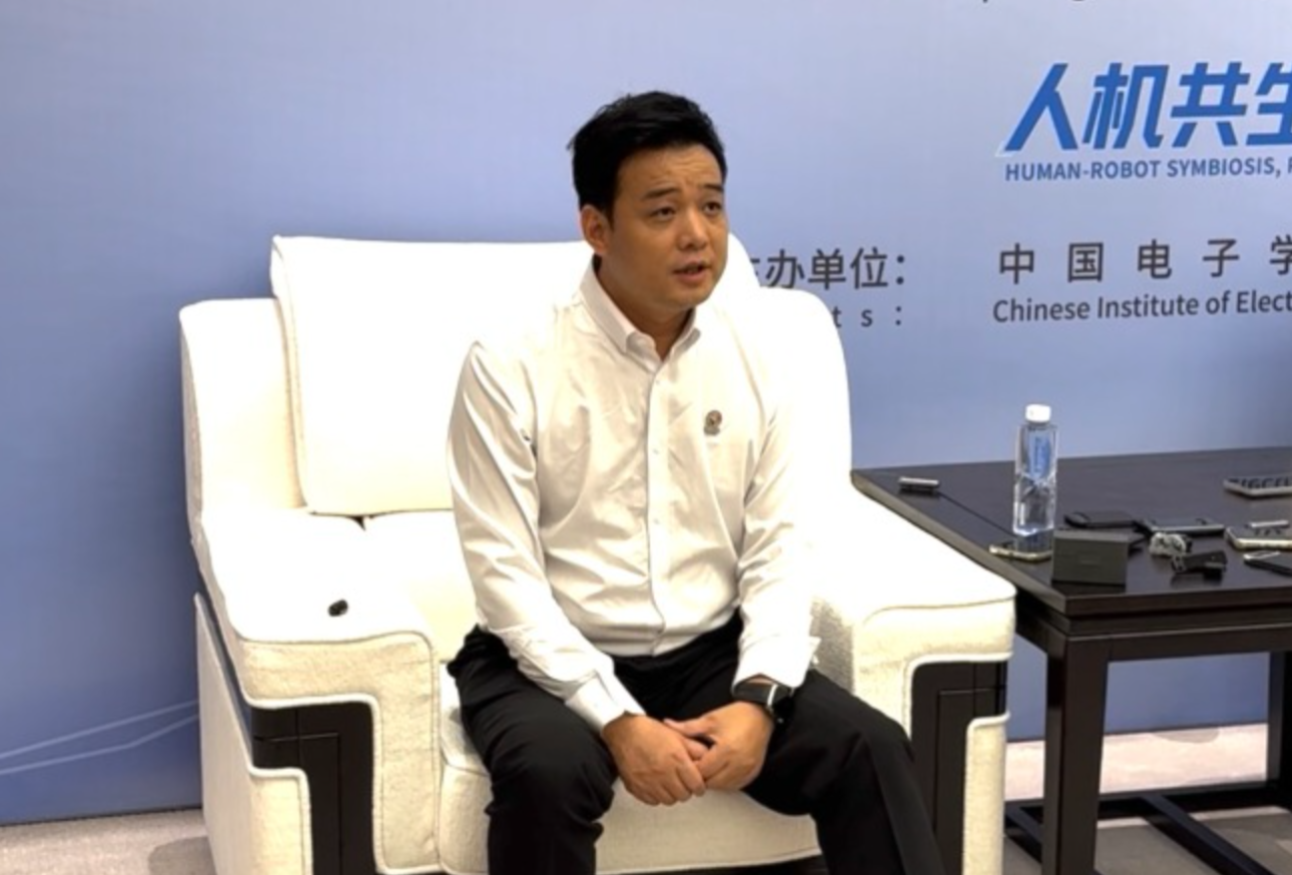
T800 Humanoid Robot Showcases Combat Skills at World Robot Conference 2026
During the 2026 World Robot Conference, the T800 humanoid robot captivated audiences with its combat skills, showcasing punching, dodging, and flying kicks. The event featured a fighting competition between two robots named 'Doujiang' and 'Luzhu,' part of the world's first industrial-grade humanoid robot fighting league, which attracted over 200 teams and offered a total prize pool of 14 million yuan. Zhao Tongyang, founder and CEO of Zhongqing, emphasized that combat-related investments account for less than 10% of the company's focus, with the majority directed towards integrating robots into homes and factories. He explained that mastering physical capabilities through combat is essential for robots to serve humans effectively, as agility and strength are crucial for handling unexpected scenarios. The T800 has already begun operations in the Luxshare Precision factory in Suzhou, handling material loading and transportation tasks. Zhongqing also introduced the EngineAI Awaken, a brain-inspired intelligent engine, which allows for rapid deployment and high success rates in robotic actions. Zhao predicts a significant breakthrough in embodied intelligence within three years, aiming for mass production of humanoid robots to make them commonplace in households.
Humanoid Robots Robotics Competitions AI Technology Industrial Automation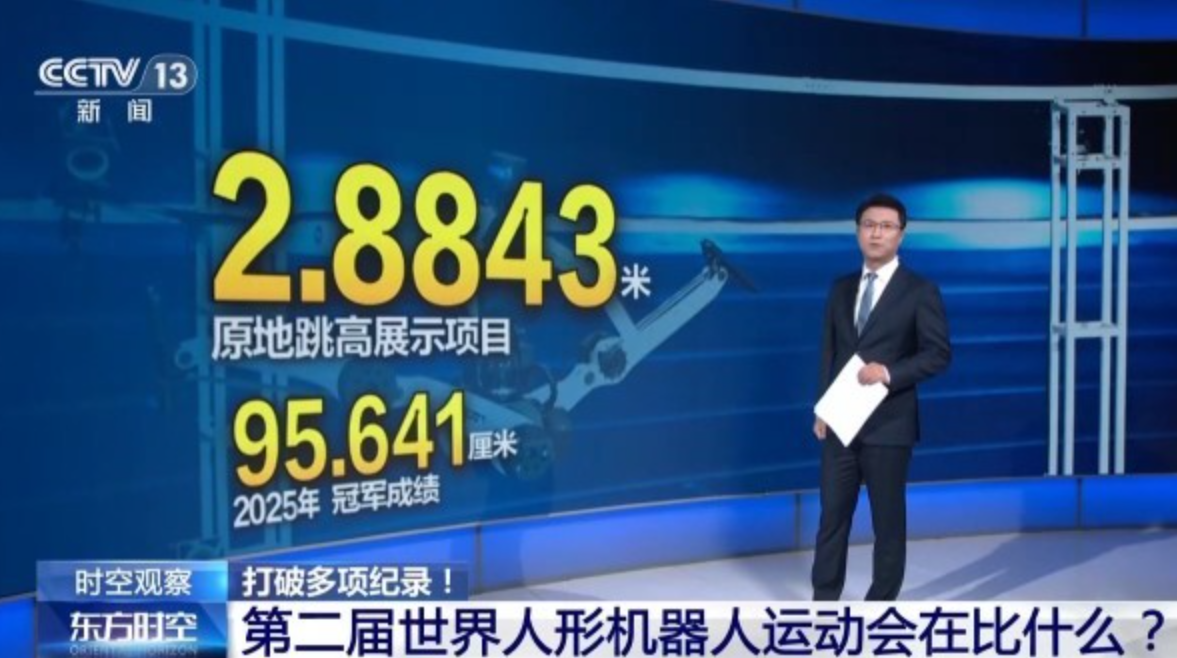
Humanoid Robot Sets New 100m Record at World Championships with 9.39 Seconds
A humanoid robot completed the 100m dash in 9.39 seconds, breaking the previous human world record of 9.58 seconds. This event took place on August 22 at the second World Humanoid Robot Championships held at the National Speed Skating Stadium in Beijing, featuring 666 teams and 2056 robots from 16 countries, marking a 138% increase in teams and a fourfold increase in robots since the first event. The significance of this achievement extends beyond speed; it challenges the industry's perceptions of robotic capabilities. The competition expanded from 26 to 51 events, including real-life scenario simulations such as food service and emergency response tasks. The scoring system favors fully autonomous operations, emphasizing the importance of real-world applicability for humanoid robots. Looking ahead, the competition's focus on practical applications highlights the need for robots to demonstrate their utility in real-world environments. The advancements in humanoid robotics, particularly in China, where over 40,000 units were shipped in the first half of the year, indicate a growing market and technological foundation that supports further development and deployment of these robots in various sectors.
Humanoid Robots Robotics Competitions AI Technology Industrial Automation
Bionic Robotics Innovations Unveiled at the 2026 World Robotics Conference
On August 20, the parallel forum 'Bionic Empowerment: Intelligent Creation of the Future' was held at the 2026 World Robotics Conference in Beijing. Organized by the International Society of Bionic Engineering, the Changchun Trade Promotion Association, and the Jilin Province Bionic Robotics Manufacturing Innovation Center, the event attracted over 300 experts and representatives from industry and venture capital. The highlight of the forum was the presentation by Professor Ren Lei, founder of Yuequan Bionics and a national expert, who unveiled three self-developed product lines: the Y-Hand series dexterous hands, YQ Motors series motors, and YQ Muscles artificial muscle modules. These products embody a complete bionic logic, with YQ Motors offering high power density and low noise across eight series, while YQ Muscles replicate human skeletal muscle biomechanics for safe and compliant power solutions. Additionally, two significant agreements were signed during the forum, indicating Yuequan Bionics' ambitions for industrialization. The partnership with Fuwei Co., a listed company in the automotive parts sector, signals traditional industry capital's entry into the bionic intelligence field. Their collaboration aims to address automation challenges in complex environments, showcasing the practical application of bionic technology in real-world industrial settings.
Bionic Robotics Artificial Muscles Robotic Hands Industrial Automation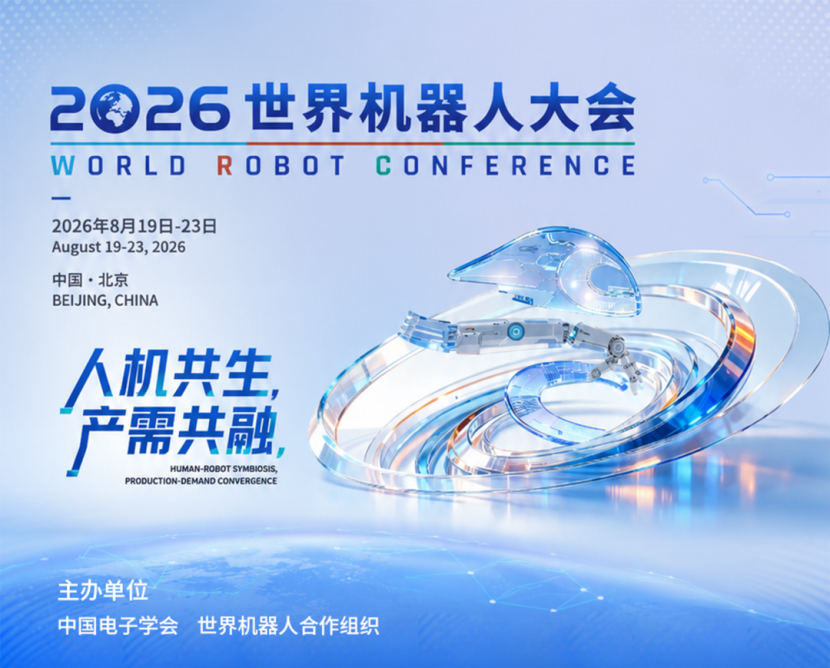
2026 World Robot Conference Concludes Successfully in Beijing with Major Innovations
The 2026 World Robot Conference concluded on August 23 in Beijing after five days of showcasing cutting-edge technologies and innovations in robotics. The event, themed 'Human-Machine Symbiosis and Collaborative Production,' featured extensive discussions, exhibitions, and the release of 44 new technologies, highlighting the global advancements in the robotics sector. This conference is significant as it aligns with the vision set forth by President Xi Jinping during the 2015 World Robot Conference and aims to promote high-quality development in the robotics industry. With over 1,000 experts participating and 373 companies displaying more than 3,000 products, the event underscored the growing influence and dynamism of the robotics field. Looking ahead, the 2027 World Robot Conference is scheduled for August 18, 2027, promising to further explore the collaboration between humans and robots. The conference will continue to focus on intelligent technology and the development of the robotics industry, fostering innovation and new opportunities.
Humanoid Robots Robotics Innovation AI Automation Industry Development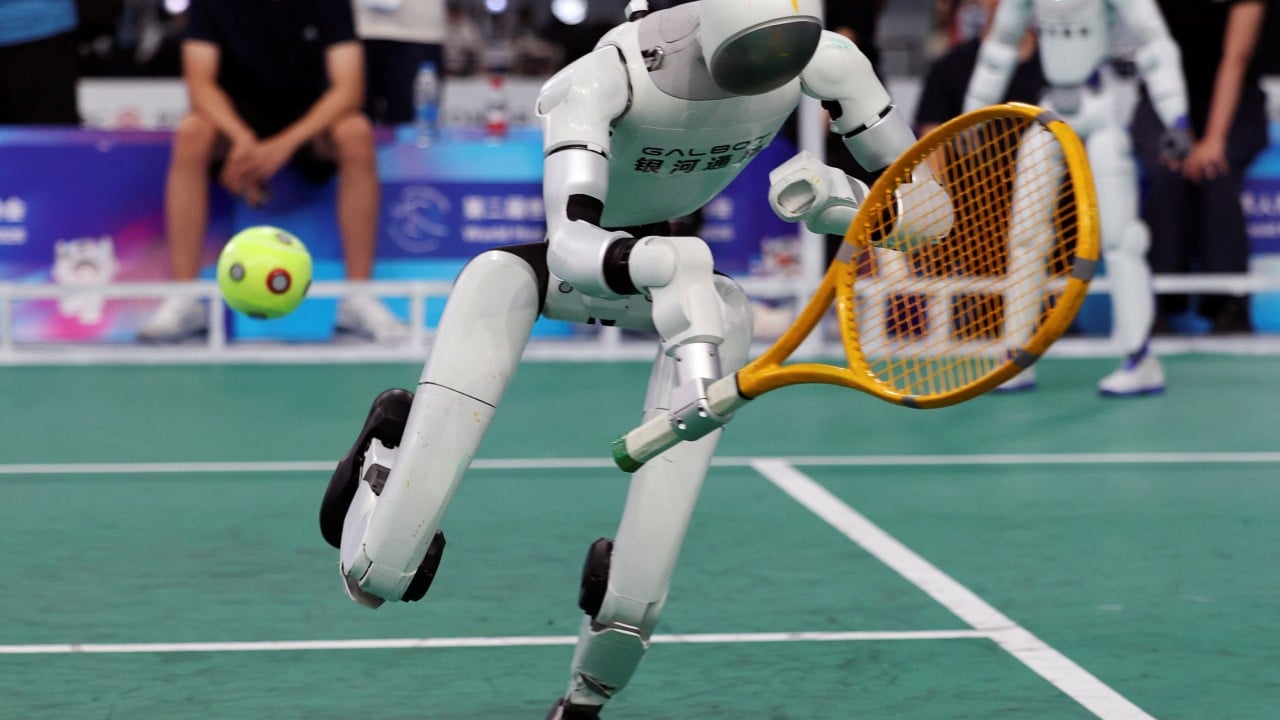
Galbot's Humanoid Robot Excels in Tennis at World Humanoid Robot Games
At the second World Humanoid Robot Games in Beijing, Galbot's humanoid robot showcased its skills in a tennis match against human players. The event highlighted the robot's ability to perform quick movements and return shots, although it faced challenges such as balance issues, which led to a moment of falling during play. This demonstration is significant as it marks what Galbot claims to be the world's first human-robot tennis match, emphasizing the advancements and limitations of humanoid robots in sports. The event featured over 600 teams and 2,056 robots competing in various sports, illustrating the growing interest and development in humanoid robotics. Looking ahead, the games included new competitions like table tennis and kickboxing, alongside expanded scenario-based events. Observers should note the ongoing challenges in robot autonomy and balance, as these factors will influence future developments in humanoid robotics and their applications in various sectors.

Chinese Robot Sets New 100m World Record at Ice Ribbon Event
On August 22, the second World Humanoid Robot Games commenced at the Ice Ribbon in Beijing, featuring 666 teams and 2056 robots from 16 countries. This year's event saw a 138% increase in team participation and a fourfold rise in robot entries compared to the inaugural event. The Tian Gong Ultra robot achieved a remarkable time of 9.39 seconds in the 100m preliminary round, breaking the previous event record and surpassing Usain Bolt's human world record of 9.58 seconds. Last year's best time was 21.5 seconds. Additionally, the Honor Robot 'Lightning' recorded a test time of 9.32 seconds prior to the competition. The event has expanded from 26 to 51 competitions, including new high-intensity events like long jump and weightlifting. The games will run until August 26, with 12 gold medals to be awarded on the 23rd. The Ice Ribbon will be transformed into a permanent training base post-event.
Humanoid Robots Robot Competitions AI Robotics Technology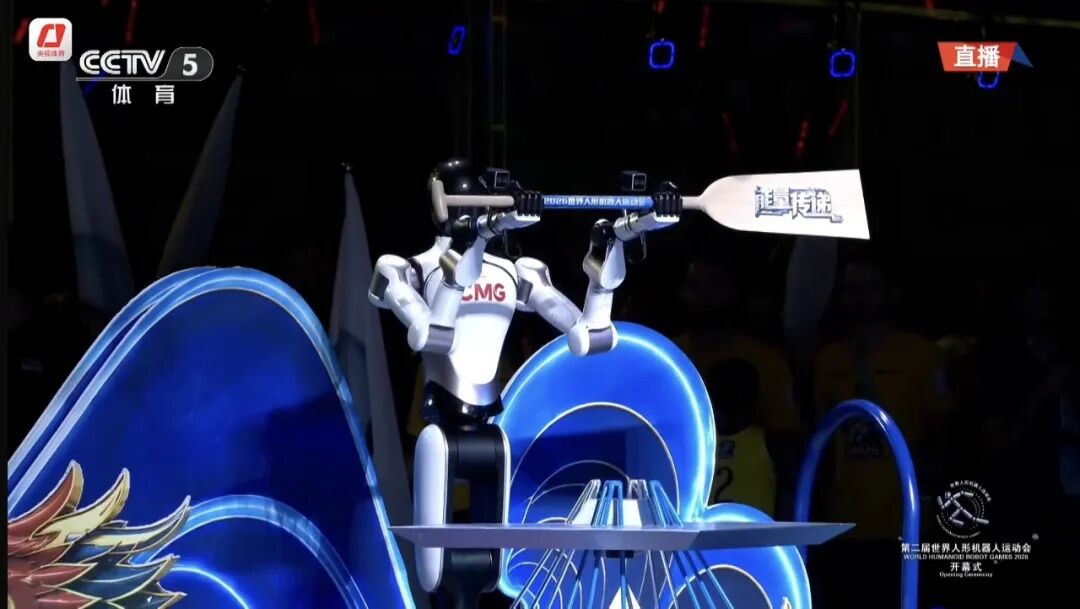
RealBOT Demonstrates Functional Robotics at the 2nd World Humanoid Robot Games Opening Ceremony
On August 22, the 2nd World Humanoid Robot Games opened at the National Speed Skating Oval, featuring 51 events and 1,301 matches with 666 teams from 16 countries and 2,056 robots. This year's competition has doubled in scale compared to the inaugural event. RealBOT, a company focused on practical robotics, showcased its capabilities during the opening ceremony, participating in the 'Smart Chip Lighting' ceremony and performing a flower arrangement act. The RealBOT S2 wheeled humanoid robot represented the Bazhong station in Sichuan, lifting the energy token 'paddle' during the lighting ceremony. RealBOT's founder and CEO, Zheng Suibing, attended the event, highlighting the company's commitment to demonstrating the practical abilities of robots. Earlier this year, the RealBOT robot acted as a 'robot chef' in Xinjiang, completing various challenging tasks in a real kitchen environment. RealBOT's robots are designed for long-term, high-intensity operations, certified for reliability with a 50,000-hour mean time between failures. The robots' precision and adaptability were showcased in the flower arrangement performance, achieving ±0.05mm positioning accuracy. RealBOT also participated in six scenario competitions, validating the robots' capabilities in emergency response, public service, retail, and industrial applications. No further timeline was disclosed at the time of publication.
Humanoid Robots Robotics Technology AI Automation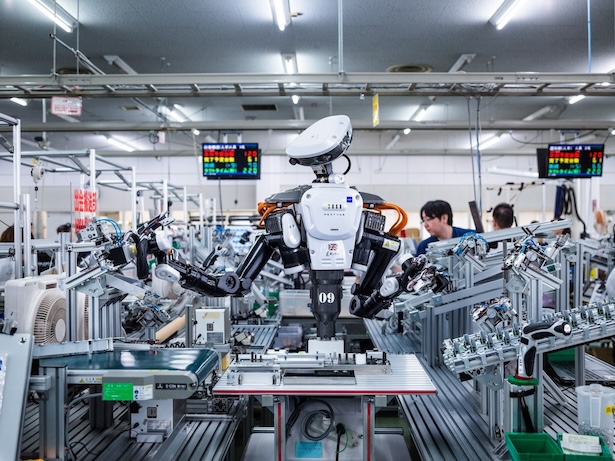
2026 World Humanoid Robot Games Kick Off in Beijing with 666 Competing Teams
The 2026 World Humanoid Robot Games have officially commenced in Beijing, featuring 666 teams from various countries. These teams are showcasing over 2,000 humanoid robots in a series of competitions designed to highlight advancements in robotics. This event is significant as it brings together a diverse range of participants, fostering innovation and collaboration in the field of humanoid robotics. The competition serves as a platform for engineers and developers to demonstrate their latest technologies and designs, potentially influencing future developments in the industry. As the games progress, observers should pay attention to the emerging trends in humanoid robot capabilities and the performance of different teams. No further timeline was disclosed at the time of publication.
Robotics needs a service framework.
RSF defines a common language for robot service capability, lifecycle operations, certification pathways, and service-provider networks.
Join the RobotToday community on LinkedIn
Daily robotics news, in-depth analysis, conference highlights, and discussions with professionals worldwide.