


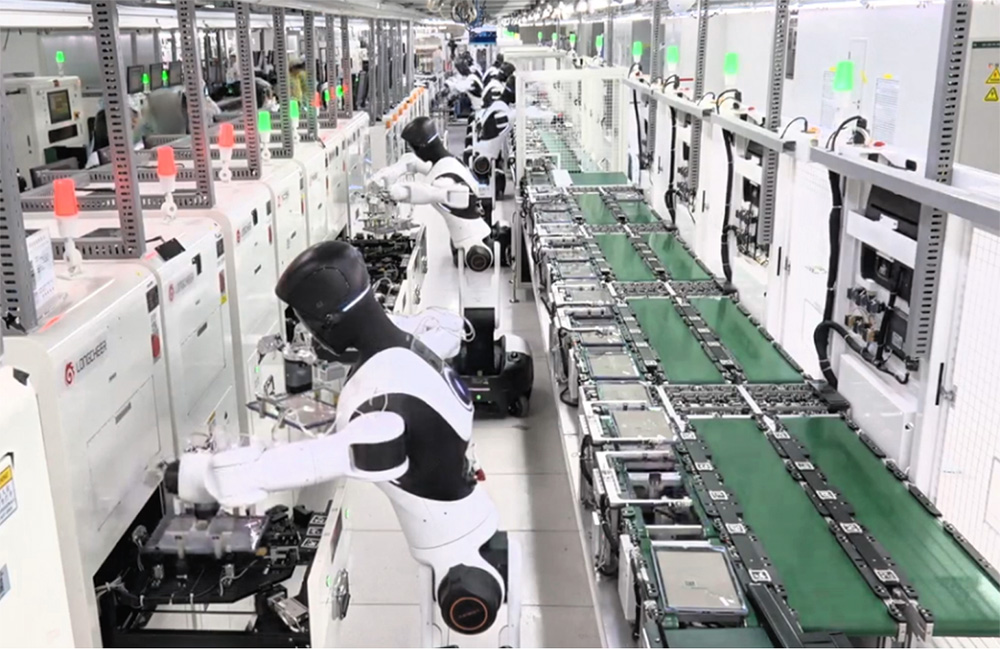
Humanoid robots are increasingly transitioning from research labs to real-world applications in factories, warehouses, and service centers. These robots, equipped with artificial intelligence, are capable of understanding instructions, recognizing objects, and performing complex tasks. While American companies are pivotal in developing advanced AI and robotic technologies, Chinese manufacturers have gained a significant edge in production, dominating over 80% of global humanoid robot installations by 2025.
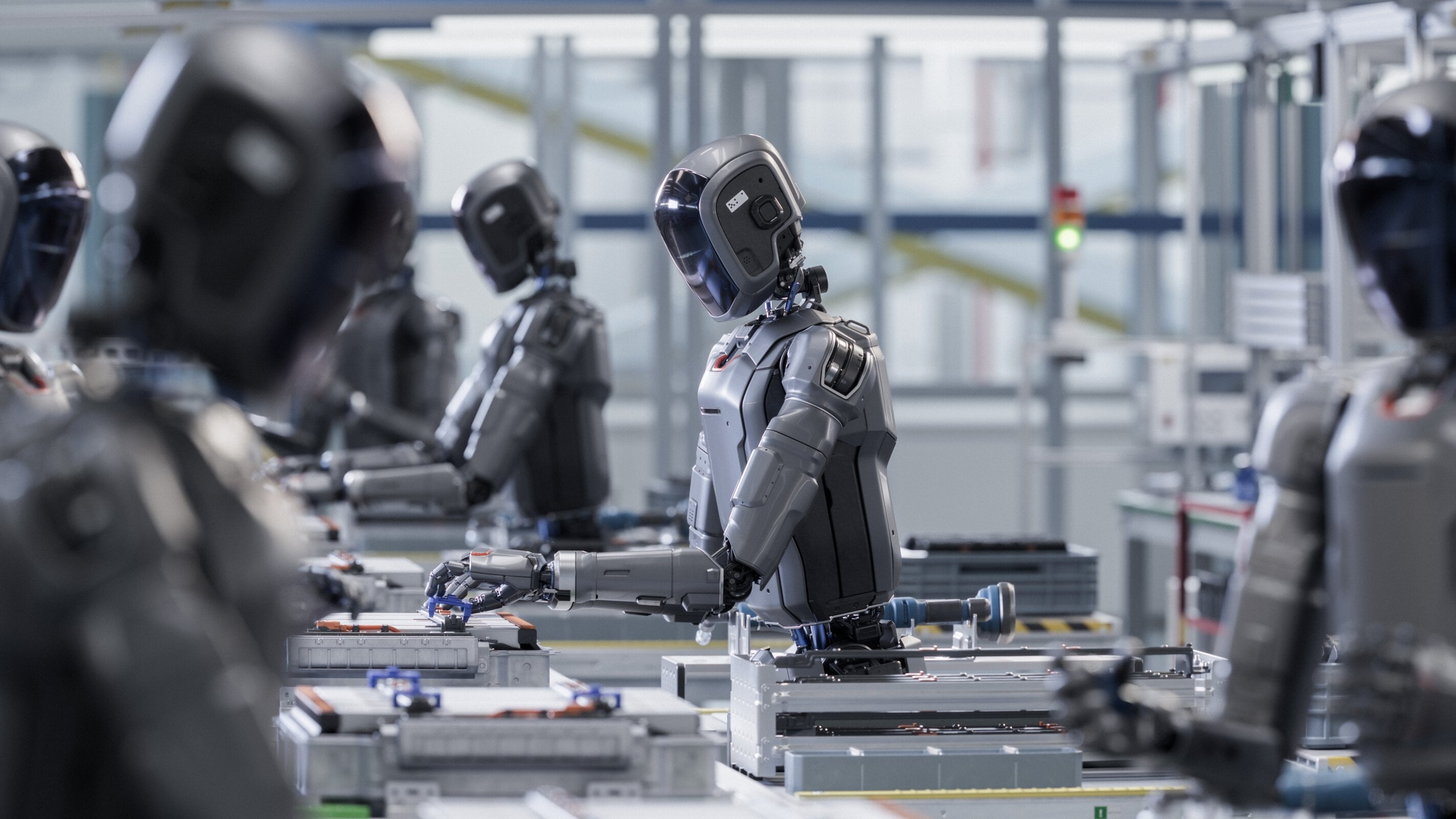
California-based Figure AI is at the forefront, creating general-purpose humanoids like the Figure 03, which utilizes the Helix AI system to translate visual and language inputs into physical actions. The company has successfully showcased its technology on active production lines, including a BMW facility, where its Figure 02 robot has already loaded over 90,000 components and contributed to the assembly of more than 30,000 vehicles. This practical application highlights the potential of humanoid robots in enhancing manufacturing efficiency.
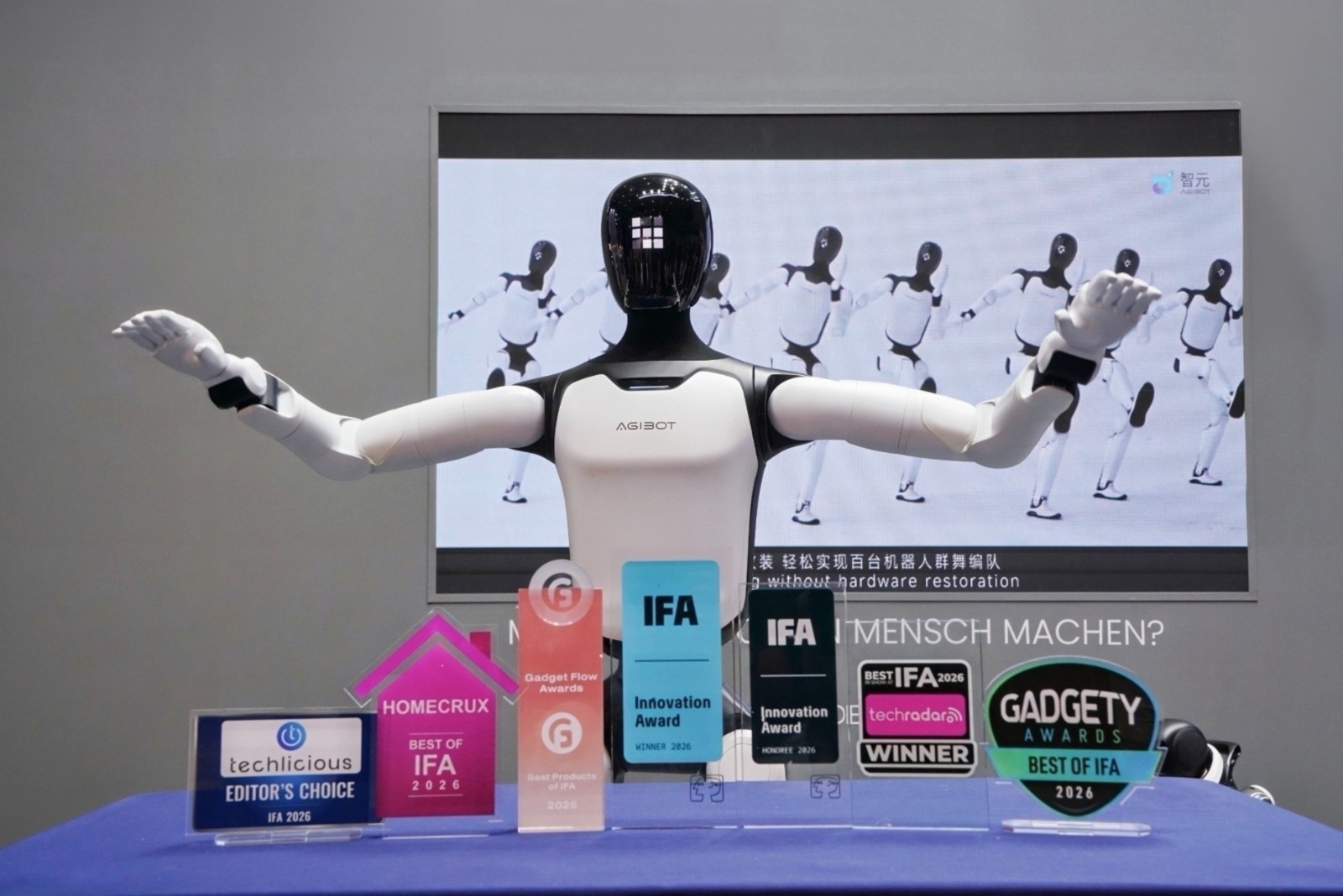
AgiBot, founded in Shanghai in 2023, has rapidly become a leading producer of embodied AI robots, capturing 30.4% of the global market share in 2025. Its diverse portfolio includes humanoids, industrial machines, and service robots, driven by mass production and an open-source approach. The ongoing advancements in humanoid robotics will be crucial to watch as they continue to integrate into various sectors, reshaping the landscape of automation.
Editor's Note
The rise of humanoid robots in industrial settings signifies a pivotal shift in automation and workforce dynamics. As companies like Figure AI and AgiBot lead the charge, the competitive landscape is evolving, with production capabilities becoming a key differentiator. This trend underscores the importance of investing in advanced robotics and AI technologies to enhance operational efficiency and adaptability in manufacturing and service industries.




















Leave a comment