

Industry Briefing
A single destination for timely, editor-curated robotics news from around the world.
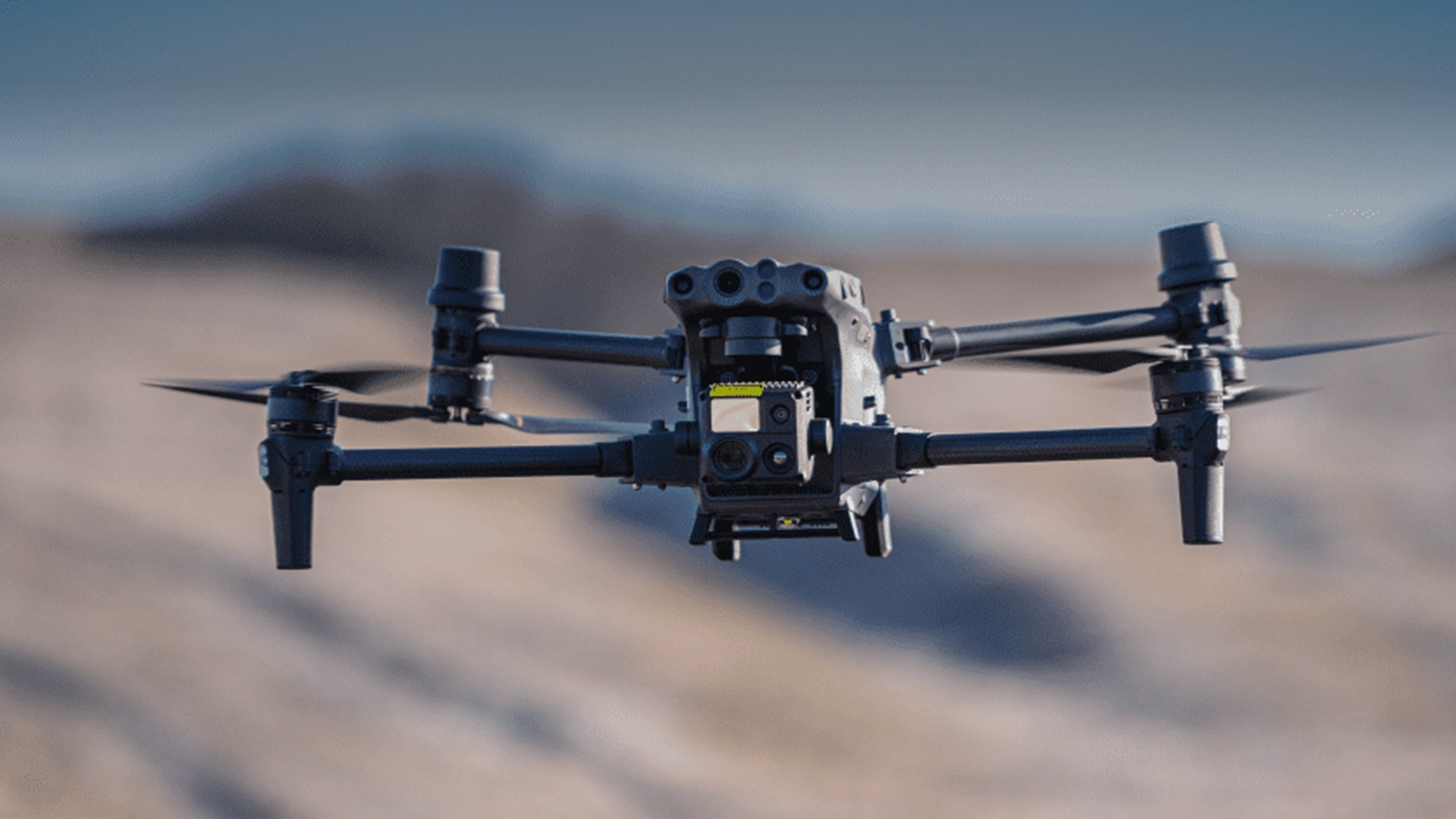
Amprius Technologies Secures $75M Grant to Transform EV Battery Line for Drone Production
The U.S. Department of War has granted Amprius Technologies up to $75 million to convert an electric vehicle battery production line into a facility for drone batteries. This retrofit, located in Fremont, California, aims to produce high-energy-density cells for unmanned aerial systems, with a projected capacity of 12 million cells annually by early 2028. This initiative is significant as it aligns with domestic sourcing requirements under the National Defense Authorization Act, ensuring that the U.S. can meet its defense needs with locally produced batteries. The total conversion project is estimated to cost around $100 million, which includes the federal grant and investments from Amprius and its South Korean manufacturing partner. Looking ahead, the converted facility will enhance Amprius’ manufacturing network and provide defense customers with access to NDAA-compliant batteries at higher volumes. No further timeline was disclosed at the time of publication.
Military
Amprius Secures Up to $75 Million Grant to Boost U.S. Drone Battery Production
Amprius Technologies has been awarded a federal grant of up to $75 million to enhance the production of batteries for unmanned aerial systems in the U.S. This funding will facilitate the conversion of an existing electric vehicle battery production line to manufacture high-energy-density cells for various drone categories. The grant, provided by the U.S. Department of War, aims to bolster domestic manufacturing capabilities crucial for national defense. This initiative is significant as it seeks to establish a high-volume manufacturing capability for advanced drone batteries within the United States. The project, which is expected to cost around $100 million, will involve reconfiguring a production line operated by a major South Korean battery manufacturer. Amprius anticipates that the new facility will produce 12 million cells annually, aligning with domestic sourcing requirements under the National Defense Authorization Act. Looking ahead, Amprius plans to complete this project by early 2028, which will enhance its existing manufacturing network across the U.S., South Korea, and China. The new capacity will be vital for supplying high-energy-density pouch cells to meet the growing demands of small and medium-sized unmanned aircraft, thereby supporting U.S. defense drone manufacturers in meeting domestic sourcing mandates.
battery technology Drone Manufacturing Drone News Drone News Feeds NDAA Compliant News
Amprius Technologies Secures Up to $75 Million Grant for UAS Battery Production
Amprius Technologies has been awarded a grant from the US Department of War, potentially reaching $75 million, aimed at enhancing domestic battery production for unmanned aerial systems (UAS). This funding is significant as it underscores the importance of local manufacturing capabilities for UAS batteries, which are critical for the performance and reliability of drone operations. The grant reflects a growing emphasis on national security and self-sufficiency in defense-related technologies. Looking ahead, industry stakeholders will be keen to monitor how Amprius Technologies utilizes this funding to scale up production and improve battery technology for UAS applications. No further timeline was disclosed at the time of publication.
News
Humanoid Robots May Lead the Way for Solid-State Battery Applications
Recent developments suggest that humanoid robots could be the first large-scale commercial application of solid-state batteries, rather than electric vehicles. This shift highlights the potential for advanced battery technology to enhance robotic capabilities, making them more efficient and versatile in various applications. The significance of this trend lies in the growing demand for improved energy storage solutions in robotics, which can lead to enhanced performance and longer operational times. As companies like Fangqi Technology and Tiangong Robotics explore these innovations, the integration of solid-state batteries could revolutionize the robotics industry, providing a competitive edge in the market. Looking ahead, stakeholders should monitor the advancements in solid-state battery technology and its adoption in humanoid robots. No further timeline was disclosed at the time of publication, but the ongoing research and development in this area could pave the way for new applications and partnerships in the robotics sector.
Robotics Automation AI
Honor Launches Magic 9 Pro Max with Advanced Camera and Massive Battery
Honor has unveiled its new Magic 9 Pro Max smartphone in China, featuring a redesigned camera system and a substantial 8,800mAh battery. This launch marks Honor's first flagship release since partnering with Arri, a renowned camera company, which has influenced the design and functionality of the device's camera capabilities. The collaboration with Arri introduces a unique camera island inspired by the classic three-lens turret design, enhancing the photography experience with features such as Arri LogC3 shooting and access to various LUTs. The Magic 9 Pro Max boasts a 200-megapixel main lens, a 3.5x telephoto lens, and a 50-megapixel ultrawide lens, along with a directional microphone for improved video recording. Looking ahead, Honor has confirmed plans for an international launch of the Magic 9 series, although specific dates have not yet been disclosed. The integration of advanced camera technology and a powerful battery positions the Magic 9 Pro Max as a competitive option in the flagship smartphone market.
Gadgets Mobile News Phones Tech
Fedorov Launches 'Robot Legion' Initiative to Deploy Humanoid Robots in Combat by March 2024
On September 26, former Ukrainian Defense Minister Mykhailo Fedorov announced the 'Robot Legion' initiative during his speech at the Lviv IT Arena. The program aims to replace human soldiers on the battlefield with robots to save lives, with a specific goal of deploying a humanoid robot capable of killing a Russian soldier within six months. This initiative is significant as it reflects Ukraine's ongoing efforts to enhance its military capabilities through automation. Fedorov highlighted that drones currently account for over 95% of battlefield strikes, and there are more than 700 drone manufacturers in Ukraine. The push for robotic solutions is underscored by the reported increase in armed ground robot missions, with over 9,000 in a single month this spring. Looking ahead, the first tasks for the humanoid robots will involve mechanical operations such as reloading machine guns and sensor placement. Fedorov's ambitious timeline aims for a combat-ready humanoid robot by March 2024, which could reshape military operations. No further timeline was disclosed at the time of publication.
Humanoid Robots Military Robotics Defense Technology AI Automation
Milrem Robotics Utilizes Ukraine Battlefield Insights to Enhance Unmanned Systems
Milrem Robotics, based in Tallinn, Estonia, is leveraging battlefield experiences from Ukraine to advance its unmanned ground vehicle technology. The THeMIS platform, which is currently deployed for logistics missions in Ukraine, demonstrates the growing reliance on unmanned systems in high-risk areas, reducing the danger to personnel and providing strategic advantages. The significance of this development lies in the ongoing challenges faced by conventional logistics on the front lines, as highlighted by Milrem's CEO Kuldar Vaarsi. With reconnaissance and attack drones making traditional vehicles vulnerable, Ukrainian forces are increasingly adopting unmanned vehicles for supply transport over distances of 10 to 20 kilometers, with over 200 units expected to be operational by year-end. Looking ahead, Milrem is adapting its designs based on combat feedback, emphasizing simplicity and ease of operation for soldiers with minimal training. The company’s ARCOS software aims to integrate various robotic systems, enhancing interoperability across different platforms, which is crucial for future military operations.
All News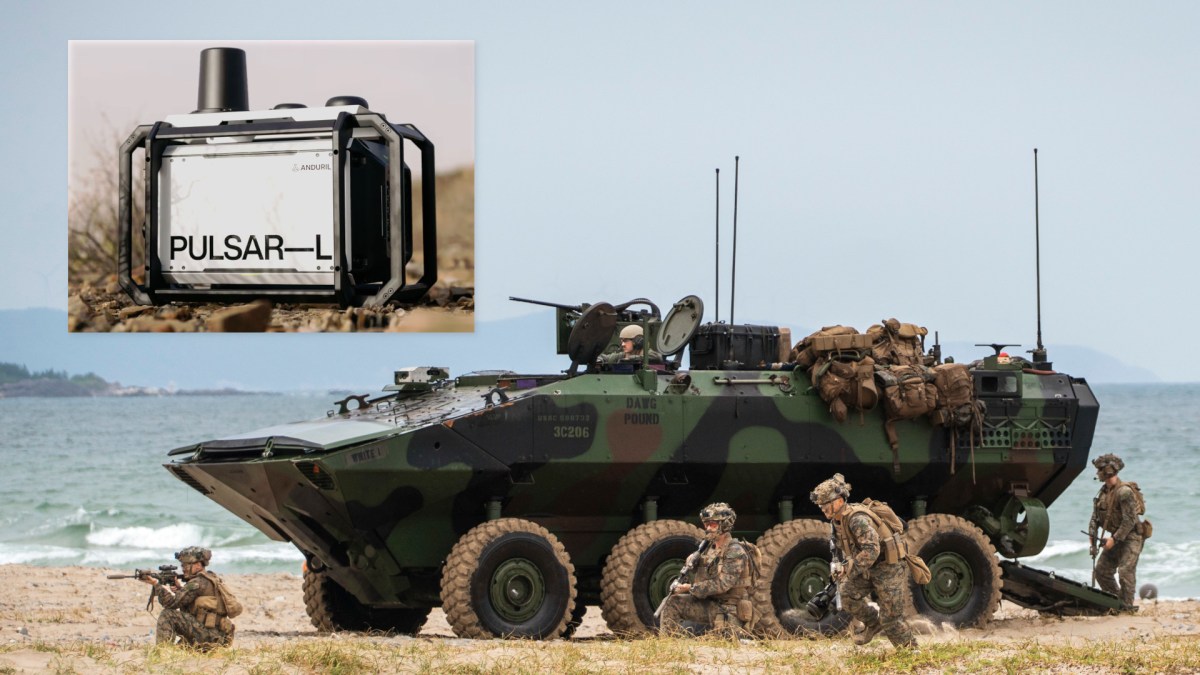
U.S. Marine Corps Acquires Anduril Pulsar-L Jammers for Amphibious Combat Vehicles
The U.S. Marine Corps has awarded a contract to Anduril for Pulsar-L electronic warfare jammers, aimed at enhancing the defense of its Amphibious Combat Vehicles (ACVs) against drone threats. This acquisition, valued at $15,711,445.50, addresses the urgent need for improved protection against uncrewed aerial systems, particularly in light of recent conflicts where drones have proven effective against armored vehicles. The integration of the Pulsar-L system is significant as it provides a mobile solution capable of detecting, tracking, and neutralizing Group 1 and Group 2 drones, which have become increasingly prevalent in modern warfare. The Marine Corps aims to bolster its fleet of ACVs, which currently includes 150 baseline personnel carrier variants and various other models, to enhance survivability and operational effectiveness in diverse combat environments. Looking ahead, the Marine Corps plans to expand its ACV fleet, with a goal of acquiring 389 ACV-Ps and 33 ACV-Cs, among others. The Pulsar-L's unique capabilities, including machine learning for real-time adaptation to emerging threats, position it as a critical asset in the evolving landscape of electronic warfare. No further timeline was disclosed at the time of publication.
Land Counter-Unmanned Aerial Vehicles (C-UAS) Land-Based Electronic Warfare News & Features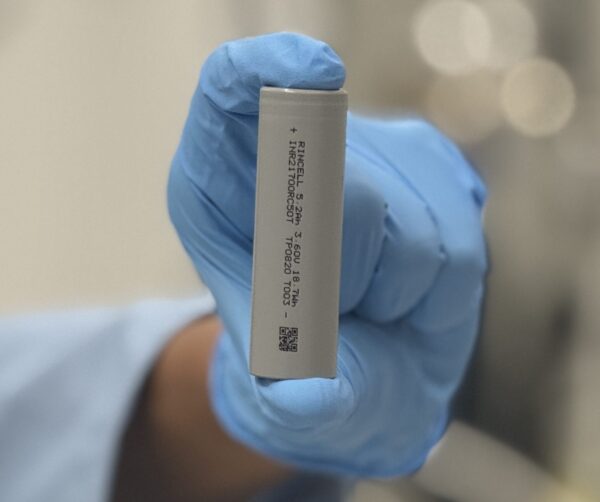
Rincell Launches RC50T Drone Battery Cell at DroneX in London
Rincell, a U.S. battery cell manufacturer based in Fremont, California, introduced its RC50T tabless 21700 lithium-ion cell at DroneX in London on September 29-30, 2026. This cell, compliant with the NDAA, is designed for high-load drone operations and is already being shipped to manufacturers. The RC50T features a continuous discharge rating of 100A and pulse discharge of 150A, with an energy density exceeding 265 Wh/kg. Its innovative tabless design reduces internal resistance to 3 to 4 milliohms, enhancing energy efficiency during drone missions. Rincell emphasizes that the RC50T is available for immediate order, showcasing their commitment to delivering proven products. Looking ahead, Rincell plans to expand its production capabilities, with a U.S. facility expected to be operational by late 2027. As demand for reliable drone battery solutions grows, Rincell aims to address supply chain challenges while providing high-performance options for various applications, including defense and agriculture.
battery technology Drone News Drone News Feeds drone parts NDAA Compliant News
KAIST's RAIBO2 Quadruped Robot Completes Marathon on One Battery Charge
Researchers at KAIST have developed the quadruped robot RAIBO2, which successfully completed a 42.195-kilometer marathon on a single battery charge. The robot finished the Sangju Dried Persimmon Marathon in 4 hours, 19 minutes, and 52 seconds, while collecting valuable data on energy use, thermal performance, and locomotion. This achievement is significant as it showcases the potential for quadruped robots to operate efficiently over extended periods, addressing energy consumption as a whole-system engineering problem. The research, published in Nature, emphasizes the importance of optimizing mechanical and electrical systems together to enhance performance without sacrificing energy efficiency. Looking ahead, KAIST and its faculty startup Raion Robotics aim to translate the RAIBO2's research success into commercially viable quadruped robots. These robots will be designed for reliable operation in industrial environments, meeting various durability and performance standards. No further timeline was disclosed at the time of publication.
AI AI Funding & Investment AI Research & Advances Robotics Energy KAIST
Comau Provides Advanced Battery Cell Formation and Testing System to Slovenia’s National Institute of Chemistry
Comau has successfully delivered a laboratory-scale cell formation and testing solution to Slovenia’s National Institute of Chemistry (NIC). This customized system is designed to facilitate material validation, product development, and cycle life testing, integrating industrial processes into a research environment while maintaining necessary flexibility. The significance of this delivery lies in its ability to accommodate various battery cell formats, including pouch, cylindrical, and prismatic cells, on a single platform. This versatility allows researchers and industrial partners to explore a wide range of battery technologies, bridging the gap between academic research and commercial development. Looking ahead, the NIC facility is poised to support both academic and industrial users in battery research and testing across Europe. No further timeline was disclosed at the time of publication.
Industrial robots News Science battery automation battery cell formation battery cell testing
KAIST's Robot Dog Completes Marathon on One Battery Charge in 4 Hours 19 Minutes
KAIST has showcased a four-legged robot capable of finishing a marathon on a single battery charge. The robot successfully completed the Sangju Marathon in South Korea in 4 hours and 19 minutes, outperforming existing robots by traveling three times the distance per charge. This achievement is significant as it highlights advancements in battery efficiency for legged robots, potentially influencing future designs and applications in robotics. Enhanced battery life could lead to broader deployment of robotic systems in various sectors, including search and rescue and logistics. Looking ahead, the implications of this technology could reshape expectations for robotic endurance and functionality. No further timeline was disclosed at the time of publication.
Robotics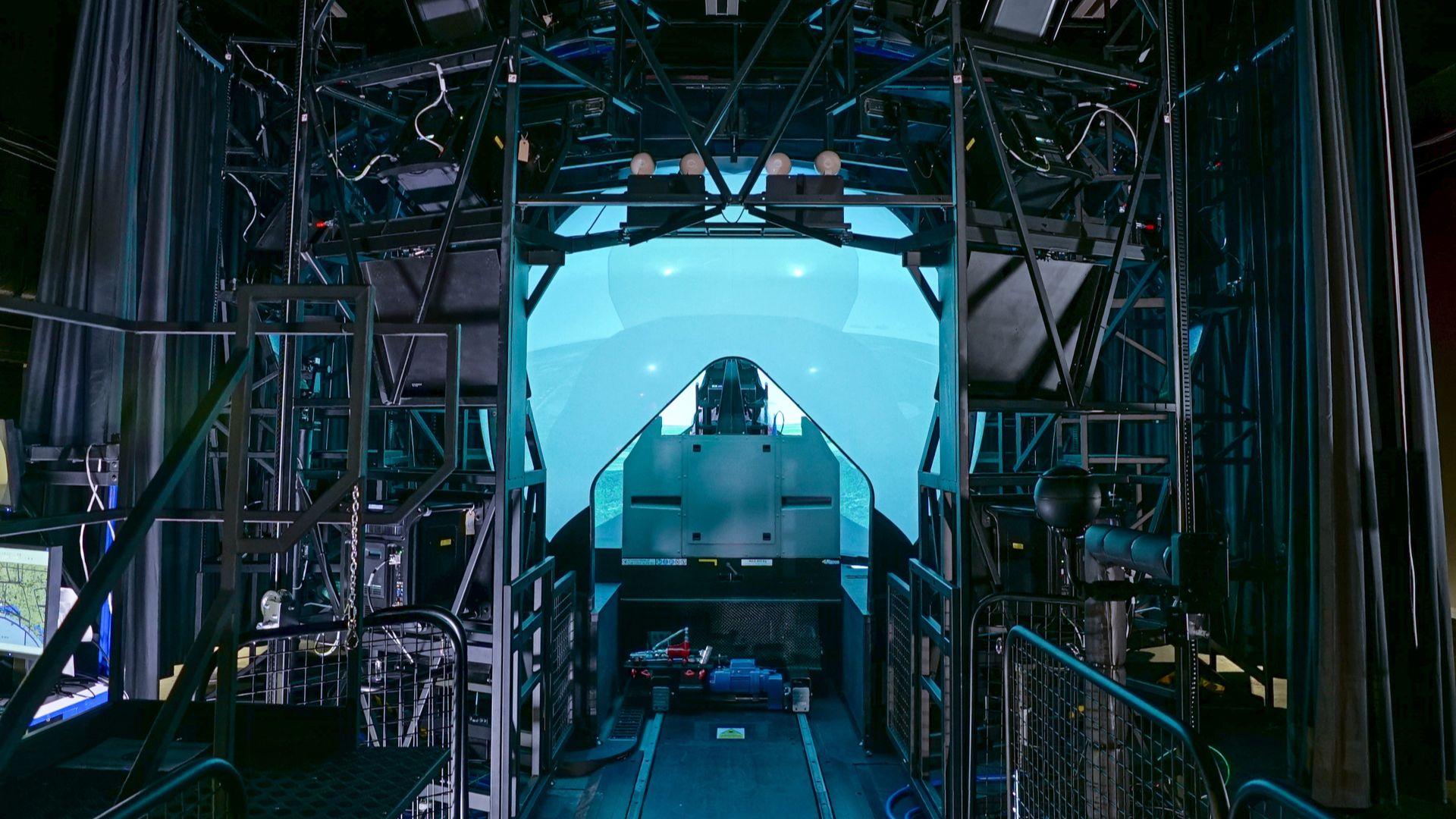
Lockheed Martin Connects 16 F-35 Simulators for Distributed Combat Training Exercise
Lockheed Martin successfully connected 16 F-35 full mission simulators across four military bases for a two-hour distributed mission rehearsal. This exercise integrated F-18 simulators and an E-2D Hawkeye controller from a fifth location, testing the coordination of crews stationed thousands of miles apart during a simulated multidomain operation. The significance of this event lies in its demonstration of how geographically separated units can effectively train together without relocating personnel or aircraft. By maintaining command-and-control links, the participating sites achieved all training objectives, showcasing the capability of U.S. Marine Corps and U.S. Navy units to collaborate in a shared operational picture. Looking ahead, the success of this exercise highlights the potential for future distributed training formats, allowing military units to rehearse complex missions across vast distances. No further timeline was disclosed at the time of publication.
Military
Bitcoin Surges Past $85,000, Sparking Debate on End of 'Crypto Winter
Bitcoin's price exceeded $85,000 on Monday, marking its highest level since late January. Matt Hougan, CIO at Bitwise, stated that the 'crypto winter' may be over, predicting a potential bull market in cryptocurrency history. This price increase follows a significant rise of over 7% in the past five days and nearly 35% over the last three months. The significance of this surge lies in the ongoing assessment of whether the depressed market conditions, which began after Bitcoin's peak of over $126,000 in October 2025, have truly ended. Hougan expressed optimism about a strong recovery, citing improved fundamentals in the cryptocurrency space, including increased transactions and involvement from major firms like BlackRock. Looking ahead, analysts at BTIG noted that as long as Bitcoin maintains above the $75,000 mark, there is potential for further gains, targeting $90,000. Despite the U.S. Senate blocking the Clarity Act, which aimed to establish a regulatory framework for crypto, Hougan suggested that the current regulatory environment may still favor cryptocurrency growth.

Humanoid Robots Showcase Resilience in URKL Combat Tournament in Shanghai
On September 19, the 2026 URKL Robot Combat City Tour kicked off in Shanghai at the Baoshan Sports Center, following its debut in Shenzhen in July. The event marked a significant step in the commercialization of the URKL global humanoid robot free combat league, with all 5,000 tickets sold out. The tournament attracted not only fans from other cities but also local youth and families, indicating a growing interest in humanoid robot combat beyond just technical demonstrations. The appeal of the combat tournament lies in its unpredictability, as demonstrated by the ZQ T800 robot's impressive recovery after being knocked down. This ability to bounce back captivated the audience, showcasing the potential for humanoid robots to engage in dynamic and entertaining performances. The event was organized by the Baoshan District People's Government and supported by the Shanghai Robot Industry Park, highlighting a robust local operational framework. As URKL continues its city tour, with plans to visit more locations, the sustainability of this commercial venture will depend on audience willingness to purchase tickets for future events. The integration of combat capabilities into industrial applications, such as maintaining balance and recovering from impacts, could also pave the way for advancements in robotics technology in various sectors.
Humanoid Robots Robot Combat Robotics Competitions AI Technology Events
U.S. Military's Top Officer Highlights Cislunar Space as New Battlefield
General Dan Caine, the chairman of the Joint Chiefs of Staff, emphasized the need for the U.S. military to prepare for engagements extending into cislunar space during a keynote address at the Air & Space Forces Association's conference on September 16. He noted that the modern battlefield now spans from the seabed to the vicinity of the moon, highlighting the strategic importance of this region as both the U.S. and China plan to establish bases near the moon's south pole. Caine's remarks underscore the urgency for the U.S. military to adapt to potential conflicts in cislunar space, where future operations may not guarantee uncontested access or secure areas. He stressed that maintaining U.S. dominance in space is crucial for ensuring the ability to strike globally and sustain military operations. The Space Force's strategy includes operating weapons in Earth orbit to defend against space-enabled attacks, as confirmed by General Douglas Schiess. As the competition for lunar resources intensifies, particularly with China's advancements in lunar exploration, the U.S. military's focus on cislunar operations will be pivotal. Observers should watch for developments in military strategies and technologies that address the challenges posed by this new frontier. No further timeline was disclosed at the time of publication.
Aerospace Technology
FTS Introduces TAHR, a New Air-Droppable Light Combat Vehicle for German Special Forces
FTS has unveiled the TAHR, a light combat vehicle designed for German Special Forces. This innovative vehicle can be air-dropped, with two units fitting inside a Chinook helicopter, enhancing operational flexibility. The introduction of the TAHR is significant as it addresses the need for versatile and deployable combat solutions in modern warfare. Its air-droppable capability allows for rapid deployment in various terrains, which is crucial for special operations. Looking ahead, the focus will be on the operational testing and integration of the TAHR within the German Special Forces. No further timeline was disclosed at the time of publication.
Global Land Warfare Army Europe Germany Israel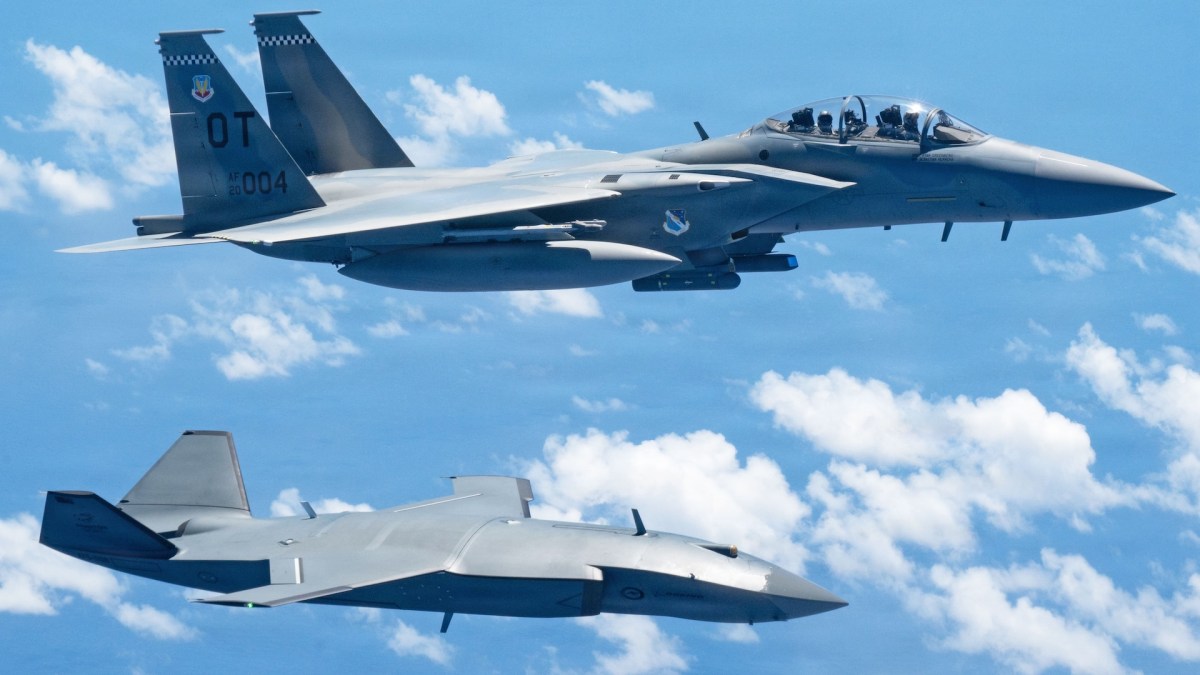
US Air Force Prepares for European Allies' Involvement in Collaborative Combat Aircraft Development
Senior leaders from the U.S. Air Force in Europe report that NATO allies are increasingly interested in participating in the development of collaborative combat aircraft (CCAs). This interest comes as many of these countries also pursue their own fighter and drone programs. The U.S. Air Force is optimistic that CCAs will enhance the alliance's overall capabilities, particularly in light of shrinking fleets of crewed combat aircraft among NATO allies. The significance of CCAs is underscored by the current geopolitical climate, with rising tensions with Russia and new threats emerging. Autonomous aircraft could provide NATO with additional combat capabilities without necessitating a larger number of crewed aircraft stationed in Europe. Lt. Gen. Jason T. Hinds and Chief Master Sgt. Joshua J. Wiener highlighted the potential for at least 500 CCAs to be operational by 2032, with growing interest from European nations such as Germany, Sweden, and the Netherlands. Looking ahead, the U.S. Air Force is utilizing two operational scenarios to illustrate how CCAs could integrate into NATO's force structure: defensive and offensive missions. Allies are keen to incorporate CCAs into their military strategies, indicating a collaborative future in defense capabilities. No further timeline was disclosed at the time of publication.
Air Around The Globe Collaborative Combat Aircraft Europe NATO News & Features
New Venture Capital Judges Announced for TechCrunch Disrupt 2026 Startup Battlefield
TechCrunch has unveiled the latest judges for the Startup Battlefield 200 at Disrupt 2026, scheduled for October 13-15 in San Francisco. These venture capitalists will assess startups not just on their pitches, but on their potential to solve real-world problems and sustain growth. The importance of the judges lies in their ability to evaluate the conviction and execution of founders, which goes beyond polished presentations. For over 15 years, Startup Battlefield has been instrumental in launching companies that have shaped entire markets, and this year's judges will continue that legacy by scrutinizing ambitious startups across various industries. As the event approaches, attendees can gain insights into how seasoned investors assess early-stage companies. No further timeline was disclosed at the time of publication.
Startups Climate Fintech Biotech & Health Venture AI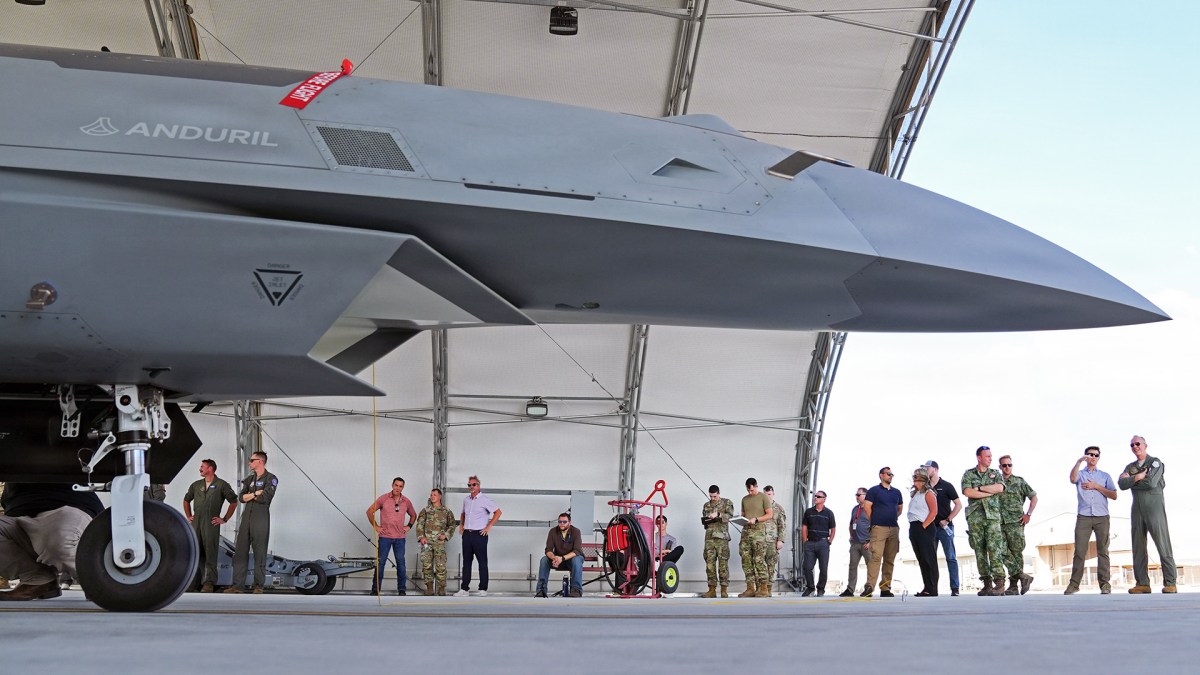
US Air Force Plans to Deploy 500 Collaborative Combat Aircraft by 2032
The U.S. Air Force has set a target to have at least 500 Collaborative Combat Aircraft (CCA) operational by 2032. This ambitious plan includes an equal number of Massed Modular Aircraft (MMA) drones to replace the MQ-9 Reapers. Secretary of the Air Force Troy Meink announced these updates during a keynote speech at the Air & Space Forces Association’s 2026 conference. This initiative is significant as it marks a substantial increase from previous plans, which aimed for over 150 CCAs by the end of the decade. The Air Force is also focusing on reducing costs, with plans to field 100 MMAs by 2029 at a lower price point than current manned aircraft. The FQ-42 and FQ-44 drones, now officially named Vengeance and Fury, are already in production and will perform missions similar to those of manned fighters. Looking ahead, the Air Force is still determining how these CCAs will be integrated into operations. The establishment of a dedicated Experimental Operations Unit (EOU) aims to facilitate the development and testing of these aircraft. No further timeline was disclosed at the time of publication.
News & Features Air Collaborative Combat Aircraft Drones Q-9 Unmanned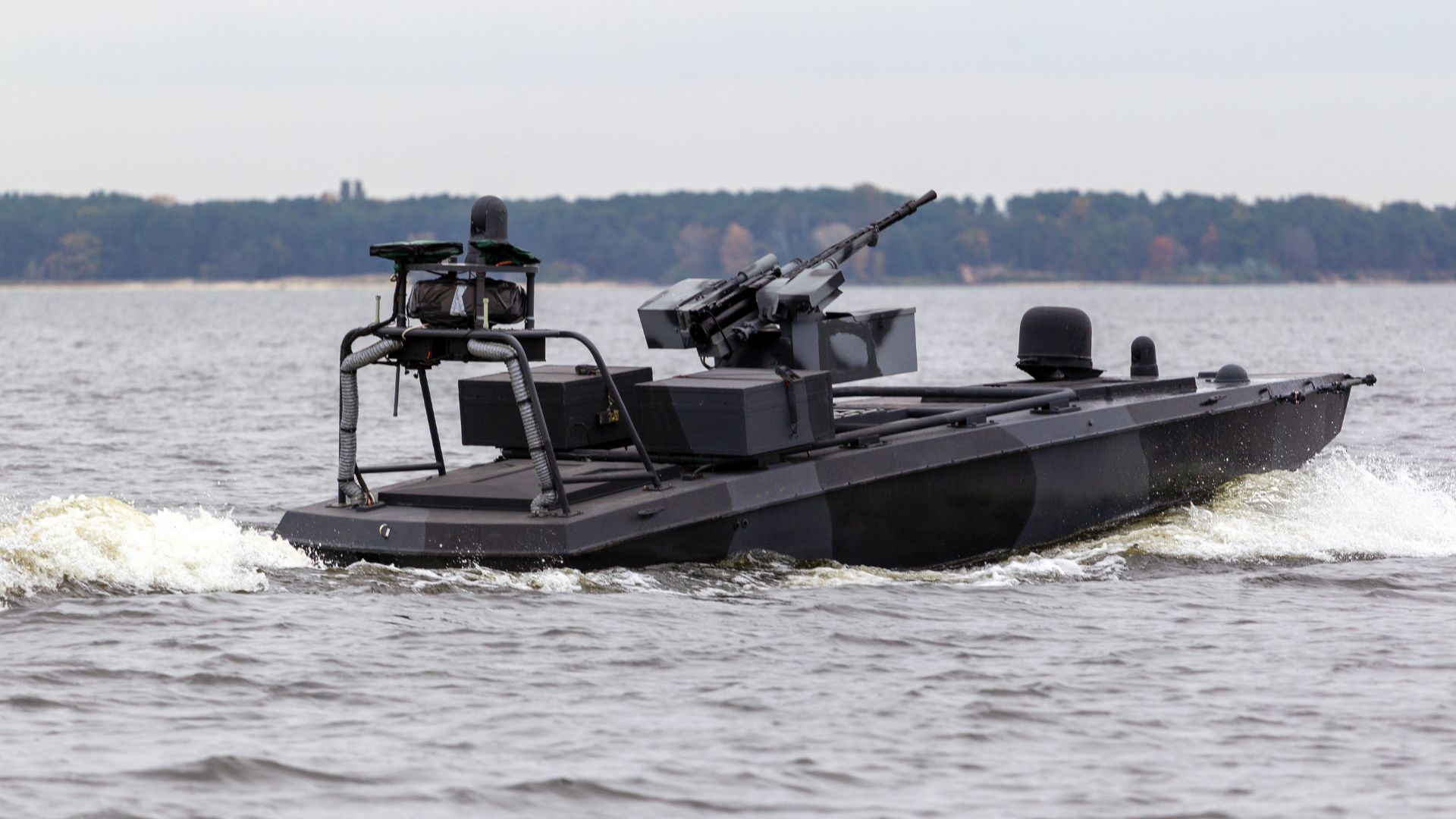
Ukraine's Sargan-3000 USV Engages and Destroys Russian Naval Drone in Historic Battle
On September 12, a Ukrainian unmanned surface vessel (USV) successfully destroyed a Russian naval drone in the Black Sea, marking the first combat between two unmanned boats, according to Ukraine's Navy. The operation involved Ukraine's military intelligence agency, HUR, which identified the Russian vessel prior to the attack by the Sargan-3000 USV, equipped with a 12.7-mm Protector remote weapon station. This incident signifies a pivotal moment in the ongoing Russia-Ukraine War, as both nations increasingly utilize naval drones to target maritime assets. The Ukrainian Navy highlighted the significance of this engagement, stating it represents a new phase in naval warfare. The Russian drone, identified as an improved Orcan type, was designed for explosive attacks and has been actively used against Ukrainian ports and naval targets. Looking ahead, the use of unmanned naval vessels is expected to escalate as both sides adapt to this new combat dynamic. The Sargan-3000, also known as SeaWolf, is a versatile platform capable of various operational roles, including strike missions and electronic warfare. No further timeline was disclosed at the time of publication.
Military
Lockheed Martin Reveals New Details on Vectis Collaborative Combat Aircraft Design
Lockheed Martin's Skunk Works has unveiled new information about its Vectis Collaborative Combat Aircraft (CCA), emphasizing its advanced stealth features. The aircraft boasts a unique submerged air inlet design that enhances survivability, setting it apart from other CCA models. With a length of approximately 34 feet and a wingspan of around 38 feet, Vectis is designed to meet diverse mission requirements, with prototype construction already underway and plans for additional units. The significance of the Vectis lies in its innovative design and operational capabilities, particularly its focus on stealth and flexibility. The submerged air inlet configuration is intended to reduce drag and improve performance, which is crucial for missions in challenging environments. Lockheed Martin's commitment to developing a tailless drone reflects a strategic move towards enhancing the survivability of future combat operations. Looking ahead, the first prototype of Vectis is expected to take flight by the end of next year, with four more prototypes planned. As the Air Force continues to emphasize Agile Combat Employment, the Vectis may play a vital role in future military operations, adapting to various mission needs while maintaining low observability.
News & Features Air Collaborative Combat Aircraft Drones Loyal Wingman Unmanned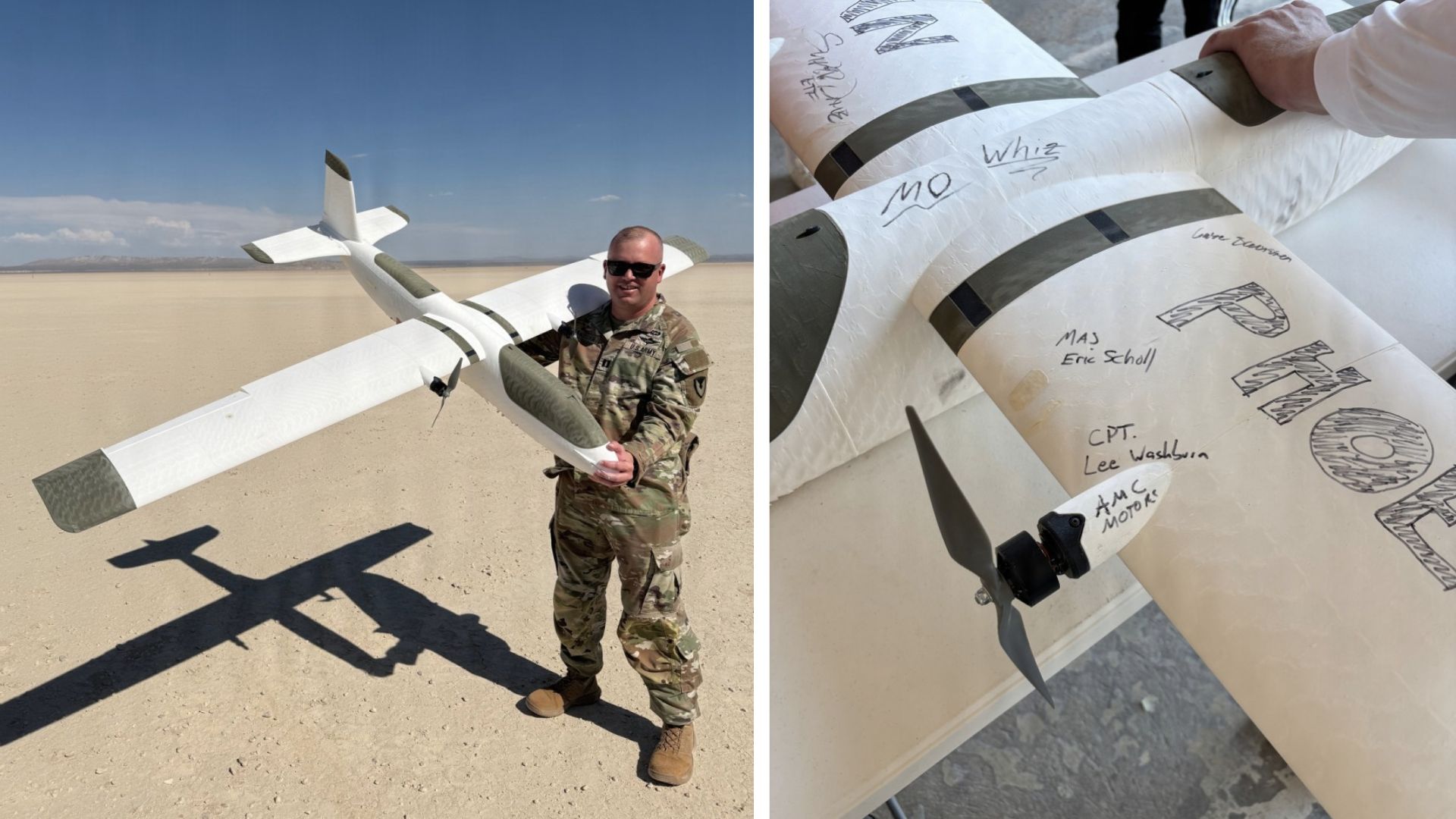
Battery-Powered Drone Sets New Endurance Record with Army-assembled Propulsion System
A battery-powered drone has set a new world endurance record by flying for over eight hours in desert conditions. This achievement was made possible by propulsion components assembled at the Army’s organic industrial base, specifically two brushless direct current motors from Tobyhanna Army Depot. The drone, which flew for 300 miles, surpassed the previous record by 50 minutes during the Game of Drones 26-2 demonstration at Edwards Air Force Base, California. This milestone is significant as it showcases the Army's commitment to innovation in uncrewed systems and highlights the importance of domestic production capabilities. Army Capt. Lee Washburn emphasized the role of the Army in providing material solutions to support drone dominance and refining components for operational use. The rapid on-site manufacturing process involved designing the drone in under 10 minutes and fabricating it within 24 hours using commercial 3D printers. Looking ahead, the Army aims to continue enhancing its organic industrial base to reduce foreign dependencies on critical parts. The success of this event illustrates the potential for collaboration between industry and government to achieve remarkable results in defense technology. No further timeline was disclosed at the time of publication.
Military
XL Batteries and ENEOS Holdings Collaborate on Organic Flow Battery Technology for Energy Storage
XL Batteries and ENEOS Holdings have entered into a memorandum of understanding to develop organic flow battery technology aimed at large-scale, long-duration energy storage. This collaboration will initiate with a joint feasibility study, potentially leading to commercial deployments of the innovative battery system. The significance of this partnership lies in addressing the increasing demand for energy storage solutions as electrification and industrial electricity needs rise. Long-duration storage is essential for balancing supply and demand, especially when renewable energy sources like solar and wind are not generating power. Looking ahead, the feasibility study will assess the commercial viability of XL Batteries' technology, which utilizes abundant and non-toxic organic electrolytes. No further timeline was disclosed at the time of publication.
Energy
Tesla Energy Division Achieves $12.8 Billion Revenue with Record Battery Deployments in 2025
Tesla, Inc. reported that its energy division generated $12.8 billion in revenue in 2025, with a record deployment of 46.7 GWh of battery storage. This segment, which includes products like Megapack and Powerwall, is not a standalone stock but part of Tesla's overall operations. The significance of this growth is highlighted by the energy segment's contribution to Tesla's total revenue, increasing from 10% in 2024 to 13% in 2025. Despite a 10% decline in automotive revenue due to competition, the energy division's gross profit reached approximately $3.8 billion, showcasing a robust margin of 29.8%. Looking ahead, Tesla anticipates recognizing $4.96 billion in deferred revenues from energy projects in 2026, indicating strong forward visibility. The energy segment's performance is crucial as it was the only division to achieve both revenue growth and margin expansion in 2025, contributing nearly a quarter of Tesla's total gross profit for the year.

Humanoid Robots Enter Combat Arena: A New Path for EngineAI T800
On September 10, in Riyadh, two humanoid robots, EngineAI T800, engaged in combat in a specially constructed arena. Each robot stands 1.73 meters tall and weighs between 75 to 85 kilograms, showcasing capabilities such as walking, running, punching, and kicking. This event marked the first humanoid robot fighting competition in the Middle East, organized by Hero Esports, a leading esports operator. The significance of this event lies in its potential to commercialize humanoid robots effectively. Unlike traditional roles in factories or service sectors, combat provides a dynamic environment for robots to gather valuable data on physical interactions. This data is crucial for improving robotic movement and decision-making in real-world scenarios, making combat a more viable path for humanoid robots. Looking ahead, Hero Esports plans to host eight competitions across four regions: the Middle East, Europe, America, and Asia. The focus will be on collecting combat data to enhance motion control algorithms. The success of this initiative could transform robot fighting from mere entertainment into a significant driver of technological advancement in humanoid robotics.
Humanoid Robots Robot Combat AI Technology Data Analytics Entertainment Technology
Drone Manufacturers Face Battery Redesign Challenges Amid Supply Chain Changes
The drone industry is undergoing significant changes as manufacturers are compelled to rethink their battery supply chains due to new compliance requirements. Howard Alt, CEO of Micantis, emphasizes that the shift away from reliance on Chinese battery cells presents an opportunity for drone OEMs to take control of battery design and performance. As the FCC's domestic-end-product exemption is set to expire on January 1, 2028, drone manufacturers must prepare for a redesign of their battery packs. This transition is crucial for compliance and to avoid dependency on foreign suppliers. Alt suggests that by selecting allied cell suppliers and designing their own battery packs, manufacturers can enhance their products and mitigate risks associated with supply chain vulnerabilities. Looking ahead, the drone industry is rapidly evolving, with many companies promising American-made cells in the near future. However, the history of battery manufacturing reveals significant challenges, including high failure rates and lengthy production timelines. Manufacturers must be cautious and informed when selecting battery suppliers to ensure they do not fall victim to the pitfalls that have plagued the industry.
battery technology Drone Manufacturing Drone News Drone News Feeds drone parts Energy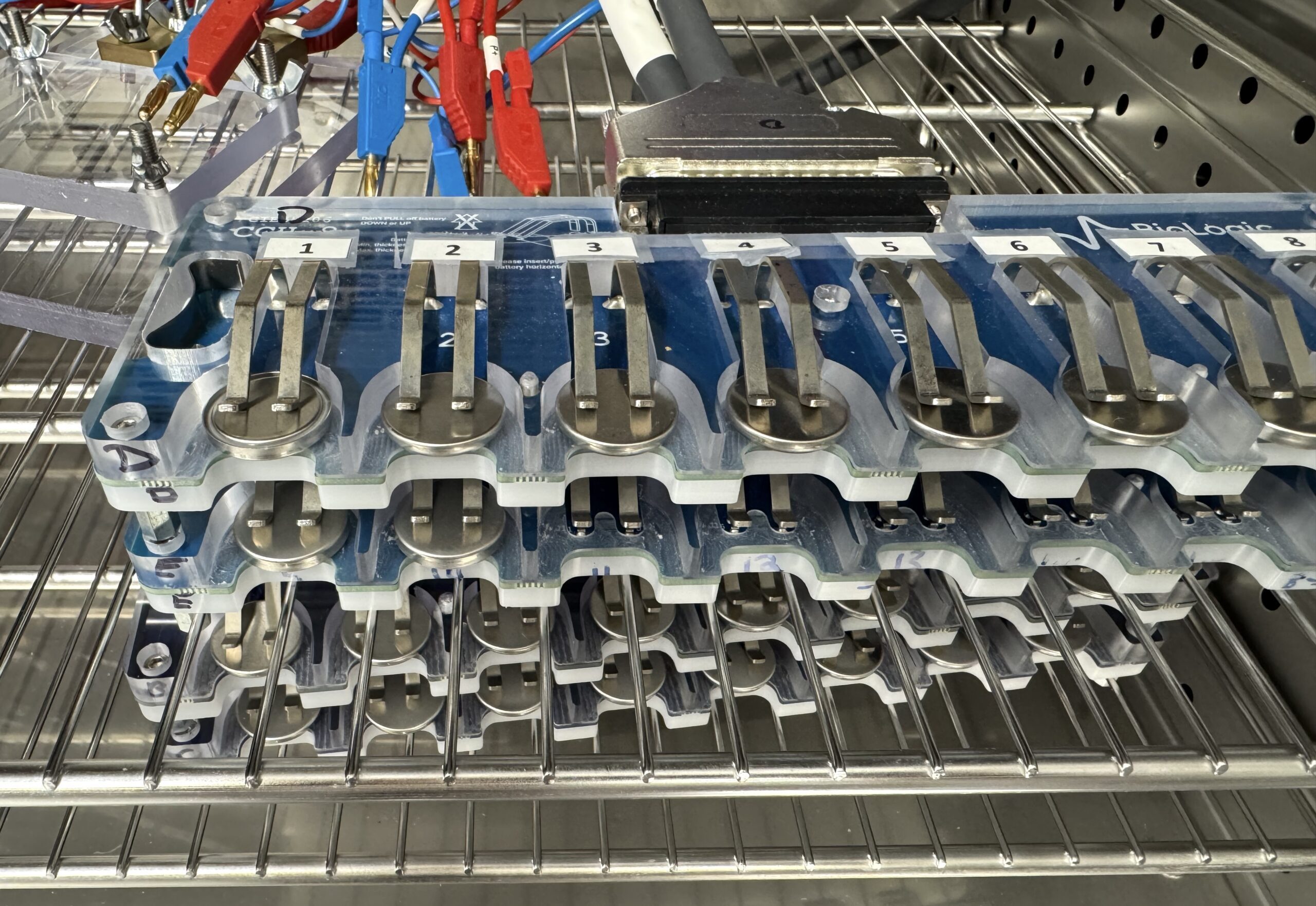
Cornish Lithium Achieves Milestone with UK-Mined Lithium for Battery Production
Cornish Lithium has successfully demonstrated the viability of lithium mined and refined in the UK for lithium-ion battery cell production. This achievement aligns with efforts by the UK, US, and other nations to enhance domestic supply chains for critical technologies. The company produced battery-grade lithium hydroxide monohydrate from ore at its Trelavour Lithium Project in Cornwall, utilizing its proprietary LiStract technology. Approximately two kilograms of this material were provided to the Centre for Process Innovation, which manufactured and tested lithium-ion coin cell batteries, showing performance comparable to commercially available lithium hydroxide. This development is significant as it contributes to broader initiatives aimed at securing supply chains for advanced technology, particularly in light of China's dominance in battery materials processing. The UK aims for 10% of its critical mineral demand to be met through domestic production by 2035, with a focus on reducing reliance on single countries for these essential resources.
Drone News Drone News Feeds Europe Drone Industry News UK Drone Industry UK Drone Space
CyberHero Robot League Launches with Arena Battles and Tech Evolution Challenges
The CyberHero Robot League has officially launched in Riyadh, Saudi Arabia, marking the first global humanoid robot sports league and the Middle East's inaugural humanoid robot combat event. The league plans to host its first season across eight cities worldwide, covering regions in the Middle East, Europe, the Americas, and Asia, utilizing the EngineAI T800 humanoid robot, which stands 1.73 meters tall and weighs between 75-85 kilograms. This event is significant as it aims to generate valuable combat data that could drive rapid advancements in hardware and algorithms. However, experts caution that while the league can create entertainment value, it may not be a primary source for breakthroughs in humanoid robot technology. The closed environment of the arena and the specific combat actions limit the applicability of the data to real-world scenarios, making it challenging to transfer insights to general-purpose robotics development. Looking ahead, the CyberHero league faces critical challenges, including the high costs associated with hardware wear and tear, which may restrict technological exploration. The league's success will depend on its willingness to allow high-risk autonomous behaviors in robots and the standardization and openness of the data generated from the events. Without these, it risks becoming merely a showcase rather than a true testing ground for embodied intelligence evolution.
Humanoid Robots Robot Competitions AI Robotics Technology
OpenAI's GPT-6 Astra Demonstrates Real-World Painting, Sparking Robotics Debate
OpenAI's GPT-6 Astra has made headlines by painting a rendition of San Francisco's Golden Gate Bridge using a robotic arm, showcasing its visual reasoning capabilities. This experiment, conducted by a 20-year-old roboticist named Thijs, involved Astra autonomously deducing the necessary movements to create the artwork without manual scripting, highlighting a significant advancement in robotics. The implications of this development are profound, as it raises questions about the future of specialized AI startups versus general-purpose models in the robotics sector. Observers are noting that Astra's ability to adapt to physical tasks without prior programming could signify a pivotal moment in the industry, potentially overshadowing dedicated robotics firms that have raised substantial funding for their specialized models. As the debate unfolds, industry experts like Zeeshan Zia from Amazon Alexa suggest that OpenAI may dominate the robotics landscape, challenging the viability of startups like Physical Intelligence and Skild AI. The performance of GPT-6 Astra in hardware benchmarks further complicates the narrative, achieving a 95% success rate in pick-and-place tasks, which may shift the focus towards general models in robotics applications.
Skild AI OpenAI Physical Intelligence
Unitree Technology Unveils G1 Autonomous Robot's Real-Time Combat Capabilities
On September 7, Unitree released a 38-second video showcasing its G1 humanoid robot engaging in real-time combat against a human opponent. This marks a significant milestone as it is the first instance of a fully autonomous humanoid robot fighting without human remote control, demonstrating advanced decision-making capabilities. The importance of this development lies in the robot's ability to autonomously predict, evade, and counterattack in real-time, a feat that has previously required human intervention. The G1 robot adjusts its stance and actions based on the opponent's movements, showcasing a complete feedback loop from perception to execution, which is crucial for effective combat. Looking ahead, the G1 is set to compete in the CMG World Robot Competition in May 2025, where it will further demonstrate its capabilities. The video highlights the challenges of real-time decision-making in combat scenarios, emphasizing the need for rapid response and adaptation in unpredictable environments. No further timeline was disclosed at the time of publication.
Humanoid Robots Autonomous Systems Robotics Research Artificial Intelligence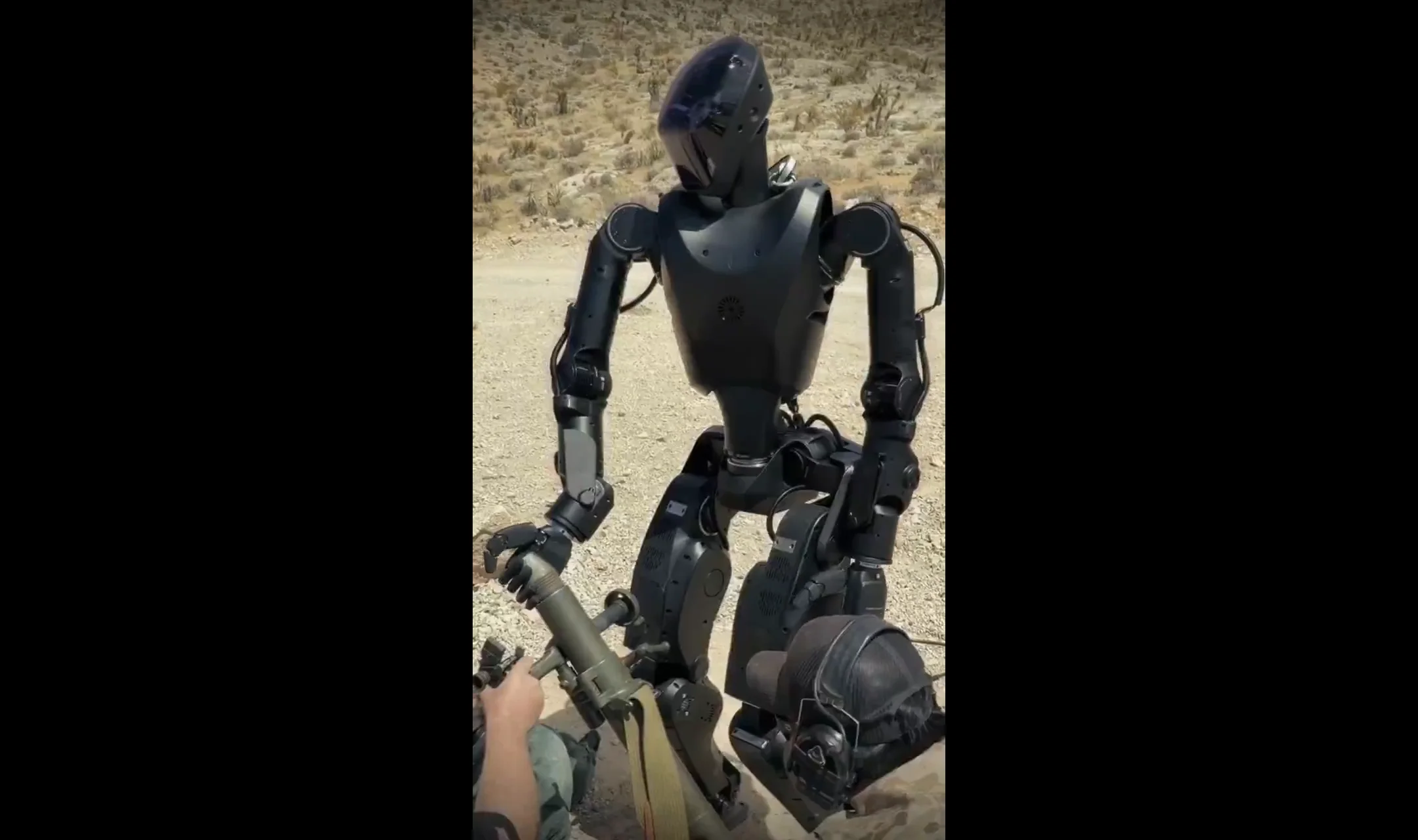
China's Military Advances in Humanoid Robotics for Combat Readiness
Last month in Beijing, bipedal humanoid robots impressed audiences at the 2nd World Humanoid Robot Games, where they excelled in speed and manipulation. However, the event caught the attention of China's defense sector, which is pushing to integrate these robots into military operations. The PLA Daily has called for accelerated development to transition laboratory robotics into combat-ready units, reflecting a significant shift in military strategy influenced by lessons from the Ukraine conflict. The analysis of over 100 military procurement documents reveals that China is planning for the deployment of humanoid robots on the battlefield. Research from the National University of Defense Technology indicates that these robots could operate alongside human soldiers in urban environments within five to ten years. Recent military exercises have already incorporated humanoid platforms into tactical simulations, demonstrating their potential for reconnaissance and security tasks. As China develops its humanoid capabilities, the American defense industry remains cautious, with major firms like Boston Dynamics refusing to weaponize their robots. The contrasting approaches highlight the competitive landscape in military robotics, with China's domestic supply chain providing a significant advantage in production and integration of humanoid technology. No further timeline was disclosed at the time of publication.
US China Foundation
Chinese Military Scientists Support Trump's Battleship Plan with Large-Caliber Gun Defense Against Drones
Chinese military scientists have endorsed a segment of Donald Trump’s proposed battleship fleet, suggesting that large-caliber naval guns could effectively counter drone swarms. Their research indicates that explosive shells could scatter fragments over a wide area, potentially damaging multiple drones in a single shot. This approach aligns with ongoing discussions within the US Navy regarding the need to adapt naval defense strategies in response to the increasing threat posed by inexpensive drones. The significance of this research lies in its implications for naval warfare, particularly as modern warships typically rely on advanced missile systems and lasers. The study highlights the potential for large-caliber guns to serve as area weapons, offering a cost-effective solution to engage swarms of drones without the need for direct hits. The findings suggest that a single shell could damage approximately 1.19 drones in a swarm of 30, emphasizing the need for a reevaluation of ammunition expenditure in the face of mass drone attacks. Looking ahead, the researchers advocate for a comprehensive defense strategy that integrates large-caliber guns with electronic warfare and laser systems. This multi-layered approach could enhance the defensive capabilities of warships, addressing the challenge posed by the cost disparity between inexpensive drones and costly interceptors. No further timeline was disclosed at the time of publication.
Military
Unitree Robotics Introduces UnifoLM-X2: A Fully Autonomous Combat Robot
Unitree Robotics has launched the UnifoLM-X2-1.0, a groundbreaking AI architecture that enables its G1 humanoid robot to engage in fully autonomous combat. This innovation marks a significant shift from previous humanoid combat, which relied on human operators for control. The demonstration showcases the G1's ability to spar in real-time against a human partner, utilizing predictive modeling to anticipate and react to movements. The introduction of UnifoLM-X2-1.0 is crucial as it addresses latency issues that have historically hindered robotic performance in dynamic environments. By employing a predictive perception-to-action loop, the G1 can execute complex maneuvers such as slipping strikes and recalibrating footwork without human intervention. This advancement positions Unitree at the forefront of the robotics sector, particularly in the rapidly growing field of humanoid combat. Looking ahead, the evolution of Unitree's AI capabilities will be pivotal in shaping the future of robotic interactions in competitive settings. The success of the UnifoLM-X2-1.0 could lead to further innovations in autonomous robotics, enhancing their application in various sectors beyond combat. No further timeline was disclosed at the time of publication.
Unitree Robotics China Autonomy
Fendt e107 Vario Electric Tractor Demonstrates Battery Power for Autonomous Field Robots
A recent test compared the Fendt e107 Vario electric tractor with the diesel-powered Fendt 207 Vario in both summer conditions in the Netherlands and winter conditions in Norway. The results indicate that while the electric tractor is advanced, its battery capacity remains a key limitation for heavy-duty tasks. This development is significant for the future of autonomous field robots, as electric drive systems could offer inherent advantages in efficiency and sustainability. The Fendt e107 Vario's performance suggests that battery-electric technology is becoming increasingly viable for agricultural applications. Looking ahead, the evolution of battery technology and electric drivetrains will be crucial for enhancing the capabilities of autonomous field robots. No further timeline was disclosed at the time of publication.
Tech in focus electric fendt
Amprius Unveils New 500 Wh/kg Battery Cell for Extended Drone Flight Durations
Amprius Technologies has launched a silicon-anode battery cell aimed at enhancing the endurance of uncrewed aircraft. The new SiCore cell boasts an energy density of 500 watt-hours per kilogram (Wh/kg) at a continuous discharge rate of 1C, with commercial availability anticipated in the fourth quarter of 2026. The company plans to provide both customer-specific and standard pouch formats for small uncrewed aircraft systems. This development is significant as higher energy density in aviation can lead to longer flight times, increased range, or the ability to carry heavier payloads without adding battery weight. Amprius has previously achieved similar energy levels but faced challenges in scaling production. The SiCore platform aims to simplify the manufacturing process, allowing customers to transition from qualification to volume production without the need for specialized equipment. Looking ahead, Amprius will initiate production at its Fremont, California facility and expand through global manufacturing partners. The company has a history of supplying battery cells to AALTO HAPS, which develops solar-electric aircraft. As energy density is crucial for long-duration flights, advancements in this area could significantly enhance operational capabilities for various applications, including fixed-wing drones and High-Altitude Platform Stations (HAPS).
battery technology Drone News Drone News Feeds Dual Use News AALTO HAPS
U.S. Navy Revisits Advanced Drone Requirements for Collaborative Combat Aircraft Program
The U.S. Navy has updated its requirements for the Collaborative Combat Aircraft (CCA) program, indicating a shift towards advanced uncrewed combat air vehicles (UCAVs). This change suggests the Navy is seeking capabilities similar to those explored in the X-47B and UCLASS programs, which were previously shelved in favor of the MQ-25 Stingray. The updated requirements highlight the Navy's desire for a CCA capable of operating from aircraft carriers, carrying significant weapon loads, and conducting strike missions in contested environments. Notably, the Navy mandates the ability to carry four weapons of up to 2,500 pounds each, totaling a potential load of 10,000 pounds, which exceeds the payload capabilities of current Air Force drones. Looking ahead, the Navy's focus on autonomy and survivability in complex environments will be crucial for the CCA's development. The prototype is expected to demonstrate advanced mission capabilities, including independent operations and integration with crewed aircraft. No further timeline was disclosed at the time of publication.
Sea Carriers Drones Navies News & Features U.S. Navy
Innometry Accelerates Deployment of 1PASS-RING CT System for Battery Inspection
Innometry announced an accelerated deployment of its next-generation 1PASS-RING CT system, designed for contactless scanning of battery cells. This innovative system eliminates the need for physical handling, protecting cells from potential damage during inspection. Unlike traditional CT systems that utilize robotic arms, the 1PASS-RING employs a ring-shaped scanner that rotates around a stationary cell, enhancing operational efficiency. The significance of this advancement lies in its ability to streamline battery inspection processes while meeting critical production-line criteria. The system reduces floor space requirements by 50% and increases inspection speeds by 40%, addressing the battery industry's demand for contactless testing. Innometry's technology not only improves logistics routing and scanning speed but also ensures long-term reliability, making it a vital tool for mass-production lines. Looking ahead, Innometry is also finalizing a next-generation Helical CT system that will allow continuous scanning without halting production lines. This development is expected to enhance the capabilities of battery inspection further. No further timeline was disclosed at the time of publication.
All News
Researchers Develop BeyondMimic Framework for Humanoid Robots to Perform Agile Acrobatics
Researchers have introduced a new framework named BeyondMimic, enabling humanoid robots to execute agile, humanlike movements without the need for separate training for each skill. This system allows robots to perform complex maneuvers such as cartwheels and spin kicks by learning from human motion data, addressing the limitations of current humanoid control systems that often require extensive fine-tuning. The significance of BeyondMimic lies in its ability to teach robots a wide range of skills through a two-stage learning framework. The first stage employs reinforcement learning to track human motions, utilizing a shared reward structure to avoid the need for motion-specific tuning. The second stage introduces a latent diffusion model, allowing the robot to generate and adapt movements based on existing skills, thus overcoming challenges in natural skill transitions. Looking ahead, the BeyondMimic framework demonstrates promising capabilities, such as smoothly transitioning between walking and acrobatics. The potential for integrating waypoint tracking with obstacle avoidance suggests further applications in dynamic environments. No further timeline was disclosed at the time of publication.
AI and Robotics
UK Army Commander Highlights Limitations of Ground Robots in Complex Battlefield Exercises
As military forces worldwide seek to learn from the Ukraine conflict, unmanned ground vehicles (UGVs) are being rapidly integrated into operations. However, a former frontline commander of the UK Army recently concluded that these machines are not always the right tools for the job. During a high-intensity exercise called 'Fusion Program Apex 6' at the National Training Center in California, UGVs were put to the test alongside troops from the UK and US. Colonel John Black from the Yorkshire Regiment noted that despite testing various use cases, significant challenges emerged regarding the practical application of ground robots in combat. Heavy logistical burdens were identified, as many mid-sized UGVs require trailers or flatbed trucks for transport, complicating battlefield mobility. Additionally, energy supply issues, including the need for extra batteries or fuel, further complicate operations. The exercise revealed that ideal operational ranges often fall short in complex terrains, with obstacles confusing most UGVs. Furthermore, maintaining stable remote control connections in a battlefield environment poses significant challenges. Black emphasized that while UGVs may address specific battlefield pain points, they are not universal solutions. The core value of such tests lies in understanding how unmanned systems can integrate into existing combat networks, potentially transforming the nature of warfare.
Unmanned Ground Vehicles Military Robotics Logistics Technology Autonomous Systems
Humanoid Robots Reach an Inflection Point from Acrobatics to Generality
Humanoid robots are experiencing a significant transition from specialized acrobatic capabilities to more generalized functionalities. This evolution is crucial as it enhances their applicability across various sectors, including healthcare, manufacturing, and service industries. The shift towards generality in humanoid robots indicates a growing trend in robotics, where versatility and adaptability are becoming essential traits. This development matters because it opens new avenues for humanoid robots to perform tasks that were previously thought to be exclusive to humans. By moving beyond acrobatic feats, these robots can now engage in more complex interactions and assist in diverse environments. This shift is expected to drive further investment and research in the field, fostering innovation and collaboration among industry players. Looking ahead, it will be important to monitor advancements in humanoid robotics, particularly in their ability to integrate into everyday life and work alongside humans. The ongoing research and development efforts will likely lead to breakthroughs that enhance their functionality and usability. No further timeline was disclosed at the time of publication.
Editorial
Li-S Energy's Lithium-Sulfur Batteries Enter US Army Testing for Drone Applications
Li-S Energy, an Australian battery developer, has delivered lithium-sulfur battery cells to the US Army for independent testing. This marks the first instance of the company's technology being evaluated by a US government agency, specifically by the US Army Combat Capabilities Development Command C5ISR Center at Aberdeen Proving Ground. The significance of this testing lies in the potential for lithium-sulfur batteries to enhance military operations that increasingly depend on drones and autonomous systems. With nearly double the energy density of conventional lithium-ion batteries, these cells could enable unmanned platforms to achieve longer flight times, greater ranges, and increased payload capacities, which are critical for modern military applications. Looking ahead, the evaluation by the DEVCOM C5ISR Center could pave the way for the integration of Li-S Energy's technology into various military programs, including unmanned aircraft and ground robots. No further timeline was disclosed at the time of publication.
Energy Military
T800 Humanoid Robot Showcases Combat Skills at World Robot Conference 2026
During the 2026 World Robot Conference, the T800 humanoid robot captivated audiences with its combat skills, showcasing punching, dodging, and flying kicks. The event featured a fighting competition between two robots named 'Doujiang' and 'Luzhu,' part of the world's first industrial-grade humanoid robot fighting league, which attracted over 200 teams and offered a total prize pool of 14 million yuan. Zhao Tongyang, founder and CEO of Zhongqing, emphasized that combat-related investments account for less than 10% of the company's focus, with the majority directed towards integrating robots into homes and factories. He explained that mastering physical capabilities through combat is essential for robots to serve humans effectively, as agility and strength are crucial for handling unexpected scenarios. The T800 has already begun operations in the Luxshare Precision factory in Suzhou, handling material loading and transportation tasks. Zhongqing also introduced the EngineAI Awaken, a brain-inspired intelligent engine, which allows for rapid deployment and high success rates in robotic actions. Zhao predicts a significant breakthrough in embodied intelligence within three years, aiming for mass production of humanoid robots to make them commonplace in households.
Humanoid Robots Robotics Competitions AI Technology Industrial Automation
Leonardo DRS Combat Vehicle Successfully Engages 55-Pound Drones with Software Upgrade
A US armored air defense vehicle successfully engaged simulated Group 1 and Group 2 drones in a recent government test, showcasing its enhanced capabilities without new hardware. The demonstration, conducted by Leonardo DRS using the SGT STOUT mission equipment package on a Stryker armored fighting vehicle, utilized updated detection and fire-control functions to effectively counter smaller airborne threats. This advancement is significant as it supports the US Army’s Mobile Low, Slow UAS Integrated Defeat System program, which aims to improve air defense against evolving drone threats. The test specifically targeted drones weighing up to 55 pounds, which present unique challenges compared to larger aerial threats. The results indicate a promising direction for software-driven air defense capabilities that can adapt to changing operational needs. Looking ahead, the open architecture of the SGT STOUT system allows for future enhancements without major hardware changes, ensuring that the vehicle remains relevant as aerial threats evolve. No further timeline was disclosed at the time of publication.
Military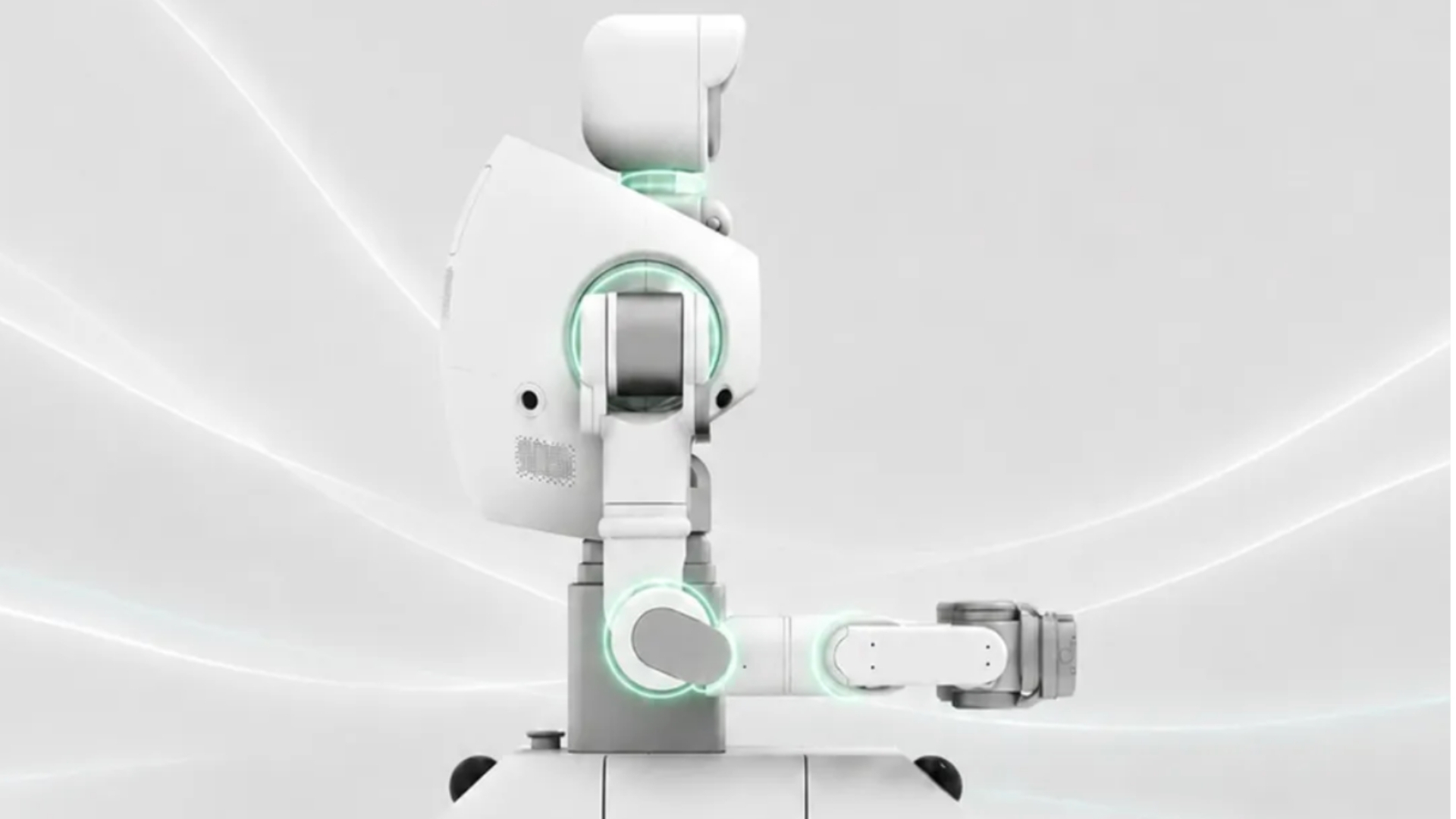
RoboScience Launches REX G1 Humanoid Robot with 22 Degrees of Freedom and Quick Battery Swap
RoboScience, a Beijing-based embodied intelligence company, has unveiled the REX G1 humanoid robot on August 17. Designed for logistics, manufacturing, retail, and domestic use, the REX G1 features 22 degrees of freedom, enabling it to perform complex tasks in dynamic environments. Its capabilities include simultaneous walking, lifting, and grasping, making it versatile for various applications. The introduction of the REX G1 is significant as it addresses the limitations of traditional warehouse robots, which often require modifications to existing facilities. With a design that allows it to navigate through tight spaces and work at various heights, the REX G1 can adapt to current operational setups without the need for extensive changes. This flexibility is crucial for industries looking to enhance efficiency without incurring high costs. Looking ahead, the REX G1's advanced features, including its 360-degree stereo vision and adaptive lighting, will be key to its performance in real-world scenarios. The robot's ability to operate in low-light conditions and its precise repeatability of ±0.1 mm position it as a competitive solution in the robotics market. No further timeline was disclosed at the time of publication.
AI and Robotics
EngineAI's T800: Bridging Factory Automation and Combat Sports
EngineAI, a Shenzhen-based startup, is showcasing its T800 robot in two contrasting roles: as a factory worker and a combat participant. Recently, the company released a promotional video featuring the T800 performing industrial tasks at Luxshare-ICT, an Apple supplier, highlighting its capabilities in automated workflows and material handling. This dual presentation is significant as it reflects EngineAI's strategy to appeal to both industrial and entertainment sectors. The T800's participation in a combat event in San Francisco illustrates the company's commitment to pushing the limits of humanoid robotics, while also serving as a marketing tool to attract attention and investment. Looking ahead, EngineAI aims to scale its production capacity significantly, targeting a delivery capacity of ten thousand units. The company is leveraging its unique positioning in both factory automation and combat sports to generate interest and assure investors of the T800's versatility and potential in various applications. No further timeline was disclosed at the time of publication.
EngineAI REK T800 China
DJI Gains Legal Ground in Battle Against Pentagon Blacklist Ruling
DJI, the world's largest drone manufacturer, has received a significant legal boost as a federal appeals court identified a major flaw in the Pentagon's case against the company. Although DJI remains on the blacklist, the ruling compels a lower court to reassess the government's justification for this designation, providing the company with renewed hope. This ruling is particularly important for millions of Americans who utilize DJI drones for various applications, including photography, filmmaking, and public safety. While it does not immediately alter the status of consumers, it represents a substantial judicial challenge to the Pentagon's rationale for maintaining DJI's designation as a Chinese Military Company. The appeals court's decision, made on August 14, partially reversed a previous ruling that had favored the Department of Defense. The court found that the lower court had erred in upholding a specific aspect of the Pentagon's reasoning without adequate examination. The case is now sent back for further review, highlighting ongoing questions about DJI's alleged contributions to China's defense sector.
News
EPFL Engineers Develop Sound-Powered Micro-Robots Without Motors or Batteries
Engineers at Switzerland’s École Polytechnique Fédérale de Lausanne (EPFL) have developed a method to convert sound waves into directional thrust, enabling the creation of micro-machines that operate without motors, batteries, or electronics. This innovative technique utilizes Helmholtz resonance, where sound excites air within a cavity, generating propulsion through airflow imbalance. This advancement is significant as it allows for the design of small boats and ultralight aerial vehicles powered solely by sound, eliminating the need for traditional power sources. The EPFL team’s approach, which involves 3D-printed hollow cavities, represents a shift from previous acoustic levitation methods, offering a new way to achieve self-generating thrust through concentrated air jets. Looking ahead, the potential for further miniaturization of these sound-powered devices could revolutionize robotics and aeronautics. Researchers have already demonstrated prototypes at both centimeter and microscopic scales, showcasing capabilities such as controlled navigation and impressive lift, indicating a promising future for passive materials in robotic applications. No further timeline was disclosed at the time of publication.
Innovation
Army Urges Industry for Innovative Power Solutions Beyond Batteries and Generators
The U.S. Army has identified a critical shortage of exportable power in its ground vehicles, which hampers the operation of drones and communication systems. Brig. Gen. Troy Denomy emphasized the urgency for industry to develop solutions, as the Army faces increasing power demands from new energy-intensive weaponry. Current vehicles like the M1A2 Abrams and Bradley Fighting Vehicles lack the capacity to support these systems, leading to operational limitations for brigade commanders. This power deficiency is significant as it affects the Army's ability to deploy unmanned aerial systems (UAS) effectively. Denomy highlighted that commanders are forced to limit UAS operations not based on mission needs but rather on available power. The reliance on noisy generators and additional battery packs is not a viable long-term solution, as these options compromise stealth and increase the burden on soldiers. Looking ahead, the Army is exploring advanced technologies, including fuel cells, to enhance power generation in legacy vehicles. Newer models like the XM30 and M1E3 Abrams are designed to provide greater exportable power. The Army is also investigating next-generation power management solutions and alternatives to traditional liquid fuels to address these challenges.
Land Warfare armored brigade combat team Army Bradley Fighting Vehicle Drones GVSETS 2026
Silkroad Innovation Hub's Road to Battlefield Competition Expands in Second Year
The Road to Battlefield competition, organized by Silkroad Innovation Hub in collaboration with TechCrunch and other partners, is entering its second year. This initiative aims to connect founders from Central Eurasia directly to the TechCrunch Startup Battlefield 200 during Disrupt 2023 in San Francisco, scheduled for October 13-15. This year, the competition has seen a significant increase in applications, rising to 726 from 39 countries, marking a nearly 50% increase compared to the previous year. The program aims to highlight the untapped talent in the region, with a focus on AI products, as 84% of applicants are developing AI solutions. The competition's trajectory indicates that Central Eurasia is emerging as a fast-growing startup ecosystem. Looking ahead, the national rounds for Road to Battlefield 2026 concluded recently, with 22 startups advancing to the regional finals on August 12. The finalists will compete for a chance to represent the region at TechCrunch Startup Battlefield 200. The growing number of AI-focused startups reflects a shift towards a more competitive innovation landscape in Central Eurasia.
Startups TechCrunch Disrupt Startup Battlefield 200Robotics needs a service framework.
RSF defines a common language for robot service capability, lifecycle operations, certification pathways, and service-provider networks.
Join the RobotToday community on LinkedIn
Daily robotics news, in-depth analysis, conference highlights, and discussions with professionals worldwide.







