

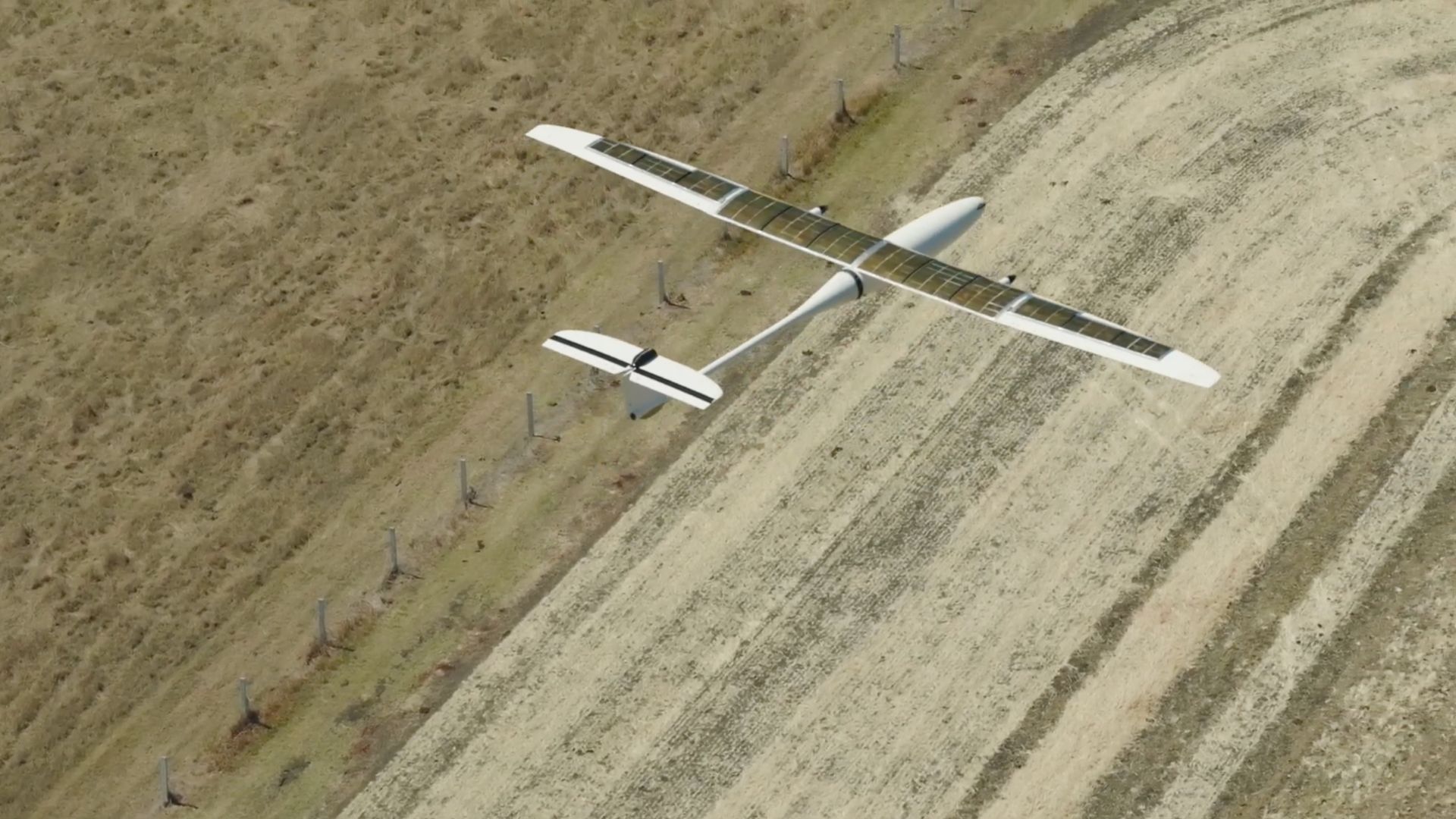
A drone with a wingspan of five meters, named Pegasus, successfully flew for nearly two hours in Queensland, powered by a single lithium-sulfur battery pack. During its trial, it covered over 75 kilometers (approximately 47 miles) while still retaining power reserves. This achievement signifies a significant advancement in alternative battery technologies for commercial aviation.
The successful flight demonstrates the potential of lithium-sulfur batteries, which promise higher energy density compared to traditional lithium-ion cells. Mark Xavier, CEO of V-TOL Aerospace, noted that the combination of their airframe and Li-S Energy's lightweight battery system provides a notable endurance advantage. This milestone indicates that engineering challenges associated with lithium-sulfur batteries are being addressed, paving the way for their broader application in aviation.
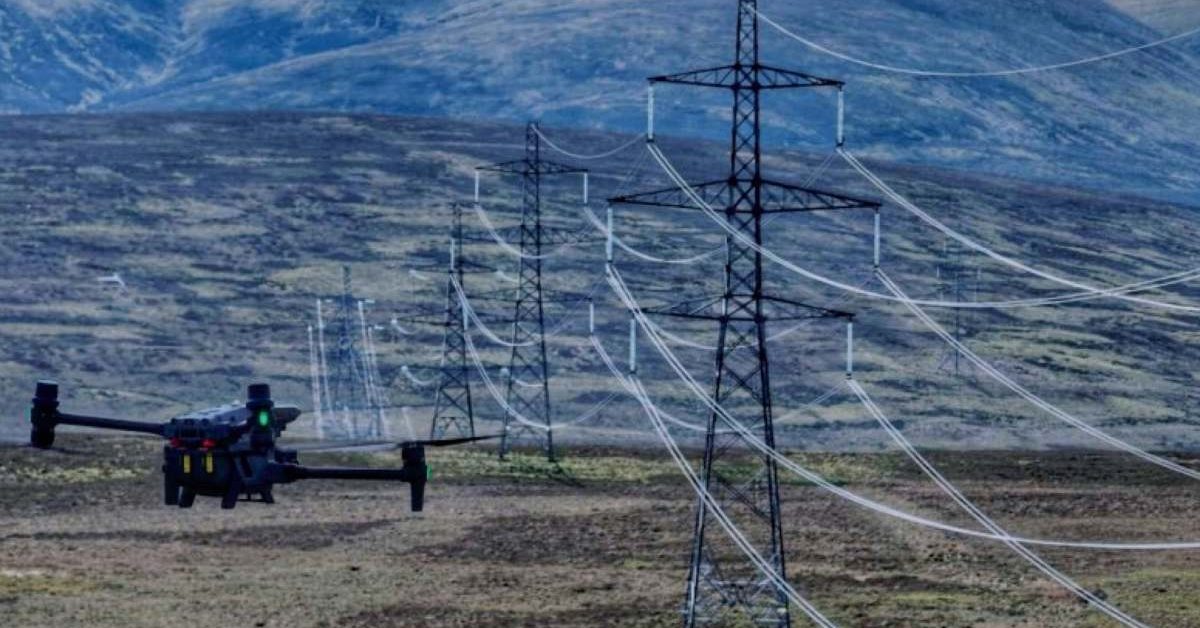
Looking ahead, the project, supported by the Australian Commonwealth Government, aims to enhance the drone's capabilities further. Future models could achieve flight durations of five to eight hours and cover distances up to 250 kilometers (155 miles). This extended range could enable the drone to perform various industrial tasks, such as monitoring livestock and inspecting power lines, which are currently limited by battery life.
Editor's Note
The successful trial of the Pegasus drone highlights a pivotal moment in the evolution of battery technology for aviation. As industries increasingly seek sustainable solutions, the advancements in lithium-sulfur batteries could reshape operational capabilities in various sectors, including agriculture and infrastructure monitoring. The implications for drone usage in remote and expansive areas are particularly noteworthy, as longer flight times can significantly enhance efficiency and reduce operational costs.
Copyright Notice
This briefing is an independently written summary based on publicly available reporting and is provided for industry information and news discovery. The original report and source publication are credited and linked where applicable. RobotToday does not claim ownership of third-party source material.
Rights concerns? If you believe any material in this briefing infringes your copyright or other rights, please contact [email protected] with the relevant URL and details. We will review the matter and take appropriate action where warranted.






















Leave a comment