

Industry Briefing
A single destination for timely, editor-curated robotics news from around the world.
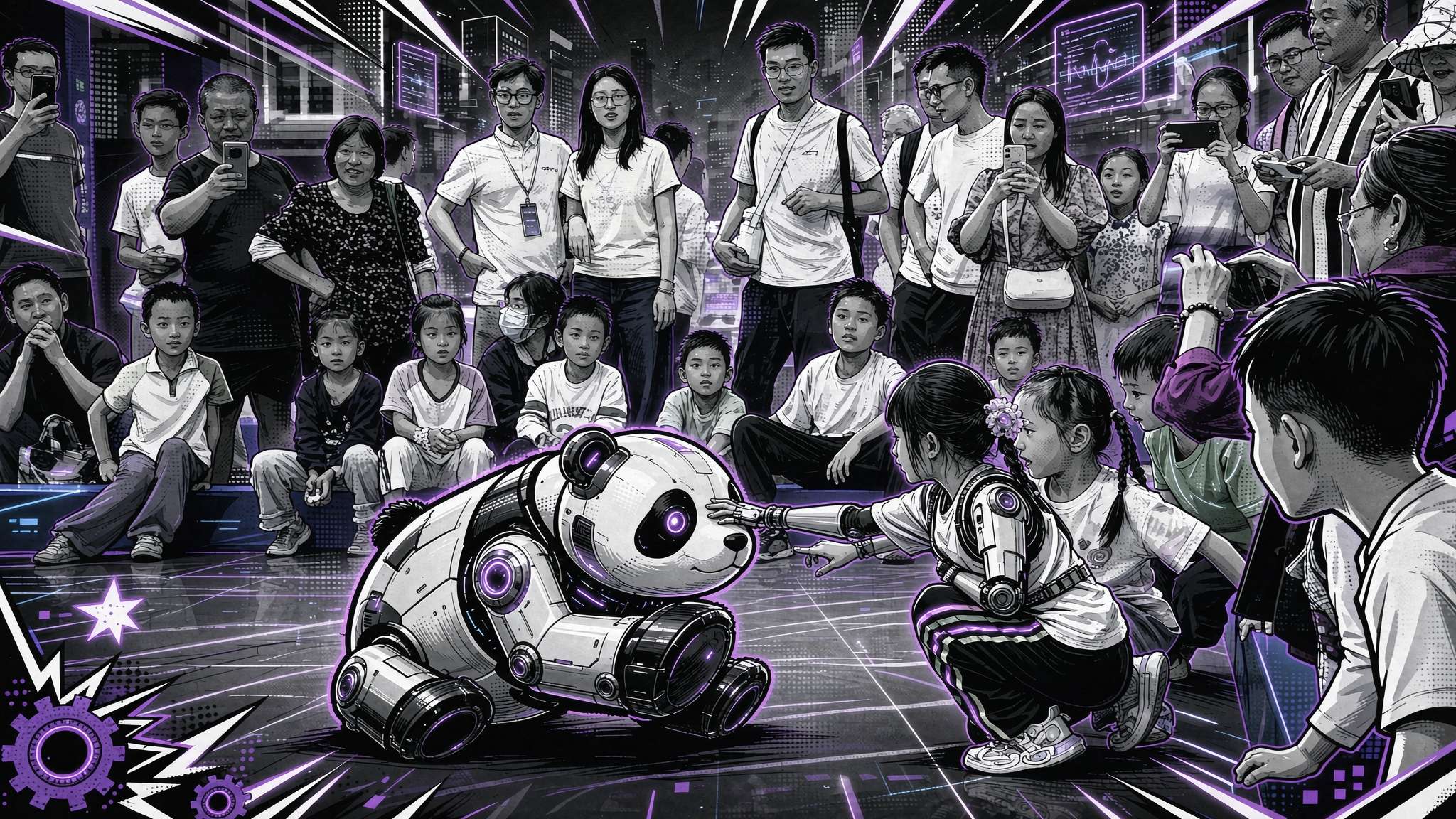
University of Electronic Science and Technology Showcases Robot Exhibition Featuring Panda Robot's Somersaults
The University of Electronic Science and Technology recently hosted a robot exhibition where the Panda Robot's impressive somersaults captured significant attention. This event highlighted advancements in robotics and showcased the university's commitment to innovation in technology. The exhibition is important as it demonstrates the growing interest in robotics and its applications in various fields. The Panda Robot's performance not only entertained attendees but also illustrated the potential of robotics in enhancing human experiences and interactions. Looking ahead, it will be interesting to see how such exhibitions influence the development of robotics and inspire future innovations. No further timeline was disclosed at the time of publication.
Robotics Automation AI
Jingzhi Technology's VIVA Achieves Real-Time Human-Robot Piano Duet Milestone
Jingzhi Technology has launched the VIVA, the world's first robot capable of real-time human-robot piano duets. This milestone marks a significant advancement in robotic music intelligence, evolving from mere precision to artistic expression and creativity. The VIVA robot, enhanced by the CADA system, represents a breakthrough in robotic capabilities, allowing it to not only perform but also learn and adapt musically. This development is crucial as it signifies a shift in robotics towards more sophisticated interactions, where robots can engage in creative processes alongside humans. Looking ahead, the integration of the CADA music model with VIVA suggests a future where robots can continuously improve their musical skills through real-world feedback. No further timeline was disclosed at the time of publication.
Robotic Hands Music Technology AI Human-Robot Interaction
Intrinsic Open Sources Core Robotics Technology for Developers at ROSCon 2026
Intrinsic, Google's industrial robotics and physical AI software company, has announced the open sourcing of foundational components of its robotics platform at ROSCon 2026 in Toronto. This initiative provides developers with access to essential technologies for robot control, motion planning, vision, simulation, and hardware integration, significantly reducing the software and integration workload for robotics teams. The release, known as Intrinsic Core, is designed to enhance the development of industrial robotics and physical AI applications by offering a set of ROS-compatible capabilities. By leveraging the technology used in manufacturing deployments, Intrinsic aims to streamline the development process, allowing developers to utilize components individually or in combination to create new systems or improve existing applications. Key features of the open-source release include a hardware-agnostic real-time control framework, motion planning technology, and pose estimation capabilities. Developers can expect to see advancements in robot behavior adaptability and dynamic part manipulation, making it easier to integrate various hardware configurations without extensive rewrites. No further timeline was disclosed at the time of publication.
Computing News Robot simulation Software cnc automation fanuc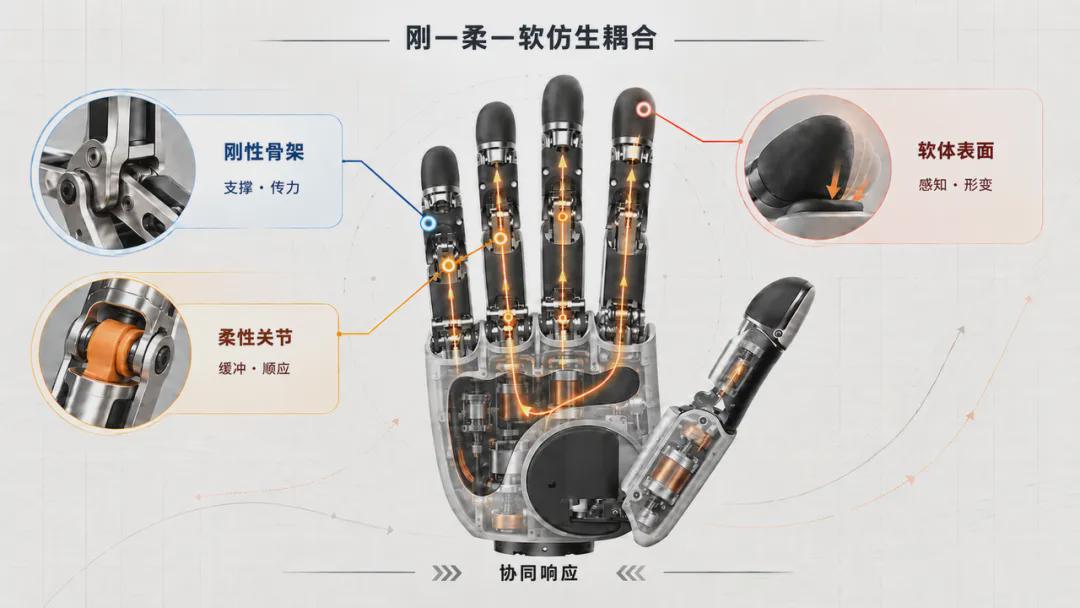
Guoli Intelligent Technology Emerges as a Leader in the Soft Robotics Market
Guoli Intelligent Technology, founded by Dr. Liu Yang, is gaining traction in the soft robotics market, with projections indicating significant growth in China's dexterous hand sales. By 2025, sales are expected to reach approximately 19,200 units, increasing to 70,200 units by 2026, and potentially exceeding 430,000 units by 2030. The company has established itself as a top choice for over 200 global clients, including major players in the electric vehicle sector. Guoli Intelligent's unique bionic coupling technology, which combines rigid, flexible, and soft materials, addresses the challenges posed by traditional single-technology approaches in the industry. This innovative design allows for high performance, longevity, and cost-effectiveness. As the soft robotics market continues to evolve, Guoli Intelligent Technology's advancements in material science and structural design position it well for future growth. The company's ability to balance high degrees of freedom, lightweight construction, and extended lifespan will be critical as it navigates the competitive landscape of the robotics industry. No further timeline was disclosed at the time of publication.
Soft Robotics Bionic Technology Robotic Hands Industrial Automation
Fangqi Technology Completes Angel Funding to Enhance Robotics Knowledge and Learning Systems
On September 21, Fangqi Technology announced the completion of an angel funding round worth tens of millions, with investors including Qidi Star Venture Capital. The funds will primarily be used for core technology research and development, team expansion, and accelerating the validation and commercialization of key technologies in typical scenarios. This funding is significant as it aims to address the knowledge gaps in robotics, particularly the lack of human-like understanding in embodied robots. Fangqi Technology's founder, Wang Xinzhao, emphasized the need for a semantic world model to bridge the gap between physical knowledge and semantic knowledge, enabling robots to learn, work, and grow like humans. Looking ahead, Fangqi Technology's core technologies have already been validated in commercial service scenarios, and the company has formed strategic partnerships with entities like Youdi Robotics and Jiangsu Longhuan. No further timeline was disclosed at the time of publication.
Robotics AI Machine Learning Semantic Models Commercial Automation
Zhishen Technology Achieves Milestone with 15,000 Robots Produced and Secures Funding
Zhishen Technology has successfully produced 15,000 industry-grade embodied intelligence robots as of June 2026. This achievement highlights the company's commitment to scaling production and meeting the demands of high-risk inspection scenarios in sectors such as power and petrochemicals. The significance of this milestone lies in the company's ability to navigate the complex transition from prototype to mass production, a challenge that many companies face. With a focus on self-developed core technologies and components, Zhishen aims to ensure consistency and reliability in its manufacturing processes, which is crucial for meeting market demands. Looking ahead, the company's recent B-round financing, led by Stone Venture, will be pivotal in enhancing its production capacity and capabilities. As the industry shifts towards intelligent and sustainable manufacturing, Zhishen's approach positions it well to capitalize on emerging opportunities in the robotics sector. No further timeline was disclosed at the time of publication.
Embodied Intelligence Robotics Manufacturing Supply Chain AI
MilliTrack Introduces AMR+ for Enhanced Robot Navigation Using Millimeter Wave Technology
MilliTrack, a South Korean startup, has developed AMR+, an additional positioning system that utilizes millimeter wave radio signals to enhance robot navigation in challenging environments. Traditional systems relying on cameras and LiDAR often fail in dusty, foggy, or brightly lit conditions, which are common in industrial settings. AMR+ supplements existing navigation systems without replacing them, providing a more reliable source of location data. The significance of AMR+ lies in its ability to improve the accuracy of autonomous mobile robots (AMRs) in environments where conventional SLAM (Simultaneous Localization and Mapping) becomes unreliable. MilliTrack claims that AMR+ can achieve a positioning accuracy of 3 centimeters within a 30-meter range, with a latency of less than 100 milliseconds. This dual-layer positioning approach allows robots to switch between their existing navigation systems and AMR+ as needed, ensuring continuous operational reliability. Looking ahead, MilliTrack plans to launch AMR+ in March 2027, with an expected price of around $1,000 for a tracker and a tag, and $200 for additional tags. The technology has already been deployed in over 30 projects in South Korea, demonstrating its potential to enhance industrial robot navigation without the need for extensive infrastructure changes. No further timeline was disclosed at the time of publication.
Autonomous Mobile Robots Positioning Technology Industrial Automation Millimeter Wave Technology
TianGong Robot Collaborates with Human Dancers at Beijing Art and Technology Week
The TianGong robot showcased its dancing abilities alongside human performers during the opening of the Second Beijing Art and Technology Week. According to reports from Beijing Daily, the robot's movements were described as smooth and human-like, captivating many onlookers. This performance highlights the robot's transition from industrial applications to cultural and artistic contexts. Unlike fixed trajectory movements in factories, dance requires continuous, varied, and rhythmic actions that must synchronize with human dancers. The process involved motion capture technology to collect data from human dancers, which was then transmitted to the TianGong robot for learning and rehearsal. The Second Beijing Art and Technology Week aims to merge art and technology, showcasing the robot's capabilities in a public cultural space. The success of the TianGong robot in this performance indicates its advanced motion control and balance algorithms. Future developments to watch include the potential for regular dance performances and the robot's ability to consistently replicate its stage presence.
Robotics Motion Capture Cultural Performance AI Dance Technology
Robotic Dog Demonstrates Autonomous Grocery Shopping Amid Payment Technology Challenges
A robotic dog named 'Tutu' showcased its ability to autonomously find stalls, confirm products, place orders, and make payments at the September Bund Conference. This demonstration marked it as the world's first embodied intelligent product with complete payment capabilities. The significance of this development lies in the challenges of responsibility attribution in autonomous transactions. While traditional payment methods involve clear user intent, the robotic dog must independently assess product quality and pricing, raising questions about accountability in case of errors. Looking ahead, the focus should not solely be on when robotic dogs can replace human shoppers, but rather on how disputes arising from transactions conducted by intelligent agents will be resolved legally. The absence of clear regulatory frameworks for these scenarios poses a significant challenge for the future of embodied intelligent payments.
Robotic Automation AI Payment Systems Financial Technology Risk Management
Bee Technology Highlights Robot Trainer Role for Disabled at Service Trade Fair
On September 9, 2026, Bee Technology showcased its innovations at the China International Service Trade Fair in Beijing, focusing on the theme of empowering disabled individuals through technology. The company presented its MEgo View and MEgo Gripper products, enabling disabled users to participate in robot training and data collection, thus unlocking new employment opportunities as 'robot trainers'. This initiative is significant as it aligns with the recent announcement by the Ministry of Human Resources and Social Security, which introduced new job categories, including 'embodied intelligent robot data collector' and 'robot trainer'. The development of the embodied intelligence industry is creating new job options, allowing disabled individuals to engage in robot training without needing complex programming skills. Looking ahead, the launch of the MEgo Pai app on September 23 will enable disabled individuals to undertake data collection tasks remotely, providing them with income opportunities. Bee Technology aims to explore more data collection scenarios suitable for disabled participation, connecting data needs with employment opportunities and fostering inclusivity in the tech-driven job market.
Robot Training Assistive Technology Data Collection Employment Opportunities
Tactile Sensing Technology Sees Significant Growth in Robotics Sector
Tactile sensing technology is gaining prominence in the robotics industry as humanoid robots transition from exhibition spaces to factory floors. Since 2026, funding in the tactile sensing sector has exceeded 7 billion yuan, with the penetration rate of tactile sensors in commercial humanoid dexterous hands rising from 20% to over 60% this year. This rapid growth is notable within the robotics components sector, highlighting a shift in robotic applications. While visual-language-action models have enhanced robots' environmental understanding and task planning, precision assembly and flexible grasping require tactile feedback for effective force control and slip detection. According to Qianjue Robotics founder Ma Daolin, tactile sensing is essential for high-precision industrial operations. The evolution of technology supports this need, as Qianjue Robotics' VTLA model integrates tactile modalities into traditional frameworks, enabling real-time perception of deformation, texture, and force distribution during contact. Their comprehensive tactile solution expands sensing from fingertips to palms, achieving a sensor density of 125 points per square centimeter and a force accuracy of 0.03 Newtons. As hardware costs decrease and data accumulation accelerates, tactile sensing is becoming a necessary capability in real-world operational scenarios.
Tactile Sensors Humanoid Robots Robotics Technology Industrial Automation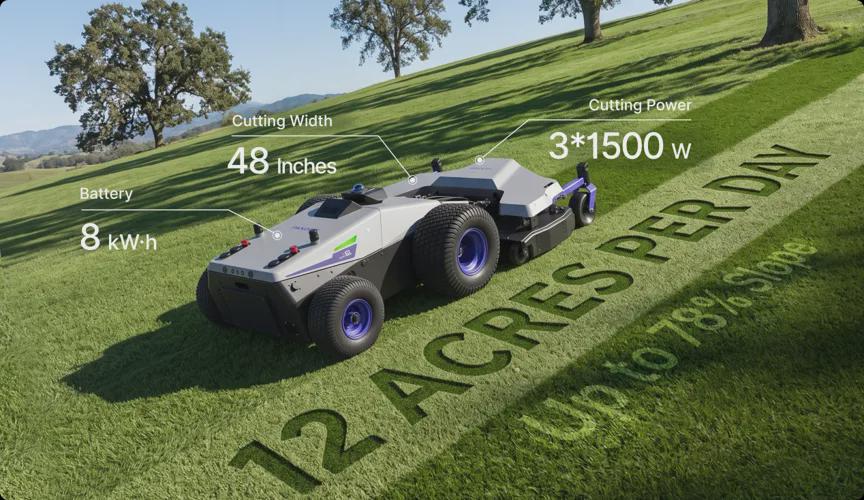
PANDAG Technology Secures Funding to Advance Commercial Lawn Maintenance Robotics
PANDAG Technology, a Chinese commercial lawn maintenance robotics company, has recently completed a significant A-round funding, exclusively backed by Yunshi Capital. The company aims to transform its professional expertise into reusable system capabilities. This spring, a 300-kilogram robotic mower was showcased at the KLPGA, demonstrating its cutting efficiency on golf courses. The importance of PANDAG's innovation lies in addressing the automation gap in large commercial landscapes, such as golf courses and municipal green spaces. Traditional mowing methods are labor-intensive and inefficient, with a reported 60% of landscaping companies facing workforce shortages. PANDAG's approach focuses on creating a scalable solution that integrates professional experience into automated systems, which is essential for enhancing operational efficiency in commercial lawn maintenance. Looking ahead, PANDAG Technology is poised to lead the way in commercial lawn care automation. The company believes that while consumer-grade mowers have gained traction, the commercial sector requires robust systems that can deliver consistent results across various terrains and conditions. No further timeline was disclosed at the time of publication.
Commercial Robotics Lawn Maintenance AI Technology Automation Solutions
Benmo Technology Achieves Rapid Growth in Robotics Physical Components Market
Benmo Technology has experienced significant revenue growth, increasing from 17.54 million yuan to 282 million yuan in three years, with a compound annual growth rate exceeding 300%. The company focuses on integrated direct-drive joints, eliminating the need for reducers, which reduces energy loss and noise while extending lifespan to 50,000-100,000 hours. As of 2025, Benmo Technology is projected to capture 61.1% of the Chinese consumer robotics direct-drive module market, with shipments of approximately 8.5 million units across various robot categories. The company also operates a wheeled robot business, exporting products to over 50 countries, and has become a leading manufacturer in this sector. Looking ahead, Benmo Technology's dual business model allows for a feedback loop between mass production of power modules and whole machine development. The consumer-grade direct-drive modules are expected to account for 88% of total revenue by 2025. The company is well-positioned to meet future demands for reliable robotic bodies as advanced AI models mature.
Robotics Direct-Drive Modules Embodied Intelligence Robot Manufacturing
The Shift in Pool Robots: Transitioning from Wired to Wireless Technology
The pool robot industry has faced significant challenges over the past year, marked by high return rates and a competitive pricing environment. However, Chinese brands have leveraged wireless technology to disrupt the market, achieving a combined market share of 51.4% in the wireless segment, with Wangyuan Technology leading at 19.7%. This shift is not merely about cost but reflects a precise reconstruction of product forms by the Chinese supply chain. While traditional wired robots are dominated by established players like Maytronics and Fluidra, the wireless segment has seen rapid growth, indicating a significant market transformation. Yet, the technology still struggles with underwater navigation, highlighting a gap between commercial success and technological maturity. As companies like Yuan Ding and Wangyuan focus on enhancing their technological capabilities, the competition is evolving beyond mere pricing strategies. The demand for truly autonomous solutions remains unmet, suggesting that innovation will continue to drive value in the pool robot market. The industry is entering a new phase of competition, moving from shallow waters into deeper technological challenges.
Pool Robots Wireless Technology Market Trends Automation Sensing Technologies
Enfu (China) Showcases Innovative Sealing Technology for Robot Longevity at WRC 2026
The 2026 World Robot Conference (WRC) commenced on August 19, 2026, in Beijing, showcasing over 300 exhibitors and more than 2,000 products. Enfu (China) presented its innovative sealing solutions for humanoid and industrial robots, emphasizing the importance of key component technology for precise movement and reliable operation. This event marks a significant shift in the robotics industry, moving from experimental demonstrations to large-scale applications. Enfu's advancements in sealing technology are crucial for enhancing the longevity and performance of robots, particularly in complex humanoid designs that require specialized sealing solutions. Looking ahead, Enfu's commitment to local R&D and its recent establishment of a technology center will enable faster responses to market demands and foster innovation. No further timeline was disclosed at the time of publication.
Sealing Technology Humanoid Robots Industrial Robots Local R&D Robotics Innovation
Three Key Technology Platforms Launched at Zhongguancun International Robot Industry Park
On August 28, three major technology platforms were officially launched at the Zhongguancun International Robot Industry Park. These platforms include the Robot Testing Service Center, the Robot Sharing Processing Platform, and the Application Scenario Demonstration District. The Robot Testing Service Center aims to address issues related to dispersed testing services and lack of standards, supporting robot testing and assisting companies in formulating national standards while promoting the adaptation of domestically developed robotic operating systems. The Robot Sharing Processing Platform integrates processing equipment and technical resources to provide comprehensive services for core component processing and testing, addressing challenges such as weak processing capabilities and high costs. The Application Scenario Demonstration District offers a testing environment based on real scenarios within the park, helping companies identify technical shortcomings and optimize products, thereby shortening the development-to-commercialization cycle. The park also hosted an Intelligent Robot Industry Acceleration Conference, announcing significant scenarios to drive industry implementation, with over 50 robots currently operating in roles such as delivery, cleaning, inspection, and guiding. No further timeline was disclosed at the time of publication.
Robot Testing Shared Processing Application Scenarios Robotics Industry Technology Platforms
Yushu Technology Founder Highlights Humanoid Robots' Limitations at World Robot Conference
At the World Robot Conference, the founder of Yushu Technology addressed the limitations of humanoid robots, stating their efficiency is only 30% to 50% of human capabilities. He emphasized that the company's ongoing 'physical AI self-evolution' is still in the research phase, far from large-scale application. This candid assessment contrasts with typical expectations for a newly listed company, where founders often project optimism. Instead, he highlighted significant challenges, including the robots' inability to adapt to new environments, which drastically reduces task success rates. Looking ahead, he suggested that for robots to reach a 'ChatGPT moment,' they must operate effectively in 80% of unfamiliar scenarios using voice commands, a milestone that could take two to ten years to achieve. No further timeline was disclosed at the time of publication.
Humanoid Robots AI Robotics Technology Startup Innovation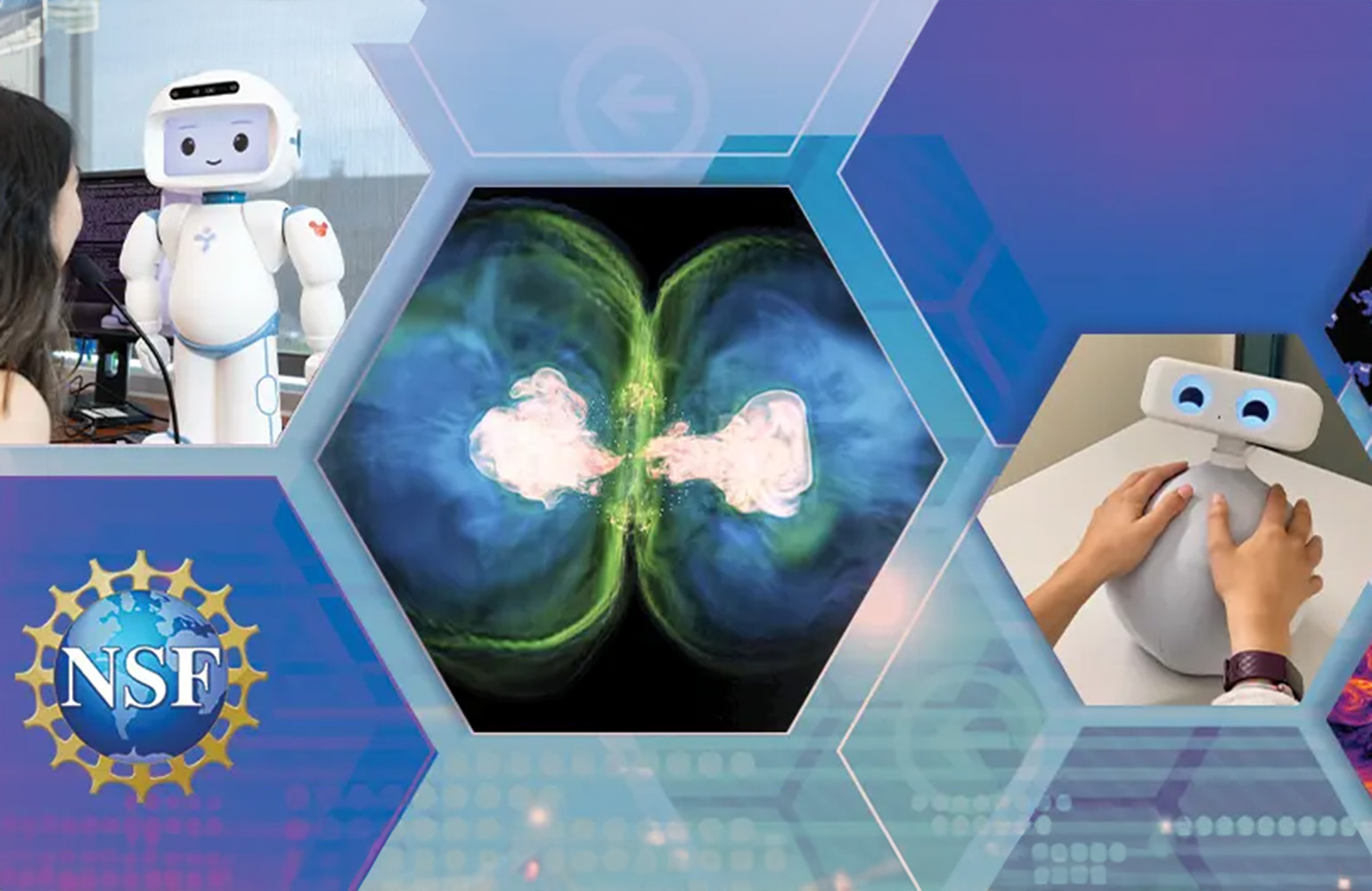
NSF Allocates $90 Million to Establish Three New Technology Centers, Including Robotics Focus
The National Science Foundation (NSF) announced a $90 million investment over five years to establish three new Science and Technology Centers (STCs), with each center receiving $6 million annually. One center, the Center for Human and Robot Co-Adaptation, will be led by The University of Texas at Austin and aims to explore the interaction between humans and robots in various environments. This investment is significant as it seeks to enhance American leadership in science and technology, bolster the STEM workforce, and promote innovation in fields such as AI and robotics. Brian Stone, acting NSF director, emphasized the importance of strong partnerships and skilled workforce in maintaining the U.S. position in global science and technology. Looking ahead, the centers will have the opportunity to compete for an additional five years of funding after the initial period. The NSF's STC program has a history of fostering new fields of discovery and technological advancements, and the upcoming centers are expected to contribute to foundational research and the development of practical solutions for societal benefits.
Academia / Research Financial Human Robot Interaction / Haptics Investments News Research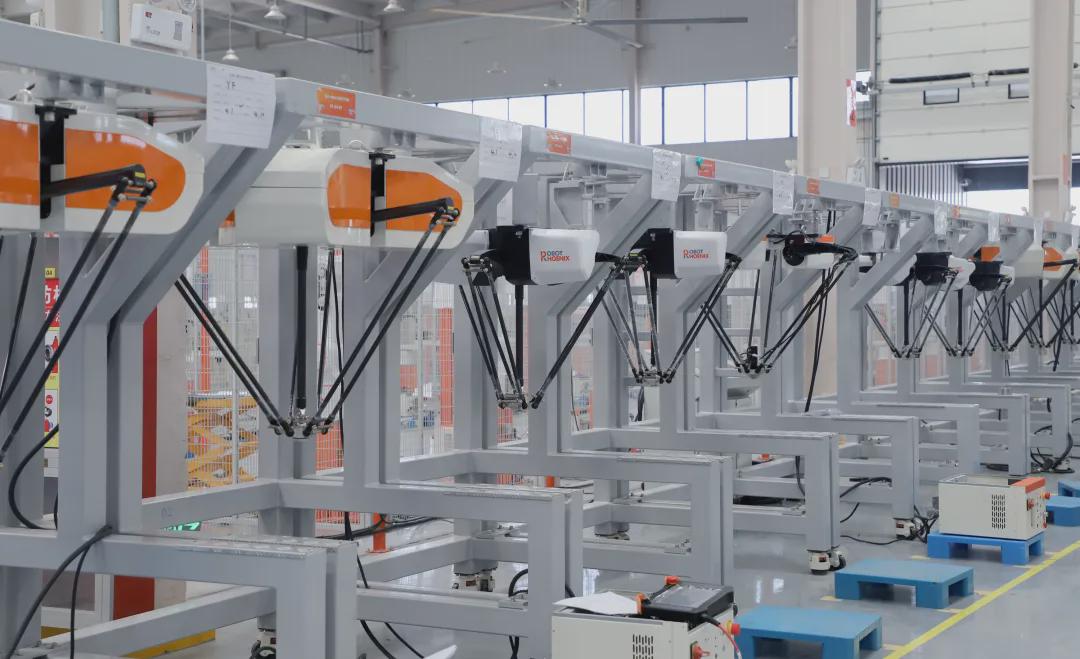
Yifei Technology Reports Strong Growth Amidst Shifts in the Robotics Industry
Yifei Technology has released its mid-term performance report for 2026, marking its first financial disclosure since its listing on the Hong Kong Stock Exchange on May 18. The company achieved a revenue of 186 million yuan, reflecting a 58% year-on-year increase, with overseas revenue soaring by 318.5% to 22.6 million yuan, accounting for 12.1% of total income. The significance of this growth lies in the evolving landscape of the robotics industry, where local companies are reclaiming market share from foreign brands in sectors such as automotive and electronics. As general-purpose robots become more mature and competitive, the focus has shifted from merely selling robots to integrating them into complex manufacturing environments, which presents unique challenges. Looking ahead, Yifei Technology is not only increasing its focus on core products like embodied intelligence and controllers but is also expanding into new areas such as vision systems and humanoid robots. The company’s strategic partnerships, such as with MiR in South Korea and Swarm Robotics in Saudi Arabia, highlight its commitment to enhancing local operations and adapting to specific industrial conditions.
Industrial Robots Global Expansion Automation Solutions Robotics Technology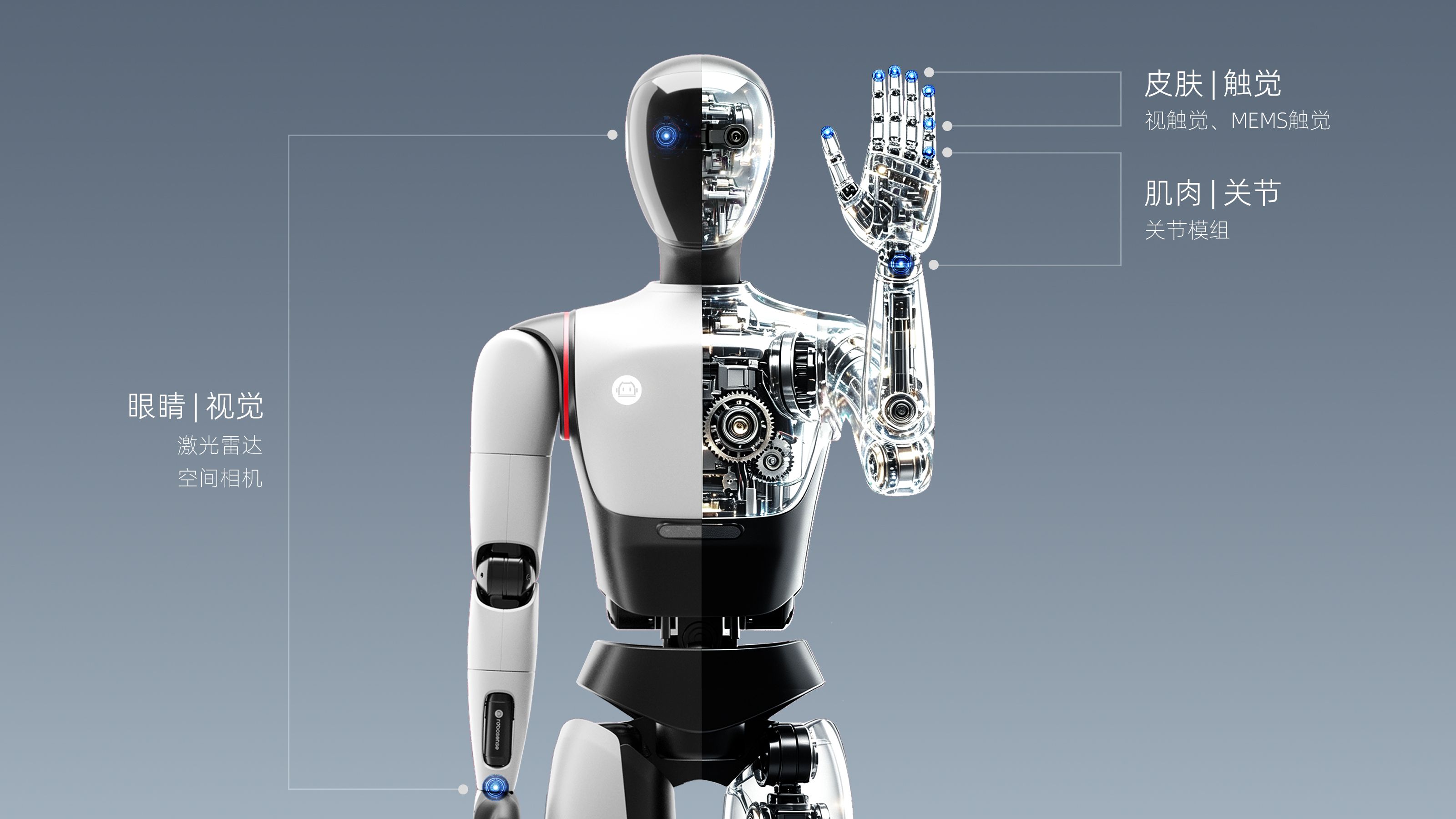
RoboSense Reports Strong Mid-Year Growth in Robotics Technology and Product Deliveries
On August 26, 2026, RoboSense announced its mid-year performance, reporting total revenue of 1.02 billion yuan, a 30.2% increase year-on-year. The company sold 719,200 LiDAR units, marking a 169.6% growth, with 282,600 units sold in the robotics sector, a staggering 510.4% increase. This growth positions RoboSense as a key player in the physical AI era. The significance of this performance lies in RoboSense's strategic shift towards becoming a leading robotics technology platform. The company is leveraging its accumulated LiDAR technology to enhance robotics and data collection capabilities, with new product categories such as 'eyes', 'skin', and 'muscles' for embodied robots. These innovations are expected to improve perception, touch, and execution capabilities in robotics. Looking ahead, RoboSense has entered various stages of commercialization for its new product categories, with significant orders for the spatial camera and plans for mass production by 2027. The company continues to expand its partnerships with leading global robotics firms, enhancing its market position and addressing the growing demand for real-world data in the physical AI industry. No further timeline was disclosed at the time of publication.
LiDAR Technology Robotics Sensor Technology AI Automation
Tashan Technology Unveils Tactile Perception Loop for Enhanced Robotic Interaction Learning at WRC 2026
At the World Robotics Conference (WRC) 2026, tactile perception emerged as a focal point, highlighting its importance in robotic interaction. Tashan Technology showcased its tactile perception loop, addressing the limitations of visual imitation learning in complex industrial environments. The company aims to enhance robots' physical interaction capabilities by developing scalable tactile sensors that enable autonomous learning through real-time feedback. The significance of this development lies in its potential to overcome the challenges faced by robots in understanding physical interactions. Current reliance on visual data fails to capture the nuances of tactile feedback, leading to high failure rates in tasks involving unknown objects. Tashan Technology's approach seeks to fill this gap by providing robots with a tactile sensory system that allows them to independently comprehend and adapt to their physical surroundings. Looking ahead, Tashan Technology's advancements in tactile perception could revolutionize the robotics industry by enabling robots to perform tasks with greater accuracy and reliability. The company’s TS-F series sensors, capable of detecting various materials and providing high-resolution force feedback, represent a significant step towards achieving human-like tactile perception in robots. No further timeline was disclosed at the time of publication.
Tactile Perception Robotic Interaction Sensor Technology AI Robotics
Hanwei Technology Showcases Advanced Perception Solutions During 2026 World Robot Conference
During the 2026 World Robot Conference, Hanwei Technology Group Co., Ltd. showcased five types of embodied perception products, including tactile and olfactory sensors. The company also launched the HAU925, a nine-axis inertial sensor chip aimed at embodied intelligence, and demonstrated various advanced sensing technologies. Chairman Ren Hongjun discussed production rhythms and industry strategies, highlighting the growing importance of perception in robotics. The significance of these developments lies in Hanwei's focus on perception as a foundation for intelligent robotics. The company’s electronic skin technology, which has already reached over 30 clients, is poised to enter mass production, marking a critical point in its commercialization. Meanwhile, other sensory products are expected to scale up within two to three years, although significant profits may take longer to materialize. Looking ahead, Hanwei anticipates a shift in the robotics industry towards greater emphasis on embodied perception. However, challenges remain in integrating perception technologies into practical applications. The company aims to address these gaps by providing essential data collection infrastructure, including motion capture suits and data gloves, to support the industry's evolving needs.
Embodied Intelligence Sensor Technology Robotics AI Wearable Technology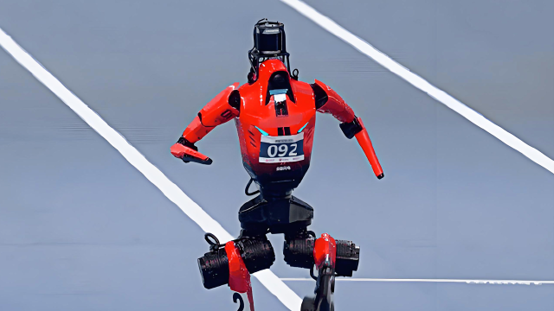
Honor Robot Sets Three Human Records Using Suoteng Lidar Technology
Recently, at the Second World Humanoid Robot Sports Competition, the Honor humanoid robot 'Lightning' broke three records using Suoteng's lidar technology. It completed the 1500 meters, 400 meters, and 100 meters events in 2 minutes 30 seconds, 39.45 seconds, and 9.32 seconds, respectively, surpassing human world records in all three categories. This achievement highlights the capabilities of the 'Lightning' robot, which demonstrates stable perception abilities across different athletic conditions. The Suoteng lidar plays a crucial role in the robot's environmental perception system, continuously gathering three-dimensional spatial information to support high-speed movement and stable operation. As the Honor robot sets these records, Suoteng's robotics business is also accelerating its scale. In the first quarter of 2026, the company sold 185,500 lidar units in the robotics sector, marking a 1458.8% year-on-year increase. The company has established itself as a leader in global 3D lidar shipments for robotics and is poised for further growth with the upcoming mass production of its self-developed SPAD-SoC chips.
Humanoid Robots Lidar Technology Robotics AI Sports Technology
Yushu Technology Debuts on Stock Market, Lei Jun Gains 15.2 Billion in Humanoid Robotics
On August 19, Yushu Technology, recognized as the first publicly traded humanoid robotics company in China, officially listed on the STAR Market. The stock opened at 1,100 CNY per share, surging 629% from its issue price, with a market capitalization briefly exceeding 444.9 billion CNY before closing at 341.8 billion CNY, marking a 460% increase. This significant rise has resulted in a floating profit of over 15.2 billion CNY for Lei Jun, who invested early through Shunwei Capital. Yushu Technology has achieved a remarkable 90% self-research rate for core components within less than a decade and is projected to deliver 5,500 humanoid robots by 2025 with a gross margin of 63.2%. Unlike many competitors relying on financing, Yushu has already turned a profit through robot sales. As Yushu's stock debut revitalizes the humanoid robotics sector, it also highlights the risks involved. The company's valuation is largely supported by its status as the first publicly listed humanoid robotics firm. The next two to three years will be critical for validating performance, as a mismatch between growth and valuation could lead to inevitable corrections. Yushu's projected revenue for 2025 is 1.699 billion CNY, with a net profit of 278 million CNY, resulting in a price-to-sales ratio exceeding 200 times at closing price.
Humanoid Robots Investment Robotics Industry AI Technology
Kunwei Technology to Support 2nd World Humanoid Robot Games with Force Control Technology
The 2nd World Humanoid Robot Games will take place on August 22, 2026, at the National Speed Skating Stadium in Beijing. This event, themed 'Intelligent Competition Towards the Future,' will feature 666 teams and 2056 robots from 16 countries, marking a 138% increase in teams and a fourfold increase in robots compared to the first event. The competition will expand from 26 to 51 events, introducing high-intensity challenges such as long jump, weightlifting, tug-of-war, and table tennis, while also extending scenarios to nine real-world environments including industrial and domestic settings. This event is significant as it showcases the advancements in humanoid robot technology and aims to promote industry standards through competition. Analysts predict that 2026 will be a pivotal year for the commercialization of humanoid robots. The core components, such as six-dimensional force and joint torque sensors, are crucial for ensuring safe human-robot interaction and effective performance. Domestic manufacturers, led by Kunwei Technology, are gaining market share, achieving 58.8% in 2025, marking a shift away from reliance on foreign brands. Looking ahead, the focus will be on the development of a self-sufficient supply chain for force sensors in humanoid robots. Leading manufacturers are prioritizing domestic sensors for their stability, lightweight integration, and rapid customization. Kunwei Technology, with over 20 years of experience in multi-dimensional force sensor research, is positioned to meet these demands with its innovative technologies and products, including specialized sensors for humanoid robots that have already been adopted by major companies in the field. No further timeline was disclosed at the time of publication.
Humanoid Robots Force Sensors Robotics Technology Industrial Automation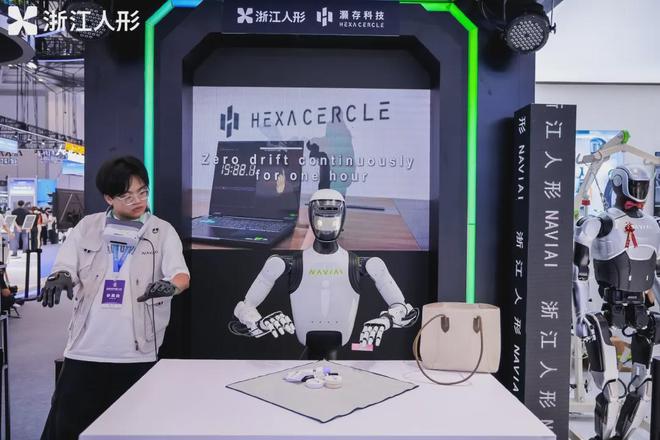
Haocun Technology and Zhejiang Humanoid Robotics Collaborate to Enhance Practical Applications
From August 19 to 23, the World Robot Conference (WRC) was held at the Beiren Yichuang International Exhibition Center, showcasing cutting-edge technologies in humanoid robotics and industrial intelligence. During the event, Zhejiang Humanoid Robotics Innovation Center's humanoid robot NAVIAI demonstrated its capabilities by synchronizing its arm movements with an operator wearing motion data gloves, achieving precise gestures without pre-programmed instructions. This collaboration between Haocun Technology and Zhejiang Humanoid Robotics marks a significant step in addressing the challenges faced by the humanoid robotics industry, which is transitioning from prototype development to practical applications. The partnership aims to overcome bottlenecks in skill transfer, training time, and operational reliability, which have hindered the deployment of humanoid robots in real-world scenarios. Looking ahead, the integration of Haocun Technology's motion perception and data collection capabilities with Zhejiang Humanoid's hardware platform is expected to accelerate the adoption of embodied intelligence technologies. No further timeline was disclosed at the time of publication.
Humanoid Robots Motion Capture Technology Industrial Automation Robotics Collaboration
Beijing Humanoid Robots Unveil Full-Stack Technology at 2026 World Robot Conference
On August 19, the 2026 World Robot Conference commenced in Beijing, showcasing the Beijing Humanoid Robot Innovation Center's full-stack technology. The center presented its Tian Gong family of robots in a 336-square-meter exhibition area, emphasizing its commitment to autonomous and user-friendly industrial solutions. The significance of this event lies in the introduction of two benchmark products: the Pelican-Unify and the Tian Gong Omni. These innovations enhance embodied intelligence by integrating advanced capabilities such as visual understanding and action control, marking a significant step towards achieving general artificial intelligence (AGI). Looking ahead, the Pelican VL-2.0 will be commercially launched, representing a major milestone in the industry. The Tian Gong 3.0 robot demonstrated its ability to navigate complex environments autonomously, indicating its potential applications in various sectors, including luxury automotive and public service. No further timeline was disclosed at the time of publication.
Humanoid Robots Embodied Intelligence Robotics Innovation AI Automation Solutions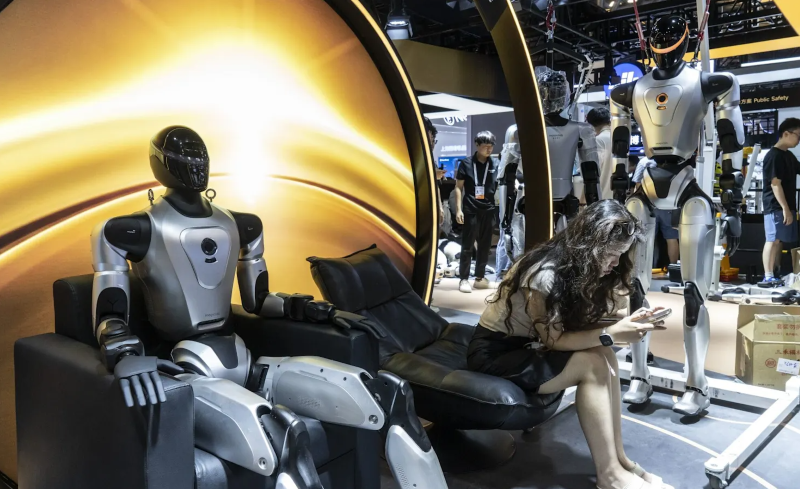
Yushu Technology Launches 'Superman' Robot, Breaking Speed and Jump Records
Yushu Technology has unveiled its humanoid robot named 'Superman,' which achieved a maximum running speed of 12.66 meters per second and a vertical jump of 2 meters. This surpasses Usain Bolt's peak speed of 12.42 meters per second and sets a new benchmark in robotics. The significance of this achievement lies in Yushu's rapid development timeline, having increased the robot's speed from 3.3 meters per second in early 2023 to 12.66 meters per second in just over three months. This milestone not only highlights advancements in humanoid robotics but also positions Yushu for a successful public listing on August 19, 2023, with an expected market capitalization of approximately 61 billion yuan. Looking ahead, Yushu Technology plans to showcase its innovations at the World Robot Conference in Beijing on the same day as its stock market debut. The founder, Wang Xingxing, will discuss the future of humanoid robotics, emphasizing that the technology is moving beyond experimental phases into a validated business model. No further timeline was disclosed at the time of publication.
Humanoid Robots Robotics Innovation AI Technology Market Debut
Yushu Technology Launches 'Superman' Humanoid Robot with Record-Breaking Performance
Yushu Technology has introduced its latest humanoid robot, 'Superman', which features remarkable abilities including a vertical jump of 2 meters and a maximum speed of 12.66 m/s, exceeding human performance records. This development is significant as it showcases Yushu Technology's commitment to advancing dynamic movement and stability in robotics, furthering their exploration in high-performance robotic systems. Looking ahead, the industry will be keen to observe how 'Superman' performs in real-world applications and whether it can influence future designs in humanoid robotics. No further timeline was disclosed at the time of publication.
Humanoid Robots Robotics Technology Dynamic Movement AI
Ruoyu Technology's Strategic Positioning in High-Risk Energy Scenarios for Special Robots
The year 2026 is widely recognized as a pivotal moment for the commercialization of humanoid robots and embodied intelligence, with various factors maturing. However, the transition from technology validation to large-scale deployment is ongoing. High-risk energy scenarios are becoming critical testing grounds for the industry, reflecting its future direction. The special robot market is on an upward trajectory, with projections indicating a growth from 290 billion yuan in 2025 to 352 billion yuan in 2026 in China. Despite this expansion, not all players will benefit equally. Two distinct narratives have emerged: traditional hardware-focused manufacturers and algorithm-driven startups, each with different approaches to market engagement. As the industry approaches 2026, which is seen as a key year for commercialization, there is a clear market gap for qualified, intelligent, and operational solutions in high-risk scenarios. The need for robots that can autonomously adapt and operate safely in hazardous environments is critical, as highlighted by the participation of Ruoyu Technology in the recent energy innovation conference, emphasizing their commitment to enhancing safety in dangerous work conditions.
Special Robots Embodied Intelligence Energy Sector Safety Compliance Automation Technology
Diguo Robotics and Zhishen Technology Establish Strategic Partnership for Quadruped Robots
On August 13, Diguo Robotics and Zhishen Technology signed a strategic cooperation framework agreement. The partnership focuses on quadruped robots and embodied intelligence, aiming for deep collaboration in product development, ecosystem building, and marketing. They will leverage real market demands to drive the industrialization of embodied intelligence technology. This collaboration is significant as it marks a shift from traditional hardware cooperation between chip manufacturers and system integrators to a more integrated approach that encompasses product, ecosystem, and marketing dimensions. Diguo Robotics' Xuri S100P intelligent computing chip powers Zhishen's core quadruped robots, enabling efficient data processing and reliable operation in complex scenarios such as power inspections and emergency rescues. Looking ahead, the partnership plans to expand its collaboration beyond the current models to include more of Zhishen's product lines. They aim to develop joint courses, share resources for competitions, and enhance marketing efforts to promote the quadruped robots in various applications, including agriculture and education. No further timeline was disclosed at the time of publication.
Quadruped Robots Smart Computing Robotics Collaboration Industrial Automation
Actuator Technology Emerges as Key Challenge for Advancing Humanoid Robots
The humanoid robotics sector is at a pivotal moment as advancements in artificial intelligence have outpaced hardware development. While AI has improved robots' cognitive abilities, the physical motion capabilities, particularly actuator technology, remain a significant hurdle. For humanoid robots to operate effectively in real-world environments, they require actuators that can deliver high torque, respond quickly, and absorb impacts safely. This disparity between software and hardware highlights the urgent need for enhanced actuator systems. Traditional industrial robots are designed for predictable settings, but humanoid robots must navigate dynamic, human-centric spaces. This necessitates compact, powerful actuators that can provide mechanical compliance and precise torque control, essential for safe human-robot interactions. To address these challenges, the robotics industry is shifting towards Quasi-Direct Drive (QDD) architectures. These systems offer high torque density and low friction, enabling robots to react to external forces with human-like compliance. Continued innovation in actuator technology will be crucial for the successful deployment of humanoid robots in diverse applications. No further timeline was disclosed at the time of publication.
Actuators QDD CubeMars
Yushu Technology Initiates IPO with Ambitious Growth Plans for Humanoid Robots
On August 5, 2026, Yushu Technology launched its initial public offering (IPO) on the Sci-Tech Innovation Board, aiming to issue approximately 40.45 million shares, representing 10% of the total post-issue equity. The company seeks to raise around 4.202 billion yuan, with an estimated valuation of 42 billion yuan and a projected share price of about 104 yuan. The subscription period is set for August 10, with payment deadlines on August 12. Yushu Technology, labeled as the 'first stock of humanoid robots,' showcases significant growth potential, with revenue projected to soar from 159 million yuan in 2023 to 1.699 billion yuan by 2025. The humanoid robot segment is expected to contribute 51.78% of total revenue by 2025, with a shipment target of over 5,500 units and a drop in average selling price from 593,400 yuan to 166,400 yuan. Despite a 52.55% decline in non-recurring net profit in Q1 2026, the company is focused on gaining market share through competitive pricing. Investors are advised to monitor the evolving landscape of the humanoid robot sector, where Yushu Technology's IPO could signal a shift towards a more structured investment approach. The company’s strategy emphasizes building a strong market presence in the research and education sectors, which currently account for 73.6% of its humanoid robot revenue. As the market matures, core suppliers with technological advantages are likely to emerge as key beneficiaries of long-term growth opportunities.
Humanoid Robots IPO Robot Technology Market Analysis
Chinese Company Pioneers Direct-Drive Tendon Technology for Humanoid Robotics
In recent years, the global robotics research landscape has shifted focus back to the physical structure of robots, particularly in dexterous manipulation. According to IEEE Robotics and Automation Society, the number of papers on haptic perception, soft robotics, tendon-driven systems, and visuotactile learning is expected to rise significantly by 2025-2026, marking these areas as key research directions at major robotics conferences. This trend is mirrored in the industry, where a report identified that core components accounted for 21.8% of 311 robot financing events in the first half of the year, surpassing other categories. The investment landscape is increasingly gravitating towards manufacturers and component companies, particularly in the dexterous hand sector, which is seen as crucial for overcoming the final barriers to practical robot applications. Suzhou Zhixing Tendon Robotics Technology Co., Ltd. is at the forefront of this innovation, having developed a complete technological pathway from electroactive composites to modular applications. Their direct-drive tendon technology aims to redefine robotic movement by integrating materials into the power system, with products set to be showcased at the World Robot Conference on August 19.
Humanoid Robots Dexterous Manipulation Soft Robotics Tendon-driven Technology AI
SemiAnalysis Report Reveals Yushu Technology's Strategy to Lead Global Robotics Market
A report by SemiAnalysis on the day of Yushu Technology's IPO indicates that the company is replicating the successful hardware growth paths of BYD and DJI, potentially positioning itself to dominate the global robotics industry. The report highlights Yushu's impressive cost structure, estimating the material cost of its G1 robot at just $8,976. Despite a price drop in overseas markets from over $50,000 to $27,300, the company maintains a gross margin of 67%. Yushu has evolved from a quadruped robot company three years ago to a leader in the humanoid robot market, with plans to deliver its 10,000th humanoid robot soon. Looking ahead, Yushu's revenue is projected to grow by 335.36% year-on-year by 2025, with a gross margin nearing 60%. The company plans to invest approximately 2.02 billion yuan in embodied model research and development. No further timeline was disclosed at the time of publication.
Humanoid Robots Robotics Industry Supply Chain Management Cost Structure AI Technology
DPVR Integrates VR Technology for Real-Time Robot Control at Qingdao's 6S Store
DPVR has officially launched its VR technology at Qingdao's 6S experience store, allowing users to control robotic arms in real-time using the E4 VR headset. This innovative approach eliminates the need for complex programming, creating a direct action mapping channel between the operator and the robot. The integration of DPVR's RoboPilot platform with the E4 headset enables precise tracking of head and controller movements, facilitating efficient robotic operations such as movement and grasping. Additionally, RoboPilot collects data throughout the operation, contributing to AI model training and task validation, enhancing the learning process for the robots. As DPVR continues to expand its RoboPilot ecosystem, partnerships with various robotics companies are being established to create adaptable robotic systems. The 6S experience store exemplifies a new era of human-robot collaboration, where users can operate machines intuitively without extensive training or programming knowledge.
Virtual Reality Robotic Control AI Training Human-Robot Interaction
PIA Automation Develops BMW E-Drive Assembly Line Featuring 46 Robots and Digital Twin Technology
PIA Automation is constructing a highly automated assembly line for E-Drive units at the BMW Group facility in Steyr, Austria. This project includes 78 processing stations, 27 robotic cells, and 46 industrial robots spread over 5,600 square meters across two levels, marking one of PIA Automation's largest undertakings to date. The significance of this assembly line lies in its role in the transition to electric mobility, which necessitates advanced automation, robotics, and quality monitoring systems. Although electric drivetrains have fewer mechanical components than traditional combustion engines, their assembly is complex and requires precise coordination, making automation essential for efficiency and accuracy. Looking ahead, the commissioning of the final sections of the production line is scheduled for 2027. PIA Automation's use of digital twin technology and Virtual Commissioning aims to streamline the development process by identifying potential issues early, thereby reducing costly modifications during physical commissioning and enhancing overall project reliability.
Automation Engineering Manufacturing News austria automotive manufacturing
Domestic Surgical Robots Achieve Enhanced Vision with New 8mm Endoscope Technology
On August 6, Tuge Medical, a subsidiary of Jian Shi Medical, received EU CE certification for its 8mm 3D+4K+fluorescence endoscope. This follows its approval from the National Medical Products Administration for domestic market entry two months prior. The new 8mm endoscope enables surgical robots to operate through standard 8mm instrument ports, reducing the need for larger incisions and improving surgical efficiency. The 8mm endoscope represents a significant advancement in the surgical robot industry, allowing for full compatibility with all instrument channels. Surgeons can switch viewing angles without repositioning patients, minimizing trauma and risk while enhancing operational efficiency. According to Jian Shi Medical's CTO, Wang Yanggang, integrating dual-camera systems into the compact 8mm design posed substantial engineering challenges, but domestic suppliers have now stabilized the supply of high-precision optical components. Looking ahead, by 2025, domestic surgical robot bids are expected to surpass those of imported brands. The evolution of the endoscope not only enhances visibility during procedures but also captures valuable clinical data that will be crucial for AI in healthcare. This leap from 10mm to 8mm signifies a transformative step for China's high-end medical equipment towards self-innovation.
Surgical Robots Endoscopy Medical Technology AI in Healthcare
Yushu Technology to Launch IPO as Zhejiang's Intelligent Robotics Sector Thrives
Yushu Technology, one of the 'Six Little Dragons of Hangzhou,' is set to begin its IPO on August 10, coinciding with the completion of IPO guidance by Yunshen Technology. This marks a significant moment for Zhejiang's embodied intelligence industry, which is gaining prominence as the first humanoid robot stock in China's A-share market. Zhejiang has emerged as an undisputed hub for embodied intelligence, with over 700 companies in Hangzhou alone. The industry cluster is projected to reach a value of 106.8 billion yuan by 2025, with quadruped and humanoid robots capturing 80% and 50% of the domestic market share, respectively. In the first half of this year, Zhejiang accounted for approximately 60% of the national exports of intelligent bionic robots. Yushu Technology aims to penetrate both consumer and general markets, with revenue expected to soar from 159 million yuan in 2023 to 1.699 billion yuan by 2025. Meanwhile, Yunshen Technology focuses on specialized applications, having deployed quadruped robots in high-risk areas like Switzerland's largest nuclear power plant. As these leading companies prepare for their A-share debut, Zhejiang is transitioning from a robotics manufacturing base to a source of innovation in embodied intelligence.
Embodied Intelligence Humanoid Robots Quadruped Robots Robotics Industry AI Technology
Taoshi Intelligent Raises $21 Million to Advance Robot Gear Technology Innovations
Taoshi Intelligent Technology (Shenzhen) Co., Ltd. has successfully completed a Series A funding round of 140 million yuan (approximately $21 million), with investors including Qianhai Financial Holdings, Guangzhou State-owned Assets, Haichuan Juyi, and Hangzhou Zhongshan. This follows a significant Pre-A funding round in September 2025, marking another substantial financial achievement for the company in less than a year. The importance of this funding lies in the anticipated growth of humanoid robots and embodied intelligence, projected to begin large-scale commercialization in 2026. As the demand for core components, particularly precision reducers, remains critical, Taoshi Intelligent has developed a unique micro planetary gear system tailored for humanoid robotic hands, positioning itself as a leader in this niche market. Looking ahead, Taoshi Intelligent's innovative gear technology, which integrates reduction and orthogonal transmission, is set to enhance the performance of robotic applications. The company has made significant advancements in manufacturing processes and materials, overcoming traditional challenges associated with complex surface machining. No further timeline was disclosed at the time of publication.
Precision Reducers Humanoid Robots Robotics Technology Automation Micro Gear Systems
COOWAM Technology Advances Scalable Robotics with New Chief Scientist Appointment
COOWAM Technology is pushing the boundaries of embodied intelligence towards scalable applications in real urban environments. The company operates thousands of robots across over 50 cities globally, accumulating approximately 50PB of physical world data. This data is categorized into dynamic scene data, physical interaction data, and real machine calibration data, which are crucial for enhancing model capabilities. The company emphasizes that the synergy of algorithms, hardware, and scenarios determines operational success, with real data acquisition and efficient transformation directly impacting model iteration speed. COOWAM's proprietary model integrates 'fast and slow thinking' to optimize decision-making and physical interaction, ensuring that robots perform commercially valuable tasks. Dr. Yang Xue, the newly appointed Chief Scientist, aims to drive a systematic evolution of COOWAM, enhancing its capabilities in multimodal design and complex perception. The future evolution will focus on diverse robotic forms and efficient data processing, with a business model that emphasizes real-world impact and customer value. No further timeline was disclosed at the time of publication.
Robotics Embodied Intelligence AI Data Engineering
Yushu Technology's IPO Countdown Drives Robot ETF and Stock Market Surge
On July 31, the Robot ETF (560770) opened with a 5.23% increase. Key stocks such as Han's Laser rose over 8%, while Gree Harmonic and Haoshi Motor surged over 15%. According to Choice data, the ETF saw a net subscription of 261 million yuan in July. The countdown to Yushu Technology's IPO, announced on July 30, is significant for the sector. The initial inquiry date is set for August 5, with subscription days on August 10. Analysts suggest that Yushu's IPO will provide a new pricing anchor for the sector, potentially reshaping the valuation benchmarks for core component manufacturers. Market data indicates that the CSI Robot Index fell by 19.92% in July, with a latest PE-TTM of 53.81, below the median of the past three years. Institutions predict that 2026 will be a crucial year for humanoid robots, with potential breakthroughs in shipments and orders in the second half of the year. Analysts believe that the sector has absorbed previous bubbles and may see renewed momentum with Yushu's listing and Tesla's production ramp-up.
Robot ETF IPO Stock Market Robotics Industry
Yushu Technology's IPO Marks a Significant Step in Humanoid Robot Commercialization
Yushu Technology has made its debut as the first publicly listed humanoid robot company in the A-share market. The company's IPO process has garnered significant attention from the capital market, highlighting its commercial value, technological strength, and market position. This event signifies a substantial shift in the humanoid robot industry from technology exploration to commercialization, providing a reference model for the sector's development. The financing journey of Yushu Technology reflects the evolution of the humanoid robot industry, transitioning from early-stage startups to a scalable production system. Each round of financing demonstrates investor confidence in the humanoid robot sector and the company's competitive capabilities. Yushu Technology has expanded its product line beyond humanoid robots to include quadruped robots, dexterous hands, and joint modules, enhancing its resilience and creating opportunities across various applications. The significance of Yushu Technology's IPO extends beyond fundraising; it sends a clear market signal that humanoid robots are evolving from laboratory showcases to a viable industry with clear business models and profit potential. As more companies enter the market and the humanoid robot supply chain matures, a trillion-dollar market is gradually taking shape. Yushu Technology's IPO journey is just the beginning of this grand narrative.
Humanoid Robots Robotics Industry Commercialization AI Technology
Zhejiang IPLUSMOBOT Technology Launches NERA Robotics Product Line for Industrial AI
Zhejiang IPLUSMOBOT Technology has introduced the NERA-P omnidirectional chassis and NERA-C controller at the WAIC. This launch aims to standardize navigation and control for autonomous mobile robots (AMRs), establishing a reusable embodied intelligence infrastructure for both humanoid wheeled and quadruped robots. The significance of this development lies in its potential to enhance the capabilities of robots in various industrial applications. By providing a standardized platform, IPLUSMOBOT is positioning itself to facilitate the integration of advanced navigation and control systems across different robotic platforms, which can lead to improved efficiency and versatility in automation. Looking ahead, industry stakeholders should monitor how the adoption of the NERA product line influences the robotics landscape. The focus on embodied AI infrastructure may drive further innovations in robot design and functionality. No further timeline was disclosed at the time of publication.
Industry
KAIST and Stanford Develop Self-Wearing Clothing Using Soft Robotics Technology
Researchers from KAIST and Stanford University have developed a self-wearing garment that can automatically dress a person in about 10 seconds without assistance. This innovative clothing utilizes soft robotics technology, specifically vine robots driven by air pressure, allowing the garment to adapt to the wearer's body shape as it 'grows' onto them. This advancement is significant as it addresses the limitations of traditional robotic dressing solutions, which often require external mechanical arms and complex control systems. The new approach allows for movement during the dressing process, making it more accessible for individuals with mobility challenges, such as the elderly or disabled. Future applications of this technology could extend beyond personal clothing to various fields, enhancing independence for those with physical limitations. No further timeline was disclosed at the time of publication.
Soft Robotics Wearable Technology Assistive Devices Emergency Response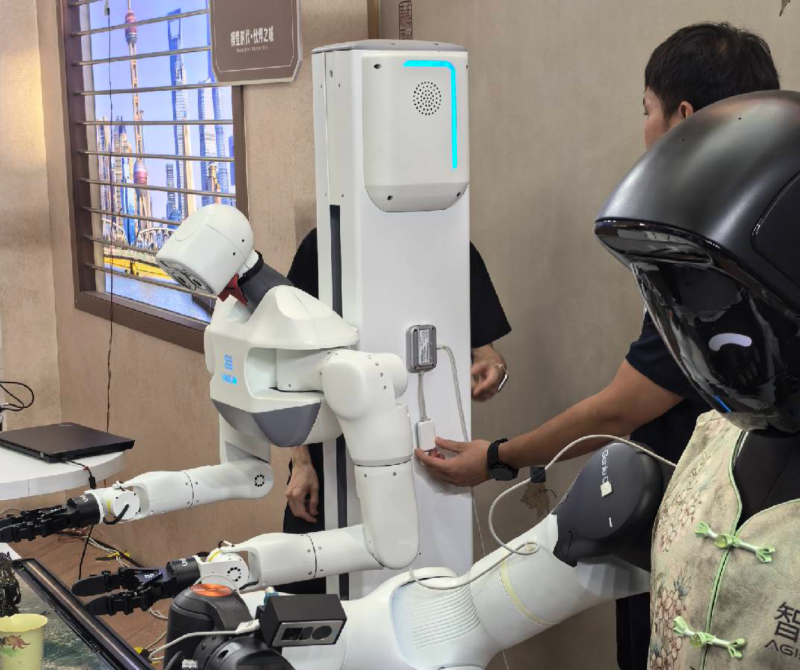
Ensuring Connectivity for Humanoid Robots with Advanced 6G Technology Solutions
At the WAIC 2026, 208 embodied intelligent terminals and over 300 real machines showcased their capabilities, raising concerns about connectivity during real-time collaborative operations. Asmote introduced a next-generation wireless base designed for humanoid robots, which integrates communication, perception, intelligent computing, and control based on 6G technology. This innovation is crucial as it addresses the need for reliable connectivity in complex industrial environments, ensuring that robots remain online with 99.99% reliability and millisecond-level latency. Asmote's AI-EDGE platform significantly reduces the power consumption, cost, and weight of robots by offloading communication and computing tasks to the 6G-native base, allowing robots to focus on performance optimization and task execution. Looking ahead, Asmote aims to provide a digital foundation for physical AI across various industries, emphasizing the importance of a robust infrastructure that goes beyond mere connectivity. No further timeline was disclosed at the time of publication.
Humanoid Robots 6G Technology Wireless Communication AI Industrial Automation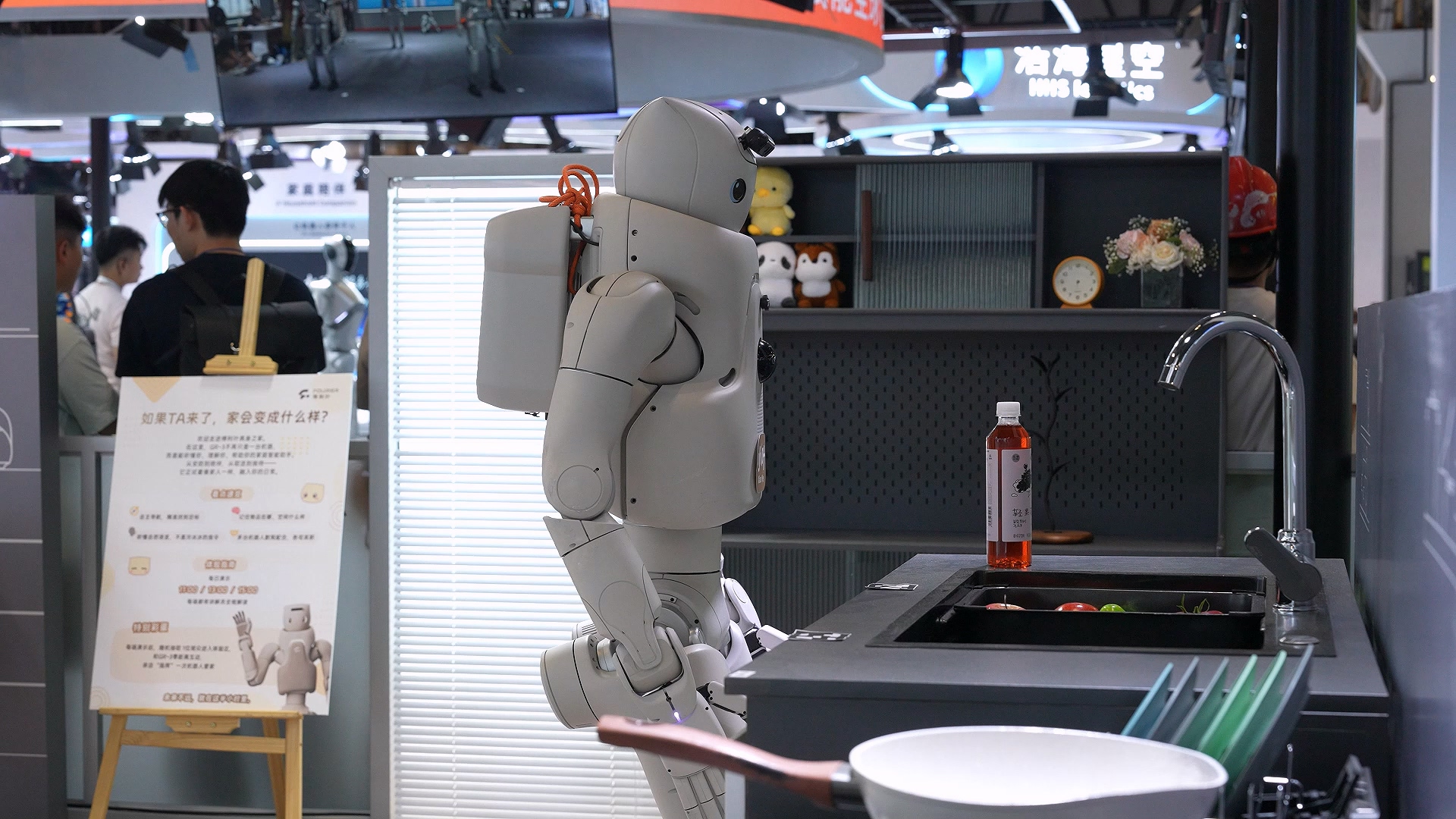
Fourier Showcases Home Robot Technology at WAIC with GR-3 and GRW Innovations
On July 17, 2026, the World Artificial Intelligence Conference (WAIC) commenced in Shanghai, where Fourier demonstrated a complete home scenario featuring the GR-3 humanoid robot. The robot performed tasks such as item retrieval, delivery, and security inspections, responding to natural language commands from the audience. This demonstration sparked discussions about the application paths for health and wellness robots, highlighting the complexity of validating technology in home environments. The significance of this demonstration lies in its challenge to traditional service robots, which typically operate on a point-to-point navigation model. By testing technology in the unstructured home environment, Fourier aims to address the limitations of existing robots that struggle with ambiguous commands and complex task sequences. The ability to understand user intent and adapt to dynamic situations is crucial for the advancement of embodied intelligence in robotics. Looking ahead, the focus will be on how Fourier's technology can transition from home applications to broader commercial scenarios, particularly in healthcare settings. The success of the GR-3 and the newly introduced GRW robot will be pivotal in determining the future of intelligent robots in everyday life. No further timeline was disclosed at the time of publication.
Health Robots Natural Language Processing Home Automation Robotic Technology
Fujitsu Leads Initiative to Integrate Nvidia Technology in Japanese Robotics and AI
Fujitsu, a prominent Japanese communications company, is spearheading an initiative to integrate Nvidia's technology into artificial intelligence applications. This collaboration aims to merge Japan's advanced manufacturing capabilities in robotics with cutting-edge AI solutions. The significance of this initiative lies in its potential to enhance the efficiency and effectiveness of robotics in various sectors. By leveraging Nvidia's technology, Fujitsu seeks to position Japan at the forefront of the global AI and robotics landscape, showcasing the country's strengths in innovation and manufacturing. Looking ahead, industry stakeholders will be keen to observe the developments stemming from this collaboration. No further timeline was disclosed at the time of publication, but the integration of Nvidia's technology could lead to significant advancements in physical AI applications within Japan's robotics sector.
Robotics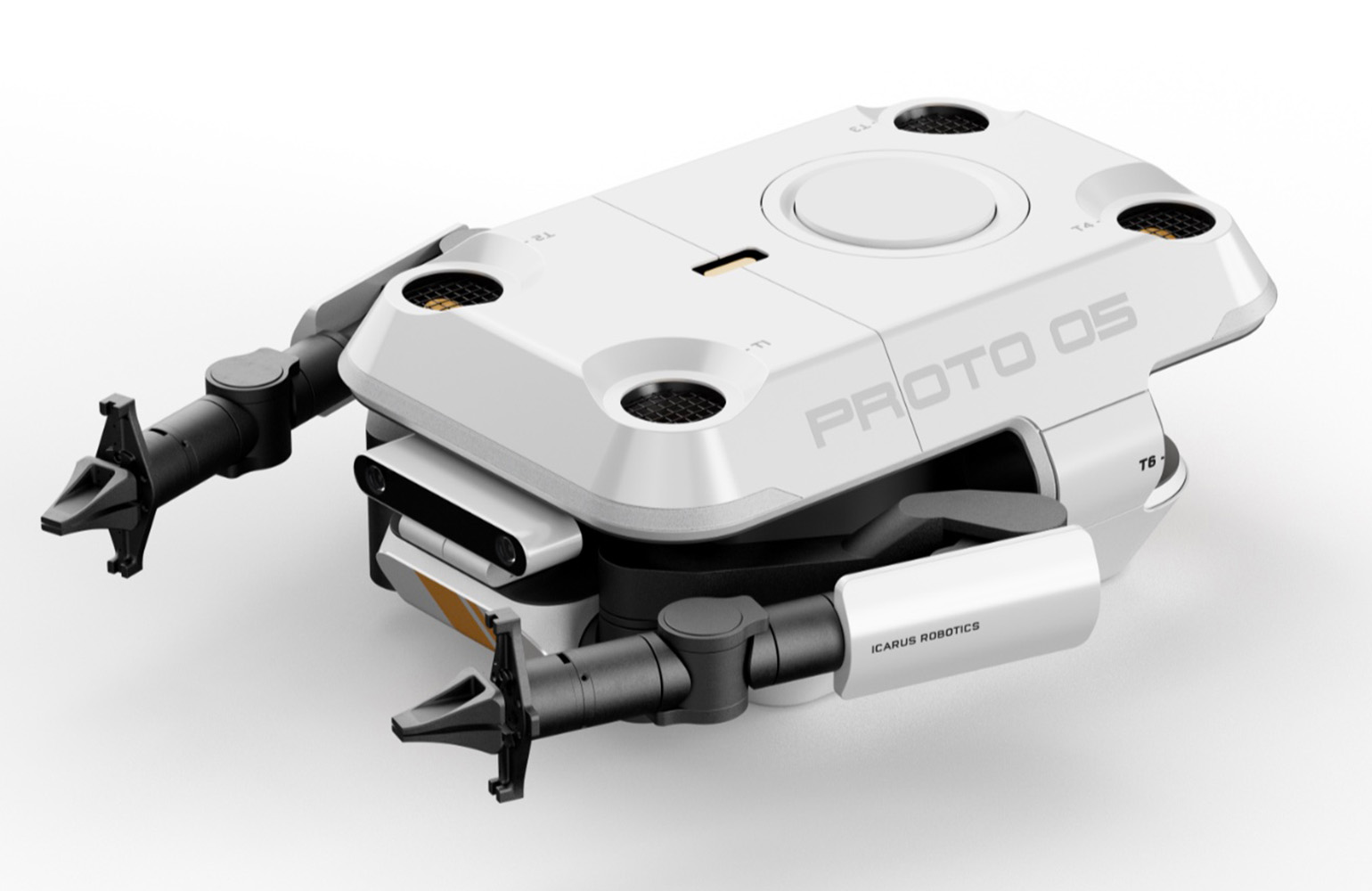
Icarus Robotics Selects KULR Technology for JOY Space Robot's Power System
Icarus Robotics has announced KULR Technology Group as the battery supplier for its autonomous free-flying robot, JOY, which is set to launch to the International Space Station (ISS) in early 2027. KULR will provide its KULR ONE Space (K1S) battery systems, engineered to NASA safety standards, ensuring reliable operation aboard the ISS. The partnership is significant as KULR’s battery technology has already been validated during the Artemis II lunar mission, which enhances the approval process with NASA. Icarus co-founder Ethan Barajas emphasized the importance of flight heritage in the space sector, stating that proven components expedite the approval process, crucial for a startup like Icarus. Looking ahead, JOY, powered by embodied AI, aims to assist astronauts with routine tasks and infrastructure maintenance, allowing them to concentrate on more critical research objectives. No further timeline was disclosed at the time of publication.
Aerospace Batteries / Power Supplies Markets / Industries News Technologies Icarus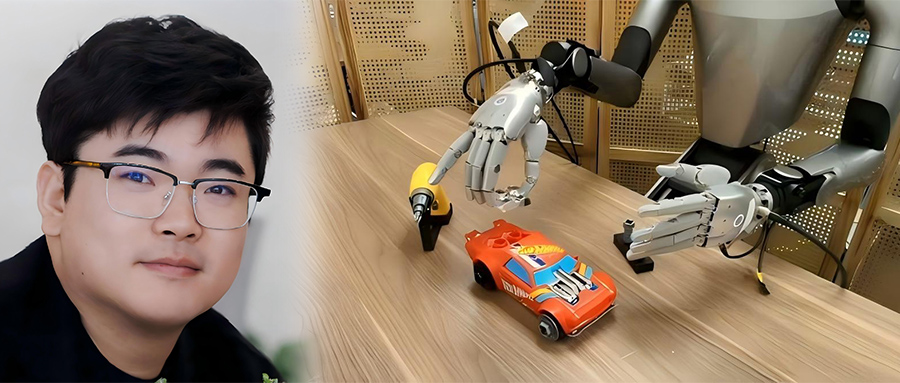
Harbin Institute of Technology Professor Establishes PHANES AI to Advance Tactile Robotics
Professor Yang Shuo from Harbin Institute of Technology (Shenzhen) has founded PHANES AI, focusing on human data, tactile perception, and world model research. The startup aims to enable humanoid robots to perform agile full-body movements. A key challenge identified is the gap in current training data, where visual cues do not capture the tactile feedback necessary for successful robotic operations. This initiative is significant as it addresses the limitations of existing robotic training methodologies, which rely heavily on visual data without incorporating tactile information. Recent studies, including NVIDIA's EgoScale, highlight the importance of first-person human operation data in training robots for complex tasks. By leveraging large amounts of human data combined with minimal real-world data, PHANES AI seeks to enhance the success rate of robots in intricate operations. Looking ahead, PHANES AI plans to develop innovative methods for collecting and scaling tactile data through its EgoTouch system, which integrates visual and tactile information. The startup's approach aims to bridge the gap between visual perception and physical interaction, ultimately improving the capabilities of humanoid robots in real-world applications. No further timeline was disclosed at the time of publication.
Humanoid Robots Tactile Perception Robotics AI Data-Centric AIRobotics needs a service framework.
RSF defines a common language for robot service capability, lifecycle operations, certification pathways, and service-provider networks.
Join the RobotToday community on LinkedIn
Daily robotics news, in-depth analysis, conference highlights, and discussions with professionals worldwide.







