

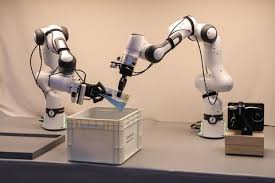
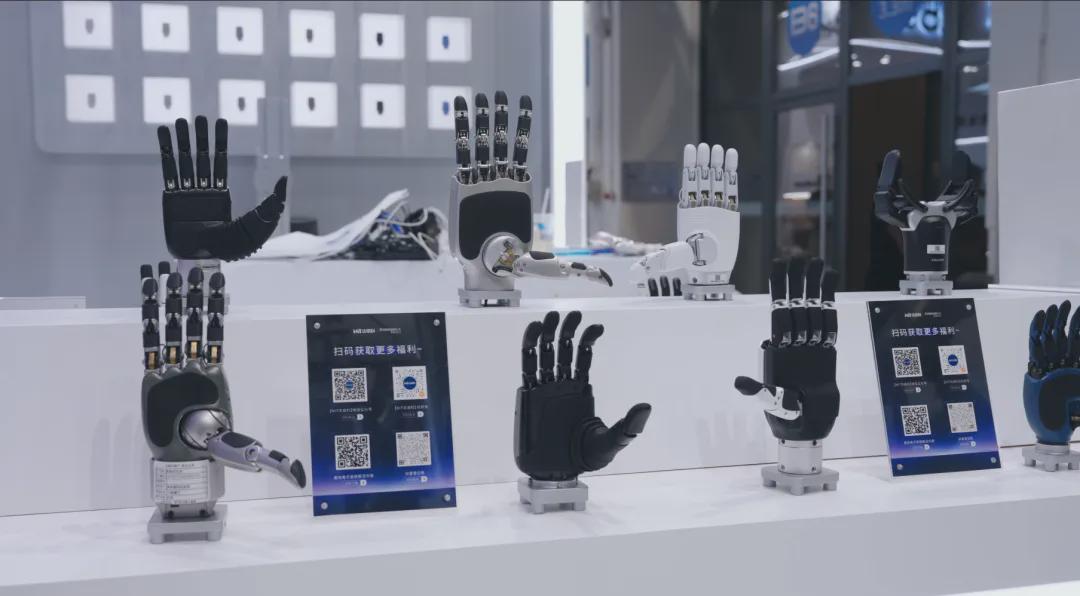
Tactile sensing technology is gaining prominence in the robotics industry as humanoid robots transition from exhibition spaces to factory floors. Since 2026, funding in the tactile sensing sector has exceeded 7 billion yuan, with the penetration rate of tactile sensors in commercial humanoid dexterous hands rising from 20% to over 60% this year.
This rapid growth is notable within the robotics components sector, highlighting a shift in robotic applications. While visual-language-action models have enhanced robots' environmental understanding and task planning, precision assembly and flexible grasping require tactile feedback for effective force control and slip detection. According to Qianjue Robotics founder Ma Daolin, tactile sensing is essential for high-precision industrial operations.
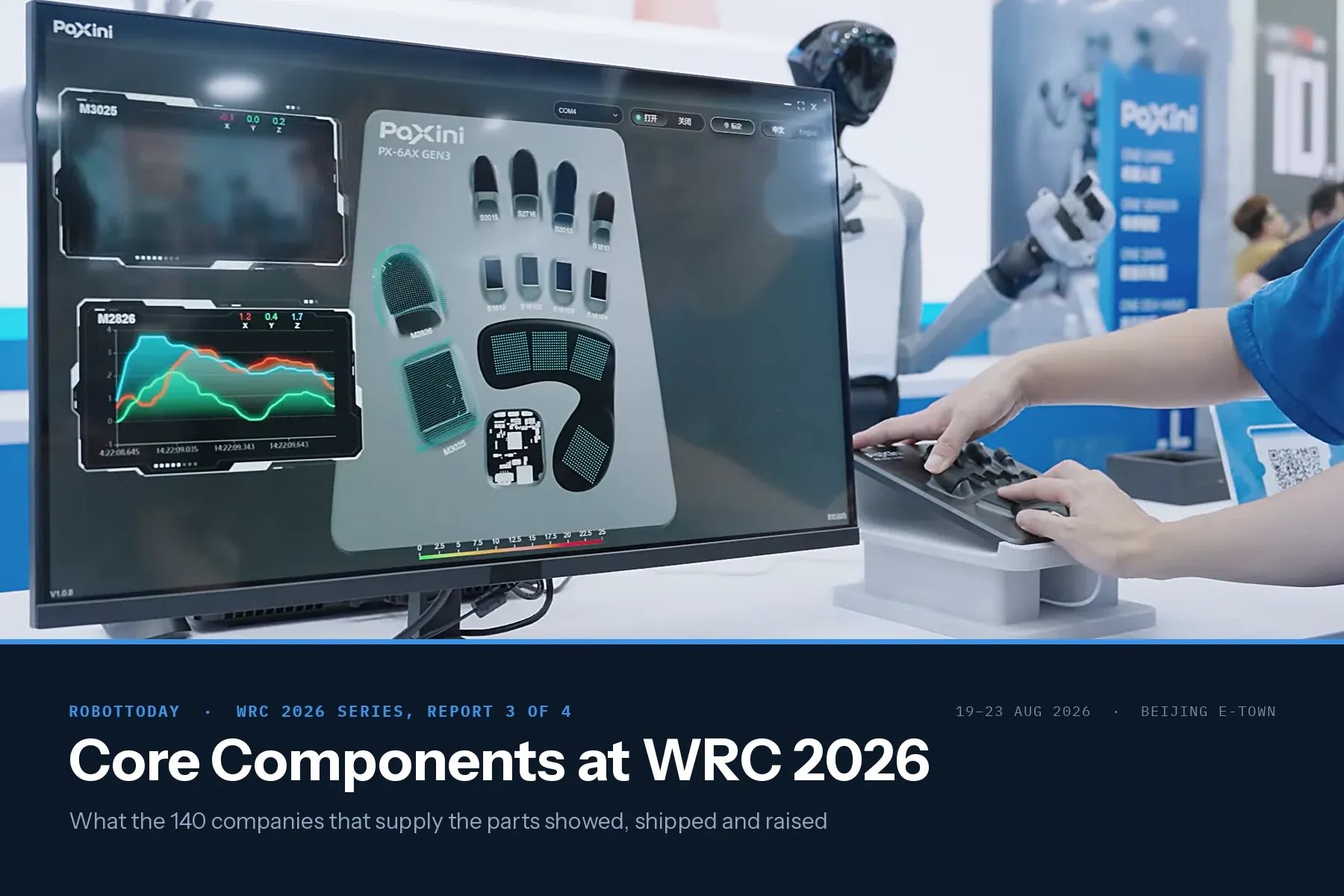
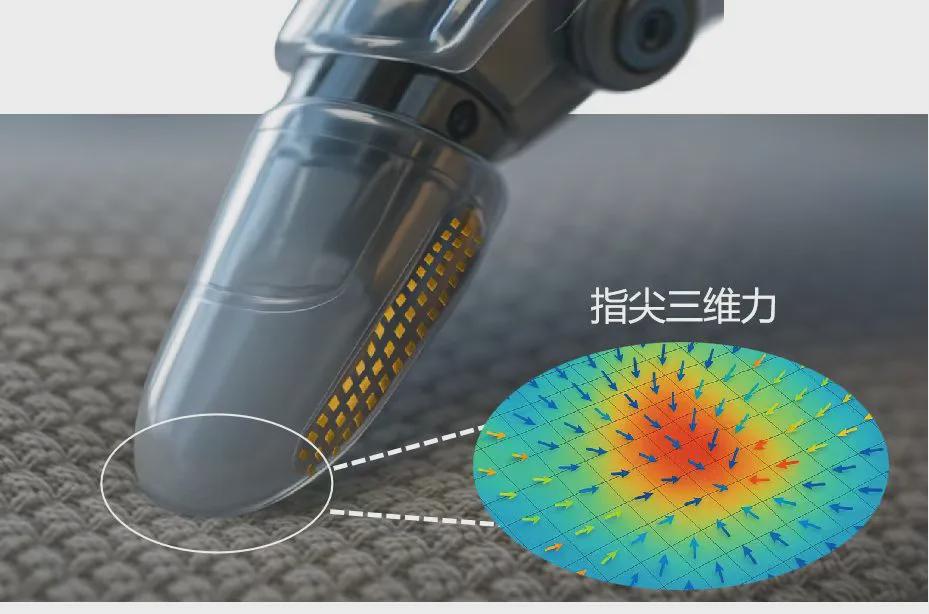
The evolution of technology supports this need, as Qianjue Robotics' VTLA model integrates tactile modalities into traditional frameworks, enabling real-time perception of deformation, texture, and force distribution during contact. Their comprehensive tactile solution expands sensing from fingertips to palms, achieving a sensor density of 125 points per square centimeter and a force accuracy of 0.03 Newtons. As hardware costs decrease and data accumulation accelerates, tactile sensing is becoming a necessary capability in real-world operational scenarios.
Editor's Note
The rise of tactile sensing technology reflects a broader trend in robotics towards enhanced interaction capabilities. As industries increasingly demand precision in tasks such as assembly and handling, the integration of tactile feedback will likely influence procurement decisions and technology investments. Companies must adapt to these advancements to remain competitive in the evolving landscape of industrial automation.





















Leave a comment