

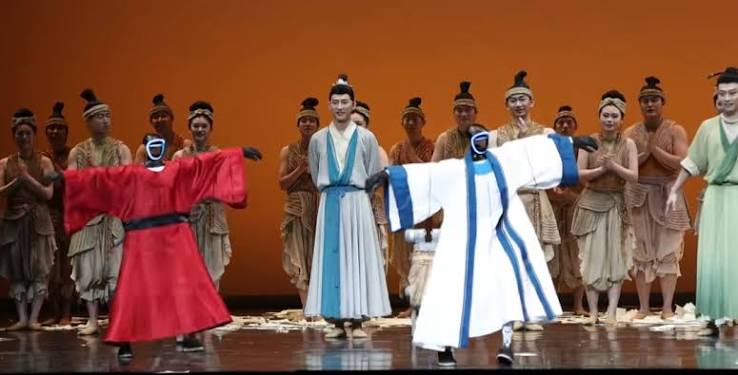
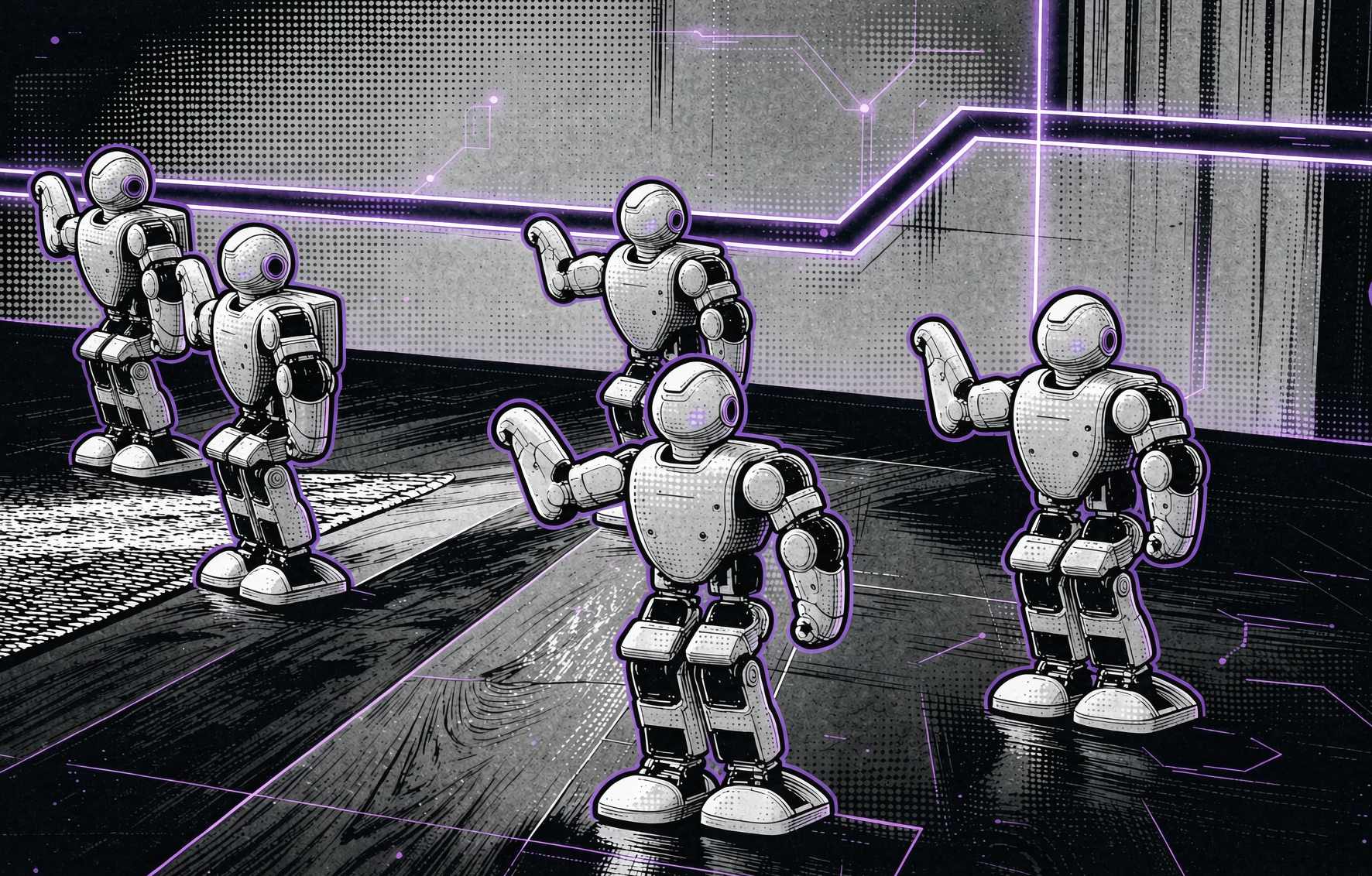
The TianGong robot showcased its dancing abilities alongside human performers during the opening of the Second Beijing Art and Technology Week. According to reports from Beijing Daily, the robot's movements were described as smooth and human-like, captivating many onlookers.
This performance highlights the robot's transition from industrial applications to cultural and artistic contexts. Unlike fixed trajectory movements in factories, dance requires continuous, varied, and rhythmic actions that must synchronize with human dancers. The process involved motion capture technology to collect data from human dancers, which was then transmitted to the TianGong robot for learning and rehearsal.
The Second Beijing Art and Technology Week aims to merge art and technology, showcasing the robot's capabilities in a public cultural space. The success of the TianGong robot in this performance indicates its advanced motion control and balance algorithms. Future developments to watch include the potential for regular dance performances and the robot's ability to consistently replicate its stage presence.
Editor's Note
The integration of robotics into cultural performances represents a significant shift in the application of robotic technology. As robots like TianGong transition from industrial settings to artistic venues, the demand for fluid and precise movements becomes critical. This evolution may influence future investments and innovations in robotics, particularly in entertainment and performance arts.

























Leave a comment