Industry Briefing
A single destination for timely, editor-curated robotics news from around the world.

ACE Robotics and NTU S-Lab Release Open-Source Puffin-World Multimodal Model
ACE Robotics and NTU S-Lab have announced the open-source release of Puffin-World, a multimodal world model that integrates physics, geometry, and appearance. This model utilizes the Puffin-16M dataset and achieves state-of-the-art camera absolute pose errors, reporting sub-degree accuracy across four public benchmarks. The significance of this release lies in its potential to enhance various applications in robotics and computer vision by providing a unified framework for understanding complex environments. By achieving such high accuracy in pose estimation, Puffin-World could facilitate advancements in autonomous navigation and scene understanding. Looking ahead, the impact of Puffin-World on the robotics community will be closely monitored, particularly in how it influences future research and development in multimodal models. No further timeline was disclosed at the time of publication.

Xiaomi Open-Sources Its Embodied-AI Foundation Model Xiaomi-Robotics-1 for Developers
Xiaomi has announced the open-source release of its embodied-AI foundation model, Xiaomi-Robotics-1, on August 5. This release encompasses the entire process from real-robot post-training to model deployment, along with code for benchmark evaluations. The model was pretrained on over 100,000 hours of UMI data and underwent post-training on more than 10,000 hours of cross-embodiment data. The significance of this release lies in its potential to enhance the development of embodied AI applications. By providing access to the full training and deployment process, Xiaomi aims to foster innovation and collaboration within the AI community. The model, first introduced in July as an “out-of-the-box” solution, is designed to streamline the integration of AI into robotic systems. Looking ahead, developers and researchers will likely explore the capabilities of Xiaomi-Robotics-1 in various applications. The open-source nature of the project, which includes links to the project website, GitHub repository, and Hugging Face page, is expected to encourage widespread adoption and experimentation. No further timeline was disclosed at the time of publication.
News Feed
Xiaomi Robotics Launches Open Source U0 Model with Significant Performance Enhancements
On July 15, Xiaomi Robotics unveiled the open-source Xiaomi-Robotics-U0, a multimodal autoregressive foundational model with 38 billion parameters. This release follows the introduction of the VLA model Xiaomi-Robotics-0 in February, marking a significant advancement in embodied intelligence. The code and model weights are now available on GitHub, HuggingFace, and the Modao community. The importance of the U0 model lies in its ability to generate vast amounts of training data in virtual environments while receiving high-density validation feedback from real-world factory lines. The model achieved a success rate of 98% in dual-side operations at a car factory, just 1% shy of human performance. U0's design allows for efficient multi-task training without compromising the general visual understanding and spatial reasoning inherited from large-scale pre-training. Looking ahead, U0's capabilities in generating training data for embodied tasks present a controlled and efficient solution for enhancing model performance. Its integration with real-world validation processes at Xiaomi's automotive factory creates a robust feedback loop, ensuring continuous improvement and practical application of the technology. No further timeline was disclosed at the time of publication.
Robotics AI Machine Learning Automation
NASA and Rice University Launch Open-Source Simulator for Space Robotics Research
Rice University and NASA have introduced the iMETRO Dynamic Simulation, the first open-source platform for developing robots for spacecraft and habitats. Unveiled at the 2026 IEEE International Conference on Robotics and Automation in Vienna, this simulator creates a digital twin of NASA's iMETRO facility, enabling global researchers to test intravehicular robotic systems in a virtual setting. This platform is significant as it broadens access to advanced space robotics research, facilitating innovation for future human space missions. It focuses on robot manipulators that assist with maintenance and logistics tasks, which are crucial for reducing astronaut workloads during extended missions. The simulator features an eight-degree-of-freedom robotic manipulator model and supports ROS 2 and MuJoCo, enhancing usability and compatibility for developers. Looking ahead, the iMETRO Dynamic Simulation aims to maximize astronaut productivity by automating routine tasks, allowing crew members to focus on scientific exploration. The research team successfully demonstrated the simulator's capabilities by transferring a robotic application from simulation to the physical facility in under a day. No further timeline was disclosed at the time of publication.
AI and Robotics
Tencent Open-Sources Three Embodied Foundation Models for Enhanced Robot Performance
Tencent has announced the open-source release of three embodied foundation models during the WAIC 2026 event. These models include a Visual Language Model (VLM) designed for scene understanding, the RxBrain cognitive model that facilitates planning with visual states, and the VLA model, which supports continuous action at frequencies between 500 to 1000Hz. This development is significant as it aims to enhance robot reaction speed and cognitive capabilities, addressing critical challenges in robotic performance. The introduction of these models is expected to advance the field of robotics by providing developers with powerful tools to improve the efficiency and effectiveness of robotic systems. Looking ahead, the industry will be keen to observe how these open-source models are adopted and integrated into various robotic applications. No further timeline was disclosed at the time of publication.
Technology
NVIDIA Launches Open Source GPU-Accelerated Medical Physics Simulation Framework for Healthcare Robotics
NVIDIA has introduced the Medical Physics Simulation framework, an open-source, GPU-accelerated tool designed to aid healthcare robotics developers. This framework allows for the modeling of anatomy-device interactions and the generation of complex scenarios that are difficult to capture in real-world settings. By facilitating in silico testing and training, it aims to streamline the development process and enhance robot behavior. The significance of this framework lies in its ability to provide healthcare robotics developers with a reusable simulation environment, reducing the time needed for custom scene creation. With the integration of anatomy and medical device behavior, along with sensor simulation, developers can more efficiently train and evaluate robot policies. The open-source nature of the framework ensures transparency, enabling teams to adapt it to their specific needs and contribute to its evolution. Looking ahead, the Medical Physics Simulation framework is expected to extend its capabilities to various devices and healthcare robotics domains. The framework's ability to run hundreds of parallel simulations significantly accelerates training times, allowing developers to explore a wider range of scenarios and identify potential failure modes earlier in the development cycle. No further timeline was disclosed at the time of publication.
Launch of Robo-ValueRL: The First Open-Source VLA Reinforcement Learning Framework for Robotics
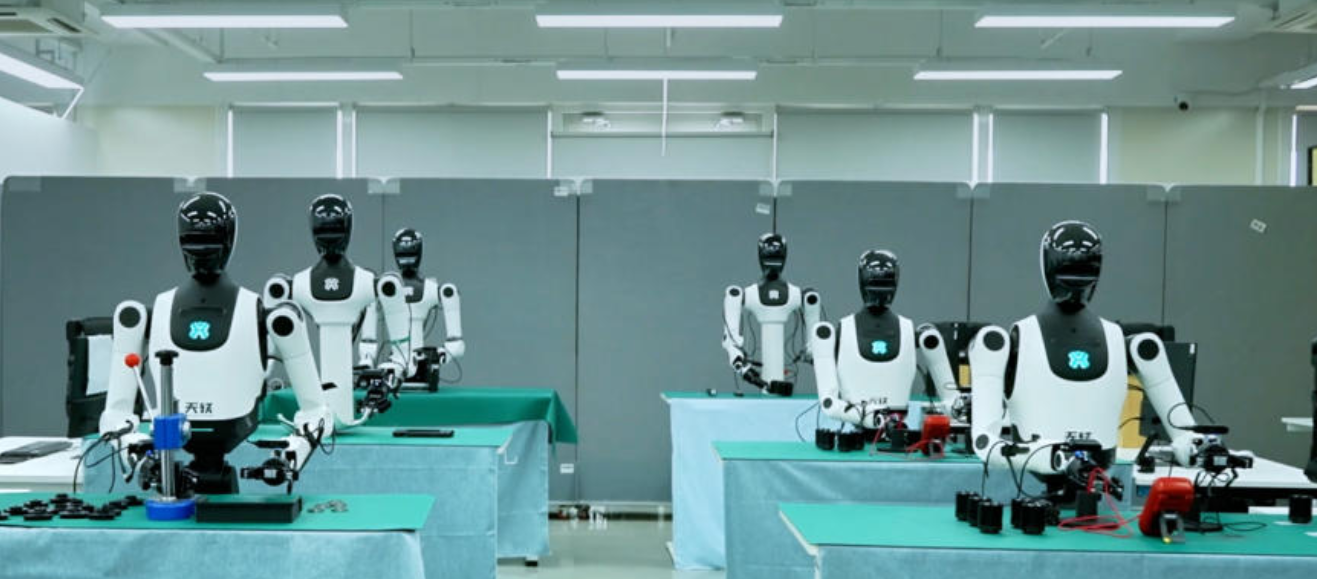
The Beijing Humanoid Robot Innovation Center and Renmin University of China's Gaoling Artificial Intelligence Institute have launched the Robo-ValueRL open-source framework. This initiative aims to enhance humanoid robots' decision-making capabilities in precision tasks, such as semiconductor assembly, by addressing challenges in data quality, control precision, and adaptability in dynamic environments. Robo-ValueRL introduces a value estimation mechanism based on historical observations, enabling robots to autonomously assess their actions. This closed-loop learning process—observation, value estimation, correction, and iteration—allows for improved accuracy and reduced instability in operations. The framework is fully open-source, providing access to core algorithms, evaluation tools, and standardized protocols for universities, research institutions, and manufacturers. The open-source nature of Robo-ValueRL significantly lowers the barriers for small and medium-sized manufacturers to implement reinforcement learning in specialized fields like semiconductor production and medical device manufacturing. This development marks a shift in humanoid robotics from laboratory experiments to practical industrial applications, paving the way for robots to evolve their decision-making capabilities independently.
Humanoid Robots Reinforcement Learning Precision Manufacturing Open Source Technology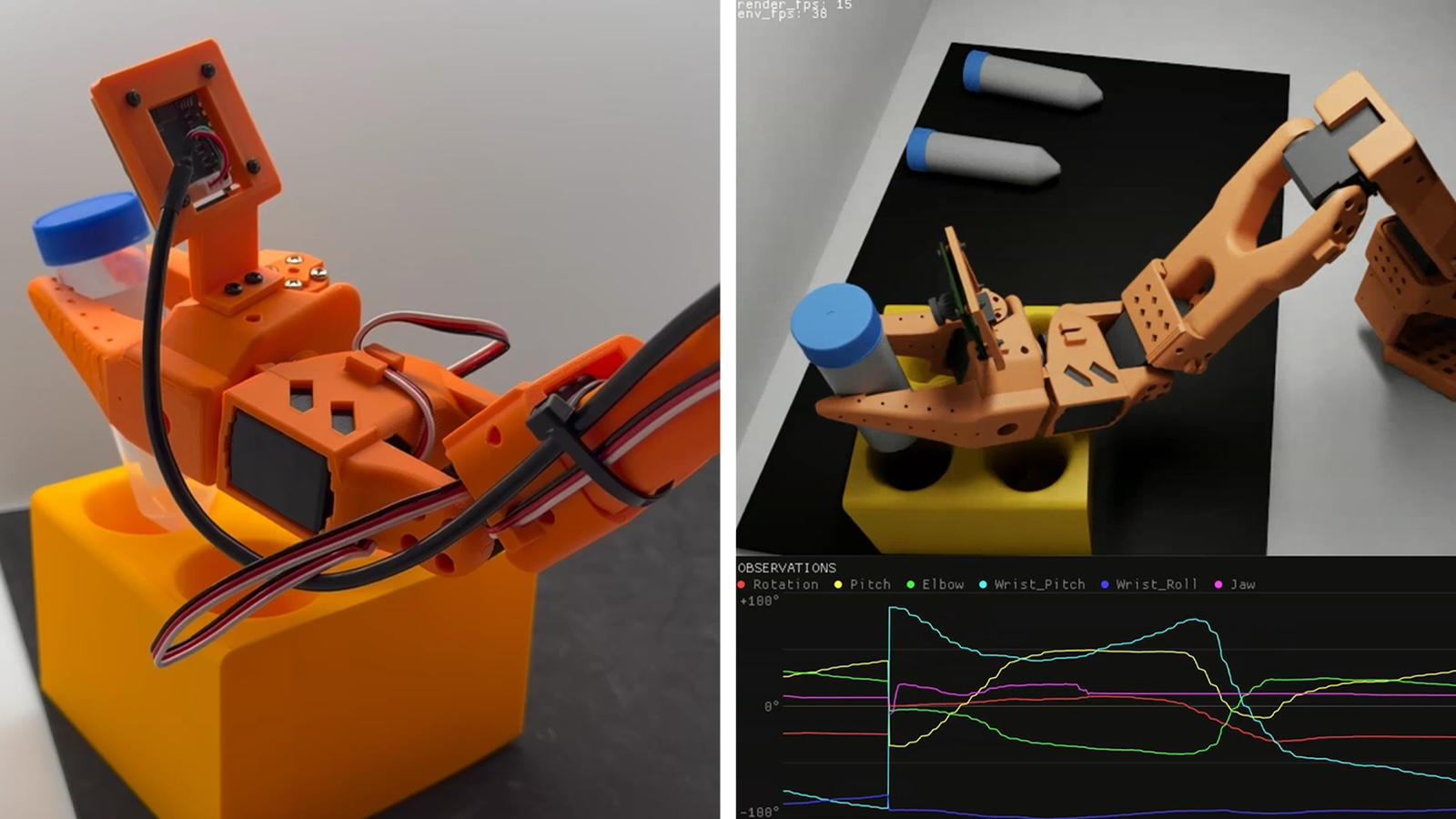
NVIDIA Open Sources Embodied Intelligence Toolchain to Enhance Robotics Development
On July 6, NVIDIA integrated three key components into Hugging Face's open-source robotics library, LeRobot: the GR00T N1.7 model, Isaac Teleop framework, and the upcoming Cosmos 3. This collaboration connects NVIDIA's 3 million robot developers with Hugging Face's 16 million AI builders, facilitating access to pre-trained models and data. This initiative is significant as it shifts NVIDIA's focus from merely creating models to building an ecosystem that addresses data bottlenecks in embodied intelligence development. The Isaac Teleop framework standardizes data collection, allowing for easier sharing and reuse within the community, which is crucial for advancing robotics. Looking ahead, the integration of GR00T N1.7 and Isaac Teleop into the LeRobot workflow marks a pivotal moment for robotics developers. No further timeline was disclosed at the time of publication.
Robotics Open Source AI Development Data Collection Machine Learning
InOrbit.AI Launches OpenRobOps, First ISO 21423 Reference Implementation for Robotics
InOrbit.AI has announced the launch of OpenRobOps (ORO), an open-source robot operations software aimed at providing a production-grade foundation for robotics developers. This software facilitates the creation of a complete fleet manager and supports the forthcoming ISO interoperability standard for mobile robots. The introduction of OpenRobOps is significant as it addresses the robotics build trap, enabling developers to deploy robust fleet management solutions more efficiently. This release includes the first reference implementation of the ISO 21423 standard, marking a milestone in the standardization of mobile robot operations. Looking ahead, the industry will be watching how OpenRobOps influences the adoption of standardized practices in robotics and impacts the scalability of robotic deployments. No further timeline was disclosed at the time of publication.
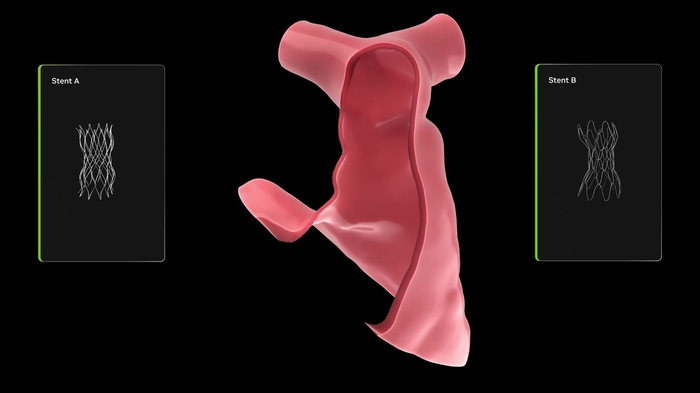
Major Children's Hospital Implements Open Source NVIDIA AI for Enhanced Cardiac Care
A prominent children's hospital has adopted open source NVIDIA AI technology to improve its cardiac care services. This integration allows for advanced data processing and analysis, enhancing the hospital's ability to provide accurate diagnoses and treatment plans for pediatric patients. The use of NVIDIA AI is significant as it enables healthcare professionals to leverage powerful computational resources while ensuring patient data remains secure on local devices. This approach not only streamlines workflows but also enhances the overall quality of care provided to young patients with cardiac conditions. Looking ahead, the hospital plans to further expand its use of AI technologies in various departments, aiming to improve patient outcomes across the board. No further timeline was disclosed at the time of publication.

Household Robots Face Challenges: Market Growth and Open Source Solutions Ahead
The shipment of humanoid robots is surging, with IDC projecting around 18,000 units globally by 2025, a 508% increase. However, the penetration of these robots into households remains minimal, as most are still used in entertainment, education, and data collection. Ecovacs Group Chairman Qian Dongqi noted that it may take three to five years for humanoid robots to enter homes, citing a decade-long journey for their vacuum robots to achieve household integration. Despite technological advancements, the industry faces significant challenges, particularly high component costs and the lack of a robust supply chain. The performance of humanoid robots drops dramatically in real home environments, with a success rate of only 12% compared to 89.4% in simulated settings. This disparity highlights the complexities of domestic environments, which present unpredictable variables that robots struggle to navigate. To address these issues, leading companies are shifting towards open-source ecosystems. Ecovacs launched the “Eight Realms” open-source robot platform, allowing community contributions to improve functionality. Similarly, Lexiang Technology is focusing on community-driven product development. While the widespread adoption of household robots may take longer than anticipated, the path forward is becoming clearer as companies seek to engage users in defining practical applications.
Humanoid Robots Open Source Robotics Household Automation AI Robotics Development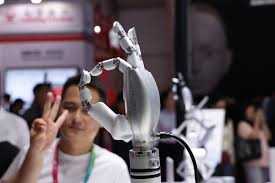
OpenAI's Robotics Evolution: From Early Innovations to Future Humanoid Developments
In 2019, OpenAI released a video showcasing a robotic hand solving a Rubik's Cube. On September 2, 2026, CEO Sam Altman confirmed in a podcast that the company will develop humanoid robots, alongside other forms. Over nine years, OpenAI has revisited robotics three times: initially building robots, then investing in them, and now returning to hands-on development. The significance of humanoid robots lies in their ability to adapt to a world designed for humans, as Altman noted. While OpenAI is optimistic about the home market, it is not an immediate priority. The company has recently made headlines with a $122 billion funding round and plans for an IPO, alongside the establishment of the OpenAI Robotics team, which aims to build a complete hardware team from scratch. Looking ahead, OpenAI's recent hiring efforts indicate a commitment to developing robotics capabilities, with positions covering various technical areas. The company’s advancements in AI, particularly with the release of GPT-6 Astra, are seen as crucial for the future of robotics. No further timeline was disclosed at the time of publication.
Humanoid Robots Robotics Development AI Technology Reinforcement Learning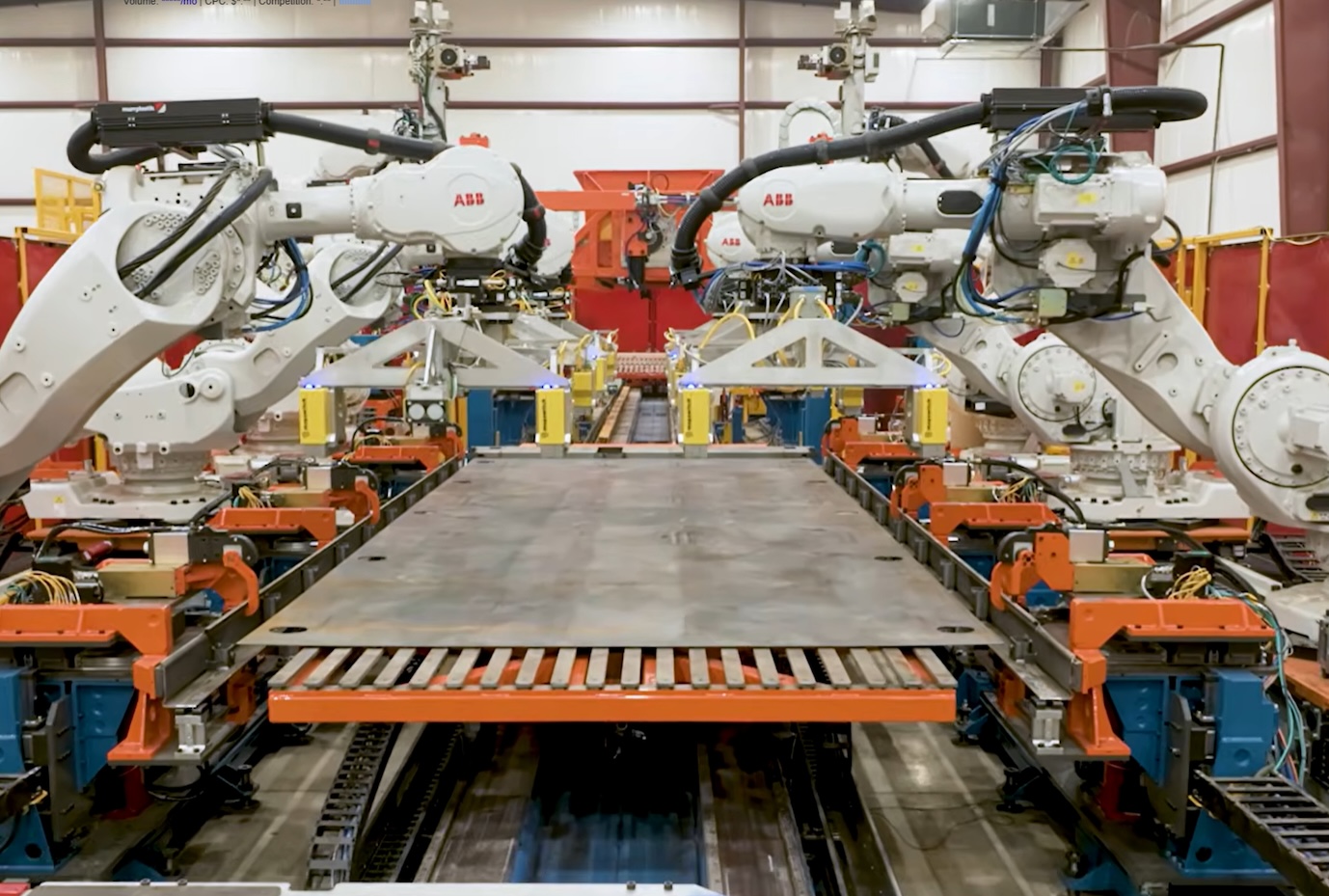
Hugging Face Launches MicroDuck, an Open-Source Robot Amid Nvidia Acquisition Rumors
Hugging Face has introduced MicroDuck, an innovative open-source robot capable of walking, talking, and roller-skating. Co-founder Thomas Wolf highlighted the increasing demand for robotics and open-source AI, noting that the company is selling approximately one MicroDuck every four seconds. The launch of MicroDuck is significant as it reflects the growing interest in robotics and AI technologies. Hugging Face's focus on open-source solutions positions it well in a competitive landscape, attracting attention from various investors and companies looking to expand their portfolios in AI and robotics. Looking ahead, the market will be keen to observe any developments regarding Hugging Face's potential acquisition by Nvidia, which has been reported to be nearing a $13 billion deal. No further timeline was disclosed at the time of publication.

Hugging Face Launches $399 Open-Source Microduck Robot Ahead of Christmas
Hugging Face introduced the Microduck, a $399 open-source duck robot, on Thursday, with shipping expected before Christmas. CEO Clem Delangue described the Microduck as a robot that can be taught new tricks through reinforcement learning, featuring capabilities such as waddling, picking up objects, and roller skating. The Microduck, measuring 25 centimeters tall, is designed to democratize physical AI and world models. It is equipped with a camera, lidar sensors, and inertial measurement units (IMUs) for perception. Developers can train the robot's behaviors in simulation and deploy them directly, with an SDK and full reinforcement learning training stack available on GitHub. As Hugging Face prepares for a potential acquisition by Nvidia at a $13 billion valuation, the launch of the Microduck highlights the company's commitment to open-source AI. The partnership with Nvidia has been ongoing since at least 2023, emphasizing the importance of open-source models in ensuring privacy and control for developers and users alike. No further timeline was disclosed at the time of publication.
AI Robotics Hugging Face open source pollen robotics robots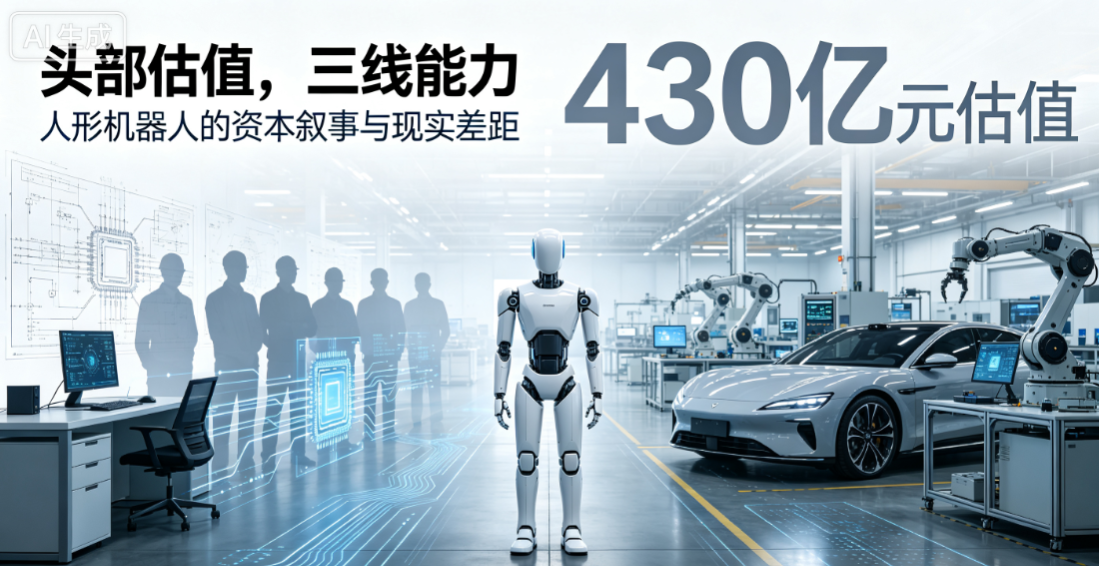
Analyzing Xiaopeng Robotics' $43 Billion Valuation Amidst Challenges
Xiaopeng Robotics has recently been valued at $43 billion, a figure that raises questions about its underlying business fundamentals. The valuation reflects a significant investment round led by IDG Capital, with participation from high-profile investors like Tencent and Alibaba, marking a record in the domestic embodied intelligence sector. However, the company faces challenges, including a net loss of 1.24 billion yuan in Q2 and a low automotive gross margin of 12.1%. The valuation appears to be driven by the need for a new narrative as the core business struggles. Key team members have departed, including founder Zhao Tongyang, who left due to strategic differences, leading to concerns about leadership stability. Additionally, the technology underpinning Xiaopeng's vision-language-action (VLA) model is still being validated, with its performance in complex scenarios yet to be proven at scale. Looking ahead, Xiaopeng Robotics' $43 billion valuation represents a gamble on the potential of its autonomous driving technology and its transition from a car manufacturer to a physical AI company. However, the uncertainties surrounding team stability and technological advancement pose significant risks that could impact the company's future trajectory. No further timeline was disclosed at the time of publication.
Robotics AI Investment Technology Validation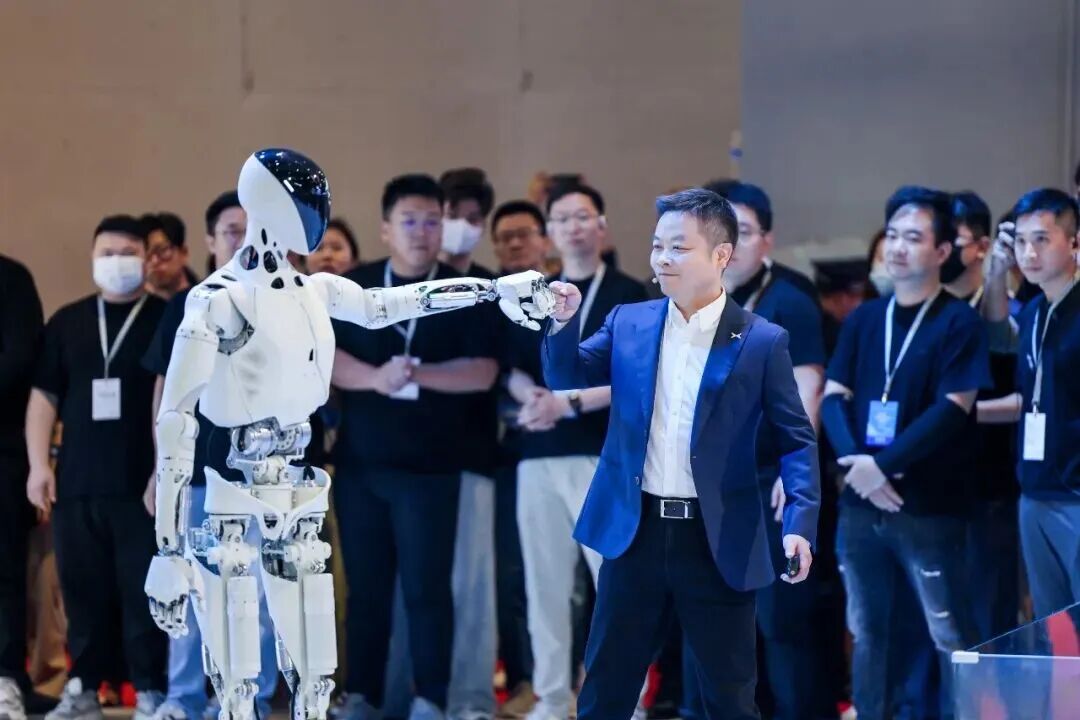
Xiaopeng Robotics Secures $900 Million Funding, Achieving $6.3 Billion Valuation
On August 24, Xiaopeng Motors announced that its humanoid robotics division, Pengxing, has completed its first equity financing round, raising over $900 million and achieving a post-money valuation exceeding $6.3 billion. This funding round sets a new record for single-round private equity financing in China's embodied intelligence sector. The significance of this funding lies in its potential to enhance Xiaopeng's robotics capabilities, with the raised capital earmarked for software and hardware development, AI model training, data collection, and production facility construction. Following the financing, Xiaopeng will maintain a controlling stake of approximately 81.97% in Pengxing, ensuring that the robotics business remains consolidated within the group’s financial statements. Looking ahead, Xiaopeng's humanoid robot, IRON, is slated to enter mass production by the end of 2026, with initial applications in Xiaopeng stores and parks. The company aims for a formal market launch in 2027, targeting both domestic and international markets. No further timeline was disclosed at the time of publication.
Humanoid Robots AI Robotics Funding Embodied Intelligence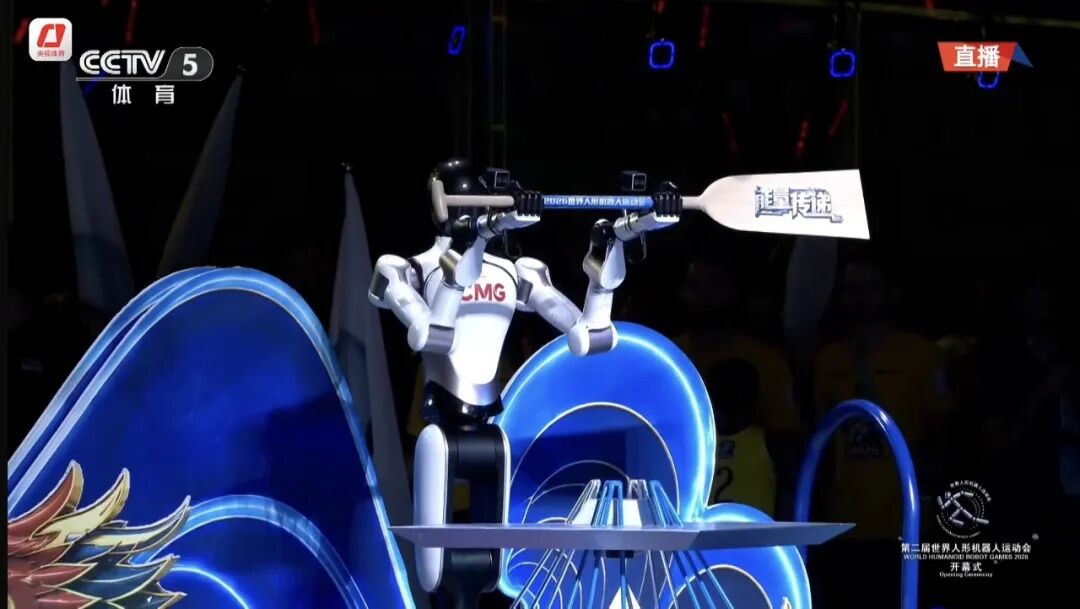
RealBOT Demonstrates Functional Robotics at the 2nd World Humanoid Robot Games Opening Ceremony
On August 22, the 2nd World Humanoid Robot Games opened at the National Speed Skating Oval, featuring 51 events and 1,301 matches with 666 teams from 16 countries and 2,056 robots. This year's competition has doubled in scale compared to the inaugural event. RealBOT, a company focused on practical robotics, showcased its capabilities during the opening ceremony, participating in the 'Smart Chip Lighting' ceremony and performing a flower arrangement act. The RealBOT S2 wheeled humanoid robot represented the Bazhong station in Sichuan, lifting the energy token 'paddle' during the lighting ceremony. RealBOT's founder and CEO, Zheng Suibing, attended the event, highlighting the company's commitment to demonstrating the practical abilities of robots. Earlier this year, the RealBOT robot acted as a 'robot chef' in Xinjiang, completing various challenging tasks in a real kitchen environment. RealBOT's robots are designed for long-term, high-intensity operations, certified for reliability with a 50,000-hour mean time between failures. The robots' precision and adaptability were showcased in the flower arrangement performance, achieving ±0.05mm positioning accuracy. RealBOT also participated in six scenario competitions, validating the robots' capabilities in emergency response, public service, retail, and industrial applications. No further timeline was disclosed at the time of publication.
Humanoid Robots Robotics Technology AI Automation
NVIDIA Celebrates Local AI Advancements with Open Source Models and Intelligent Agents
NVIDIA is highlighting the contributions of partners and open source communities to local AI development throughout August. The company is showcasing its latest open models, software, and developer tools that facilitate the creation and customization of intelligent agents. New models like GLM 5.2 and DeepSeek V4 Flash are enabling advanced workloads, although they may require multiple GPUs or DGX Spark systems for optimal performance. The significance of these developments lies in the enhanced capabilities they provide to developers and AI enthusiasts. NVIDIA Sync app updates simplify the clustering of multiple DGX Spark systems, allowing for improved memory capacity and training throughput. This is crucial for running larger models efficiently, thereby advancing the local AI ecosystem and making sophisticated AI applications more accessible. Looking ahead, NVIDIA plans to introduce new features for developers later in August, including a native ARM64 Linux build of Google Chrome for DGX Spark. This will enhance user experience by enabling seamless access to the full extension ecosystem and cross-device continuity. No further timeline was disclosed at the time of publication.

Mila Team Develops $2,000 Open-Source Robot Dog as Alternative to $50,000 Guide Dogs
A team from Mila and École Polytechnique de Montréal has developed an open-source robot dog named Milo, which costs approximately $2,000. This innovative solution addresses the high costs and long wait times associated with traditional guide dogs, which can exceed $50,000 and require 2-4 years for matching. Milo is designed to operate both indoors and outdoors without needing prior environmental scans or external computing power. It can navigate obstacles and recognize nearby individuals, making it a collaborative tool for visually impaired users. This robot dog integrates advanced technologies, including an NVIDIA Jetson Orin Nano for processing, and features a flexible handle that allows users to adjust their relative position to the robot. The development of Milo represents a significant advancement in assistive technology, providing a more affordable and accessible option for those in need of guide dogs. As the technology evolves, it will be important to monitor its adoption and effectiveness in real-world scenarios. No further timeline was disclosed at the time of publication.
Robot Guide Dogs Assistive Technology AI Navigation Open-Source Robotics
CATL Backs RoboParty in 500 Million Yuan Funding for Open-Source Bipedal Humanoid Development
RoboParty has successfully raised nearly 500 million yuan through angel and Pre-A funding rounds, with CATL exclusively participating in the Pre-A round. The startup, founded by 22-year-old Huang Yi from Harbin Institute of Technology, focuses on developing an open-source embodied platform featuring the RPO robot. This investment is significant as it highlights the growing interest in robotics and humanoid technology, particularly in the context of open-source development. CATL's involvement underscores the potential for collaboration between battery technology and robotics, which could lead to innovative solutions in the field. Looking ahead, the emphasis will be on how RoboParty leverages this funding to advance its RPO robot and expand its open-source platform. No further timeline was disclosed at the time of publication.
Industry
Lu Siyuan Leaves Xiaopeng Motors to Join OpenAI Robotics as AI Infrastructure Head
Lu Siyuan, head of AI Infrastructure at Xiaopeng Motors, is transitioning to OpenAI Robotics, as confirmed by sources close to the matter. His departure is significant, given Xiaopeng's focus on self-developed chips and AI technology, which are crucial for the company's transformation into 'physical AI'. Lu's expertise in high-performance computing and large-scale data processing has been pivotal in Xiaopeng's AI initiatives. This move highlights the competitive landscape in the AI and robotics sectors, where top talent is increasingly sought after by leading companies. Lu's role involved overseeing a team of around 200, responsible for critical components such as model training frameworks and GPU cluster scheduling. His departure raises concerns about Xiaopeng's ability to maintain its technological edge, especially in the development of its proprietary Turing chips. Looking ahead, the implications of Lu's transition to OpenAI Robotics could reshape both companies' trajectories. OpenAI is building a comprehensive framework for robotics that emphasizes distributed training and real-world data integration. As Xiaopeng restructures its team to mitigate the impact of Lu's exit, the industry will be watching closely to see how both organizations adapt to these changes.
AI Infrastructure Robotics Smart Vehicles Chip Development
Digua Robot Unveils Open Source X-Lens for Real-Time Depth Estimation with 40 Million Parameters
Digua Robot has introduced the X-Lens depth estimation model, which features 40 million parameters, significantly fewer than traditional models. This innovative solution can process mixed inputs from both fisheye and pinhole cameras, producing dense depth maps with real-world scale. On the Digua Xuri S600 chip, it achieves over 20 FPS with six-camera input and 41 FPS with a single fisheye camera. The importance of X-Lens lies in its ability to provide absolute depth measurements, unlike many existing models that only offer relative depth. This capability is crucial for robotic applications, enabling precise interactions with objects in the environment. By translating each pixel into a light ray direction, X-Lens overcomes the challenges posed by camera distortion, allowing for accurate depth estimation across different camera types. Looking ahead, the adaptability of X-Lens to various camera inputs without requiring extensive model adjustments is noteworthy. This flexibility could lead to broader applications in robotics and automation. No further timeline was disclosed at the time of publication.
Depth Estimation Computer Vision Robotics AI Camera Technology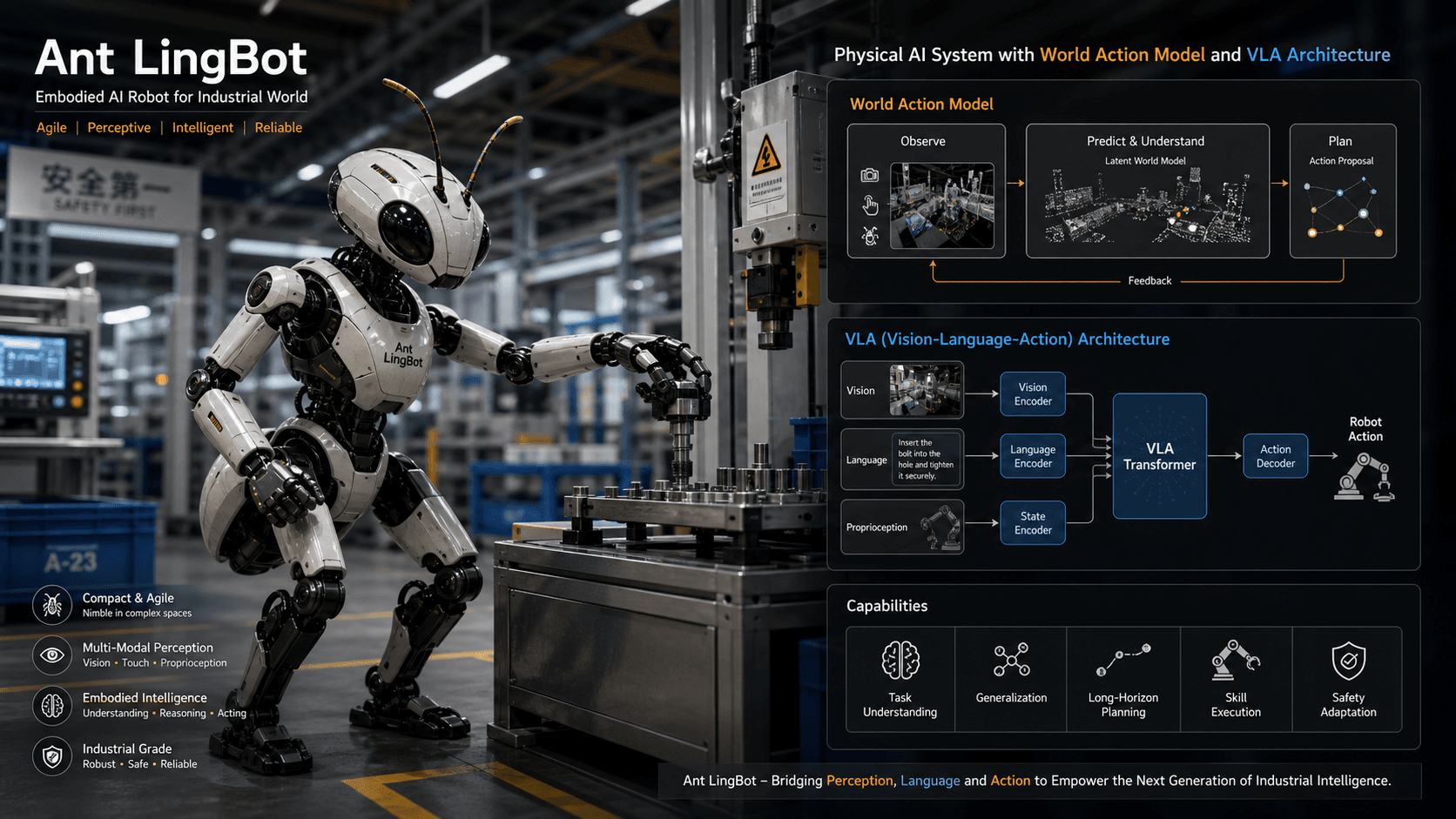
Ant LingBot Unveils Six Open-Source AI Models Amid Data Challenges
Ant LingBot, a subsidiary of Ant Group, has launched six open-source embodied AI models as part of its dual-track strategy focusing on Visual Language Agents (VLA) and world models. This initiative aims to enhance AI capabilities while addressing the growing demand for advanced AI solutions. The significance of this release lies in Ant LingBot's commitment to fostering an open-source ecosystem, which is crucial for collaboration and innovation in the AI field. However, the company is contending with challenges related to data scarcity and competition within the ecosystem, which could impact its development and deployment efforts. Looking ahead, it will be important to monitor how Ant LingBot navigates these challenges and whether it can successfully leverage its dual-track strategy to establish a strong presence in the AI landscape. No further timeline was disclosed at the time of publication.
Technology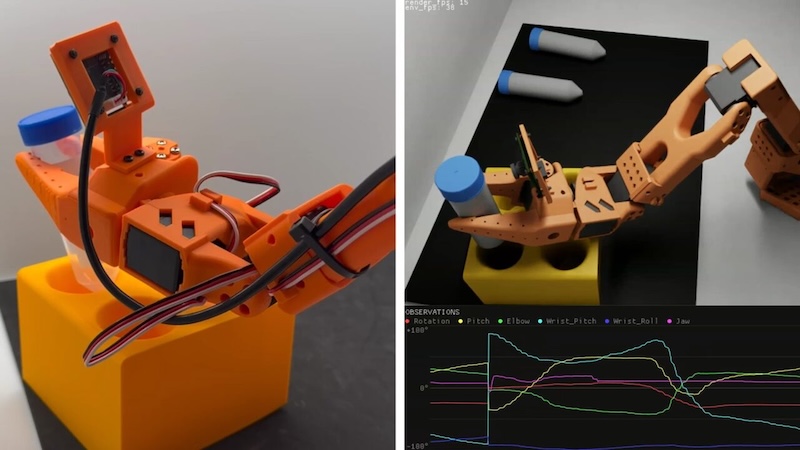
Nvidia and Hugging Face Enhance LeRobot with Advanced Open Robotics AI Tools
Nvidia and Hugging Face have expanded their partnership to introduce new AI models and robotics frameworks to the LeRobot platform, enhancing accessibility for developers. The integration of Nvidia Isaac GR00T 1.7, a vision-language-action foundation model, and the Isaac Teleop framework aims to streamline the development process for AI-powered robots. This collaboration is significant as it combines Nvidia's community of over three million robotics developers with Hugging Face's 16 million AI developers, fostering a broader access to physical AI technologies. The new tools will enable standardized workflows for data collection, model training, and performance evaluation, making it easier for developers to create and deploy robotic solutions. Looking ahead, the planned support for Nvidia Cosmos 3 will further empower developers by allowing the generation of synthetic data and simulation of environments. No further timeline was disclosed at the time of publication.
Artificial Intelligence Computing ai Hugging Face humanoid robots Isaac GR00T 1.7
Robotics Sector Shines as A-Shares Open Lower with Over 3100 Stocks Declining
On July 17, A-shares opened lower with the Shanghai Composite Index down by 0.44% and over 3100 stocks declining. Despite the market drop, the robotics sector emerged as a bright spot, particularly during the ongoing 2026 World Artificial Intelligence Conference (WAIC) in Shanghai, where 60 full-sized humanoid robots are performing public service tasks. This development is significant as it highlights the growing commercialization of humanoid robots, which are transitioning from mere exhibits to active participants in public service roles. According to Guolian Minsheng Securities, the humanoid robot industry is entering a phase characterized by accelerated large-scale manufacturing, continuous expansion of application scenarios, and upgrades in embodied intelligence. Looking ahead, the focus will be on whether the robotics sector can maintain its momentum amidst a generally declining market. The WAIC is expected to further stimulate interest in robotics, while NVIDIA's collaboration with major Japanese industrial automation firms to advance physical AI could also influence market dynamics. No further timeline was disclosed at the time of publication.
Robotics AI Industrial Automation Humanoid Robots
Xiaomi Launches Robotics-U0: A Unified 38B-Parameter Generative Model for Robotics
Xiaomi has unveiled Robotics-U0, an advanced embodied generative model featuring 38 billion parameters. This innovative model is designed to perform multiple tasks, including scene generation, embodied transfer, video generation, and text-to-image capabilities, all within a single unified architecture. The introduction of Robotics-U0 is significant as it represents a leap forward in the integration of various robotic functions into one cohesive system. By unifying these four tasks, Xiaomi aims to enhance the efficiency and versatility of robotic applications, potentially transforming how robots interact with their environments and process information. Looking ahead, industry observers will be keen to see how Robotics-U0 is adopted across different sectors and its impact on the development of future robotic technologies. No further timeline was disclosed at the time of publication.
Technology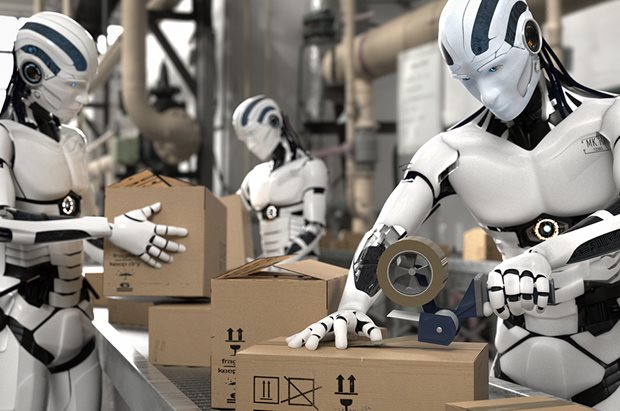
Renesas Electronics Opens Physical AI and Robotics Lab in Beijing, China
Renesas Electronics has officially launched its Physical AI & Robotics Lab in Beijing, China. This new facility is designed to allow customers to demonstrate, validate, and collaboratively develop next-generation robotic systems. The establishment of this lab is significant as it serves as a central hub for executing Renesas' physical AI strategy, facilitating the transition from proof-of-concept to deployment of advanced robotic solutions. This initiative underscores Renesas' commitment to innovation in the semiconductor industry. Looking ahead, the lab is expected to play a crucial role in advancing the development of robotics and AI technologies. No further timeline was disclosed at the time of publication.
Electronics News Research Robotics artificial intelligence beijing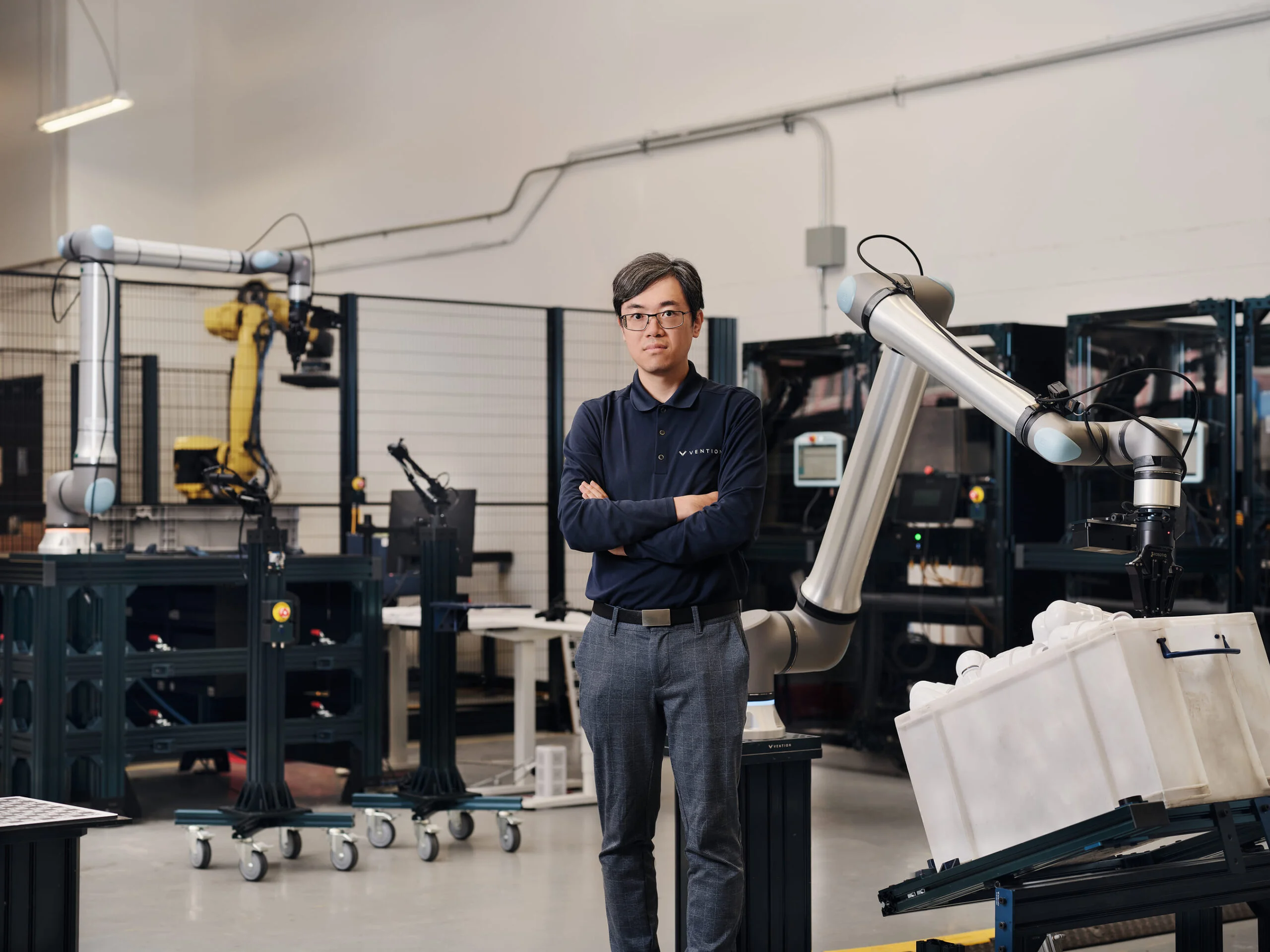
Vention Launches Montreal AI Lab to Enhance Industrial Robotics Capabilities
Vention has inaugurated a physical AI research lab in Montreal aimed at advancing robotic manipulation for manufacturing applications. The lab, directed by Jimmy Li and advised by Joelle Pineau, will leverage industrial data and customer insights to develop scalable robotic systems. With a focus on real-world production challenges, the lab aims to create technologies that enhance reliability and reduce costs in automation. This initiative is significant as Vention's physical AI segment has seen a remarkable 400% revenue increase over the past year, indicating a growing demand for advanced automation solutions. The lab's unique approach integrates academic research with practical production feedback, allowing for rapid development and testing of new robotic systems. This model positions Vention to address complex manufacturing tasks that have traditionally been difficult to automate. Looking ahead, Vention's Montreal lab is expected to expand its team and generate new intellectual property. The company plans to release a public software development kit for its GRIIP manipulation pipeline, which breaks down robotic tasks into manageable stages. No further timeline was disclosed at the time of publication.
AI AI Funding & Investment Robotics Canada.Montreal computer vision industrial robotics
Renesas Launches Robotics Lab in Beijing for AI Development and Collaboration
Renesas has inaugurated a new robotics lab in Beijing aimed at enabling customers to demonstrate and validate next-generation robotic systems. This facility is part of Renesas' broader initiative to enhance its physical AI capabilities. The establishment of this lab is significant as it allows for collaborative development between Renesas and its clients, fostering innovation in robotic technologies. By providing a space for hands-on experimentation, Renesas aims to accelerate the deployment of advanced robotics solutions in various applications. Looking ahead, stakeholders should monitor how this lab influences the development of robotic systems and the potential partnerships that may arise. No further timeline was disclosed at the time of publication.
Artificial Intelligence News Robotics China Physical AI Renesas Electronics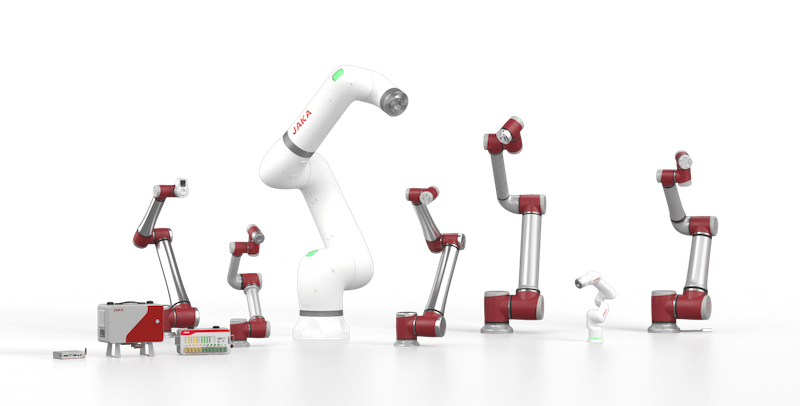
Teradyne Robotics Files Patent Infringement Case Against JAKA in Copenhagen
Teradyne Robotics A/S has filed a patent infringement lawsuit at the Unified Patent Court in Copenhagen against a German subsidiary of Chinese company JAKA. The case involves allegations of infringement concerning both software and hardware patents related to Teradyne's Universal Robots A/S, a leader in collaborative industrial robots. This legal action is significant as it underscores Teradyne Robotics' commitment to protecting its intellectual property rights against what it deems illegal copying and infringement. Jean-Pierre Hathout, president of the Teradyne Robotics Group, emphasized the importance of safeguarding their technologies to ensure customers receive innovative automation solutions that comply with safety standards. Looking ahead, the outcome of this case could have implications across Europe, affecting 17 of the 18 EU Member States involved in the Unified Patent Court. Additionally, the case may extend its reach to countries outside the UPC Agreement, such as the United Kingdom and Spain. No further timeline was disclosed at the time of publication.
Business Law and Regulation News cobots collaborative robots industrial robotics
Renesas Opens Physical AI & Robotics Lab in Beijing to Boost Robotics Development
Renesas Electronics Corporation has officially launched its Physical AI & Robotics Lab in Beijing, China. This new facility is designed to support customers in demonstrating, validating, and co-developing next-generation robotic systems. The establishment of this lab is significant as it will serve as a central hub for executing Renesas' physical AI strategy, facilitating the transition from proof-of-concept to large-scale deployment of advanced robotics solutions. Looking ahead, the lab is expected to play a crucial role in advancing robotics innovation and physical AI applications. No further timeline was disclosed at the time of publication.
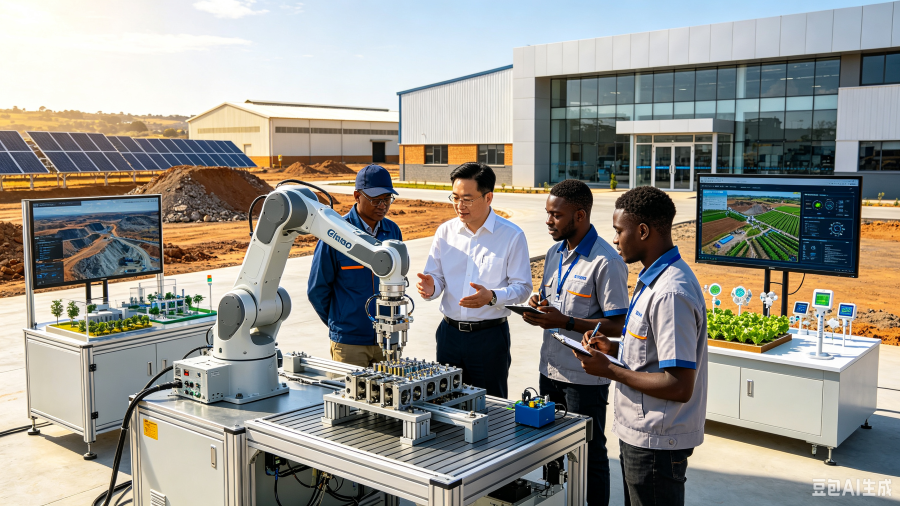
China's Robotics Industry Presents New Opportunities for Africa's Development
As China's humanoid robots begin to perform tasks in factories and warehouses, South African media highlights that this robotics revolution could benefit Africa. The rapid growth of China's robotics sector offers significant development opportunities for African nations in agriculture, healthcare, mining, and manufacturing. According to the International Federation of Robotics, China is expected to install approximately 295,000 new industrial robots in 2024, accounting for 54% of the global total. South African media describes China's robotics development model as a quick cycle of experimentation, cost reduction, and commercial deployment, driven by industrial demand, substantial R&D investment, and strong manufacturing capabilities. The article emphasizes that as African countries collaborate with China in robotics, moving beyond mere imports to assembly, maintenance, and training, they can cultivate new industrial capacities. This partnership could enable Africa to learn from China's long-term investments in manufacturing and innovation, creating a favorable window for collaboration as the continent seeks industrial breakthroughs.
Robotics Automation Agriculture Technology Healthcare Technology Manufacturing
JD.com Unveils Comprehensive AI Industrialization Strategy with Open-Source AI Models
JD.com founder Richard Liu announced the company's initiative to eliminate technology barriers by opening its full-stack self-developed AI to global partners. This move is part of JD's broader strategy to enhance its logistics capabilities and foster collaboration in the AI sector. The company's significant investment in research and development, which increased by 53.2% in the first half of the year, underscores its commitment to building the world's largest embodied data collection center. By open-sourcing its EgoLive and JoyAI models, JD.com aims to drive innovation and efficiency in logistics through advanced robotics. Looking ahead, JD.com is set to deploy its robots across logistics operations, enhancing its service capabilities. No further timeline was disclosed at the time of publication.

University of Florida Launches Robotics Lab for Industrialized Construction Initiatives
The University of Florida (UF) has inaugurated a new robotics lab focused on industrialized construction, supported by a $1 million donation from Autodesk. This initiative aims to tackle Florida's housing shortage and the anticipated retirement wave in the construction workforce. The lab will enhance the university's Industrialized Construction Engineering (ICon) degree program, which is set to welcome its first cohort this fall. This lab is significant as it addresses critical issues in the construction industry, including worker safety and operational efficiency. By utilizing advanced manufacturing principles, the program emphasizes a shift from traditional construction methods to more precise, technology-driven processes. The integration of digital workflows, including BIM and AI, alongside hands-on experience with a COBOD BOD3 3D concrete printer, positions UF at the forefront of modern construction education. Looking ahead, the lab will provide essential resources for students and researchers to explore automated construction methods. The collaboration with Autodesk will facilitate the use of cutting-edge computational tools, enhancing the educational experience. No further timeline was disclosed at the time of publication.
Academia / Research Construction News autodesk STEM
Autodesk and University of Florida Launch Advanced Robotics Lab for Industrialized Construction
Autodesk has made a $1 million donation to establish the Autodesk Design and Make Laboratory at the University of Florida. This initiative aims to equip students with the necessary skills for careers in industrialized construction, addressing a significant workforce gap as 41% of the current workforce is expected to retire by 2031. The establishment of this lab is crucial as Florida faces a shortage of over 121,000 homes and rental units. By preparing students for the industrialized construction sector, the lab will contribute to alleviating both housing and labor shortages in the region, fostering a new generation of skilled professionals. Looking ahead, the focus will be on how effectively the lab can bridge the skills gap in the construction industry and support local workforce development. No further timeline was disclosed at the time of publication.

EF Robotics Launches First Joint Module Selection Platform for Robotics Industry
EF Robotics has introduced the first joint module selection platform in China, aiming to innovate in a market focused on mass production and cost reduction. The platform addresses the limitations of current mainstream planetary and harmonic joints, which affect the performance of embodied robots. EF Robotics emphasizes the need for technological breakthroughs to enhance the industry's future. The joint module selection platform is designed to streamline the process for industry participants, allowing them to find suitable suppliers and optimal joint integration solutions without the hassle of manual searches. EF Robotics leverages its extensive customization experience and a robust supply chain to provide clients with verified components and tailored solutions. Looking ahead, EF Robotics aims to collaborate with various suppliers in the robotics sector, including motor and reducer manufacturers. The company is committed to advancing technology and expanding its database to support the ongoing development of the joint selection platform, which represents a significant step in enhancing the capabilities of embodied intelligence in robotics.
Joint Modules Humanoid Robotics Supply Chain Innovation AI Technology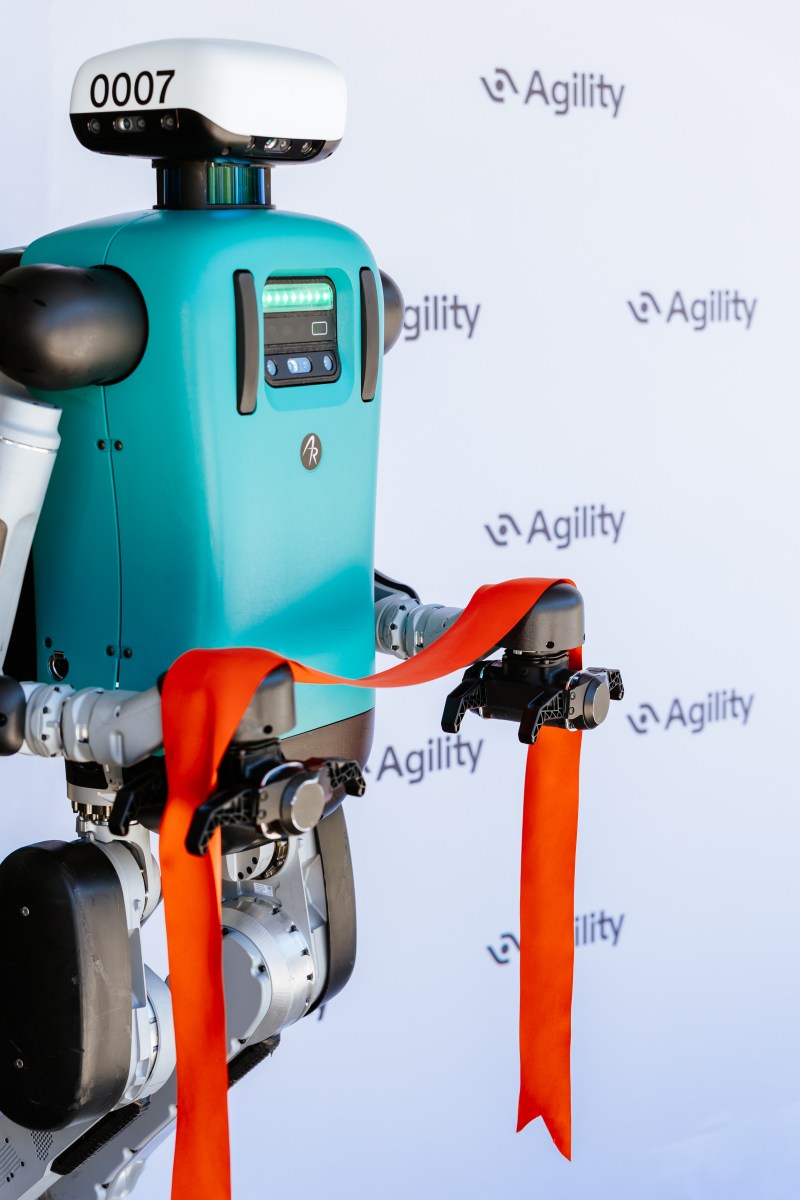
Agility Robotics Opens New Facility in Fremont to Train Humanoid Robot Digit
Agility Robotics is establishing a 60,000-square-foot facility in Fremont, California, to enhance the training of its humanoid robot, Digit. This location is strategically close to Tesla's factory, where production of the Optimus robot is anticipated to begin this year. Agility's CEO, Peggy Johnson, emphasized the importance of being in proximity to Tesla, as it fosters a competitive environment in the humanoid robotics sector. The significance of this development lies in Agility's established presence in the market, with Digit already generating revenue through tasks such as transporting totes and bins for major clients including Amazon and Toyota Motor Manufacturing Canada. The company has secured $300 million in contract orders, showcasing its commercial viability. Agility's approach focuses on practical autonomy, ensuring safety and compliance in operational environments, which sets it apart from newer AI-driven robotic startups. Looking ahead, Agility is in discussions with over 30 potential customers for Digit's deployment, and the new facility will facilitate the robot's skill development in realistic settings. The upcoming version 5 of Digit, expected to be revealed this fall, will feature enhanced capabilities to sense human presence, marking a significant step towards broader operational applications.
AI Robotics agility robotics Optimus Tesla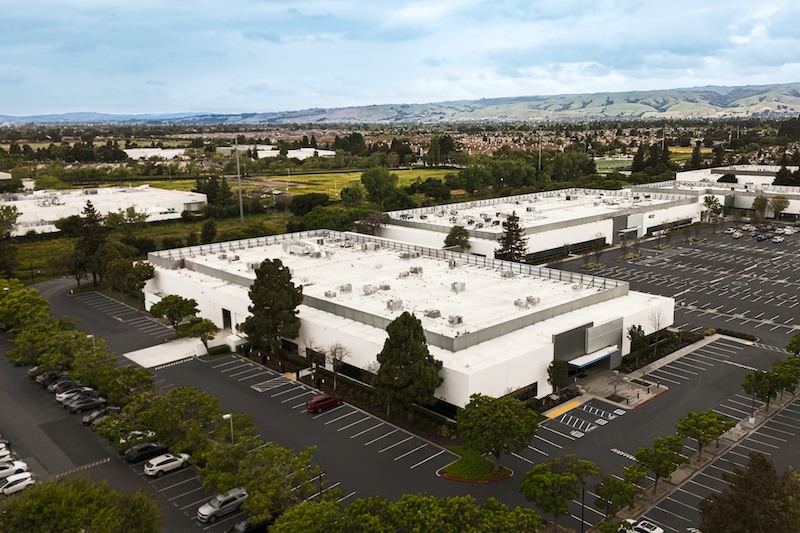
Agility Robotics Launches New Facility in Fremont to Enhance Physical AI Development
Agility Robotics has inaugurated a new facility in Fremont, California, aimed at accelerating advancements in physical AI that enhance customer operations. This 60,000-square-foot site will serve as a hub for software development and AI capabilities, focusing on training and testing technologies that enable the humanoid robot, Digit, to acquire new skills and perform complex tasks in various environments. The establishment of this facility is significant as it positions Agility Robotics in the heart of Silicon Valley, a region known for its AI talent and innovation. The company plans to employ nearly 200 staff members, including experts in hardware engineering and AI/ML software, to drive the development of next-generation AI capabilities that will enhance Digit's safety and productivity in enterprise settings. Looking ahead, Agility Robotics has secured over $300 million in multi-year orders for Digit v5 and has a growing pipeline of more than 30 customers. The Fremont facility is crucial for meeting the increasing demand for humanoid robots in warehouses and manufacturing, as it aims to deliver ongoing safety and productivity improvements in collaboration with human workers. No further timeline was disclosed at the time of publication.
Humanoids Infrastructure News agility robotics ai artificial intelligence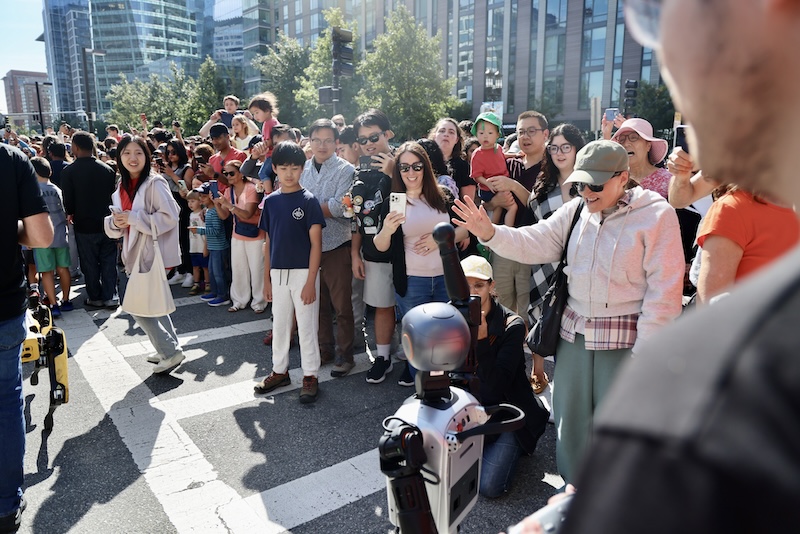
MassRobotics Launches Sponsorships for RoboBoston 2026 and AI Career Fair Announcement
MassRobotics has revealed plans for RoboBoston 2026, its ninth annual Robot Block Party, scheduled for September 26, alongside a Robotics & AI Technical Career Fair on September 25. The event will take place at Boston’s Seaport and is expected to host over 50 robotics companies, universities, and student teams, showcasing interactive exhibits and demonstrations. The significance of RoboBoston lies in its role in highlighting the region’s robotics ecosystem, uniting industry, academia, and students. Attendees will experience a variety of activities, including a Sidewalk Robot Parade and a ribbon-cutting ceremony, while exhibitors will present new technologies and research projects. MassRobotics has opened sponsorship opportunities, inviting organizations to support the event and promote STEM education and robotics innovation. Looking ahead, the Robotics & AI Technical Career Fair on September 25 aims to connect employers with technical talent in the robotics and AI sectors. Previous events have drawn over 800 job seekers, making it a valuable opportunity for both companies and candidates. No further timeline was disclosed at the time of publication.
Business Features ai careers artificial intelligence automation boston
MassRobotics Announces Sponsorship for RoboBoston 2026 and Career Fair for Robotics & AI
MassRobotics has opened sponsorship opportunities for RoboBoston 2026, scheduled for September 26, 2026, at Boston's Seaport. This event marks the 9th Annual Robot Block Party, showcasing over 50 robotics companies, universities, and student teams. Attendees will engage with innovators and experience interactive exhibits and demonstrations. The significance of RoboBoston lies in its role as the largest robotics celebration in the region, highlighting Boston's position as a global leader in robotics and AI innovation. The event aims to foster connections between industry professionals and the public, encouraging interest in robotics and technology among attendees of all ages. Looking ahead, companies interested in participating as sponsors or hiring at the Robotics & AI Technical Career Fair should prepare for the event. No further timeline was disclosed at the time of publication.

Impossible Metals Announces New Advanced Marine Robotics Hub in Pittsburgh for Mineral Robotics Development
Impossible Metals has unveiled plans to establish an Advanced Marine Robotics Hub in Pittsburgh, aimed at developing dual-use autonomy for ocean science and naval systems. This initiative is part of a broader effort to create a China-free critical-mineral supply chain, leveraging the region's expertise in robotics. The new hub will not only foster innovation in mineral robotics technology but also generate over a dozen high-paying engineering and science jobs in Pennsylvania. This move underscores the importance of local talent in advancing the United States' capabilities in marine robotics and autonomy. Looking ahead, stakeholders should monitor the hub's progress and its potential impact on the critical-mineral supply chain. No further timeline was disclosed at the time of publication.

Carnegie Mellon University Develops Open-Source Framework for AI Deployment in Robotics
Researchers at Carnegie Mellon University have created an open-source software framework aimed at streamlining the deployment of AI systems across various robots. This framework significantly reduces the time spent on setup, which can often take weeks or months, allowing researchers to focus on testing new behaviors more efficiently. The significance of this development lies in its potential to enhance collaboration and innovation in robotics. By eliminating the need to rebuild software for each robot, the framework facilitates easier integration of AI technologies, potentially accelerating advancements in robotic capabilities and applications. Looking ahead, the framework's adoption could lead to broader implications for the robotics field, including increased interoperability among different robotic systems. No further timeline was disclosed at the time of publication regarding additional features or updates to the framework.
Robotics
Open-source swarm robotics: Custom ESP32 MiniBots turn chess pieces into autonomous robots
A hardware developer known as 3DprintedLife has introduced an innovative open-source swarm robotics project aimed at advancing collaborative robotics technology. The announcement was made recently, showcasing the potential for multiple robotic units to work together efficiently in various applications. This initiative is designed to encourage community involvement and innovation in robotics, allowing developers and enthusiasts to contribute to and enhance the project. By providing accessible resources and documentation, 3DprintedLife hopes to foster a collaborative environment that could lead to significant advancements in the field. The project is expected to attract interest from both amateur and professional roboticists, as it emphasizes the importance of shared knowledge and collective problem-solving in technology development.
AI and Robotics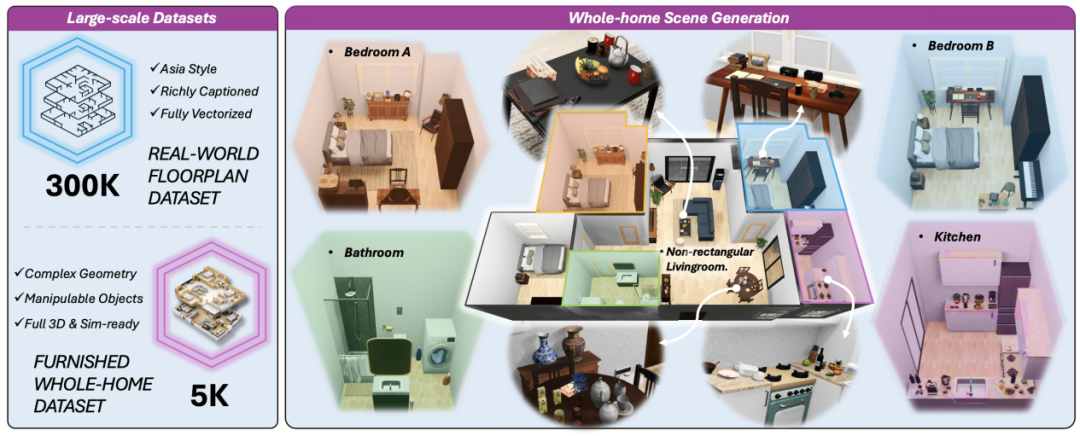
Daxiao Robotics Releases Open Source 3D Dataset for Chinese Home Designs, Challenging Figure AI
Daxiao Robotics, in partnership with the Chinese University of Hong Kong and Shenzhen He Tao College, has unveiled the world's first extensive 3D dataset specifically designed for Chinese households. This groundbreaking resource includes 300,000 authentic floor plans and 5,000 interactive simulation scenes, marking a significant advancement in the field of robotics. Launched recently, the dataset aims to improve the training of robots for various household tasks, thereby contributing to the evolution of embodied AI within the Chinese market. By providing this comprehensive data, the collaboration seeks to enhance the capabilities of robots in domestic environments, ultimately fostering innovation in the sector.
3D Data Sets Embodied AI Home Robotics Simulation Technology
OpenAI announces entry into robotics, focusing on developing assistive robots in the short term.
OpenAI CEO Sam Altman announced via social media that the company is seeking talented full-stack hardware, operations, systems, and machine learning engineers to collaborate on developing socially beneficial robots. He emphasized that artificial intelligence should assist humans in the real world. In the short term, OpenAI aims to create robots that can help technical workers build future infrastructure, while in the long term, the company envisions a future where everyone has a personal robot capable of fulfilling various needs. Altman revealed that OpenAI's world simulation research project has rapidly evolved over the past year into OpenAI Robotics, led by Aditya Ramesh. The project is making significant strides, grounded in the deep integration and collaborative design of robotics hardware and machine learning research.

Open source hardware for robotics: Democratizing robot building
In recent years, discussions surrounding open-source robotics have predominantly centered on software, particularly the Robot Operating System (ROS), which has established itself as a leading framework for robot development. However, the narrative is evolving as a diverse ecosystem of open-source hardware platforms emerges, significantly reducing barriers for developers and innovators in the field. This shift is occurring against the backdrop of a growing demand for accessible robotic solutions, driven by advancements in technology and an increasing interest in automation across various industries. The integration of open-source hardware with existing software frameworks is fostering collaboration and innovation, enabling a broader range of participants to contribute to and benefit from the robotics revolution. As this trend continues to gain momentum, it is reshaping the landscape of robotics, making it more inclusive and accessible to a wider audience.
Computing Features Robotics arduino automation news automation technology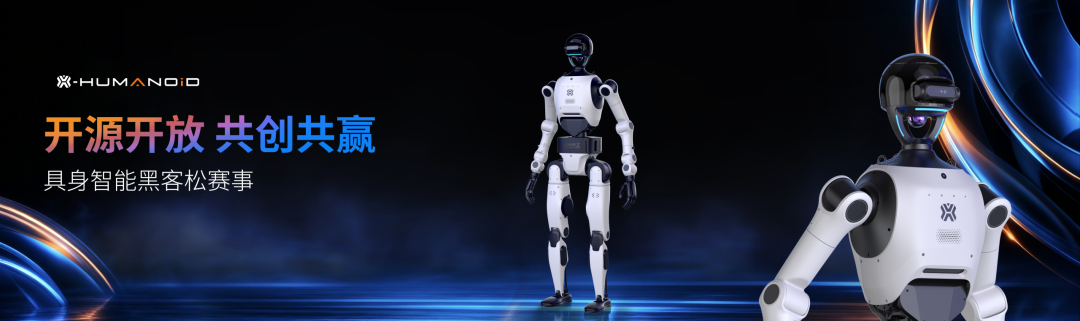
Open Source Collaboration: Beijing Humanoid Hosts Major Robotics Competition
The Beijing Humanoid Robotics Innovation Center has announced the launch of the 'Open Source Collaboration' Hackathon in collaboration with Baidu Smart Cloud. This global competition, aimed at fostering advancements in embodied intelligence, invites developers to create deployable technological solutions across two categories: motion control and VLA model fine-tuning. The hackathon features a substantial prize pool of one million, along with the chance for participants to gain direct entry into the prestigious World Humanoid Robotics Games. This initiative seeks to encourage innovation and collaboration in the field of robotics, showcasing the potential of global talent in developing cutting-edge solutions.
Embodied Intelligence Robotics Competition Open Source AI Infrastructure
Connecting Industry Resources and Supply-Demand Chains: Registration Open for the April Robotics Supply-Demand Matching Conference in Beijing
A robotics supply-demand matching conference is set to take place in Beijing, focusing on addressing the growing needs of the humanoid robotics industry. Scheduled for later this month, the event aims to foster direct interactions between technology providers and end-users, facilitating discussions that could lead to accelerated deployment and collaboration in the sector. As real-world applications for humanoid robotics continue to emerge, the conference seeks to create a platform for stakeholders to connect and explore innovative solutions to meet market demands.
Humanoid Robots Supply Chain Industrial Automation Robotics AI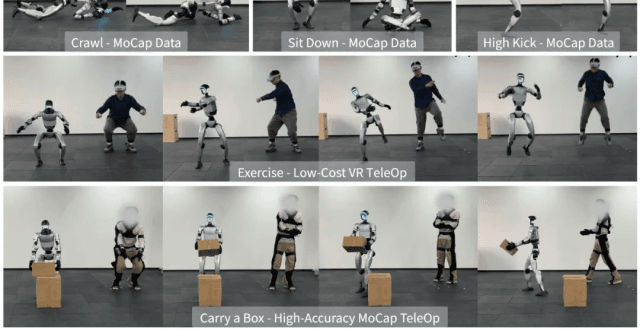
Horizon Robotics Open-Sources HoloMotion-1: 4B Robot Cerebellum Model Running 300FPS on Device
Horizon Robotics has unveiled its latest innovation, HoloMotion-1, a sophisticated robot cerebellum model featuring 4 billion parameters. This advanced technology enables real-time inference at an impressive rate of 300 frames per second on edge devices, significantly enhancing the control capabilities of whole-body humanoid robots. The launch, which took place recently, represents a substantial advancement in robotics, aiming to improve the functionality and responsiveness of humanoid robots in various applications. By leveraging this cutting-edge model, Horizon Robotics seeks to push the boundaries of robotic intelligence and performance, paving the way for more versatile and efficient robotic systems in the future.
AI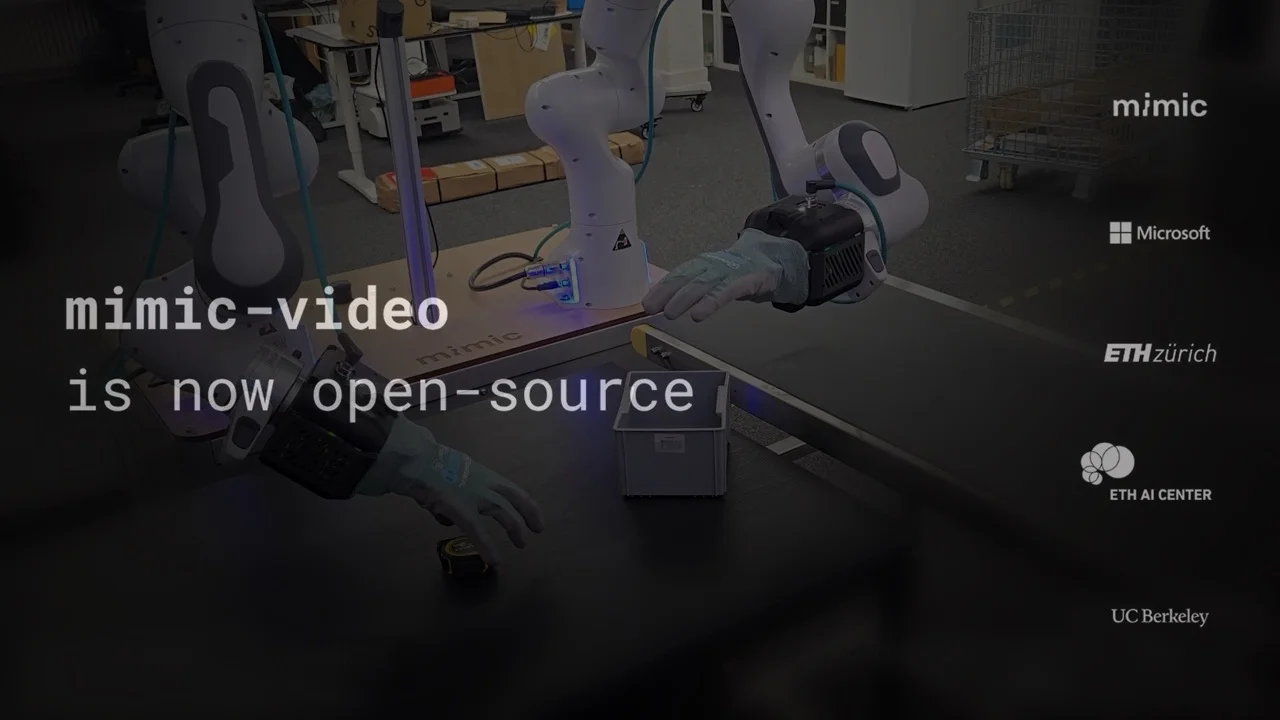
Mimic Robotics Open-Sources "mimic-video" Recipe to Accelerate Video-Action Models
Mimic Robotics, a company based in Zurich, has unveiled its innovative "pixel-to-action" architecture, which is designed to transform the current landscape of artificial intelligence by moving away from traditional static vision-language models. This release, which includes both the code and accompanying research, marks a significant shift towards utilizing dynamic video-based foundations. The initiative aims to enhance the capabilities of AI systems, enabling them to better interpret and respond to visual information in real-time. By sharing this technology, Mimic Robotics seeks to foster advancements in the field and encourage further exploration of video-based AI applications.
Mimic Robotics Europe open-source ETH ZurichRobotics needs a service framework.
RSF defines a common language for robot service capability, lifecycle operations, certification pathways, and service-provider networks.
Join the RobotToday community on LinkedIn
Daily robotics news, in-depth analysis, conference highlights, and discussions with professionals worldwide.