Industry Briefing
A single destination for timely, editor-curated robotics news from around the world.

Tate Achieves 12-Fold Welding Productivity Increase with 58 Hirebotics Cobots
Hirebotics has announced that Tate, a data center infrastructure company, has successfully deployed 58 Cobot Welder systems across its manufacturing facilities in Arkansas, Virginia, and Kentucky. This deployment has resulted in a remarkable 12-fold increase in per-welder throughput for critical structural assemblies while allowing Tate to expand its team of certified welders. The significance of this achievement lies in Tate's ability to meet the intense demand and tight project timelines associated with its 120-year legacy in providing structural ceilings and airflow management products for large data centers. By transitioning to a cloud-connected automation network powered by Hirebotics' Beacon Pro control platform, Tate has scaled production without compromising precision, ensuring zero tolerance for manufacturing errors. Looking ahead, the integration of Hirebotics' technology allows Tate to manage its multi-plant network of Cobot Welders from a single smart device, enhancing operational efficiency. No further timeline was disclosed at the time of publication.
Computing Infrastructure News automation beacon pro cloud robotics
Hirebotics Cobots Enhance Tate's Production with 12x Output Per Welder
Hirebotics has implemented its Cobots to assist Tate in achieving a remarkable 12 times the output per welder. This enhancement is facilitated by the Cloud-based Beacon Pro platform, which allows Tate to program, operate, and monitor 58 Cobot Welder systems across three different facilities. The integration of these Cobots is significant as it not only boosts productivity but also supports Tate in expanding its skilled workforce. The ability to efficiently manage multiple welding systems through the Beacon Pro platform underscores the importance of automation in modern manufacturing processes. Looking ahead, Hirebotics will showcase its technology at the IMTS event in Chicago from September 14-19, where attendees can see the Cobots in action. This event will provide insights into the future of collaborative robotics in manufacturing environments.
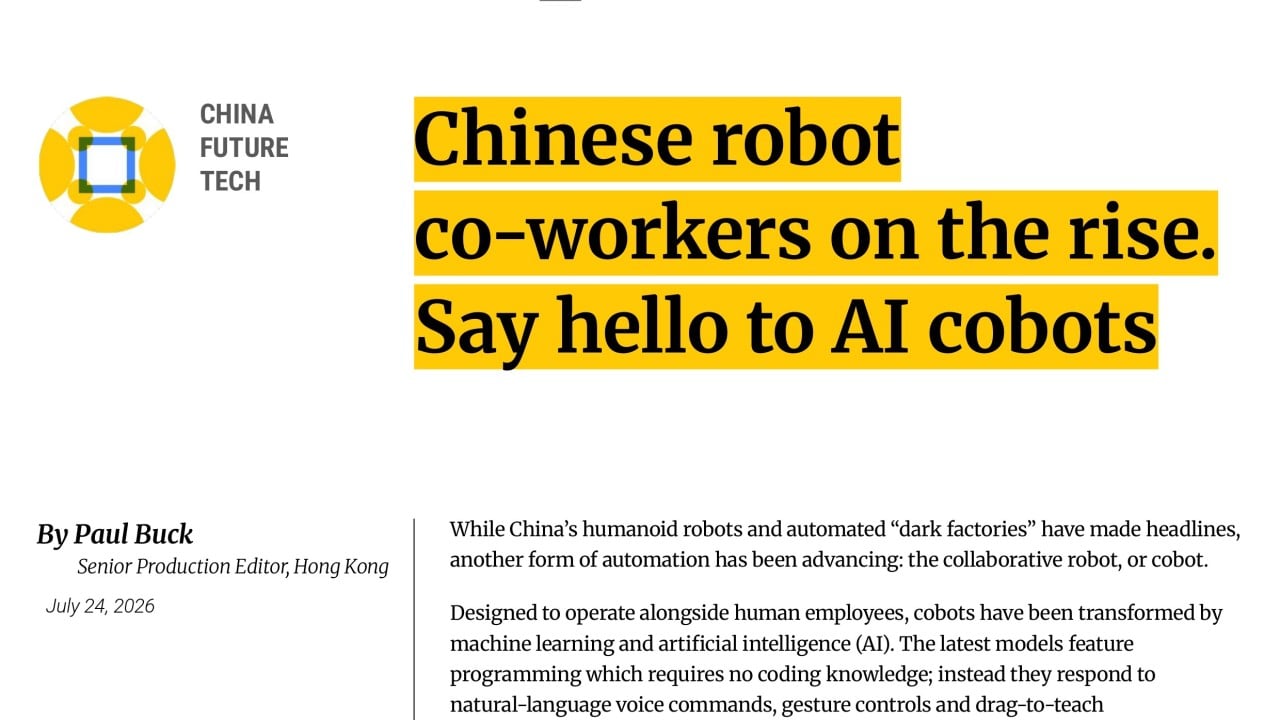
Rise of Collaborative Robots in China: AI-Driven Cobots Transforming Workspaces
China's collaborative robots, or cobots, are gaining traction as they evolve through advancements in machine learning and artificial intelligence. Unlike traditional robots, these cobots are designed to work alongside human employees, enhancing productivity and efficiency in various sectors. The significance of these AI-driven cobots lies in their user-friendly programming, which eliminates the need for coding knowledge. They can be easily operated through natural-language voice commands, gesture controls, and drag-to-teach demonstrations, making them accessible to a broader range of users. As the demand for automation continues to grow, the adoption of cobots is expected to rise. Observers should watch for further developments in their capabilities and integration into workplaces, as these robots could redefine human-robot collaboration in the near future.
Rodriguez Unveils Movotrak Cobot Transfer Unit to Enhance Automation Flexibility
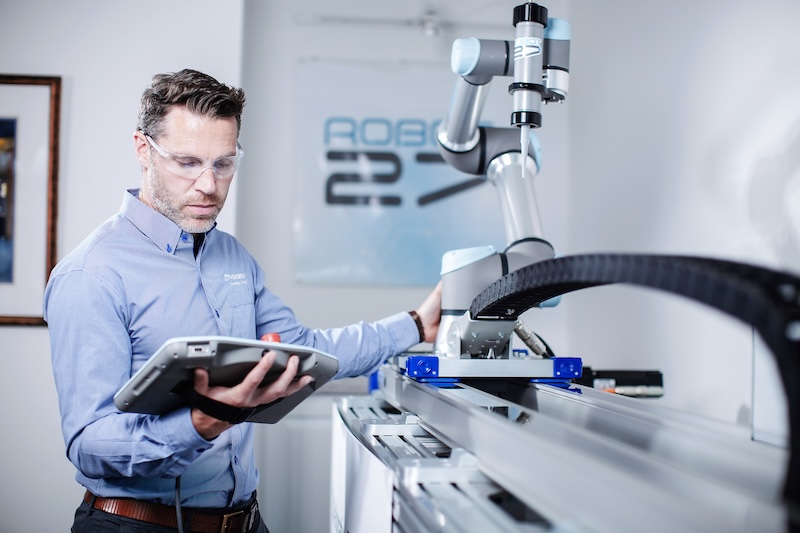
Rodriguez has launched the Movotrak Cobot Transfer Unit (CTU), a collaborative linear transfer system that enables a cobot to operate across multiple workstations with an impressive range of up to 10 metres. This innovative system is designed to enhance robot utilization by allowing a single cobot to perform tasks at various positions along a production line, rather than being confined to one location. The introduction of the Movotrak CTU is significant for manufacturers as it reduces the need for repositioning or reconfiguring automation equipment when production demands shift. A standout feature of this system is its integrated collision detection, which is claimed to be the only one of its kind on the market. This capability allows the system to detect collisions while in motion, enhancing safety in environments where humans and automated systems work closely together. Looking ahead, the Movotrak CTU's modular design and compatibility with various standard cobots present opportunities for manufacturers to optimize their production setups. The system's ability to be installed in multiple orientations and its Freedrive function for manual guidance further simplify the integration process. No further timeline was disclosed at the time of publication.
Industrial robots News Robotics cobots collaborative robots industrial automation
ENCY Hyper Introduces Advanced Features for 7-Axis Cobots and 4-Axis Palletizers
ENCY Hyper has unveiled new capabilities that allow users to execute robot toolpaths surpassing controller memory limits. This enhancement supports programming for 7-axis collaborative robots and 4-axis palletizers, enabling faster collision resolution and pre-installation validation of robotic cells. These advancements are significant as they enhance operational efficiency and flexibility in robotic applications. By allowing more complex programming and faster collision management, ENCY Hyper positions itself as a leader in the robotics sector, catering to the evolving needs of automation in various industries. Looking ahead, it will be important to monitor how these new features impact user adoption and operational workflows. No further timeline was disclosed at the time of publication.

Cobots become simpler, smarter with AI
In recent years, the rise of collaborative robots, or cobots, has transformed various industries, driven by advancements in artificial intelligence. These robots are increasingly being integrated into workplaces due to their ability to perform a diverse range of tasks alongside human workers. The surge in their adoption can be attributed to the growing demand for automation and efficiency in manufacturing, logistics, and service sectors. As businesses seek to enhance productivity while ensuring safety and flexibility, cobots are emerging as a viable solution. This trend is expected to continue, with further innovations in AI technology likely to expand the capabilities and applications of collaborative robots.
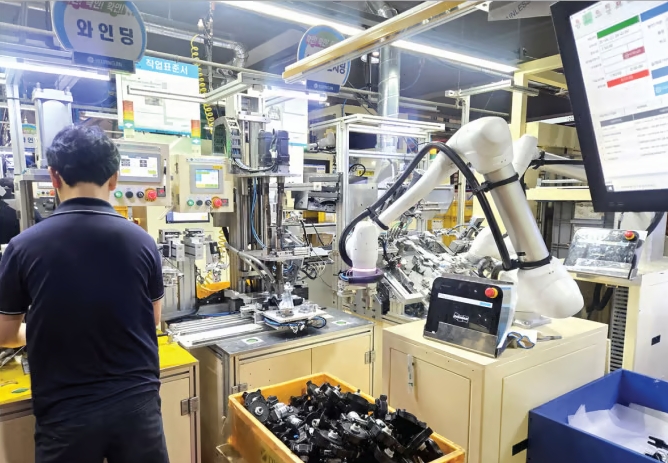
Kwangjin Achieves Near-Zero Defects with Doosan Cobots
Kwangjin Group, a leading automotive-parts manufacturer in South Korea, has significantly enhanced its production processes through the adoption of collaborative robots from Doosan Robotics. This transition, initiated in 2024 due to labor shortages, has transformed the riveting process at its Asan plant in South Chungcheong Province. By employing four Doosan Robotics collaborative robots, Kwangjin has reduced defects in its door-module assembly from approximately 12 defective plates per million to just one or two, effectively nearing zero defects. The robots, capable of lifting module plates and applying consistent pressure, have replaced manual labor, which was prone to errors due to variations in human skill and physical condition. The automation process took about four to six months and required an investment of approximately KRW 1.3 billion. Kwangjin chose Doosan Robotics over competitors due to its superior after-sales support and established technical response systems. The successful implementation of these robots has attracted attention from other Korean automotive manufacturers, who are visiting the Asan facility to observe the technology in action. Kwangjin plans to deploy over 100 collaborative robots across 17 global sites, including in the U.S. and Poland, by 2027. Meanwhile, Doosan Robotics aims to expand its intelligent robotic solutions by integrating AI and motion-control technologies, further solidifying its position in the automotive manufacturing sector.

Cobot deliveries expected to increase by 17.3% annually by 2030.
A recent market report from Interact Analysis indicates that deliveries of collaborative robots, commonly known as cobots, are projected to increase by an average of 17.3% annually from 2025 to 2030. This significant growth reflects the rising demand for automation solutions in various industries, driven by the need for enhanced efficiency and productivity. The report highlights the expanding role of cobots in manufacturing and other sectors, suggesting a robust future for this technology as businesses increasingly adopt collaborative robotics to streamline operations.
Allgemein Cobots & MRK Newsarchiv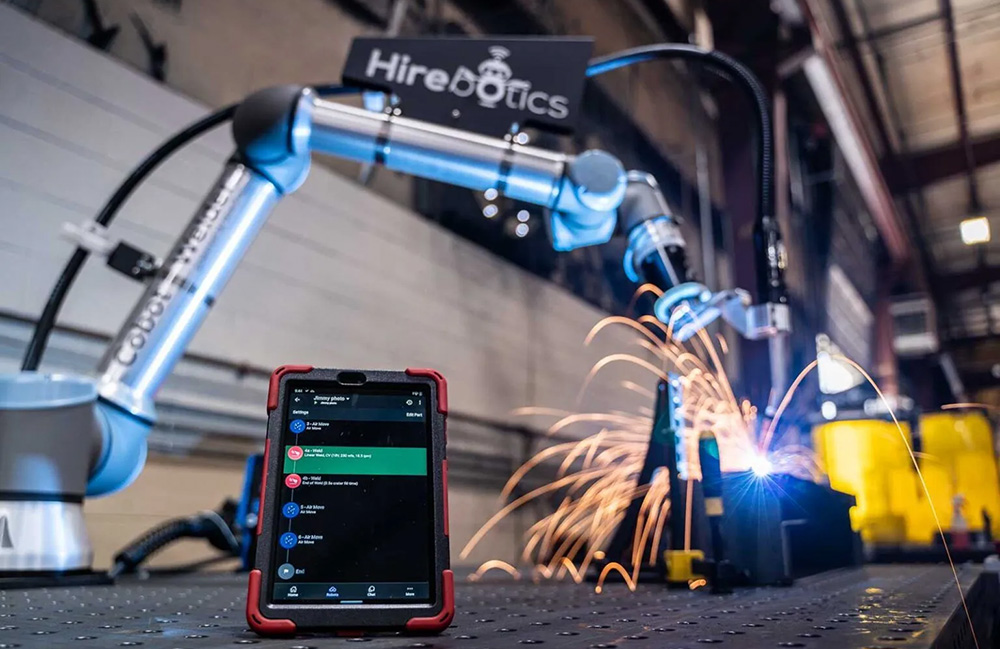
The evolution of cobots in metal fabrication and construction
Matt Bush, co-founder and CEO of Hirebotics, emphasized the growing importance of collaborative robots, or cobots, in the manufacturing and welding sectors. In a recent discussion, he highlighted how these advanced technologies are evolving to meet the increasing demands of metal fabrication and construction. As industries face labor shortages and the need for enhanced efficiency, cobots are becoming essential tools for manufacturers, enabling them to streamline operations and improve productivity. Bush's insights reflect a broader trend in automation, where the integration of cobots is seen as a solution to modern challenges faced by the workforce. The conversation sheds light on the transformative role of robotics in enhancing operational capabilities within these critical industries.
Arms / Manipulators Cobot Arms Collaborative Robots Construction Logistics Manufacturing
Common Pitfalls When Using Cobots and How to Avoid Them
The integration of collaborative robots, or cobots, into manufacturing is gaining momentum, with JAKA Robotics leading the way in providing advanced solutions aimed at enhancing productivity. However, businesses often face challenges during the implementation of these systems. A recent article highlights common pitfalls in cobot deployment, emphasizing the need for thorough planning and assessment to align the robots' capabilities with specific operational tasks. To avoid mismatches, companies are encouraged to conduct comprehensive evaluations of their workflows and engage stakeholders from various departments. Additionally, the importance of training for operators and maintenance personnel is underscored, as inadequate training can lead to inefficiencies and increased error rates. JAKA Robotics offers resources to ensure effective training, which is crucial for maximizing productivity and ensuring safety. Another critical aspect is the ongoing monitoring and maintenance of cobots. Neglecting these can result in operational disruptions and decreased efficiency. JAKA’s Over-The-Air (OTA) system utilizes IoT and big data to provide real-time insights into cobot performance, allowing organizations to proactively address maintenance needs. By focusing on careful planning, robust training, and continuous maintenance, businesses can fully leverage the potential of cobots. JAKA Robotics remains committed to supporting organizations through this transition, fostering a culture of innovation and collaboration while redefining operational capabilities in the manufacturing sector.
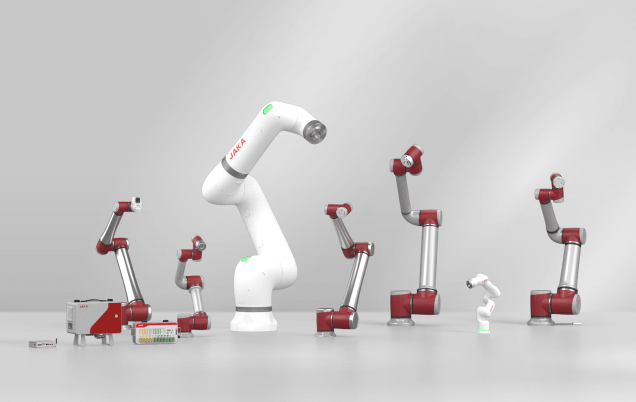
Cobots for Electronics Assembly: 5 Best Options You Can't Miss
In the rapidly evolving electronics assembly sector, JAKA Robotics is leading the charge in enhancing operational efficiency through its innovative collaborative robots, or cobots. These advanced machines are designed to work alongside human operators, significantly boosting productivity and precision in manufacturing processes. The JAKA ZU series exemplifies high-quality standards and versatility, enabling seamless integration into existing workflows for tasks such as small component handling. Meanwhile, the JAKA S series features intelligent force control, allowing for careful handling of delicate electronic parts, thereby ensuring safety and effectiveness in assembly operations. For challenging environments, the JAKA Pro series offers robust performance with its IP68 protection rating, making it suitable for settings exposed to dust and liquids. The JAKA AL series stands out by integrating intelligent vision systems, facilitating complex operations like precise component placement and inspection, which enhances quality control. Lastly, the JAKA A series provides a flexible solution for various industrial applications, allowing quick reconfiguration to meet changing production demands. By incorporating these cobots, companies can significantly improve their assembly processes, driving growth and maintaining a competitive edge in the electronics industry. JAKA Robotics’ commitment to innovation is redefining the future of work in manufacturing, unlocking new potential for operational excellence.

How to Use Industrial Cobots Effectively to Maximize Production Throughput?
In a bid to enhance production efficiency, JAKA has introduced the JAKA Pro series, an advanced industrial cobot designed to optimize throughput in demanding manufacturing environments. This innovative robot, capable of operating continuously in harsh conditions, aims to eliminate production bottlenecks by automating time-sensitive tasks that typically slow down human workers. The JAKA Pro12, the flagship model, boasts IP68 protection, making it resistant to dust, oil, and water, ensuring consistent performance even in extreme environments. With a payload capacity of 12kg and a reach of 1327mm, it can handle heavy industrial parts and perform secondary operations simultaneously, such as deburring or pre-sorting, while primary machines are in operation. By aligning the robot's speed with the overall production line tempo, manufacturers can maintain a steady workflow and prevent local bottlenecks. The cobot's ability to function around the clock supports "lights-out" manufacturing, allowing for continuous production without the need for human oversight during breaks or overnight shifts. With features like sub-millimeter precision and rapid deployment capabilities through a user-friendly app, the JAKA Pro series is positioned as a transformative solution for high-volume production lines, promising to double or triple daily output without increasing workforce size. JAKA emphasizes that their robots embody intelligence, becoming integral to the operational heartbeat of modern manufacturing facilities.

DESTACO Robohand Grippers Enhance Automation with Precision and Customization
DESTACO has introduced Robohand Grippers designed to improve automation processes with high performance and precision. These grippers can handle fragile items, irregular shapes, and heavy-duty components, featuring a modular design for easy customization to fit various applications. The significance of these grippers lies in their ability to adapt to diverse automation needs, making them suitable for tasks such as gripping delicate objects and aligning components. Their introduction at Photonics West 2025 highlights the growing demand for advanced automation solutions in industrial settings. Looking ahead, the focus will be on the integration of these grippers into various applications, including camera lens alignment and micro assembly. No further timeline was disclosed at the time of publication.
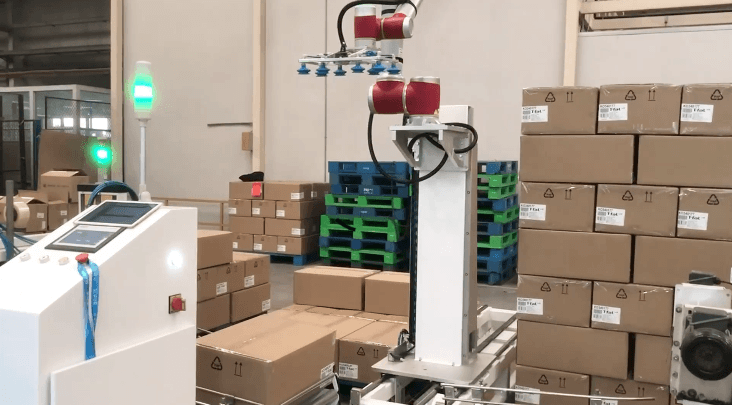
5 Reasons Why Cobots in Manufacturing are Essential for Employee Retention
Manufacturers are increasingly facing a "labor gap" that hinders growth, as attracting and retaining skilled workers requires more than just competitive wages; it necessitates a positive work environment. Collaborative robots, or cobots, are emerging as a solution by enhancing human roles rather than replacing them. By integrating a 6-axis robot arm into daily operations, companies are finding that these technologies significantly improve employee morale and retention. The primary reason for high turnover in manufacturing is physical burnout from repetitive and strenuous tasks. By delegating these labor-intensive duties to robots, companies protect workers from chronic strain and injuries, leading to increased job satisfaction. This shift allows employees to transition from manual labor to roles such as robot operators and quality inspectors, fostering professional growth and reducing the likelihood of job changes. Moreover, cobots maintain consistent focus, alleviating mental fatigue and minimizing human error in repetitive tasks. This not only enhances productivity but also allows workers to concentrate on problem-solving and process improvements. The introduction of collaborative technology also creates a safer, "fence-free" workspace, where humans and robots can work side by side, fostering better communication and a more appealing environment for younger workers. Additionally, automation facilitates flexible work shifts, helping to stabilize production schedules and improve work-life balance, which is a priority for modern employees. JAKA, a company specializing in collaborative robots, emphasizes the importance of human-robot synergy and offers the JAKA Zu series, designed to empower workers by making the transition to automation seamless and accessible.
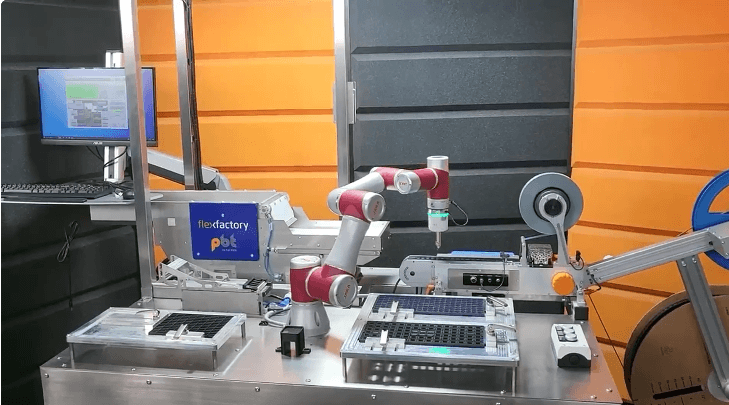
Cobots vs. Alternatives: The Ultimate Comparison Chart
Modern manufacturing is at a pivotal crossroads as companies seek to balance the demands of high-speed production with the need for flexibility. Traditionally, manufacturers faced a choice between manual labor for intricate tasks and industrial robots for high-volume output. However, the introduction of collaborative robots, or cobots, has provided a versatile solution that combines safety and adaptability, addressing the limitations of both previous options. While traditional industrial robots excel in speed and power, they require substantial investments in safety measures, such as fencing and barriers. On the other hand, manual labor, though flexible, is becoming increasingly unsustainable due to rising costs and labor shortages. Cobots are designed to work alongside humans, equipped with advanced technology that allows them to detect resistance and halt operation, thus eliminating the need for extensive safety infrastructure. This capability enables manufacturers to seamlessly integrate automation into existing production lines without the need for facility expansion. JAKA, a leader in this field, has developed cobots that combine industrial-grade precision with user-friendly features. Their JAKA Zu series can handle payloads of up to 20 kg, while the JAKA Pro series is built to withstand challenging environments, including exposure to metal shavings and liquids. With intuitive programming and wireless teaching, JAKA's cobots empower existing staff to operate them with minimal training, fostering a collaborative environment where technology and human skills enhance production efficiency.
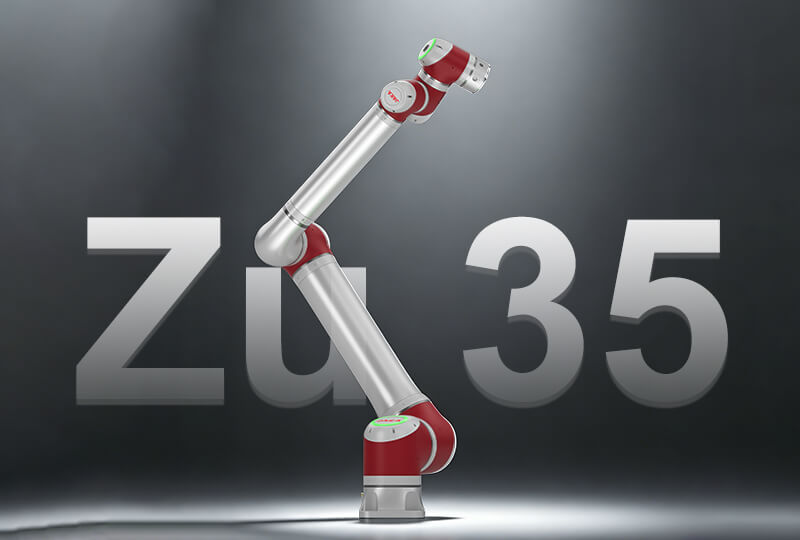
JAKA Zu35: Defining a New Realm of High-Payload Cobots
Manufacturers are increasingly seeking to automate complex tasks, leading to the introduction of the JAKA Zu35, a powerful collaborative robot (cobot) designed to enhance industrial performance. Launched recently, the Zu35 features a 35 kg payload capacity and a 2,000 mm reach, making it the most robust cobot in JAKA's lineup. This innovative robot is tailored for heavy-duty applications such as large-scale palletizing, machine tending for heavy parts, and high-torque assembly, effectively expanding the capabilities of collaborative robots. Its reach surpasses that of other cobots in the same weight class by 11% and outperforms industrial robots by 9%, allowing it to manage full-sized pallets and dual-station setups efficiently. The Zu35's high payload capacity, which exceeds typical heavy-duty cobots by 17%, enables the use of heavier end-effectors and the processing of multiple parts in a single cycle. Despite its size, it maintains impressive precision with a repeatability of ±0.05 mm. At the core of the Zu35 is advanced motion control technology, designed for reliability in high-throughput environments. With improved joint speeds reaching up to 300°/s, it can achieve a palletizing rate of 12 cycles per minute. The robot also features a 1kHz control loop and EtherCAT for real-time synchronization, ensuring smooth operation while protecting delicate workpieces. Additionally, the Zu35 incorporates innovative thermal management and fail-safe protection, including electromagnetic disc brakes, ensuring long-term reliability and safety during continuous operation.
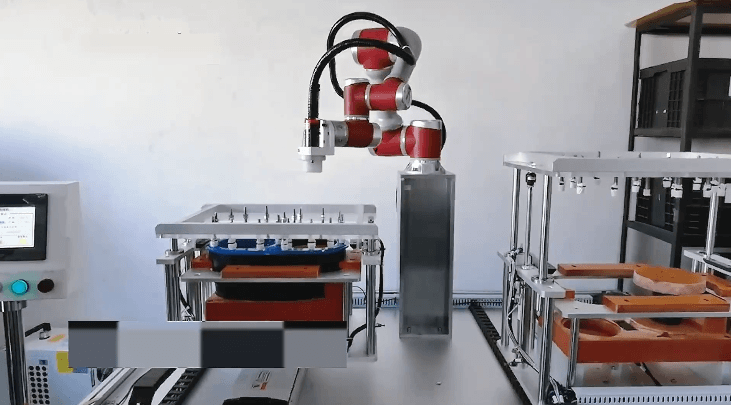
Essential Safety Tips: How to Operate Industrial Cobots Safely
JAKA emphasizes the importance of safety in operating industrial collaborative robots, particularly its JAKA Pro16 welding robot, which is designed to enhance operational efficiency while minimizing workplace risks. In a recent article, the company outlines essential safety tips for users, highlighting the need for operators to familiarize themselves with the specific cobot they are using. This includes understanding the robot's capabilities, such as its compatibility with various welding machines and features like debugging mode for safe program testing. The company advocates for safe programming practices, encouraging operators to utilize user-friendly interfaces and verify programs without live arcs. Additionally, JAKA stresses the significance of environmental awareness, urging operators to maintain a clean workspace and set clear boundaries to prevent accidents. The Pro16 includes safety interlocks that provide alarm signals between the robot and welding machine, further enhancing safety measures. JAKA's commitment to safety reflects its ongoing development of systems that support flexible and efficient operations. By integrating these safety practices, operators can maximize the potential of industrial cobots while minimizing hazards, reinforcing that safety is a continuous responsibility in the workplace.
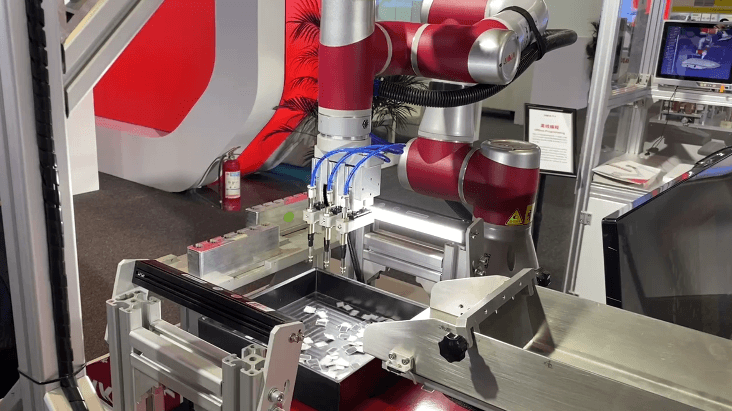
Are Industrial Cobots Better Than Custom-Built Automation Machinery?
JAKA, a leader in industrial automation, is actively comparing its collaborative robot solutions to traditional custom-built machinery amid the rapid evolution of the industry. Many manufacturers are grappling with issues related to flexibility, scalability, and overall costs associated with bespoke automation. In contrast, JAKA's industrial collaborative robots, such as the JAKA Pro16, offer significant adaptability, allowing for quick transitions between tasks like palletizing, machine tending, and welding with minimal reconfiguration. The JAKA Pro16 is designed to thrive in demanding environments, boasting an IP68 rating that protects it from dust and liquids, making it a robust choice for dynamic industrial settings. This flexibility not only reduces downtime but also enables manufacturers to respond swiftly to production changes. Moreover, JAKA's collaborative robots present a lower total cost of ownership compared to traditional machinery, requiring less specialized installation and engineering time. The JAKA Pro16 can be deployed in weeks rather than months, facilitating easier scaling and adjustments in operations. Its high payload capacity and precision, even in harsh conditions, contribute to consistent performance and reduced quality variations. Overall, JAKA's experience suggests that industrial cobots provide greater flexibility, faster deployment, and enhanced reliability compared to custom-built solutions. While bespoke machinery may still be necessary for highly specialized tasks, JAKA believes that collaborative robots offer a practical and cost-effective solution for many industries facing modern automation challenges.
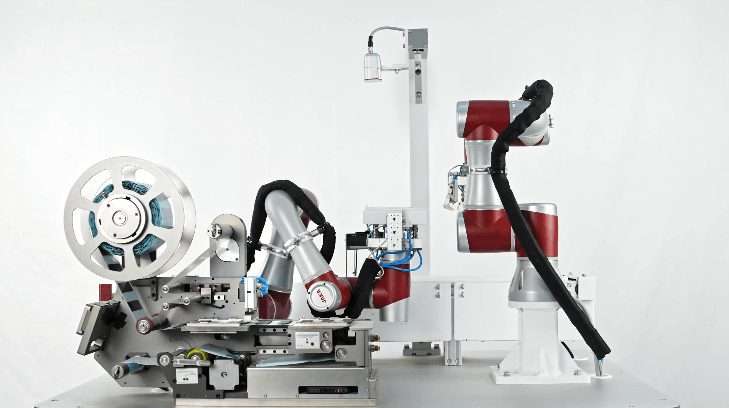
Industrial Cobots vs. Traditional Industrial Robot Systems: Which Is Better?
In recent years, manufacturing industries have increasingly turned to industrial collaborative robots, or cobots, as a more flexible alternative to traditional robotic systems. JAKA, a leader in this field, has noted a significant shift in automation strategies, with companies opting for cobots that facilitate close human interaction without the need for extensive safety measures or programming. The JAKA Pro12 exemplifies the advantages of industrial cobots, showcasing enhanced environmental adaptability with its IP68 protection, allowing it to function reliably in challenging industrial conditions. Its maintenance-free design ensures high precision while occupying minimal space, which helps reduce downtime and simplifies operations compared to traditional robots. While traditional robots are effective for high-speed and heavy-load tasks, they require more space and safety precautions. In contrast, the JAKA Pro12 can work alongside human operators, making it ideal for dynamic tasks and environments where collaboration is key. This flexibility enables companies to swiftly adapt to changing production demands, a capability often lacking in conventional setups. Cost considerations for implementing cobots involve various factors, including integration complexity and required peripherals. JAKA assists clients in navigating these elements, demonstrating how cobots can lead to lower long-term operational costs through reduced maintenance and quicker deployment times. Ultimately, the decision between industrial cobots and traditional robots hinges on the specific needs of each manufacturing operation. JAKA's cobots offer a compelling blend of safety, flexibility, and precision, making them an attractive option for companies seeking versatile automation solutions.
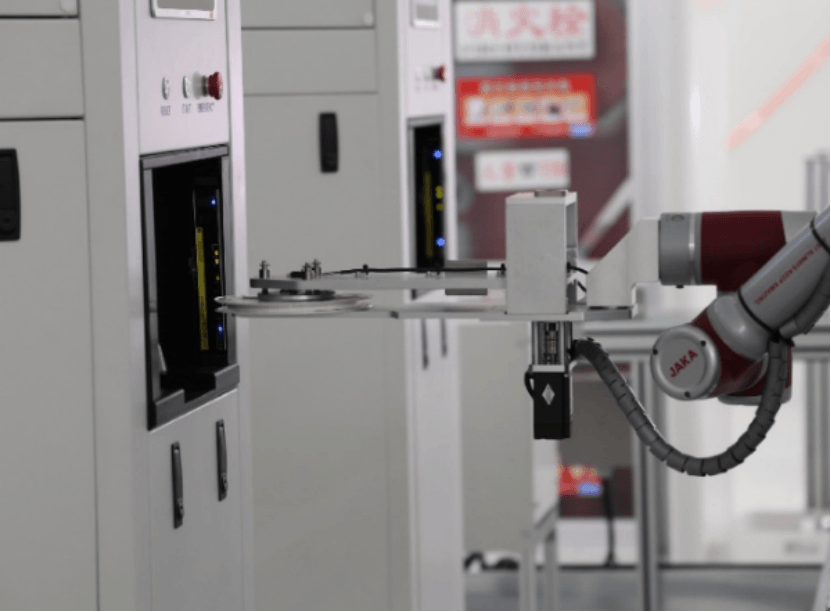
The History and Development of Industrial Cobots in Modern Automation
Industrial automation has undergone significant transformation over the past few decades, with collaborative robots, or cobots, playing a pivotal role in this evolution. JAKA, a leading company in this field, has highlighted how these robots enhance manufacturing processes by allowing safe and efficient collaboration with human workers. Unlike traditional robots that operate in isolation, cobots are designed to work alongside humans, improving workplace efficiency, reducing exposure to hazardous tasks, and ensuring consistent product quality. The journey of industrial cobots began in the early 1990s when researchers sought to merge automation with human collaboration. Initially, safety concerns limited robots to isolated environments, but advancements in technology have since enabled them to operate safely in shared spaces. JAKA has utilized these innovations to develop the JAKA Pro5, a robot that ensures precise handling while minimizing workplace accidents. Today, cobots are increasingly utilized across various sectors, including electronics, automotive, and logistics. Their ability to take on repetitive or dangerous tasks allows human operators to concentrate on more complex decision-making roles. The JAKA Pro5, for instance, is highly adaptable and can be quickly reprogrammed for different production needs, enhancing operational flexibility and reducing costs associated with equipment changes. Looking ahead, JAKA envisions a future where collaborative robots will continue to advance, incorporating intelligent sensing and adaptive learning. This evolution aims to create smart factories where humans and machines work together seamlessly, ensuring that automation remains both productive and safe.
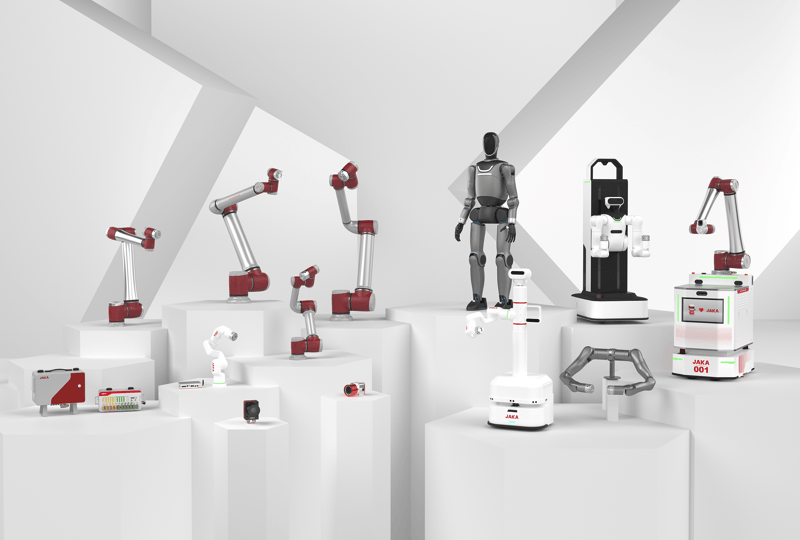
Beyond Cobots: Integrating Robotic Automation with AGVs and IIoT Systems
In recent years, manufacturing has experienced a significant transformation as companies shift from standalone automation to interconnected and flexible systems. JAKA, a leader in collaborative robot technology, has observed this evolution, where production environments are increasingly designed around coordinated robots, autonomous guided vehicles (AGVs), and Industrial Internet of Things (IIoT) platforms. This transition enables automation to adapt dynamically to real production conditions while ensuring safety and flexibility in workplaces that prioritize human interaction. Initially, collaborative robots were embraced for their ability to work safely alongside human operators, facilitating smoother automation processes. As their applications have matured, integrating these robots with AGVs and IIoT systems has become a logical progression. This integration allows for synchronized material handling and processing tasks, enhancing efficiency. IIoT connectivity further supports real-time data exchange, enabling predictive maintenance and improved process visibility, which is crucial for maintaining flexibility in production lines. AGVs play a pivotal role in extending automation beyond fixed workstations. When connected through IIoT infrastructure, these vehicles and robots can share crucial information, reducing idle time and manual interventions while enhancing workflow traceability. This coordination not only boosts operational efficiency but also increases transparency, allowing for continuous optimization and informed decision-making. To facilitate this integrated approach, JAKA has developed the Ai12, a collaborative robot designed for easy deployment through wireless teaching and graphical programming. This technology enhances safety and adaptability, allowing for seamless human-robot interaction. JAKA envisions a future where industrial robotic automation is not merely a collection of isolated machines but a cohesive system that evolves with production demands, fostering smarter and more responsive industrial environments.
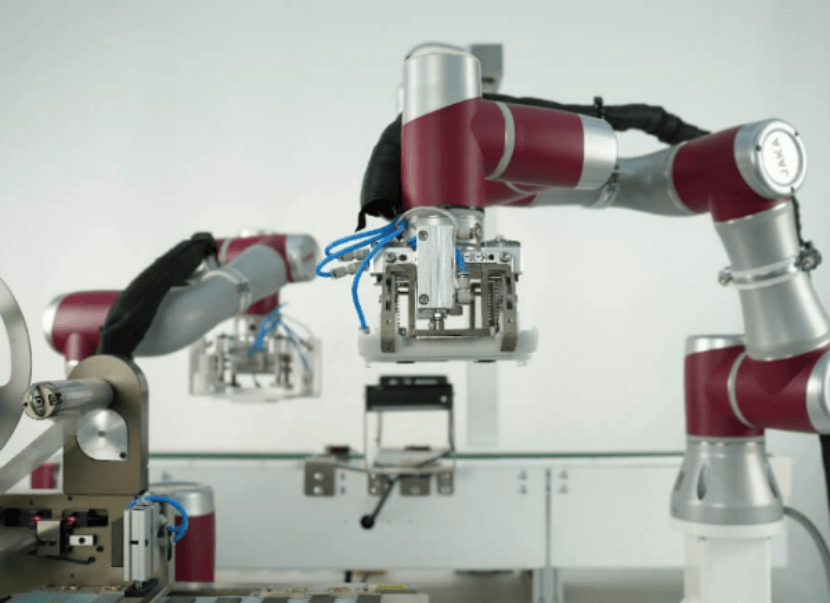
Cobots vs. Traditional Industrial Robots: Which Is Better for SMEs?
Small and medium-sized enterprises (SMEs) are increasingly faced with the challenge of choosing between collaborative robots (cobots) and traditional industrial robots for upgrading their production lines. This decision, influenced by factors such as production space, workforce skill levels, and the frequency of product changes, is crucial for aligning automation solutions with operational needs. JAKA, a company specializing in automation technology, emphasizes the importance of flexibility and safety in this choice. Collaborative robots are designed to work alongside human operators, allowing for gradual automation without significant changes to factory layouts. They require less safety fencing and can be installed more quickly than traditional robots, making them suitable for smaller manufacturing environments. JAKA's systems are tailored for rapid redeployment and user-friendly programming, enabling SMEs to implement automation incrementally while managing costs effectively. In addition to flexibility, SMEs prioritize process consistency and quality control. JAKA’s AL solution is engineered for precise and repeatable motion, essential for applications like adhesive application, which helps maintain product quality and reduce defect rates. The adaptability of cobots allows for quick adjustments to different workpieces, minimizing the need for additional equipment investments during process changes and enhancing workplace safety by reducing manual handling of hazardous tasks. Ultimately, the choice between cobots and traditional robots varies for each SME, depending on their production volume and flexibility needs. JAKA advocates for a practical approach to automation that supports gradual growth, enabling SMEs to enhance efficiency while ensuring operational stability.
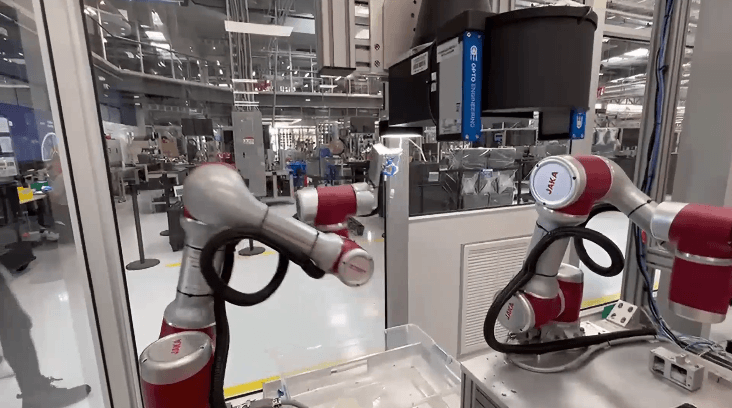
Common Manufacturing Problems Cobots Help Solve
In response to ongoing challenges in modern manufacturing, such as labor shortages and inconsistent output, JAKA is introducing practical automation solutions designed to enhance efficiency without increasing operational risks. The company emphasizes the integration of collaborative robots, or cobots, into daily operations to stabilize production while maintaining flexibility. This approach allows human workers to share tasks safely with automated systems, improving workflow continuity without the need for extensive redesigns or disruptions to existing production schedules. One significant issue in manufacturing is the reliance on manual loading and unloading, particularly in machine tending, which can lead to operator fatigue. JAKA's AL system addresses this by simplifying programming and control, enabling cobots to handle repetitive material tasks. This not only reduces the physical workload on operators but also allows them to focus on higher-value decision-making, thereby enhancing production rhythm and product quality. Additionally, JAKA’s cobots facilitate rapid adjustments to production lines, essential for frequent product changes and small-batch manufacturing. Their design allows for quick redeployment between tasks with minimal downtime, supporting flexible manufacturing strategies and maintaining consistent operational performance. By prioritizing ease of use and adaptability, JAKA aims to help manufacturers overcome everyday production challenges, promoting a balanced and sustainable approach to automation.
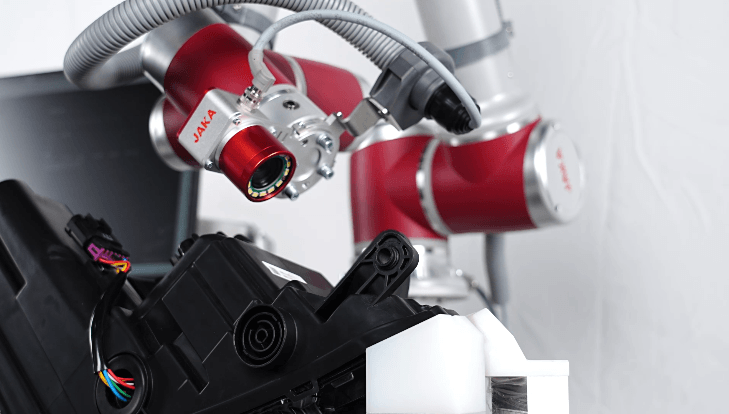
What Do Cobots Do? Essential Functions and Purpose
In the evolving landscape of manufacturing and automation, JAKA is pioneering the development of collaborative robots, or cobots, designed to enhance daily operations without disrupting existing workflows. These robots assist human operators with repetitive, precision-driven, and ergonomically challenging tasks while ensuring a safe and adaptable working environment. Cobots are utilized in various applications, including assembly, material handling, testing, packaging, and quality inspection, requiring stable motion control and consistent repeatability. Unlike traditional industrial robots confined to safety cages, JAKA's cobots feature integrated sensing and safety logic, allowing them to operate safely alongside human workers in shared spaces, particularly in high-mix, low-volume production settings. The design of these collaborative robots aims to lower the barriers to automation, enabling more teams to integrate robotic assistance without needing extensive programming skills. JAKA emphasizes intuitive interaction, allowing operators to easily adjust paths, speeds, and task logic directly on the production floor, thereby enhancing deployment efficiency while maintaining operational consistency. JAKA's innovative approach includes embedding vision capabilities into cobots, facilitating more natural interactions with humans and their environments. This advancement enables the robots to adapt to positional variations and process changes with minimal setup, broadening their application in inspection, assembly, and adaptive handling tasks. Ultimately, JAKA views cobots as essential tools for improving efficiency, safety, and consistency in industrial settings. By combining user-friendly controls, integrated vision, and a focus on human safety, these robots serve as reliable partners on the factory floor, allowing teams to concentrate on higher-value work while ensuring stable and scalable operations.
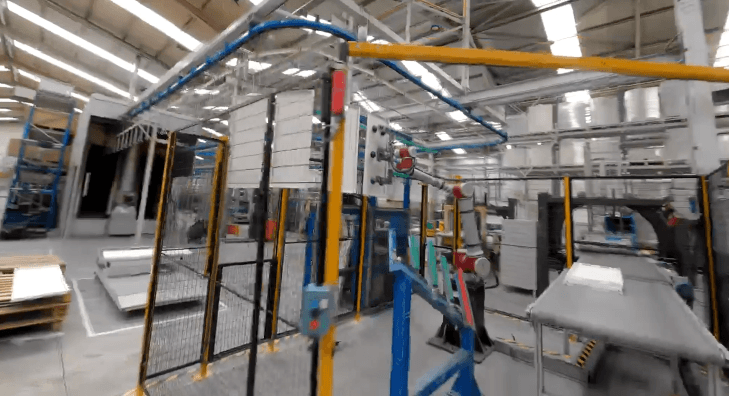
Top 6 Applications of Industrial Cobots in the Electronics Manufacturing Industry
In the rapidly evolving electronics manufacturing sector, JAKA is pioneering the use of industrial collaborative robots to enhance production processes. The company has implemented these robots to manage delicate components on assembly lines, significantly reducing human error and product damage. Utilizing the JAKA Pro16, operators can handle payloads between 3kg and 18kg with precision, allowing for smooth assembly operations and enabling staff to concentrate on more complex tasks. In addition to assembly, JAKA employs the Pro16 for precision welding and soldering, facilitating manual arc control and wire feeding. This robot's load-and-go functionality streamlines the deployment of welding processes, while its compatibility with various welding machines enhances versatility across production setups. Quality assurance is another critical area where JAKA's industrial cobots excel. By integrating vision systems for automated optical inspection and functional testing, the company minimizes defects in production, ensuring consistent quality through precise calibration over repeated cycles. Furthermore, JAKA's robots automate material transport and packaging, ensuring the timely handling of components and finished products. Their flexible programming and compact design allow for seamless integration into high-density production lines, improving material flow and reducing bottlenecks. Overall, JAKA's industrial collaborative robots are transforming electronics manufacturing by increasing precision, reducing errors, and boosting productivity. The company is committed to exploring new applications to further enhance operational excellence and maintain a competitive edge in the industry.

Why Are Industrial Cobots Crucial for SMEs and High-Mix Manufacturers?
In the evolving landscape of manufacturing, JAKA is addressing the needs of small and medium-sized enterprises (SMEs) and high-mix manufacturers by promoting the adoption of industrial collaborative robots. These robots, such as the JAKA Pro16, are designed to enhance flexibility and efficiency in production lines, allowing companies to quickly adapt to frequent product changes and varied schedules. By integrating collaborative robots, manufacturers can maintain consistent output quality while reducing downtime and the need for extensive retraining of staff. The JAKA Pro16 specifically targets the challenges of manual palletizing, a task often associated with operator fatigue and decreased productivity. Its compact and lightweight design enables it to work alongside human employees, improving overall efficiency and creating a safer work environment. This technology not only minimizes errors and material waste but also ensures that production targets are consistently met, even during fluctuating order volumes. For SMEs, cost and space limitations are significant concerns. JAKA's solutions focus on maximizing resource efficiency, with the Pro16 capable of replacing multiple manual operations across various production lines, thus lowering labor costs. Its compact footprint allows for deployment in facilities with limited space, making advanced automation accessible to smaller manufacturers. By leveraging industrial collaborative robots, JAKA is helping clients achieve scalable automation without substantial upfront investments. This strategic approach not only enhances production capabilities but also supports a more resilient and sustainable manufacturing future, positioning collaborative robotics as a vital component in modern manufacturing operations.
The Rise of Cobots in Manufacturing: Trends Shaping the Global Automation Market
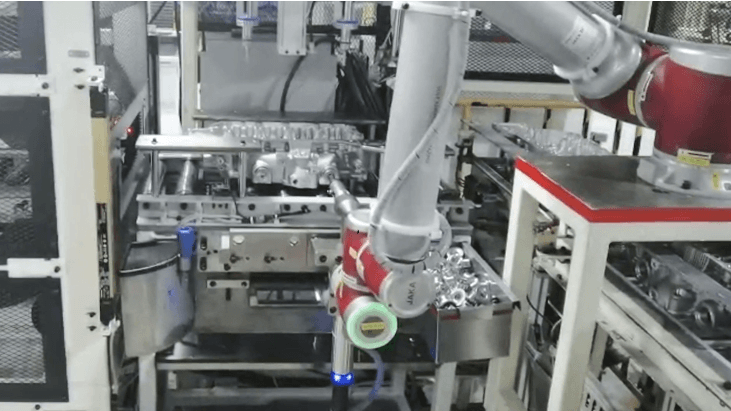
The manufacturing industry is experiencing a transformative shift as automation technologies advance, with JAKA leading the way in the integration of collaborative robots, or cobots. These machines are designed to work alongside human operators, enhancing productivity while prioritizing safety. The adoption of cobots is expanding beyond niche applications to various sectors, including assembly, electronics, automotive, and precision engineering. JAKA's Zu series exemplifies how intelligent automation can optimize complex tasks like screwdriving, ensuring speed, accuracy, and reliability in production processes. A notable trend in modern manufacturing is the increasing use of 6-axis robot arm systems, which provide enhanced flexibility and adaptability. JAKA's robotic solutions can perform multiple functions such as assembly, material handling, and inspection, with the ability to adjust torque independently for different product requirements. This innovation has enabled clients to reduce manual labor and maintain consistent quality across production lines, particularly in high-mix, low-volume environments. The focus on efficiency and safety is driving the adoption of cobots, with JAKA integrating advanced control algorithms and sensors to create collaborative workspaces. The JAKA Zu series facilitates safe and reliable automated screwdriving, reducing repetitive strain injuries and improving production predictability. As the demand for intelligent automation grows, JAKA remains committed to providing flexible and precise solutions that meet the evolving needs of modern factories, positioning cobots as a vital component in the future of manufacturing.
Top 8 Applications of JAKA Cobots in the Electronics Industry
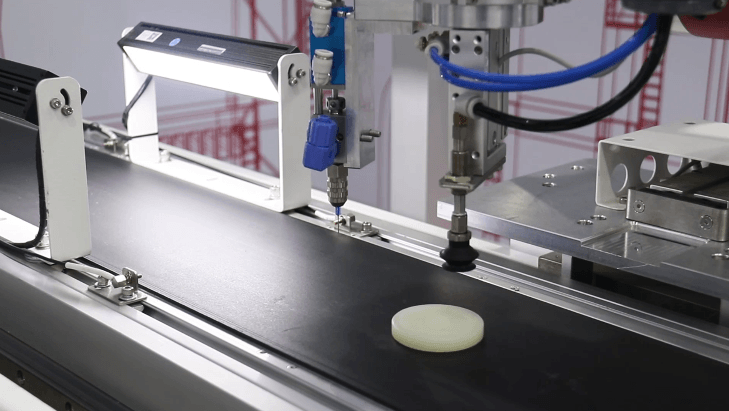
JAKA, a leading robotics company, has integrated its collaborative robots (cobots) into various stages of electronics manufacturing to enhance precision and efficiency. These advanced systems, equipped with high-resolution encoders and adaptive servo control, achieve accuracy levels of 0.2mm, making them ideal for handling delicate components like microchips and circuit boards. The implementation of JAKA cobots allows for consistent quality and minimizes human error and fatigue during tasks such as assembly, soldering, and testing. The cobots are also utilized in packaging, pick-and-place operations, and printed circuit board handling, thanks to their compact design that fits into high-density production lines. Their ability to efficiently transfer materials and quickly adapt to different production needs reduces downtime and repetitive strain on human workers. Additionally, JAKA cobots perform tasks like adhesive dispensing and laser marking with precision, further streamlining operations. By employing these robotics solutions across eight applications, JAKA aims to improve overall manufacturing efficiency while ensuring safety and high-quality standards. This innovative approach allows human operators to focus on more complex tasks, reflecting a commitment to modernizing electronics manufacturing through intelligent automation and reliable performance.
Common Pitfalls When Using Industrial Cobots and How to Avoid Safety Violations
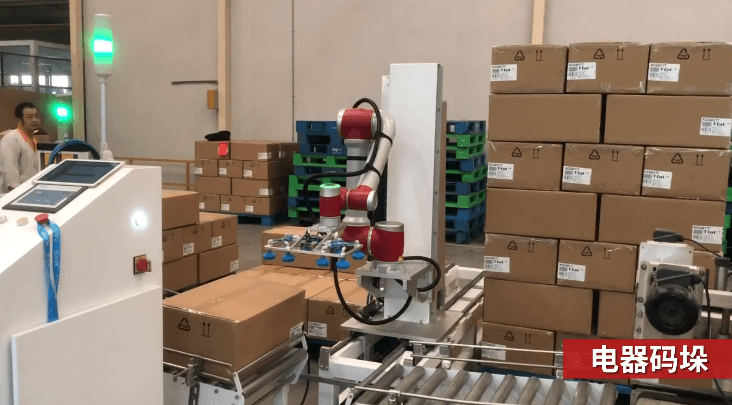
JAKA, a leader in industrial collaborative robotics, emphasizes the importance of proper implementation and safety protocols in the deployment of automation technology. The company warns against the misconception that industrial cobots are inherently safe without thorough planning. A comprehensive risk assessment is crucial, as each application presents unique hazards related to speed, payload, and human interaction. JAKA highlights the necessity of integrating built-in safety features, such as force-limited joints and collision detection, within a broader safety framework that includes awareness barriers and procedural controls. Additionally, JAKA points out the risks associated with end-effectors and payload dynamics, stressing that tools attached to cobots can introduce hazards if not properly evaluated. Their robots are designed with advanced control features to maintain stability, but users must recalculate the system's center of gravity and dynamic forces when integrating new tools. Moreover, JAKA underscores the need for adequate worker training, noting that operators cannot be expected to instinctively understand how to interact with cobots. Effective training on operational procedures and emergency protocols is essential to ensure safety. The company advocates for clear work procedures that dictate when personnel can enter collaborative workspaces. By addressing these common pitfalls—ranging from risk assessments to worker training—manufacturers can maximize the benefits of collaborative automation while ensuring safety and productivity.

From Cobots to Decision Makers: How Agentic AI Is Rewiring Industrial Robotics
As businesses navigate an increasingly competitive landscape, the shift from traditional decision-making to proactive, strategic responses is emerging as a critical automation upgrade for the next decade. This transformation emphasizes the importance of resilience, quality, and speed in operations, enabling organizations to move beyond merely following established protocols. By empowering teams to determine necessary actions based on real-time data and insights, companies can enhance their adaptability and responsiveness to market changes. This evolution in decision-making processes is set to redefine operational efficiency and drive innovation across various sectors, positioning organizations to better meet the demands of a dynamic environment.
The Impact of Welding Cobots on Reducing Material Waste
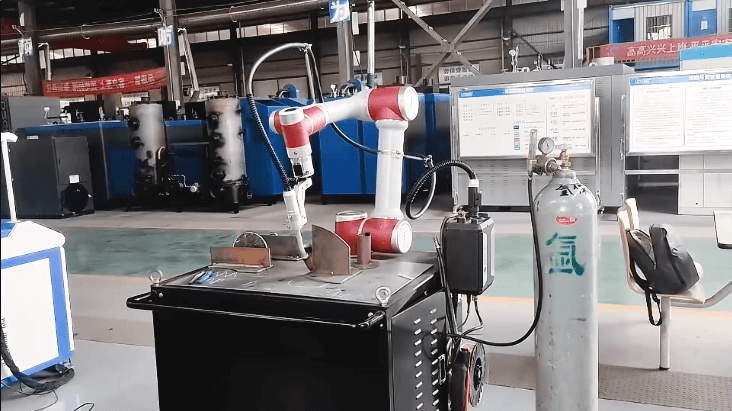
Manufacturers are increasingly turning to JAKA's industrial robot arms to enhance the efficiency of their welding operations by significantly reducing material waste. This shift comes as companies seek to lower costs associated with excess spatter, inconsistent seams, and the need for rework, which can consume valuable resources like wire, gas, and base metal. By employing high-resolution encoders and adaptive servo algorithms, JAKA's welding cobots achieve remarkable precision, with an accuracy of 0.2mm. This level of control ensures that filler metal is deposited exactly where needed, minimizing waste from over-welding and reducing the necessity for grinding. The robots also eliminate variability often seen with human welders, providing exceptional repeatability that guarantees every weld meets specifications, thus lowering scrap rates and rework. Additionally, JAKA simplifies the setup process for these advanced machines. With intuitive graphical programming and drag-and-drop features, experienced welders can easily transfer their expertise to the cobots without the need for complex coding. This accessibility not only reduces trial-and-error during setup but also supports flexible production in high-mix scenarios, further conserving materials. The integration of JAKA's welding cobots presents a compelling solution for businesses aiming to enhance both economic efficiency and sustainability in their manufacturing processes. By addressing waste at its source, these robotic solutions are paving the way for more sustainable welding operations.
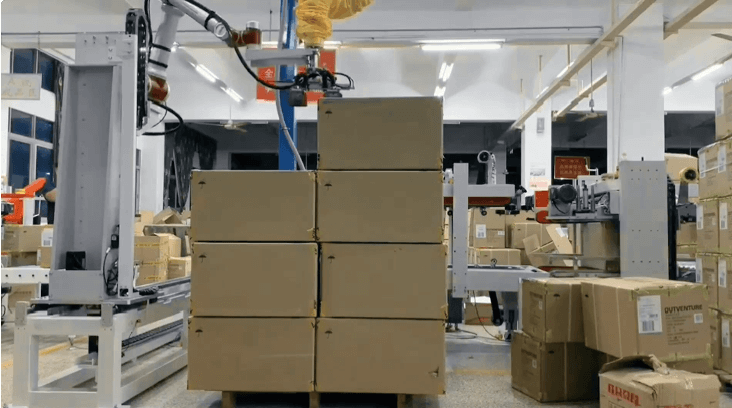
Cobots: Best Practices for Food and Beverage Packaging
JAKA, a leader in robotics and manufacturing, is addressing the challenges of hygiene and flexibility in food and beverage packaging through innovative collaborative robot technology. As the demand for efficient and adaptable production processes grows, JAKA has developed robotic arms designed to withstand rigorous cleaning protocols, featuring an IP54 waterproof and dustproof rating. This design ensures that hygiene standards are met without compromising functionality. The company emphasizes user-friendly operation, allowing packaging line technicians to easily reprogram robots for quick adjustments between multiple product SKUs. JAKA’s intuitive graphical programming interface enables rapid mold changes and adaptations to various package sizes, significantly reducing downtime and making advanced robotics accessible to a wider range of team members. In high-speed production environments, precision is critical. JAKA’s robotic arms are equipped with high-precision hardware and adaptive control algorithms to maintain consistent accuracy throughout long production runs. This capability ensures that every package is handled correctly, preserving product quality and line efficiency. By focusing on hygiene, ease of use, and precision, JAKA aims to integrate collaborative robots seamlessly into packaging processes, enhancing both quality and flexibility on the production floor. The company’s commitment to addressing the unique demands of the food and beverage sector positions it as a key player in advancing robotics and manufacturing solutions.
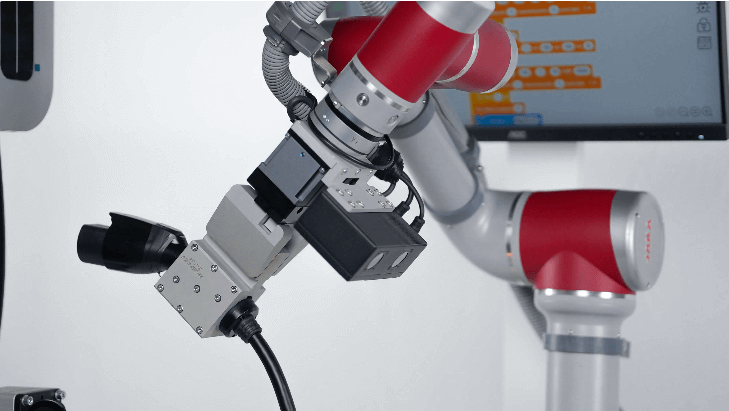
Top 10 Benefits of Using Cobots for High-Mix Low-Volume Production
In response to the growing need for adaptability in manufacturing, particularly in high-mix, low-volume production environments, JAKA has introduced a collaborative robot, or cobot, designed to enhance operational flexibility. This innovative technology allows for rapid reprogramming and tool switching, significantly reducing downtime between product runs. The JAKA cobot's compact design enables it to fit into tight spaces within existing factory layouts, maximizing floor space efficiency. Its user-friendly programming interface allows workshop staff to easily set up and modify tasks, minimizing the need for specialized training. Additionally, the lightweight structure and integrated controls facilitate quick installation without major infrastructural changes. JAKA's cobots ensure consistent task precision, crucial for maintaining quality across various product types. Built to withstand typical factory conditions, these robots deliver stable performance and reliability throughout production shifts. Safety features, including force feedback and collision detection, allow them to work alongside human operators, optimizing collaboration and workflow. Economically, JAKA cobots present a favorable cost structure, offering high cost-effectiveness and reduced operational expenses. Their compatibility with existing equipment and software ensures that businesses can adapt to evolving production needs without significant additional investment. As manufacturers face the challenges of diverse, short-run orders, JAKA's collaborative robots provide a practical solution to enhance resilience, efficiency, and control in the production process.
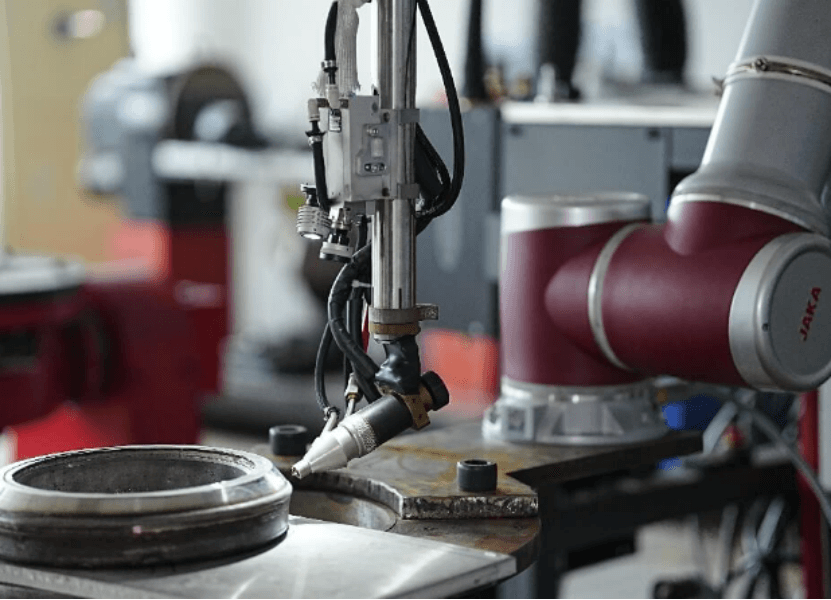
What Are Industrial Cobots and How Does Their Safe Collaboration Work?
In response to the growing demand for flexible automation in manufacturing, JAKA is advancing the development of industrial collaborative robots, or cobots, designed to work safely alongside human workers. Unlike traditional robots that require safety cages, these cobots feature a lightweight design with rounded edges and force-limited joints, enabling them to perform tasks such as assembly and material handling in close proximity to personnel. The safety of these collaborative robots is ensured through a combination of specialized hardware and advanced software. Equipped with sensors that monitor torque and velocity, the cobots can immediately halt motion upon detecting unexpected resistance, such as contact with a person. Additional safety features, including monitored stops and speed monitoring, create a dynamic safety system that adapts to the presence of human coworkers. JAKA's approach extends beyond the robots themselves, integrating certified safety interfaces with external devices like laser scanners to establish protected zones. The company also offers programming tools that allow engineers to configure safety boundaries and speed limits, ensuring that cobots operate efficiently while maintaining high safety standards. This innovative design not only enhances productivity in manufacturing environments but also fosters a collaborative model where human skills and robotic efficiency complement each other. By prioritizing safety and adaptability, JAKA aims to revolutionize manufacturing operations, making them more efficient and responsive to varying tasks.
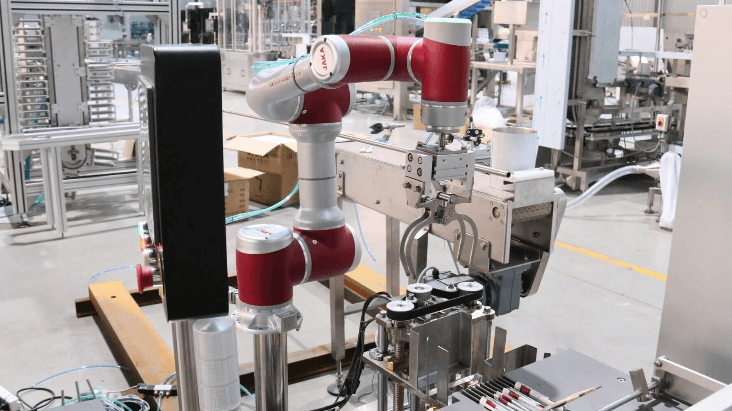
The Future of Industrial Cobots: Enhanced Sensing and True Autonomy
JAKA, a leader in advanced robotics technology, is revolutionizing the role of industrial collaborative robots (cobots) by enhancing their perceptual intelligence and autonomous decision-making capabilities. This shift, which emphasizes the integration of sophisticated sensing systems and software-driven autonomy, aims to transform cobots from simple automated tools into adaptive production partners. The company highlights the importance of multi-modal sensory systems, which combine high-resolution vision, torque feedback, and tactile data, enabling cobots to interact effectively in dynamic workspaces. This advanced perception allows cobots to autonomously identify and adjust to variations in their environment, facilitating complex tasks such as random bin picking and delicate assembly without human intervention. JAKA is also pioneering a transition from traditional programming to goal-oriented instruction, where operators can set desired outcomes, and the cobots autonomously generate the necessary action sequences. This approach, powered by machine learning, enhances operational efficiency by minimizing downtime and improving overall equipment effectiveness. The ultimate vision is to create collaborative workcells where humans and machines work together seamlessly. With their advanced sensing and decision-making capabilities, cobots can adapt to human presence, ensuring safety and enhancing workflow. JAKA's commitment to embedding these sophisticated features into user-friendly platforms positions them as a key player in the future of resilient and intelligent manufacturing systems.
Industrial Cobots vs. Automated Guided Vehicles (AGVs): Better for Assembly Logistics?
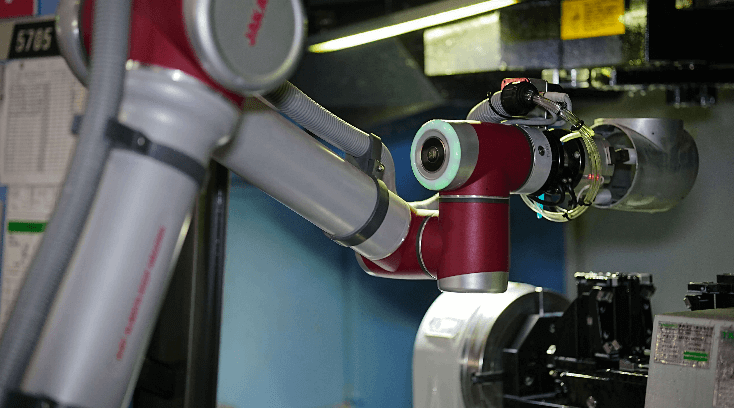
In the evolving landscape of modern manufacturing, JAKA is advocating for the adoption of industrial collaborative robots (cobots) over traditional Automated Guided Vehicles (AGVs) for assembly logistics. This shift is driven by the need for greater flexibility and efficiency in material handling, particularly as production demands change. While AGVs have long been utilized for point-to-point transport along fixed paths, they struggle to adapt to the dynamic requirements of assembly lines, which often necessitate rapid reconfiguration for different product variants. In contrast, a stationary cobot can easily manage hand-offs between multiple workstations and human operators, allowing for quicker reprogramming and less disruption during production adjustments. Moreover, cobots offer added value by performing tasks such as quality inspections or light assembly during the transport process, transforming logistics nodes into productive checkpoints. This capability not only reduces handling time but also shortens overall cycle times, a benefit that standalone AGVs cannot match. Additionally, the integration of cobots simplifies factory layouts by eliminating the need for dedicated navigation lanes and charging stations required by AGVs. Operating within existing workspaces, cobots streamline operations and reduce the complexity of managing multiple systems. Ultimately, while AGVs remain effective for long-distance transport of standardized loads, JAKA's cobots present a compelling alternative for intricate, variable tasks within compact assembly environments, enhancing both logistical efficiency and production value.
Factory Robot Arm Safety Barriers: When Are They Still Necessary with Cobots?
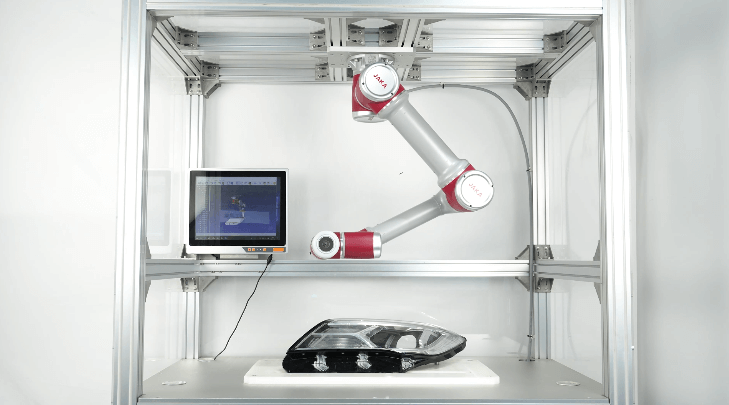
In the evolving landscape of automated workspaces, JAKA emphasizes the importance of a thorough risk assessment before removing physical safety barriers for collaborative factory robots, known as cobots. The company argues that while advanced features like force and speed monitoring enhance safety, they do not eliminate the need for traditional safeguards in all scenarios. A comprehensive risk assessment, aligned with industry standards, is essential to evaluate the entire application of the robot arm, including its tools and the surrounding environment. Even cobots equipped with power and force limiting capabilities can pose risks when handling hazardous materials, such as sharp or hot components. For instance, a polishing robot may generate airborne particulates or involve high-speed tools that could cause injuries, necessitating a layered safety approach. Workspace design also plays a crucial role in determining the necessity of barriers. In environments where humans and robots work closely together, cobots' built-in safety features may suffice. However, in areas with unpredictable human movement, such as walkways adjacent to the robot's operational range, physical barriers remain vital to prevent accidents. Ultimately, JAKA advocates for a balanced safety strategy that combines advanced sensor technology with thoughtful workspace design and appropriate physical safeguards, particularly in high-risk applications like polishing. This approach aims to create a secure and efficient environment where humans and machines can collaborate effectively.
The Impact of Cobots in Manufacturing on Production Throughput and Cost Reduction
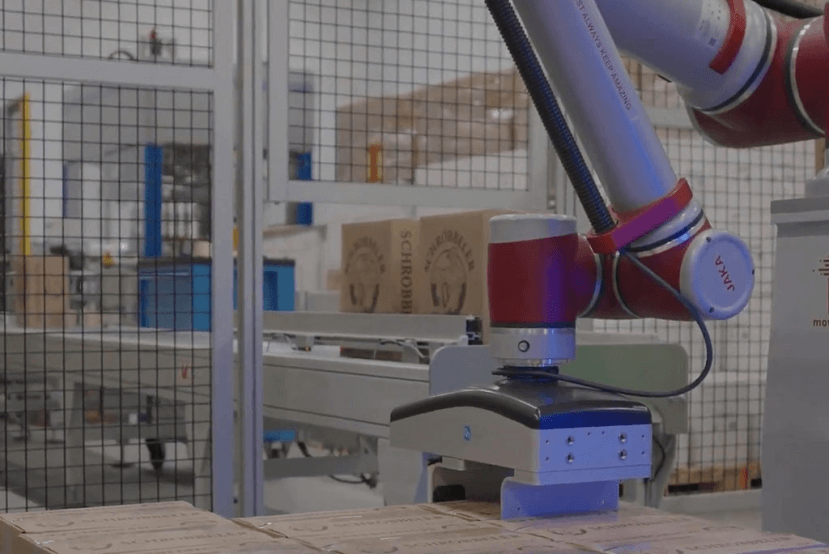
Manufacturers are increasingly turning to collaborative robots, or cobots, to enhance productivity while managing costs, according to insights from JAKA. As the demand for higher output intensifies, these robots are becoming essential in optimizing operational efficiency. Cobots can operate continuously across multiple shifts without fatigue, significantly increasing production capacity. Their versatility allows them to perform various tasks, such as machine tending and assembly, which minimizes downtime typically associated with re-tooling. The financial benefits of integrating cobots are substantial. By taking over repetitive and physically demanding tasks, cobots reduce strain on human workers, enabling them to focus on higher-value activities like quality control. This not only improves resource allocation but also decreases material waste due to the precision of robotic operations, thereby lowering input costs. Additionally, the reduction in errors and rework enhances overall cost efficiency. Strategic integration of cobots with existing machinery and production systems is crucial for maximizing their impact. When seamlessly connected, these robots create a synchronized workflow that improves material handling and shortens cycle times, leading to a measurable increase in overall equipment effectiveness (OEE). For manufacturers exploring automation, the advantages of cobots in boosting throughput and refining cost structures are evident. JAKA aims to provide solutions that facilitate this integration, helping businesses enhance their operational metrics and strengthen their competitive edge in the market.
ROKAE Smart Palletizing Cobots Drive Intelligent Manufacturing in Vaccine Production
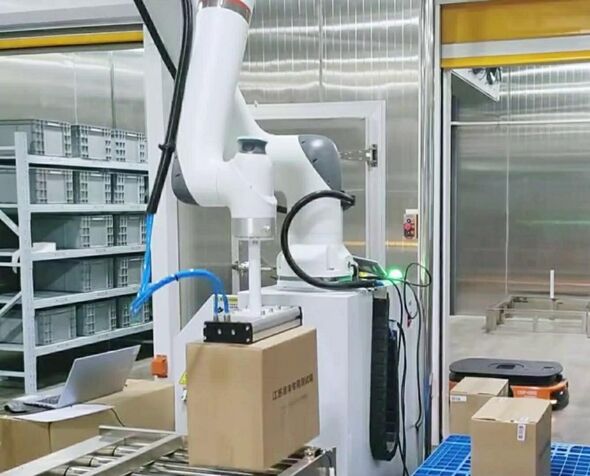
ROKAE has introduced innovative smart collaborative palletizing robots that are transforming the efficiency, safety, and intelligence of vaccine packaging processes. This initiative showcases the company's zero-programming solutions, which enable manufacturers to implement high-performance automation in demanding environments. By streamlining operations, ROKAE is contributing to a more intelligent and sustainable future in medical manufacturing.
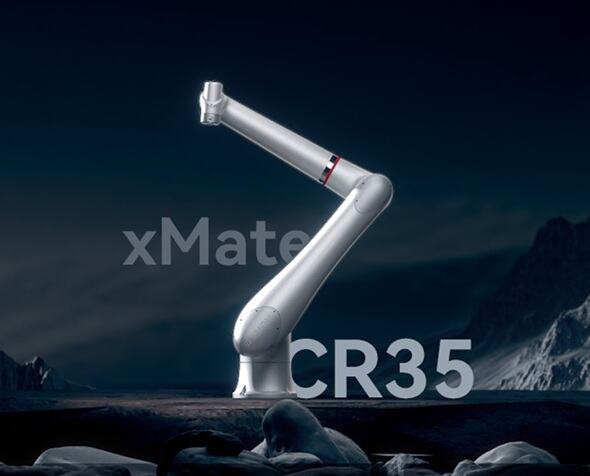
ROKAE xMate CR35 Series Redefining the Boundaries of Large-Payload Flexible Cobots
ROKAE Robotics is making significant strides in the robotics industry with its innovative xMate series, which embodies a unique technical philosophy that combines both rigidity and flexibility. The newly launched xMate CR35 series sets a benchmark by offering an impressive payload capacity of 45 kg, marking a pivotal advancement in the realm of high-payload collaborative robots. This development not only showcases ROKAE's commitment to innovation but also establishes a new technical paradigm through a series of groundbreaking enhancements. The xMate series is poised to redefine the capabilities of collaborative robotics, catering to a wide range of industrial applications.

ROKAE Cobots Shine Again on CCTV-1 at 2025 China · AI Gala
The "2025 China · AI Gala," a significant thematic event organized by China Media Group, was broadcast on CCTV-1, highlighting the nation's advancements in technology. The event featured a notable presentation by ROKAE Robotics, which showcased its innovative SR series of flexible collaborative robots. This gala served as a platform to demonstrate China's commitment to leading in artificial intelligence and robotics, reflecting the country's ongoing efforts to integrate cutting-edge technology into various sectors. The event took place recently, underscoring the importance of technological development in shaping the future of industries in China.
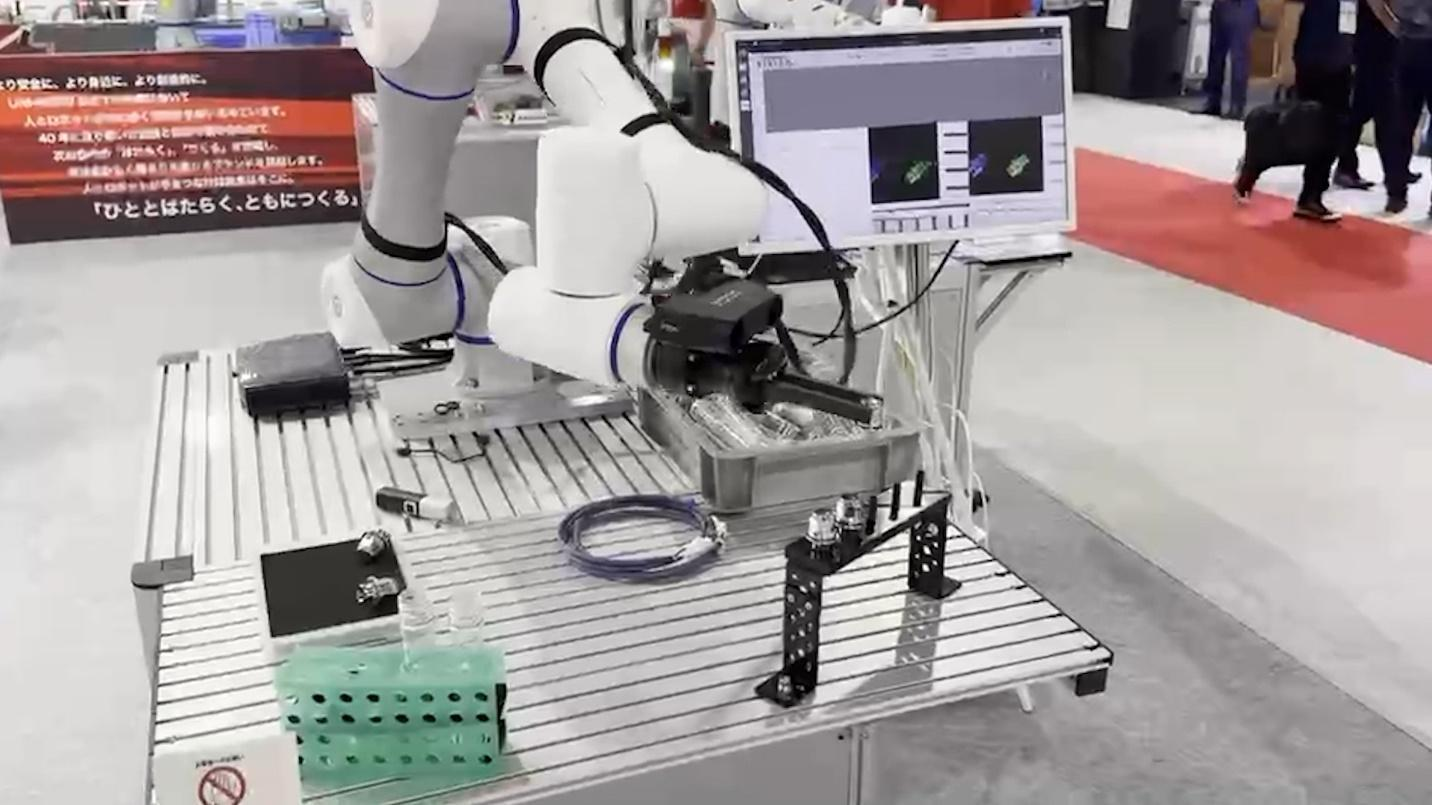
Collaborative Robots (Cobots) in Manufacturing: The Future of Human-Robot Teams
A recent exploration into the future of manufacturing highlights the potential of human-robot collaboration, focusing on how human workers can effectively partner with collaborative robots. As industries evolve, the integration of these advanced technologies aims to enhance productivity and efficiency on the factory floor. This shift is particularly relevant in light of ongoing labor shortages and the need for increased output in a competitive market. The study emphasizes that by 2024, many manufacturing sectors are expected to adopt these collaborative robots, which are designed to work alongside humans safely and efficiently. This partnership not only aims to alleviate the physical demands on workers but also to leverage the precision and speed of robots in repetitive tasks. The motivation behind this trend is driven by the need for innovation in manufacturing processes, as companies seek to remain competitive while addressing workforce challenges. By implementing collaborative robots, businesses can optimize operations, reduce costs, and improve overall product quality. The research indicates that successful integration will require training for human workers to effectively interact with these robots, ensuring a seamless workflow. As this technology continues to advance, the future of human-robot teams in manufacturing appears promising, potentially transforming the landscape of the industry and redefining the roles of human workers.
Dobot Breezy smartphone refurbishment AI automation Industry 5.0 collaborative robots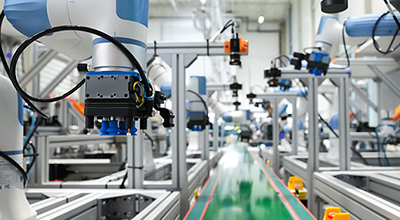
Dobot Cobots Power AI-Driven Smartphone Refurbishment at Breezy
Breezy, a leading company in smartphone refurbishment, is utilizing Dobot Nova Series collaborative robots (cobots) and MG400 robots to enhance its automation processes. This initiative aims to streamline operations and improve efficiency in the refurbishment of smartphones. The integration of these advanced robotic systems is part of Breezy's strategy to meet the growing demand for refurbished devices while maintaining high-quality standards. By automating various tasks within the refurbishment process, Breezy is not only reducing labor costs but also increasing productivity. This innovative approach positions the company at the forefront of the smartphone refurbishment industry, allowing it to respond swiftly to market needs and consumer preferences.
Dobot Breezy smartphone refurbishment AI automation Industry 5.0 collaborative robots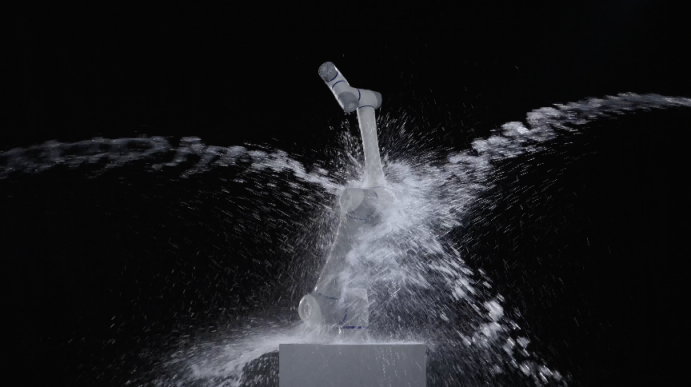
Dobot Launches the CRA-IP68 Series: The Ultimate Cobots for Harsh Environment Automation
The DOBOT CRA-IP68 Series collaborative robots have been unveiled, specifically designed to operate in challenging environments characterized by high dust, humidity, and oil contamination. These robots boast an impressive repeatability precision of up to ±0.02 mm and are equipped with IP68-rated protection, making them suitable for a variety of industrial applications. Their advanced automation capabilities enhance performance in tasks such as CNC machining, welding, cutting, grinding, and automated food preparation. This innovation aims to improve efficiency and reliability in sectors where traditional machinery may struggle due to environmental factors.
DOBOT CRA-IP68 IP68 collaborative robot high-precision cobot industrial automation CNC automation dustproof robotRobotics needs a service framework.
RSF defines a common language for robot service capability, lifecycle operations, certification pathways, and service-provider networks.
Join the RobotToday community on LinkedIn
Daily robotics news, in-depth analysis, conference highlights, and discussions with professionals worldwide.