

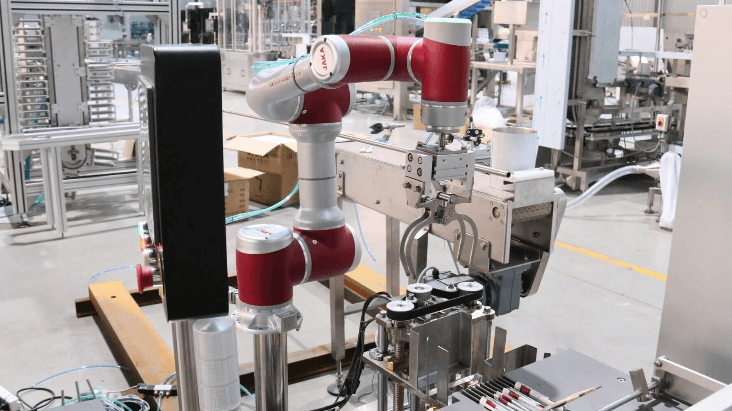
JAKA, a leader in advanced robotics technology, is revolutionizing the role of industrial collaborative robots (cobots) by enhancing their perceptual intelligence and autonomous decision-making capabilities. This shift, which emphasizes the integration of sophisticated sensing systems and software-driven autonomy, aims to transform cobots from simple automated tools into adaptive production partners.
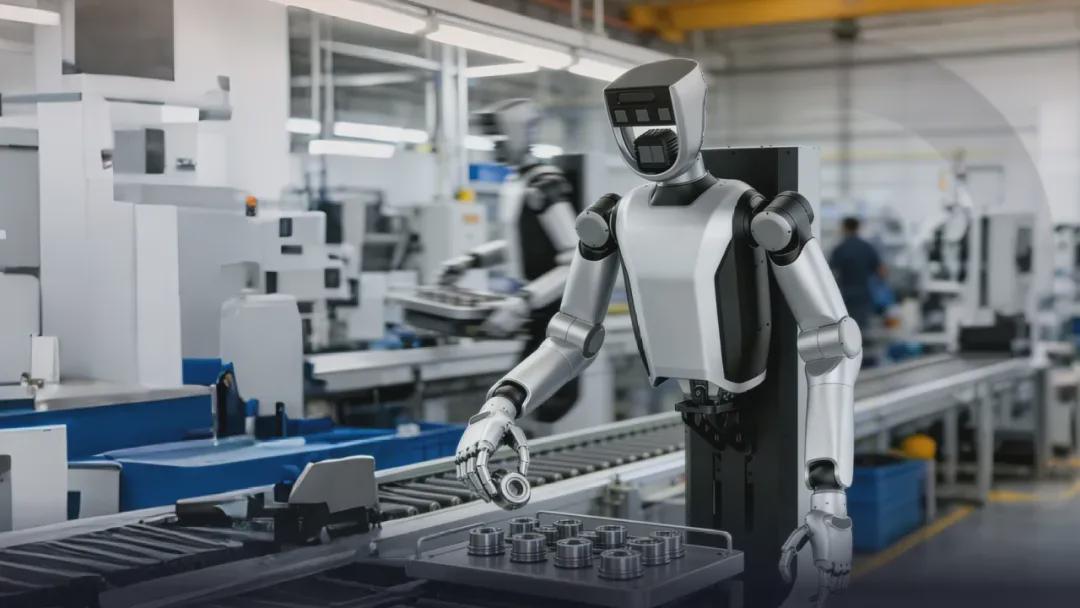
The company highlights the importance of multi-modal sensory systems, which combine high-resolution vision, torque feedback, and tactile data, enabling cobots to interact effectively in dynamic workspaces. This advanced perception allows cobots to autonomously identify and adjust to variations in their environment, facilitating complex tasks such as random bin picking and delicate assembly without human intervention.
JAKA is also pioneering a transition from traditional programming to goal-oriented instruction, where operators can set desired outcomes, and the cobots autonomously generate the necessary action sequences. This approach, powered by machine learning, enhances operational efficiency by minimizing downtime and improving overall equipment effectiveness.
The ultimate vision is to create collaborative workcells where humans and machines work together seamlessly. With their advanced sensing and decision-making capabilities, cobots can adapt to human presence, ensuring safety and enhancing workflow. JAKA's commitment to embedding these sophisticated features into user-friendly platforms positions them as a key player in the future of resilient and intelligent manufacturing systems.





























Leave a comment