

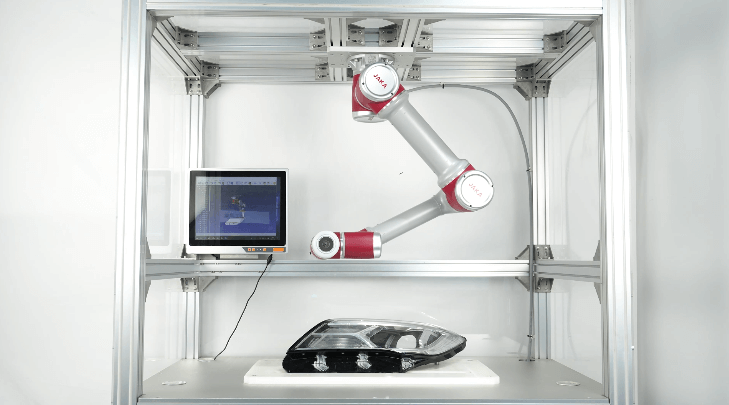
In the evolving landscape of automated workspaces, JAKA emphasizes the importance of a thorough risk assessment before removing physical safety barriers for collaborative factory robots, known as cobots. The company argues that while advanced features like force and speed monitoring enhance safety, they do not eliminate the need for traditional safeguards in all scenarios.
A comprehensive risk assessment, aligned with industry standards, is essential to evaluate the entire application of the robot arm, including its tools and the surrounding environment. Even cobots equipped with power and force limiting capabilities can pose risks when handling hazardous materials, such as sharp or hot components. For instance, a polishing robot may generate airborne particulates or involve high-speed tools that could cause injuries, necessitating a layered safety approach.
Workspace design also plays a crucial role in determining the necessity of barriers. In environments where humans and robots work closely together, cobots' built-in safety features may suffice. However, in areas with unpredictable human movement, such as walkways adjacent to the robot's operational range, physical barriers remain vital to prevent accidents.
Ultimately, JAKA advocates for a balanced safety strategy that combines advanced sensor technology with thoughtful workspace design and appropriate physical safeguards, particularly in high-risk applications like polishing. This approach aims to create a secure and efficient environment where humans and machines can collaborate effectively.





























Leave a comment