

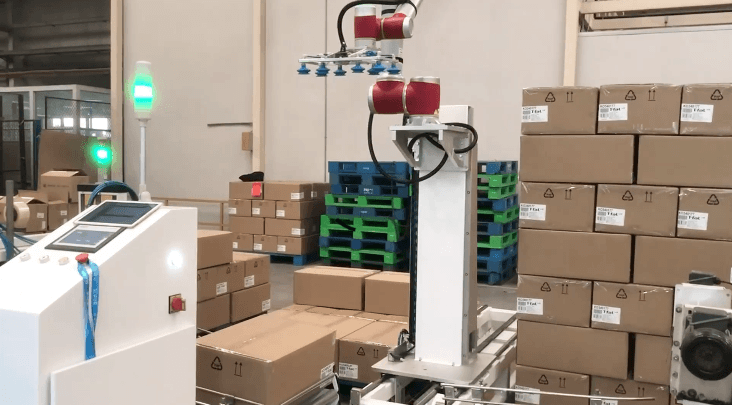
Manufacturers are increasingly facing a "labor gap" that hinders growth, as attracting and retaining skilled workers requires more than just competitive wages; it necessitates a positive work environment. Collaborative robots, or cobots, are emerging as a solution by enhancing human roles rather than replacing them. By integrating a 6-axis robot arm into daily operations, companies are finding that these technologies significantly improve employee morale and retention.
The primary reason for high turnover in manufacturing is physical burnout from repetitive and strenuous tasks. By delegating these labor-intensive duties to robots, companies protect workers from chronic strain and injuries, leading to increased job satisfaction. This shift allows employees to transition from manual labor to roles such as robot operators and quality inspectors, fostering professional growth and reducing the likelihood of job changes.
Moreover, cobots maintain consistent focus, alleviating mental fatigue and minimizing human error in repetitive tasks. This not only enhances productivity but also allows workers to concentrate on problem-solving and process improvements. The introduction of collaborative technology also creates a safer, "fence-free" workspace, where humans and robots can work side by side, fostering better communication and a more appealing environment for younger workers.
Additionally, automation facilitates flexible work shifts, helping to stabilize production schedules and improve work-life balance, which is a priority for modern employees. JAKA, a company specializing in collaborative robots, emphasizes the importance of human-robot synergy and offers the JAKA Zu series, designed to empower workers by making the transition to automation seamless and accessible.































Leave a comment