

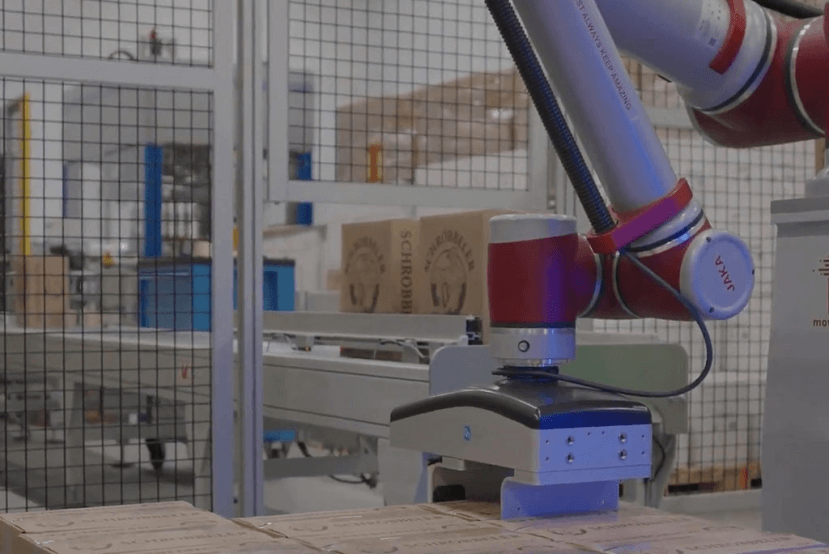
Manufacturers are increasingly turning to collaborative robots, or cobots, to enhance productivity while managing costs, according to insights from JAKA. As the demand for higher output intensifies, these robots are becoming essential in optimizing operational efficiency. Cobots can operate continuously across multiple shifts without fatigue, significantly increasing production capacity. Their versatility allows them to perform various tasks, such as machine tending and assembly, which minimizes downtime typically associated with re-tooling.
The financial benefits of integrating cobots are substantial. By taking over repetitive and physically demanding tasks, cobots reduce strain on human workers, enabling them to focus on higher-value activities like quality control. This not only improves resource allocation but also decreases material waste due to the precision of robotic operations, thereby lowering input costs. Additionally, the reduction in errors and rework enhances overall cost efficiency.
Strategic integration of cobots with existing machinery and production systems is crucial for maximizing their impact. When seamlessly connected, these robots create a synchronized workflow that improves material handling and shortens cycle times, leading to a measurable increase in overall equipment effectiveness (OEE). For manufacturers exploring automation, the advantages of cobots in boosting throughput and refining cost structures are evident. JAKA aims to provide solutions that facilitate this integration, helping businesses enhance their operational metrics and strengthen their competitive edge in the market.
































Leave a comment