

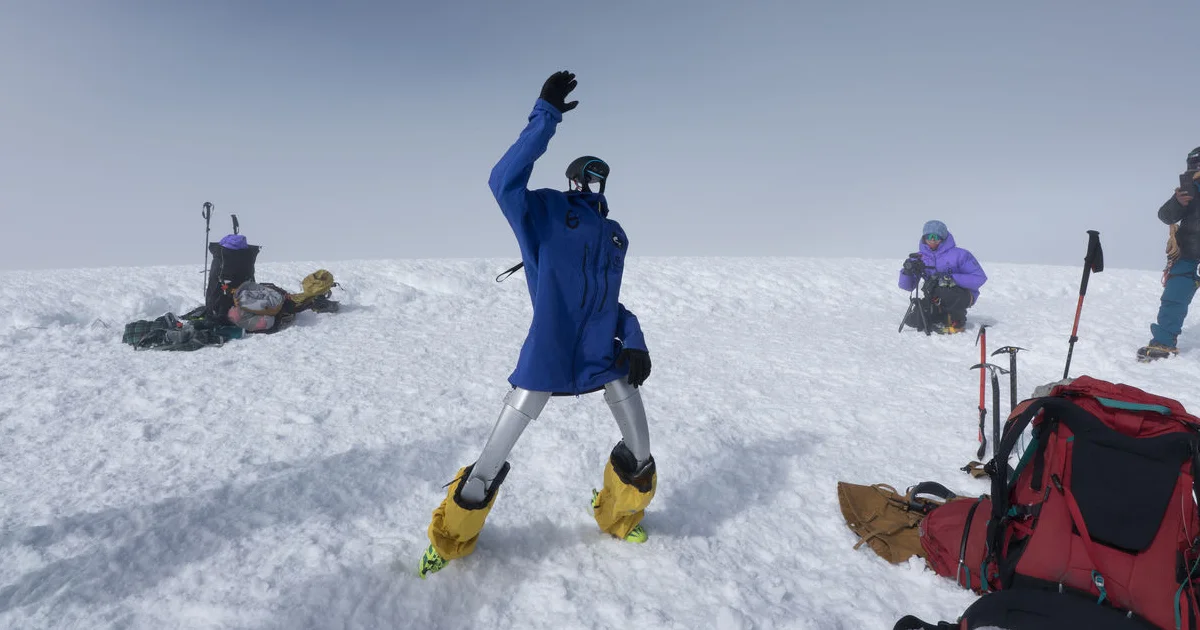
On June 5, 2026, the modified Unitree G1 humanoid robot named 'Pemba' achieved a significant milestone by summiting Chimborazo, a peak in Ecuador that stands at 6,200 meters. This accomplishment marks the first phase of a 'Triple Crown' expedition aimed at testing robotic autonomy in extreme environments.
The importance of this expedition lies in its potential to revolutionize conservation efforts. The Pemba project seeks to develop highly mobile robotic platforms that can operate in areas where traditional wheeled or tracked robots fail, addressing the challenges of monitoring remote parks and reserves.
Looking ahead, the Pemba team is preparing for its next challenges, including an ascent of Mauna Kea in Hawaii and eventually Mount Everest. However, the timeline for the Everest attempt remains uncertain due to regulatory hurdles in Nepal regarding the use of robotics on the mountain.
Editor's Note
The successful summit of Chimborazo by the Unitree G1 humanoid robot highlights the ongoing advancements in robotic autonomy and environmental resilience. As the robotics industry continues to push the boundaries of technology, the implications for conservation and monitoring in inaccessible areas are significant. Stakeholders should closely monitor regulatory developments that could impact future robotic deployments in extreme environments.





























Leave a comment