Industry Briefing
A single destination for timely, editor-curated robotics news from around the world.
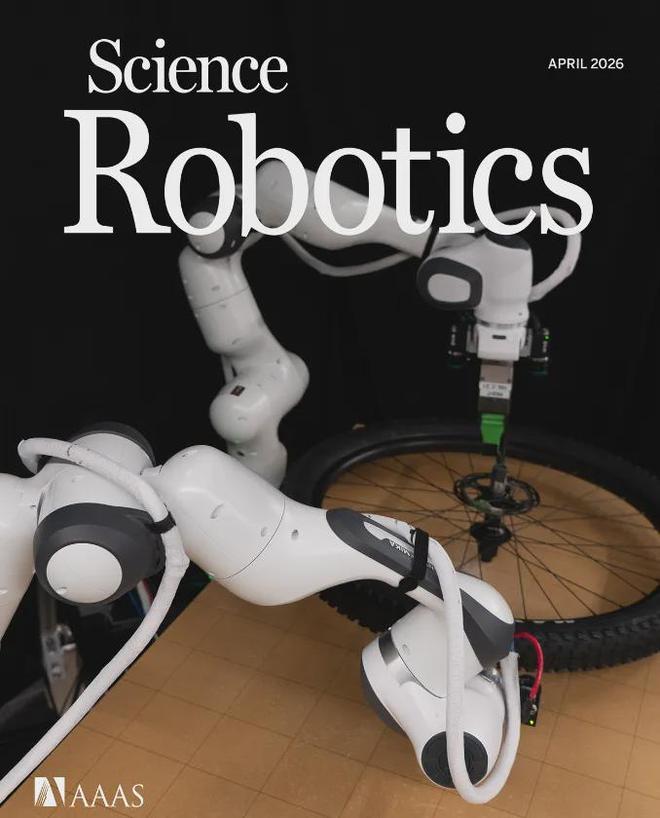
Latest Cover of Sci Robot: Toyota Research Institute and Others Release Groundbreaking Findings, Enhancing Robot Learning Efficiency by 5 Times with 1700 Hours of Data!
A research team at the Toyota Research Institute has made a significant breakthrough in robotics by showcasing the capabilities of Large Behavior Models (LBMs). Their findings indicate that LBMs can enhance learning efficiency for new tasks by five times. This research, which analyzed 1,700 hours of robot demonstration data, provides valuable insights that could advance the development of general-purpose robots. The study highlights the potential for LBMs to revolutionize how robots learn and adapt, paving the way for more versatile and efficient robotic systems in various applications.
Robotics Artificial Intelligence Machine Learning Automation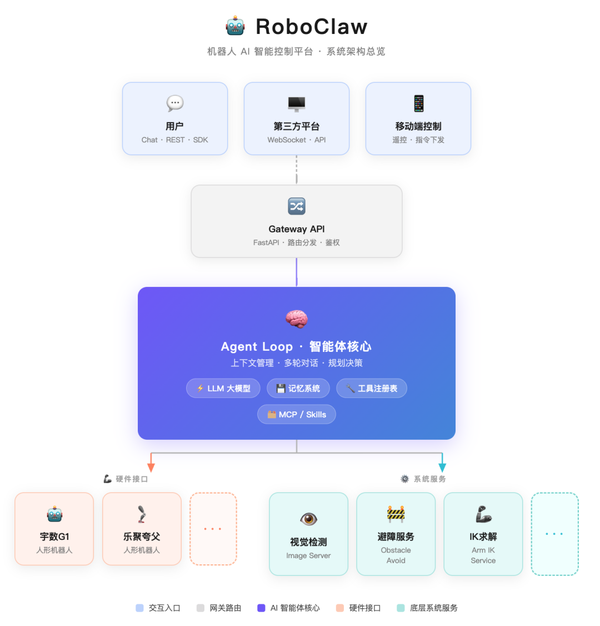
Major Release: ZhiYuan Research Institute Unveils RoboClaw Embodied Intelligence Operating System
The ZhiYuan Research Institute, in partnership with Xuanji Intelligent and Mianbi Intelligent, has unveiled the RoboClaw operating system, a groundbreaking development aimed at enhancing embodied intelligence in robotics. Launched recently, this innovative system allows robots to autonomously perform tasks by engaging in natural language interactions, effectively bridging the gap between artificial intelligence comprehension and practical execution in the physical world. The initiative reflects a significant advancement in robotics technology, aiming to improve the efficiency and versatility of robots in various applications.
Embodied Intelligence Robotics AI Automation Natural Language Processing
International Research Team Embarks on Greenland Expedition to Study Melting Glaciers
An international team of researchers is set to begin a six-week expedition in Greenland on July 16, 2026, to investigate the rapid melting of fjord glaciers and its implications for the Atlantic Ocean. The study aims to assess how this melting contributes to potential climate tipping points, particularly affecting ocean currents. The research is part of a five-year project called GIANT, led by the British Antarctic Survey (BAS) and funded by the Advanced Research + Invention Agency (ARIA). The team will utilize advanced technologies, including drones, marine robots, and sensors, to gather data that will enhance predictions regarding the future of Greenland's glaciers and their environmental impact. As the expedition unfolds, attention will be focused on the effects of Greenland's melting ice on the North Atlantic Subpolar Gyre and the Atlantic Meridional Overturning Circulation (AMOC). Dr. Kelly Hogan from BAS emphasizes the significance of modern tools in exploring glacier-ocean interactions, highlighting the urgency of understanding these changes as they may occur within decades.
rrs sir david attenborough glaciers melting fjord glaciers climate change giant (greenland ice sheet to atlantic tipping points british antarctic survey (bas)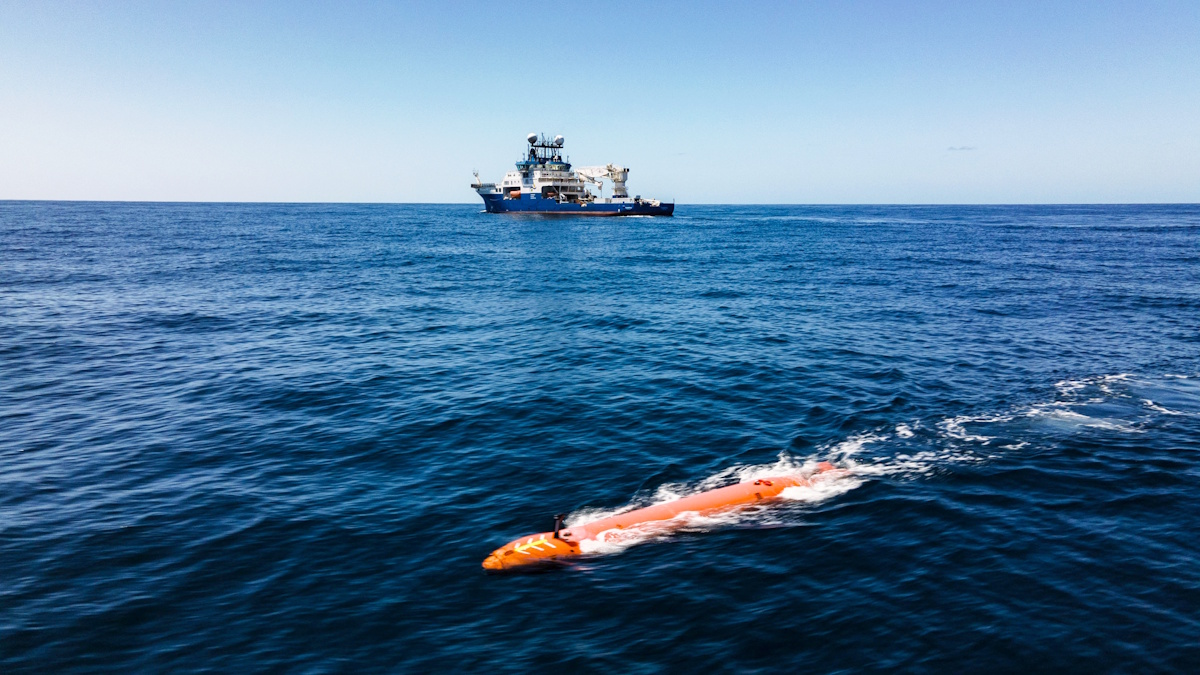
Schmidt Ocean Institute Advances R/V Falkor (too)’s Mapping Capabilities
The Schmidt Ocean Institute has successfully mapped an impressive 2 million square kilometers of seafloor, a vast area comparable to the size of Greenland. This achievement was announced recently as part of the institute's ongoing efforts to enhance underwater exploration. In a bid to improve the capabilities of its research vessel, R/V Falkor (too), the institute implemented two significant upgrades this year. These enhancements included a complete redesign of the ship's bow and the integration of advanced Autonomous Underwater Vehicles (AUVs), recognized as the gold standard in underwater mapping technology. These developments are expected to significantly bolster the institute's ability to conduct detailed and efficient seafloor mapping, furthering its mission to explore and understand the ocean's depths.
schmidt ocean institute (soi) r/v falkor (too) mapping capabilities kongsberg hugin superior auv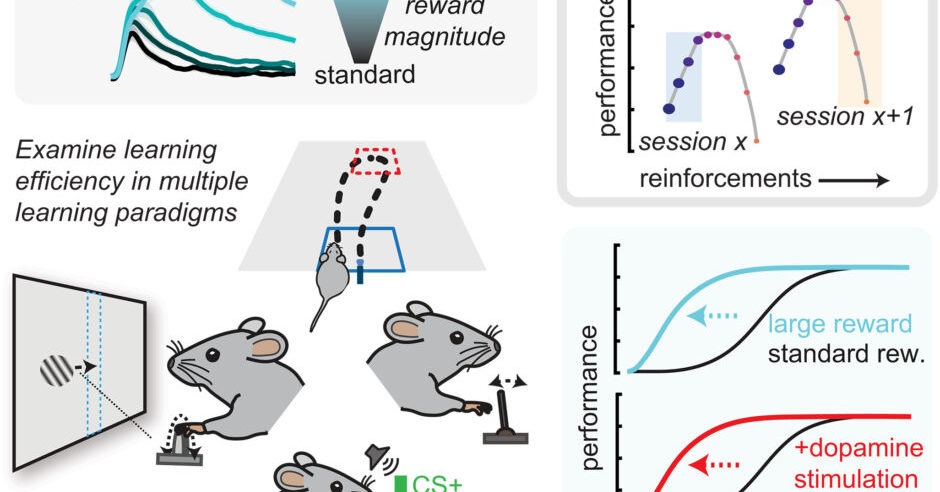
Research Reveals Reward Magnitude Enhances Learning Efficiency in Mice
A study published in Science by researchers from the Howard Hughes Medical Institute demonstrates that the magnitude of rewards significantly influences learning speed. Mice receiving larger rewards completed complex tasks, such as navigation and decision-making, in fewer trials compared to those receiving standard rewards. This finding is crucial as it suggests that learning efficiency is not solely dependent on practice quantity but rather on the size of the rewards. The study indicates that larger rewards lead to prolonged dopamine release in the brain, enhancing motivation and retention of learned tasks. Future research may focus on how these insights can be applied to improve learning strategies in various fields, including education and behavioral training. No further timeline was disclosed at the time of publication.

Myriam Heiman named director of The Picower Institute for Learning and Memory
Heiman, a prominent researcher specializing in neurodegenerative diseases including Huntington’s and Parkinson’s, has been appointed to lead the institute starting July 1. This leadership transition aims to enhance the institute's focus on groundbreaking research and innovative treatments for these debilitating conditions. Heiman's extensive expertise and commitment to advancing the understanding of neurodegenerative disorders are expected to drive the institute's initiatives forward, fostering collaboration and discovery in the field. The appointment reflects the institute's dedication to addressing the growing challenges posed by these diseases, which affect millions globally.
Leadership Faculty Brain and cognitive sciences Neuroscience Disease Parkinson's
Pathak Receives 2026 PAMI Young Researcher Award
Deepak Pathak, a Raj Reddy Associate Professor of Robotics at Carnegie Mellon University’s Robotics Institute, has been honored with the 2026 Pattern Analysis and Machine Intelligence (PAMI) Young Researcher Award. This prestigious accolade was presented during the IEEE Conference on Computer Vision and Pattern Recognition (CVPR), a leading event in the field. The award is one of the highest recognitions for early-career researchers in computer vision, acknowledging Pathak's significant contributions to the discipline. The recognition not only highlights his innovative work but also underscores the importance of fostering new talent in advancing technology and research in robotics and computer vision.
Announcements Awards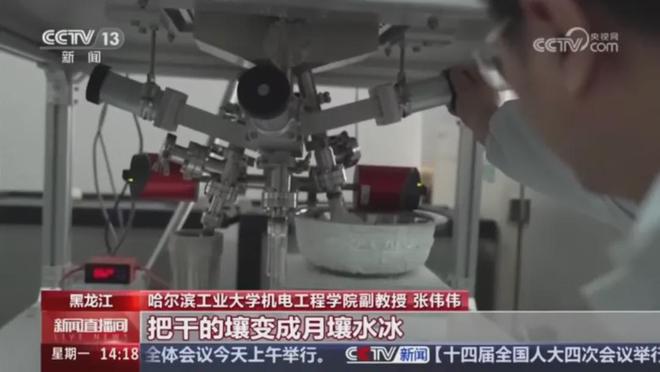
Harbin Institute of Technology Aids Lunar Water Search, China Aims for Global Leadership!
China's Chang'e 7 mission is set to explore the Moon's South Pole-Aitken Basin, with the goal of discovering water ice, a significant milestone that could position China as the first nation to identify water on the lunar surface. Scheduled for launch in the near future, this ambitious mission is supported by the Harbin Institute of Technology, which is contributing advanced technology and research to ensure its success. The exploration of this region is critical, as the presence of water ice could have profound implications for future lunar missions and the potential for human habitation on the Moon.
Lunar Exploration Space Technology Water Ice Detection Deep Space Missions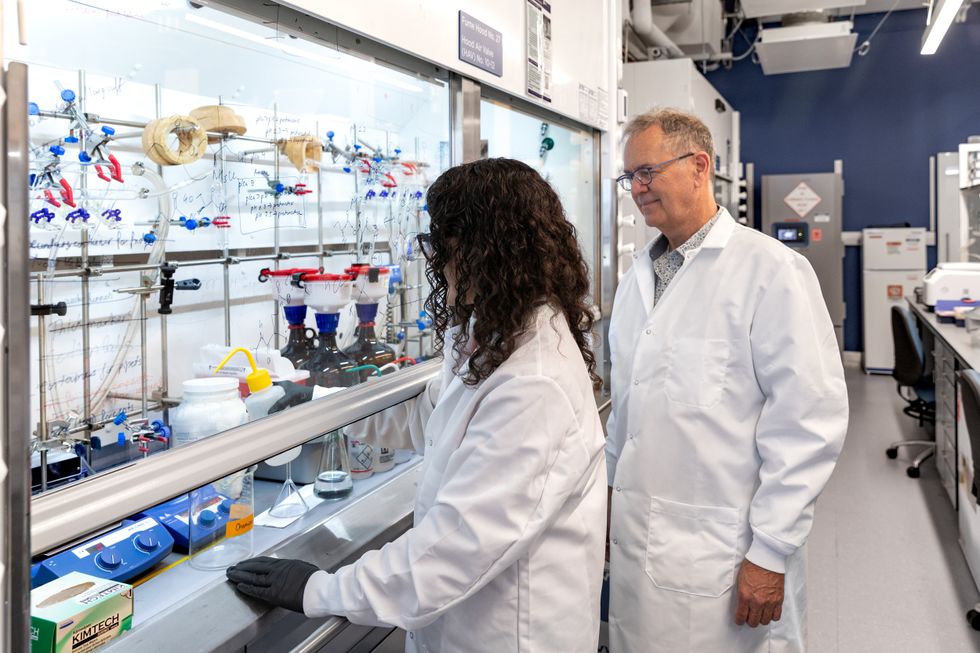
Engineering Collisions: How NYU Is Remaking Health Research
New York University (NYU) is revolutionizing academic research through its newly established Institute for Engineering Health, which focuses on addressing disease states rather than adhering to traditional academic disciplines. This innovative approach encourages collaboration among experts in various fields, including immunology, engineering, and artificial intelligence, to tackle specific health challenges, such as allergic asthma. Under the leadership of Jeffrey Hubbell, NYU's vice president for bioengineering strategy, the institute has already seen promising outcomes, such as the development of a startup that creates devices for detecting airborne pathogens and navigation technology for visually impaired subway riders. Hubbell advocates for a shift from a conventional drug-inhibition model to one that promotes beneficial biological pathways, necessitating a new breed of researchers who possess interdisciplinary skills. To foster this environment, NYU is constructing a science and technology hub in Manhattan, designed to facilitate collaboration among diverse disciplines. This initiative aligns with the university's strategy of organizing around "grand challenges" rather than traditional academic silos, as emphasized by Juan de Pablo, the executive dean of the Tandon School of Engineering. The institute also emphasizes a proactive approach to translating research into practical applications, conducting "translational exercises" to map potential pathways from discovery to deployment. This comprehensive strategy aims to accelerate innovation in science and technology, positioning NYU as a leader in addressing complex health issues through collaborative, cross-disciplinary research.
Type-sponsored Nyu-tandon Health Clinical-trials Data-science Nyu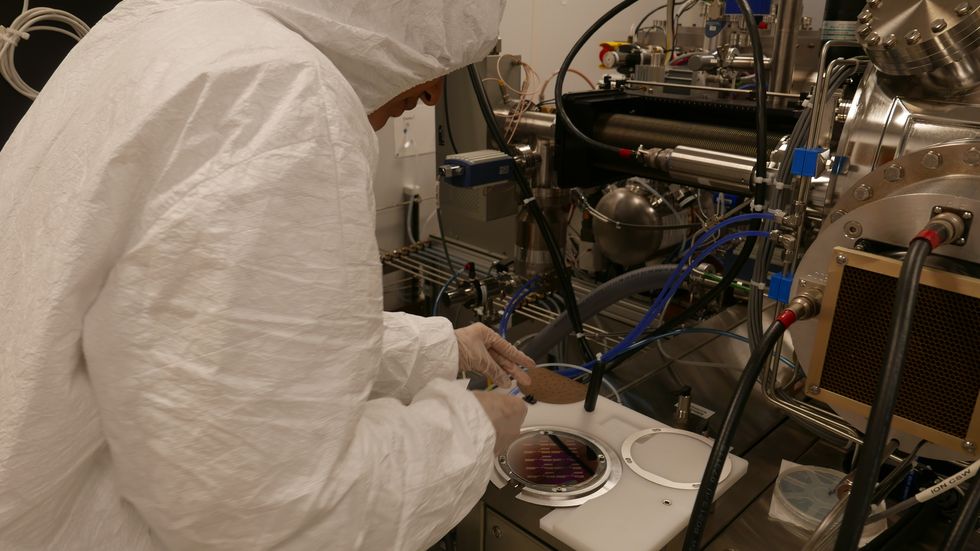
NYU’s Quantum Institute Bridges Science and Application
New York University (NYU) has launched the NYU Quantum Institute (NYUQI) in Manhattan's West Village, positioning itself as a pivotal player in the rapidly evolving field of quantum technology. This initiative aims to harness the dense urban ecosystem surrounding the university, which is home to over 500 tech firms, banks, and hospitals, to accelerate advancements in quantum computing, sensing, and communications. The institute, led by Director Javad Shabani, seeks to break down traditional academic silos by fostering collaboration among physicists, engineers, and computer scientists. This integrated approach is designed to enhance the development of practical quantum solutions, which have been hindered by fragmentation in the field. NYUQI will operate from a newly renovated million-square-foot facility, complemented by a state-of-the-art Nanofabrication Cleanroom in Brooklyn, allowing for real-time testing and refinement of quantum technologies. Recently, New York Senators Charles Schumer and Kirsten Gillibrand secured $1 million in funding to introduce Thermal Laser Epitaxy technology at NYU, marking a significant advancement in the U.S. quantum research landscape. The institute also aims to address the skills gap in the quantum workforce by launching a Master of Science in Quantum Science & Technology program, preparing students to tackle complex challenges in this interdisciplinary field. By leveraging its urban location and fostering collaboration, NYUQI aims to transform theoretical quantum research into practical applications, ultimately contributing to advancements in finance, medicine, and security.
Nyu-tandon Quantum-computing Quantum-internet Semiconductors Quantum-communications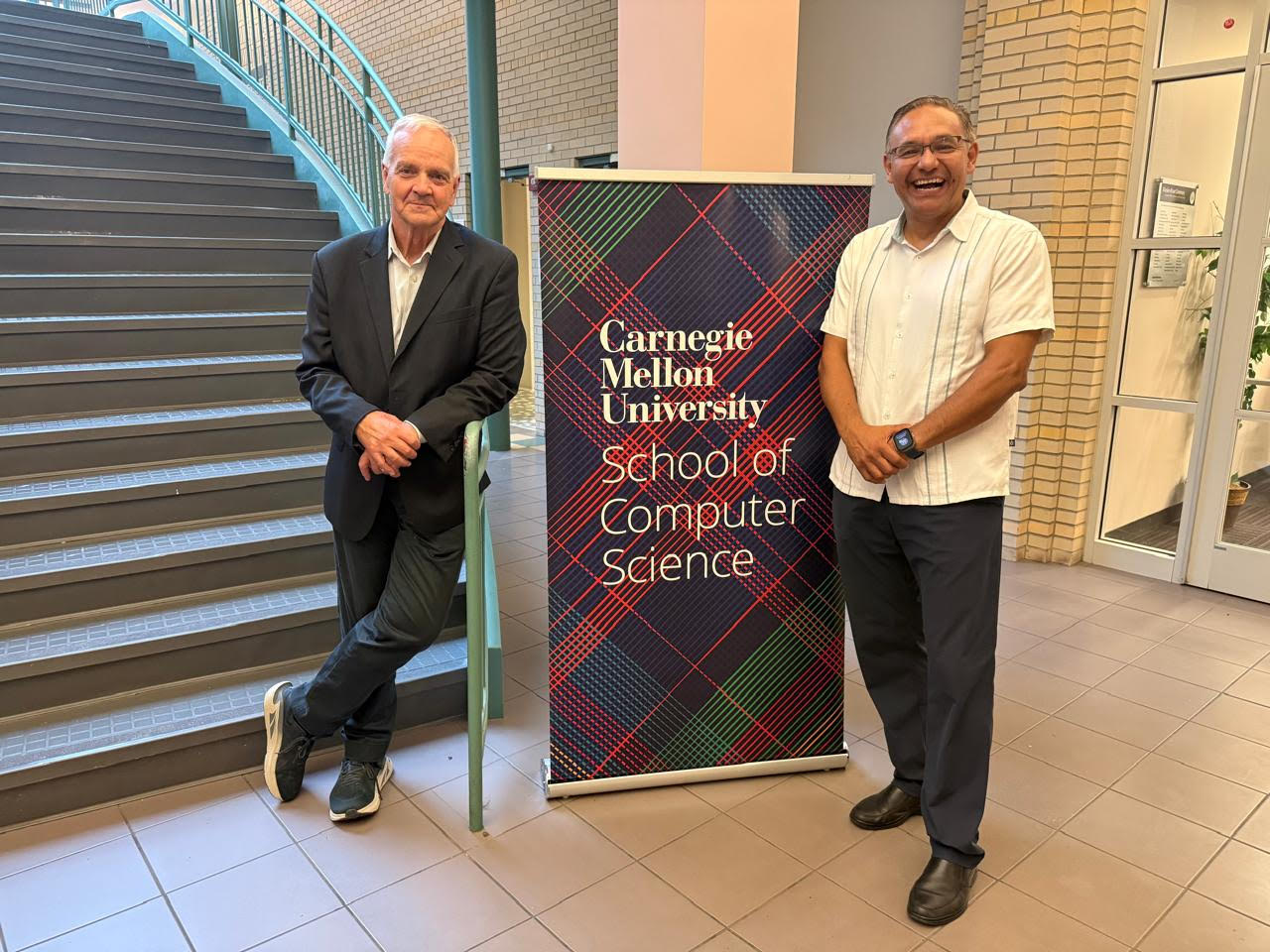
Robotics Institute Summer Scholars Strengthens Ties With University of Guadalajara
The Carnegie Mellon University Robotics Institute Summer Scholars (RISS) program has announced a new partnership with the University of Guadalajara (UdeG) aimed at fostering opportunities for undergraduate researchers from Mexico to participate in robotics and artificial intelligence research. This collaboration, established with UdeG’s University Center of Exact Sciences, seeks to enhance academic exchange and innovation in these fields. By creating pathways for Mexican students, the initiative aims to broaden their research experience and contribute to advancements in technology. The partnership underscores the commitment of both institutions to promote international collaboration and support the next generation of researchers.
RI Life
Robotics Alum Earns PAMI Young Researcher Honorable Mention
Ishan Misra, a 2018 Ph.D. graduate from Carnegie Mellon University's Robotics Institute, has been recognized with an honorable mention for the 2025 Pattern Analysis and Machine Intelligence (PAMI) Young Researcher Award. This accolade was presented at the IEEE Conference on Computer Vision and Pattern Recognition (CVPR), highlighting his significant contributions to the field of computer vision as an early career researcher. Currently serving as a director, Misra's achievements underscore the impact of his work in advancing robotics and machine learning technologies.
Awards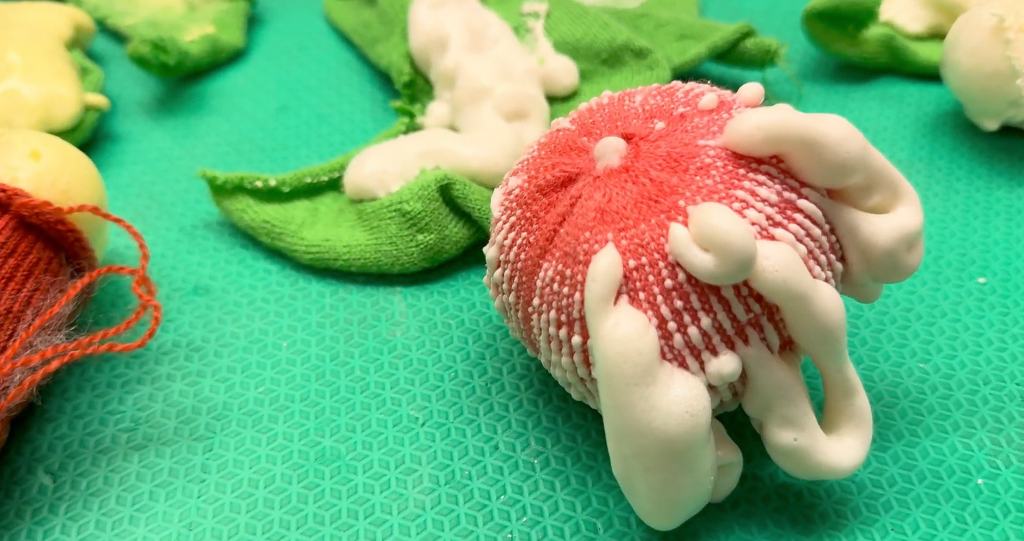
CMU Researchers Blend Materials at “Hard Textiles” Jam
On March 7, the Textiles Lab at Carnegie Mellon University's Robotics Institute held a “Hard Textiles” lab jam, led by Associate Professor Jim McCann. This event highlighted the innovative intersection of textiles and technology, offering insights into potential future research directions. It also provided an opportunity for the campus community to engage with the lab's work and explore the unique applications of materials in robotics and design. The lab jam aimed to foster collaboration and creativity among participants, showcasing how advancements in textile technology can influence various fields.
Research Uncategorized
Jun-Yan Zhu Named Samsung AI Researcher of the Year
Jun-Yan Zhu, an Assistant Professor at Carnegie Mellon University's Robotics Institute, has been honored as the 2024 Samsung AI Researcher of the Year. This prestigious recognition is part of Samsung's initiative to highlight five exceptional researchers under the age of 35 who have significantly advanced the field of artificial intelligence. As a recipient, Zhu will receive a $30,000 award in acknowledgment of his impactful contributions to AI research.
Awards Uncategorized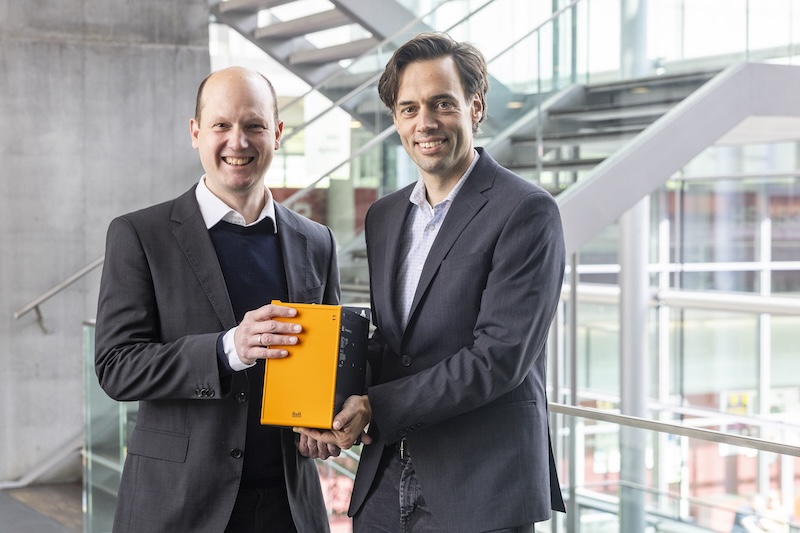
ABB and Salzburg researchers patent AI system to cut energy use in industrial robots
Salzburg University of Applied Sciences has partnered with ABB’s Machine Automation Division, B&R, to enhance energy efficiency in industrial automation through the application of artificial intelligence. This collaboration is centered at the Josef Ressel Center for Intelligent and Secure Industrial Automation (JRZ ISIA), where the two entities aim to translate cutting-edge research into viable solutions for industrial drive systems. By leveraging AI technologies, the initiative seeks to optimize energy consumption and improve operational efficiency in manufacturing processes, addressing the growing demand for sustainable industrial practices.
Industrial robots News abb ai in manufacturing AI optimization automation news
Landmark UK-Portugal Ocean Research Partnership Celebrated in Madeira
The UK’s National Oceanography Centre (NOC) and Madeira Island’s Regional Agency for the Development of Research, Technology and Innovation (ARDITI) have forged a significant partnership aimed at enhancing deep-ocean research. This collaboration was highlighted by the arrival of the research vessel RRS Discovery in Madeira, which coincided with ARDITI's acquisition of two advanced NOC Autosub Long Range (ALR) autonomous underwater vehicles. This marks a historic moment as it is the first instance of this cutting-edge technology being sold internationally. The partnership aims to leverage these innovative tools to further scientific exploration and understanding of the deep ocean, underscoring the growing importance of international cooperation in marine research.
national oceanography centre (noc) madeira island’s regional agency for the development of research technology and innovation (arditi) noc autosub long range (alr) autonomous underwater vehicles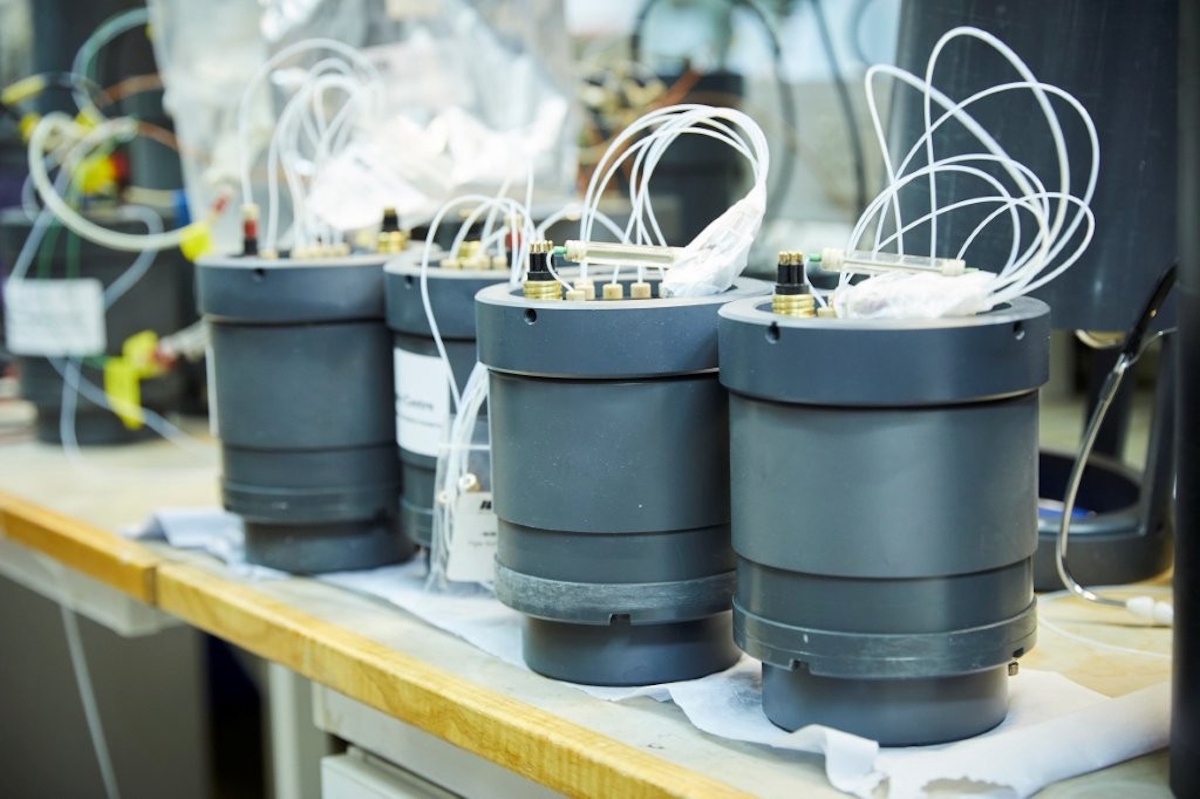
£4 m to Boost Marine Robotics Research Capabilities
The UK’s National Oceanography Centre (NOC) has secured a funding boost of £4 million aimed at enhancing its fleet of marine autonomous systems with next-generation sensing technologies. This investment, announced recently, is designed to support the advancement of sustainable ocean science, enabling researchers to gather more accurate and comprehensive data about marine environments. By integrating these advanced sensing capabilities, the NOC aims to improve its understanding of ocean dynamics and contribute to the global efforts in addressing climate change and preserving marine ecosystems. The initiative reflects a growing commitment to innovative research methods in the field of oceanography, positioning the NOC at the forefront of marine science advancements.
marine robotics research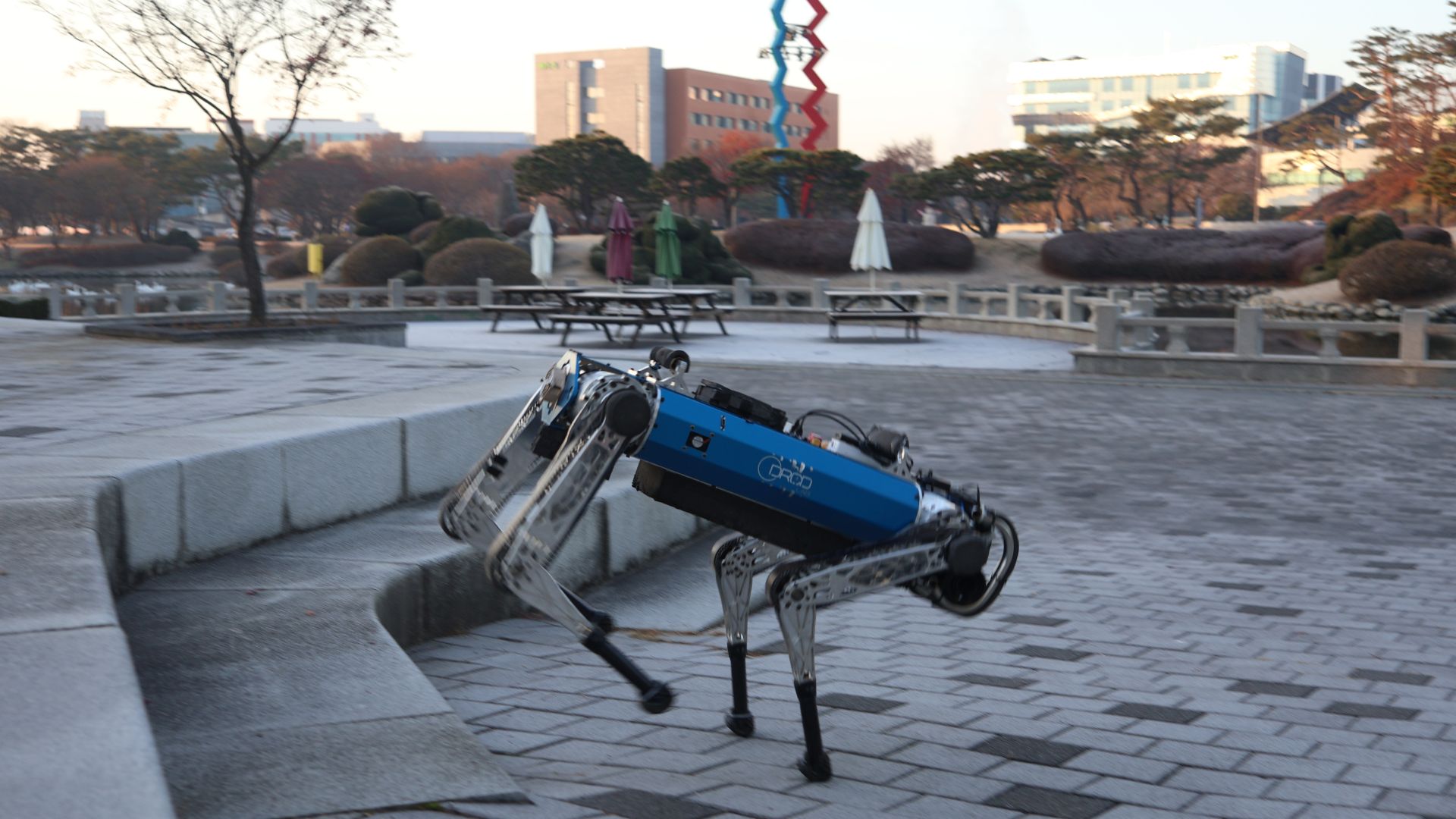
Korean Researchers Develop AI Framework for Robot Dog's Adaptive Movement in Complex Terrain
Researchers from Korea have created an AI framework that allows a quadruped robot to autonomously adapt its motor skills while navigating challenging environments. This system enables real-time gait adjustments for traversing forests, climbing stairs, and overcoming obstacles using only onboard sensors and computing capabilities. The significance of this development lies in its potential applications for autonomous search-and-rescue and exploration missions. The Action Pretrained Transformer-based Reinforcement Learning (APT-RL) framework enhances agility by combining pretrained locomotion skills with adaptive decision-making, demonstrating the robot's ability to handle diverse obstacles effectively. Future observations will focus on the framework's deployment in real-world scenarios, as it has already shown impressive performance on KAIST’s quadruped robot, HOUND. The robot's ability to switch between different gaits based on terrain and speed, achieving speeds of up to 6 meters per second, highlights the effectiveness of the APT-RL approach in complex environments. No further timeline was disclosed at the time of publication.
AI and Robotics
South Korean Researchers Develop AI for Innovative DNA Origami Designs
Researchers from Seoul National University and Hanyang University have created an AI model named Generative SNUPI, which simplifies the design of DNA origami structures. This model allows users to generate complex DNA shapes, such as the Mona Lisa, by considering the chemical properties of DNA, significantly reducing the time and expertise required for design. The development of Generative SNUPI is crucial as traditional DNA origami design is often tedious and expensive, requiring significant expertise. Kyounghwa Jeon, a Ph.D. candidate at SNU, emphasizes that this new tool could enable users to transition directly from concept to physical assembly of DNA structures, enhancing research capabilities in the field. Looking ahead, the researchers aim to improve the flexibility of DNA origami designs to facilitate real-world applications such as drug delivery and immunotherapy. Do-Nyun Kim, an assistant professor at SNU, notes that future work will focus on creating dynamically reconfigurable structures, which are essential for many molecular functions.
Biotechnology Dna-origami Dna Generative-ai
Researcher Uncovers Systemic Vulnerabilities in LLMs, Urges Caution in Deployment
Researcher Dave Kuszmar has identified multiple systemic vulnerabilities in large language models (LLMs) that allow for the bypassing of safety protocols, enabling access to dangerous instructions. This discovery highlights a significant security issue across nearly all major LLMs, prompting Kuszmar to advocate for a slowdown in deployment and increased transparency in LLM safety research. The implications of Kuszmar's findings are profound, as they reveal that the very restrictions intended to secure LLMs can be manipulated by attackers to access harmful information. Despite efforts by large AI companies to fortify their models, Kuszmar's experience indicates a troubling lack of responsiveness from these organizations when vulnerabilities are reported. This raises concerns about the safety of LLMs, which are becoming increasingly accessible to the general public. Looking ahead, Kuszmar's call for large-scale research into LLM safety is critical as these technologies continue to integrate into society. The ease with which LLMs can be convinced to provide harmful instructions poses a significant risk, and without proper oversight and security measures, the potential for misuse remains high. No further timeline was disclosed at the time of publication.
Security Llms Ai-safety Ai-companies
University of Illinois Researchers Challenge Traditional Views on Brain Decision Making
Researchers at the University of Illinois Urbana Champaign have revealed new insights into brain decision-making processes, suggesting that these processes begin earlier than previously thought. This research, led by Professor Yurii Vlasov, indicates that early sensory brain regions play a crucial role in decision-making, contradicting the long-held belief that decisions are made only after information passes through a strict hierarchy of brain regions. The implications of this study are significant for both neuroscience and artificial intelligence. By understanding that decision-making involves interconnected feedback loops rather than a linear progression, researchers can design AI systems that mimic this biological architecture. This could lead to the development of AI that is not only more capable but also more energy-efficient, addressing current limitations in AI technology. Moving forward, the research team aims to further explore how biological intelligence, refined through evolution, can inform AI development. No further timeline was disclosed at the time of publication.
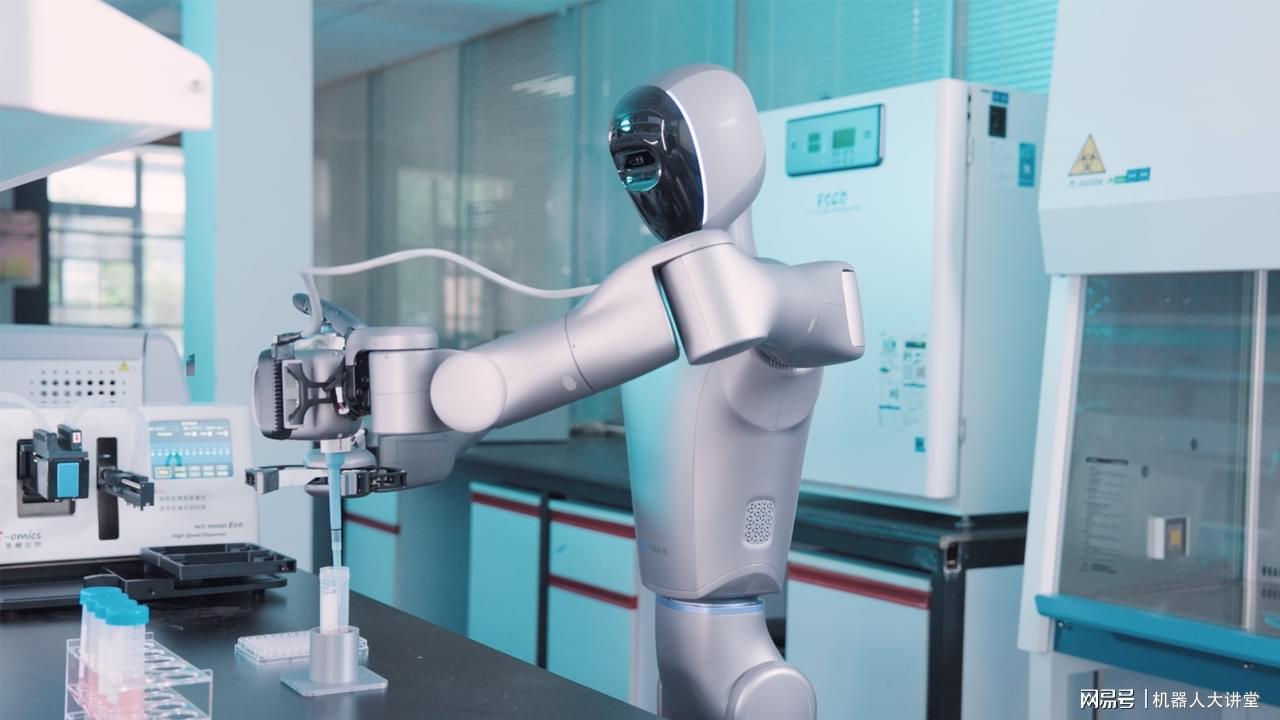
Yuanluo Technology Unveils First Autonomous Laboratory Utilizing Object-Centric Physics Model
Yuanluo Technology has successfully launched the world's first autonomous laboratory on a national research platform, marking a significant advancement in embodied intelligence. The laboratory's robotic system can autonomously perform over 40 operations, including nucleic acid extraction and cytotoxicity testing, with a precision of less than one millimeter. This achievement demonstrates the robot's capability to execute complex, multi-step tasks continuously for over three hours, addressing challenges in throughput and consistency in biochemical research. This development is crucial as it signifies a shift from demonstration to practical application of embodied intelligence in the biochemical and material science sectors. The Object-centric Physics Native Model (OPN), developed by Yuanluo, enables the robot to understand and adapt to the dynamic conditions of a real laboratory environment. By integrating visual, tactile, and force feedback, the robot can make real-time adjustments, ensuring stable execution of intricate experimental workflows across multiple devices. Looking ahead, the successful implementation of this autonomous laboratory sets the stage for further advancements in research and development processes across various industries, including public health and advanced manufacturing. The next milestones will involve expanding the capabilities of the OPN model and integrating it into more complex industrial systems. No further timeline was disclosed at the time of publication.
Autonomous Laboratories Embodied Intelligence Biochemical Research Robotics AI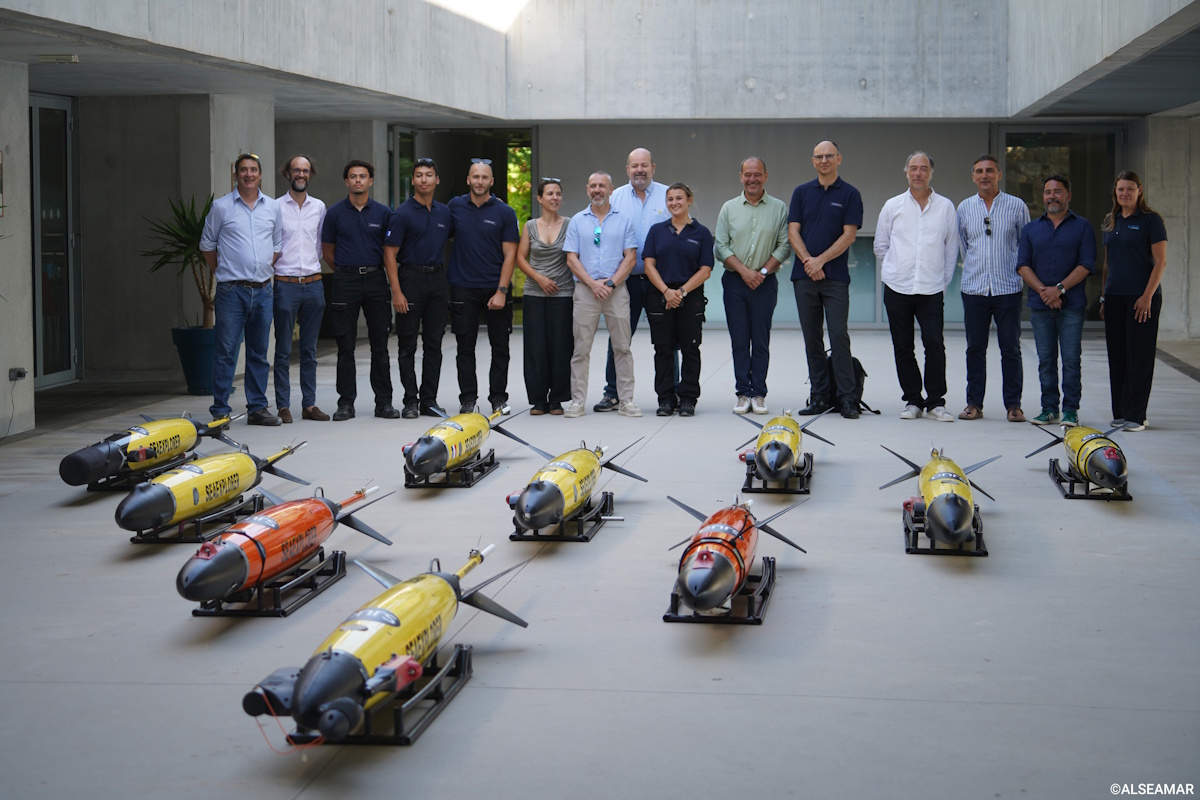
CNRS Deploys Ten SEAEXPLORER Autonomous Gliders for Mediterranean Ecosystem Research
In mid-June 2026, the CNRS deployed ten SEAEXPLORER autonomous underwater gliders in the Ligurian Sea as part of Mission 6 under France's 2030 funding plan. This initiative aims to create a comprehensive environmental data atlas for the northwestern Mediterranean, focusing on the impacts of human activities on marine ecosystems. The gliders will operate for one month, diving to depths of 1,000 meters and equipped with sensors to monitor underwater noise and ocean currents. The deployment is significant as it represents a strategic effort by the French government to enhance industrial competitiveness and develop next-generation technologies for deep-sea exploration. By utilizing coordinated fleets of autonomous gliders and advanced sensing technologies, researchers aim to better understand the dynamics of marine ecosystems and the effects of climate change, maritime traffic, and ocean acidification. This innovative approach will facilitate the study of plankton distribution and biodiversity through methods such as environmental DNA monitoring. Looking ahead, the next phases of Mission 6 will involve additional deployments in the Gulf of Lion in 2028 to test new sensors, followed by operations in French Polynesia between 2028 and 2029. These efforts will further expand the capabilities of autonomous underwater vehicles in marine research, with no further timeline disclosed at the time of publication.
autonomous gliders cnrs exploration mediterranean marine ecosystems
NAIRR Science Program Reshapes Scientific Research, Powered by NVIDIA AI Infrastructure
The U.S. National Science Foundation’s National Artificial Intelligence Research Resource (NAIRR) pilot program has been instrumental in advancing innovative research over the past two years, supporting more than 700 projects across the country. These initiatives cover a wide range of topics, including protein prediction and infectious disease modeling. By providing essential resources and funding, the NAIRR program aims to enhance the capabilities of researchers and institutions in the field of artificial intelligence. This initiative not only fosters collaboration among scientists but also addresses pressing challenges in health and technology, showcasing the potential of AI to drive significant advancements in various sectors.
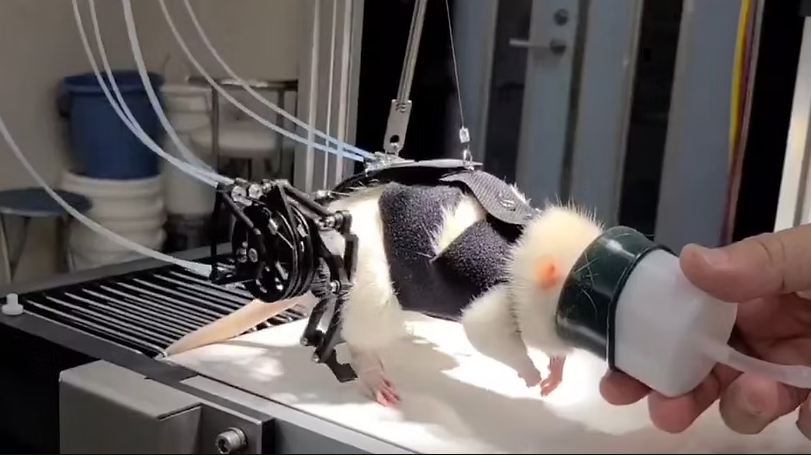
Innovative Rat Exoskeleton Aids Neural Rehabilitation Research
A research team at Tsukuba University has unveiled a groundbreaking lightweight exoskeleton designed for rats, which weighs just 80 grams and effectively mimics natural walking by synchronously activating the hip, knee, and ankle joints. This innovative device represents a significant advancement in rehabilitation robotics, with the potential to help paralyzed patients regain mobility. The development is rooted in insights gained from animal studies, addressing ethical concerns that often arise in human trials. By leveraging these findings, the team aims to pave the way for future applications that could enhance the quality of life for individuals with mobility impairments.
Rehabilitation Robotics Exoskeleton Technology Neural Rehabilitation Biomechanics
Research from the ground up
Professor Sonya Atalay, a prominent figure in community-based archaeology, is making strides in integrating local knowledge with academic research worldwide. Her work emphasizes the importance of collaboration between communities and scholars, aiming to enhance the understanding of archaeological practices and cultural heritage. Through her innovative approach, Atalay seeks to empower local populations, ensuring their voices and insights are recognized in the academic discourse. This initiative not only enriches the field of archaeology but also fosters a deeper appreciation for diverse cultural narratives. By bridging the gap between local expertise and scholarly inquiry, Atalay is setting a new standard for how archaeology is conducted and understood on a global scale.
Anthropology Faculty Social sciences Profile School of Humanities Arts and Social Sciences
NVIDIA Launches Open Humanoid Robot Reference Platform for Academic Research
NVIDIA has introduced the Isaac GR00T humanoid robot reference design, a sophisticated platform aimed at enhancing research in humanoid robotics. This innovative design combines cutting-edge hardware and software, facilitating a more efficient development process for academic institutions such as Stanford University and ETH Zurich. By concentrating on physical AI, the Isaac GR00T provides a holistic solution for data collection, simulation, and deployment, thereby supporting the advancement of robotics research. The unveiling of this platform marks a significant step in the evolution of humanoid robotics, offering researchers the tools necessary to push the boundaries of technology in this field.
Humanoid Robots AI Robotics Research Robot Development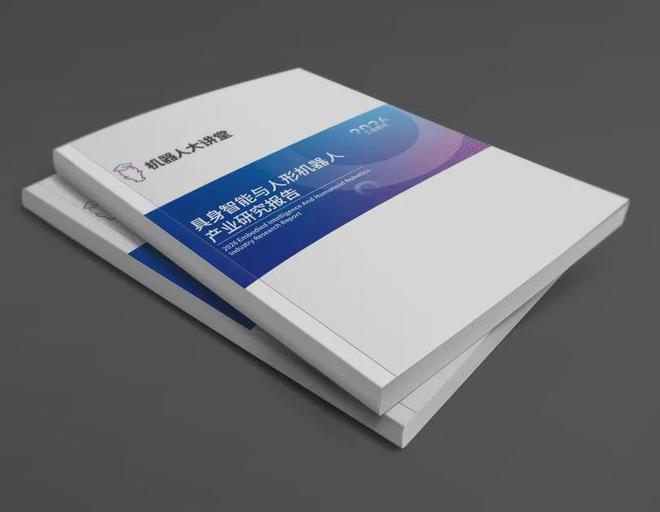
Invitation to Contribute to the 2026 Research Report on Embodied Intelligence and Humanoid Robotics Industry
The 2026 Research Report on Embodied Intelligence and Humanoid Robotics is now inviting contributions from industry stakeholders. Set to be released in April 2026 during a prominent conference in Beijing, the report will focus on analyzing current industry trends, highlighting collaborative innovations, and aiding in policy-making efforts. This initiative seeks to gather insights and expertise from various players in the field to create a comprehensive overview of advancements in humanoid robotics and embodied intelligence.
Embodied Intelligence Humanoid Robotics Industry Research Technology Collaboration
Multi-Dimensional Brand Exposure: Invitation to Contribute to the 'Embodied Intelligence and Humanoid Robot Industry Research Report'
A comprehensive report titled the '2026 Embodied Intelligence and Humanoid Robot Industry Research Report' is set to be released at a major conference in April 2026. This initiative seeks to systematically analyze the current landscape of the humanoid robot industry, providing valuable insights to inform policy-making. Companies operating within this sector are encouraged to participate in the research process, which will not only enhance their brand visibility but also grant them access to critical resources. By contributing to this extensive report, these organizations can play a pivotal role in shaping the future of the industry while benefiting from the collaborative effort to understand emerging trends and challenges.
Embodied Intelligence Humanoid Robots Industry Research Brand Development
Nvidia to launch Singapore research hub as city-state boosts AI plans
Singapore has unveiled a new research center in collaboration with Nvidia, marking a significant step in the development of physical artificial intelligence (AI). This initiative aims to create a dedicated testbed for researching, testing, and deploying AI technologies. The announcement was made recently as part of Singapore's broader strategy to position itself as a leader in AI innovation and technology. The center will work alongside industry leaders to explore advancements in AI applications, enhancing the country's capabilities in this rapidly evolving field. By establishing this facility, Singapore seeks to foster collaboration between academia and industry, driving forward research that could have far-reaching implications for various sectors.

How Melbourne’s AI and Data Center Flywheel Is Accelerating Research Innovation
Melbourne is solidifying its status as a global hub for artificial intelligence (AI) research and advanced engineering, driven by significant investments in infrastructure and a growing concentration of talent. The city, renowned for hosting major events like the Australian Open and Formula 1 Grand Prix, is now leveraging its organizational capabilities to support large-scale compute and data-intensive research. In February 2026, Monash University unveiled MAVERIC, Australia's largest university-based AI supercomputer, developed in collaboration with NVIDIA and Dell Technologies. This state-of-the-art facility is designed to enhance medical research, enabling Australian scientists to work with sensitive datasets securely. The supercomputer exemplifies Melbourne's commitment to fostering cross-disciplinary collaborations and advancing research in fields such as cancer detection and drug discovery. Melbourne's infrastructure is further bolstered by the expansion of data centers, including CDC Data Centres' new campus, which will provide over 800 megawatts of digital capacity essential for AI workloads. The city's strategic investments, including a AUD $2 billion AI infrastructure hub in Fishermans Bend, are positioning it as a national leader in high-performance AI. Moreover, Melbourne's selection to host international technology conferences, such as Data Center World Australia and The AI Summit Australia in September 2026, underscores its growing influence in the global AI landscape. These events facilitate knowledge transfer and collaboration among researchers, reinforcing Melbourne's role as a key player in the future of AI and data-driven research.
Australia Artificial-intelligence Research-centers Applied-ai Conferences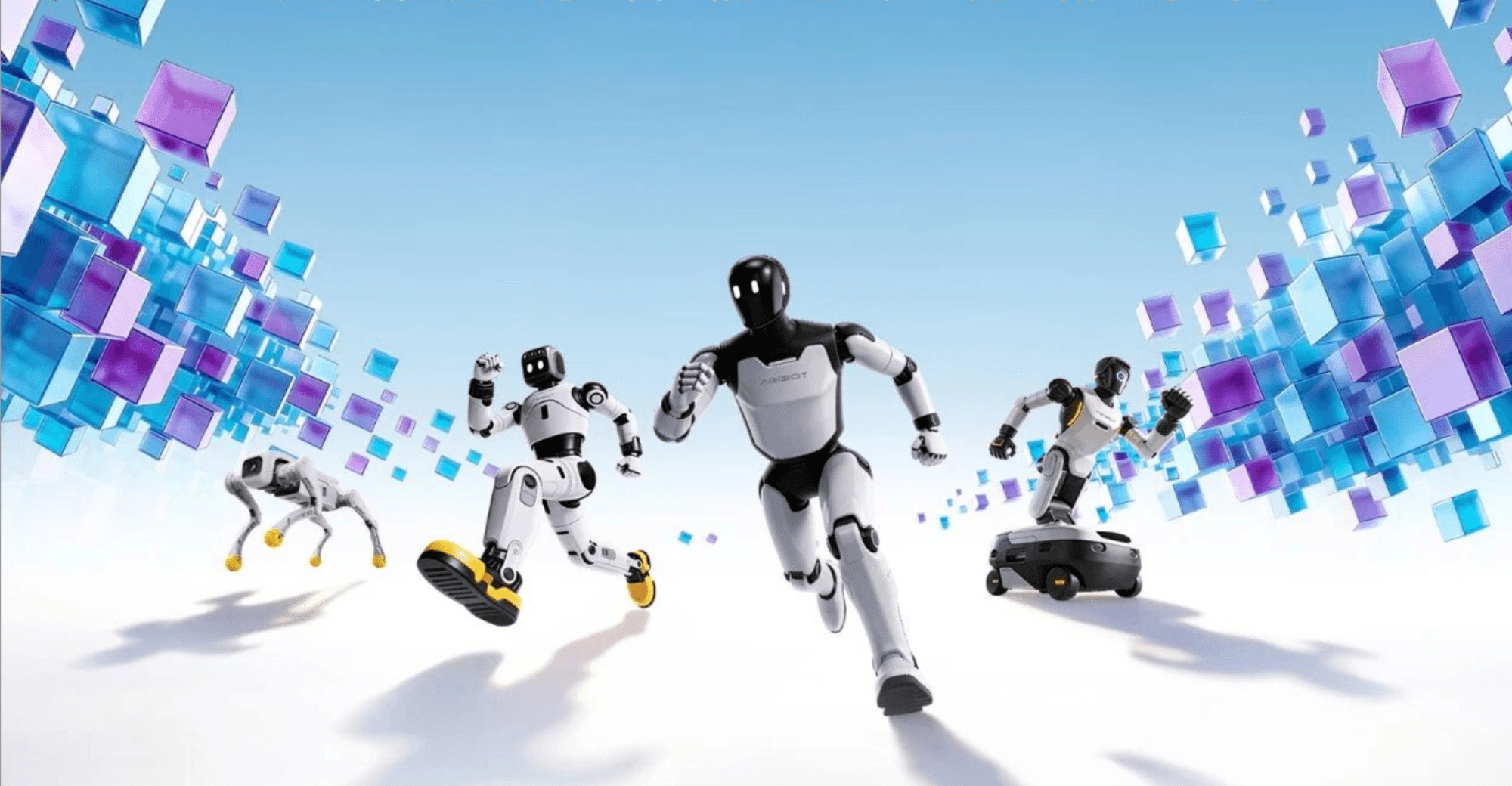
AGIBOT and Macao Trade and Investment Promotion Institute Forge Strategic Partnership to Expand Embodied AI Globally
AGIBOT has announced a partnership with the Macao government to establish a cross-border embodied AI hub aimed at serving global markets. This initiative, unveiled recently, seeks to leverage Macao's strategic location and technological resources to foster innovation and collaboration in the field of artificial intelligence. The hub is expected to attract international businesses and researchers, enhancing Macao's position as a key player in the AI landscape. By combining AGIBOT's expertise in AI development with Macao's supportive regulatory environment, the partnership aims to drive advancements in technology and create new economic opportunities. The project is part of a broader effort to position Macao as a center for technological innovation, responding to the growing demand for AI solutions worldwide.
News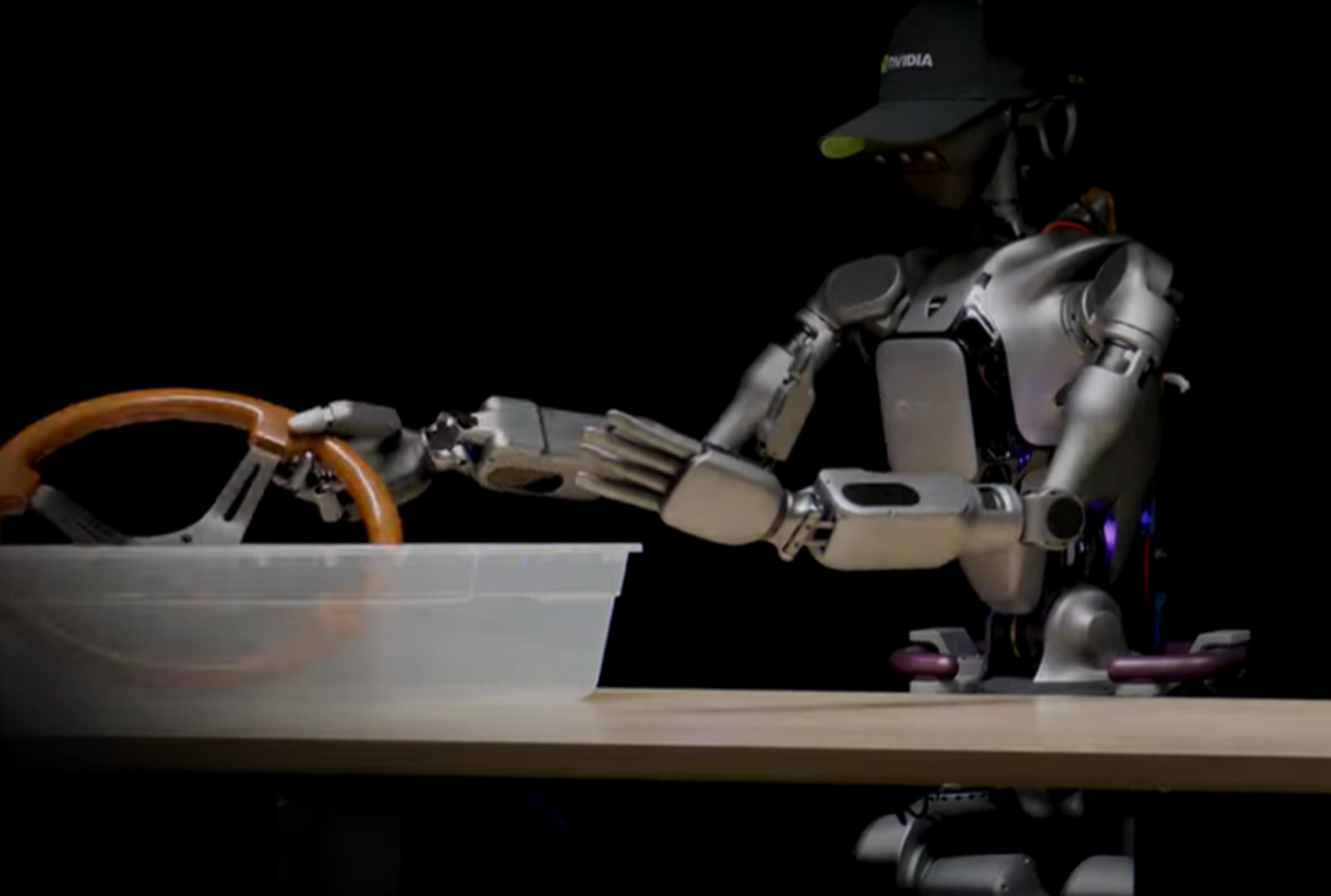
DiDi Autonomous Driving launches Voyager Labs for multimodal end-to-end driving research
DiDi Autonomous Driving has launched DiDi Voyager Labs, a new research initiative aimed at advancing end-to-end autonomous driving through the development of multimodal large models, world models, and reinforcement learning. This initiative, announced recently, will collaborate with a research team led by Professor Li Shengbo from Tsinghua University. The partnership is designed to leverage a joint framework that combines specialized expertise and resources to enhance the capabilities of autonomous driving technologies. This strategic move underscores DiDi's commitment to innovation in the autonomous vehicle sector and its efforts to stay at the forefront of technological advancements in this rapidly evolving field.
News Feed
Generative AI analyzes medical data faster than human research teams
In a recent study, researchers explored the capabilities of generative AI in analyzing complex medical datasets, comparing its performance to that of human experts. The findings revealed that in certain instances, the AI not only matched but also surpassed the effectiveness of teams that had dedicated months to developing prediction models. By utilizing precise prompts to generate usable analytical code, the AI significantly decreased the time required for processing health data. This advancement suggests a promising future where artificial intelligence could accelerate the transition from data analysis to scientific discovery, potentially transforming research methodologies in the medical field.

SCS Faculty Named 2026 Sloan Research Fellows
Three faculty members from Carnegie Mellon University's School of Computer Science have been honored as part of a select group of five researchers from the university to receive the prestigious Sloan Research Fellowships for 2026. This recognition highlights their significant contributions to the field and underscores CMU's commitment to advancing research in computer science. The fellowships are awarded to early-career scholars who demonstrate exceptional promise and creativity in their research endeavors. The announcement reflects the university's ongoing efforts to support innovative research and foster academic excellence within its community.
Awards
Import AI 445: Timing superintelligence; AIs solve frontier math proofs; a new ML research benchmark
As discussions surrounding the future of artificial intelligence intensify, experts are speculating that 2026 could be a critical year for decision-making regarding the singularity. This pivotal moment is anticipated to occur as advancements in AI technology continue to accelerate, raising questions about its implications for society. The year is expected to see significant developments in AI research and policy, with stakeholders from various sectors—including technology companies, government agencies, and academic institutions—coming together to address the ethical and practical challenges posed by rapid AI evolution. The urgency of these discussions is driven by the potential for AI to fundamentally alter industries, economies, and daily life. As the global community prepares for this transformative period, the outcomes of these deliberations could shape the trajectory of AI and its integration into society for decades to come.

Ocean innovators unite to support marine science research
AquaTitans, a subsea engineering company known for its innovations in ocean technology, has joined the Scottish Association for Marine Science’s (SAMS) Ocean Changemakers initiative. This partnership aims to foster collaboration and drive advancements in marine science and sustainability. By participating in this program, AquaTitans seeks to leverage its expertise to contribute to the development of sustainable ocean solutions. The announcement of this collaboration highlights AquaTitans' commitment to addressing pressing environmental challenges and underscores the growing importance of marine science in combating climate change. The partnership is expected to enhance research and innovation efforts within the marine sector, benefiting both the company and the broader scientific community.
sams
SCS Faculty Receive Amazon Research Awards
Amazon has recognized three researchers from Carnegie Mellon University’s School of Computer Science as recipients of its latest Amazon Research Awards. This announcement highlights the company's commitment to supporting innovative research in the field of computer science. The awards, which are part of Amazon's initiative to foster collaboration with academic institutions, aim to advance technology and enhance the capabilities of artificial intelligence and robotics. The specific contributions of the awarded researchers will likely play a significant role in driving forward Amazon's research agenda and addressing complex challenges in the tech industry.
Announcements Awards
Robot Talk Episode 131 – Empowering game-changing robotics research, with Edith-Clare Hall
In a recent conversation, Claire engaged with Edith-Clare Hall, a prominent figure at the Advanced Research and Invention Agency (ARIA) and a PhD student at the University of Bristol. Hall, who also leads Women in Robotics UK, discussed her efforts to accelerate scientific and technological advancements. Her research emphasizes the importance of critical interfaces where interconnected systems converge, aiming to enhance collaboration and innovation in the field. The dialogue highlights Hall's commitment to bridging gaps in technology and promoting diversity within the robotics sector. This exchange underscores the vital role of interdisciplinary approaches in driving progress and addressing complex challenges in modern science and technology.
Eelume collaborates with PETRONAS’ Research Arm
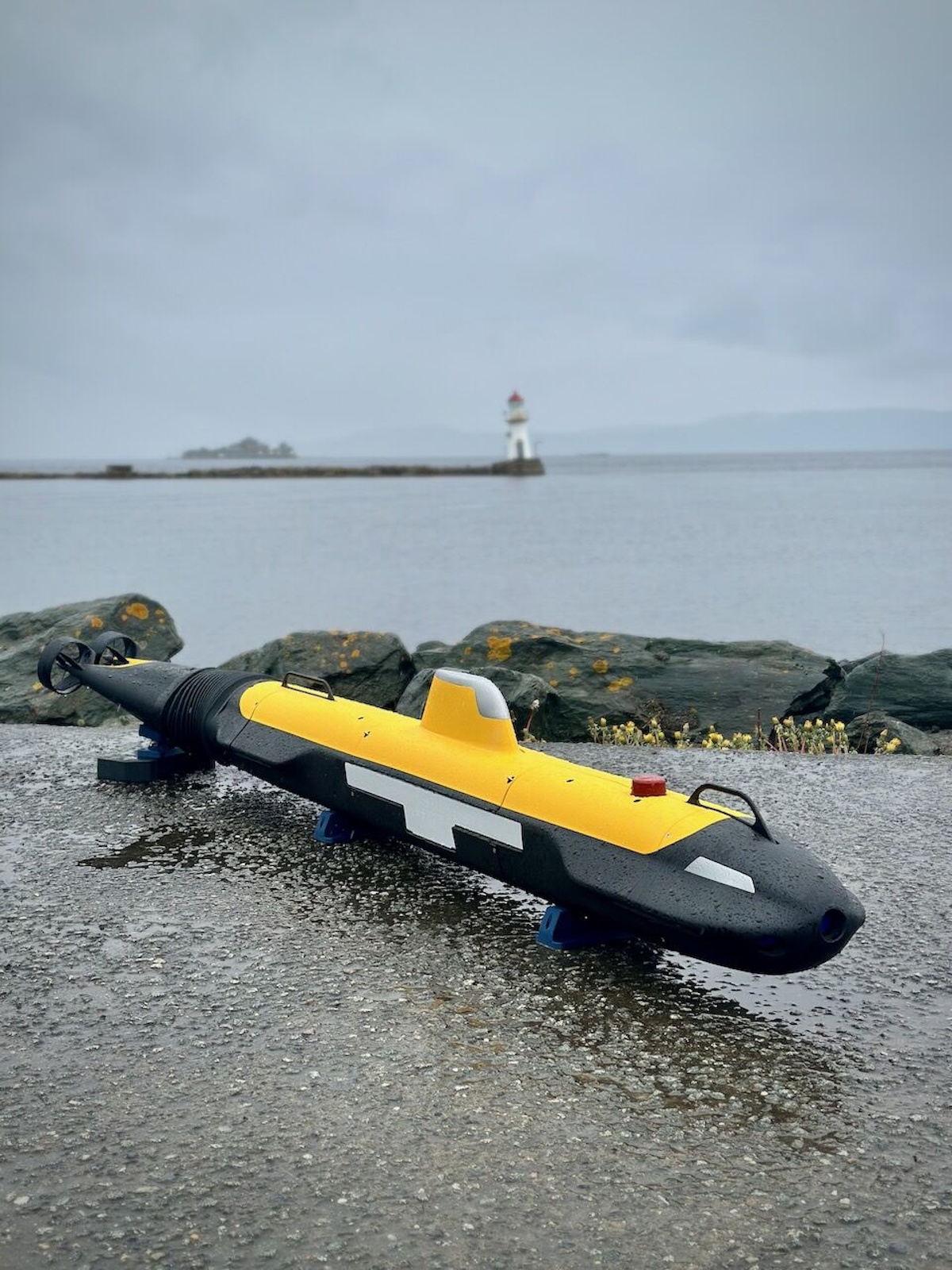
Eelume and PETRONAS Research Sdn. Bhd. (PRSB) have announced an expansion of their partnership aimed at enhancing innovation, operational efficiency, and sustainability within the offshore energy sector. This collaboration, which has been ongoing, seeks to leverage advanced technologies and research to address the evolving challenges faced by the industry. The initiative underscores both companies' commitment to driving progress in energy solutions while minimizing environmental impact. The strengthened alliance is expected to lead to the development of new methodologies and tools that will improve operational practices and contribute to a more sustainable future in offshore energy production.
UBTECH launches Tiangong Walker, a research-grade humanoid robot priced under $45k
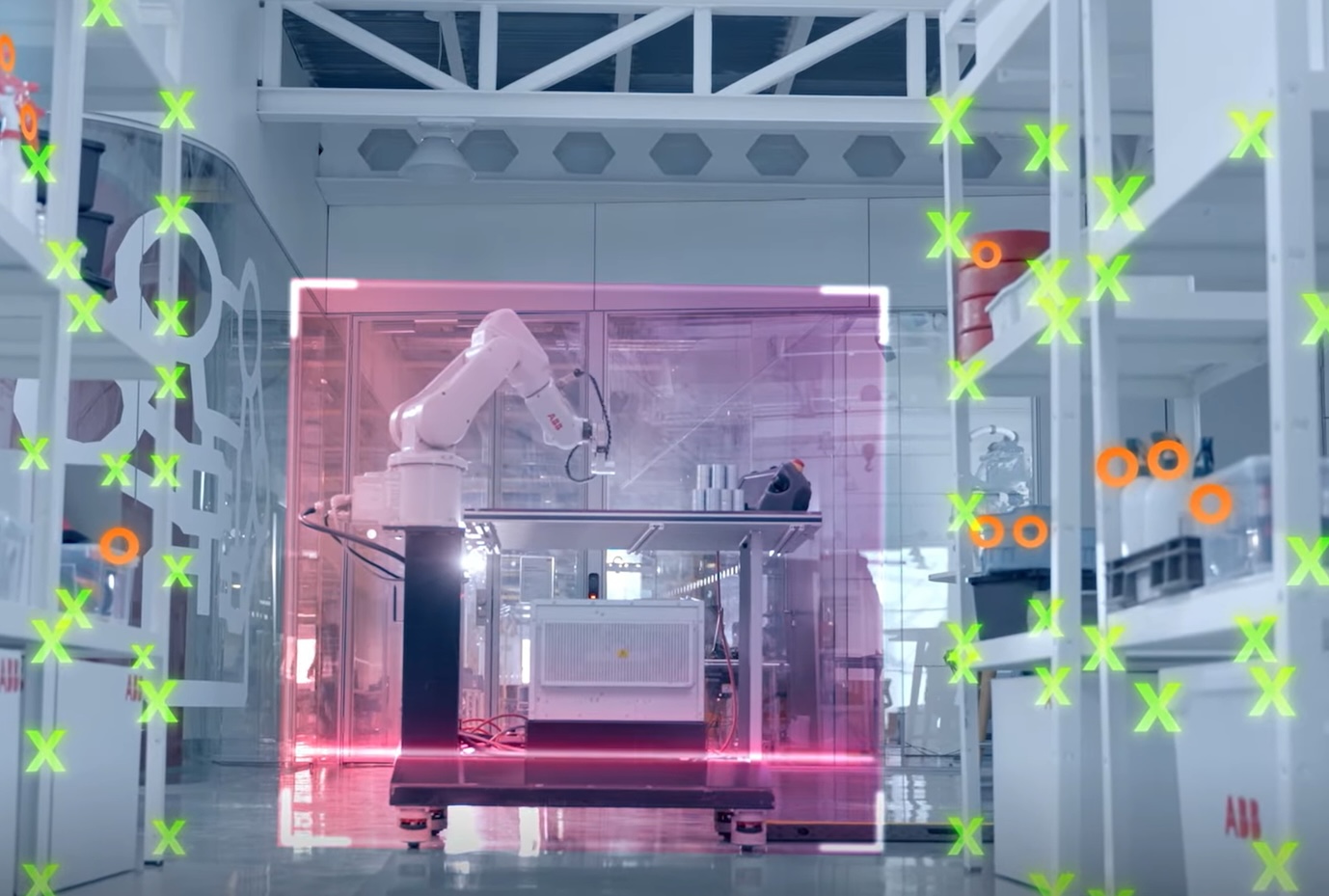
On Wednesday, UBTECH, a Shenzhen-based robotics company, in collaboration with the Beijing Humanoid Robot Innovation Center, unveiled the Tiangong Walker, a full-size humanoid robot designed for research and educational purposes. Priced at RMB 299,000 (approximately $41,310), the Tiangong Walker is touted as the first research-grade humanoid robot available for under RMB 300,000 in the industry. Deliveries of the robot are anticipated to commence in the second quarter of the year, marking a significant advancement in accessible robotics technology for educational institutions and researchers.
On the Cusp Content and entertainment government Highlight News
SCS Faculty Members Named 2025 Sloan Research Fellows
Two faculty members from Carnegie Mellon University's School of Computer Science, Deepak Pathak and Zhihao Jia, have been selected as Sloan Research Fellows for 2025. They are part of a distinguished group of 126 early career researchers recognized for their contributions to various fields. The Sloan Research Fellowship aims to support and promote innovative research among promising scientists and scholars. This announcement highlights the university's commitment to fostering talent and advancing knowledge in computer science.
Announcements Awards Uncategorized
World’s Largest Animal Migration and Ocean Gyres Play Critical Roles in Global Carbon Cycle
Scientists have successfully concluded two significant research expeditions in the Southwest Atlantic Ocean aimed at enhancing the understanding of the biological pump, a crucial process for carbon transfer from the ocean's surface to its depths, which plays a key role in climate regulation. These cruises, conducted between January and April, were supported by the Schmidt Ocean Institute and the Schmidt Sciences’ Ocean Biogeochemistry Virtual Institute (OBVI), utilizing the research vessel Falkor (too). The expeditions sought to address critical knowledge gaps regarding how this natural mechanism functions, thereby contributing to broader efforts in climate science and oceanography.
animal migration ocean gyres global carbon cycle schmidt ocean institute schmidt sciences ocean biogeochemistry virtual institute (obvi)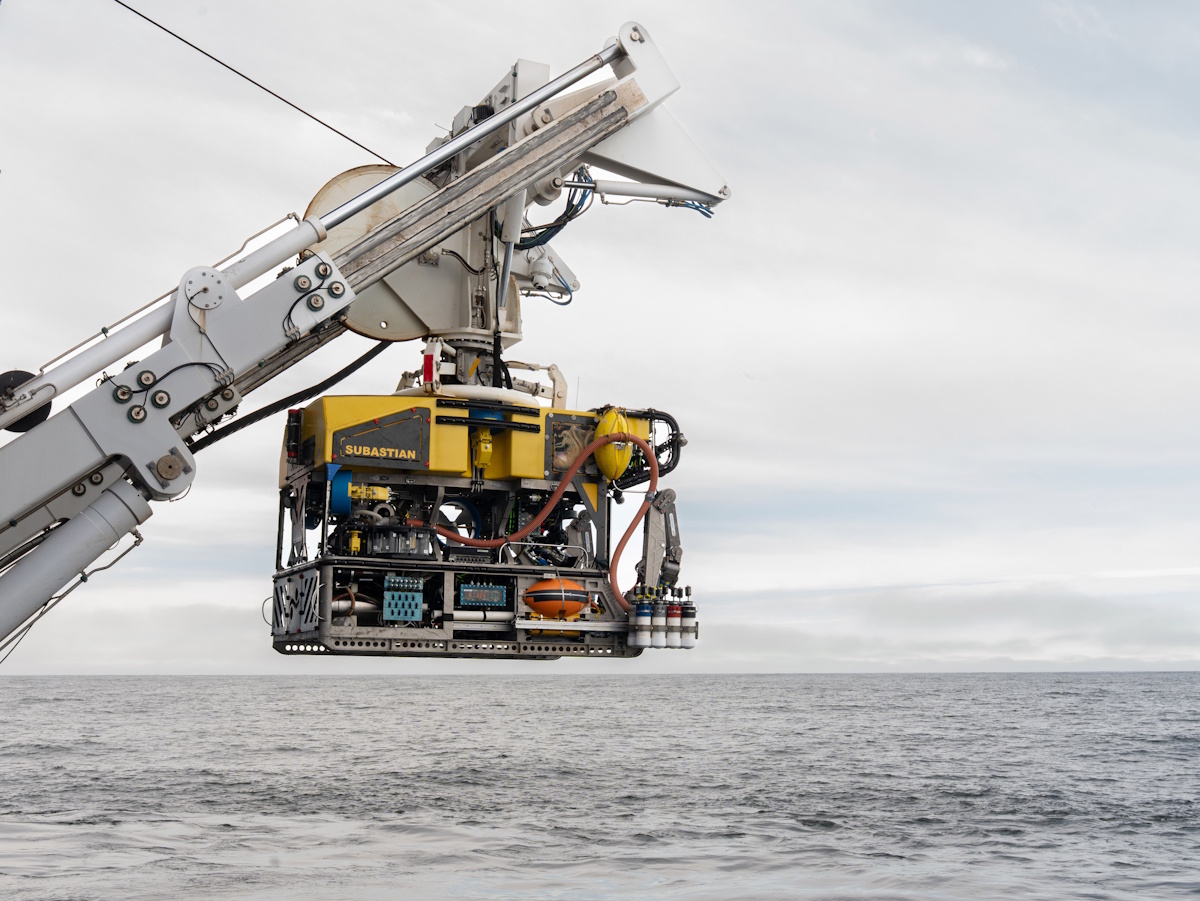
Pioneering Study Unites Physics, Geology and Biology in Argentina’s Submarine Canyons
An Argentinian-led scientific expedition aboard the Schmidt Ocean Institute’s R/V Falkor (too) has successfully deployed advanced technologies to gather comprehensive data on the Malvinas ocean current and its interaction with submarine canyons. This initiative aims to enhance understanding of the region's plankton blooms, which are crucial for sustaining Argentina’s rich marine biodiversity and fishing industry. Notably, these extensive plankton blooms are significant enough to be detected from space. The expedition underscores the importance of marine research in preserving the ecological balance and supporting local economies reliant on fishing.
schmidt ocean institute r/v falkor (too) ocean science servicio de hidrografía naval conicet
First High-Tech Exploration of Argentina’s Mar del Plata Canyon Inspires Millions
An expedition led by Argentine scientists aboard the Schmidt Ocean Institute’s research vessel, R/V Falkor (too), has captivated nearly 4 million viewers over the past three weeks through live video feeds from the deep seafloor. The initiative has drawn a predominantly Argentine audience, who have engaged with the broadcast from various locations, including homes, classrooms, and public spaces like grocery stores and gyms. The live stream showcased the expedition's discoveries, featuring remarkable deep-sea creatures such as shimmering squids, pink lobsters, and a starfish reminiscent of the popular character Patrick Star from SpongeBob SquarePants. This unique opportunity not only highlights the wonders of the deep ocean but also aims to inspire a greater appreciation for marine science and conservation among the public.
exploration mar del plata canyon schmidt ocean institute soi remotely operated vehicle (rov) subastian
MIT's Susumu Tonegawa, Nobel Laureate in Physiology, Passes Away at 86
Susumu Tonegawa, the Picower Professor of Biology and Neuroscience at MIT, passed away on July 11 at the age of 86. He was a distinguished molecular biologist known for his groundbreaking work in immunology and neuroscience, particularly for discovering how the immune system generates antibody diversity, earning him the Nobel Prize in Physiology or Medicine in 1987. Tonegawa's contributions significantly advanced our understanding of both immunology and neuroscience. His research into the mechanisms of memory storage in the brain, specifically through the concept of 'engrams,' has opened new avenues for exploring cognitive functions. His legacy includes over 40 years at MIT, where he also founded the Picower Institute for Learning and Memory. Looking ahead, the impact of Tonegawa's work on immunological therapies and memory research will continue to influence scientific inquiry. No further timeline was disclosed at the time of publication.
Faculty Obituaries Neuroscience Biology Brain and cognitive sciences Picower Institute
MIT and York University Study Visual Learning in the Brain Using Neural Networks
Researchers at MIT’s McGovern Institute for Brain Research and York University in Toronto have investigated how visual learning occurs in the brain. By analyzing neural activity and utilizing computational modeling, they compared the learning processes of animals and an artificial neural network designed to mimic brain architecture. Their findings, published on July 8 in Nature Communications, reveal that changes in visual processing are crucial for learning to discriminate new objects. This research is significant as it enhances our understanding of the brain's adaptability and the mechanisms behind visual learning. The study suggests that while the overall activity patterns in the inferior temporal cortex remain stable, subtle changes occur in response to learned object recognition. These insights could inform educational strategies and improve learning outcomes across various contexts. Looking ahead, the researchers aim to further explore how these modest changes in neural activity contribute to learning. They believe that artificial neural networks can provide valuable insights into biological learning processes, potentially leading to new experimental approaches and predictions that extend beyond current understanding. No further timeline was disclosed at the time of publication.
Research Neuroscience Learning Brain and cognitive sciences Computer modeling Vision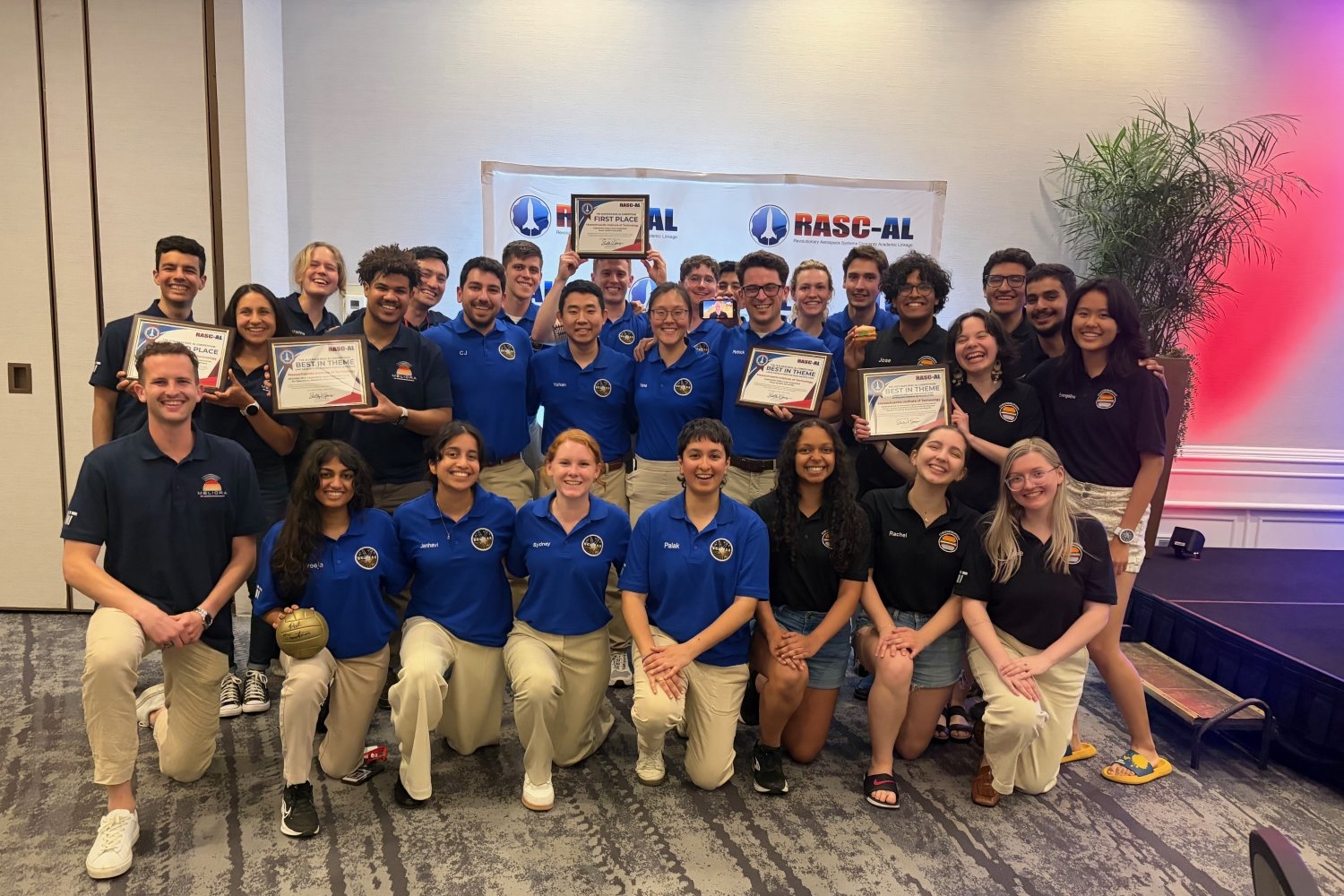
MIT student teams win top honors in NASA competition
Three teams from the Massachusetts Institute of Technology (MIT) achieved remarkable success in the 2026 NASA RASC-AL Competition, securing five prestigious awards for their innovative designs aimed at supporting lunar bases and future Mars missions. This competition, which focuses on developing critical technologies for space exploration, highlights the importance of advanced engineering and creative problem-solving in addressing the challenges of extraterrestrial habitats. The event took place recently, showcasing the efforts of students and faculty who are dedicated to pushing the boundaries of space science and exploration. The recognition of these teams underscores MIT's commitment to fostering cutting-edge research and development in aerospace technology, paving the way for future missions that could expand human presence beyond Earth.
School of Engineering MIT Sloan School of Management Aeronautical and astronautical engineering EAPS Electrical engineering and computer science (EECS) Nuclear science and engineering
Wukong1000 AUVs: Design, Cooperative Implementation, and Experimental Validation
A recent study published in the Journal of Field Robotics has unveiled significant advancements in robotic navigation systems. Researchers from a leading robotics institute conducted the study to enhance the efficiency and accuracy of autonomous robots in complex environments. The findings, released in early October 2023, highlight innovative algorithms that allow robots to better interpret and navigate their surroundings, particularly in dynamic settings such as urban areas or disaster sites. The motivation behind this research stems from the increasing demand for reliable robotic systems capable of performing tasks in unpredictable conditions, which are essential for applications ranging from search and rescue operations to automated delivery services. By employing advanced machine learning techniques, the team was able to improve the robots' decision-making processes, enabling them to adapt to changing environments in real-time. This breakthrough not only promises to enhance the functionality of existing robotic systems but also paves the way for future developments in the field of autonomous technology. The research team is optimistic that these improvements will lead to wider adoption of robotic solutions across various industries, ultimately contributing to safer and more efficient operations in challenging scenarios.
RESEARCH ARTICLE
Zhang Yaqin: AI is not a bubble, but AI companies are.
In June, during an interview at the Tsinghua Wuxi Research Institute's Intelligent Industry Innovation Center, Academician Zhang Yaqin discussed the current state of AI investment and entrepreneurship, suggesting a more cautious approach to the rapidly growing sector. Zhang, who founded the Tsinghua University Intelligent Industry Research Institute (AIR) five years ago, noted that while AIR has successfully incubated ten companies with a combined valuation of 150 billion yuan, its primary focus remains on research rather than commercialization. Zhang, a prominent figure in AI and a fellow of the IEEE, likened the current AI investment climate to the internet boom of 1998-1999, emphasizing the importance of sustainable growth and cautioning against the potential for market bubbles. He highlighted the need for new AI algorithms to enhance efficiency and pointed out that while the AI sector holds significant long-term potential, many early-stage companies may face challenges in proving their viability. Every June, AIR hosts the "Taihu Dialogue" in Wuxi, fostering discussions on AI advancements. Zhang expressed concerns about the risks associated with high valuations and the necessity for a focused approach in startups. He emphasized that while funding is crucial, it should not overshadow the importance of developing robust products and technologies. Looking ahead, Zhang identified "physical AI" as a key area for development by 2026 and outlined the challenges of creating robots capable of performing complex tasks in real-world environments. He underscored the importance of collaboration between academia and industry to cultivate talent and drive innovation in AI, while also addressing the ethical and safety risks associated with advanced AI systems.
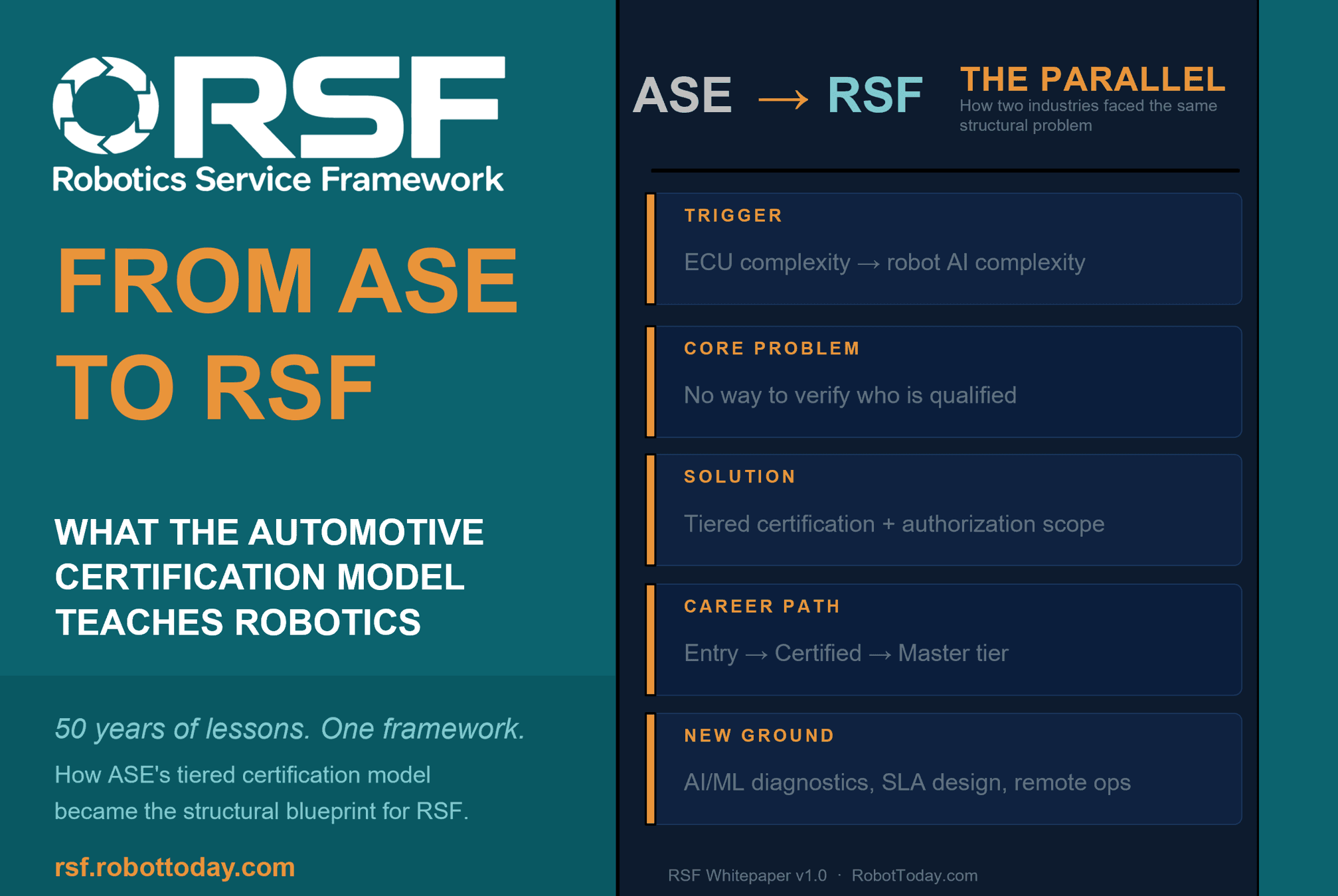
Robotics needs a service framework.
RSF defines a common language for robot service capability, lifecycle operations, certification pathways, and service-provider networks.