

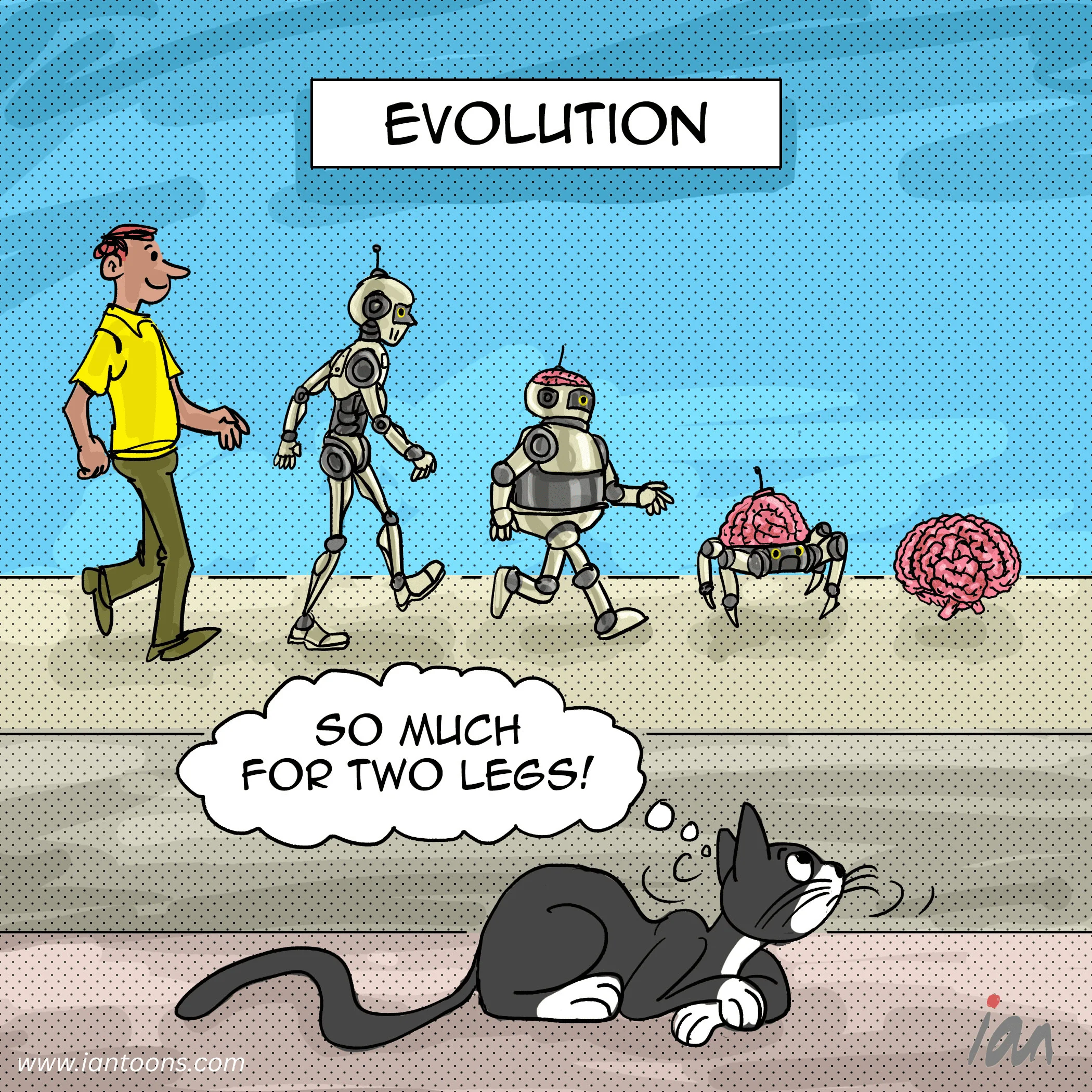
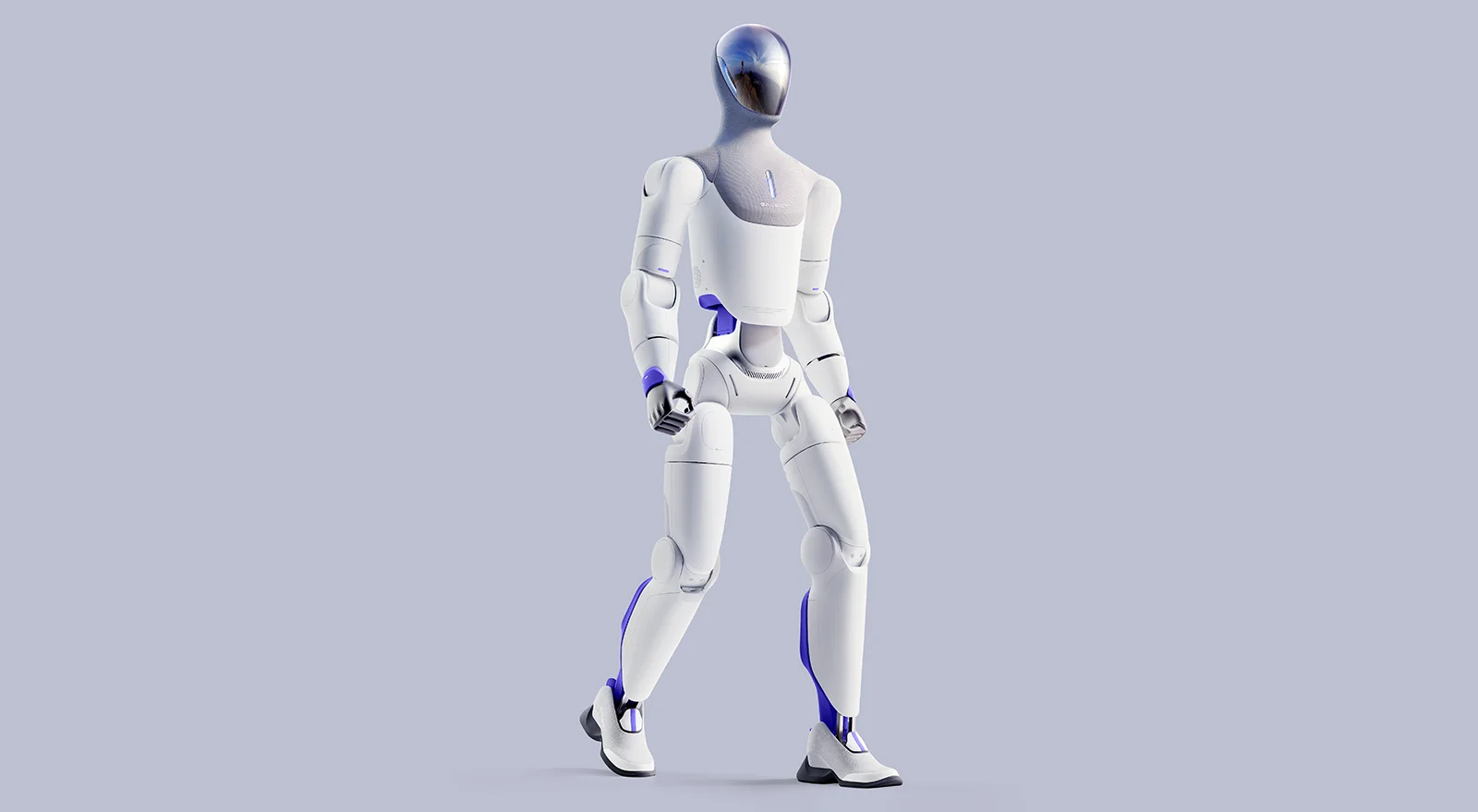
At the World Humanoid Robot Games in Beijing, X-Humanoid's Tiangong Ultra achieved remarkable feats, running 100 meters in 8.64 seconds and 400 meters in 38.15 seconds, surpassing human records. This evolution in robotic movement highlights the potential of first-principles learning, as Tiangong Ultra optimized its gait independently, moving away from traditional human-like motions.
The significance of these advancements lies in the shift from human-centric designs to robots that can optimize their performance based on task requirements. As Tiangong Ultra demonstrated, robots can learn and adapt in ways that challenge our assumptions about their form and function. This evolution suggests a future where robots may not resemble humans but are better suited for their specific tasks.
Looking ahead, the implications of Tiangong Ultra's performance could influence the design and development of future robots. The focus may shift towards creating machines that prioritize efficiency and effectiveness over human-like characteristics. No further timeline was disclosed at the time of publication.
Editor's Note
The advancements showcased by Tiangong Ultra at the World Humanoid Robot Games reflect a significant shift in robotics, emphasizing the importance of optimization and learning. As robots increasingly evolve beyond human-like designs, industries may need to adapt their expectations and approaches to robotic integration and deployment.
Copyright Notice
This briefing is an independently written summary based on publicly available reporting and is provided for industry information and news discovery. The original report and source publication are credited and linked where applicable. RobotToday does not claim ownership of third-party source material.
Rights concerns? If you believe any material in this briefing infringes your copyright or other rights, please contact [email protected] with the relevant URL and details. We will review the matter and take appropriate action where warranted.



























Leave a comment