


NASA is funding a novel initiative to explore the construction of large radar antennas in space using robots and modular metamaterials. This project, led by Duke University's David Smith, is part of the 2026 NASA Innovative Advanced Concepts (NIAC) Phase I study, titled Robotically Assembled Electromagnetic Metamaterials for Long-Range Space Situational Awareness.
The significance of this project lies in its potential to enhance space surveillance capabilities. Current ground-based radars, like the upgraded Space Fence, can track objects as small as four inches in low Earth orbit, but monitoring smaller objects or those at greater distances poses challenges. By assembling radar components in space, the project aims to overcome the limitations of traditional antennas that must survive launch constraints.
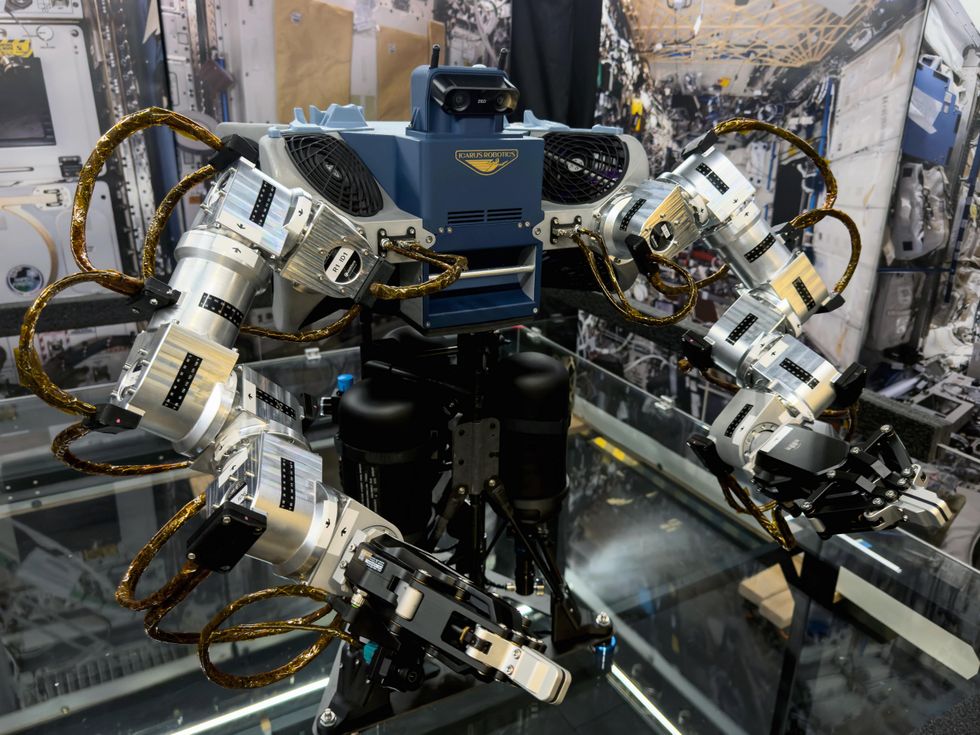
Looking ahead, the project will focus on the feasibility of using metamaterials as building blocks for a large electromagnetic aperture. NASA plans to investigate metamaterial designs through numerical modeling while considering the robotic assembly techniques demonstrated by the ARMADAS project. No further timeline was disclosed at the time of publication.
Editor's Note
The exploration of robotic assembly in space represents a significant advancement in addressing the challenges of space situational awareness. As the number of objects in orbit increases, innovative solutions like this could reshape how we monitor and track space debris and other threats. The integration of metamaterials into radar technology may also lead to breakthroughs in electromagnetic applications beyond space.


































Leave a comment