

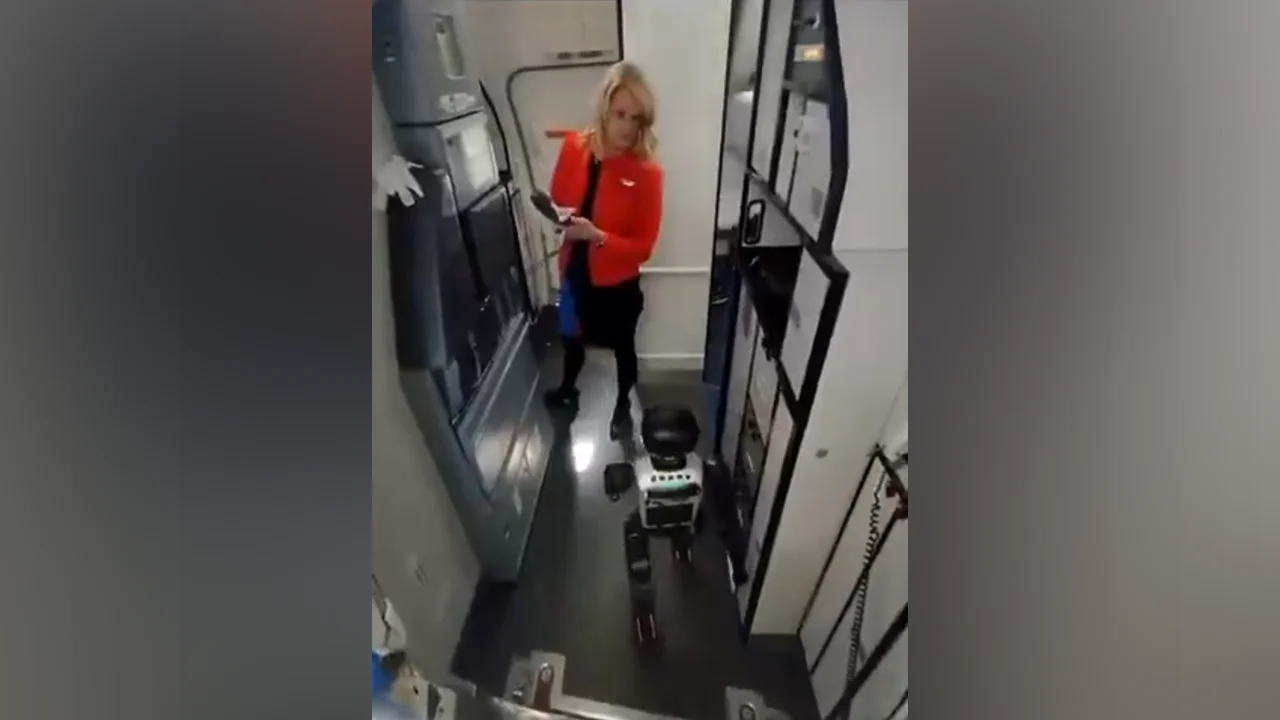
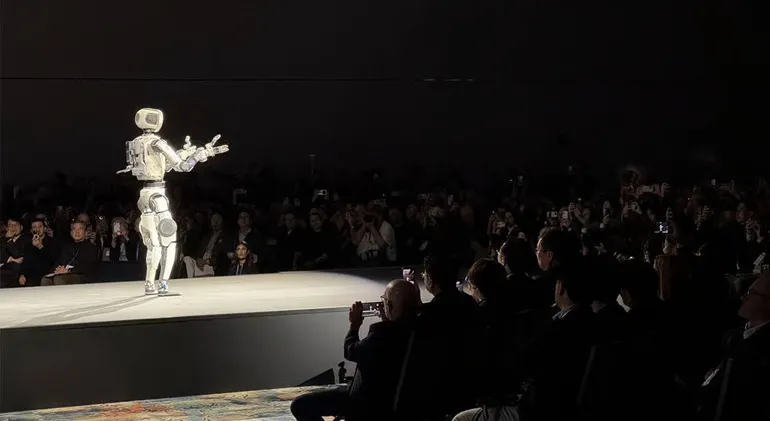
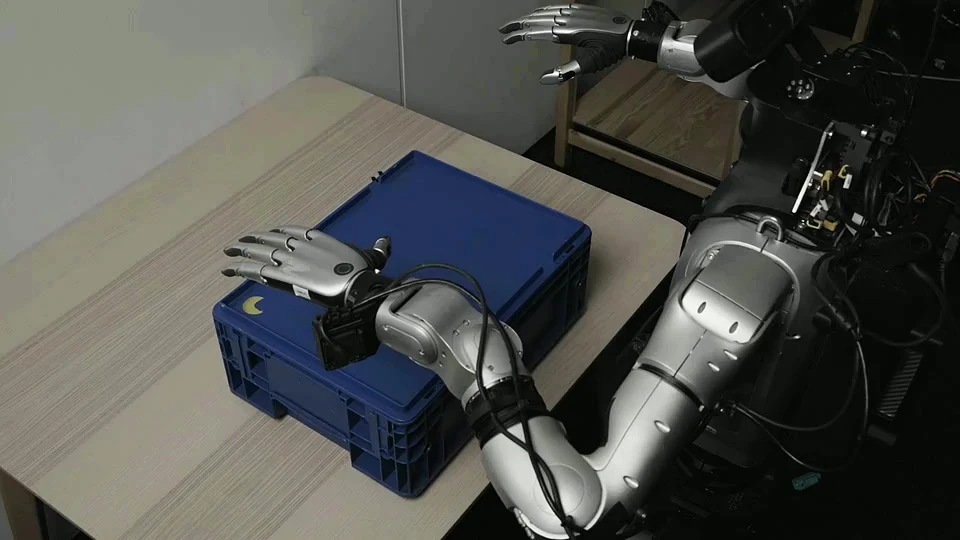
American Airlines has joined United Airlines, Delta Air Lines, and Southwest Airlines in banning humanoid robots from commercial flights. This policy specifically targets robots that resemble humans or animals, clarifying that they do not qualify as emotional support devices. The ban is primarily driven by safety concerns regarding lithium-ion batteries used in these robots, which can exceed the FAA's 160 Watt-hour limit and pose significant fire hazards.
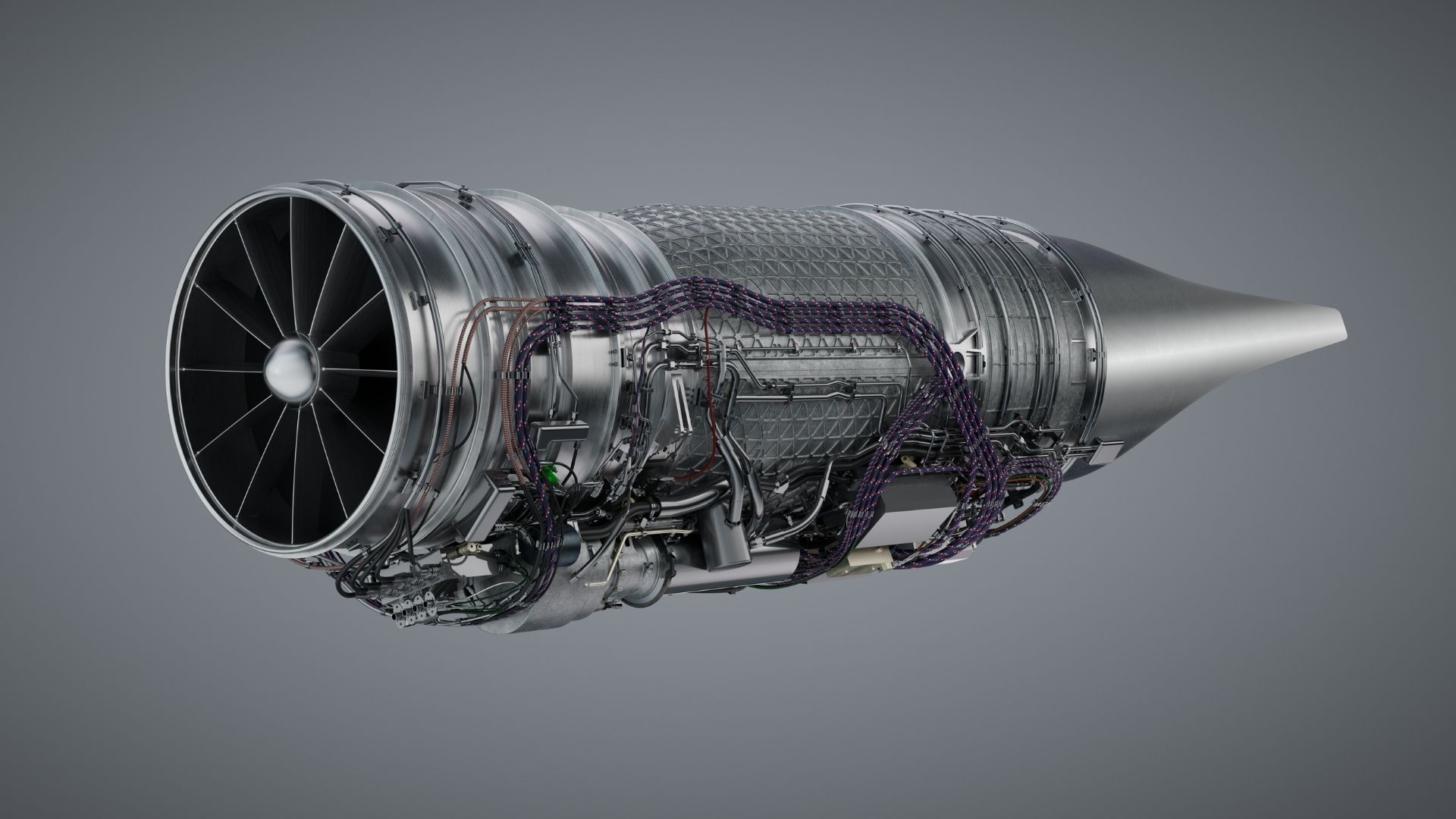
The decision to prohibit humanoid robots is crucial for aviation safety, as the large battery packs can lead to thermal runaway, resulting in spontaneous combustion and toxic smoke. Current FAA regulations allow consumer electronics with smaller batteries but strictly limit devices with larger lithium-ion batteries. The average humanoid robot's battery capacity ranges from 800 Wh to 2,500 Wh, far exceeding the legal threshold.
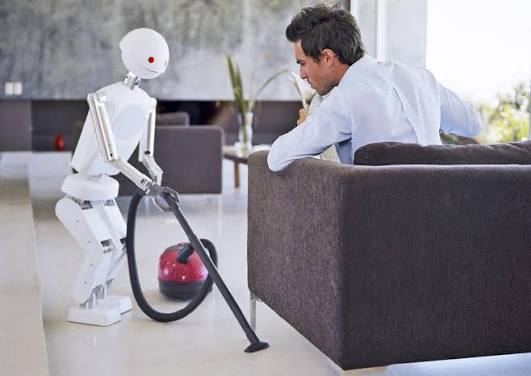
Looking ahead, the airlines may encounter challenges as the demand for robotic aides in mobility and medical assistance grows. The recent incident involving a humanoid robot on a Southwest Airlines flight has highlighted the need for clear safety protocols. While the airlines are acting swiftly to enforce these bans, future developments in AI and robotics may necessitate new regulations for safe transit of advanced robotic technologies.
Editor's Note
The ban on humanoid robots by major US airlines highlights the growing intersection of safety regulations and technological advancements in the aviation sector. As robotics and AI continue to evolve, the industry must address the implications of integrating such technologies into commercial travel. This situation underscores the importance of proactive regulatory measures to ensure passenger safety while accommodating future innovations in robotic assistance.

























Leave a comment