

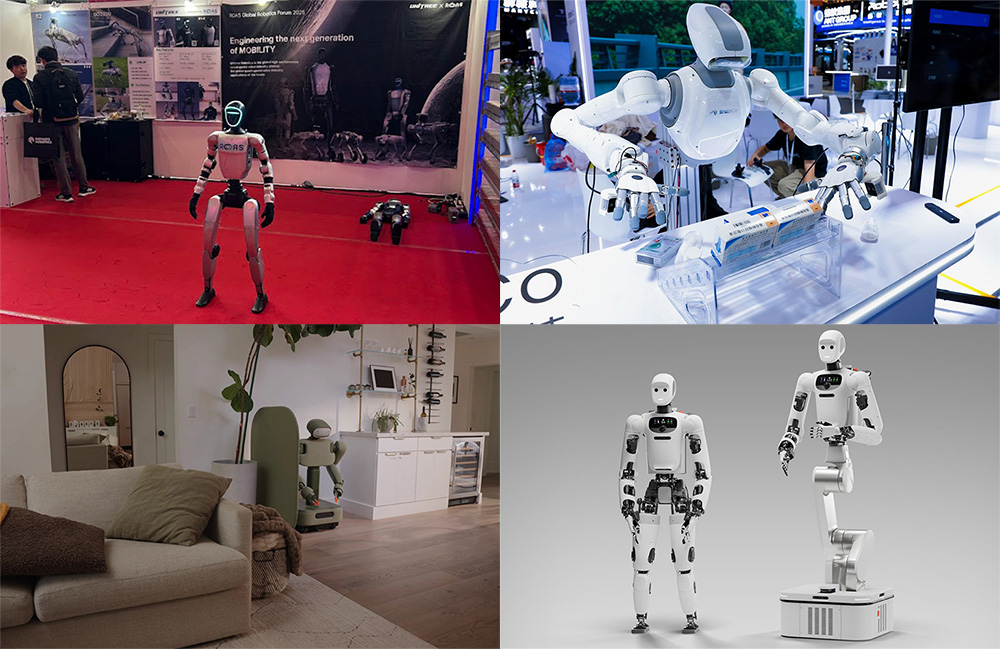
In July 2026, significant funding rounds and advancements in robot training captured attention in the robotics sector. AI² Robotics secured approximately $735 million, elevating its valuation to over $2.8 billion, positioning it as a leader in China's physical AI market. Meanwhile, the U.S. government announced new restrictions on importing certain foreign robots, citing national security concerns.
The evolving landscape of robotics emphasizes the need for adaptability in robots, moving beyond simple task automation to addressing complex environments. Companies like Humanoid and Walden Robotics are pioneering advancements in robotic manipulation and continuous learning, respectively, showcasing the industry's shift towards physical AI and general-purpose robotics.
Looking ahead, the introduction of innovative products such as Apptronik's Apollo 2 humanoid robot and Weave Robotics' Isaac 1 consumer robot highlights the ongoing competition in the market. As investment in robotics continues to grow, stakeholders should monitor regulatory changes and technological advancements that could reshape the industry landscape.
Editor's Note
The robotics industry is experiencing rapid advancements in AI integration and funding, reflecting a shift towards more adaptable and intelligent systems. The recent U.S. policy changes regarding robot imports may impact global supply chains and competition. Stakeholders should stay informed about these developments to navigate the evolving landscape effectively.

























Leave a comment