Industry Briefing
A single destination for timely, editor-curated robotics news from around the world.

NVIDIA Technologies Powering the Global Robotaxi Market's Growth to $400 Billion by 2035
The global robotaxi market is anticipated to reach $400 billion by 2035, with over 6 million commercial vehicles expected to operate as driverless fleets. This growth signifies physical AI's first commercial breakthrough, as these fleets navigate some of the world's busiest streets. Scaling a robotaxi fleet presents significant computing challenges, requiring consistent, safe performance across thousands of vehicles. NVIDIA's open platform for AI training, simulation, and safety validation is crucial in meeting these demands, providing developers with the necessary tools to ensure reliable operation across their fleets. As robotaxi programs evolve, they will increasingly leverage NVIDIA's technologies, including the DGX systems for training driving models and the Omniverse and Cosmos platforms for simulating real-world scenarios. The focus will be on optimizing models for diverse driving conditions and enhancing the capabilities of autonomous vehicles. No further timeline was disclosed at the time of publication.
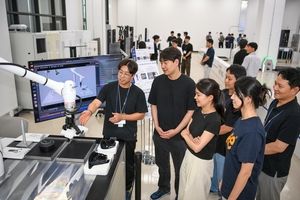
Hyundai Mobis Unveils 40 Advanced Smart Manufacturing Technologies at M-Sphere 2026
Hyundai Mobis showcased approximately 40 smart manufacturing technologies at the M-Sphere 2026 exhibition, highlighting the integration of artificial intelligence, robotics, and digital twins in automotive parts production. The event, held at the Quantum Center in Uiwang, Gyeonggi Province, attracted around 1,000 industry officials, including partners, under the theme 'Beyond Challenge, Into Reality.' The significance of this exhibition lies in Hyundai Mobis's commitment to enhancing manufacturing efficiency and safety through innovative technologies. Among the featured technologies was an autonomous transport robot currently being tested at the Ulsan chassis module plant, capable of independently locating and transporting components weighing up to 20 kilograms. This advancement aims to improve parts delivery accuracy while minimizing safety risks for workers. Looking ahead, Hyundai Mobis plans to further implement AI and digital twin technologies in production environments to bolster its manufacturing competitiveness. No further timeline was disclosed at the time of publication.
All News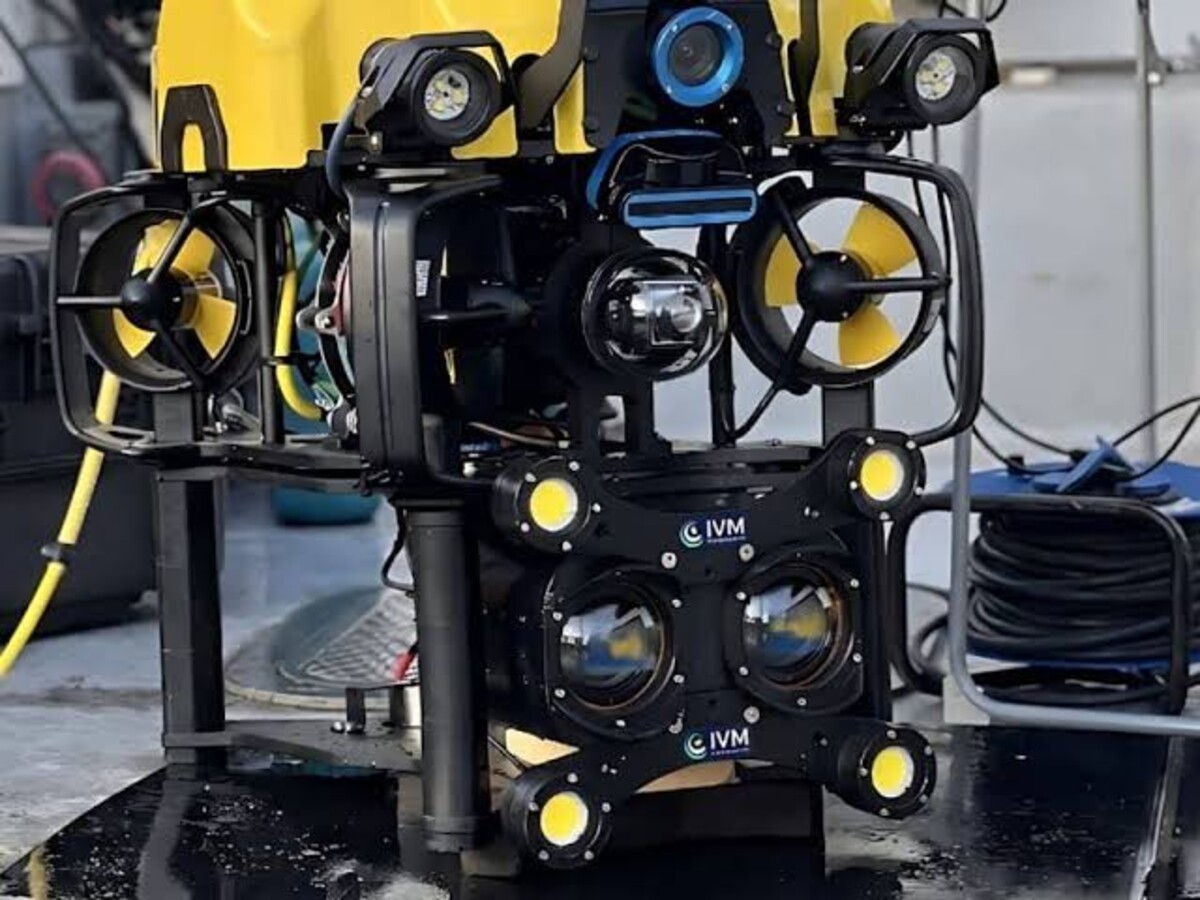
MFE Inspection Solutions Becomes First U.S. Distributor for IVM Technologies' HYDRO Series
MFE Inspection Solutions has entered into a distribution partnership with IVM Technologies, becoming the first authorized U.S. distributor for the HYDRO Series of subsea photogrammetry systems. This collaboration aims to provide U.S. offshore and subsea teams with advanced tools for creating precise 3D models of underwater assets. The partnership is significant as subsea teams increasingly require more than just visual documentation; they need accurate measurements and detailed 3D records for effective inspections and work planning. IVM's HYDRO Series is designed to meet these practical inspection needs, allowing MFE to assist customers in integrating these systems with their ROV platforms and developing tailored workflows. Looking ahead, MFE Offshore's collaboration with IVM Technologies is expected to enhance its offerings in subsea inspection and survey technologies. The HYDRO Series, which includes models capable of operating at various depths, will provide operators with the ability to generate high-resolution, scaled 3D models for monitoring and inspection purposes. No further timeline was disclosed at the time of publication.

Neros Technologies Secures $250 Million to Enhance Defense Drone Production by 2026
Neros Technologies announced the successful completion of a $250 million Series C funding round, elevating its valuation to $2.5 billion. The funding aims to expedite the development and production of its defense drones, including the Archer AI and Bandit models, which are set for deployment by the end of 2026. This funding is crucial as Neros seeks to fulfill its ambitious goal of producing 1 million drones annually, a mission that remains unchanged despite the expanding range of capabilities and mission sets. The company has secured significant contracts with the U.S. Army, Marine Corps, and various allied nations, positioning itself as a key player in the defense drone market amid rising global demand. Looking ahead, Neros Technologies plans to leverage this capital to enhance its drone manufacturing capabilities, particularly in response to the ongoing conflicts in Ukraine, Gaza, and Iran. The company aims to deliver advanced drone solutions that provide credible deterrence and support military operations effectively.
Defense / Security Drones Financial Investments Markets / Industries News
AEVEX Plans Acquisition of BlackSea Technologies for Up to $650 Million
AEVEX is set to acquire BlackSea Technologies for a total of up to $650 million, with the deal expected to close in September. This strategic acquisition aims to enhance AEVEX's customer access to military users, thereby expanding its market reach. The significance of this acquisition lies in AEVEX's intent to strengthen its position within the military sector. By integrating BlackSea Technologies, AEVEX anticipates improved engagement with military clients, which could lead to increased revenue and enhanced service offerings. Looking ahead, industry observers will be monitoring the completion of this acquisition in September and its subsequent impact on AEVEX's operations and market strategy. No further timeline was disclosed at the time of publication.
Naval Warfare AEVEX Business & Industry Drones Navy Unmanned
Ommo Technologies Raises Millions in Series A Funding for Advanced Spatial Awareness Solutions
Ommo Technologies has successfully completed a Series A funding round, securing tens of millions of dollars to enhance its core product, the Permanent Magnetic Spatial Positioning System. This funding, led by Hong Kong Dingpei Group and a well-known fund, with participation from Kangjun Capital, will accelerate the technology iteration and mass production of the system, which is crucial for applications in embodied intelligence, advanced manufacturing, and healthcare. The company's innovative solution addresses a significant challenge in robotics: the inability to determine position in constrained environments where traditional sensors fail, such as when fingers obstruct each other or when handling soft objects. Ommo's founder, Zheng Minjie, has developed a unique magnetic field positioning technology that utilizes a continuously rotating permanent magnet to create a characteristic magnetic field, achieving sub-millimeter precision in 6DoF position and posture data. Ommo's positioning technology is initially being applied in medical surgical navigation, where precision is critical. The company has established an ISO 13485-compliant quality system and is collaborating with over a hundred medical device companies. Beyond healthcare, Ommo is focusing on embodied intelligence, addressing the industry's challenge of scarce three-dimensional operational datasets, which are essential for training robots to perform complex tasks accurately.
Robotics Spatial Awareness Medical Technology AI Automation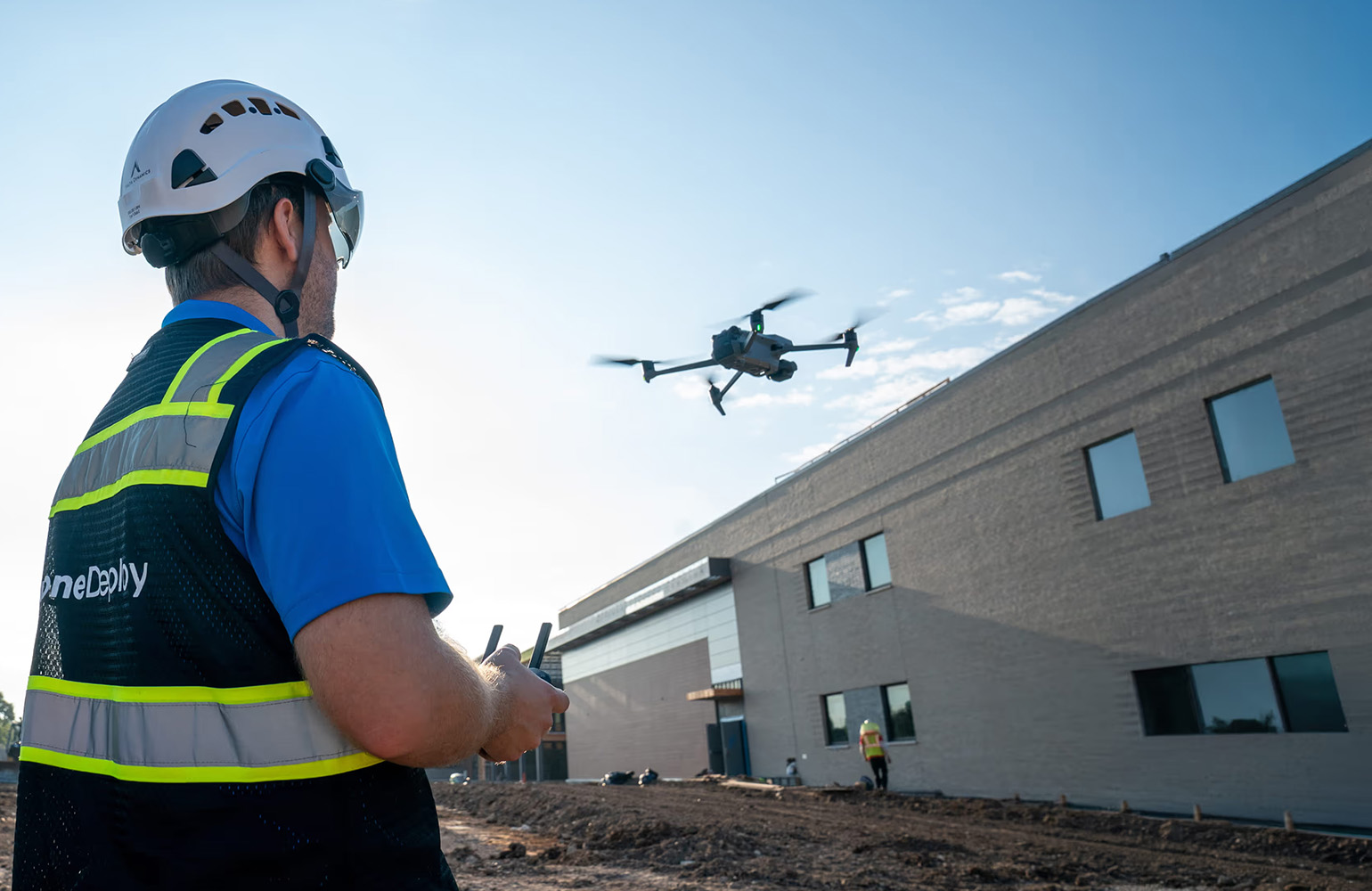
Procore Technologies to Acquire DroneDeploy for $845 Million Cash Deal
Procore Technologies Inc. has announced its plan to acquire DroneDeploy for approximately $845 million in cash. DroneDeploy, known for its robotics and visual intelligence platform, has been utilized on over 3 million job sites across more than 180 countries. Procore's CEO, Ajei Gopal, expressed enthusiasm about integrating DroneDeploy's technology into Procore's offerings to enhance their AI strategy and improve project outcomes. This acquisition is significant as it aims to merge DroneDeploy's visual intelligence capabilities with Procore's construction management platform. By doing so, Procore intends to provide real-time visibility and automated actions on construction sites, enhancing collaboration and efficiency. The integration of DroneDeploy's technology is expected to transform how construction teams document observations and address issues, ultimately improving project execution. Looking ahead, the companies plan to leverage their combined technologies to replace traditional manual inspections with advanced perception capabilities. This will allow for regular evaluations of construction sites using drones, cameras, and robots, facilitating timely and context-aware responses. No further timeline was disclosed at the time of publication.
Artificial Intelligence Cameras / Imaging / Vision Construction Drones Financial Mergers & Acquisitions
RTsys Underwater Technologies and Singapore Navy Deploy COMET-MCM Drones for Maritime Security
RTsys Underwater Technologies, the Republic of Singapore Navy, and the Defence Science and Technology Agency (DSTA) have announced the operational deployment of COMET-MCM autonomous underwater vehicles. These drones are designed to detect and identify naval mines, marking a significant advancement in the Singapore Navy's mine countermeasures capabilities. The Singapore Strait is a crucial maritime route, with nearly 150,000 ships passing through annually. The deployment of COMET-MCM systems aims to enhance maritime safety by addressing underwater threats, particularly naval mines, which could disrupt international trade and maritime safety in the Asia-Pacific region. The COMET-MCM drones operate autonomously for over twelve hours, equipped with high-resolution side scan sonar for precise mapping of underwater areas. This integration into the Singapore Navy's strategy allows for efficient reconnaissance and complements data from minehunters, improving mission effectiveness. No further timeline was disclosed at the time of publication.
rtsys underwater technologies republic of singapore navy dsta operational deployment comet-mcm auv
Seven AI Technologies Enhancing Military Drone Swarms' Intelligence and Effectiveness
Military drone swarms are becoming a pivotal advancement in autonomous warfare, enabling multiple unmanned systems to operate collectively rather than individually. This capability is heavily reliant on artificial intelligence, which aids drones in interpreting sensor data, navigating complex environments, and communicating effectively, thereby reducing the burden on human operators. The significance of these advancements lies in their ability to enhance operational resilience. Swarm intelligence allows drones to function as a coordinated unit, utilizing decentralized algorithms to manage interactions, maintain formations, and adapt to challenges, inspired by natural collective behaviors. Programs like DARPA’s OFFSET have explored these concepts, demonstrating how autonomous systems can collaborate in intricate missions, particularly in urban settings. Looking ahead, the integration of edge AI technology is crucial for military drone swarms. This innovation enables drones to process data onboard, ensuring functionality even when connectivity to command centers is compromised. As these technologies evolve, their impact on military operations and strategies will be significant, with ongoing developments to watch closely.
AI and Robotics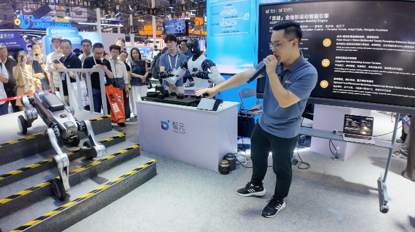
ZhiYuan KuTuo Demonstrates Advanced Technologies at the 2026 World AI Conference
ZhiYuan KuTuo showcased its two self-developed intelligent engines at the 2026 World AI Conference, addressing key challenges in navigation stability and operational continuity for four-legged robots in patrol and inspection scenarios. These technologies enhance the robots' ability to navigate complex environments, such as stairs and uneven terrain, while maintaining stability and avoiding obstacles autonomously. The demonstration highlighted the robots' capabilities in performing tasks without human intervention, significantly reducing operational costs in industrial settings. Looking ahead, ZhiYuan KuTuo aims to leverage its innovative technologies to expand commercial applications across various sectors, promising to deliver advanced all-terrain intelligent mobility solutions for global users.
Quadruped Robots Autonomous Navigation Industrial Automation AI Technologies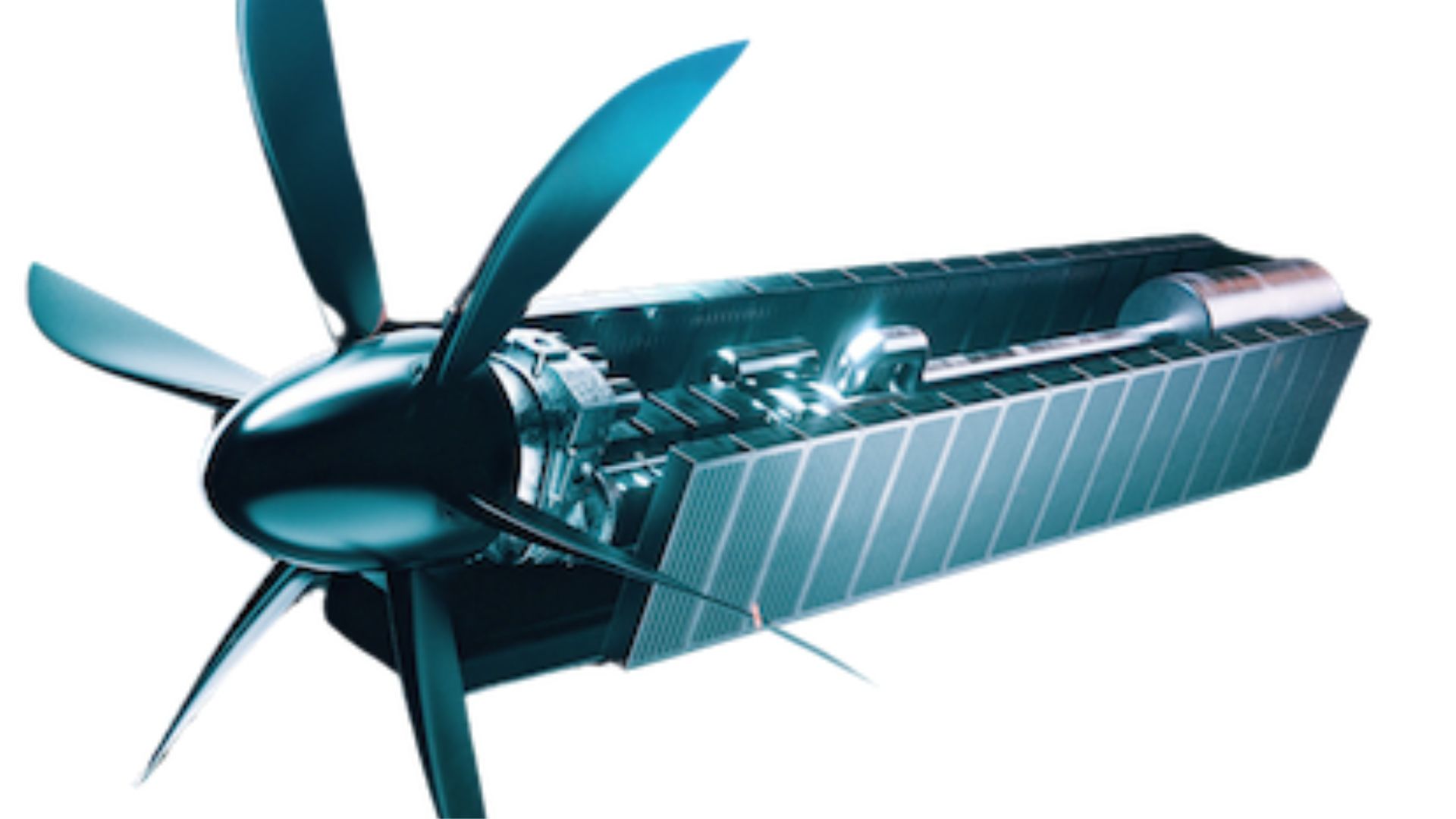
ZeroAvia and Safran Collaborate to Advance Hydrogen-Electric Propulsion Technologies
ZeroAvia, a US-based company, has partnered with French aerospace leader Safran to enhance the development of hydrogen-electric propulsion technologies aimed at achieving zero-emission aviation. This collaboration combines ZeroAvia's expertise in aerospace fuel cells with Safran's extensive experience in propulsion and fuel cell testing, focusing on high-temperature fuel cells necessary for the power demands of large commercial aircraft. The significance of this partnership lies in its potential to revolutionize the aviation industry, which currently contributes approximately 2.5% of global CO2 emissions. While Sustainable Aviation Fuels (SAFs) are being explored as a near-term solution, they still produce carbon emissions during flight. In contrast, hydrogen fuel cells generate electricity with water as the only byproduct, presenting a cleaner alternative for aviation. Looking ahead, the collaboration aims to accelerate the development of fuel cell electric propulsion systems, particularly high-temperature fuel cells for demanding aviation applications. However, skepticism remains about the immediate feasibility of hydrogen in aviation, with some experts suggesting it may be more suited for the future.
Transportation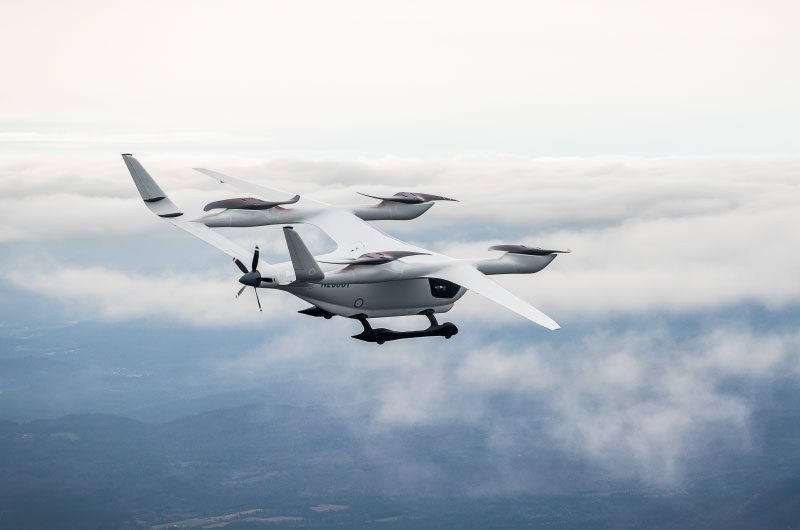
BETA Technologies Advocates for Practical Applications of Advanced Air Mobility
BETA Technologies is advocating for a broader approach to advanced air mobility, emphasizing practical transportation solutions over futuristic passenger services. At the Korea Drone and UAM Expo, Patrick Buckles, Regional Head of Aircraft Sales, highlighted the company's strategy that integrates electric aircraft, charging infrastructure, and pilot training for various missions. Founded in 2017, BETA has developed its operations around electric aircraft, multimodal charging systems, and enabling technologies such as electric propulsion and battery technology. The company has successfully flown over 300,000 kilometers and is targeting applications in cargo, defense, medical transport, and passenger services with its two aircraft platforms: the ALIA CTOL and ALIA VTOL, which share design commonality for enhanced safety and simplicity. Looking ahead, BETA's focus on operational advantages, such as lower energy and maintenance costs, positions electric aviation as a viable alternative to conventional aircraft. The potential for zero emissions and reduced noise levels could facilitate community acceptance and support critical missions like medical transport in remote areas. No further timeline was disclosed at the time of publication.
Advanced Air Mobility DL Exclusive Drone News Drone News Feeds eVTOL News
Review of Underwater Grippers for Dexterous Manipulation and Enabling Technologies
A recent review published in the Journal of Field Robotics examines the design and technologies behind underwater grippers for dexterous manipulation. These grippers are essential for various underwater applications, including marine research and exploration, where precise handling of objects is crucial. The significance of this review lies in its comprehensive analysis of the current state of underwater gripper technology, highlighting advancements that enhance their functionality and adaptability. As underwater tasks become more complex, the need for sophisticated grippers that can perform delicate operations is increasingly important. Looking ahead, the review suggests that ongoing research and development in this field will focus on improving the dexterity and efficiency of underwater grippers. No further timeline was disclosed at the time of publication.
SURVEY ARTICLE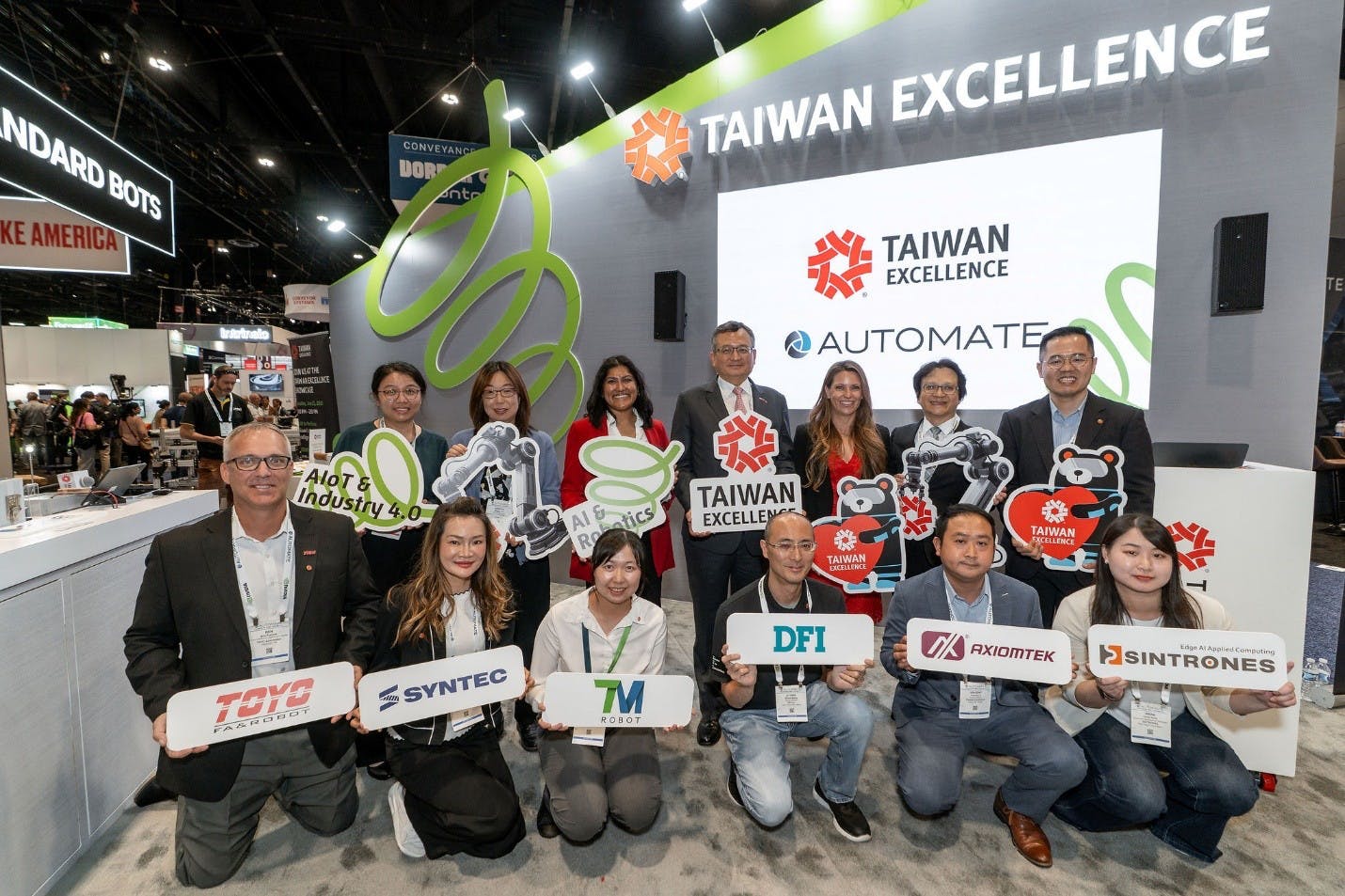
Taiwan Excellence Pavilion Showcases Award-Winning Technologies at Automate 2023
At the Automate show in late June, the Taiwan Excellence Pavilion featured two dozen award-winning companies showcasing advanced technologies for smart manufacturing and industrial automation. Organized by Taiwan's International Trade Administration and the Taiwan External Trade Development Council, the pavilion highlighted innovations in robotics, AI, and industrial computing. This event underscored Taiwan's growing significance as a technology partner for U.S. manufacturing, with a focus on enhancing agility and integration in production systems. TAITRA noted the strong engagement from manufacturers and automation leaders, reflecting a rising demand for integrated solutions that foster innovation in manufacturing processes. Looking ahead, the Taiwan Excellence Pavilion will continue to play a pivotal role in promoting Taiwanese innovations in automation and smart manufacturing. No further timeline was disclosed at the time of publication.
Supplier News
1X Technologies Appoints Tom Sanocki as VP of Engineering for NEO Development
1X Technologies has appointed Tom Sanocki as Vice President of Engineering, effective June 25, 2026. His role will focus on steering the software organization through a pivotal transition from research to commercial deployment of the NEO humanoid robot, which is set for consumer release by late 2026 at a price of $20,000. This appointment is crucial for 1X Technologies as it aims to enhance its manufacturing capabilities at the NEO Factory in Hayward, California, while meeting the upcoming delivery timeline. Sanocki brings extensive experience in real-time systems and user-facing platforms, having previously worked with Roblox and Meta, which aligns with the company's need for advanced technical leadership. Looking ahead, Sanocki's expertise will be vital in executing the company's new software strategy, particularly with the launch of the 1X World Model Lab. This initiative aims to improve the NEO platform's cognitive capabilities and developer ecosystem, especially in light of recent geopolitical shifts affecting AI hardware supply chains. No further timeline was disclosed at the time of publication.
1X Technologies US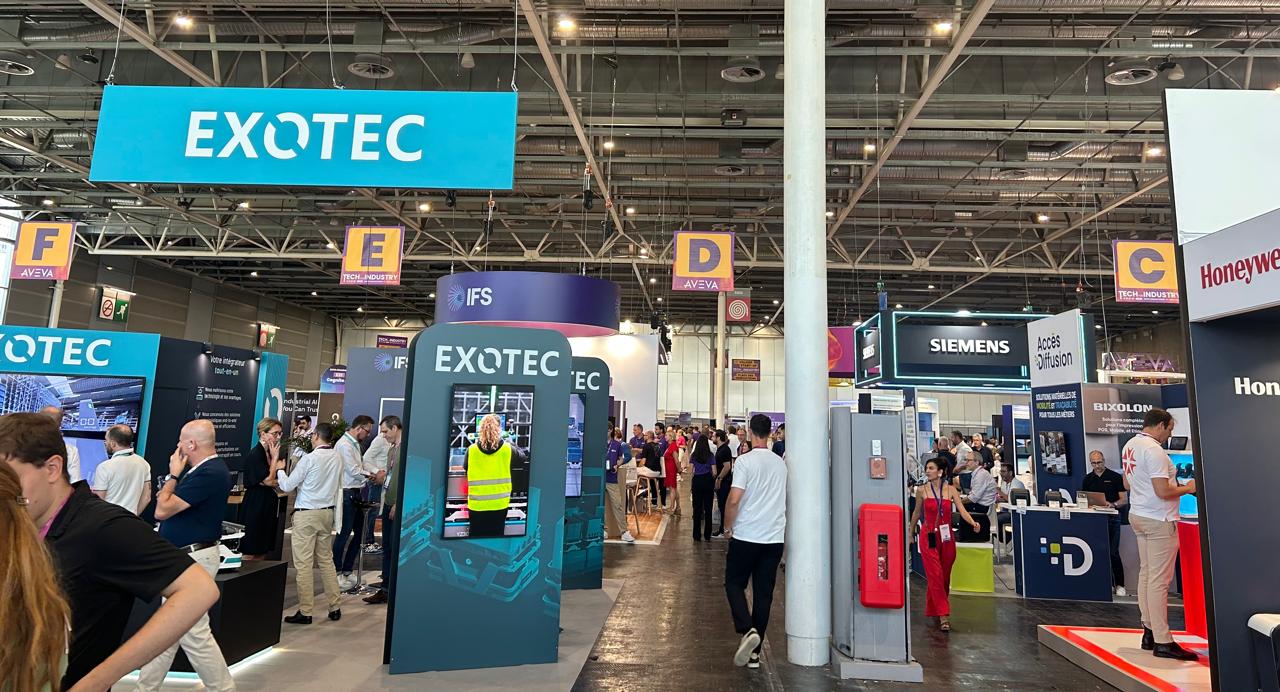
Tech for Industry Show: Technologies Transforming Industry
On June 23 and 24, 2026, the Tech for Industry exhibition took place in Paris, bringing together a rapidly evolving industrial ecosystem. As companies strive to enhance competitiveness, automate operations, and expedite their digital transformation, the event showcased that the concept of the industry of the future is now a tangible reality. This gathering highlighted the latest technologies that are reshaping the industrial landscape, reflecting the urgent need for innovation in a competitive market.
À la une IA Industrie Robotique automatisation industrielle. automatisation logistique
Exploring Counter-Drone Technologies and Innovations at AFA Day 2
On the second day of the AFA trade show, various technologies were showcased, including counter-drone lasers and cutaway engine blocks. These innovations highlight the growing focus on addressing drone threats in military applications. The significance of these technologies lies in their potential to enhance security measures against unauthorized drone activities. As drone usage increases, the development of effective countermeasures becomes crucial for defense strategies. Looking ahead, industry professionals will be keen to observe advancements in counter-drone systems and their integration into existing military frameworks. No further timeline was disclosed at the time of publication.
Air Warfare Aerovironment AFA Multimedia 2026 Air Force Anduril Brawlr
Canada and Ukraine Forge Long-Term Defense Partnership for Uncrewed Technologies
Canada and Ukraine have entered a significant defense agreement to collaboratively produce uncrewed technologies, counter-drone systems, and munitions. This partnership, announced by Canadian Prime Minister Mark Carney during Ukrainian President Volodymyr Zelenskyy's visit to Calgary, aims to enhance Ukraine's defense capabilities amid ongoing Russian aggression. The agreement is part of a broader commitment to a '100-year partnership' between the two nations, combining Ukraine's battlefield experience with Canada's manufacturing and technological expertise. Notably, General Dynamics Mission Systems of Canada and Ukraine's Green Tech Harvest will explore co-producing Ukrainian-designed drones, while Canada plans to invest approximately $350 million in air defense interceptors through the Joint Ukraine Multinational Program. Looking ahead, the partnership is expected to bolster Ukraine's air defense capabilities significantly, with Zelenskyy highlighting the training of 21 Ukrainian pilots in Canada. However, specific operational details regarding the drone cooperation remain limited. No further timeline was disclosed at the time of publication.
Air Warfare Allies Air Force canada Drones Europe
KoiReader Technologies Introduces KoiVision Platform for Supply Chain Yard Automation
KoiReader Technologies, Inc. has announced the general availability of its KoiVision™ Platform Yard Intelligence Suite. This full-stack Physical AI system aims to enhance global supply chain yard operations by providing automated gate processing, continuous yard visibility, and dock-level execution intelligence. The introduction of the KoiVision Platform is significant as it targets one of the least digitized areas in the supply chain, potentially transforming yard operations. By integrating advanced technologies, KoiReader seeks to improve efficiency and visibility, which are critical for modern supply chain management. Looking ahead, industry stakeholders should monitor the adoption and impact of the KoiVision Platform in various supply chain environments. No further timeline was disclosed at the time of publication.

Hylenr Technologies Discovers 32 Elements in Nuclear Fusion Experiment for Strategic Applications
Hylenr Technologies, a startup based in Hyderabad, has reported the detection of 32 elements, including rare earths and uranium, through its experimental nuclear fusion system. This finding follows over two years of material analysis linked to their lattice confinement fusion research, suggesting a potential new method for nucleosynthesis. The implications of this discovery are significant, as it could provide an alternative means of producing critical materials that are currently reliant on mining and concentrated supply chains. Hylenr co-founder Siddhartha Durairajan emphasized the potential to engineer the material environment necessary for creating selected elements, which could reshape access to vital resources. Looking ahead, the research team believes that this technology may extend beyond nuclear energy applications, potentially impacting sectors such as electric vehicles, robotics, and defense. No further timeline was disclosed at the time of publication.
Energy
Uber Technologies Stock Declines Amid Wall Street's Focus on Tesla's Cybercab Launch
Uber Technologies (UBER) experienced a decline in stock value on Tuesday, as Wall Street analysts provided optimistic views on the company's strategies to counter competition from Waymo and Tesla (TSLA). The drop occurred following Tesla's official launch of its 'Cybercab' in Austin, Texas, which is designed specifically for autonomous ride-hailing. The introduction of Tesla's Cybercab represents a significant competitive challenge for Uber, as it aims to establish a foothold in the autonomous ride-hailing market. Analysts noted that while Uber is making strides to enhance its offerings, the emergence of Tesla's robotaxis could reshape the landscape of ride-hailing services, intensifying the competition. Looking ahead, industry observers will be monitoring how Uber responds to the competitive pressures posed by Tesla's Cybercab and other autonomous vehicle initiatives. No further timeline was disclosed at the time of publication.
Pudu Robotics' Semi-Humanoid D7 Wins IFA Innovation Award for Emerging Technologies
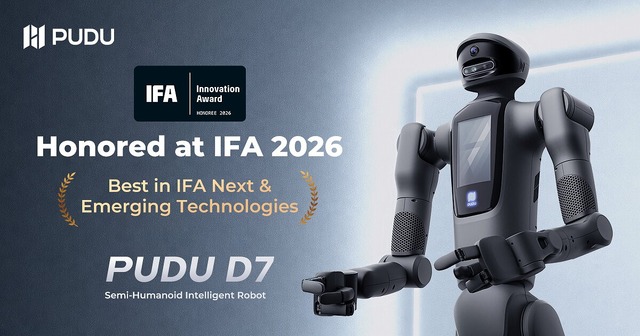
On September 6, 2026, Pudu Robotics announced that its semi-humanoid service robot, PUDU D7, won the 'Best in IFA Next & Emerging Technologies' category at the IFA Innovation Awards. This recognition highlights the D7's capabilities in mobile navigation, dexterous manipulation, and intelligent sensing, which enable it to perform a wide range of tasks in industrial and commercial environments. The significance of this award lies in the D7's design, which allows it to operate in spaces such as industrial facilities, warehouses, retail stores, and hospitality venues. With a payload capacity of up to 20 kg (44.1 lbs) and a maximum working height of 2 m (6.6 ft), the D7 can handle material transport, product picking, and customer interaction, enhancing operational efficiency and user experience. Looking ahead, Pudu Robotics aims to expand the D7's applications beyond single-use cases, leveraging its autonomous battery swapping feature and advanced sensing systems. The D7 was showcased at IFA 2026 from September 4 to 8, where live demonstrations allowed attendees to experience its interaction capabilities and operational versatility in real-time.

MIT Lincoln Laboratory Researchers Explore Arctic Under-Ice Sounds and Communication Technologies
Researchers from MIT Lincoln Laboratory have been analyzing under-ice sounds in the Arctic, utilizing commercial sensors deployed during the U.S. Navy's Operation Ice Camp (OIC). Their work aims to understand sound propagation through ice, which is crucial for monitoring environmental changes and military activities in the region. The significance of this research lies in its potential to enhance predictive capabilities regarding the acoustic signatures of fracturing ice. This understanding can inform geopolitical strategies and bolster resilience in coastal communities as Arctic sea ice continues to melt, opening new maritime routes. Looking ahead, the team plans to further develop low-cost sensors for continuous Arctic monitoring. The challenges faced during OIC 2026, including severe weather conditions, highlight the difficulties of conducting research in this inhospitable environment. No further timeline was disclosed at the time of publication.
Research Sensors Magnets Robotics Security and military studies International initiatives
Uber Technologies Inc. Announces 3,300 Job Cuts in Major Restructuring Effort
Uber Technologies Inc. is set to eliminate approximately 3,300 positions, representing 10% of its global workforce, as part of a significant restructuring initiative. This move aims to streamline management layers and optimize spending across its core operations, including ride-sharing, delivery, and robotaxi services. The decision to reduce the workforce is crucial for Uber as it seeks to enhance operational efficiency and focus resources on its most promising business segments. By reallocating funds towards ride-sharing, delivery, and robotaxi ventures, Uber aims to strengthen its competitive position in the rapidly evolving transportation landscape. Looking ahead, it will be important to monitor how these job cuts impact Uber's operational capabilities and overall market performance. No further timeline was disclosed at the time of publication.

Yale Lift Truck Technologies Hosts Dealer Showcase to Highlight Innovations in Materials Handling
Yale Lift Truck Technologies held a dealer showcase from June 24-25, 2026, at its upgraded Frankfurt Experience Centre in Mörfelden-Walldorf, Germany. The invite-only event gathered dealers from DACH and Northern Europe to explore advanced technologies and participate in knowledge-sharing sessions aimed at modern supply chain demands. The showcase featured an exclusive preview of the Yale Route Runner, a materials handling solution designed to enhance direct-to-store deliveries, significantly improving operational efficiency and last-mile performance. Attendees also learned about the new Yale® MXLG series of lithium-ion forklifts, capable of handling loads up to 7-tonnes, and battery technologies that promote energy management and sustainability. Looking ahead, the collaborative spirit of the Yale dealer network was emphasized, with a focus on delivering customer-centric solutions. No further timeline was disclosed at the time of publication.
Fork Lift Trucks
SolarWindow Technologies Launches 24.4% Efficient ElectroFlex Solar Film for Aerospace and Transport
SolarWindow Technologies has commenced commercial production of its 0.85 mm thick solar laminate, ElectroFlex, featuring interdigitated back-contact (IBC) cells with a 24.4% efficiency rating. This innovative product offers a power-to-weight ratio of approximately 73 W/kg and is designed for direct application on various surfaces without the need for traditional mounting hardware. The introduction of ElectroFlex is significant as it addresses the limitations of conventional silicon solar setups, which require heavy structural components. By providing a flexible and lightweight solution, ElectroFlex can be installed on load-sensitive surfaces such as aircraft fuselages and train exteriors, enabling energy generation in previously unsuitable locations. Looking ahead, SolarWindow Technologies plans to deliver ElectroFlex to selected industrial partners in North America and Asia in the coming quarters. The company aims to expand its offerings beyond liquid coatings, focusing on engineered electrical systems that integrate seamlessly into transport and mobile machinery applications, converting exterior surfaces into auxiliary power sources.
Energy Innovation
SoftBank Negotiates for Majority Stake in 1X Technologies Valued at $6 Billion
SoftBank Group is in discussions to acquire a majority stake in 1X Technologies, valuing the Norwegian-American startup at approximately $6 billion. This potential deal would provide SoftBank founder Masayoshi Son with controlling interest in a leading bipedal robotics platform, marking a significant financial milestone for 1X as it shifts from research prototypes to consumer hardware. The acquisition is noteworthy as it reflects a reduction from 1X's previous valuation of $10 billion, which it sought last year. While the $6 billion valuation indicates a markdown, it also represents a substantial increase from earlier institutional valuations. Surrendering a controlling interest could offer 1X long-term financial stability, crucial for scaling its capital-intensive hardware development. As discussions continue, key terms remain unaddressed, including the final structure of the deal. Additionally, 1X's recent activities, such as collaborations with renowned designer Naoto Fukasawa, highlight its commitment to innovative design in humanoid robotics, although there is no direct link to the SoftBank negotiations. No further timeline was disclosed at the time of publication.
1X Technologies US Europe Market softbank Japan
Huawei and HP Ink Multiyear Global Patent Cross-Licensing Agreement for Wi-Fi Technologies
Huawei and HP Inc. have entered into a multiyear global patent cross-licensing agreement, announced on August 26. This agreement specifically covers certain Huawei Wi-Fi patents, allowing HP access to designated Huawei Wi-Fi technologies while granting Huawei reciprocal patent rights from HP. The significance of this agreement lies in its focus on intellectual property licensing, which is crucial for both companies as they navigate the competitive landscape of technology. The deal does not entail any new hardware products or joint commercial projects, emphasizing the importance of patent rights in the tech industry. Looking ahead, it will be important to monitor how this agreement influences the development of Wi-Fi technologies and the competitive dynamics between Huawei and HP. No further timeline was disclosed at the time of publication.
News Feed
RFID and Machine Vision Technologies Gain Traction in Automation Solutions
RFID and machine vision technologies are increasingly being adopted as effective solutions for automation. These technologies provide a more practical and cost-efficient alternative to traditional large-scale robotics projects, which often necessitate extensive facility redesigns and substantial capital investments. The significance of RFID and machine vision lies in their ability to seamlessly integrate into existing warehouse and manufacturing operations. This integration allows businesses to enhance their operational efficiency without the need for disruptive changes, making automation more accessible to a wider range of industries. Looking ahead, the continued growth of RFID and machine vision technologies is expected as companies seek to optimize their processes. No further timeline was disclosed at the time of publication.
Impact of Ukraine Conflict on Modern Warfare Tactics and Technologies
Rod Turnbull from Bloomberg Intelligence analyzes the transformative effects of Russia's invasion of Ukraine on contemporary military strategies. The ongoing conflict has prompted nations to adapt their warfare approaches, integrating advanced technologies such as drones and artificial intelligence into their operations. This shift is significant as it highlights the evolving nature of warfare, where traditional tactics are increasingly supplemented by innovative technologies. The use of drones and AI is reshaping battlefield dynamics, enabling more precise and efficient military actions, which could redefine future conflicts. Looking ahead, the continued evolution of military technology in response to the Ukraine conflict will be crucial to observe. The integration of these advanced systems may influence global military strategies and defense policies, as nations seek to enhance their operational capabilities in an increasingly complex security environment.

Exploring the Role of Semiconductor Technologies in Advancing Humanoid Robots
Experts from Texas Instruments (TI) discussed the potential of semiconductor technologies in transitioning humanoid robots from niche applications to scalable real-world systems. The humanoid robotics market is projected to reach $5 trillion by 2050, highlighting the growing interest in these advanced machines capable of performing tasks like laundry folding. The significance of this development lies in the integration of artificial intelligence (AI) with physical capabilities, as noted by Giovanni Campanella, general manager for robotics and automation at TI. The evolution of AI into physical applications is crucial for humanoid robots to manipulate objects and navigate complex environments, which is made possible through advancements in semiconductor technology. Looking ahead, the deployment of humanoid robots will require a combination of sophisticated sensors for environmental perception, including camera and tactile feedback sensors. These technologies are essential for enabling robots to perform various tasks effectively. No further timeline was disclosed at the time of publication.

X Square Robot Displays Comprehensive Embodied AI Technologies at WRC 2026
X Square Robot is showcasing its complete portfolio of embodied AI technologies at the World Robot Conference 2026 in Beijing. The Shenzhen-based company is presenting applications that include logistics automation, dexterous manipulation, and household robotics, with a focus on its WALL-B embodied AI foundation model and advanced robotic hardware. This exhibition is significant as it follows a successful livestream demonstration where X Square Robot processed 1,816 parcels with over 98 percent accuracy. At WRC, the company is broadening its scope beyond logistics to illustrate how embodied intelligence can be applied across various physical systems and environments, emphasizing versatility in robotic applications. Attendees can expect to see demonstrations that challenge the robots with complex tasks, such as flower arranging and fan handling, which require advanced manipulation and understanding of natural language instructions. These showcases will highlight the adaptability and precision of X Square Robot's technologies in dynamic environments. No further timeline was disclosed at the time of publication.
Events News Robotics Warehouse robots artificial intelligence dexterous robotics
Debate Surrounds Potential Tesla-SpaceX Merger and Its Impact on Elon Musk's Pay Package
A potential merger between Tesla, Inc. and Space Exploration Technologies Corp. has emerged as a topic of discussion among Wall Street analysts. Reports indicate that such a merger could allow Elon Musk to unlock significant equity payouts from his $1 trillion pay package approved by Tesla shareholders, while consolidating his control over both companies. The implications of this merger are significant, as SpaceX's recent financial performance shows extraordinary growth, with Q2 2026 revenues reaching $7.8 billion, a 92% increase year-over-year. In contrast, Tesla's financials reveal challenges, including a 57% drop in operating income and negative free cash flow of -$1.09 billion, raising concerns about the viability of merging two companies with drastically different financial profiles. Investors should monitor the developments surrounding this potential merger, as it could reshape the tech landscape. While SpaceX's strong position in satellite communications and orbital launches supports its growth, Tesla faces pressures from competition and declining margins. No further timeline was disclosed at the time of publication.

Hexapod Design for Precision Optical Alignment in Cryogenic Quantum Technologies
The development of a hexapod concept aims to enhance optical alignment for quantum and photonics technologies operating under low-temperature conditions. This innovation addresses the growing demand for precision in optical setups, which is crucial for the advancement of quantum applications. The significance of this hexapod design lies in its potential to improve the performance and reliability of quantum systems. As quantum technologies evolve, maintaining accurate optical alignment in cryogenic environments becomes essential for achieving desired outcomes in experiments and applications. Looking ahead, the focus will be on the implementation and testing of this hexapod concept in real-world quantum settings. No further timeline was disclosed at the time of publication.

Motion Controls Robotics, Inc. Expands Automation Portfolio with New Technologies and Expertise
Motion Controls Robotics, Inc. (MCRI) has announced an expansion of its automation portfolio by integrating new specialized automation technologies and intellectual property. This enhancement includes capabilities in tire manufacturing automation, robotic painting, precision fluid application, surface treatment, and other specialized manufacturing processes. This development is significant as it broadens MCRI's ability to support a wider range of operations within manufacturing plants. By adding experienced personnel with industry expertise, MCRI aims to improve efficiency and effectiveness in various manufacturing applications, thereby strengthening its market position. Looking ahead, MCRI's focus on enhancing its automation capabilities may lead to further innovations and partnerships in the automation sector. No further timeline was disclosed at the time of publication.

Mechanical Hardware Drives the Advancement of Physical AI Technologies
The article discusses the role of mechanical hardware in advancing Physical AI, as detailed in Science Robotics. It highlights how innovations in hardware are crucial for the development of more capable and efficient AI systems. This advancement is significant as it bridges the gap between physical and digital realms, enabling AI to interact more effectively with the physical world. The integration of sophisticated mechanical components enhances the performance and versatility of AI applications. Looking ahead, the focus will be on further innovations in mechanical hardware that can support the evolving needs of Physical AI. No further timeline was disclosed at the time of publication.
Focus
Yushu Technology's IPO Roadshow Highlights Future Plans and Key Technologies
On August 7, Yushu Technology (688836) held an online IPO roadshow at the Shanghai Roadshow Center, featuring CEO Wang Xingxing. He emphasized that entering the capital market marks a 'new starting point' for Yushu, with a commitment to refining key technologies and advancing the development of general embodied intelligent robots to better serve society. Wang outlined the company's focus on critical technologies, including embodied large models, scene data collection and analysis, reinforcement learning, and self-developed core components. Yushu has achieved commercial core technologies such as integrated joints and self-developed robot lidar, applicable to humanoid and quadruped products, while exploring new models like 'mecha' for high-intensity labor. Wang predicts that the overall development of embodied intelligence is still in its early stages, akin to the early days of personal computers. He anticipates rapid growth in net profit by 2025, with humanoid robot shipments exceeding 5,500 units, positioning Yushu as a global leader. The IPO price is set at 150.80 yuan per share, with plans to raise approximately 6.099 billion yuan, focusing on model and product development, coinciding with Yushu's tenth anniversary.
Intelligent Robotics AI Development IPO Technology Innovation
Raytheon and Composite Energy Technologies Showcase HADALUS Unmanned Undersea Vehicle Capabilities
Raytheon, a business unit of RTX, and Composite Energy Technologies (CET) have successfully demonstrated the HADALUS unmanned undersea vehicle (UUV) during a U.S. Navy exercise. This event showcased the UUV's undersea launch capabilities, marking a significant advancement in integrated unmanned undersea operations. The demonstration is crucial as it highlights the potential for a single UUV to perform multiple functions, including detection, reacquisition, and engagement, within a single mission. Jen Gauthier from Raytheon emphasized that this development is part of a broader strategy to deliver autonomous undersea capabilities that are less detectable than surface platforms. HADALUS, measuring 34 feet with over 2,000 nautical miles of endurance, is designed to be cost-effective, with production costs significantly lower than comparable vehicles. The rapid development from concept to prototype in under 18 months illustrates the agility of the undersea industrial base, according to CET's CEO Chase Hogoboom. No further timeline was disclosed at the time of publication.
rtx raytheon composite energy technology demo uuv
Yale Lift Truck Technologies Showcases Innovations at Dealer Event in Germany
In June 2026, Yale Lift Truck Technologies hosted a dealer showcase at its upgraded Frankfurt Experience Centre in Mörfelden-Walldorf, Germany. This invite-only event gathered select dealers from DACH and Northern Europe to explore advanced technologies and participate in knowledge-sharing sessions aimed at meeting the evolving demands of modern supply chains. The event featured an exclusive preview of the Yale Route Runner, a materials handling solution aimed at optimizing direct-to-store deliveries, significantly enhancing operational efficiency and last-mile performance. Additionally, attendees learned about the new Yale® MXLG series of lithium-ion forklifts, designed for both indoor and outdoor use, with a capacity of up to 7-tonnes, and discussed battery and charging technologies that promote energy management and sustainability. Looking ahead, the collaborative spirit among Yale dealers is expected to strengthen the network's ability to respond to customer needs effectively. No further timeline was disclosed at the time of publication.
Components and Parts Forklifts and Warehouse Vehicles Materials Handling Forklift Dealer event Hyster Lithium-ion Forklifts
Expper Technologies' Robin Robot Transforms Hospital Experience for Children as Emotional Support
The Robin robot, developed by Expper Technologies, is enhancing the hospital experience for children by serving as an emotional support companion. Deployed in approximately 30 hospitals, dental clinics, and nursing homes across the U.S., Robin engages with children through conversation and games, helping to alleviate anxiety during medical treatments. Robin's unique design resembles a curious 7-year-old girl from outer space, allowing it to connect emotionally with young patients. Its AI system analyzes children's emotional states and provides comforting interactions, which have proven effective in reducing anxiety in medical settings. For instance, a child who refused to eat was encouraged by Robin to do so after a brief interaction. As Expper Technologies plans to enhance Robin's capabilities and expand its deployment, the robot's role is not to replace human interaction but to support it. The ongoing use of Robin in hospitals is redefining the concept of companionship in healthcare, highlighting the importance of emotional support in medical environments.
Healthcare Robotics Emotional Support Pediatric Care AI Technology
First Cheng Holdings Launches New Fund for Physical AI Technologies After Yushu Technology IPO
First Cheng Holdings has initiated a new investment fund dedicated to physical AI technologies, which encompass robotics and smart manufacturing. Based in Beijing, the fund aims to raise 3.5 billion RMB and will focus on investing in early-stage and growth-stage technology companies, thereby strengthening its strategic foothold in the physical AI sector. This initiative is significant as First Cheng Holdings has previously invested over 2 billion RMB in the robotics industry through various funds. By targeting physical AI, the company is positioning itself to capitalize on the growing demand for advanced technologies in manufacturing and automation, which are critical for enhancing operational efficiency and competitiveness. Looking ahead, it will be important to monitor how the new fund progresses in attracting investments and supporting innovative companies within the physical AI landscape. No further timeline was disclosed at the time of publication.
Physical AI Robotics Smart Manufacturing Venture Capital Artificial Intelligence
Expper Technologies' Robin Robot Enhances Patient Calmness in Healthcare Settings
Expper Technologies has introduced Robin, a mobile robot designed to support healthcare teams and improve patient emotional well-being in around 30 hospitals and clinics. Robin, a kid-sized socially assistive robot, interacts through speech and has a friendly persona, aimed at reducing anxiety in pediatric and eldercare environments. The significance of Robin lies in its ability to provide comfort to patients, particularly during the COVID-19 pandemic when many children faced isolation from their families. By engaging with patients, Robin helps to create a more calming atmosphere, which is crucial in healthcare settings where anxiety can be prevalent. Looking ahead, Expper Technologies continues to explore the deployment of Robin across various healthcare facilities, including dental clinics and eldercare homes. No further timeline was disclosed at the time of publication.
Artificial Intelligence Artificial Intelligence / Cognition Autonomous Mobile Robots (AMRs) Design / Development Healthcare Robotics Markets / Industries
NVIDIA Advances Physical AI with Open World Models and Omniverse Technologies
NVIDIA has joined over 200 organizations in signing an open letter advocating for AI leadership through open ecosystems. This approach emphasizes the importance of open models in physical AI, which require understanding and predicting environmental behaviors rather than just appearances. The significance of open world models lies in their ability to generate training data, simulate future states, and provide a foundation for specialized applications in robotics, autonomous vehicles, and vision AI. NVIDIA's Cosmos 3 integrates these capabilities, achieving leading benchmark results and widespread adoption across various sectors. Looking ahead, the focus will be on enhancing the data collection process for physical AI, particularly in rare events and long-tail scenarios. The need for diverse environments and adaptable models is crucial for improving the performance of specific robots and systems. No further timeline was disclosed at the time of publication.

Uber Technologies Reports Mixed Q2 Earnings, Stock Declines Amid Robotaxi Update
Uber Technologies (UBER) experienced a decline in stock value on Wednesday following the release of its second-quarter earnings report, which presented mixed results. The company's bookings and adjusted profit forecast fell short of analysts' expectations, despite reporting an adjusted profit of 81 cents per share for the quarter ending in June, a 35% increase from the previous year. This performance is significant as it highlights the challenges Uber faces in meeting market expectations, particularly in the competitive ride-hailing and food delivery sectors. Analysts had anticipated an adjusted profit of 80 cents per share, indicating that while Uber's earnings improved year-over-year, they did not align with market forecasts, which may impact investor confidence. Looking ahead, stakeholders will be monitoring Uber's strategies to enhance its profitability and growth, especially in light of its ongoing developments in the robotaxi sector. No further timeline was disclosed at the time of publication.

Robotics Revolutionizes Precision in Cataract Surgery with Advanced Technologies
Cataract surgery, long regarded as one of the most mastered surgical procedures, is entering a new phase with the introduction of robotics and high-precision lasers. Innovative platforms like the Polaris robot and solutions developed by Keranova assist surgeons with unmatched precision, enhancing the safety of the procedure. Robotic systems can achieve movements as precise as 5 microns, significantly improving surgical accuracy on delicate ocular structures. The integration of robotics in cataract surgery exemplifies the convergence of artificial intelligence, medical robotics, and high-precision imaging. While these technologies are still being deployed in many facilities, they herald a new generation of safer, more reproducible, and personalized ophthalmic surgery. With cataract surgery being the most performed surgical procedure globally, the demand for improved surgical productivity is critical, especially as the aging population increases the number of required interventions. As robotic platforms and next-generation lasers become more mature and accessible, they have the potential to transform the management of millions of cataract patients worldwide. The World Health Organization reports that cataracts affect over 94 million people, making advancements in surgical technology vital for addressing disparities in access to care, particularly in regions like sub-Saharan Africa.
À la une IA Industrie Robotique Santé automatisation médicale
RIMPAC Exercise Serves as Key Testing Ground for Advanced Technologies
The multinational RIMPAC exercise is set to feature experiments with 3D printing and missile launches from uncrewed vessels. These activities will occur alongside high-end warfighting training, showcasing the integration of cutting-edge technologies in military operations. This exercise is significant as it highlights the military's commitment to exploring innovative solutions for modern warfare. The incorporation of advanced technologies like 3D printing and uncrewed systems reflects a shift towards more efficient and effective combat strategies. Looking ahead, observers should monitor the outcomes of these experiments and their potential implications for future military engagements. No further timeline was disclosed at the time of publication.
All Domain Global 3D printing Asia Drones Indo-Pacific
1X Technologies CEO Bernt Børnich Foresees 'Hard Takeoff' for Robotics in Three Years
In a recent interview on the All-In Podcast, Bernt Børnich, Founder and CEO of 1X Technologies, forecasted a 'hard takeoff' for physical artificial intelligence within three years. He emphasized that the timeline for general-purpose robotic labor could be shorter than expected, driven by the capabilities of the $20,000 NEO platform. Børnich's vision extends beyond household applications, highlighting a broader commercial strategy that includes opening NEO as a developer platform. He believes that leveraging internet-scale video training and massive data ingestion will be crucial for achieving early autonomy in robotics, potentially leading to self-sufficient systems capable of building other robots and operating complex facilities. Looking ahead, Børnich's aggressive timeline suggests significant advancements in robotics are imminent. He noted that 1X is transitioning to an open ecosystem, allowing for a diverse range of applications and autonomy levels. This shift aims to enhance the capabilities of NEO, positioning it as a versatile tool for various industries, including automated retail.
1X Technologies US NEO Bernt Børnich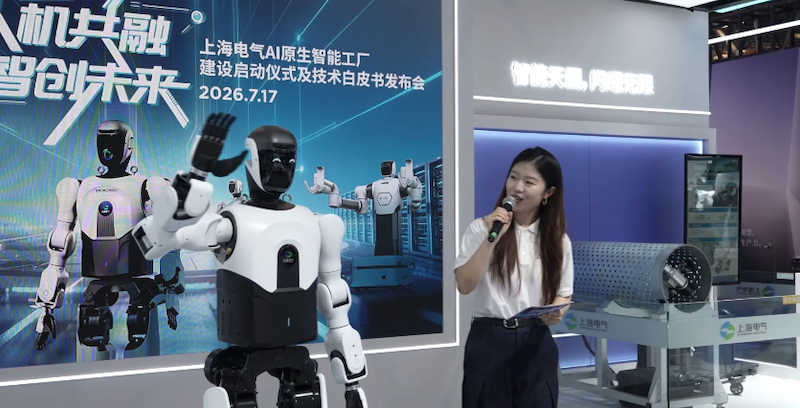
Shanghai Electric Showcases Humanoids, Industrial Robots, and AI Smart Factory Innovations
At the 2026 World Artificial Intelligence Conference, Shanghai Electric presented its advanced embodied intelligence solutions for industrial applications. The company emphasized its capabilities in embodied AI robots, core components, and AI-native smart factory technologies, showcasing a comprehensive portfolio designed for various industrial scenarios. This development is significant as it highlights the integration of machine precision with human expertise, aiming to enhance collaboration in manufacturing processes. Shanghai Electric's robotics solutions address critical tasks such as connector insertion, intelligent assembly, and flexible sorting, showcasing innovations like the planetary roller screw and DexHand dexterous hand. Looking ahead, Shanghai Electric's launch of 51 AI models under the “StarCloud Intelligent Manufacturing” series marks a shift towards data-driven operations in manufacturing. The release of the “AI-Native Smart Factory Technology White Paper” outlines a new architecture for real-time production optimization, indicating a transformative approach to industrial automation. No further timeline was disclosed at the time of publication.
Artificial Intelligence Robotics AI-native smart factory embodied ai humanoid robots industrial ai
Exploring the Latest Innovations in Robotics and AI Technologies
Recent advancements in robotics and AI technologies have been highlighted, showcasing a range of applications from industrial robots to service robots. Notably, 1ROLLO's gyroscopic flywheel technology allows for stable movement and handling of delicate items without the need for custom programming. Additionally, the formation of the U.S.-UAE military AI task force aims to enhance intelligence support and cybersecurity. The significance of these developments lies in their potential to transform various sectors, including manufacturing and security. The introduction of humanoid robots and quadrupeds by FCC, alongside the Open Secure AI Alliance formed by major tech firms, underscores the growing focus on safety and efficiency in robotics. Furthermore, the ban on humanoid robots by United and Delta highlights ongoing regulatory challenges in the integration of advanced robotics into everyday life. Looking ahead, the impact of these technologies on industries such as logistics and defense will be crucial to monitor. The collaboration between tech giants and military entities suggests a future where AI and robotics play an integral role in enhancing operational capabilities. No further timeline was disclosed at the time of publication.
AI and Robotics
US Coast Guard Pursues Advanced Technologies to Detect and Counter Underwater Drones
The United States Coast Guard is enhancing maritime security by exploring advanced technologies aimed at detecting and neutralizing underwater drones. As these unmanned underwater vehicles (UUVs) become more sophisticated, they pose significant threats to critical maritime assets, including ports and naval bases. The Coast Guard's initiative seeks innovative solutions that can continuously monitor underwater environments and respond to potential threats. The growing concern over UUVs stems from their dual-use capabilities, serving both legitimate purposes and potential malicious activities such as espionage and sabotage. The Coast Guard's efforts reflect a broader trend in global maritime security, where nations are investing in autonomous underwater technologies to protect coastlines and critical infrastructure. Experts emphasize the need for integrated surveillance systems to ensure early detection and rapid response to underwater threats. As the US Coast Guard seeks next-generation counter-drone capabilities, the focus will be on developing effective detection and response systems. This initiative is crucial for strengthening maritime security and preparing for future challenges posed by the increasing prevalence of underwater drones in both public and military operations. No further timeline was disclosed at the time of publication.
MilitaryRobotics needs a service framework.
RSF defines a common language for robot service capability, lifecycle operations, certification pathways, and service-provider networks.
Join the RobotToday community on LinkedIn
Daily robotics news, in-depth analysis, conference highlights, and discussions with professionals worldwide.