

Humanoid
"Pioneering humanoid robots for the future"
UK startup building commercially scalable, general-purpose humanoid robots via its KinetIQ VLM/VLA framework, offered as RaaS.


Company Facts
Founded
2024
Primary Role
Manufacturer
Company Size
-
Primary Region
Europe
Annual Sales
-
Funding Stage
-
Funding Total
-
Certifications & Memberships
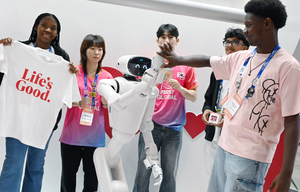
LG Electronics Showcases Robotics at 2026 First Global Challenge in Incheon
LG Electronics is actively participating in the 2026 First Global Challenge, an international youth robotics competition taking place at Songdo Convensia in Incheon. The event, which runs from Wednesday to Saturday, gathers youth teams from 185 countries to design and build robots aimed at addressing global challenges, particularly focusing on wildfire prevention and recovery due to climate change. This year's competition, themed “Igniting Innovation,” emphasizes the importance of robotics in tackling pressing issues like wildfires. LG's involvement includes sponsoring the event and showcasing its latest robotics technologies at an exhibition booth. The company also features its humanoid robot, LG CLOiD, allowing visitors to engage with the technology and learn about the innovative solutions being developed by young participants. As LG increases its investment in robotics as a key growth area, it aims to integrate physical AI into its strategy. The company recently launched LG Data Factory to enhance data management for robotics training. No further timeline was disclosed at the time of publication.
All News
Aishida Faces Over $1 Billion in Losses While Investing in Humanoid Robots
Aishida has reported non-recurring losses exceeding $1 billion over the past six years as it shifts its focus towards humanoid robotics. This strategic pivot highlights the company's commitment to innovation in a competitive market, aiming to leverage advancements in robotics technology. The significance of Aishida's investment in humanoid robots lies in its potential to transform the landscape of robotics applications. By prioritizing humanoid technology, Aishida seeks to address the growing demand for robots that can interact more naturally with humans, which is crucial for sectors like healthcare and customer service. Looking ahead, industry watchers will be keen to see how Aishida's investments will impact its financial recovery and market position. The company's ability to navigate its substantial losses while developing humanoid robots will be critical in determining its future success. No further timeline was disclosed at the time of publication.
Robotics Automation AI
Shanghai's AI Industry Surpasses 330 Billion, Pudong Leads in Humanoid Robots
In the first half of the year, Shanghai's AI industry reached a scale exceeding 330 billion yuan, showcasing significant growth in the sector. Pudong has emerged as a leader in the development of humanoid robots, indicating a strong focus on advanced robotics in the region. This development highlights the increasing importance of AI and robotics in Shanghai's economic landscape. The rapid expansion of Shanghai's AI industry is crucial as it positions the city as a key player in the global technology arena. The leadership of Pudong in humanoid robotics reflects a strategic investment in innovation and technology, which is essential for maintaining competitive advantages in the evolving market. This trend underscores the potential for further advancements and applications in AI and robotics. Looking ahead, stakeholders should monitor the ongoing developments in Shanghai's AI sector, particularly in humanoid robotics. The city's commitment to fostering innovation may lead to new partnerships and technological breakthroughs. No further timeline was disclosed at the time of publication.
Robotics Automation AI
Jiangxi's First Independent Humanoid Robot Brand 'Luyou' Emerges from OEM Roots
The first independent humanoid robot brand, 'Luyou,' has been established in Jiangxi, marking a significant shift from OEM production to brand creation. This development highlights the growing trend of companies in the robotics sector moving towards creating their own identities and products. The emergence of 'Luyou' is significant as it reflects the evolving landscape of the robotics industry in China, where companies are increasingly focusing on brand development rather than solely relying on original equipment manufacturing. This shift could lead to more innovation and competition in the humanoid robot market. Looking ahead, it will be important to monitor how 'Luyou' positions itself in the market and the potential impact it may have on other companies in the robotics sector. No further timeline was disclosed at the time of publication.
Robotics Automation AI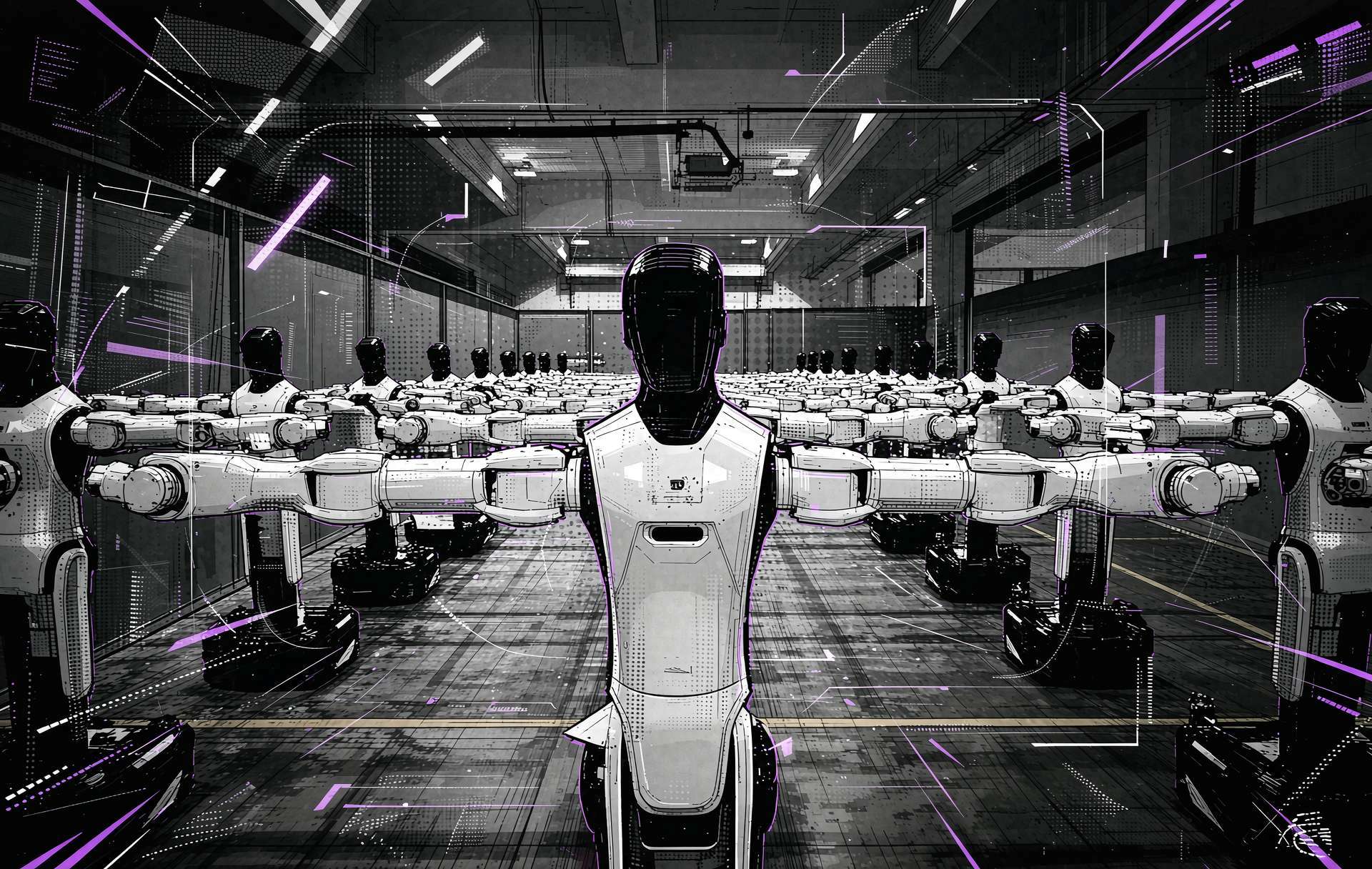
Chinese Academy of Sciences' Automation Institute Cuts Humanoid Robot Development Time to Two Weeks
The Institute of Automation of the Chinese Academy of Sciences has established a new facility designed to significantly shorten the development cycle of humanoid robots. This innovative 'big factory' has successfully reduced the time required to develop these robots from six months to just two weeks. This advancement is crucial as it enhances the efficiency of humanoid robot production, allowing for faster iterations and improvements in design and functionality. The ability to develop robots in a fraction of the time could lead to increased competitiveness in the robotics market and accelerate the adoption of humanoid robots across various sectors. Looking ahead, the impact of this facility on the robotics industry will be significant, particularly in how quickly companies can bring new humanoid robots to market. No further timeline was disclosed at the time of publication.
Robotics Automation AI
Japan's Nursing Homes Pilot Humanoid Robots for Caregiving and Companionship
Japan's nursing homes are testing humanoid robots designed to serve as caregivers, focusing on tasks like patrolling and providing companionship. This initiative aims to address the growing demand for elder care solutions in the country, where an aging population is creating a significant need for innovative support systems. The introduction of humanoid robots in caregiving roles is crucial as it represents a step towards integrating advanced technology into daily life for the elderly. These robots are expected to enhance the quality of care by offering companionship and monitoring, which can alleviate some of the burdens on human caregivers. Future developments to watch include the ongoing work on call response capabilities for these robots, which is still in progress. As the trial continues, the effectiveness and acceptance of humanoid robots in caregiving will be closely monitored, potentially influencing broader adoption in the healthcare sector.
Robotics Automation AI
UBTECH Partners with FAW-Volkswagen to Enhance Humanoid Robots for Factory Logistics
UBTECH has announced a collaboration with FAW-Volkswagen to develop humanoid robots aimed at improving factory logistics. This partnership signifies a shift from traditional quality inspection roles to more dynamic applications within manufacturing environments. The collaboration is significant as it highlights the growing trend of integrating advanced robotics into factory operations, enhancing efficiency and productivity. By focusing on logistics, UBTECH and FAW-Volkswagen are addressing the evolving needs of the manufacturing sector, which increasingly relies on automation to streamline processes. Looking ahead, industry watchers should monitor the outcomes of this partnership, particularly how these humanoid robots will be integrated into existing workflows. No further timeline was disclosed at the time of publication.
Robotics Automation AI
UBTECH and FAW-Volkswagen Collaborate on Humanoid Robots for Factory Logistics
UBTECH and FAW-Volkswagen have entered into a partnership to develop and test humanoid robots specifically for logistics applications. This initiative builds upon the successful deployment of the Walker S Lite robots, which were previously utilized for quality inspection at the Qingdao plant. The collaboration is significant as it marks a shift in the application of humanoid robotics from quality control to logistics, potentially enhancing operational efficiency within the manufacturing sector. By leveraging the capabilities of humanoid robots, both companies aim to streamline processes and improve productivity in factory environments. Looking ahead, industry observers will be keen to see how this partnership evolves and the impact of humanoid robots on logistics operations. No further timeline was disclosed at the time of publication.
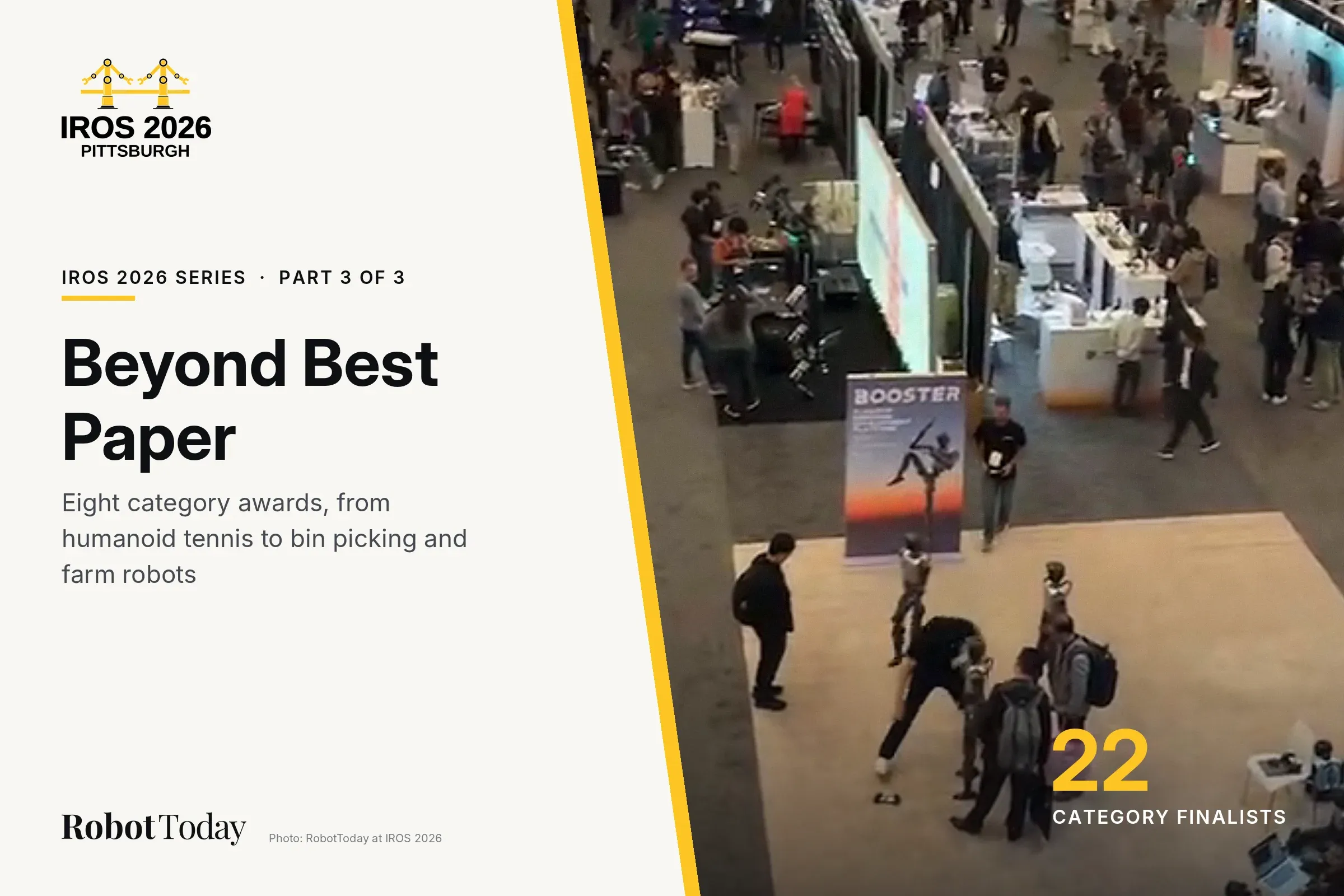
IROS 2026 Category Award Finalists: All 22 Papers
From humanoid tennis to bin picking and farm robots: the 22 finalists for IROS 2026's eight category awards, and what each one means for industry.

IROS 2026 by the Numbers: Papers, Countries, Topics
RobotToday analyzed all 1,933 IROS 2026 papers: acceptance fell to 36.5%, the U.S. overtook China, and VLA titles jumped from 4 to 65.
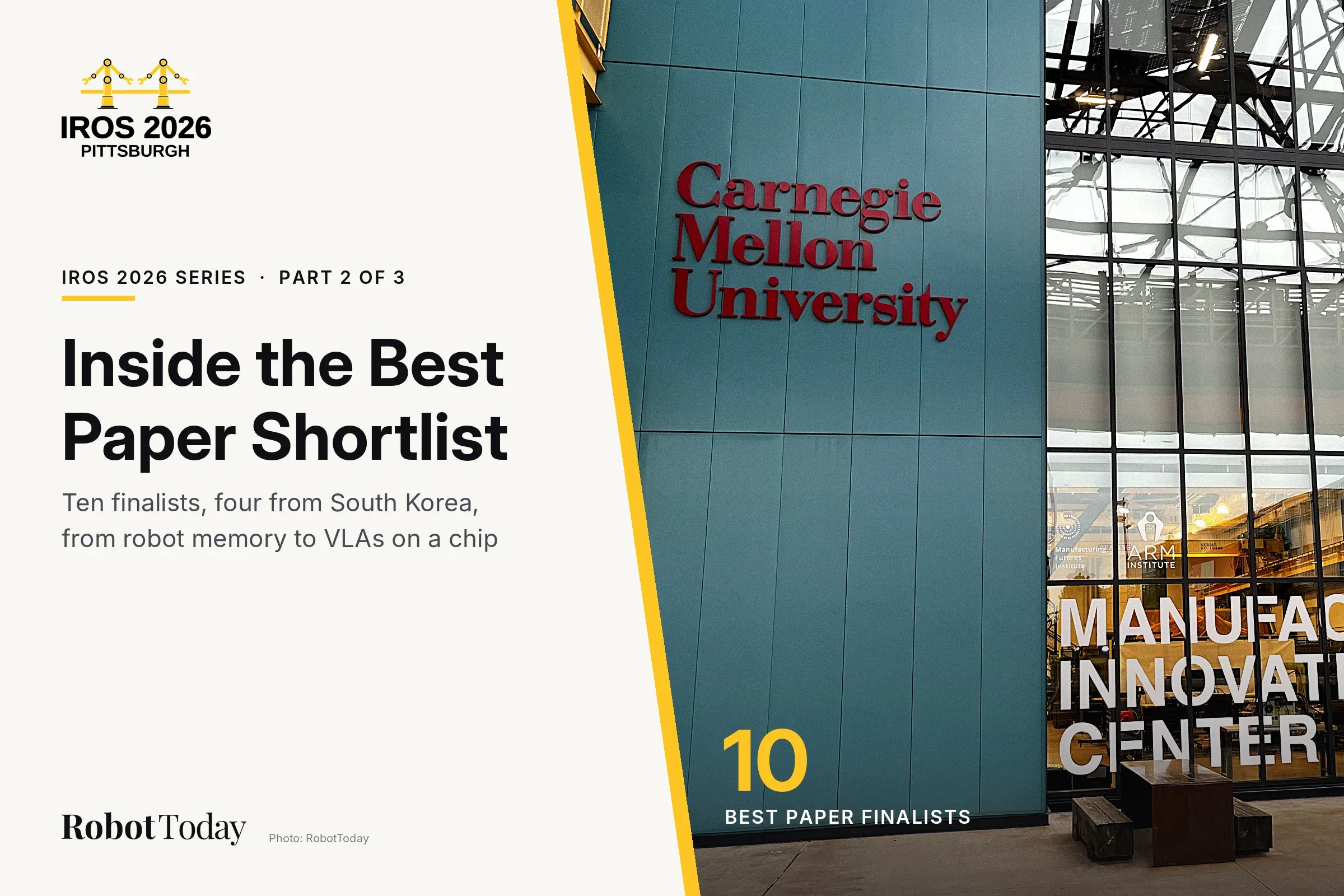
IROS 2026 Best Paper Finalists: South Korea Leads
Ten papers made the IROS 2026 Best Paper and Best Student Paper shortlist, four from South Korea. What each one does and what it means for industry.
Mecka AI Secures $60 Million in Series B Funding Led by Sequoia
Mecka AI, a startup focused on collecting and analyzing human motion data for training humanoid and other robots, has successfully raised $60 million in a Series B funding round led by Sequoia. Notable participants in this funding include Nvidia and Microsoft's venture fund M12, among others. This funding is significant as it positions Mecka AI to replicate the success of data-labeling companies like Scale AI and Mercor, which have been instrumental in training large language models (LLMs). With a valuation of $500 million, Mecka AI aims to enhance robotics by paying individuals to perform everyday tasks while wearing body sensors and using smartphones to capture motion data. Looking ahead, the robotics sector is witnessing a surge in startups focused on real-world data collection for robot training, with competitors like XDOF also seeking funding. The expansion of human-data platforms into robotics, as seen with Scale AI and Micro1, indicates a growing trend that could reshape how robots learn and interact with their environments. No further timeline was disclosed at the time of publication.
TC Venture
REK Introduces Swords in Humanoid Robot Fights at 'Deathmatch' Event
REK is set to elevate its humanoid robot fighting events by introducing swords in the upcoming 'Deathmatch' scheduled for October 9 in San Francisco. The event will feature blade-equipped robots, including arm-mounted weapons known as Spartan Blades and Claw Blades, promising a more intense combat experience. This addition of swords marks a significant shift in the format of robot fighting, moving from traditional punches to more dramatic swordplay. REK CEO CIX LIV humorously noted the change, indicating that the previous fights were deemed too dangerous, thus leading to the introduction of weapons. The event aims to create a unique spectacle that blends elements of gaming and robotics. As the event approaches, spectators can expect a thrilling lineup, including a G1 weapon fight and a T800 bout, culminating in a main event featuring Rektile and T-REK. The incorporation of swords is poised to attract a diverse audience, eager to witness the blend of technology and entertainment. No further timeline was disclosed at the time of publication.
US REK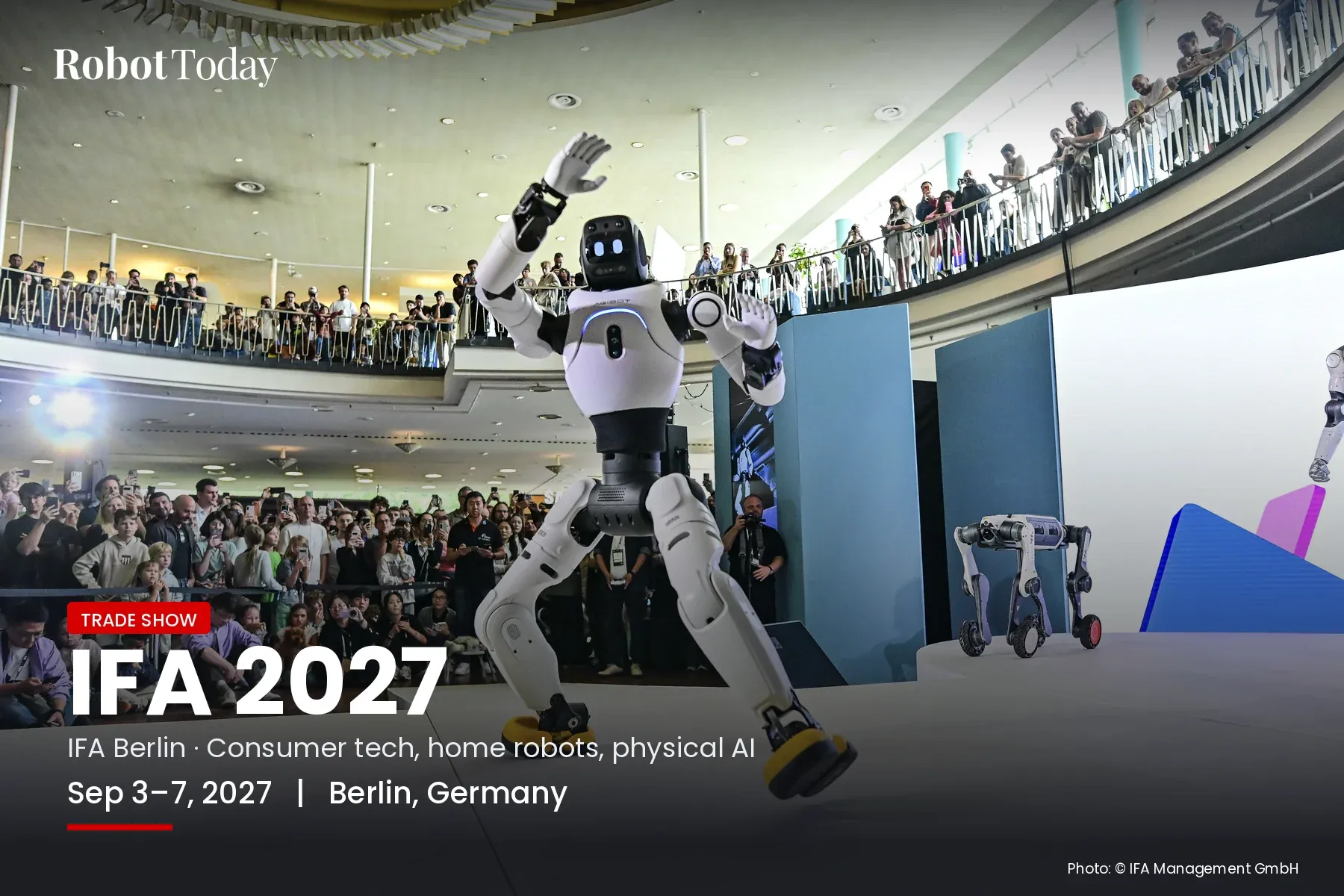
IFA 2027 – Berlin, Sep 3–7, 2027
IFA 2027 runs Sep 3–7 at Messe Berlin, with media days Sep 1–2. The 2026 show featured 11 humanoid robot brands and drew 240,000 visitors.
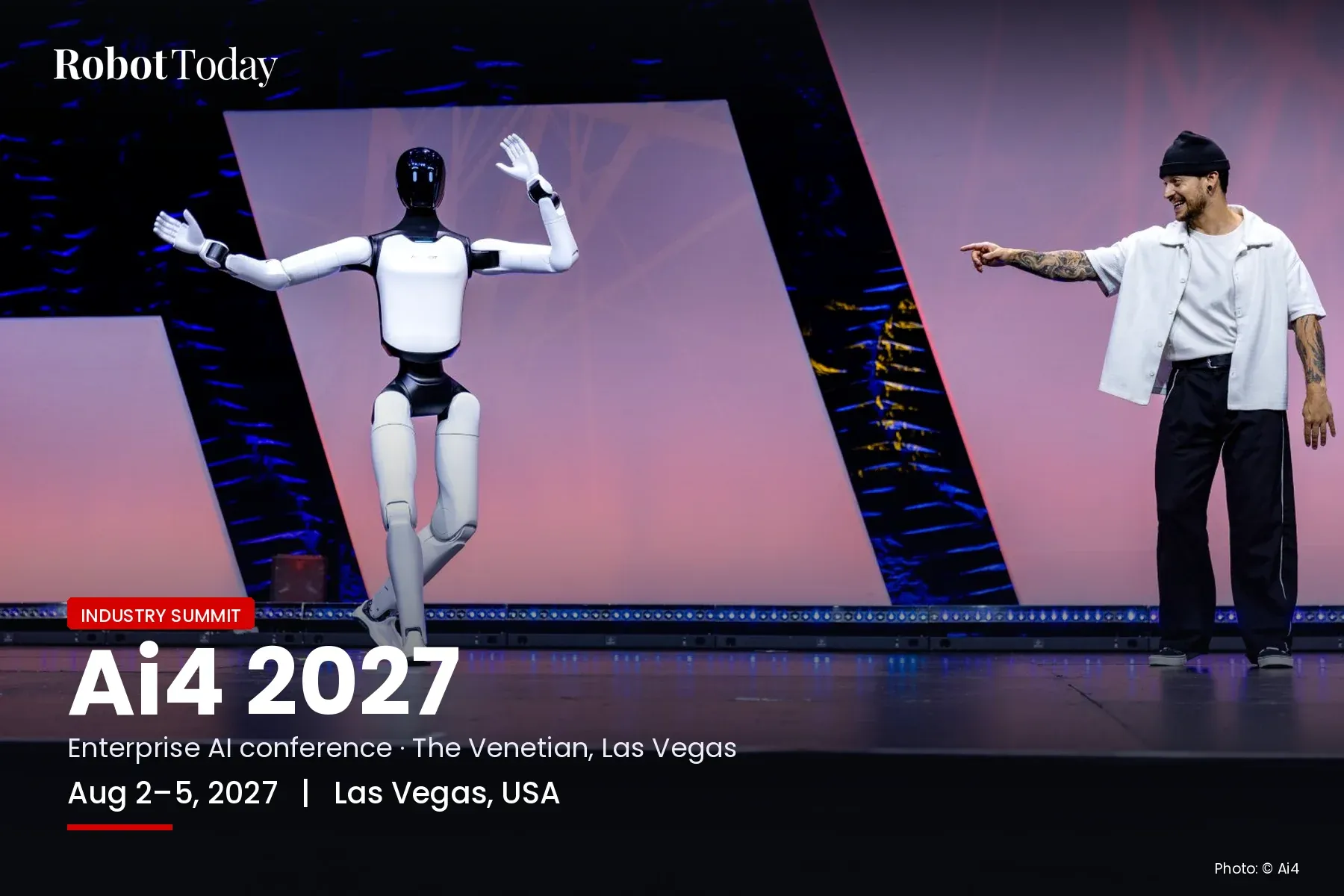
Ai4 2027 – Las Vegas, Aug 2–5, 2027
Ai4 2027 runs Aug 2–5 at The Venetian, Las Vegas: enterprise AI tracks, a startup stage and humanoid robot demos. Free passes for qualified AI buyers and media.
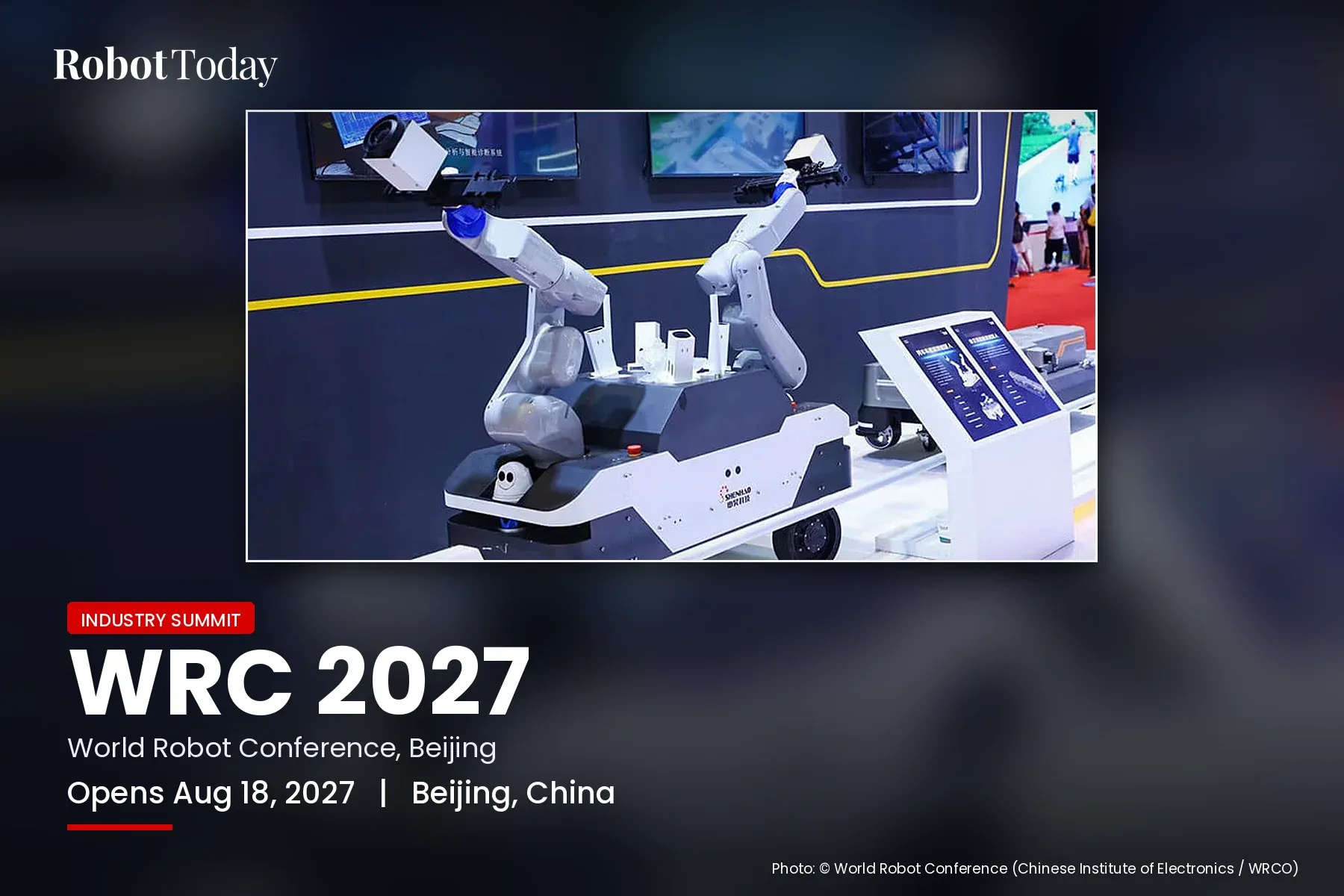
WRC 2027: World Robot Conference, Beijing, opens Aug 18
WRC 2027 opens Aug 18, 2027 in Beijing. The 2026 edition had 373 exhibitors, 311 product debuts and 557,000 on-site visits.
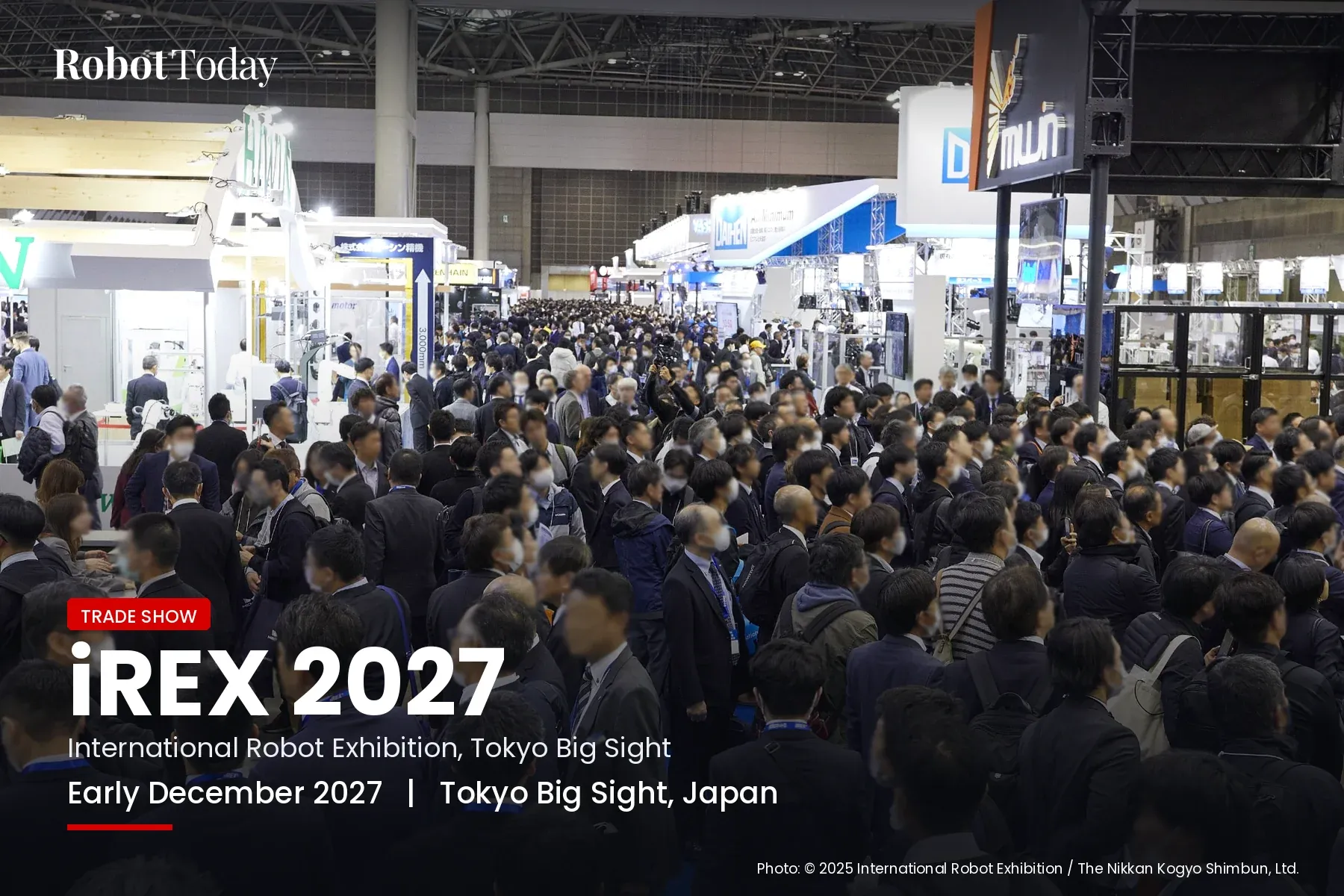
iREX 2027: International Robot Exhibition, Tokyo, Dec 2027
iREX 2027 returns to Tokyo Big Sight in early December 2027. The 2025 edition drew a record 673 exhibitors and 156,110 visitors.

IROS 2027 Florence: Sep 26–Oct 1 | Intelligent Robots
IROS 2027, the IEEE/RSJ robotics conference, runs Sep 26–Oct 1, 2027 at Fortezza da Basso in Florence, Italy. Theme, deadlines and what to expect.
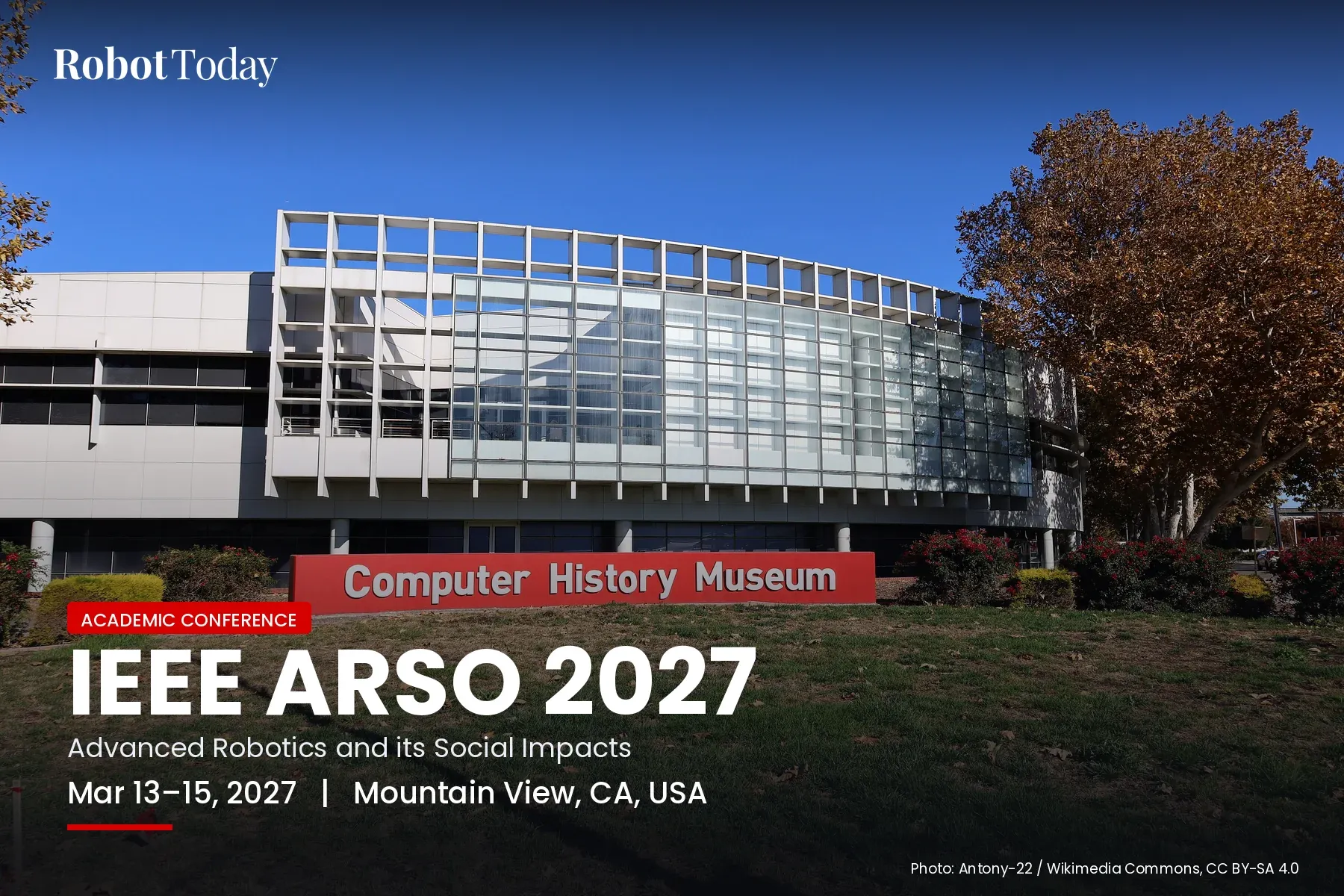
IEEE ARSO 2027 Mountain View: Mar 13–15 | Robotics & Society
IEEE ARSO 2027 on advanced robotics and its social impacts runs Mar 13–15, 2027 at Hyatt Centric Mountain View, CA. Scope and paper deadline.
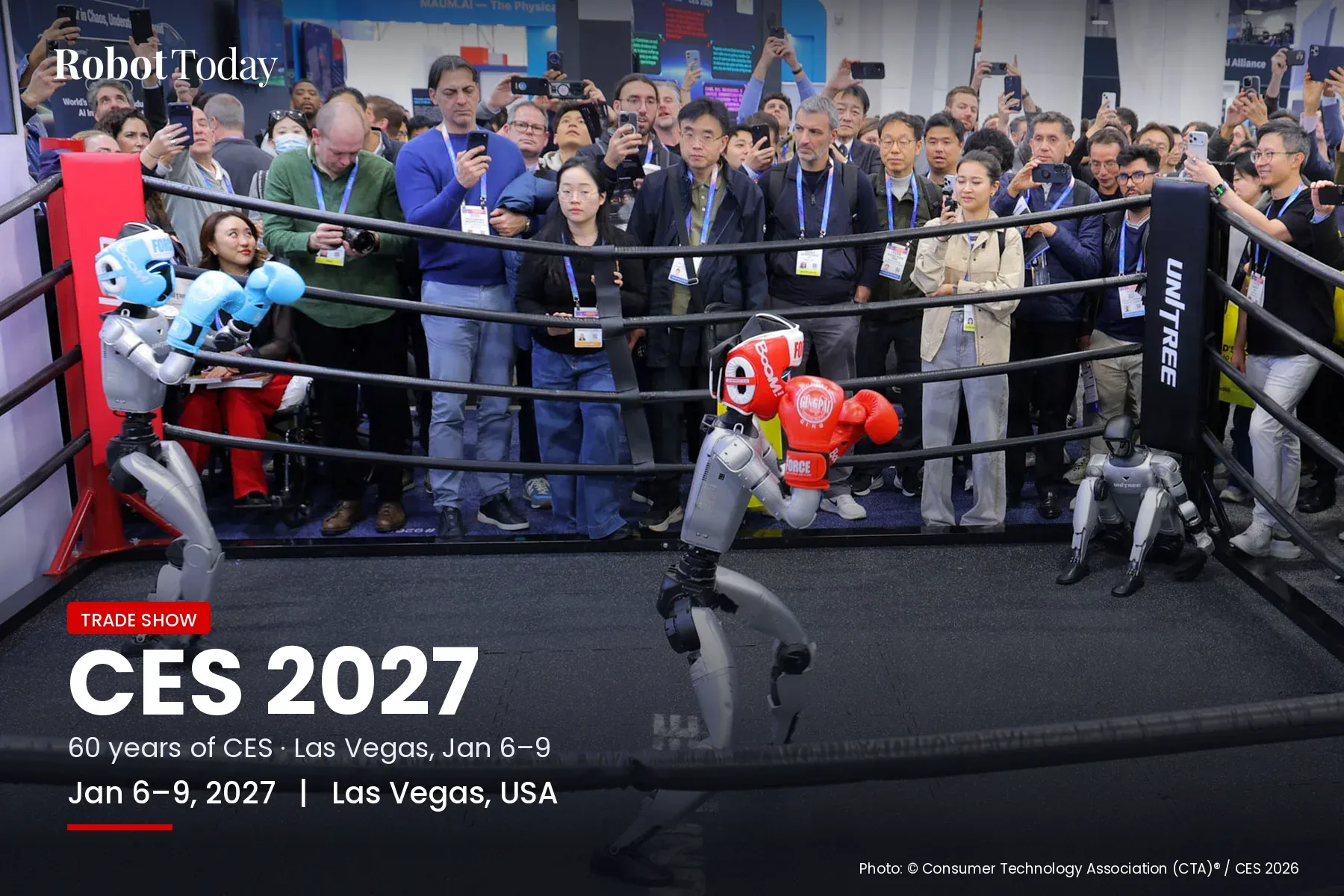
CES 2027 – Las Vegas, Jan 6–9, 2027
CES 2027 runs Jan 6–9 in Las Vegas for its 60th anniversary. Robotics interest grew 26% in 2026; humanoids and physical AI are key themes. Registration open.


