

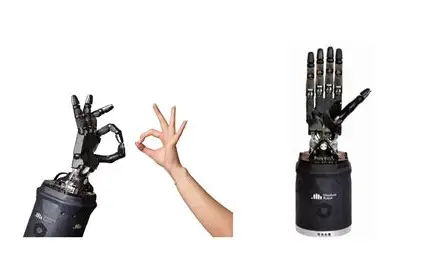
Researchers at ETH Zurich have developed a cable-free robot hand weighing 818 grams that walks using its fingers. This innovative design allows the robot to crawl on various surfaces, recover from falls, and interact with objects and keyboards, showcasing a new approach to robotics that emphasizes multifunctionality over additional hardware.
The significance of this project lies in its departure from traditional robotic designs, which typically separate mobility and manipulation functions. By integrating both capabilities into a single hand, the researchers have created a versatile platform that can grasp objects while also serving as a means of locomotion. This approach reduces hardware complexity and encourages each component to perform multiple roles.
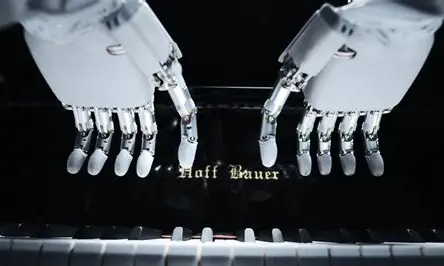
The robot hand's ability to recover from falls and interact with a keyboard highlights its advanced capabilities. It can autonomously adjust its posture after a fall, indicating self-awareness and the ability to plan recovery actions. While still in the research phase, this project suggests that the functional boundaries of robotic components can be expanded beyond current limitations.
Editor's Note
The development of multifunctional robotic components is a significant trend in robotics, as it allows for more efficient designs and broader applications. This approach can enhance the adaptability of robots in various environments, potentially transforming how robots are utilized in both industrial and consumer settings. As research progresses, the implications for automation and human-robot interaction will be noteworthy.




























Leave a comment