

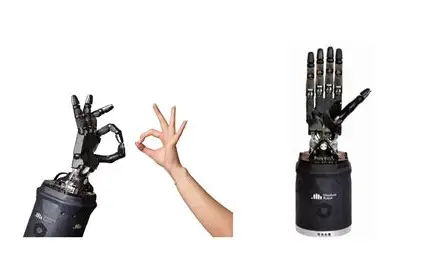
The W02 dexterous hand, featuring 21 active degrees of freedom and full tactile feedback, represents a significant advancement in robotic manipulation. This new design is 30% smaller than its predecessor, enabling it to operate effectively in human environments, utilize human tools, and be controlled through force and tactile feedback.
This innovation is crucial for the development of humanoid robots, addressing gaps in the industry by integrating motors, flexible sensors, and control algorithms. The W02's design allows for direct interaction with existing human-designed environments, reducing the need for workspace modifications. It also shifts the focus from merely selling equipment to offering operational capabilities, enhancing productivity through tactile feedback and remote operation data.
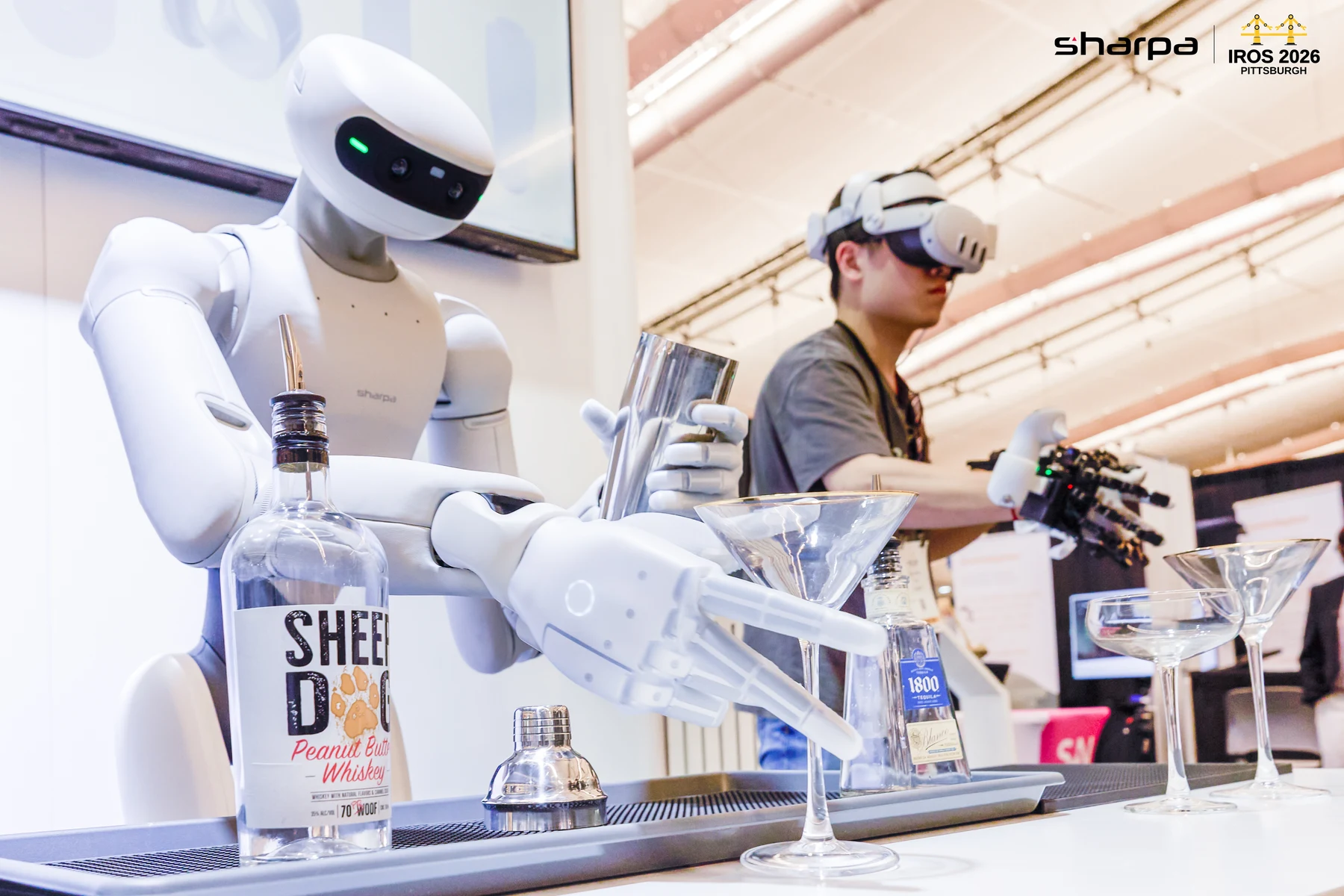
Looking ahead, the W02 is poised to impact various sectors, including industrial electronics assembly, food service, and healthcare. Its ability to handle delicate tasks with precision and sensitivity marks a shift from experimental robotics to practical applications in everyday scenarios. No further timeline was disclosed at the time of publication.
Editor's Note
The introduction of the W02 dexterous hand highlights a pivotal moment in robotics, particularly in the context of manufacturing and service industries. As companies seek to enhance automation capabilities, the integration of tactile feedback and dexterity in robotic hands will be essential for improving efficiency and adaptability in diverse environments. This development may also influence procurement strategies as organizations look to invest in more capable robotic solutions.


































Leave a comment