


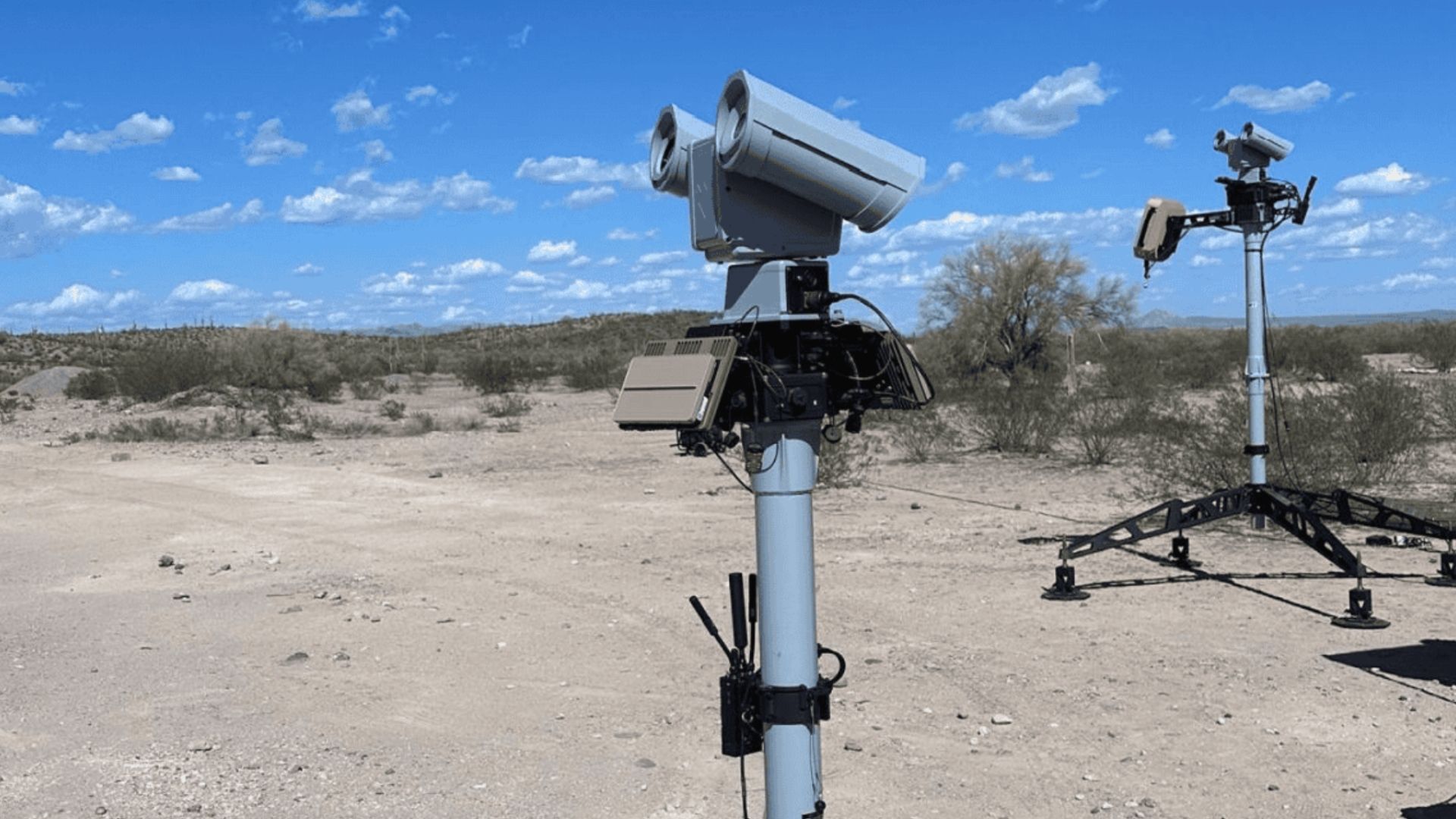
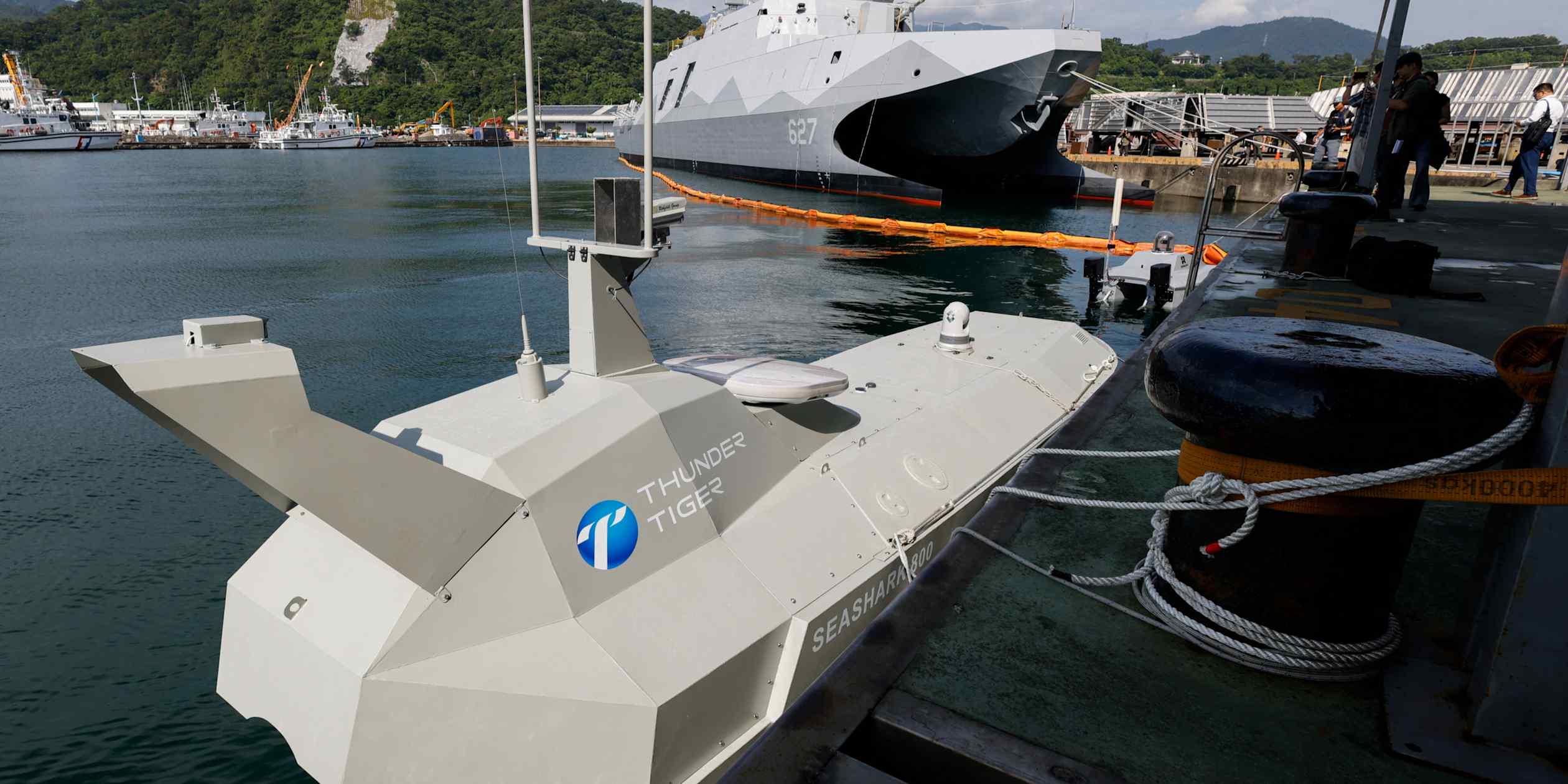
A recent report indicates that China is investigating a maritime defense model utilizing autonomous drones to protect contested islands in the South China Sea. Researchers from the China Coast Guard Academy and Dalian Maritime University propose a network of aerial, surface, and underwater drones, which would create a multi-layered defense system, enhancing surveillance and response capabilities.
This shift from traditional defense methods to a system reliant on uncrewed platforms reflects the evolving nature of naval warfare. The economic advantages of deploying inexpensive drones to monitor maritime environments are significant, as they can challenge larger military assets. The interconnected architecture aims to maintain operational capability even if some drones are compromised, emphasizing redundancy in defense strategies.
As the South China Sea remains a focal point of territorial disputes among several nations, China's initiative to integrate autonomous systems into its defense strategy could further complicate regional security dynamics. However, it is crucial to note that this concept is still a research proposal and does not confirm the operational deployment of such systems at this time.
Editor's Note
The exploration of autonomous defense systems by China highlights a significant trend in military strategy, where uncrewed platforms are increasingly seen as vital components of national security. This shift could influence procurement decisions and technological investments across the defense sector, as nations adapt to the changing landscape of warfare and surveillance.
Copyright Notice
This briefing is an independently written summary based on publicly available reporting and is provided for industry information and news discovery. The original report and source publication are credited and linked where applicable. RobotToday does not claim ownership of third-party source material.
Rights concerns? If you believe any material in this briefing infringes your copyright or other rights, please contact [email protected] with the relevant URL and details. We will review the matter and take appropriate action where warranted.


































Leave a comment