


Textron Systems
"Pushing Past Possible"
US defense unit of Textron Inc. building Aerosonde UAS, CUSV and TSUNAMI uncrewed vessels, and Ripsaw robotic ground vehicles for military customers.
Contact Textron Systems
WEBSITE
https://www.textronsystems.comPHONE
+1 800 655 2616HEADQUARTERS
United States


Company Facts
Founded
-
Primary Role
Manufacturer
Company Size
-
Primary Region
North America
Annual Sales
-
Funding Stage
-
Funding Total
-
Keywords
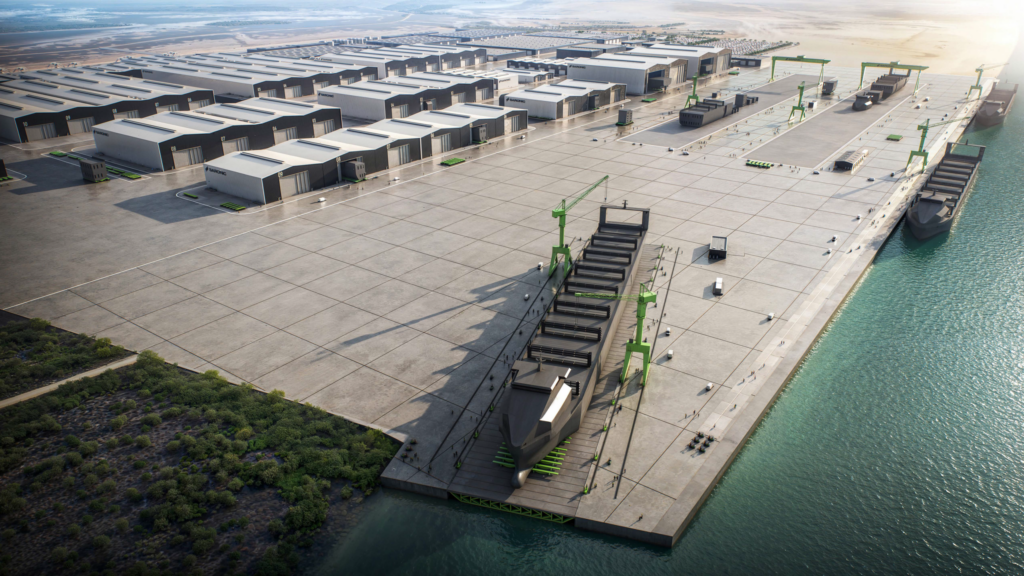
Saronic Commences Construction of Port Alpha Shipyard in Texas for Defense Vessels
Saronic has officially broken ground on its new shipyard, Port Alpha, located in Brownsville, Texas. This facility will initially cover 800 acres, with plans to expand to 4,000 acres. The shipyard aims to create approximately 10,000 jobs in various fields, including robotics and naval architecture, to support the production of both autonomous and manned vessels. The establishment of Port Alpha is significant as it addresses a capacity issue within the U.S. maritime defense sector. Saronic has already secured a contract to build Landing Craft Utility vessels for the Navy, valued at around $280 million, with deliveries expected to begin in late 2028. This project reflects Saronic's commitment to enhancing U.S. naval capabilities and meeting the growing demand for advanced maritime technology. Looking ahead, Saronic's investment in Port Alpha and its existing operations in Franklin, Louisiana, position the company to play a crucial role in the defense industry. The shipyard's capacity to produce 20 Marauder vessels annually starting in 2027 further emphasizes its strategic importance. No further timeline was disclosed at the time of publication.
Naval Warfare Business & Industry Drones Navy saronic USVs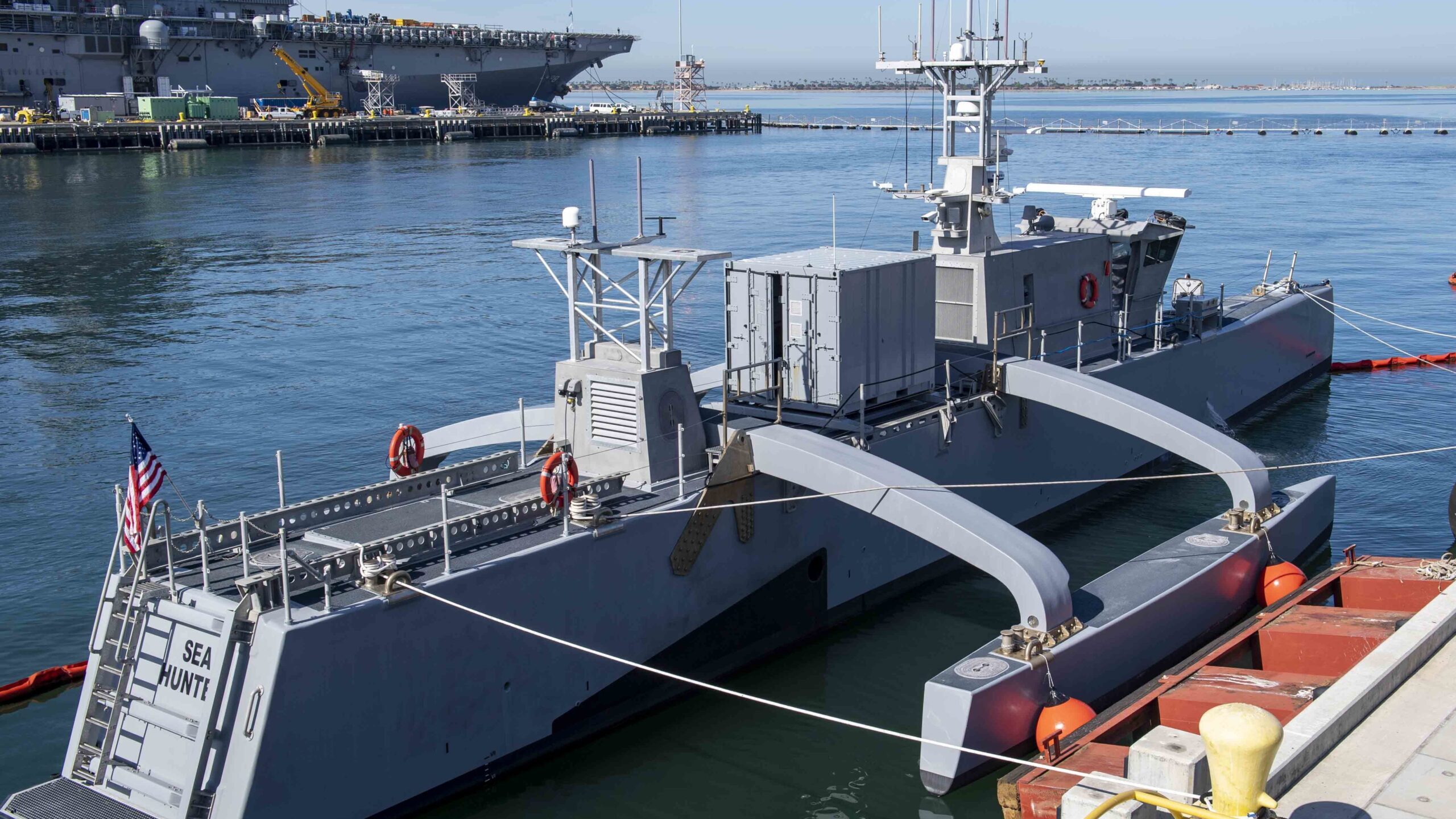
Navy to Acquire 30 Medium Unmanned Surface Vessels After Successful Testing
The Navy has announced plans to purchase 30 medium unmanned surface vessels (MUSVs) from Galliano Marine Services, Huntington Ingalls Industries, and Saronic Technologies. This decision follows successful at-sea testing and is part of the Navy's new MUSV marketplace initiative. Each MUSV is estimated to cost around $40 million, with deliveries expected by the end of fiscal 2027. This acquisition is significant as it reflects the Navy's commitment to streamlining procurement processes to enhance operational capabilities for its personnel. Acting Secretary of the Navy Hung Cao emphasized the urgency of delivering these systems to ensure that warfighters are equipped to meet emerging threats. The MUSV marketplace aims to facilitate the procurement of production-ready platforms, showcasing a shift in how the Navy approaches defense acquisitions. Looking ahead, the Navy is entering Phase II of the MUSV program, which will involve integrating and testing additional options for the vessels. The service has published a solicitation for this phase, indicating a desire for vessels that can operate unmanned for at least 10 days and carry a payload of two standard 20-foot shipping containers. No further timeline was disclosed at the time of publication.
Naval Warfare Drones HII Hung Cao Leidos Navy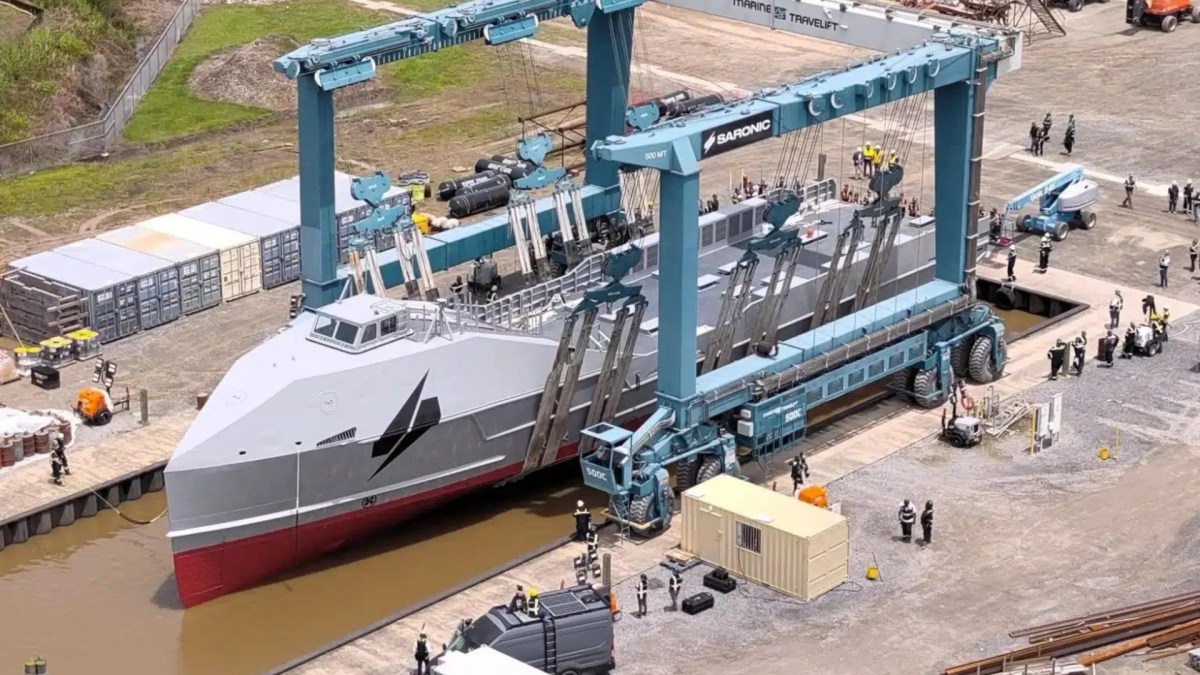
Navy Announces Order for 30 Medium Unmanned Surface Vessels from Three Companies
The Navy has revealed plans to procure 30 new drone ships, allocating 10 units each to Galliano Marine Services, Huntington Ingalls Industries, and Saronic Technologies under its Medium Unmanned Surface Vessel (MUSV) program. This initiative marks a significant advancement in the Navy's efforts to deploy larger unmanned surface vessels after facing numerous challenges in the past. These contracts, awarded through Other Transaction Authority agreements, aim to accelerate the development of these vessels, with an average cost of $40 million each, totaling $1.2 billion for the entire order. Chris Miller, the Navy’s Acting Direct Reporting Portfolio Manager for Robotic and Autonomous Systems, emphasized the importance of these agreements in transforming strategic visions into operational capabilities. Production is set to commence immediately at shipyards in Louisiana, with deliveries expected to start in the fourth quarter of Fiscal Year 2027. As the Navy continues to refine its definition of medium USVs, the operational capabilities and requirements for these vessels will be critical to their success in various maritime missions.
Sea Navies News & Features U.S. Navy Unmanned Surface Vessels (USVs)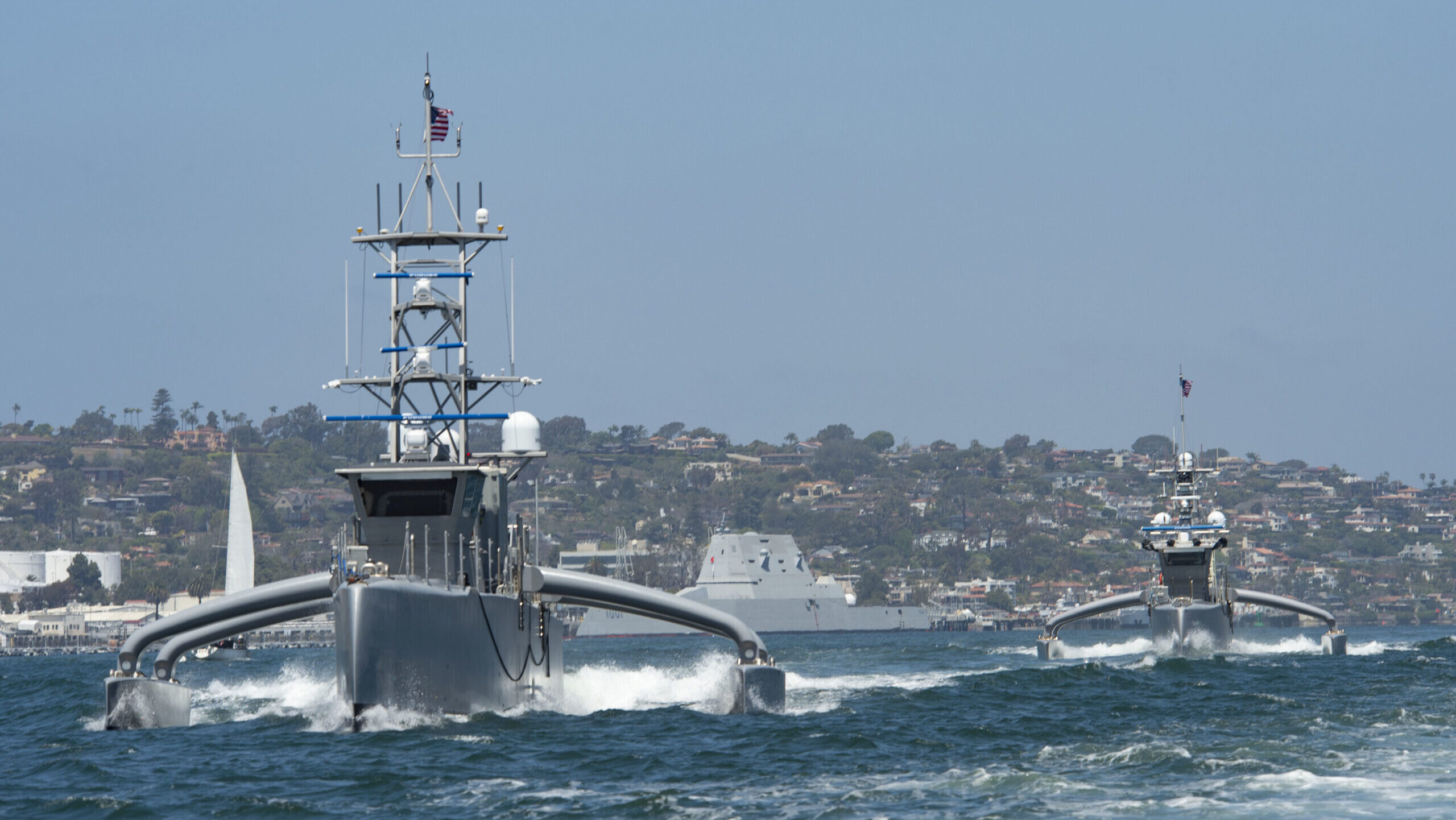
Navy Initiates Phase II for Medium Unmanned Surface Vessel Project, Seeks Innovative Solutions
The Navy has launched Phase II of its medium unmanned surface vessel (MUSV) project, inviting innovative solutions for integration and testing. The solicitation notice, released on September 23, emphasizes the need for adaptable and resilient designs that can address evolving maritime threats. This initiative is significant as it aims to enhance the Navy's capabilities in unmanned operations, with specific requirements for vessels to operate unmanned for at least 10 days and accommodate a payload of two standard 20-foot shipping containers. The focus on open-architecture autonomy and rapid production scalability reflects the Navy's commitment to modernizing its fleet. Looking ahead, vendors with successful proposals will demonstrate their vessels at sea, evaluated on criteria such as speed and fuel efficiency. The Navy's MUSV Marketplace, announced earlier this year, aims to streamline procurement processes for maritime autonomous systems, allowing both new and existing vendors to participate in this evolving landscape.
Naval Warfare Drones MUSV Navy Unmanned
MARTAC Increases Devil Ray Drone Boat Production by 100 Units Annually
MARTAC has partnered with SŌLACE Boats to boost production of its Devil Ray autonomous vessels by 100 units per year, responding to rising demand from U.S. and allied governments. This partnership, announced on September 15, will leverage SŌLACE's 200,000-square-foot production facility in Edgewater, Florida, enhancing MARTAC's manufacturing capabilities. The collaboration is significant as it allows MARTAC to scale production without the need for additional manufacturing facilities, utilizing SŌLACE's expertise in high-performance boat construction. The Devil Ray T24, launched in 2023, is designed for multi-role missions and can deploy smaller MANTAS T12 USVs, showcasing its versatility in various maritime environments. Looking ahead, MARTAC's agreement with SŌLACE is part of a broader strategy to expand its production through partnerships with established marine manufacturers. The company had previously announced a co-production agreement with Mystic Powerboats, indicating a commitment to increasing domestic production capacity for its autonomous vessels. No further timeline was disclosed at the time of publication.
Military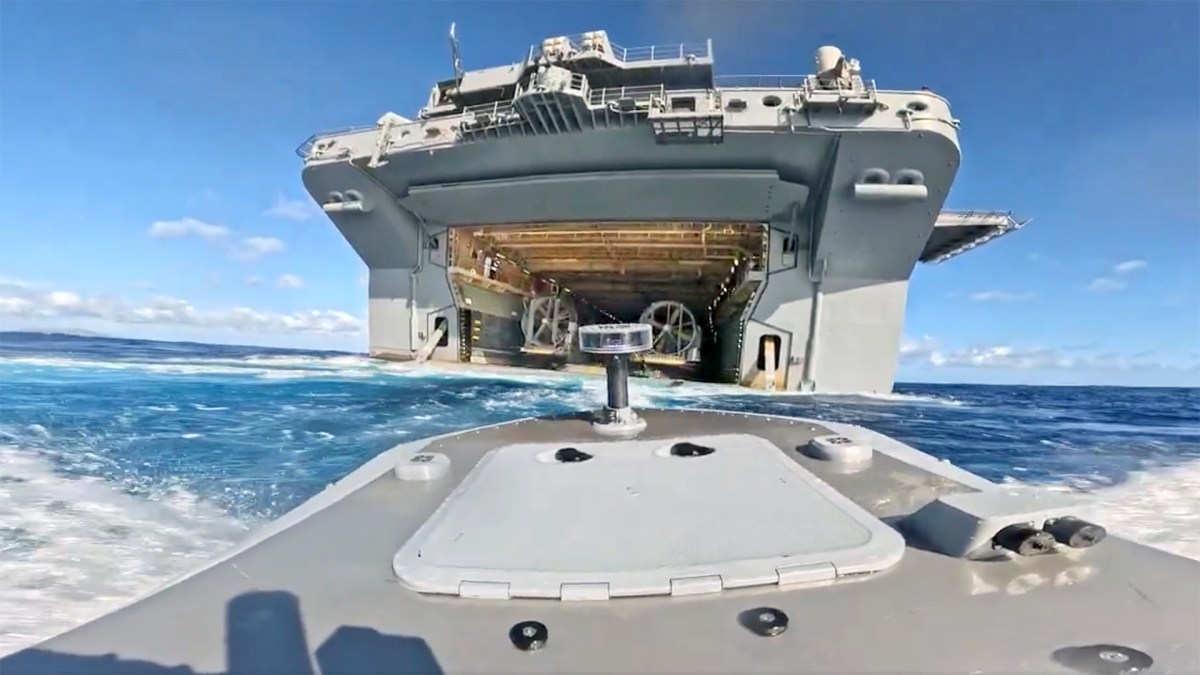
Marine Colonel Advocates for Uncrewed Surface Vessels in Future Deployments
Colonel Chris P. Niedziocha, who led the 31st Marine Expeditionary Unit during its recent Middle East deployment, emphasized the need for uncrewed surface vessels (USVs) in future operations. He noted that the Marines are currently lagging in operationalizing USVs, which are crucial for reconnaissance of contested beach landing areas, a task traditionally handled by the Navy. The increasing global military use of USVs highlights their importance, as demonstrated by Ukraine's effective use of sea drones against Russian naval forces. The U.S. has also employed USVs in combat, including during Operation Epic Fury, where they were used for various missions, including surveillance and search and rescue operations. Niedziocha pointed out that the integration of robotics and autonomy in combat is essential for future military strategies. Looking ahead, Niedziocha sees significant potential for USVs in amphibious operations, particularly for assessing underwater conditions before deploying Marines. The Marines are actively working on developing their own USV capabilities, including counter-mine systems, to enhance their operational effectiveness and safety in contested environments. No further timeline was disclosed at the time of publication.
Sea U.S. Marine Corps Unmanned Surface Vessels (USVs)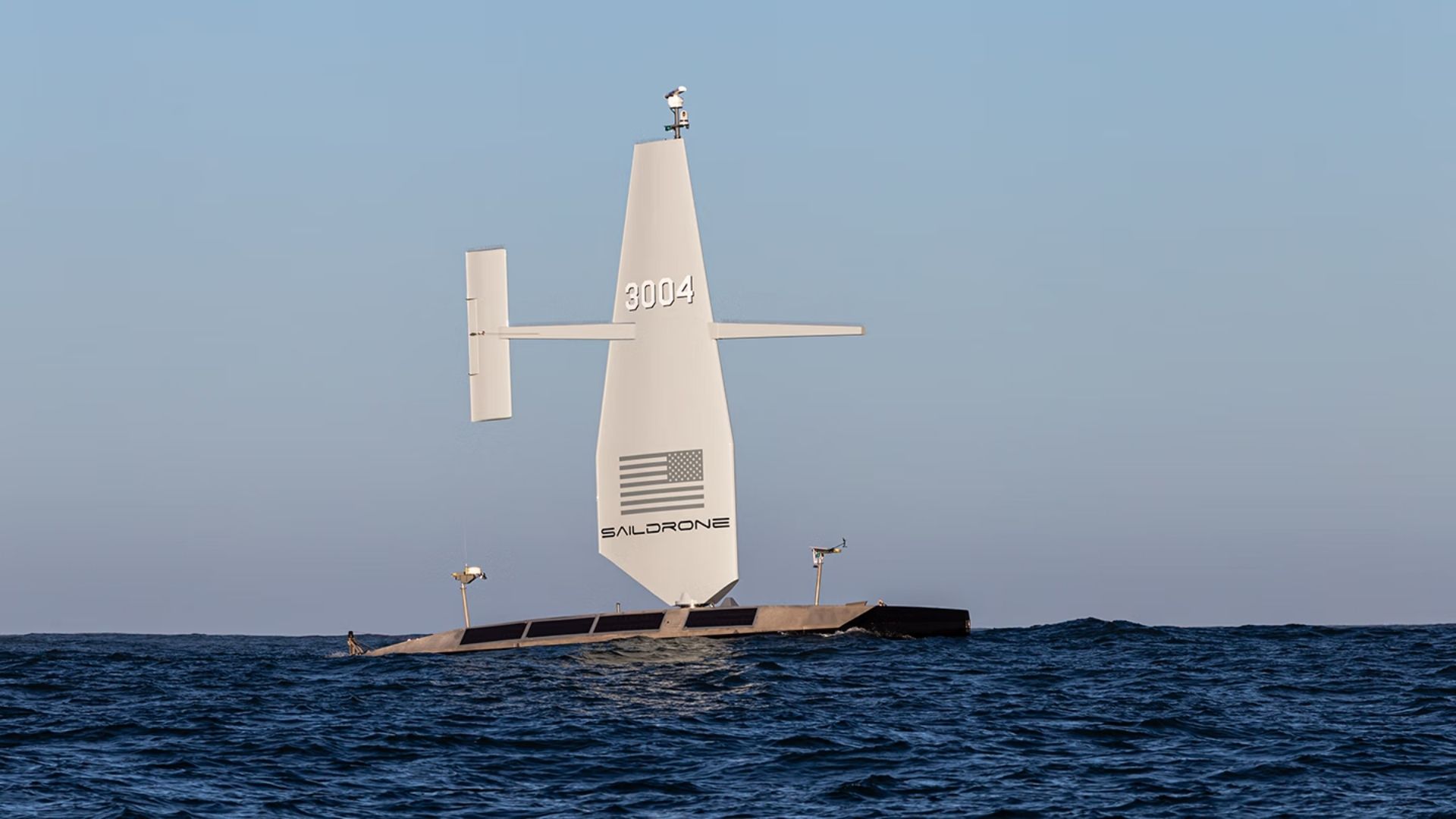
US Navy Awards $10 Million to Saildrone for Atlantic Seabed Mapping with USVs
The US Navy has awarded a $10 million contract to Saildrone to utilize autonomous vessels for mapping the Atlantic Ocean floor. This initiative, assigned by the Naval Oceanographic Office, is set to commence in 2026 and will continue through most of 2027, enhancing military knowledge of critical underwater terrain. This project is significant as it aims to improve safe navigation and support submarine missions, anti-submarine warfare, and critical infrastructure protection. Currently, only 28.7 percent of the world's oceans have been mapped to modern standards, leaving substantial knowledge gaps that can pose operational risks for naval operations. Looking ahead, the deployment of Saildrone's Surveyor unmanned surface vessels will not only provide high-resolution bathymetric data but also measure ocean currents, aiding search-and-recovery operations. No further timeline was disclosed at the time of publication.
Military
Hanwha and Magnet Defense to Begin Construction of New MUSV This Fall
Hanwha and Magnet Defense have announced plans to commence construction on a new Medium Unmanned Surface Vehicle (MUSV) this fall. The two companies formalized their collaboration through a memorandum of understanding signed in April, which outlines their commitment to developing this advanced maritime technology. The development of the MUSV is significant as it represents a strategic partnership aimed at enhancing capabilities in unmanned maritime operations. This initiative is expected to contribute to advancements in naval defense technology, reflecting the growing importance of unmanned systems in modern military applications. Looking ahead, testing of the MUSV is scheduled for next year, marking a critical phase in the project. Stakeholders will be keen to monitor the progress of this collaboration and its implications for the defense sector, particularly in the context of increasing investments in unmanned vehicle technologies.
Naval Warfare Drones Hanwha Hanwha Defense USA Magnet Defense MUSV
IMTS 2026 Preview: Record Orders and the Automation Story
IMTS 2026 opens in Chicago with 1,788 exhibitors and record H1 machine tool orders. What the USMTO data says about automation, and the booths to see.

WRC 2026 Robot Systems: 149 Companies That Build Robots
149 of the 248 classified WRC 2026 exhibitors build finished robots. 93 build humanoid or legged machines. The audited humanoid sales number is one unit.

WRC 2026 Exhibitor Map: 248 Robotics Companies Mapped
We classified 248 WRC 2026 exhibitors with the RobotToday taxonomy. Motion & Actuation leads at 75 companies, Humanoid at 72, and compute stays thin at 12. (Modified 2026-08-27)

ROBOTTODAY Weekly July 13 – 17, 2026
This week in robotics: Hyundai takes full ownership of Boston Dynamics, Xpeng targets 1,000 Iron humanoids a month, LimX Dynamics raises $200M pre-IPO, and Agility opens a Silicon Valley physical-AI hub. July 13–17, 2026.

Automate 2026 | Amprius SiCore SA88 Competes for Innovation Award in Robotics Battery Category
At Automate 2026 in Chicago, Amprius Technologies exhibited its SiCore SA88 silicon-anode pouch cell — 358 Wh/kg, 750 Wh/L — as a finalist in the Components, Hardware & Enabling Technologies category. Analysis of implications for AMR, UAV, and aerial mobility platforms.

Robot 'Floaty' rides the wind like a bird, staying stable without propellers
Current aerial vehicles, such as drones and airplanes, exhibit distinct advantages and disadvantages in their design and functionality. Drones, equipped with propellers, offer remarkable agility and the ability to hover, making them ideal for tasks requiring precise maneuverability. However, this agility comes at a cost, as drones consume significant amounts of energy during operation. In contrast, airplanes utilize fixed wings that enable them to achieve high levels of efficiency in flight, allowing for longer distances and reduced fuel consumption. The trade-off, however, is their inability to remain suspended in the air, unlike birds such as kestrels that can effortlessly hover while scanning for prey. This divergence in capabilities highlights the ongoing challenges in the development of flying objects, as engineers and designers strive to balance efficiency with versatility in aerial technology.
Robotics
Textron to break off industrial business, focus on aerospace and defense
Textron Inc. is set to undergo a significant corporate restructuring, with plans to separate its various business units into distinct entities. This strategic move aims to allow the manufacturer to concentrate on its core franchises, which include Textron Aviation, Bell, and Textron Systems. The separation is expected to enhance operational efficiency and drive growth within these key sectors. The decision comes as part of Textron's broader initiative to streamline its operations and better align its resources with market demands. The timeline for the completion of this separation has not been disclosed, but it is anticipated to unfold in the coming months, positioning Textron to strengthen its competitive edge in the aviation and defense industries.
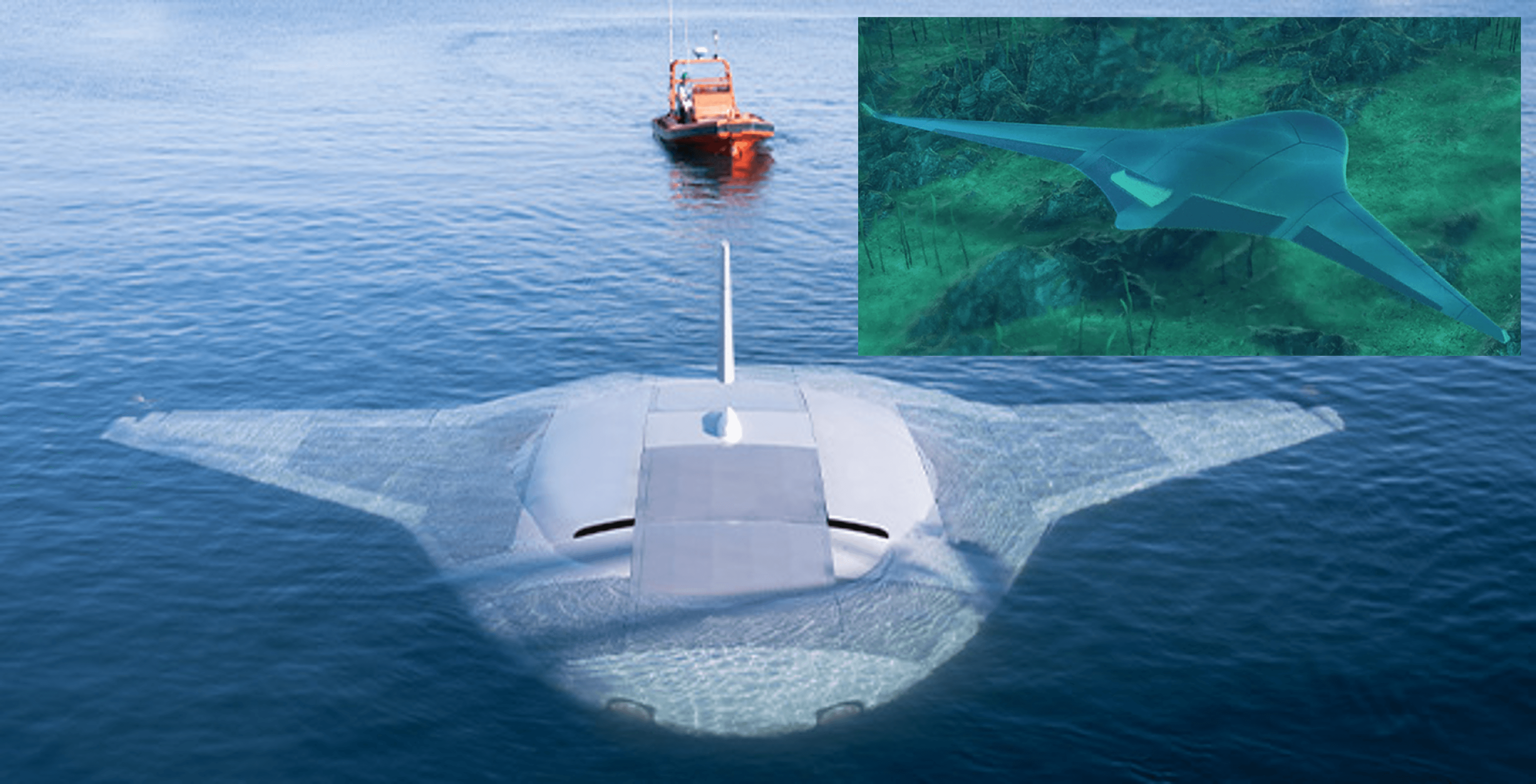
FUTURE WARFARE | Sea - Autonomous Surface Vessels & Unmanned Underwater Vehicles — The Hybrid Fleet Takes Shape
Ukraine’s ‘Sub Sea Baby’ autonomous torpedo struck a Russian Kilo-class submarine inside Novorossiysk harbour in December 2025 — the first confirmed underwater drone attack on a submarine in history. The U.S. Navy is requesting $5.3 billion for unmanned maritime systems in FY2026, a 70 percent year-on-year increase. Saronic Technologies went from prototype to $392 million production contract in under 12 months. And DARPA’s Manta Ray XL-UUV completed full-scale sea trials. This article maps the maritime autonomous systems revolution — from Ukraine’s improvised Black Sea fleet to the Pentagon’s hybrid manned–unmanned force of the 2030s, and from Saronic’s Franklin, Louisiana shipyard to Boeing’s 85-tonne robot submarine.
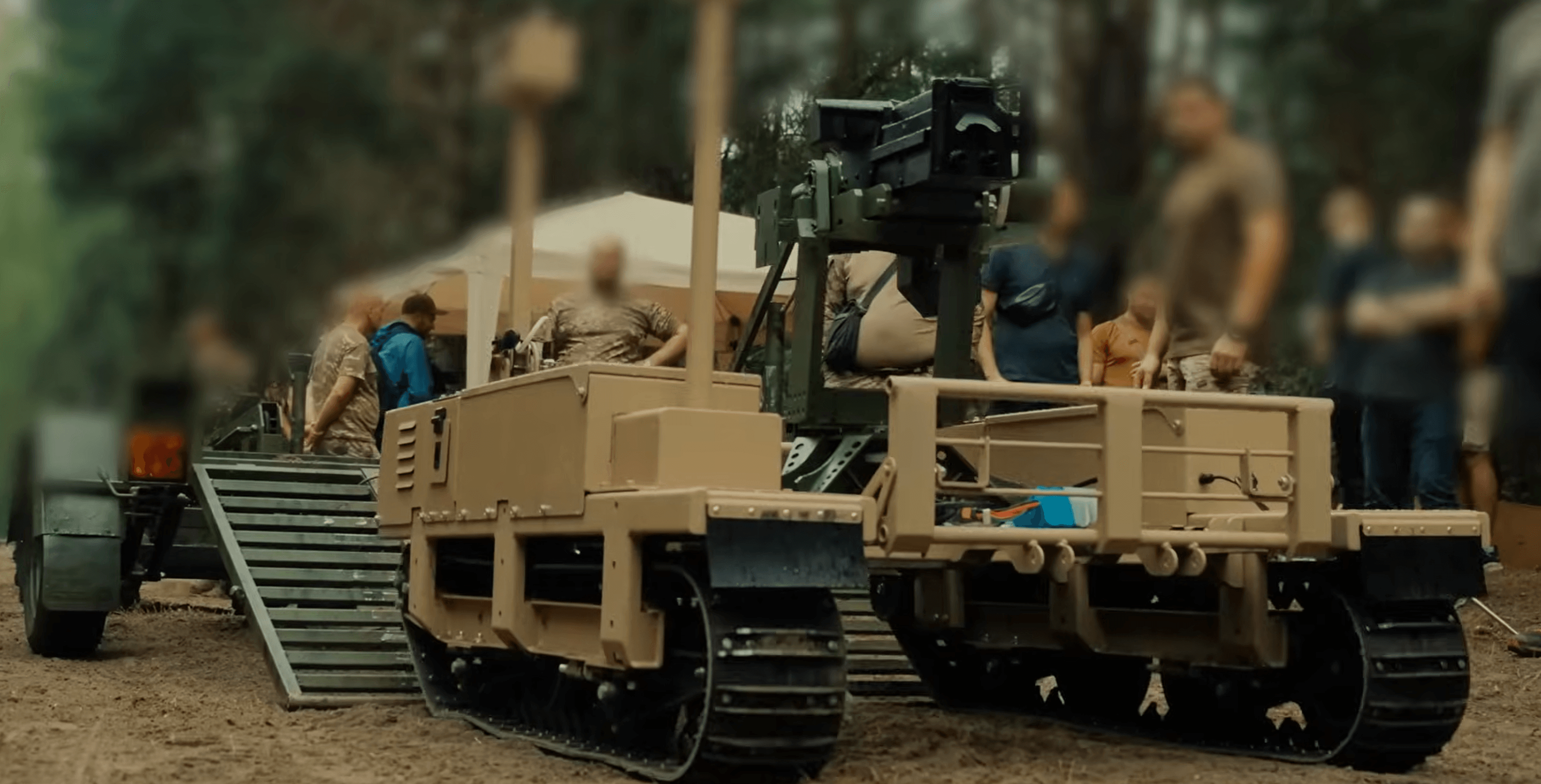
FUTURE WARFARE | Land - Unmanned Ground Vehicles — From Logistics Mules to Front-Line Robots
Ukraine fielded 15,000 unmanned ground vehicles in 2025 — surpassing its own procurement targets by over 100 percent. A single UGV held a front-line position for 45 days. Up to 90 percent of supplies to Pokrovsk now move by robot, not truck. The U.S. Army cancelled its $3 million Robotic Combat Vehicle and is starting over. China is deploying $3,000 robot dogs in PLA urban-warfare exercises. This article maps the emerging UGV battlefield — from Ukraine’s garage-built logistics fleet to the Pentagon’s stalled combat-vehicle ambitions, and from Ghost Robotics’ Vision 60 to the quadruped proliferation problem no treaty has yet addressed.
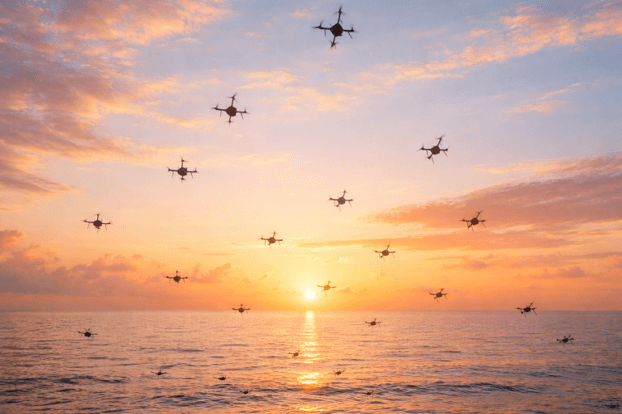
FUTURE WARFARE | The Economics of Attrition
How the cost equation of modern warfare has inverted: a $500 AI-guided drone now rivals a $2 million precision missile in tactical effect. Part One of the Future Warfare Series examines the unit economics, supply chain realities, and venture capital forces reshaping defence procurement — from Ukraine's 1.7 million FPV drones to Anduril's $30 billion factory-as-weapon bet.

RobotToday Weekly Industry Briefing: Feb 2 – 6, 2026
Robotics shifted from demos to deployment post-CES 2026, led by China’s humanoid scale, AI robot brains, and accelerating industrial adoption.
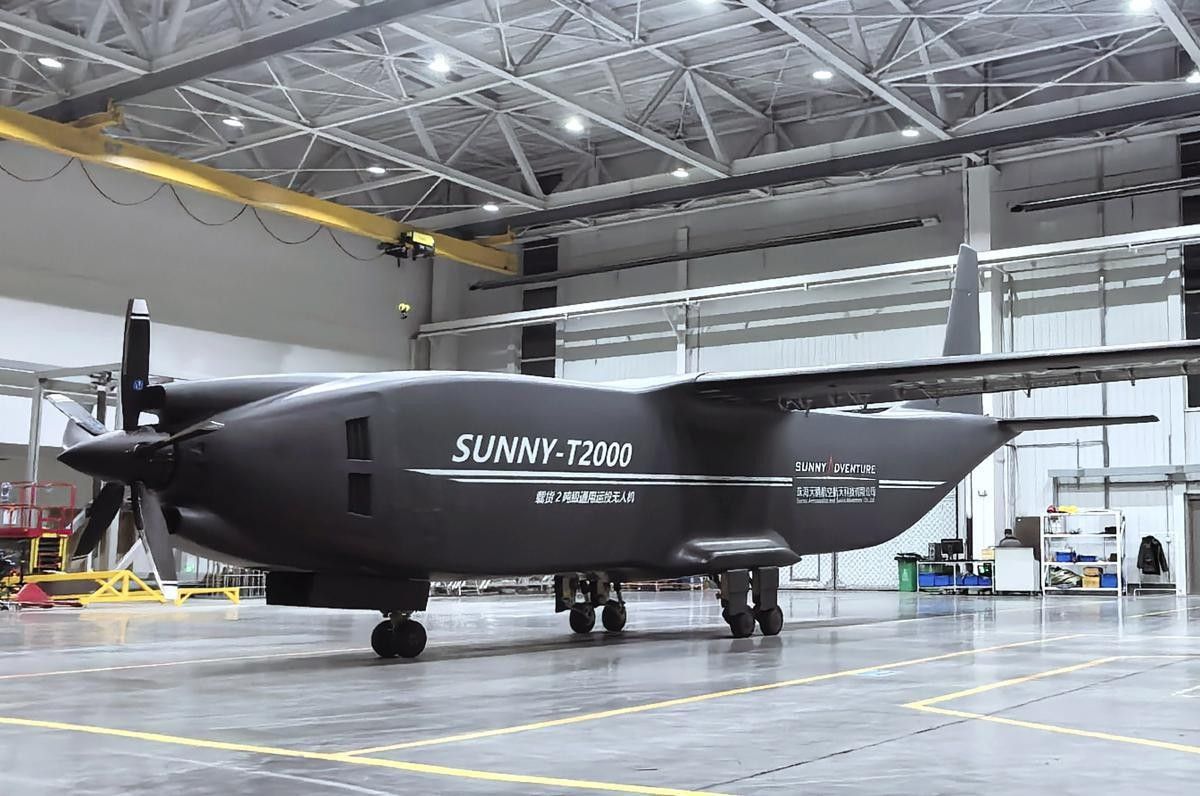
Sunny t2000 china s first 2 ton turboprop cargo uav signals a new era for heavy unmanned logistics
The SUNNY-T2000 signals a shift in heavy cargo UAVs, showing how two-ton unmanned aircraft are reshaping regional and industrial air logistics.


