

Industry Briefing
A single destination for timely, editor-curated robotics news from around the world.

Global Industrial Robot Fleet Reaches 5 Million Units Driven by China’s Growth
The International Federation of Robotics (IFR) reported that the global industrial robot fleet hit a record 5 million units in 2025, with over 600,000 new installations that year. China led the growth, contributing 354,000 installations, which accounted for 59% of the global total. The U.S. surpassed Japan to become the second-largest market, with nearly 38,500 installations. This milestone signifies a significant acceleration in industrial automation, with the IFR projecting a 9% increase in annual installations to 655,000 units in 2026. The growth is driven by manufacturing investments, labor shortages, and advancements in technologies such as AI and machine vision. Asia exhibited the strongest growth, while Europe experienced slower expansion, highlighting regional disparities in automation adoption. Looking ahead, the IFR anticipates that global installations will reach 806,000 by 2029. Factors such as increased manufacturing capacity, labor challenges, and enhanced supply chain resilience are expected to fuel this growth. The ongoing advancements in robotics technology will continue to expand the capabilities and applications of industrial robots in various sectors.
AI AI Funding & Investment Capital Markets Robotics Asia China
Academician Zheng Nanning Discusses Embodied Intelligence Beyond Humanoid Robots
Academician Zheng Nanning, Director of the Artificial Intelligence and Robotics Institute at Xi'an Jiaotong University, published an article discussing the growth of embodied intelligence in the physical world. He emphasized that a key direction for artificial intelligence is enabling machines to not only process information but also to flexibly perform various tasks in dynamic environments. This includes precise operations on industrial production lines, autonomous navigation in complex terrains, and dynamic movements in exhibition settings. Zheng clarified that embodied intelligence is not synonymous with humanoid robots; rather, it focuses on whether intelligent systems can truly engage with real-world environments, forming a closed loop of perception, cognition, decision-making, action, and feedback. The evaluation of embodied intelligence should be based on its ability to solve real-world problems, not merely its physical form. He likened understanding embodied intelligence to an infant's process of learning about the world through interaction with their environment. To enable machines to act in the world, embodied intelligence requires various capabilities, including the formation of world models, multimodal representation, causal reasoning, and the integration of generation and action. The development of embodied intelligence relies on high-quality multimodal data and realistic simulation environments. Current limitations include the black box problem, computational constraints, and an immature industrial ecosystem. In sectors like industrial manufacturing, healthcare, and urban governance, intelligent systems are evolving from mere tools to proactive systems capable of continuous learning and adaptation.
Embodied Intelligence Artificial Intelligence Robotics Machine Learning
ASI Deploys Largest Autonomous Vehicle Fleet in American Sugarcane Farming
Autonomous Solutions Inc. (ASI), in collaboration with U.S. Sugar Corp. and Everglades Equipment Group, has launched the largest fleet of autonomous tractors in American sugarcane farming across South Florida. This deployment spans hundreds of thousands of acres and represents a significant operational shift in agriculture, moving beyond pilot projects to full-scale implementation. The initiative is crucial as American farmers face challenges such as a shrinking workforce, rising costs, and unpredictable weather patterns. ASI's Mobius platform has already facilitated extensive autonomous operations, demonstrating that the technology is ready to meet the demands of modern farming. U.S. Sugar, a key partner in this venture, manages 255,000 acres and emphasizes the importance of innovation in maintaining agricultural productivity. Looking ahead, the collaboration between ASI, U.S. Sugar, and Everglades Equipment Group aims to address labor shortages and enhance operational efficiency. As weather events increasingly threaten crops, the ability to deploy autonomous solutions becomes vital in ensuring the continuity of agricultural work, mitigating economic losses, and supporting the food supply chain.
Agriculture Mobility / Navigation News Opinion Self-Driving Vehicles asi
Anthropic Disrupts Five Cases of Claude Misuse for Potential Bioweapons Research
Anthropic reported that it intervened in five instances where researchers misused its AI model, Claude, in ways that could have facilitated biological weapons development. These incidents occurred between December 2025 and August 2026, highlighting the challenges of distinguishing legitimate scientific research from potentially harmful activities. The significance of these disruptions lies in the dual-use nature of biological research, where the same knowledge can lead to both medical advancements and dangerous applications. Jacob Klein, Anthropic’s head of threat intelligence, emphasized that malicious intent is often not overtly declared, complicating the identification of harmful research. Looking ahead, Anthropic's findings underscore the need for robust safeguards as AI models become increasingly capable of supporting scientific inquiry. The company has committed to sharing its insights with authorities and other AI organizations to enhance security measures. No further timeline was disclosed at the time of publication.
AI and Robotics
Nauticus Robotics Launches Nauticus ToolKITT™ to Enhance ROV Fleet Autonomy
Nauticus Robotics has officially launched Nauticus ToolKITT™, an autonomy suite designed for underwater vehicles, during its recent earnings call. This software is now available to fleet operators, vehicle manufacturers, and defense contractors, featuring the Pilot Assist module that aids ROV pilots without replacing them. The introduction of Nauticus ToolKITT is significant as it allows operators to retrofit existing remotely operated vehicles (ROVs) with autonomous capabilities, enhancing operational efficiency by over 20% while reducing pilot workload. This solution is particularly beneficial for operators of work-class and observation-class vehicles that currently lack navigational autonomy, enabling them to tackle more complex tasks with ease. Looking ahead, Nauticus Robotics aims to expand the use of ToolKITT across various sectors, including offshore energy, subsea telecommunications, and defense. The software's ability to integrate with existing systems while maintaining manual control positions it as a valuable asset for operators seeking to improve efficiency and reduce reliance on experienced pilots. No further timeline was disclosed at the time of publication.
nauticus robotics nauticus toolkitt™ commercial version autonomy rov fleets
Former ByteDance and Tencent AI Researcher Sun Peng Joins Stardust Intelligence for Robot Learning
Sun Peng, a former core researcher in AI at ByteDance and Tencent, has joined Stardust Intelligence to improve post-training processes in robot reinforcement learning. This move is expected to enhance the capabilities of robots in learning from their environments more effectively. The significance of this development lies in the growing importance of reinforcement learning in robotics, particularly in the context of embodied intelligence. With Sun Peng's expertise, Stardust Intelligence aims to advance its technology and potentially lead the market in intelligent robotics solutions. Looking ahead, industry observers will be keen to see how Sun Peng's contributions will shape the future of robot reinforcement learning at Stardust Intelligence. No further timeline was disclosed at the time of publication.
Robotics Automation AI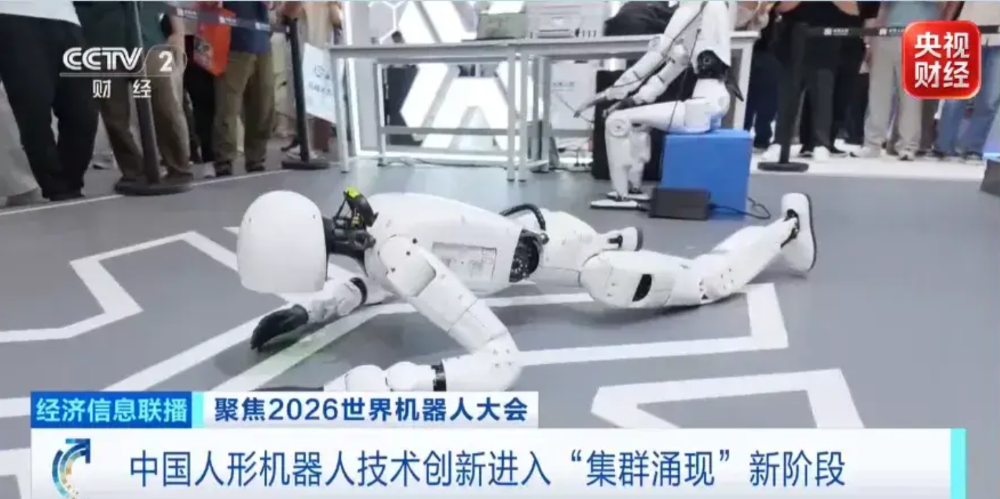
Humanoid Robot Industry Shifts from Solo Operations to Fleet Collaboration
On August 20, the 2026 World Robot Conference revealed that China's humanoid robot shipments exceeded 40,000 units in the first half of the year, capturing 97% of the global market share. The industry is transitioning from small-scale trials to regular deployment and large-scale applications. The conference showcased over 300 companies and more than 3,000 exhibits, with 300 new products launched. A significant trend noted was the shift from 'solo operations' to 'fleet collaboration.' Feiba Technology introduced a mobile logistics base capable of supporting various robotic platforms, including humanoid robots and drones, set to enter mass production by the end of this year. Additionally, the OneHub multi-robot collaboration system from Siasun aims to unify different robotic types under a single operational framework. The advancements in technology and collaboration strategies indicate a pivotal shift in the humanoid robot industry, moving towards collective efficiency rather than individual capabilities. No further timeline was disclosed at the time of publication.
Humanoid Robots Robot Collaboration Robotics Technology Logistics Robotics
FlybyOps Launches Platform to Streamline Management of Autonomous Drone Fleets
FlybyOps, a Finland-based company, has introduced an enterprise drone operations platform aimed at addressing the complexities of scaling autonomous drone fleets. As commercial drone operations expand, managing pilots, equipment, approvals, and compliance becomes increasingly challenging, especially with the rise of Beyond Visual Line of Sight (BVLOS) operations. The platform serves as a central hub for organizations developing large-scale BVLOS and autonomous drone programs, connecting flights with necessary personnel, aircraft, and compliance requirements. With regulators worldwide facilitating more routine BVLOS flights, industries such as logistics and infrastructure inspection are preparing for fleets capable of performing hundreds or thousands of autonomous missions, necessitating robust management tools. FlybyOps emphasizes compliance and operational oversight, allowing organizations to manage flight approvals, personnel qualifications, and operational risks from a single system. The software has already been adopted globally, providing operators with enhanced visibility into complex flight programs. No further timeline was disclosed at the time of publication.
News
Webinar on Safety and Scaling Robot Fleets in Warehouses Scheduled for August 26
A free webinar titled 'When Robots and People Share the Floor: Safety That Keeps Fleets Moving' is set for August 26 at 2:00 p.m. ET. The event will address safety measures that can hinder the adoption and scaling of robot fleets in warehouses, highlighting best practices for human-robot collaboration. Safety systems for mobile robots can be implemented with minimal disruption, according to experts. The panel will feature technology providers and warehousing specialists discussing the challenges of integrating robots into dynamic workflows while ensuring safety. John Calcio from Redpoint Positioning will share insights on their Crew Safety System, which allows personnel to safely interact with active robot fleets. Participants can register to attend live or watch on demand. The webinar will also feature industry leaders like John Santagate and Jonathan Cortellacci, who will provide actionable insights on navigating warehouse automation and optimizing distribution operations with advanced robotics and intelligent automation. No further timeline was disclosed at the time of publication.
AGVs Automated Warehouse Autonomous Mobile Robots (AMRs) Cameras / Imaging / Vision Logistics Mobility / Navigation
MBARI Researchers Employ Advanced Technology to Map California's Notable Octopus Garden
Researchers from the Monterey Bay Aquarium Research Institute (MBARI) have successfully utilized innovative technology to map the renowned Octopus Garden in California. This project aims to enhance understanding of the unique marine ecosystem and its inhabitants. The significance of this mapping effort lies in its potential to provide valuable insights into the biodiversity and ecological dynamics of the Octopus Garden, which is known for its vibrant marine life. By employing advanced mapping techniques, MBARI aims to contribute to marine conservation efforts and inform future research initiatives. Looking ahead, the ongoing analysis of the collected data will be crucial for understanding the ecological health of the Octopus Garden. No further timeline was disclosed at the time of publication.
mbari research mapping octopus garden
Atlas Energy Solutions to Expand Autonomous Truck Fleet to 100 in Permian Basin by 2027
Atlas Energy Solutions Inc. plans to increase its fleet of autonomous trucks in the US Permian Basin from 28 to 100 by mid-2027, collaborating with Kodiak AI, Inc. to implement AI-powered driving technology. This expansion aims to enhance operations at a new load-out point along the 42-mile Dune Express sand conveyor system, improving the supply chain for proppant used in hydraulic fracturing. The initiative is significant as it addresses the logistical challenges of transporting large quantities of proppant, which is essential for oil and gas extraction. The autonomous trucks have already completed around 7,000 loads, totaling approximately 450,000 tons of sand over 23,500 driverless hours. By adding another load-out point, Atlas aims to enhance customer order fulfillment and operational efficiency in the region. Looking ahead, Atlas and Kodiak plan to operate these autonomous trucks on public roads by early 2027, pending regulatory approval. This development could significantly broaden the delivery capabilities of the fleet, marking a pivotal step in transforming oilfield logistics through innovation, as emphasized by Atlas CEO John Turner and Kodiak CEO Don Burnette.
AI and Robotics Transportation
Atlas Energy to Increase Kodiak-Powered Autonomous Truck Fleet to 100 by Mid-2027
Atlas Energy Solutions is expanding its autonomous truck operations in the Permian Basin, enhancing its oilfield logistics through digital transformation. Collaborating with Kodiak AI, Atlas will increase its driverless proppant delivery program to a second load-out point along its Dune Express sand conveyor system, boosting delivery capabilities and meeting rising customer demand. This expansion is significant as it will grow Atlas's fleet from 28 autonomous trucks as of March 31, 2026, to 100 by mid-2027, with plans to operate on public roads by early 2027. John Turner, CEO of Atlas Energy Solutions, emphasized that this partnership is vital for transforming oilfield sand logistics, aiming to improve efficiency and reduce operational risks for customers. Looking ahead, Atlas's autonomous program has steadily scaled since its initial deployments in 2024. The company has already completed approximately 7,000 loads, hauling over 450,000 tons of sand. The upcoming milestones will depend on regulatory and operational developments as Atlas continues to enhance its service area across Texas and New Mexico.
Autonomous Vehicles Energy News artificial intelligence atlas energy solutions autonomous driving
Robotic Microsurgery Becomes Key Focus in Reconstructive Surgery Research Analysis
A recent analysis of 484 studies on robot-assisted surgery has revealed significant trends in publication, collaboration, and thematic shifts within the field of plastic surgery. This comprehensive review underscores the growing importance of robotic microsurgery in reconstructive procedures. The findings are crucial as they indicate a shift towards more advanced surgical techniques, enhancing precision and outcomes in reconstructive surgery. The analysis highlights how robotic systems are increasingly being integrated into surgical practices, reflecting a broader trend in the medical field towards automation and improved patient care. Looking ahead, stakeholders in the medical and surgical communities should monitor ongoing research and developments in robotic microsurgery. The increasing focus on this technology suggests potential advancements in surgical methodologies and patient outcomes. No further timeline was disclosed at the time of publication.

DGIST Professor Proposes 'Sustainability Robotics' as a New Academic Field
Professor Sukho Song from DGIST's Department of Robotics and Mechatronics Engineering has introduced the concept of 'Sustainability Robotics.' This new academic field aims to assess robots based on their technical performance as well as their impact on environmental, social, and economic sustainability. The significance of this initiative lies in its holistic approach to robotics, emphasizing the importance of sustainable practices in technology development. By integrating sustainability into the evaluation of robotic systems, the field seeks to foster innovations that contribute positively to society and the environment. Looking ahead, the establishment of 'Sustainability Robotics' could influence future research and development priorities in the robotics sector. No further timeline was disclosed at the time of publication.
Robotics
Nous Research Secures New Funding Talks at $1.5 Billion Valuation for Hermes Agent
Nous Research, the creator of the open-source Hermes agent, is in discussions to secure a new funding round led by Robot Ventures, aiming for a valuation of $1.5 billion. The company is looking to raise at least $75 million, following a previous $50 million Series A funding announced just three months prior. This funding round is significant as it reflects the high interest from investors in Nous Research's innovative approach to AI agents. Hermes, which features built-in skills for web search, coding, and image understanding, is designed to learn from user interactions autonomously. The company has previously raised $70 million from various investors, indicating strong backing for its growth. Looking ahead, the new funding is expected to enhance the development of Hermes products and expand its business model. No further timeline was disclosed at the time of publication.
AI Startups Venture iRobot Ventures unicorn USV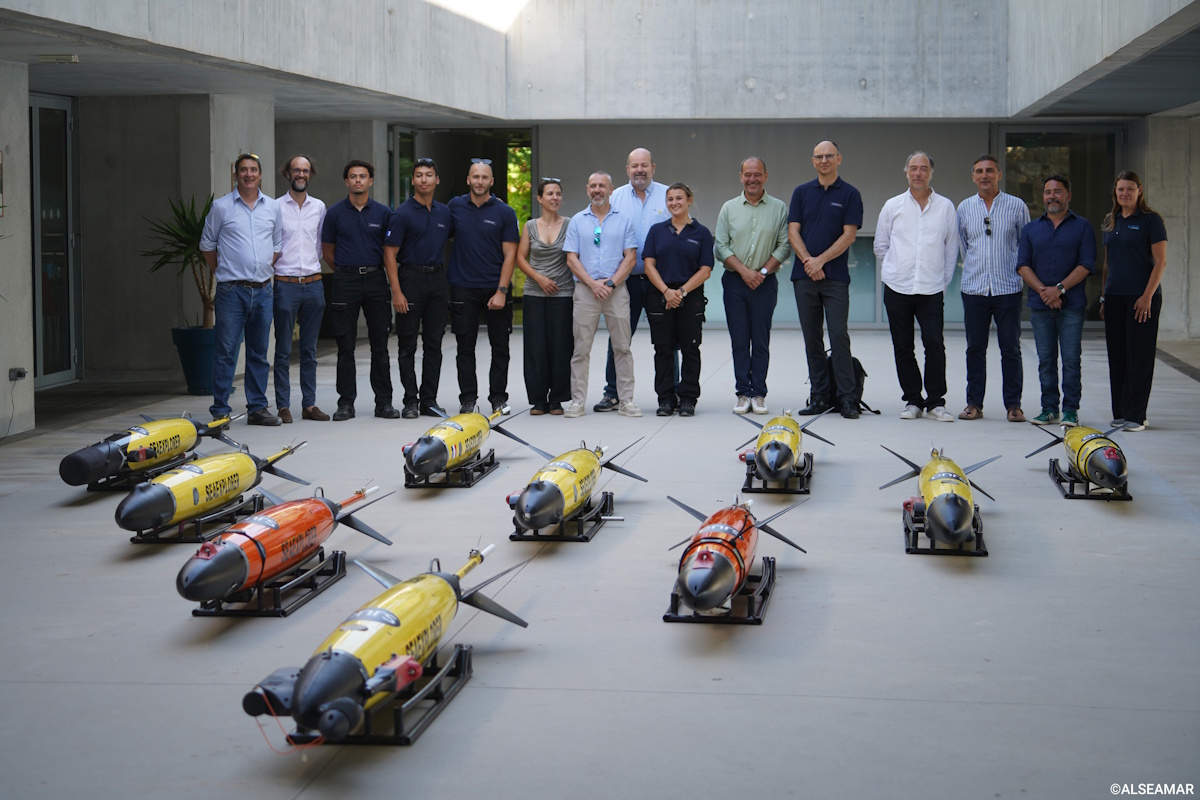
CNRS Deploys Ten SEAEXPLORER Autonomous Gliders for Mediterranean Ecosystem Research
In mid-June 2026, the CNRS deployed ten SEAEXPLORER autonomous underwater gliders in the Ligurian Sea as part of Mission 6 under France's 2030 funding plan. This initiative aims to create a comprehensive environmental data atlas for the northwestern Mediterranean, focusing on the impacts of human activities on marine ecosystems. The gliders will operate for one month, diving to depths of 1,000 meters and equipped with sensors to monitor underwater noise and ocean currents. The deployment is significant as it represents a strategic effort by the French government to enhance industrial competitiveness and develop next-generation technologies for deep-sea exploration. By utilizing coordinated fleets of autonomous gliders and advanced sensing technologies, researchers aim to better understand the dynamics of marine ecosystems and the effects of climate change, maritime traffic, and ocean acidification. This innovative approach will facilitate the study of plankton distribution and biodiversity through methods such as environmental DNA monitoring. Looking ahead, the next phases of Mission 6 will involve additional deployments in the Gulf of Lion in 2028 to test new sensors, followed by operations in French Polynesia between 2028 and 2029. These efforts will further expand the capabilities of autonomous underwater vehicles in marine research, with no further timeline disclosed at the time of publication.
autonomous gliders cnrs exploration mediterranean marine ecosystems
Sven Koenig Honored with 2026 ACM/SIGAI Autonomous Agents Research Award
Sven Koenig has been awarded the 2026 ACM/SIGAI Autonomous Agents Research Award for his significant contributions to the field of autonomous agents. His research focuses on AI planning and search, influencing how intelligent agents operate in complex environments. Koenig's work has had a profound impact on AI, multi-agent systems, and robotics, enabling scalable autonomy in real-world applications. This recognition highlights the importance of Koenig's research in bridging theoretical concepts and practical applications, which is crucial for advancing the capabilities of intelligent systems. As a Chancellor’s Professor and Bren Chair at UC Irvine, his accolades include being a Fellow of AAAI, AAAS, and ACM, along with multiple best paper awards. His contributions are vital for the ongoing development of autonomous technologies. Looking ahead, the robotics and AI communities will continue to benefit from Koenig's innovative research. No further timeline was disclosed at the time of publication. His work sets a benchmark for future advancements in autonomous agents and their applications across various sectors.
Sonardyne Underwater Positioning and Tracking for US Academic Research Fleet
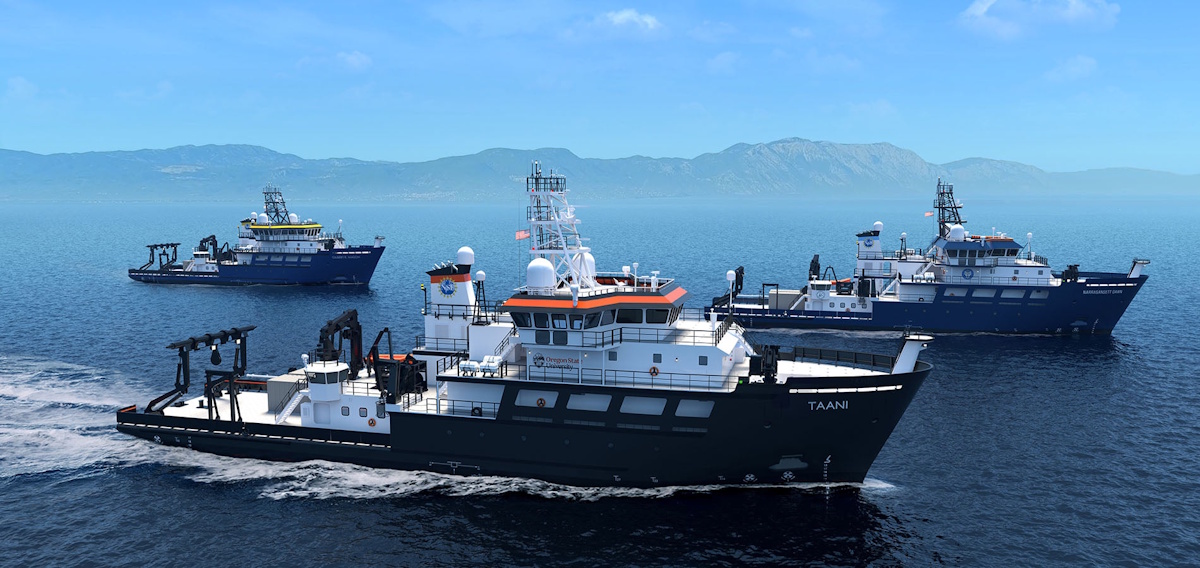
Sonardyne's underwater positioning and tracking technology has been selected for integration into three new oceanographic research vessels, part of the National Science Foundation's Regional Class Research Vessel (RCRV) construction program. This decision underscores the NSF's commitment to advancing marine research capabilities. The vessels, designed to enhance scientific exploration and data collection in oceanographic studies, will be constructed in the coming years. By utilizing Sonardyne's innovative technology, the NSF aims to improve the accuracy and efficiency of underwater navigation and data acquisition, ultimately supporting a wide range of research initiatives. The program reflects a significant investment in the future of ocean science, addressing the growing need for advanced research tools in understanding marine environments.
sonardyne underwater positioning tracking us academic research fleet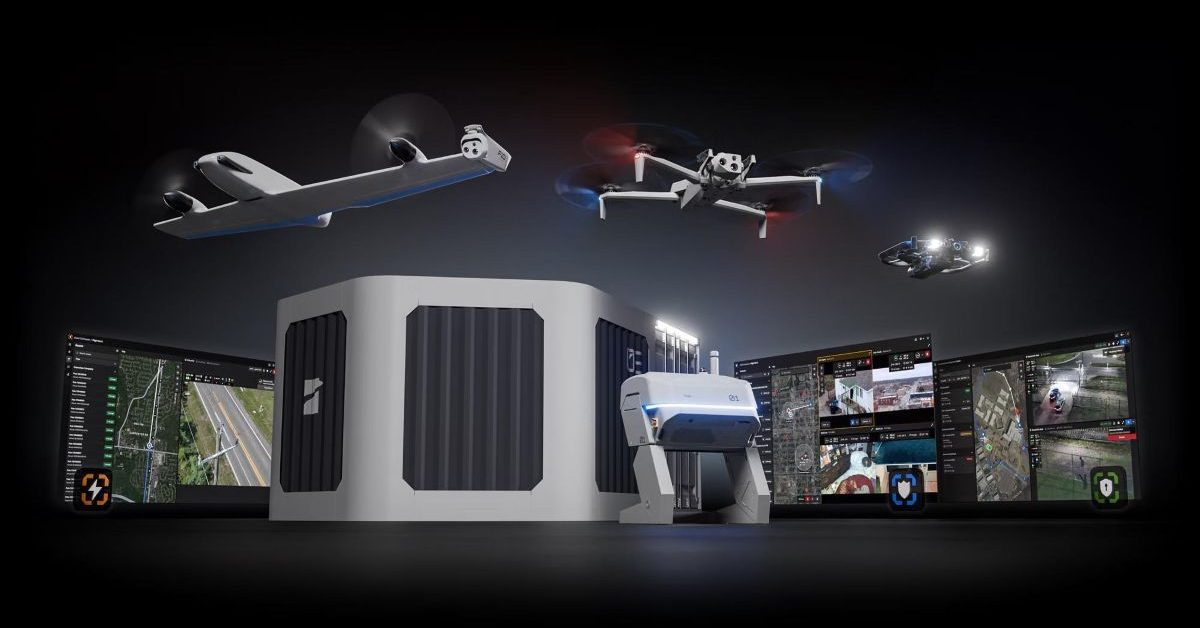
Skydio Introduces F10 Lightrunner, MegaDock, and New Software for Autonomous Drone Operations
Skydio has unveiled its first fixed-wing drone, the F10 Lightrunner, at the Ascend conference in Nevada. This aircraft is designed for long-distance missions, capable of reaching speeds of 100 mph and operating within a 30-mile radius for up to two hours. Alongside the F10, Skydio introduced the MegaDock and two software platforms, Asset Command and Security Command, enhancing its existing drone fleet. The introduction of the F10 Lightrunner signifies a shift in Skydio's approach to drone technology, emphasizing the integration of drones into larger autonomous systems rather than standalone devices. The F10 is particularly suited for applications such as emergency response and infrastructure inspection, where speed and endurance are critical, potentially transforming how agencies and companies utilize drone technology. Looking ahead, Skydio's focus on fixed-wing drones and their operational capabilities could reshape the landscape of drone applications in various sectors. The innovative robotic takeoff and landing system further enhances the F10's usability, eliminating the need for traditional runways or manual handling. No further timeline was disclosed at the time of publication.
News
Royal Australian Air Force Achieves Key Milestones in Air Surveillance Capabilities
The Royal Australian Air Force (RAAF) has announced significant advancements in its air surveillance and reconnaissance capabilities. This enhancement comes with the confirmation of key milestones across three crucial aircraft fleets, marking a pivotal moment for Australia's defense operations. These developments are vital as they strengthen Australia's ability to monitor and respond to aerial threats, ensuring national security. The RAAF's progress in upgrading its aircraft fleets underscores the commitment to maintaining a robust defense posture in an increasingly complex geopolitical landscape. Looking ahead, stakeholders will be keen to observe further advancements in the RAAF's capabilities and any additional milestones that may be achieved. No further timeline was disclosed at the time of publication.
News
Paper2Agent Transforms Academic Research Papers into Interactive AI Agents
Stanford researchers have developed Paper2Agent, an open-source framework that converts academic papers into interactive AI agents. This tool allows users to input a paper along with its code and data, enabling the AI to extract workflows and create runnable toolkits for personal datasets. The significance of Paper2Agent lies in its ability to make scientific knowledge dynamic and reproducible, as emphasized by Stanford computer scientist James Zou. By facilitating the execution of methods described in research papers, the framework aims to enhance collaboration and discovery in various fields, particularly computational biology. Looking ahead, the team plans to convert more research papers into interactive agents. The potential applications of Paper2Agent extend beyond research, with implications for educational settings where students can engage with scientific methods interactively, rather than passively reading about them.
Agentic-ai Artificial-intelligence Research
South Korea to Launch Robot AI Research Program in 2027 Focused on Logistics
South Korea is set to initiate a significant robot-AI research program in 2027, with early field trials aimed at enhancing technology deployment. Song Chang-jong, head of the Ministry of Science and ICT’s Device AX Innovation Team, presented this strategy at the Humanoid Summit Seoul on September 22. The initiative will focus on developing robot foundation models and world models, utilizing data from real-world applications to refine these systems. This program is crucial as it emphasizes operational testing to inform ongoing development, rather than waiting for research completion. By integrating AI models, data, and robots, the ministry aims to explore various technical approaches, acknowledging that optimal model architectures and data collection methods are still being determined. The initiative will also establish a physical-data library to produce and evaluate training materials, addressing key questions about sensor usage and data quality. Initial applications will target postal services and logistics, creating a feedback loop where models are tested in real-world settings, and insights are used to enhance future iterations. The success of this approach relies on capturing sufficient operational data to inform improvements, making it essential to evaluate whether retraining enhances reliability beyond initial testing environments. No further timeline was disclosed at the time of publication.
Data Collection South Korea Research
MIT Researchers Develop Robotic Lab for Autonomous Laser Experimentation
MIT researchers have created a robotic laboratory capable of autonomously assembling and conducting laser experiments. This innovative setup utilizes advanced robotics to enhance the efficiency and precision of scientific research, marking a significant advancement in automation technology. The development is crucial as it demonstrates the potential of robotics to transform traditional laboratory environments, enabling faster experimentation and data collection. This aligns with the growing trend of integrating automation in research settings to improve productivity and reduce human error. Looking ahead, it will be important to monitor how this robotic lab influences research methodologies and the broader implications for automation in scientific fields. No further timeline was disclosed at the time of publication.
AI and Robotics
X-energy Advances 6-Gigawatt SMR Fleet in the UK Regulatory Review Process
X-energy, an American reactor designer, has made significant progress in exporting its advanced small modular reactor (SMR) technology to the UK. The company has entered the UK’s regulatory review process for its Xe-100 system, which is now part of the Generic Design Assessment. This step is crucial for assessing reactor designs before they can be licensed and constructed. The Xe-100 reactor is a high-temperature gas-cooled system that utilizes TRISO-X particle fuel, known for its safety and ability to withstand extreme heat. Each unit can generate 80 megawatts of electricity or provide 200 megawatts of thermal heat. X-energy aims to deploy a fleet capable of delivering up to 6 gigawatts of power across the UK, enhancing the applications of nuclear technology in various sectors. Looking ahead, the UK review process is expected to take about three years, with regulators from both the UK and the US collaborating on safety assessments. X-energy is also preparing for its first commercial installation in the US alongside Dow Inc., while expanding its fuel-manufacturing capabilities in Tennessee to support its growing operations.
Energy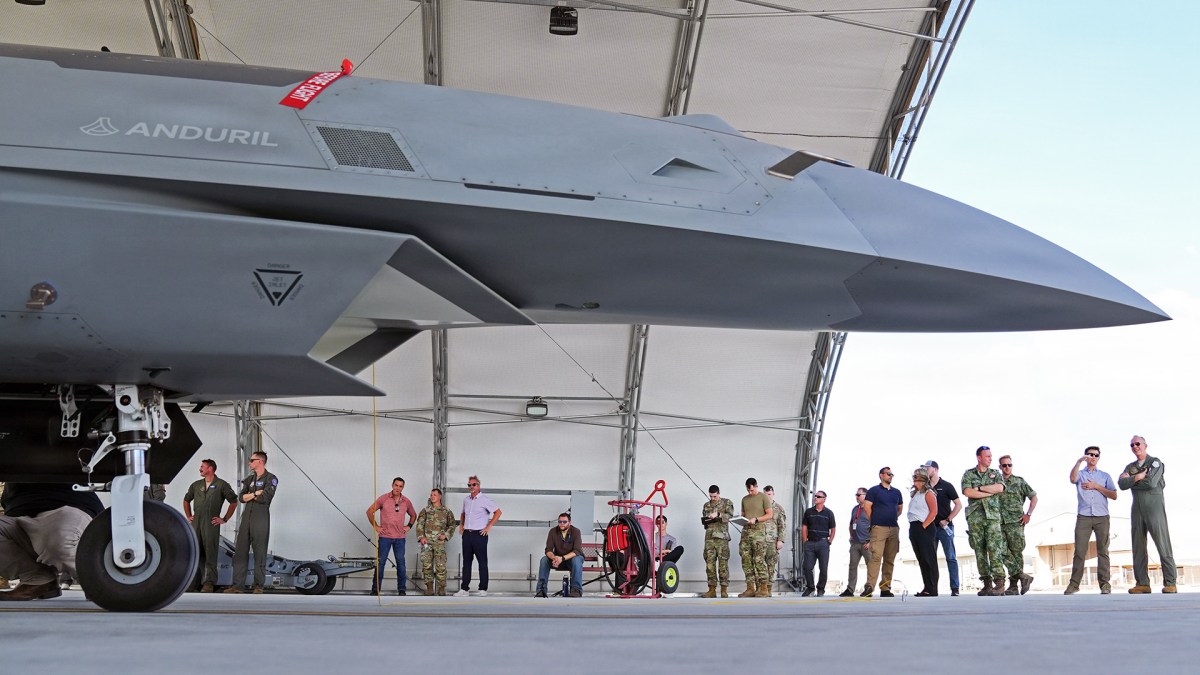
US Air Force Plans to Deploy 500 Collaborative Combat Aircraft by 2032
The U.S. Air Force has set a target to have at least 500 Collaborative Combat Aircraft (CCA) operational by 2032. This ambitious plan includes an equal number of Massed Modular Aircraft (MMA) drones to replace the MQ-9 Reapers. Secretary of the Air Force Troy Meink announced these updates during a keynote speech at the Air & Space Forces Association’s 2026 conference. This initiative is significant as it marks a substantial increase from previous plans, which aimed for over 150 CCAs by the end of the decade. The Air Force is also focusing on reducing costs, with plans to field 100 MMAs by 2029 at a lower price point than current manned aircraft. The FQ-42 and FQ-44 drones, now officially named Vengeance and Fury, are already in production and will perform missions similar to those of manned fighters. Looking ahead, the Air Force is still determining how these CCAs will be integrated into operations. The establishment of a dedicated Experimental Operations Unit (EOU) aims to facilitate the development and testing of these aircraft. No further timeline was disclosed at the time of publication.
News & Features Air Collaborative Combat Aircraft Drones Q-9 Unmanned
Anthropic Reports Misuse of Claude AI by Iran and Russia for Military Applications
Anthropic PBC has reported that its AI model, Claude, has been misappropriated for military purposes by Iran and Russia. The misuse includes efforts to develop kamikaze drone swarms, missile navigation systems, and research associated with potential biological weapons. This situation raises significant concerns regarding the security implications of AI technologies. The involvement of state actors like Iran and Russia in military applications of AI highlights the urgent need for regulatory frameworks to prevent misuse and ensure responsible development and deployment of AI systems. Looking ahead, stakeholders in the AI and defense sectors should monitor developments related to the misuse of AI technologies. The ongoing research and military applications could lead to further advancements in weaponry, necessitating a collaborative approach to address these challenges. No further timeline was disclosed at the time of publication.

Vention Launches Leading Physical AI Lab in Montreal for Industrial Robotics Advancement
Vention has inaugurated Canada's premier Physical AI and industrial robotics lab in Montreal, aimed at enhancing robotic manipulation through the integration of advanced AI research into scalable manufacturing solutions. This initiative is significant as it focuses on applied manufacturing use cases, industrial data collection, and the development of post-training foundation models for robotics, leveraging existing intellectual property while generating new innovations. Looking ahead, stakeholders should monitor the lab's progress in bridging AI research with practical manufacturing applications. No further timeline was disclosed at the time of publication.

Iwa Robotics Launches Autonomous Drone Fleet for Wildfire Management Solutions
Iwa Robotics has unveiled three autonomous drone platforms aimed at assisting fire departments in detecting, assessing, and suppressing wildfires in both urban and wildland-interface areas. The drones, named Hawk, Canary, and Pelican, are part of Iwa's Discovery and Resolution Fleet, designed to operate collaboratively for enhanced firefighting capabilities. The introduction of these drones is significant as it enhances crew safety and operational efficiency in wildfire management. The Hawk drone specializes in long-endurance reconnaissance, while the Canary drone focuses on sensing and fire diagnostics. The Pelican drone is equipped for aerial suppression, addressing hot spots and establishing fire lines, thereby providing critical support to firefighting teams. Iwa Robotics plans to offer these drones through a fleet-as-a-service model, which includes aircraft, autonomy training, data services, maintenance, and insurance. This approach allows fire agencies to integrate advanced aerial detection and suppression capabilities without the need for upfront equipment purchases. No further timeline was disclosed at the time of publication.
AI AI Funding & Investment AI Use Cases Robotics autonomous drones Iwa Robotics
University of Edinburgh Researchers Develop Framework to Reduce Magnetic Memory Energy Use
Researchers at the University of Edinburgh have created a theoretical framework aimed at significantly reducing energy consumption in future magnetic memory technologies. This development is crucial as the demand for computing power and data storage continues to rise, leading to increased electricity use in data centers. As artificial intelligence and information technologies expand, the energy demands of data centers are projected to grow substantially. The new framework utilizes Optimal Control Theory to design ultrafast magnetic-field pulses that switch magnetic states with minimal energy consumption, addressing the urgent need for more efficient computing solutions. The research indicates that this method could lower switching energy by several orders of magnitude compared to current memory technologies like DRAM and STT-MRAM. It also brings future magnetic memory closer to the Landauer limit, the theoretical minimum energy required to process a single bit of information. No further timeline was disclosed at the time of publication.

Tesla Invites Businesses to Explore Cybercab Fleet Purchases and Infrastructure Support
Tesla has released a form for businesses interested in purchasing Cybercab fleets or providing infrastructure for its autonomous vehicle network. This move indicates the company's ambition to expand its operations beyond being a mere robotaxi operator. CEO Elon Musk has long envisioned a large-scale fleet of low-cost robotaxis, initially focusing on personal vehicle ownership but now considering third-party involvement. The interest form suggests that Tesla is exploring partnerships with external companies to enhance its robotaxi network, which could lead to increased market saturation. While the specifics of this collaboration remain undefined, Tesla's shift in strategy may open doors for various businesses to engage in the autonomous vehicle sector. This could potentially accelerate the deployment of robotaxi services in multiple regions. As Tesla continues to test and operate its Cybercab fleet, industry watchers should keep an eye on how this initiative unfolds. The company's willingness to collaborate with third-party operators may reshape the competitive landscape of the robotaxi market, inviting more players to participate and innovate in fleet management solutions.
Transportation autonomous vehicles cybercab Elon Musk robotaxis Tesla
KAIST Develops AI-Driven Soft Robotic Hand Capable of Gripping Various Objects
Researchers at KAIST have developed a soft, 3D-printed robotic hand using machine learning to create a highly stretchable elastomer. This material can stretch over six times its original length and has been successfully demonstrated in gripping a 1-kilogram water bottle and fragile items like eggs. The significance of this research lies in its potential applications across various fields, including soft robotics, wearables, and custom medical devices. By combining experimental data with AI, the team has shown that optimal material combinations can be identified more efficiently, overcoming challenges in traditional 3D printing methods. Looking ahead, the machine-learning approach used in this study could pave the way for rapid development of new 3D-printing materials with desirable properties. No further timeline was disclosed at the time of publication.
AI AI Funding & Investment Robotics 3D Printing DLP KAIST
Ocius Technology Integrates ThayerMahan and Thales Australia Sonar Systems for BlueBottle USVs
Ocius Technology has finalized agreements to incorporate advanced sonar systems from ThayerMahan and Thales Australia into its fleet of Bluebottle uncrewed surface vessels (USVs). The integration includes retractable thin-line acoustic arrays aimed at enhancing intelligence, surveillance, and reconnaissance (ISR) capabilities for the Royal Australian Navy's AUD$176 million Program of Record. This collaboration is significant as it combines Australian maritime technology with advanced acoustic sensing capabilities from the United States, demonstrating a practical application of the AUKUS Pillar II initiative. The deployment of these systems will support ongoing operations for the Australian Maritime Border Command, enhancing maritime surveillance and border protection. Looking ahead, Ocius plans to leverage the adaptable design of the Bluebottle platform to meet diverse mission requirements. No further timeline was disclosed at the time of publication.
ocius thayermahan thales bluebottle usv
EPFL Research Team Advances Micro Flying Devices Using Helmholtz Resonance Physics
A research team from the École Polytechnique Fédérale de Lausanne (EPFL) has achieved a breakthrough in micro flying devices based on Helmholtz resonance physics. Their findings, published in the journal Science Advances, involve 3D printing bottles just a few hundred micrometers in size and using sound to create directed airflow, generating thrust. This innovation is significant as it utilizes sound waves to drive micro-robots, a method previously explored in liquids but less so in air. The team demonstrated that thrust is linearly related to the volume of the resonant cavity, with a fitting slope of 0.044 and R²=0.999, indicating that as the cavity volume increases, thrust increases by approximately 44 μN per cm³ at 130 dB sound pressure. Looking ahead, the research suggests that the shape of the cavity has minimal impact on thrust, allowing for the potential to amplify thrust using cubic cavity arrays. No further timeline was disclosed at the time of publication.
Micro Robots Acoustic Propulsion 3D Printing Resonance Technology
Researchers Develop Scalable Robot Fish Ranging from 2 to 10 Feet with Tail Adjustment
Researchers have successfully created a robot fish that can scale in size from 2 feet to 10 feet by simply adjusting its tail. This innovative design allows for versatile applications in various aquatic environments, showcasing the potential for adaptive robotics in real-world scenarios. The ability to modify the size of the robot fish is significant as it opens up new possibilities for underwater exploration and research. This advancement highlights the ongoing efforts in robotics to create adaptable machines that can operate effectively in diverse conditions, enhancing our understanding of aquatic ecosystems. Looking ahead, the implications of this technology could extend beyond research, potentially influencing industries such as marine biology, environmental monitoring, and even entertainment. No further timeline was disclosed at the time of publication.
AI and Robotics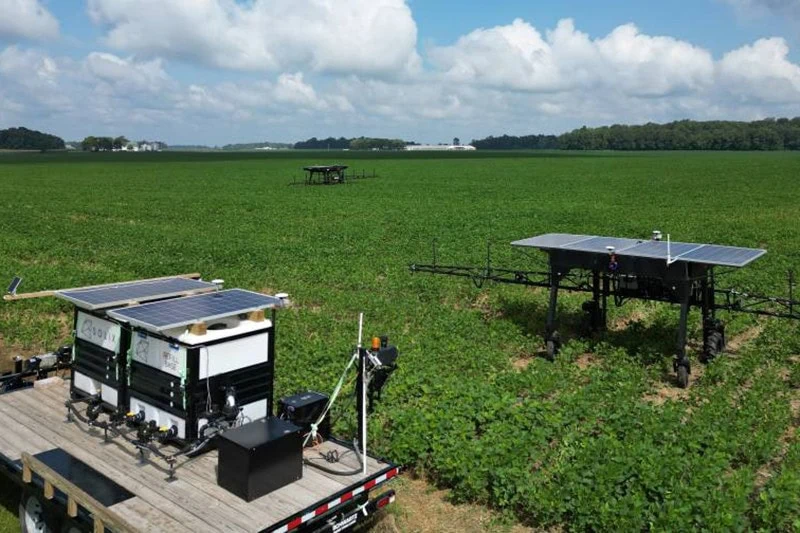
Solinftec Expands Solix Fleet Following 85% Average Reduction in Chemical Use
Solinftec has expanded its Solix fleet, with over 100 robots operating across the US and Puerto Rico in 2026. These robots have covered more than 55,000 acres, achieving an average chemical reduction of 85%. The company is also scaling up its autonomous refilling capabilities and preparing to introduce three additional Solix models by 2027. The significance of this expansion lies in the substantial reduction of chemical usage, which ranges from 83% to 89% across the fleet. The Solix robots utilize cameras and the ALICE AI platform to monitor crops and execute targeted applications, contributing to more sustainable agricultural practices. This development marks Solinftec's largest commercial season in the US to date. Looking ahead, Solinftec plans to introduce a diesel-powered Solix model and deploy approximately 200 robots along with 80 autonomous Refill Stations in 2027. The current Solix robot is priced at around $55,000, with a projected return on investment of 2.5 years based solely on input savings.
Crop solutions Field robots Weed/Pest control field robot pest control spray technology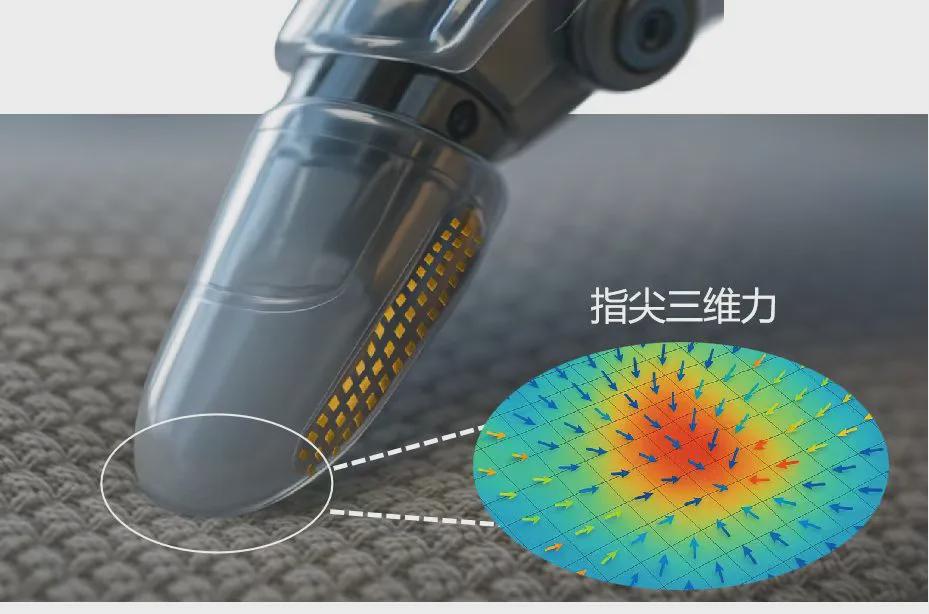
SUSTech Professor's Research on Tactile Sensing Leads to Major Orders for Robotics
In recent weeks, the tactile sensing sector has seen a surge in funding, with multiple startups announcing financing ranging from millions to hundreds of millions. This trend highlights the growing importance of tactile sensing in robotics, particularly as humanoid robots evolve from merely standing to performing tasks in precision manufacturing and assembly. The significance of tactile sensing lies in its ability to enhance robotic interactions with objects, addressing critical questions such as whether a cup has been grasped or if a part has slipped. According to Xiong Gengchao, CEO of Saigan Technology, while tactile feedback may not be essential for demonstrations, it becomes crucial for robots to integrate into factories and daily life. Saigan Technology, founded in June 2023 and rooted in research from SUSTech, has secured bulk orders for its tactile modules. The company plans to showcase its 3D force tactile modules and adaptive grasping solutions at the upcoming 2026 World Robot Conference, emphasizing the importance of material innovation in developing effective tactile sensing technologies.
Tactile Sensing Humanoid Robots Robotics Technology Automation Flexible Electronics
IIT Jammu Researchers Use Supercomputers to Explore Chaos in Dusty Plasma
Researchers at the Indian Institute of Technology (IIT) Jammu, in collaboration with IIT Kanpur, utilized supercomputer simulations to investigate the chaotic behavior in dusty plasma, a specialized state of matter. This study involved tracking millions of particles, shedding light on turbulence and potentially advancing research in nuclear fusion and astronomy. Understanding the microscopic roots of chaos in dusty plasma is crucial as it can hinder nuclear fusion reactors from achieving necessary temperatures for energy production. The researchers focused on two types of chaos: Kelvin-Helmholtz instability and Rayleigh-Taylor instability, which are significant in fluid dynamics. Their findings indicate that energy flow follows a mathematical pattern, and the stronger the coupling between dust particles, the slower the energy transfer process. The team employed the Large-scale Atomic/Molecular Massively Parallel Simulator (LAMMPS) to analyze the behavior of billions of particles, bridging the gap between microscopic particle physics and macroscopic fluid dynamics. Future research aims to conduct three-dimensional simulations to further explore these phenomena. The findings were published in the journal Philosophical Transactions A.
Science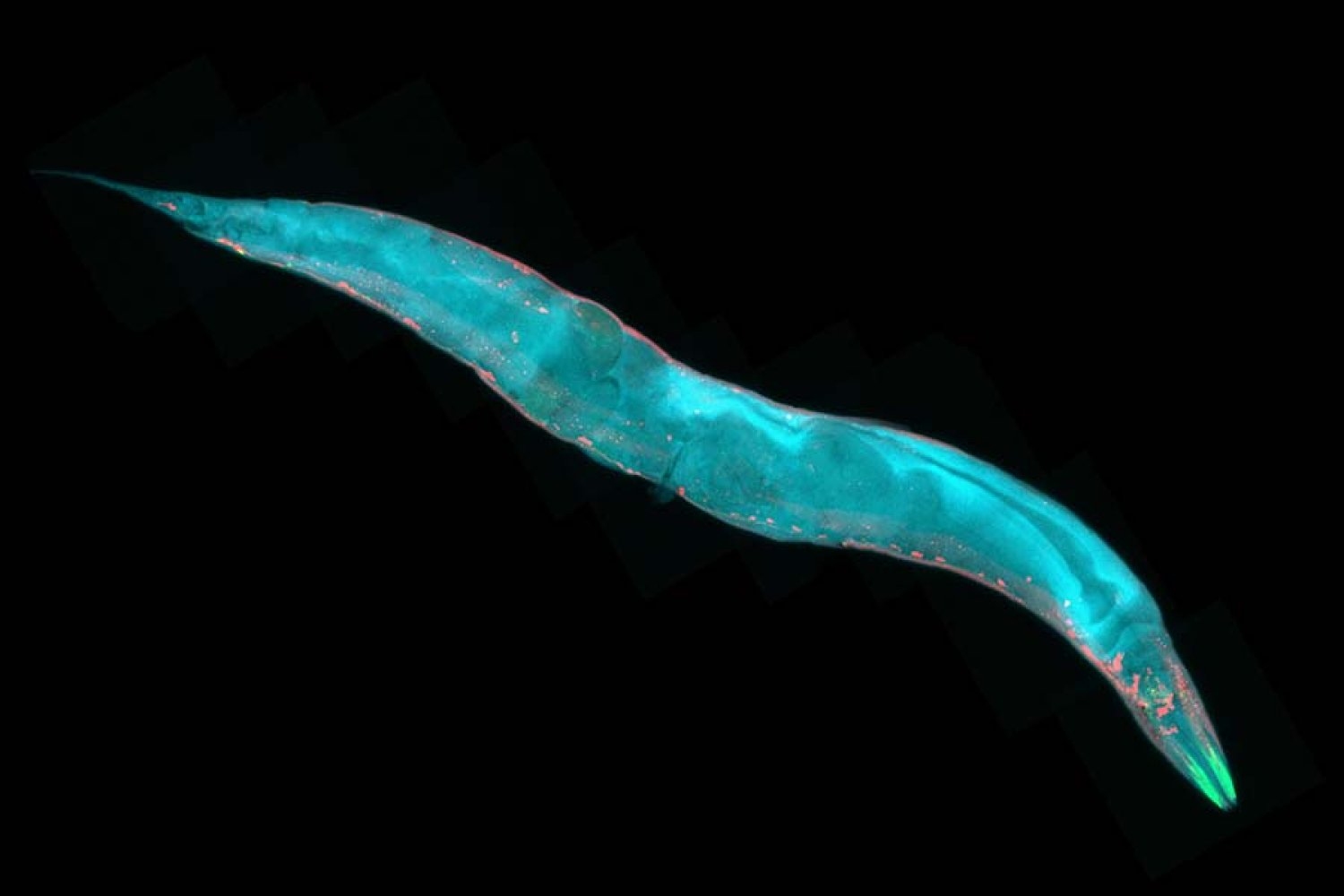
MIT Researchers Discover Cohesin's Role in Nervous System Development in C. elegans
Scientists at MIT, led by H. Robert Horvitz, have identified the critical role of a protein complex called cohesin in the development of neurons in C. elegans. Their research, published on July 31 in Science Advances, reveals that cohesin is essential for determining the identities of certain neurons as they develop. This discovery could have implications for understanding and treating Cornelia de Lange syndrome, a developmental disorder linked to mutations in the cohesin complex. The study highlights the significance of C. elegans as a model organism for neurodevelopment research, due to its simple nervous system and the retention of many genes through evolution. The researchers found that mutations affecting cohesin led to an overproduction of adrenergic neurons, which are crucial for the worms' responses to their environment. This finding builds on earlier observations and emphasizes the importance of cohesin in neuronal identity and function. Looking ahead, the research opens avenues for further exploration into the mechanisms by which cohesin influences neuron development. Understanding these processes could provide insights into human neurodevelopmental disorders and potential therapeutic strategies. No further timeline was disclosed at the time of publication.
Research Genetics DNA Cells Neuroscience Animals
Study on Cooperative Navigation Methods for Autonomous Underwater Vehicles in Terrain Mapping
A recent study published in the Journal of Field Robotics explores cooperative navigation methods for autonomous underwater vehicles (AUVs) in terrain mapping. The research focuses on enhancing the accuracy and efficiency of AUVs when mapping underwater environments through collaborative navigation techniques. This research is significant as it addresses the challenges faced by AUVs in accurately mapping complex underwater terrains. By improving navigation methods, the study aims to facilitate better data collection for various applications, including environmental monitoring, underwater exploration, and resource management. Looking ahead, the implications of this research could lead to advancements in AUV technology and its applications in marine research. No further timeline was disclosed at the time of publication.
RESEARCH ARTICLE
Autonomous Fruit Implements Demonstrated at Dutch Fruit Research Centre
Recent advancements in autonomous fruit implements were showcased at the Fruit Research Centre in Randwijk, Netherlands. This event highlighted the significant progress made in agricultural robotics, particularly in fruit growing, which is becoming increasingly vital for future-proofing agricultural businesses. The demonstration underscored the importance of robotization in enhancing productivity and sustainability in agriculture. As these technologies mature, they offer practical solutions to various challenges faced by fruit growers, making them more efficient and competitive in the market. Looking ahead, stakeholders in the agricultural sector should monitor the ongoing developments in autonomous farming technologies. The Experience Day served as a platform for addressing questions and concerns, indicating a growing interest in integrating these innovations into everyday farming practices. No further timeline was disclosed at the time of publication.
Uncategorized
Penn State Researchers Develop Low-Power DNA-Based Memory Device Using Perovskite Technology
Researchers at Penn State have developed a new memory device that utilizes synthetic DNA and perovskite semiconductors, achieving a significant reduction in power consumption. This bio-hybrid system, which operates with 100 times less energy than traditional storage devices, could revolutionize data processing by combining the storage capabilities of DNA with the electronic properties of perovskite. The innovation is particularly relevant as the demand for artificial intelligence (AI) and neuromorphic computing grows, necessitating efficient low-power devices that can handle complex data. The memristor created by the team can retain information even when power is removed, mimicking the functionality of neurons in the brain and enabling more sophisticated data processing. Looking ahead, the integration of DNA into electronic systems presents opportunities for advancements in memory technology. However, practical applications will require further development to ensure sufficient storage capacity and efficiency. No further timeline was disclosed at the time of publication.

Lam Research to Invest Over $3 Billion for 50% Expansion in Chip R&D Capacity
Lam Research, a Fortune 500 company, plans to invest over $3 billion in the next five years to enhance its global research and development laboratory network. This expansion aims to increase its experimental capacity by more than 50%, starting in 2026, to meet the growing demands of semiconductor manufacturers for new materials and processes. The significance of this investment lies in its potential to shorten product development cycles, which is crucial as chipmakers face the challenge of developing increasingly complex computing systems. Lam's laboratories currently support over one million experiments annually, and their integrated structure allows for continuous research and rapid sharing of discoveries across multiple locations. Looking ahead, the expansion will not only add infrastructure but also enhance technical capabilities, facilitating a faster transition of new technologies from research to semiconductor fabrication plants. No further timeline was disclosed at the time of publication.
AI and Robotics
China's Ambitious Plan for Lunar Research Station with Robotic Assistance by 2035
Researchers from the China Academy of Space Technology (CAST) have proposed a lunar exploration blueprint that integrates robotic dogs with astronauts. This plan aims to enhance efficiency in the harsh lunar environment, where relying solely on humans or robots is deemed ineffective. The envisioned team consists of three astronauts and two quadrupedal robots, working collaboratively to conduct reconnaissance and assess hazardous terrain. The significance of this proposal lies in its potential to address the challenges of lunar exploration. The astronauts will command the robotic dogs to scout the lunar surface and provide emotional support, helping to alleviate the psychological stress of isolation. According to the authors, this 'human-robot collaboration model' leverages the complementary strengths of both humans and robots, supporting the long-term efficient operation of a lunar base. However, implementing this ambitious vision poses significant challenges, including the lack of GPS and inadequate communication infrastructure on the Moon. Additionally, AI training data from Earth may not be fully applicable, necessitating higher levels of autonomous decision-making for the robotic dogs. While this remains a research proposal rather than a confirmed deployment plan, it clearly reflects China's strategic ambition to integrate robotics, autonomous decision-making, and lunar infrastructure development. By 2035, when Chinese astronauts land on the Moon, these tireless quadrupedal robots may be their first companions.
Lunar Exploration Robotics Space Technology AI Human-Robot Collaboration
ARX Robotics Demonstrates GEREON Uncrewed Ground Vehicles in US Army Trials
ARX Robotics UK has successfully showcased the capabilities of its GEREON uncrewed ground vehicles (UGVs) during Project Convergence-Capstone 6 (PC-C6). This event marks the largest experiment in the US Army's initiative to enhance land warfare capabilities. The successful demonstration is significant as it highlights the operational potential of GEREON UGVs in modern military applications. This aligns with the US Army's ongoing efforts to integrate advanced technologies into their land warfare strategies. Looking ahead, further developments in the integration of autonomous systems into military operations are expected. No further timeline was disclosed at the time of publication.
News
Researchers Introduce Milo, the First Fully Autonomous Robotic Guide Dog for the Visually Impaired
Researchers have unveiled Milo, the world’s first fully autonomous robotic guide dog, aimed at assisting blind and visually impaired individuals in navigating various environments. This AI-powered mobile robot serves as a cost-effective alternative to traditional guide dogs, which can be expensive and in limited supply. Milo can be produced for under $2,000, significantly increasing accessibility for those awaiting trained guide dogs. The significance of Milo lies in its ability to navigate unfamiliar locations without the need for pre-mapped environments, utilizing onboard artificial intelligence to identify paths and avoid obstacles. This capability is crucial for users who require reliable navigation assistance in diverse settings. The robot's navigation system, trained through reinforcement learning, allows it to adapt to different lighting and environmental conditions, enhancing its usability. Looking ahead, the open-source release of Milo, including its hardware designs and AI models, invites further research and development in the field. This initiative could lead to advancements in assistive technologies for the visually impaired, making navigation safer and more efficient. No further timeline was disclosed at the time of publication.
Health News accessibility artificial intelligence assistive robotics assistive technology
NVIDIA Engages in NSF's AI Hubs Program to Enhance AI Research and Education Nationwide
NVIDIA has joined the National Science Foundation's (NSF) State and Regional Artificial Intelligence Infrastructure Hubs program, which aims to enhance access to AI resources for research and education across the United States. This initiative will support collaborations among colleges and universities, bolstering the nation's AI ecosystem through shared resources and expertise. The program is significant as it addresses the need for advanced computing, data, and educational resources in AI, enabling institutions to accelerate scientific discovery and innovation. By fostering partnerships with private industry and local governments, the initiative aims to create pathways for institutions to engage in AI-enabled research and education, ultimately preparing students for careers in the AI economy. Looking ahead, the success of these regional hubs will depend on their ability to provide tailored resources that meet local needs and economic priorities. NVIDIA's involvement will also focus on developing educational pathways that equip students and professionals with the necessary skills to thrive in various sectors, including healthcare, manufacturing, and cybersecurity. No further timeline was disclosed at the time of publication.

International Researchers Develop Quantum Heat Engine Utilizing Anomalous Thermal Effects
A team of researchers from Qufu Normal University, the University of Hong Kong, and the University of Palermo has discovered an anomalous thermal effect that enables quantum systems to absorb heat from colder thermal reservoirs. This finding led to the development of a quantum heat engine capable of producing mechanical work and refrigeration simultaneously, challenging classical thermodynamic principles. The significance of this research lies in its potential applications across various technologies, including quantum processors and sensors. The quantum heat engine operates on the principle of Indefinite Causal Order (ICO), allowing for unusual heat flow that defies classical expectations. This breakthrough could pave the way for innovative quantum technologies that manipulate heat and energy in unprecedented ways. Looking ahead, researchers aim to explore more realistic implementations of their quantum heat engine beyond idealized thermodynamic cycles. Future studies will focus on the impact of finite-time operations on efficiency and power output, as understanding these trade-offs is crucial for practical applications. No further timeline was disclosed at the time of publication.
Science
MIT Researchers Selected for Funding in US Department of Energy’s Genesis Mission Phase I
MIT researchers have been chosen to participate in the U.S. Department of Energy’s Genesis Mission, with 15 collaborative projects receiving funding under Genesis Phase I. This national initiative aims to create a powerful integrated science discovery platform that leverages AI, supercomputing, and quantum systems to drive advancements in energy and scientific discovery. The Genesis Mission is significant as it fosters collaboration between universities, industry, and national laboratories, aligning research efforts with national priorities. Ian A. Waitz, MIT’s vice president for research, emphasized the importance of this initiative in catalyzing innovation for the benefit of both the nation and the world. Looking ahead, projects that demonstrate promising pathways for transformative capabilities may receive further funding from the DOE. Six projects will be led by MIT principal investigators, while MIT researchers will also contribute to nine additional projects led by other institutions, showcasing a robust collaborative effort in advancing scientific capabilities.
Funding Artificial intelligence Quantum computing Laboratory for Nuclear Science Plasma Science and Fusion Center Research Laboratory of Electronics
Manchester Researchers Redesign Human-Machine Relationships with Intelligent AI
Researchers in Manchester are investigating the evolution of intelligent machines, from the Ferranti Mark I to modern empathetic AI. Their focus is on how these machines can better understand human behavior, respond to social cues, and build trust in various environments such as workplaces, hospitals, and homes. This research is significant as it aims to enhance the interaction between humans and intelligent machines, fostering a more collaborative and trusting relationship. By improving how machines interpret and respond to human emotions and behaviors, the potential for effective integration into daily life increases, which is crucial for sectors like healthcare and automation. Looking ahead, the ongoing studies will likely reveal new insights into the design and functionality of AI systems. As researchers continue to explore these dynamics, the impact on technology adoption in various industries will be noteworthy. No further timeline was disclosed at the time of publication.
Robotics
Roboteon Enhances Fleet Management and Orchestration for Manufacturing Robots and AGVs
Roboteon has announced an expansion of its capabilities, providing a powerful software platform designed to orchestrate automated material flows in manufacturing environments. This platform aims to improve visibility, control, productivity, and throughput for manufacturers by acting as a digital nervous system. The significance of this development lies in Roboteon's position as a leading innovator in intelligent warehouse and manufacturing robotics software. By enabling the integration and synchronization of mobile robots and autonomous guided vehicles (AGVs), manufacturers can optimize their operations and enhance overall efficiency on the shop floor. Looking ahead, industry stakeholders should monitor how Roboteon's advancements in fleet management and orchestration will influence manufacturing processes and the adoption of automated solutions. No further timeline was disclosed at the time of publication.
Robotics needs a service framework.
RSF defines a common language for robot service capability, lifecycle operations, certification pathways, and service-provider networks.
Join the RobotToday community on LinkedIn
Daily robotics news, in-depth analysis, conference highlights, and discussions with professionals worldwide.







