

Industry Briefing
A single destination for timely, editor-curated robotics news from around the world.

Study on Cooperative Navigation Methods for Autonomous Underwater Vehicles in Terrain Mapping
A recent study published in the Journal of Field Robotics explores cooperative navigation methods for autonomous underwater vehicles (AUVs) in terrain mapping. The research focuses on enhancing the accuracy and efficiency of AUVs when mapping underwater environments through collaborative navigation techniques. This research is significant as it addresses the challenges faced by AUVs in accurately mapping complex underwater terrains. By improving navigation methods, the study aims to facilitate better data collection for various applications, including environmental monitoring, underwater exploration, and resource management. Looking ahead, the implications of this research could lead to advancements in AUV technology and its applications in marine research. No further timeline was disclosed at the time of publication.
RESEARCH ARTICLE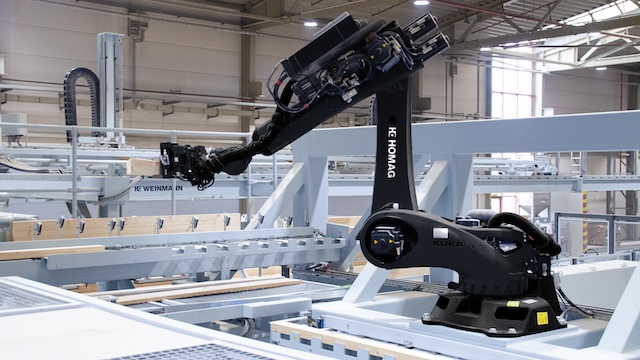
Current Disturbances Impacting Online Localization for Autonomous Underwater Vehicles
The Journal of Field Robotics has published an early view article discussing the challenges of online localization for autonomous underwater vehicles (AUVs) in the presence of current disturbances. This research highlights the difficulties faced by AUVs when global references are not available, which is crucial for their navigation and operational efficiency. Understanding how current disturbances affect AUV localization is significant as it directly impacts the effectiveness of underwater missions. Accurate localization is essential for various applications, including environmental monitoring, underwater exploration, and military operations. The findings from this study could lead to improved algorithms and technologies that enhance the reliability of AUVs in challenging underwater environments. Future research should focus on developing advanced localization techniques that can mitigate the effects of current disturbances on AUVs. As underwater exploration continues to grow, the demand for reliable AUV navigation systems will increase. No further timeline was disclosed at the time of publication.
RESEARCH ARTICLE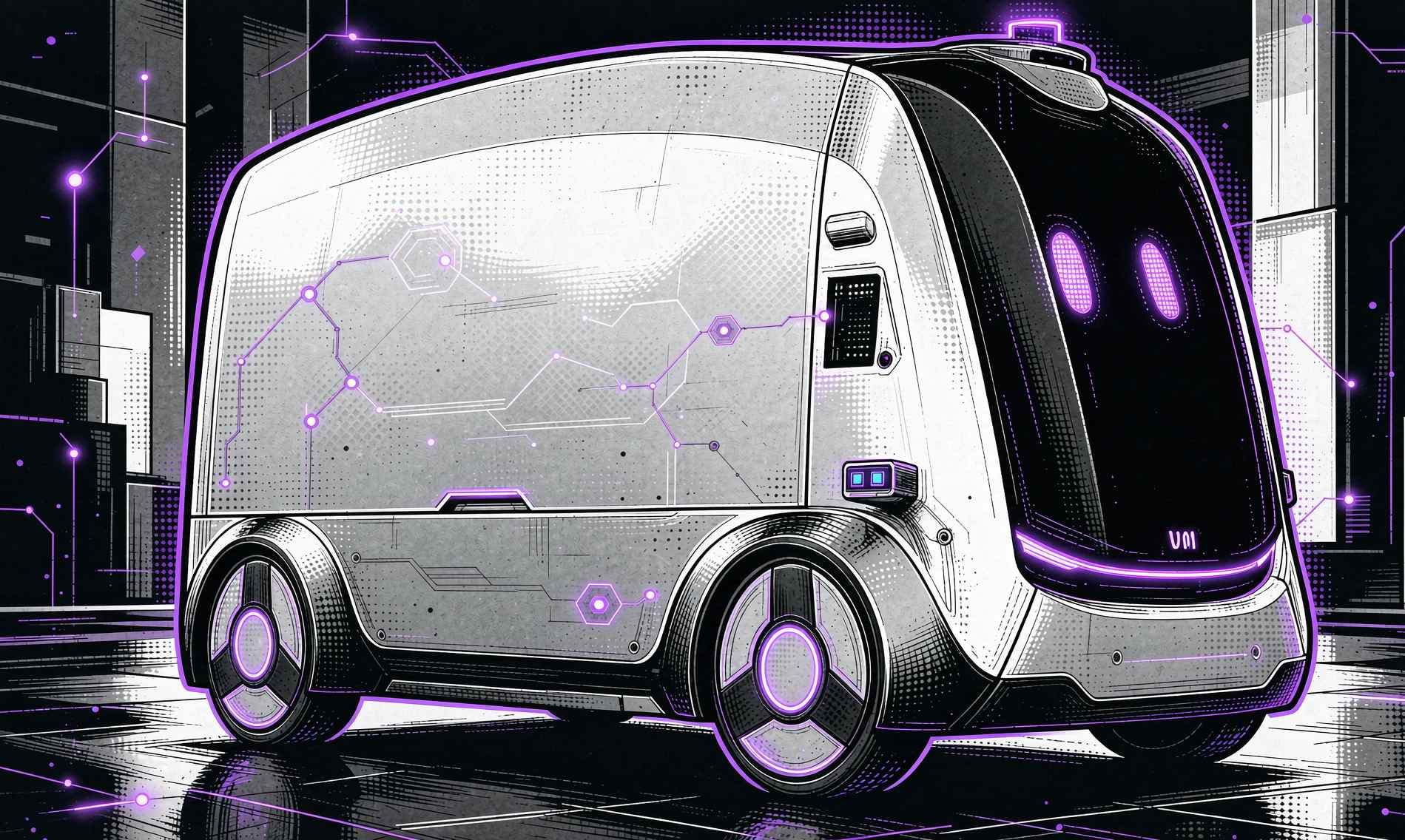
Jiushi Expands Its 30,000 Autonomous Vehicles into Urban Governance Applications
Jiushi has announced a strategic upgrade to its urban-level physical AI, aiming to extend its 'Jiushi Brain' capabilities beyond autonomous logistics vehicles. CEO Kong Qi emphasized that the company will leverage its extensive operational experience and data from over 30,000 vehicles, which have collectively traveled more than 250 million kilometers across 300 cities, to enhance urban governance scenarios. This shift is significant as Jiushi seeks to redefine its role in the autonomous vehicle industry, moving from a logistics-focused approach to utilizing its vehicles as a sensor network for urban management. By transforming data from real-world operations into actionable insights for city governance, Jiushi aims to address the complexities of urban environments while ensuring compliance and safety standards. Looking ahead, Jiushi's collaboration with GAC Aion to integrate L4 autonomous driving technology with commercial vehicle manufacturing could help overcome long-standing reliability issues in the industry. The success of this new direction will depend on Jiushi's ability to implement its technology in various cities, transitioning its vehicles from cargo transport to integral components of urban infrastructure.
Autonomous Vehicles Urban Governance AI Technology Data Analytics
Moove Secures $250 Million to Develop Infrastructure for Autonomous Vehicle Ecosystems
Moove has successfully raised $250 million in Series C funding, elevating its valuation to $2.1 billion. This capital will facilitate the expansion of its autonomous vehicle business, focusing on autonomous fleet ownership and the development of robotics-first depot infrastructure known as 'Nests.' These Nests will serve as operational hubs for charging, servicing, and maintaining autonomous fleets. The significance of this funding lies in Moove's vision of autonomous mobility as a critical component of future urban ecosystems. Co-founder Ladi Delano emphasized that the success of autonomous technology hinges on the establishment of robust infrastructure, including fleet management and operational systems. Moove aims to grow its workforce by over 220% by year-end, reflecting its commitment to scaling operations globally. Looking ahead, Moove's strategic partnerships and infrastructure development will be pivotal in shaping the future of autonomous transportation. The company is already operational in cities like Phoenix and Miami, with plans for expansion into London. No further timeline was disclosed at the time of publication.
Automotive Financial Investments Markets / Industries News Robots / Platforms
China Implements New Safety Regulations for Autonomous Vehicles by 2027
China has announced new safety regulations for autonomous vehicles, set to take effect on July 1, 2027. These rules will apply to both vehicles requiring a human backup driver and fully autonomous vehicles, such as those produced by Waymo. Key requirements include a mandatory deactivation override and ensuring that autonomous systems can match human driver safety standards. The introduction of these regulations is significant as it aims to standardize the interaction between humans and machines, thereby mitigating risks associated with misuse or abuse. Manufacturers will also be required to inform buyers about any limitations of the autonomous systems. The Ministry of Industry and Information Technology emphasized the importance of these rules in enhancing safety, especially following a fatal incident in 2025 involving a Xiaomi vehicle in assisted driving mode. Looking ahead, the enforcement of these regulations will likely intensify, particularly in light of safety concerns and the challenges associated with developing advanced autonomous systems. No further timeline was disclosed at the time of publication.
All News
NVIDIA Launches Alpamayo 2 Super for Commercial Use in Robotaxis and Autonomous Vehicles
NVIDIA has announced the commercial availability of Alpamayo 2 Super, a cutting-edge model designed for robotaxis and autonomous vehicles (AVs). This model addresses complex, rare scenarios that traditional systems struggle to handle, enabling AVs to reason about situations and make safe decisions in real time. The significance of Alpamayo 2 Super lies in its open commercial licensing and advanced multitask capabilities, which enhance the AV ecosystem. By being part of the Alpamayo family, it supports a variety of AV-relevant functions within a single foundation model, allowing developers to adapt it to their specific needs and driving policies. Looking ahead, the application of the OpenMDW license across the Alpamayo model family facilitates a seamless transition from adaptation to deployment for AV developers. This model not only provides high-level reasoning capabilities but also promotes a sustainable approach to scaling safe autonomy in commercial fleets, ensuring that developers can efficiently integrate advanced reasoning into their workflows.

Uber Partners with Over 30 Companies to Build Autonomous Vehicle Ecosystem
Uber has formed partnerships and made investments in more than 30 autonomous vehicle companies over the past two years, taking a global approach to its strategy. This marks a significant shift from its earlier attempts to develop its own autonomous vehicle technology, which faced setbacks due to legal issues and a tragic accident. The importance of these partnerships lies in Uber's renewed focus on autonomous vehicles after previously stepping back from its ambitious plans. The company has retained equity stakes in several firms, including Aurora, with which it has a multi-year collaboration aimed at enhancing logistics and launching a robotaxi program in Munich. Looking ahead, Uber's collaboration with Aurora is set to expand, with plans for self-driving trucks and robotaxis utilizing advanced AI systems. The details of the vehicle models remain undisclosed, but the integration of these technologies into Uber's platform will be crucial for its future in the autonomous vehicle market. No further timeline was disclosed at the time of publication.
TC Transportation Uber Exclusive autonomous vehicles wayve
Characterization of San Pedro Basin Dumpsite Seabed Using Autonomous Vehicle Observations
Recent observations from autonomous vehicles have led to a detailed characterization of the dumpsite seabed in the San Pedro Basin, California. This study, published in the Journal of Field Robotics, highlights the capabilities of autonomous vehicles in underwater exploration and environmental monitoring. The significance of this research lies in its potential applications for marine conservation and pollution assessment. By utilizing advanced autonomous technology, researchers can gather critical data on seabed conditions, which is essential for understanding the ecological impact of dumpsites in marine environments. Looking ahead, the continued use of autonomous vehicles in marine research may provide further insights into underwater ecosystems and inform future conservation efforts. No further timeline was disclosed at the time of publication.
RESEARCH ARTICLE
Coast Guard Seeks Effective Technology to Counter Unmanned Underwater Vehicles
The Coast Guard has announced its search for technology capable of defeating unmanned underwater vehicles (UUVs). According to a recent notice, there are currently limited solutions that have been tested and fielded to address this challenge. This initiative is significant as the rise of UUVs poses potential threats to maritime security and safety. The Coast Guard's efforts to find effective countermeasures highlight the urgency of addressing vulnerabilities in underwater operations and protecting critical assets. Looking ahead, the Coast Guard's ongoing search for viable technology solutions will be crucial in enhancing maritime defense capabilities. No further timeline was disclosed at the time of publication.
Naval Warfare coast guard Drones Navy Unmanned unmanned underwater vehicle
HII Successfully Demonstrates Sea Launcher, Ship-Based Automated Launch and Recovery of REMUS Autonomous Underwater Vehicle
HII, a leading manufacturer of autonomous underwater unmanned vehicles, announced the successful shipboard deployment and recovery of a REMUS autonomous underwater vehicle. This achievement was made possible through the use of the company’s automated launch and recovery system, known as Sea Launcher. The event highlights HII's advancements in underwater technology and its commitment to enhancing operational capabilities in marine environments.
hii sea launcher ship-based automated launch and recovery remus autonomous underwater vehicle
TLD Robotics Established Following Alvest's Acquisition of EasyMile to Enhance Autonomous Operations
TLD Robotics has officially launched as a subsidiary of Alvest, integrating EasyMile, TractEasy, and TLD’s driverless operations. This move follows Alvest's acquisition of EasyMile, a leader in autonomous technology, and signifies a strategic consolidation in the autonomous vehicle sector. The formation of TLD Robotics is significant as it combines autonomous software capabilities with industrial vehicle expertise, aiming to streamline deployment and enhance customer support. This integrated approach is expected to strengthen Alvest's position in the growing market for autonomous ground operations. Looking ahead, TLD Robotics is poised to leverage its combined resources to advance its offerings in autonomous vehicle technology. No further timeline was disclosed at the time of publication.
Infrastructure News Transportation airport automation alvest autonomous ground vehicles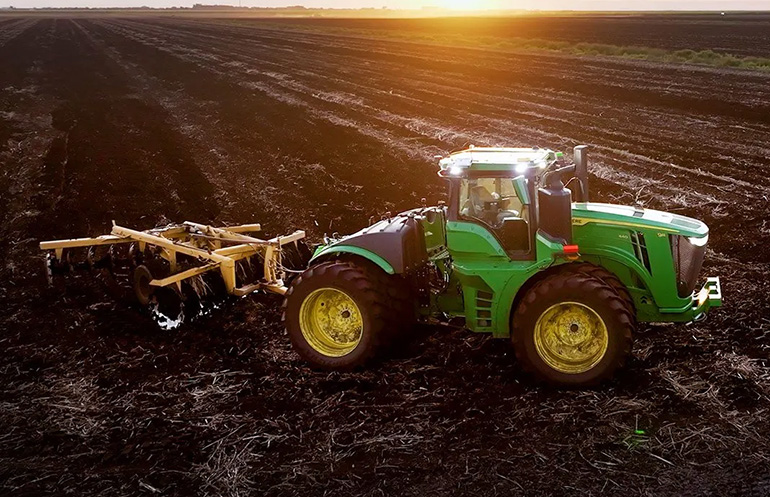
ASI Deploys Largest Autonomous Vehicle Fleet in American Sugarcane Farming
Autonomous Solutions Inc. (ASI), in collaboration with U.S. Sugar Corp. and Everglades Equipment Group, has launched the largest fleet of autonomous tractors in American sugarcane farming across South Florida. This deployment spans hundreds of thousands of acres and represents a significant operational shift in agriculture, moving beyond pilot projects to full-scale implementation. The initiative is crucial as American farmers face challenges such as a shrinking workforce, rising costs, and unpredictable weather patterns. ASI's Mobius platform has already facilitated extensive autonomous operations, demonstrating that the technology is ready to meet the demands of modern farming. U.S. Sugar, a key partner in this venture, manages 255,000 acres and emphasizes the importance of innovation in maintaining agricultural productivity. Looking ahead, the collaboration between ASI, U.S. Sugar, and Everglades Equipment Group aims to address labor shortages and enhance operational efficiency. As weather events increasingly threaten crops, the ability to deploy autonomous solutions becomes vital in ensuring the continuity of agricultural work, mitigating economic losses, and supporting the food supply chain.
Agriculture Mobility / Navigation News Opinion Self-Driving Vehicles asi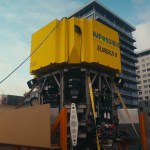
Impossible Metals' Eureka II Autonomous Robot Successfully Recovers from Ocean Without Human Help
Impossible Metals has demonstrated its Eureka II autonomous underwater vehicle's ability to autonomously locate and recover itself from the ocean. This significant achievement occurred during an offshore test in Halifax, Nova Scotia, showcasing the robot's advanced capabilities without human intervention. The importance of this technology lies in its potential to simplify underwater operations for commercial use. According to Jason Gilham, Impossible Metals' chief technology officer, reliable autonomous recovery is crucial for scaling subsea platforms in real ocean conditions, as traditional recovery methods can be challenging and labor-intensive. Looking ahead, the Eureka II's successful demonstration highlights the growing interest in autonomous underwater vehicles amid rising demand for critical minerals and ocean data. No further timeline was disclosed at the time of publication.
AI and Robotics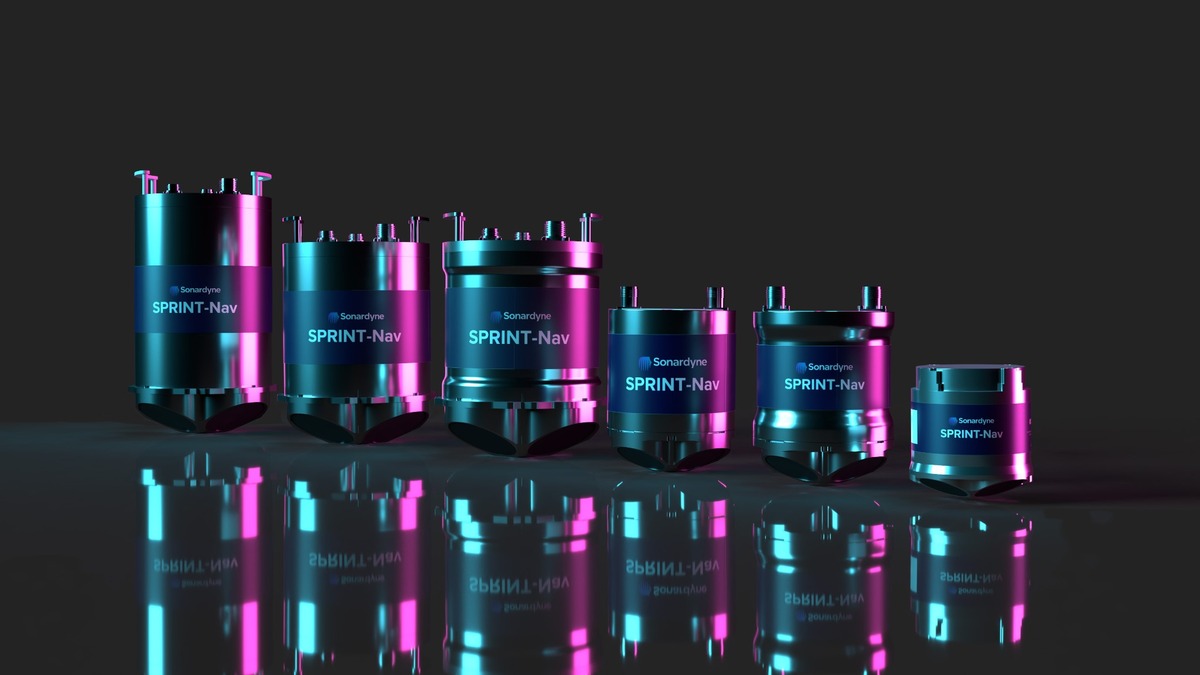
Sonardyne Expands SPRINT-Nav Family for Enhanced Underwater Navigation Across Vehicle Classes
Sonardyne, a Kraken Robotics company, has broadened its SPRINT-Nav technology into a comprehensive family of underwater navigation systems designed for various marine robots. This expansion allows for improved performance in smaller vehicles and extends the operational range of larger platforms, ensuring that all classes of underwater vehicles can benefit from a unified navigation approach. The significance of this development lies in its ability to meet the increasing demands of marine robotics teams, which require reliable navigation for diverse applications such as asset inspection and autonomous missions. The SPRINT-Nav family maintains a shared architecture, enabling seamless integration and operation across different vehicle types, thus simplifying the navigation setup process. Looking ahead, the SPRINT-Nav family is poised to enhance operational efficiency for marine robotics manufacturers and operators. With the ability to easily swap navigation solutions as mission requirements evolve, users can expect improved adaptability and performance. No further timeline was disclosed at the time of publication.
kraken robotics sonardyne sprint-nav subsea vehicles
US Army Contracts Stratom to Develop TALUS for Autonomous Logistics in High-Risk Areas
The US Army has awarded a contract to a consortium led by Stratom to develop the Tactical Autonomous Logistics Utility System (TALUS), an autonomous logistics platform aimed at resupplying troops in dispersed and high-risk environments. This modular system is designed to enhance military operations where traditional supply chains may falter, ensuring that critical supplies and operational energy reach distributed forces. Stratom's president and CEO, Mark Gordon, emphasized that TALUS is a response to the Army's Project Sustainment requirements, integrating various technologies into a cohesive logistics solution. As military operations evolve to increasingly contested battlefields, TALUS aims to reduce soldier exposure during supply missions while improving the resilience of military sustainment networks. The TALUS team includes several defense tech companies, each contributing unique capabilities in autonomy, vehicle platforms, and systems engineering. The system is expected to autonomously transport supplies and support various mission payloads, providing the Army with a robust logistics capability that adapts to complex operational environments. No further timeline was disclosed at the time of publication.
Military
Raytheon and CET Showcase HADALUS Underwater Launch Capability After 18 Months of Development
Raytheon and Composite Energy Technologies (CET) have successfully demonstrated the underwater launch capability of the HADALUS unmanned undersea vehicle (UUV) during a recent U.S. Navy exercise. This marks a significant milestone as it is the first time the Navy has observed this integrated capability in action beneath the ocean surface. The successful demonstration is crucial as it could enhance the U.S. Navy's operational flexibility with long-endurance autonomous underwater vehicles. The HADALUS can now conduct missions that integrate sensing, target reacquisition, and engagement, all while submerged, which presents unique engineering challenges compared to surface-launched systems. Looking ahead, the HADALUS's design allows for extended underwater operations without the need for a surface ship, aligning with the U.S. defense strategy towards distributed unmanned systems. No further timeline was disclosed at the time of publication.
Military
Dubai Future Foundation and Oxa Launch SHIFFT for Autonomous Logistics at Ports and Airports
Dubai Future Foundation (DFF) and Oxa have unveiled SHIFFT, a joint venture aimed at establishing Dubai as a leader in autonomous logistics. This initiative will integrate self-driving technology into a comprehensive logistics solution, enhancing productivity and safety in operations at ports and airports. The significance of SHIFFT lies in its potential to transform Dubai's logistics sector, contributing to the city's goal of doubling foreign trade volume by 2033. By deploying Oxa's advanced self-driving software and fleet management systems, SHIFFT aims to improve operational resilience and efficiency, aligning with Dubai's Research, Development, and Innovation (RDI) Programme. Looking ahead, SHIFFT plans to initiate its first scalable commercial deployment in Dubai by the end of 2027. This venture not only promotes autonomous mobility but also seeks to create high-tech jobs and bolster Dubai's position as a regional hub for research and development in logistics.
Autonomous Vehicles News airports autonomous logistics autonomous mobility autonomous vehicles
Atlas Energy to Increase Kodiak-Powered Autonomous Truck Fleet to 100 by Mid-2027
Atlas Energy Solutions is expanding its autonomous truck operations in the Permian Basin, enhancing its oilfield logistics through digital transformation. Collaborating with Kodiak AI, Atlas will increase its driverless proppant delivery program to a second load-out point along its Dune Express sand conveyor system, boosting delivery capabilities and meeting rising customer demand. This expansion is significant as it will grow Atlas's fleet from 28 autonomous trucks as of March 31, 2026, to 100 by mid-2027, with plans to operate on public roads by early 2027. John Turner, CEO of Atlas Energy Solutions, emphasized that this partnership is vital for transforming oilfield sand logistics, aiming to improve efficiency and reduce operational risks for customers. Looking ahead, Atlas's autonomous program has steadily scaled since its initial deployments in 2024. The company has already completed approximately 7,000 loads, hauling over 450,000 tons of sand. The upcoming milestones will depend on regulatory and operational developments as Atlas continues to enhance its service area across Texas and New Mexico.
Autonomous Vehicles Energy News artificial intelligence atlas energy solutions autonomous driving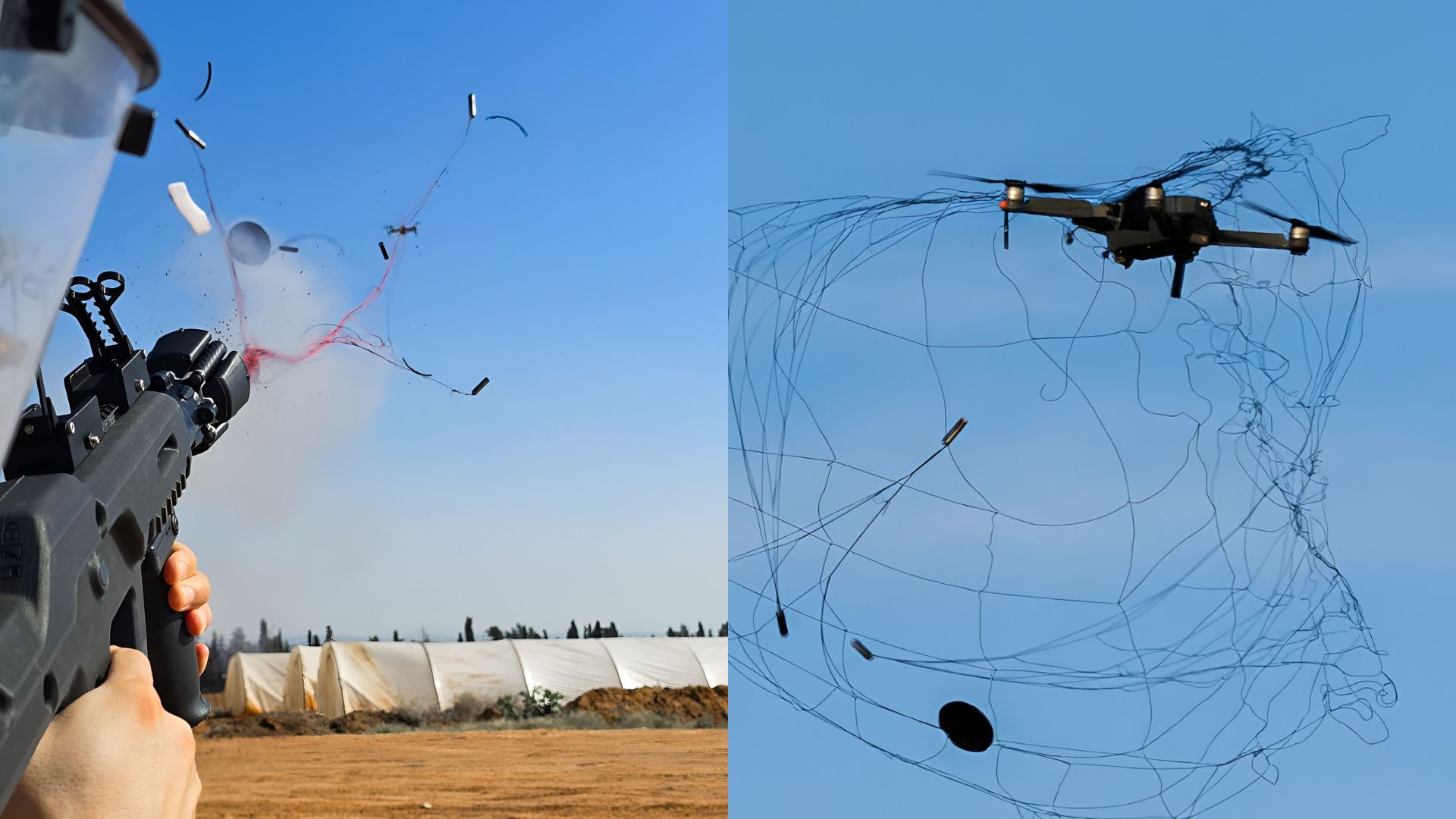
ParaZero Technologies Launches DefendAir for Autonomous Drone Interception in Military Applications
ParaZero Technologies has introduced its DefendAir platform, designed to intercept first-person view (FPV) drones autonomously before they can strike military vehicles. This system utilizes a non-explosive net-based interception method, creating a 360-degree defensive envelope around assets. The platform aims to enhance protection for both moving and stationary high-value military targets without the weight penalties of traditional armor. The rise of low-cost FPV drones has prompted militaries to seek effective countermeasures, as these drones have proven capable of damaging expensive military equipment. ParaZero's DefendAir addresses the limitations of conventional protective measures, such as steel cages, by offering a more agile and responsive solution. The system's ability to detect and neutralize threats rapidly is crucial for modern battlefield scenarios, where speed and precision are paramount. ParaZero is currently collaborating with Tier-1 defense companies to refine the DefendAir technology for operational requirements. While the company has not disclosed specific partners or a timeline for deployment, the focus on active counter-drone systems reflects a broader trend in military strategy, emphasizing the need for innovative solutions to counter evolving aerial threats. No further timeline was disclosed at the time of publication.
Military
Open‐Set Fault Diagnosis for Autonomous Underwater Vehicles Via Prototype Learning and Adaptive Mahalanobis Gating
The Journal of Field Robotics has recently published an early view article highlighting advancements in robotic technology. Researchers from various institutions collaborated to explore innovative applications of robotics in field environments. This study, released in October 2023, emphasizes the growing importance of robotics in enhancing efficiency and safety in agricultural and industrial settings. The motivation behind this research stems from the increasing demand for automation to address labor shortages and improve productivity. The team employed a combination of field tests and simulations to demonstrate the effectiveness of their robotic solutions, showcasing how these technologies can adapt to diverse tasks and terrains. The findings aim to inform future developments in robotic systems, ultimately contributing to more sustainable practices in various sectors.
RESEARCH ARTICLE
A Vision‐Guided Docking Method for Autonomous Underwater Vehicle From Ice Hole
A recent study published in the Journal of Field Robotics highlights advancements in autonomous robotic systems designed for agricultural applications. Researchers from a leading university conducted experiments to evaluate the efficiency of these robots in crop monitoring and management. The study, released in early October 2023, took place in various agricultural settings across the Midwest. The motivation behind this research stems from the increasing need for sustainable farming practices amid rising global food demands. By integrating advanced robotics and artificial intelligence, the team aimed to enhance productivity while minimizing environmental impact. The robots utilized cutting-edge sensors and machine learning algorithms to collect and analyze data on crop health, soil conditions, and pest activity. Through a series of field trials, the researchers demonstrated that these autonomous systems could significantly reduce labor costs and improve yield predictions. The findings suggest that the implementation of such technology could revolutionize traditional farming methods, making them more efficient and environmentally friendly. This study not only underscores the potential of robotics in agriculture but also paves the way for further innovations that could address the challenges faced by the agricultural sector in the coming years.
RESEARCH ARTICLE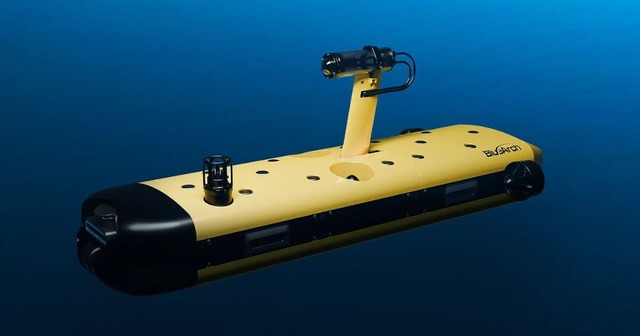
BlueArch develops and sells "HATTORI Neo," a compact autonomous underwater vehicle with edge AI.
BlueArch Corporation has been established to develop and manufacture domestically produced autonomous underwater vehicles (AUVs) and underwater robots (UUVs). This initiative aims to enhance Japan's capabilities in underwater exploration and technology, responding to the growing demand for advanced marine solutions. The company focuses on leveraging innovative engineering and technology to create efficient and reliable underwater systems. The establishment of BlueArch marks a significant step in the country's efforts to strengthen its maritime industry and promote research and development in underwater robotics.
Six‐Dimensional Digital Twin System for Autonomous Underwater Vehicles: Conceptualization and Twin Experiments
The Journal of Field Robotics has published a new early view article highlighting advancements in robotic technology. The research, conducted by a team of engineers and scientists, focuses on enhancing the capabilities of autonomous robots in complex environments. This study, released in October 2023, aims to address the growing demand for improved robotic systems in various applications, including agriculture, search and rescue, and industrial automation. The researchers employed innovative algorithms and machine learning techniques to enable robots to navigate and operate more effectively in unpredictable settings. By simulating real-world scenarios, the team was able to test the robots' performance and adaptability, showcasing significant improvements over previous models. This development comes at a crucial time as industries increasingly rely on automation to boost efficiency and safety. The findings are expected to influence future designs and applications of robotic systems, ultimately contributing to the evolution of the field. The research underscores the importance of interdisciplinary collaboration in advancing technology and meeting the challenges posed by complex operational environments.
RESEARCH ARTICLE
Collaborative Sampling and Imaging of Phytoplankton Communities by Two Long‐Range Autonomous Underwater Vehicles Using Acoustic Tracking and Messaging
In May 2026, researchers published a study in the Journal of Field Robotics, detailing advancements in robotic technology aimed at enhancing agricultural efficiency. This research, conducted by a team of engineers and agricultural scientists, focuses on the development of autonomous robots capable of performing various farming tasks, such as planting, monitoring crop health, and harvesting. The study highlights the pressing need for innovative solutions in agriculture, driven by the increasing global population and the corresponding demand for food production. By integrating advanced sensors and artificial intelligence, these robots can operate independently, reducing the reliance on manual labor and improving productivity. The research was conducted in various agricultural settings, showcasing the robots' adaptability to different environments and crop types. The findings suggest that implementing such robotic systems could lead to significant cost savings and increased yield for farmers, ultimately contributing to food security. The team employed a combination of field trials and simulations to validate the robots' effectiveness, demonstrating their ability to navigate complex terrains and perform tasks with precision. This breakthrough could revolutionize the agricultural sector, offering a sustainable approach to meet future food demands while minimizing environmental impact.
RESEARCH ARTICLE
A Review on Path Planning for Autonomous Underwater Vehicles: From Models, Classical Methods, and Learning‐Based Intelligence Perspectives
In a recent study published in the Journal of Field Robotics, researchers explored advancements in robotic technologies aimed at enhancing agricultural efficiency. The findings, released in May 2026, highlight innovative methods for deploying autonomous robots in farming environments to improve crop management and yield. Conducted by a team of experts in robotics and agriculture, the research took place in various agricultural settings, focusing on the integration of artificial intelligence and machine learning to optimize planting, monitoring, and harvesting processes. The motivation behind this initiative stems from the growing need for sustainable farming practices and the increasing global demand for food production. By utilizing advanced robotics, the study aims to address labor shortages and reduce environmental impacts associated with traditional farming methods. The researchers conducted extensive field trials to assess the effectiveness of these robotic systems, demonstrating significant improvements in efficiency and productivity. This work not only contributes to the field of robotics but also offers practical solutions for the agricultural sector facing modern challenges.
SURVEY ARTICLE
Dynamic State Feedback Control of Autonomous Underwater Vehicles Based on Switching Between Multiple Heading Movement Models
In May 2026, researchers published a significant study in the Journal of Field Robotics, detailing advancements in robotic technology. The study, appearing in Volume 43, Issue 3, pages 1679-1692, highlights innovative methodologies for enhancing robotic navigation and autonomy in complex environments. Conducted by a team of experts in robotics and artificial intelligence, the research aims to address the growing demand for efficient and reliable robotic systems in various industries, including agriculture, manufacturing, and disaster response. The motivation behind this research stems from the increasing reliance on robotics in everyday applications and the need for these systems to operate effectively in unpredictable settings. By employing advanced algorithms and machine learning techniques, the researchers demonstrated how robots can improve their decision-making processes and adapt to changing conditions in real-time. The findings are expected to have a profound impact on the future development of autonomous robots, paving the way for more sophisticated applications that can enhance productivity and safety across multiple sectors. As the field of robotics continues to evolve, this study represents a crucial step toward achieving greater autonomy and efficiency in robotic systems.
RESEARCH ARTICLE
UK Royal Navy Awards Teledyne Contract for Autonomous Underwater Vehicles and Floats
Teledyne Marine, a division of Technologies Incorporated, has secured a contract with the UK Ministry of Defence to enhance the Royal Navy's oceanographic and environmental data collection capabilities. This partnership supports the Royal Navy's Future Maritime Data Gathering initiative, aimed at improving persistent oceanographic data collection. The contract underscores the UK's commitment to advancing its maritime research and operational effectiveness.
uk royal navy contract award teledyne autonomous underwater vehicles (auv) floats
Cellula Robotics USA Inc. Selected to Deliver Autonomous Underwater Vehicle Prototype Under the CAMP Defense Innovation Unit Project
Cellula Robotics USA Inc. has announced its involvement in the development of a long-endurance Autonomous Underwater Vehicle (AUV) following a contract awarded by the Defence Innovation Unit (DIU). This initiative is part of the Combat Autonomous Maritime Platform (CAMP) program, aimed at enhancing national defense capabilities. The collaboration underscores Cellula's dedication to providing reliable solutions for defense while emphasizing the importance of strategic partnerships that integrate commercial innovation with military requirements.
cellula robotics usa autonomous underwater vehicle prototype camp defense innovation unit (diu)
Enhanced Unscented Kalman Filter With Time‐Varying Attenuation Factor for Cross‐Domain Unmanned Surface Vehicle/Autonomous Underwater Vehicle Tracking Using Time‐Direction of Arrival Measurements
The Journal of Field Robotics has recently published an early view article highlighting advancements in robotic technology. This publication, which became available in October 2023, focuses on innovative applications of robotics in various fields, including agriculture, search and rescue, and environmental monitoring. Researchers and engineers are increasingly motivated to enhance robotic capabilities to address complex challenges and improve efficiency in these sectors. The article outlines the methodologies employed in developing these advanced robotic systems, emphasizing the integration of artificial intelligence and machine learning. By showcasing successful case studies and ongoing projects, the journal aims to inform and inspire further research and collaboration within the robotics community.
RESEARCH ARTICLE
Autonomous Underwater Vehicles Key Components Fault Diagnosis Method Based on Multisource Information Multilevel Fusion With Fault Feature Exchange
The Journal of Field Robotics has published new research highlighting advancements in robotic technology aimed at enhancing field operations. This study, released in early October 2023, focuses on the integration of artificial intelligence and machine learning to improve the efficiency and accuracy of robotic systems in agricultural settings. Conducted by a team of researchers from various institutions, the work demonstrates how these innovations can lead to better crop management and resource allocation. The research was carried out in various agricultural environments, showcasing the robots' ability to adapt to different terrains and conditions. By employing sophisticated algorithms, the robots can analyze data in real-time, allowing for timely interventions that can significantly boost yields and reduce waste. The motivation behind this study stems from the growing need for sustainable farming practices amid increasing global food demand. By leveraging advanced robotics, the researchers aim to address challenges such as labor shortages and environmental impacts associated with traditional farming methods. The findings suggest that the application of these technologies could revolutionize the agricultural industry, making it more efficient and environmentally friendly. As the field of robotics continues to evolve, this research underscores the potential for robotic systems to play a crucial role in modern agriculture, paving the way for future innovations that could further transform how food is produced and managed.
RESEARCH ARTICLE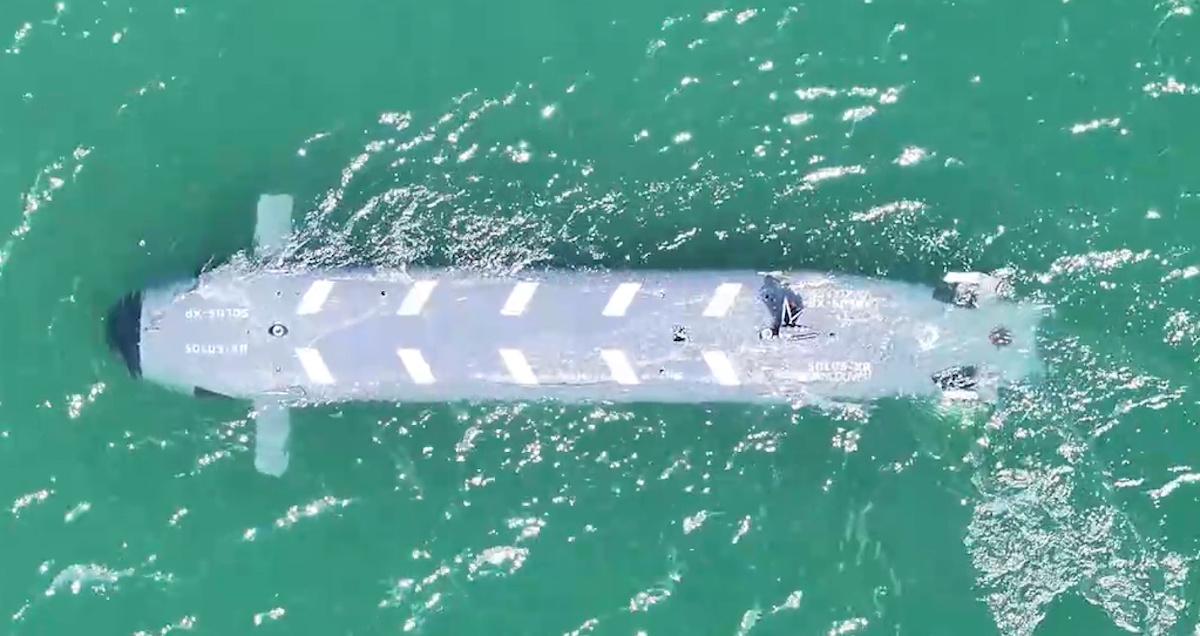
Cellula Robotics Announces Guardian Autonomous Underwater Vehicle Sale
Cellula Robotics Ltd. has announced the successful sale of a GUARDIAN Autonomous Underwater Vehicle (AUV) to a confidential defense customer. This transaction underscores the growing demand for advanced underwater technology in defense applications. The deal reflects Cellula Robotics' commitment to providing innovative solutions tailored to the needs of its clients in the defense sector. The specifics of the transaction, including the value and delivery timeline, remain undisclosed due to the customer's confidentiality requirements. This sale marks a significant milestone for Cellula Robotics as it continues to expand its presence in the defense market, leveraging its expertise in underwater robotics to meet the evolving challenges faced by defense organizations.
cellula robotics guardian autonomous underwater vehicle (auv) sale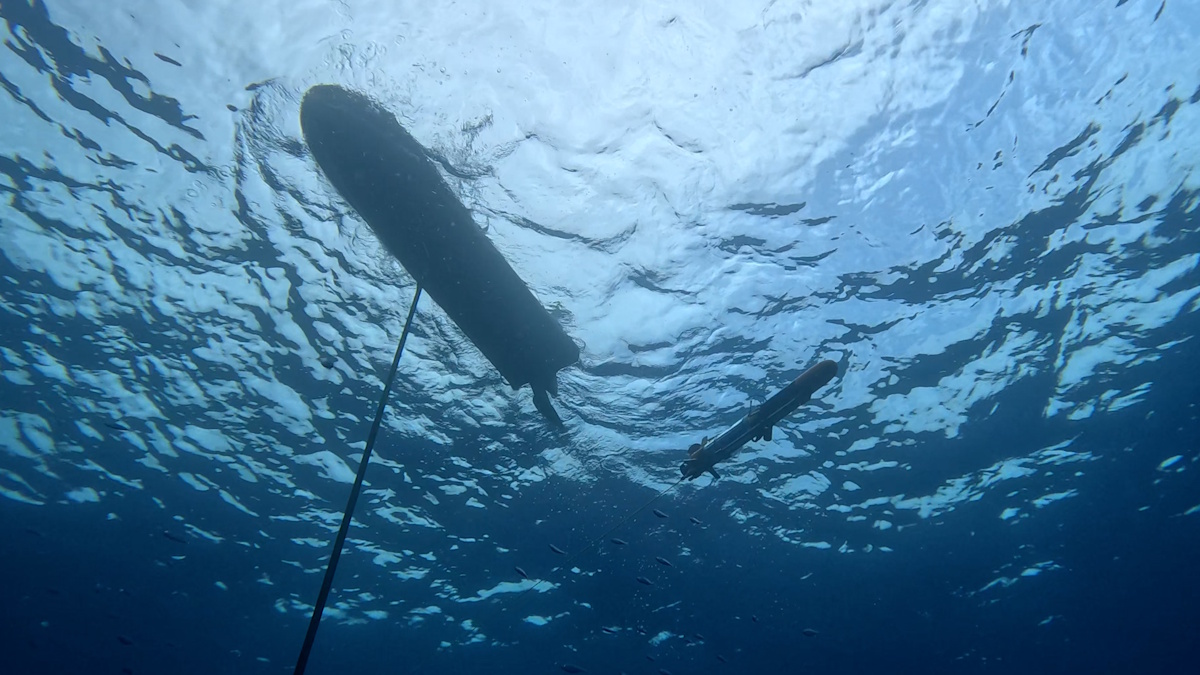
Liquid Robotics and Hydronet Sign MOU to Advance Undersea Mesh Networking for Maritime and Underwater Autonomous Vehicles
Liquid Robotics, a subsidiary of Boeing, has partnered with Massachusetts-based deep tech start-up Hydronet to enhance and commercialize underwater mesh networking technologies. This collaboration aims to improve connectivity for maritime and underwater autonomous vehicles. The two companies have formalized their commitment through a Memorandum of Understanding (MOU), signaling a strategic move to leverage their respective expertise in advancing this innovative technology. The partnership is expected to facilitate more efficient communication and data sharing among autonomous systems operating in underwater environments, ultimately enhancing operational capabilities in various maritime applications.
liquid robotics hydronet mou undersea mesh networking underwater autonomous vehicles auv
Kongsberg Discovery Starts Production of Autonomous Underwater Vehicles in the U.S.
Kongsberg Discovery has announced the commencement of production for its HUGIN autonomous underwater vehicle in the United States. This strategic move, made in response to the increasing demand for advanced subsea technology in the U.S. market, underscores the company's commitment to enhancing its presence in the region. By establishing local production, Kongsberg aims to better serve its clients and capitalize on the growing opportunities within the subsea sector. The decision reflects a broader trend of companies investing in domestic manufacturing to meet specific market needs and improve operational efficiency.
kongsberg discovery hugin auv
HII Tops 700 REMUS Uncrewed Underwater Vehicles Sold
HII, the largest shipbuilder in the United States and a prominent provider of all-domain technologies and solutions, has achieved a significant milestone by selling over 700 REMUS uncrewed underwater vehicles (UUVs) to customers worldwide. This accomplishment not only underscores HII's dominance in the market but also enhances its reputation as the leading producer of these advanced underwater systems. The sales reflect a growing demand for innovative undersea technology, positioning HII at the forefront of the industry as it continues to expand its global footprint.
hii remus uncrewed underwater vehicles (uuv)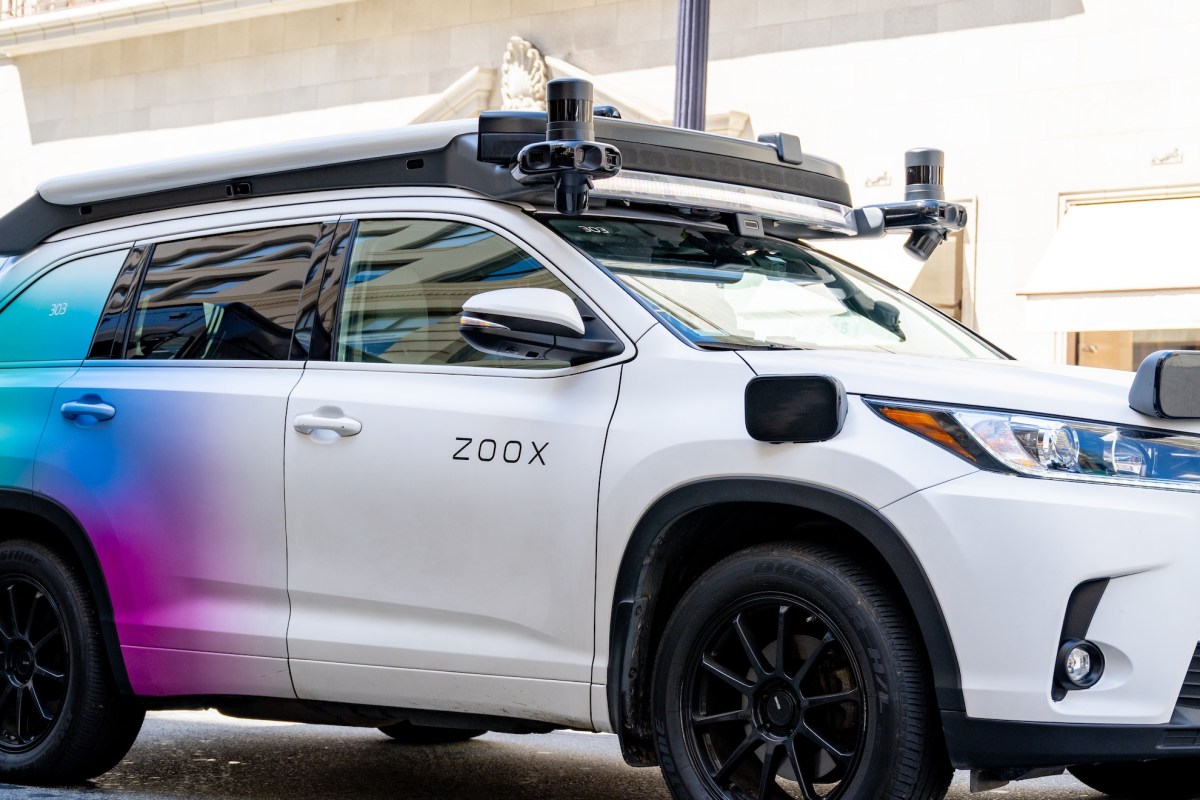
Zoox Halts Atlanta Autonomous Vehicle Testing After Worker Gas Exposure Reports
Zoox has suspended its autonomous vehicle test fleet in Atlanta following reports of potential gas exposure among safety drivers. Workers experienced symptoms consistent with exposure to carbon monoxide, carbon dioxide, or hydrogen sulfide, prompting one employee to file a complaint with the Occupational Safety and Health Administration (OSHA). The agency has since opened an inquiry into the matter. The situation is significant as it raises concerns about worker safety amid Zoox's rapid expansion into new cities, including Las Vegas and San Francisco. Reports indicate that as many as 40 workers may have been exposed to toxic gases, although Zoox claims the number is lower. The incidents have led to increased scrutiny of safety protocols, especially as the company aims to compete with market leader Waymo. Moving forward, it will be important to monitor Zoox's investigation results and the implementation of new safety measures, including the addition of CO2 monitors in vehicles. OSHA has closed its inquiry, but the implications of these incidents on Zoox's operations and reputation in the autonomous vehicle sector remain to be seen.
Transportation autonomous vehicles avs Exclusive robotaxis zoox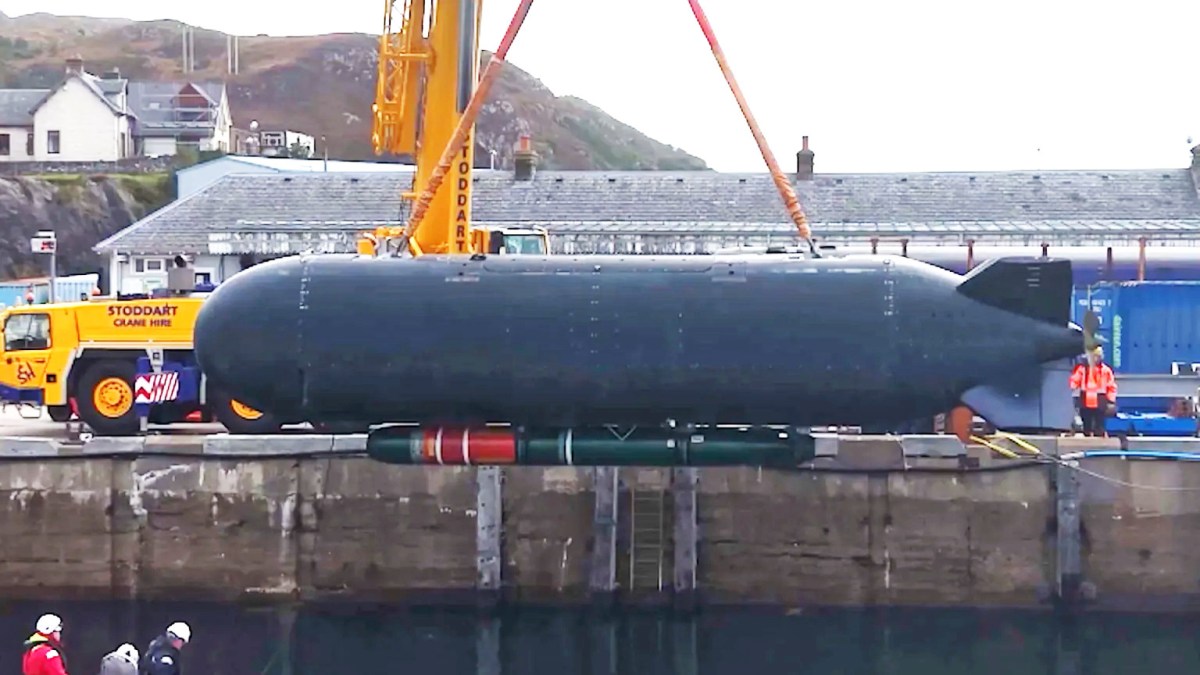
U.S. and U.K. Conduct First Torpedo Launch from Uncrewed Underwater Vehicle
A British Excalibur uncrewed underwater vehicle successfully fired a U.S. Mk 48 heavyweight torpedo on September 13, marking a historic first for both the U.S. Navy and the Royal Navy. This proof-of-concept test was conducted at the British Underwater Test & Evaluation Center in Scotland, showcasing advancements in armed UUV capabilities. The significance of this test lies in its potential to enhance operational fleets of armed uncrewed underwater vehicles for both nations. The test was part of the AUKUS defense cooperation agreement, specifically under Pillar 2, which focuses on advanced technology collaboration, particularly in uncrewed platforms and autonomy. Looking ahead, the successful integration of the Mk 48 torpedo onto the Excalibur UUV opens new avenues for undersea warfare. Future developments may lead to fleets of UUVs capable of offensive operations, providing allied forces with enhanced lethality and operational flexibility in maritime environments. No further timeline was disclosed at the time of publication.
Sea Drones Navies News & Features Royal Navy U.S. Navy
Uber Announces 10% Workforce Reduction to Support $10 Billion Autonomous Vehicle Investment
On September 2, Uber Technologies, Inc. revealed plans to reduce its global corporate workforce by approximately 10%, equating to about 3,300 employees. This marks the company's largest layoffs since the pandemic, aimed at simplifying operations and reallocating resources to invest in autonomous vehicles, with a commitment of over $10 billion in the coming years. The restructuring is significant as it reflects Uber's strategy to enhance operational efficiency and address organizational complexity. CEO Dara Khosrowshahi emphasized that the layoffs are not a reaction to declining demand but rather a proactive measure to streamline the company and focus on its core priorities, including its autonomous vehicle initiative, amid competition from Alphabet's Waymo. Looking ahead, Uber's ambitious $10 billion investment in autonomous vehicles will be closely monitored, especially as the company faces challenges in the market. The restructuring's success will depend on how effectively Uber can execute these changes while maintaining employee morale and operational stability, particularly as it navigates competition and evolving market dynamics.

Tesla Launches Cybercab as Uber and Waymo Expand Autonomous Vehicle Efforts
Tesla has officially launched its fully autonomous Cybercab in Austin, Texas, with a fleet of approximately 50 operational vehicles. This marks a significant step towards the company's goal of revolutionizing urban transportation with robotaxis. Morgan Stanley analyst Andrew Percoco noted that Wall Street will require more than a few Cybercabs on the road to gain confidence in the market. The competition is intensifying as Waymo raises over $3 billion in debt to expand its services into new cities, including San Diego, Denver, and Tampa Bay. With 14 cities currently serviced, Waymo is also rolling out its new 'Ojai' minivan model. Meanwhile, Uber is restructuring by cutting 10% of its workforce to focus on innovation and has committed over $10 billion to robotaxi partnerships, including a deal for 35,000 autonomous vehicles from Lucid. Looking ahead, the race for robotaxi dominance is heating up, with estimates suggesting the number of robotaxis could grow from 7,000 last year to 1 million by 2030. The economic impact could reach $440 billion, driven by changes in car ownership and rideshare dynamics. No further timeline was disclosed at the time of publication.
Ouster Expands into Drone Mapping and Autonomous Vehicles with Physical AI Technology
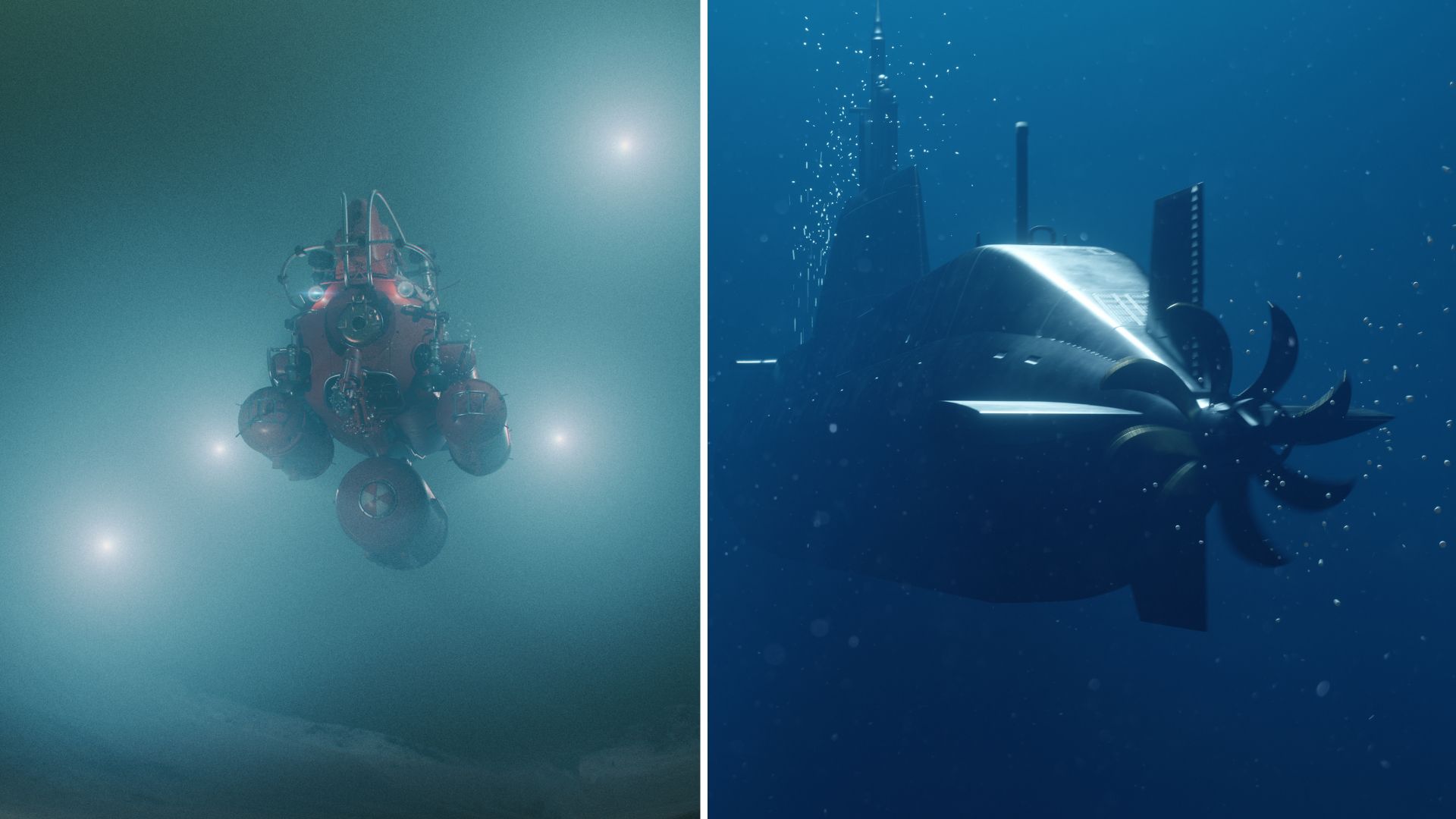
Ouster is advancing its technology that enables machines to perceive and navigate their environments, contributing to the growth of physical AI. The company is entering the drone mapping sector through a collaboration with GeoCue, while John Deere is integrating Ouster sensors into its GUSS autonomous vehicles. This expansion is significant as it highlights the increasing demand for physical AI solutions across various industries. Ouster's CEO, Angus Pacala, emphasized the company's commitment to exploring new markets and addressing the evolving needs for advanced sensing technologies in automation. Looking ahead, industry stakeholders should monitor Ouster's developments in drone mapping and its partnership with John Deere. No further timeline was disclosed at the time of publication.
China Explores Autonomous Defense Systems for Contested Islands in South China Sea
A recent report indicates that China is investigating a maritime defense model utilizing autonomous drones to protect contested islands in the South China Sea. Researchers from the China Coast Guard Academy and Dalian Maritime University propose a network of aerial, surface, and underwater drones, which would create a multi-layered defense system, enhancing surveillance and response capabilities. This shift from traditional defense methods to a system reliant on uncrewed platforms reflects the evolving nature of naval warfare. The economic advantages of deploying inexpensive drones to monitor maritime environments are significant, as they can challenge larger military assets. The interconnected architecture aims to maintain operational capability even if some drones are compromised, emphasizing redundancy in defense strategies. As the South China Sea remains a focal point of territorial disputes among several nations, China's initiative to integrate autonomous systems into its defense strategy could further complicate regional security dynamics. However, it is crucial to note that this concept is still a research proposal and does not confirm the operational deployment of such systems at this time.
Military
ARX Robotics Demonstrates GEREON Uncrewed Ground Vehicles in US Army Trials
ARX Robotics UK has successfully showcased the capabilities of its GEREON uncrewed ground vehicles (UGVs) during Project Convergence-Capstone 6 (PC-C6). This event marks the largest experiment in the US Army's initiative to enhance land warfare capabilities. The successful demonstration is significant as it highlights the operational potential of GEREON UGVs in modern military applications. This aligns with the US Army's ongoing efforts to integrate advanced technologies into their land warfare strategies. Looking ahead, further developments in the integration of autonomous systems into military operations are expected. No further timeline was disclosed at the time of publication.
News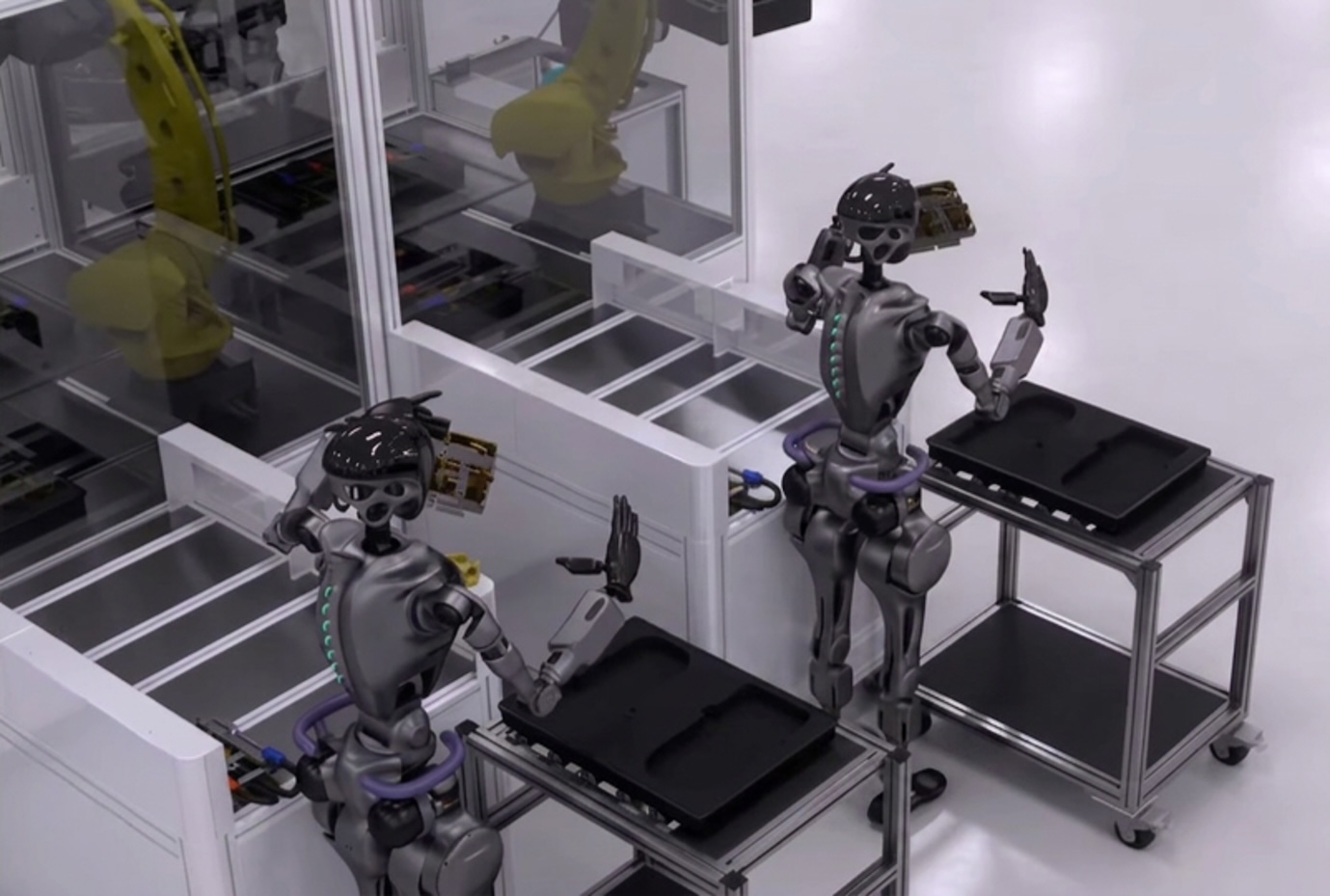
American Rheinmetall Secures Contract for Autonomous Ground Vehicles for US Army
American Rheinmetall has been awarded a contract to provide advanced autonomous ground vehicle technologies to the US Army as part of Project Sustainment. This development is significant as it underscores the growing emphasis on integrating autonomous systems into military operations, enhancing operational efficiency and effectiveness for the US Army. Looking ahead, it will be important to monitor the implementation of these technologies and their impact on military logistics and operations. No further timeline was disclosed at the time of publication.
News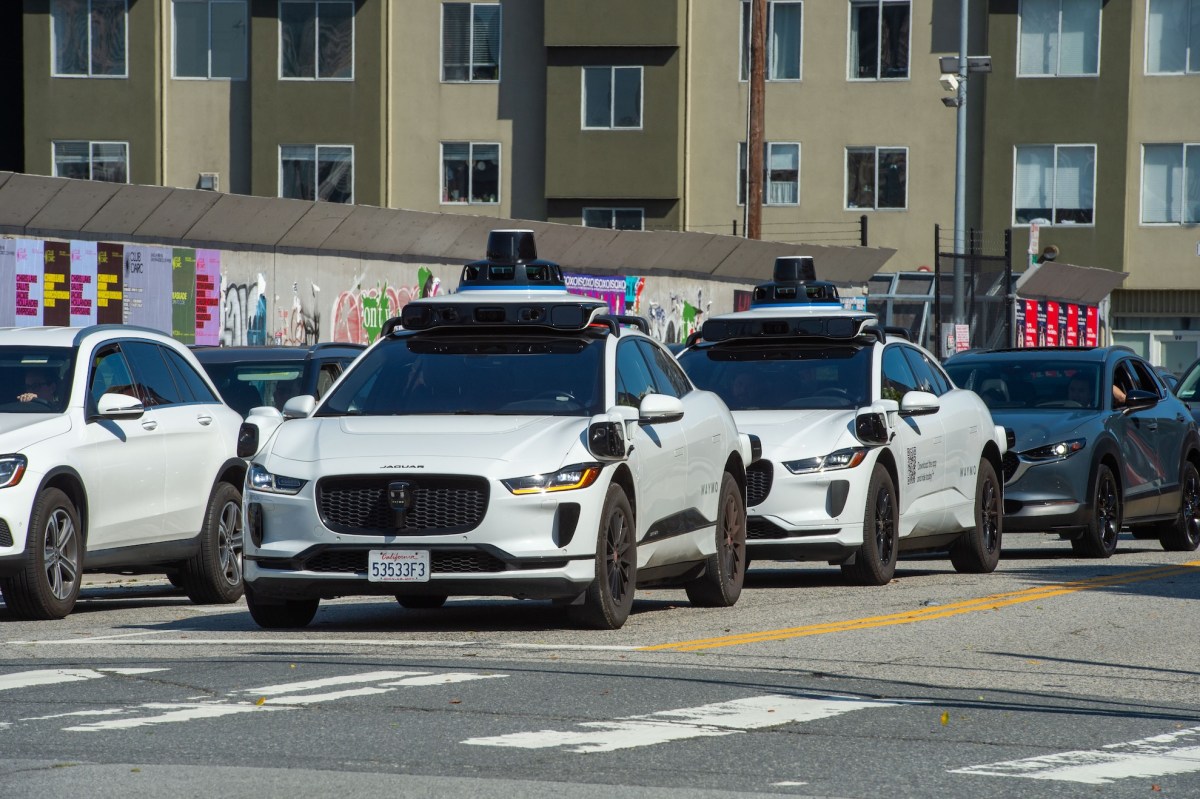
San Francisco Mayor Calls for Stricter Autonomous Vehicle Regulations After Waymo Traffic Incident
San Francisco Mayor Daniel Lurie has requested state regulators to enhance rules governing autonomous vehicles following a significant traffic jam caused by Waymo robotaxis on July 4. The incident, which left thousands stranded, highlighted the inadequacies of California's current regulatory framework in managing autonomous vehicle operations during major events. Lurie emphasized that the recent traffic chaos, exacerbated by a power outage in December and the influx of 100,000 spectators for the fireworks show, demonstrated the need for stricter operational standards for autonomous vehicle manufacturers. He proposed that companies must prove their ability to adapt in real-time and share operational data with local agencies to prevent future disruptions. Looking ahead, Lurie urged the California Department of Transportation to establish statewide standards that would require robotaxi operators to remove or relocate vehicles from active lanes during emergencies. No further timeline was disclosed at the time of publication.
Transportation robotaxis Waymo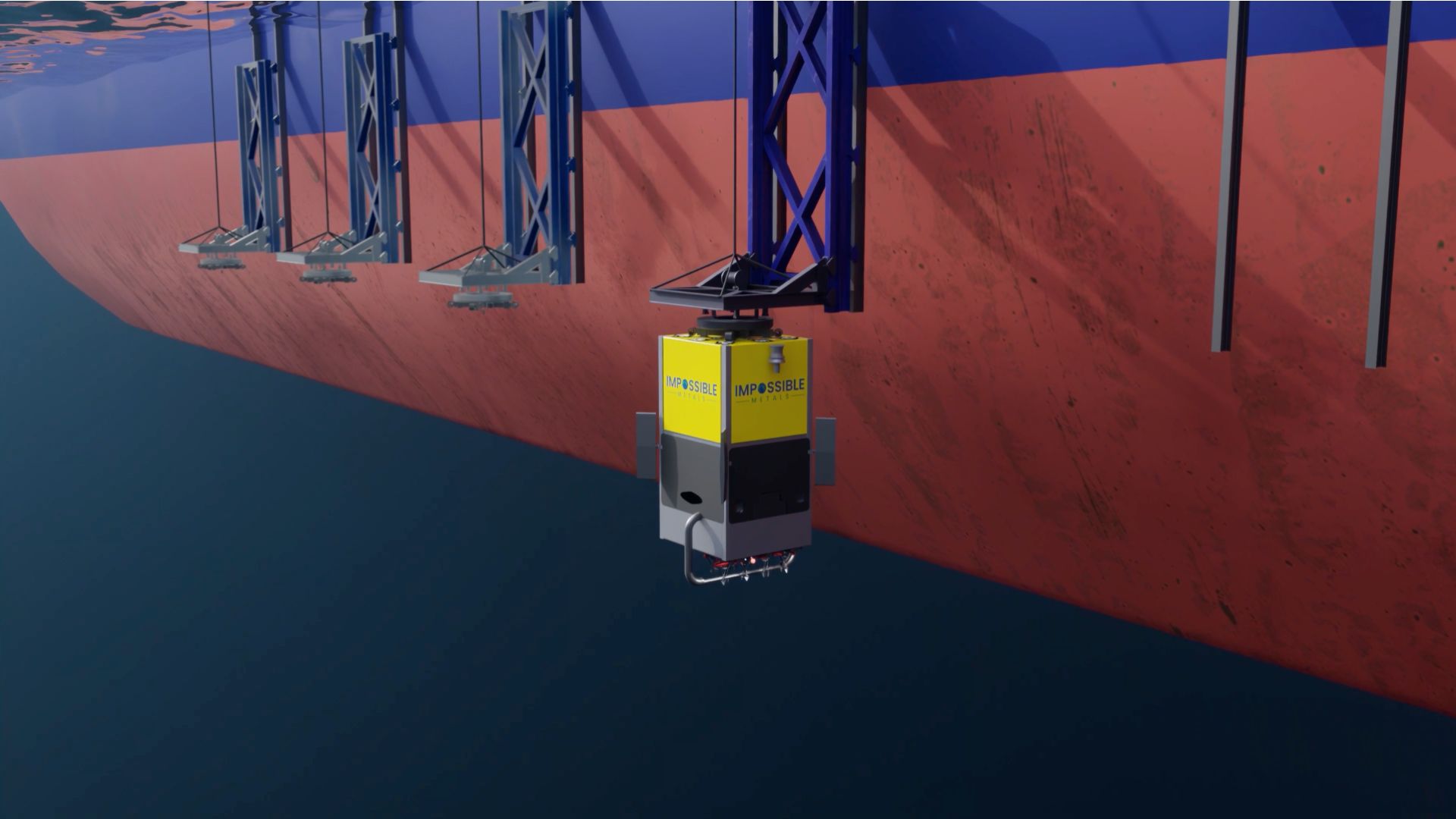
Impossible Metals to Launch Advanced Marine Robotics Hub for Deep-Sea Mineral Harvesting
Impossible Metals, a US mining technology company, has announced plans to establish an Advanced Marine Robotics Hub in Pittsburgh, Pennsylvania. This facility will focus on developing autonomous marine systems for the deep-sea collection of critical minerals, creating over a dozen high-paying engineering and science jobs. The hub aims to enhance US capabilities in marine robotics and critical mineral technologies through collaboration with local universities and researchers. The significance of this initiative lies in its potential to redefine deep-sea mining practices. According to Mike Regan, Chief Growth Officer at Impossible Metals, the hub will enable swarms of autonomous robots to harvest critical minerals like nickel, cobalt, copper, and manganese with minimal environmental impact. This approach not only promises to produce the lowest-cost critical metals on Earth but also aims to strengthen the US supply chain and reduce reliance on foreign sources of essential materials. Looking ahead, the Advanced Marine Robotics Hub will serve as the primary research center for advancing the Eureka autonomous underwater platform and Smart Launch and Recovery Systems. The company plans to continue developing dual-use technologies that cater to both commercial and naval applications. No further timeline was disclosed at the time of publication.
AI and Robotics
Advanced Battery Technology Enhances Performance for Autonomous Vehicles and Robotics
Recent advancements in battery technology are enabling intelligent machines to operate continuously, enhancing performance and efficiency. This technology is specifically designed for applications in autonomous vehicles, robotics, satellites, and drones, allowing for longer life and improved operational capabilities under high-demand conditions. The significance of these developments lies in their potential to transform various industries by supporting the growing demand for reliable and efficient power sources. As intelligent machines become more prevalent, the ability to sustain high-performance operations is crucial for sectors such as transportation, logistics, and aerospace. Looking ahead, stakeholders should monitor the integration of these advanced battery systems into existing platforms and the emergence of new applications. No further timeline was disclosed at the time of publication.
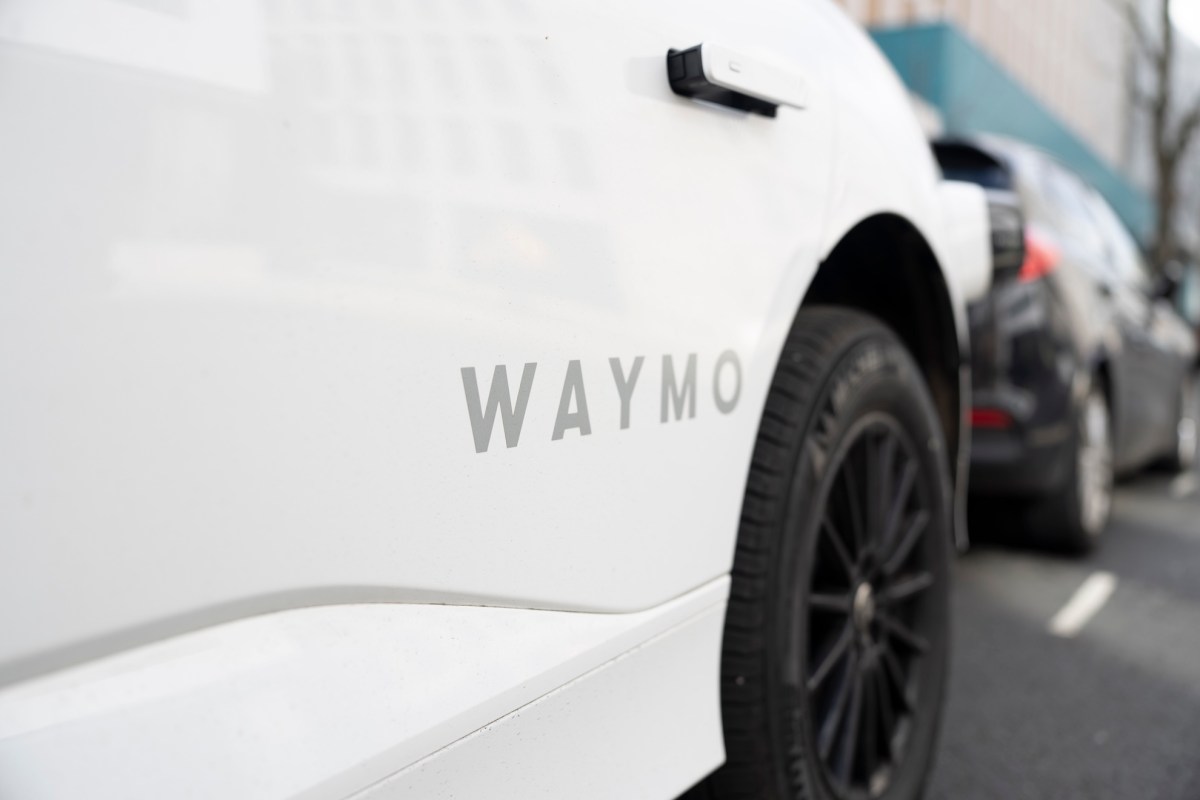
Feds demand autonomous vehicle companies stop interfering with first responders
The National Highway Traffic Safety Administration (NHTSA) has emphasized the importance of recognizing emergency scenes as critical components of road safety, rather than viewing them as rare occurrences. This statement comes as part of the agency's ongoing efforts to enhance awareness and improve safety protocols for drivers and first responders. The NHTSA's assertion aims to address the growing concerns regarding the risks associated with emergency situations on highways and roadways, particularly in light of recent incidents that have highlighted the dangers faced by emergency personnel and motorists alike. By advocating for increased vigilance and adherence to safety measures, the agency seeks to foster a safer environment for all road users.
Transportation autonomous vehicles avride nhtsa robotaxis Waymo
1 Incredible Autonomous Vehicle Stock to Buy Instead of Tesla
Investors are increasingly interested in the autonomous vehicle market as cities worldwide approve driverless technology. While Tesla has been a prominent player in this field, Alphabet's Waymo is emerging as a leading contender, recently reporting over 500,000 fully autonomous rides per week—a figure that has doubled in less than a year. As of the first quarter of 2026, Waymo operates in 11 major cities, having expanded to six new locations this year. In contrast, Tesla's Full Self-Driving feature still requires human oversight, with CEO Elon Musk projecting a rollout of full autonomy by late 2026. In addition to its advancements in autonomous driving, Alphabet is also at the forefront of artificial intelligence with its large language model, Gemini. This positions the company as a key player in the rapidly evolving AI landscape, alongside competitors like OpenAI and Anthropic. Despite its focus on emerging technologies, Alphabet's core revenue still heavily relies on advertising and cloud services, which accounted for 70% and 18% of its revenue, respectively, in Q1 2026. Currently, Alphabet's stock trades at a trailing P/E ratio of 30, aligning with its historical averages and presenting a potentially attractive investment opportunity. However, analysts from The Motley Fool's Stock Advisor have identified other stocks as top picks, suggesting that investors should carefully evaluate their options before making any decisions.

Autonomous vehicle hype is back, and Humble Robotics is bringing it to freight
The autonomous vehicle industry is experiencing a resurgence reminiscent of the 2016 hype cycle, with renewed interest and investment. Travis Kalanick, the co-founder of Uber, is re-entering the scene by establishing a robotics company, signaling a shift in focus within the sector. As competition intensifies, companies are engaged in fierce talent wars, vying for skilled professionals to drive innovation. Investment is pouring back into the market, echoing the financial enthusiasm seen in previous years. This revitalization is attracting individuals who have previously navigated the industry's ups and downs, suggesting a blend of experience and fresh ideas may shape the future of autonomous technology.
Startups Transportation autonomous vehicles Equity podcast Eyal Cohen Humble Robotics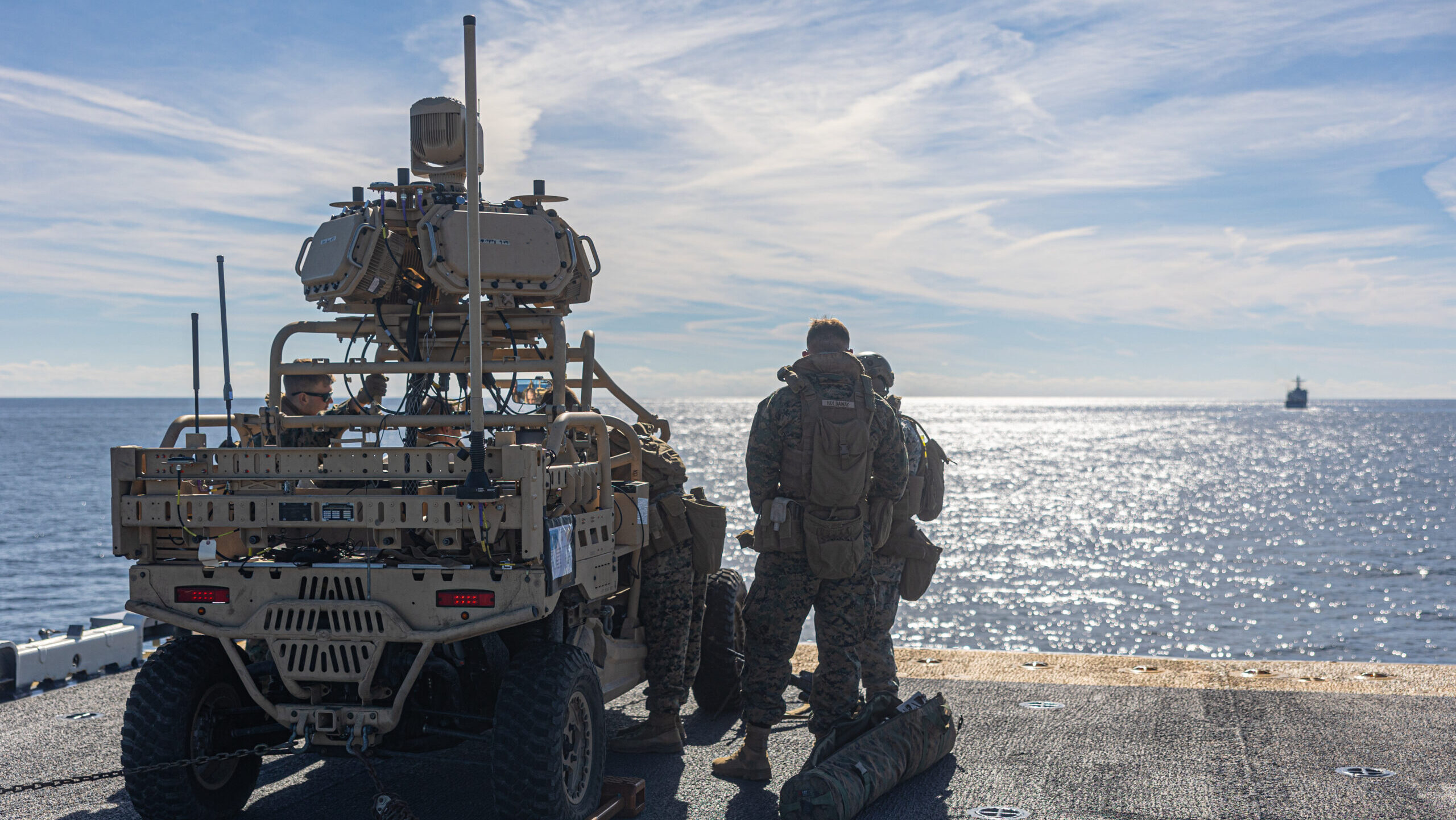
Overland AI nets Marine Corps autonomous ground vehicle contract
Overland AI has announced the development of an autonomous ground vehicle, clarifying that it is not designed to replace the Joint Light Tactical Vehicle (JLTV). CEO Byron Boots emphasized that the new vehicle will complement existing military assets rather than serve as a direct substitute. This initiative aims to enhance operational efficiency and adaptability in various mission scenarios. The announcement comes as part of Overland AI's ongoing commitment to innovate within the defense sector, leveraging advanced technology to meet the evolving needs of military operations.
Land Warfare Naval Warfare AI & Autonomy Army Drones MADIS
UN enforces global safety rules for fully autonomous vehicles, effective January 2027
Major automotive markets worldwide have united to establish a unified set of regulations aimed at enhancing safety and environmental standards in the industry. This collaborative effort, announced recently, involves key players from regions including North America, Europe, and Asia, who recognize the need for a cohesive framework to address the challenges posed by climate change and technological advancements in vehicle manufacturing. The initiative was unveiled during an international automotive summit held in Tokyo, where industry leaders and policymakers gathered to discuss the future of transportation. The decision to create a standardized set of rules stems from the increasing complexity of regulations across different markets, which has led to confusion and inefficiencies for manufacturers and consumers alike. By harmonizing these regulations, stakeholders aim to streamline compliance processes, reduce costs, and promote innovation in electric and autonomous vehicles. The new framework is expected to facilitate smoother trade and enhance consumer confidence in vehicle safety and environmental impact. The collaborative approach signifies a shift towards greater cooperation among nations, reflecting a shared commitment to sustainable development and the advancement of the automotive sector. As the industry evolves, this initiative is seen as a crucial step in ensuring that all markets can adapt to future challenges while maintaining high standards for safety and environmental protection.
AI and Robotics TransportationRobotics needs a service framework.
RSF defines a common language for robot service capability, lifecycle operations, certification pathways, and service-provider networks.
Join the RobotToday community on LinkedIn
Daily robotics news, in-depth analysis, conference highlights, and discussions with professionals worldwide.







