

Industry Briefing
A single destination for timely, editor-curated robotics news from around the world.
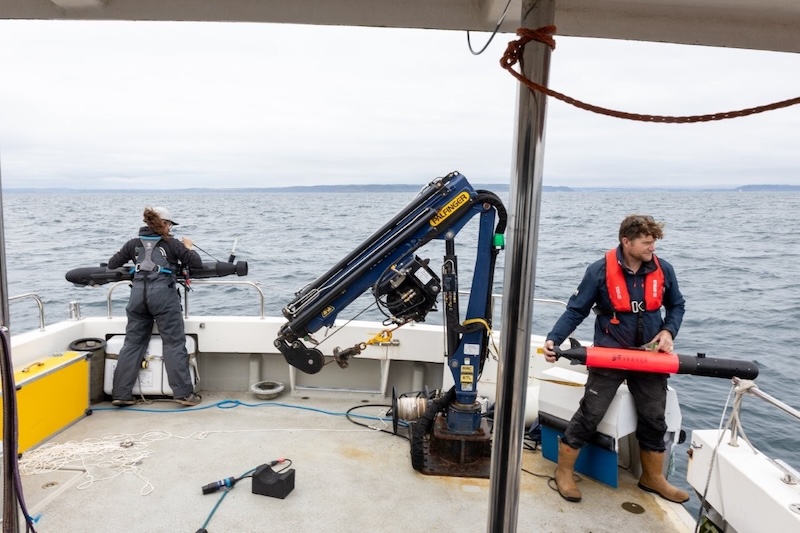
University of Plymouth Launches £1.2 Million Multi-Robot Demonstration at Smart Sound Connect
The University of Plymouth has successfully completed a significant underwater trials demonstration at the Smart Sound Connect Subsurface (SSCS) project, showcasing multi-marine robotic platforms. This event featured collaboration among ACUA Ocean, ecoSUB Robotics, Seaber, and Sonardyne, highlighting the capabilities of the £1.2 million initiative aimed at enhancing marine autonomy and ocean sensing in the UK. The demonstration attracted stakeholders from various sectors, emphasizing the project's role in advancing technology in marine environments. The SSCS project enhances the existing Smart Sound Plymouth testbed by integrating a seabed node array for precise positioning and communication, alongside intelligent sensors. This infrastructure supports advanced testing capabilities for autonomous vehicles, reinforcing Plymouth's status as a leading hub for marine autonomy. The successful demonstration underscores the importance of collaborative efforts in developing ocean observing technologies that can provide actionable intelligence for climate resilience and preparedness. Looking ahead, the SSCS project aims to further develop ocean observing technologies that can transform prototypes into reliable data streams. No further timeline was disclosed at the time of publication, but the ongoing collaboration is expected to drive innovation and strengthen industry partnerships in marine autonomy and sensing technologies.
Marine Research ACUA Ocean automation autonomous underwater vehicles auv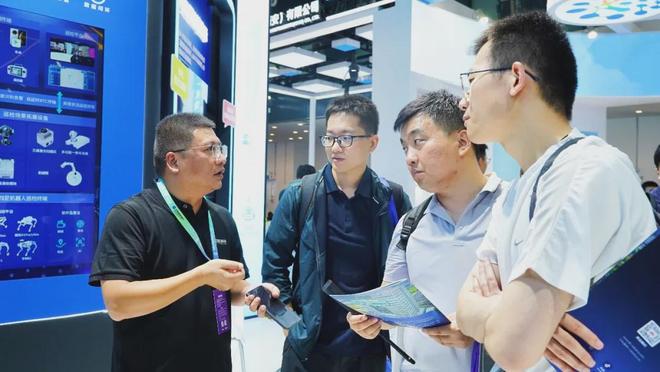
Multi-Robot Collaboration Demonstrated by Daheng Technology at 2026 World Robot Conference
At the 2026 World Robot Conference, Daheng Technology showcased a multi-robot collaboration platform, where a quadruped robot autonomously inspected an area and alerted a cleaning robot to respond to an unidentified object. This demonstration highlighted Daheng's transition from single capabilities to a systematic approach in robotic solutions over the past year. The significance of this advancement lies in the industry's shift from merely activating robots to integrating them into diverse sectors for scalable applications. Daheng's multi-robot collaboration not only identifies issues but also facilitates coordinated responses, emphasizing the need for robots to possess enhanced sensory capabilities to navigate complex environments. Daheng Technology introduced its BlackEye Vision intelligent fusion terminal, which supports multi-modal perception and integrates various sensors for real-time data processing. This innovation allows robots to detect anomalies such as temperature fluctuations and gas leaks, providing critical information for AI-driven decision-making. No further timeline was disclosed at the time of publication.
Multi-Robot Collaboration AI Integration Industrial Robotics Automation Technology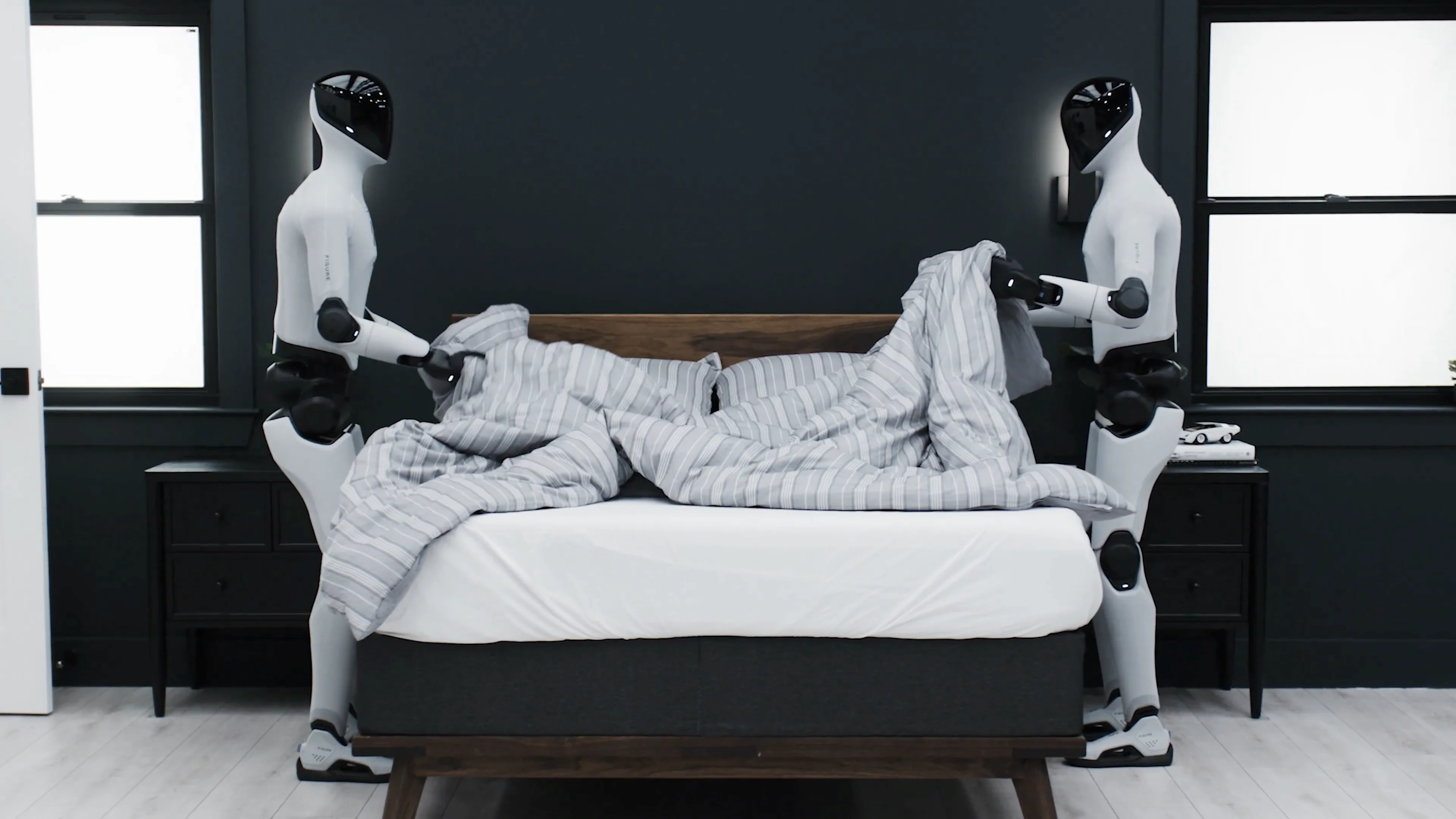
Figure Showcases Multi-Robot Bedroom Reset with Helix 02 Technology
Figure has revealed its latest demonstration featuring two Figure 03 humanoids autonomously tidying a bedroom, showcasing a significant advancement in multi-agent collaboration. This 'Helix-02 Bedroom Tidy' moves beyond previous single-robot tasks, emphasizing the robots' ability to operate independently without a central overseer, utilizing their own cameras to interpret each other's movements. The demonstration is powered by the Helix 02 architecture, which employs a Vision-Language-Action omni-model, allowing the robots to compute torque directly from visual input. This capability enables real-time reactions to shared goals, highlighting the complexity of navigating a domestic environment filled with chaos. As Figure scales production to one robot per hour, the focus is on generating interaction data for broader utility in homes. Looking ahead, Figure's CEO Brett Adcock has suggested a potential leasing model for these robots, estimated at $400 to $600 monthly, to facilitate 24/7 home assistance. However, he remains cautious about their deployment, particularly in family settings, as the company continues to address edge-case failures in their technology.
US Figure Figure-03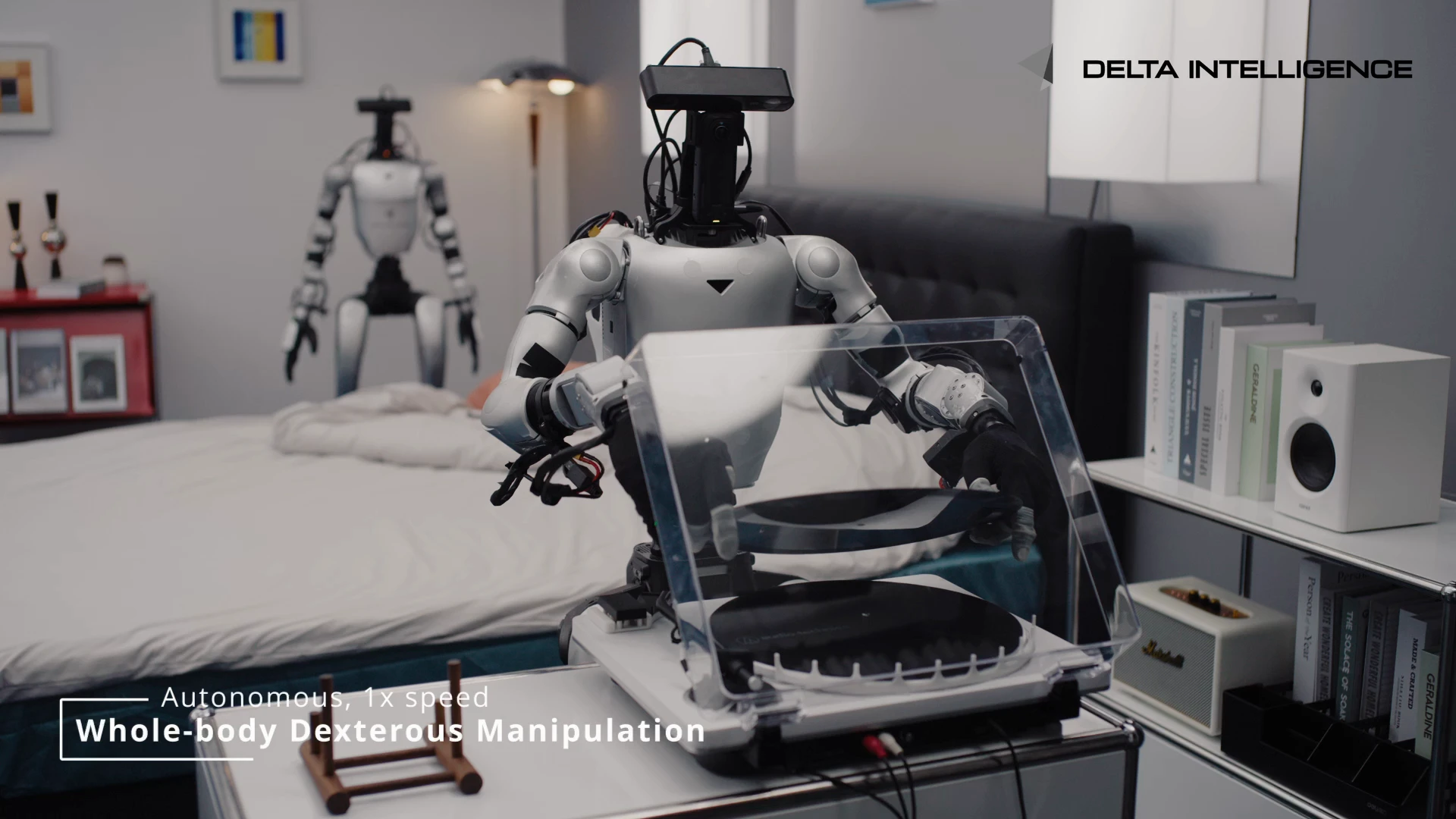
Delta Intelligence Focuses on Energy and Infrastructure with New Humanoid Robot Demo
Delta Intelligence has unveiled a new humanoid robot demo, the Δ₀, showcasing familiar household tasks. However, founder Xiaojian Ma indicates that the company's immediate commercial focus will be on sectors where human labor is less desirable, specifically energy and infrastructure. While household applications are seen as a long-term goal, the pressing needs in these sectors present a more viable opportunity for deployment. The emphasis on energy and infrastructure highlights Delta's strategy to address environments that are often challenging for human workers. Ma describes these target areas as 'Mars on Earth,' including underground facilities, offshore sites, and regions with extreme weather conditions. This approach suggests a market demand for robotic solutions that can operate in hazardous or uncomfortable settings, where companies may be more willing to invest in automation. Looking ahead, Delta Intelligence is developing a hardware configuration that includes a camera-equipped head and a backpack with computing resources, which can be integrated into various humanoid platforms. The company is also collaborating with unnamed robotics and automotive partners to create complete bipedal humanoids, with model development being a current priority. No further timeline was disclosed at the time of publication.
Delta Intelligence China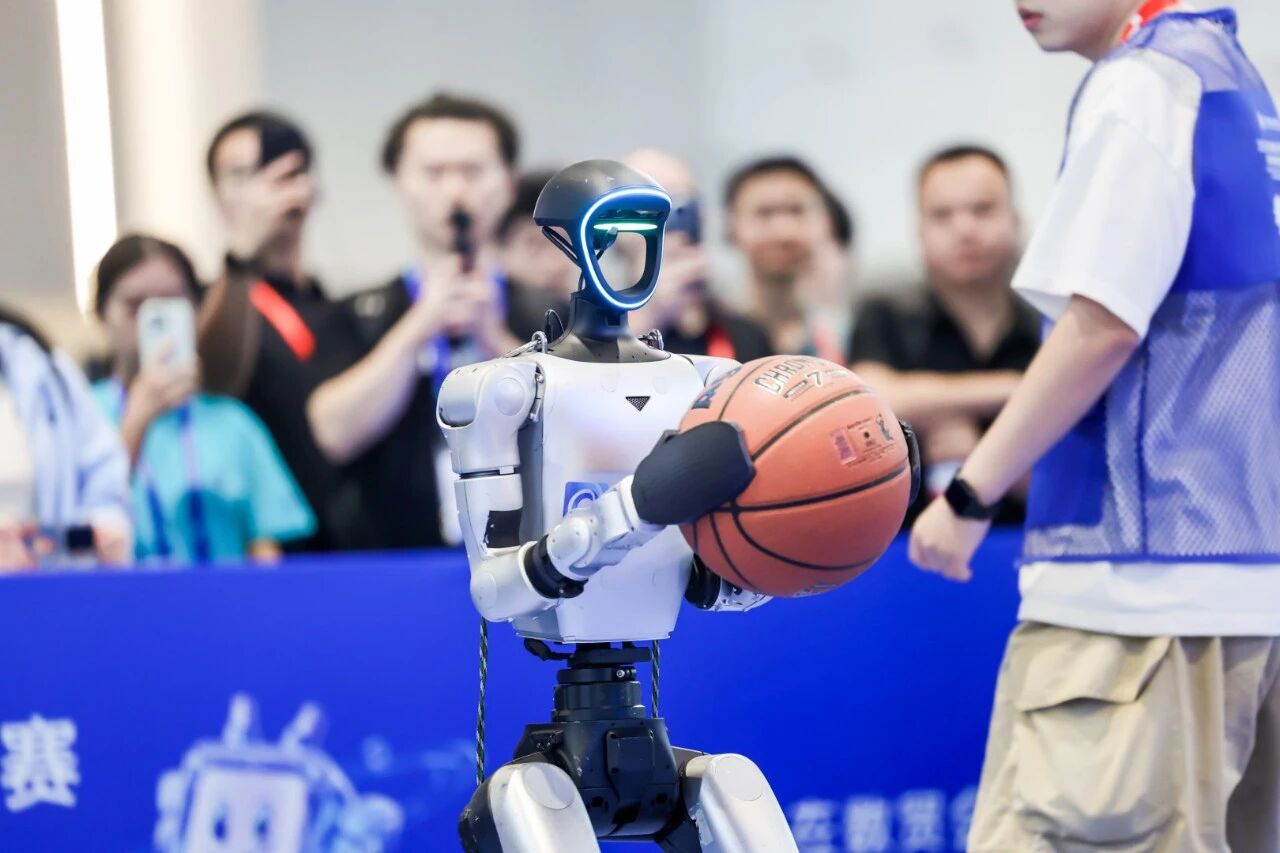
Embodied Intelligent Robot Challenge Enters Hardcore Competition Phase with Multi-Scene Interaction
The Embodied Intelligent Robot Challenge has entered a critical phase of competition, emphasizing multiple events and multi-scene interaction. This development highlights the increasing complexity and capabilities required in robotic systems, pushing the boundaries of current technology. This challenge is significant as it reflects the industry's shift towards more sophisticated and interactive robotic solutions. The integration of multi-scene interaction is crucial for advancing robotics in various applications, from entertainment to industrial automation, showcasing the potential for enhanced human-robot collaboration. Looking ahead, stakeholders should monitor the outcomes of this challenge, as it may set new benchmarks for robotic performance and interaction. No further timeline was disclosed at the time of publication.
Robotics Automation AI
Polybot Advances Tomato-Picking Robot Learning from Human Demonstrations for Agriculture
Polybot, a startup spun off from the ELLIS Institute and the Max Planck Institute for Intelligent Systems, is developing a tomato-picking robot that learns from human demonstrations. This robot has transitioned from the lab to real greenhouse environments, marking a significant step towards practical agricultural automation in precision-demanding tasks. The importance of this development lies in its potential to support one of the most repetitive and physically demanding aspects of food production. The fully autonomous robot is designed for harvesting cluster tomatoes, utilizing an end-to-end learning approach from human actions rather than relying on manually coded rules. This adaptability could enhance the robot's effectiveness in complex growing conditions, where variations in plant spacing and fruit positioning are common. Looking ahead, the next major test is a complete pilot program scheduled for summer 2026, which will assess the robot's reliability under real production demands. If successful, the first systems could be delivered to growers by early 2027. As agricultural robots move from demonstration to everyday tasks, they promise to improve harvesting efficiency and reduce food loss before products reach store shelves.
Agricultural Robotics Automation Technology AI in Agriculture Robotic Harvesting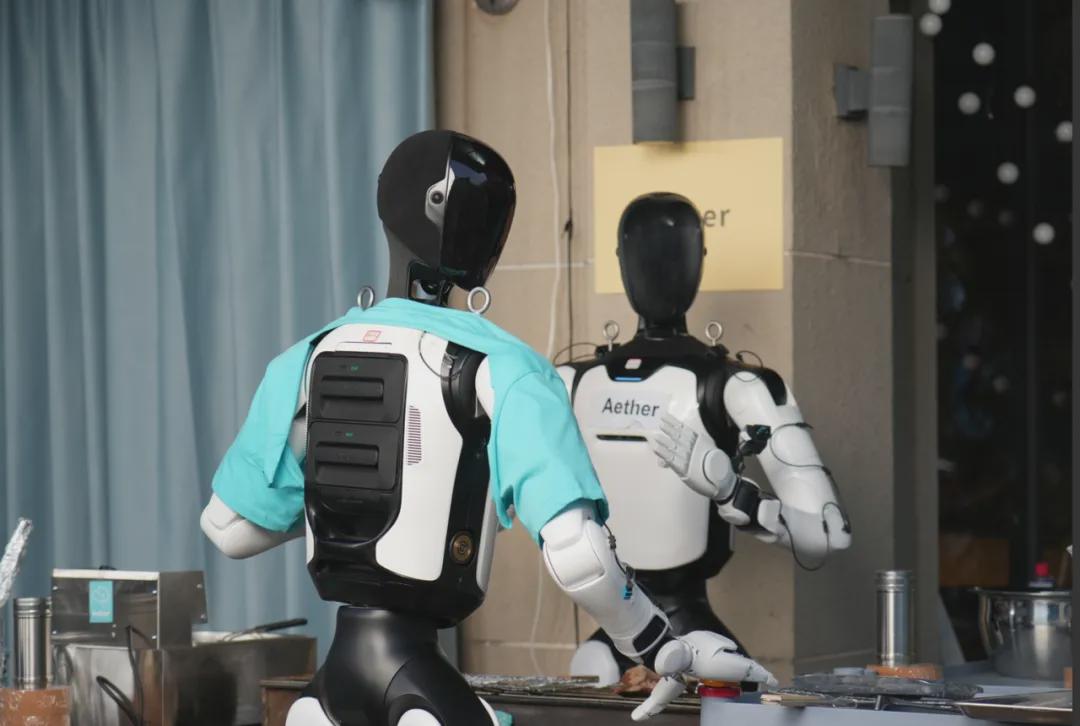
Live Outdoor Demonstration of Autonomous Robots Completing Barbecue Tasks
The embodied intelligence industry is experiencing a 'false prosperity' with frequent demonstrations of robots performing tasks like folding clothes and serving coffee. However, these demos often mask failures and rely on pre-programmed actions or remote control, raising questions about their authenticity. In contrast, LeXiang Technology recently showcased its Ether large model in a live outdoor event, allowing real-time interaction and interruptions from the audience. On September 16, two robots equipped with the Ether model autonomously completed a barbecue task without human intervention. They managed the entire process from taking orders to cooking and serving, while also adapting to unexpected changes from guests. Despite some errors, the live format highlighted the challenges of real-world applications, emphasizing the importance of transparency in robotic capabilities. This demonstration serves as a critical test of the robots' ability to learn and adapt in real-time, rather than just showcasing perfect outcomes. As the industry continues to evolve, the focus on genuine performance under varied conditions will be essential for advancing autonomous technologies.
Autonomous Robots AI Live Demonstrations Robotics Real-World Applications
Humanoid Robots Transition from Demonstrative Tasks to Real-World Deployment
Recent advancements in humanoid robotics highlight the shift from mere demonstrations to practical deployment in various environments. Unlike robots that can perform a single impressive task, modern systems are designed to execute thousands of cycles, recover from exceptions, and coexist with humans. This evolution is crucial for integrating robots into existing software and safety architectures within facilities. The significance of this transition lies in the ability of humanoid robots to operate reliably in real-world settings, enhancing productivity and safety. As these robots become more adept at handling complex tasks and interacting with their surroundings, they are poised to play a vital role in industries ranging from manufacturing to healthcare. This evolution marks a pivotal moment in the robotics industry, as the focus shifts from demonstration to practical application. Looking ahead, it will be important to monitor how these humanoid robots are integrated into various sectors and the impact they have on operational efficiency. The ongoing development and deployment of these systems will likely lead to new standards and practices in robotics, shaping the future landscape of automation. No further timeline was disclosed at the time of publication.
CSGE Enhances Multi-View 3D Detection in Robotic Systems with Modular Cross-Spatial Representation
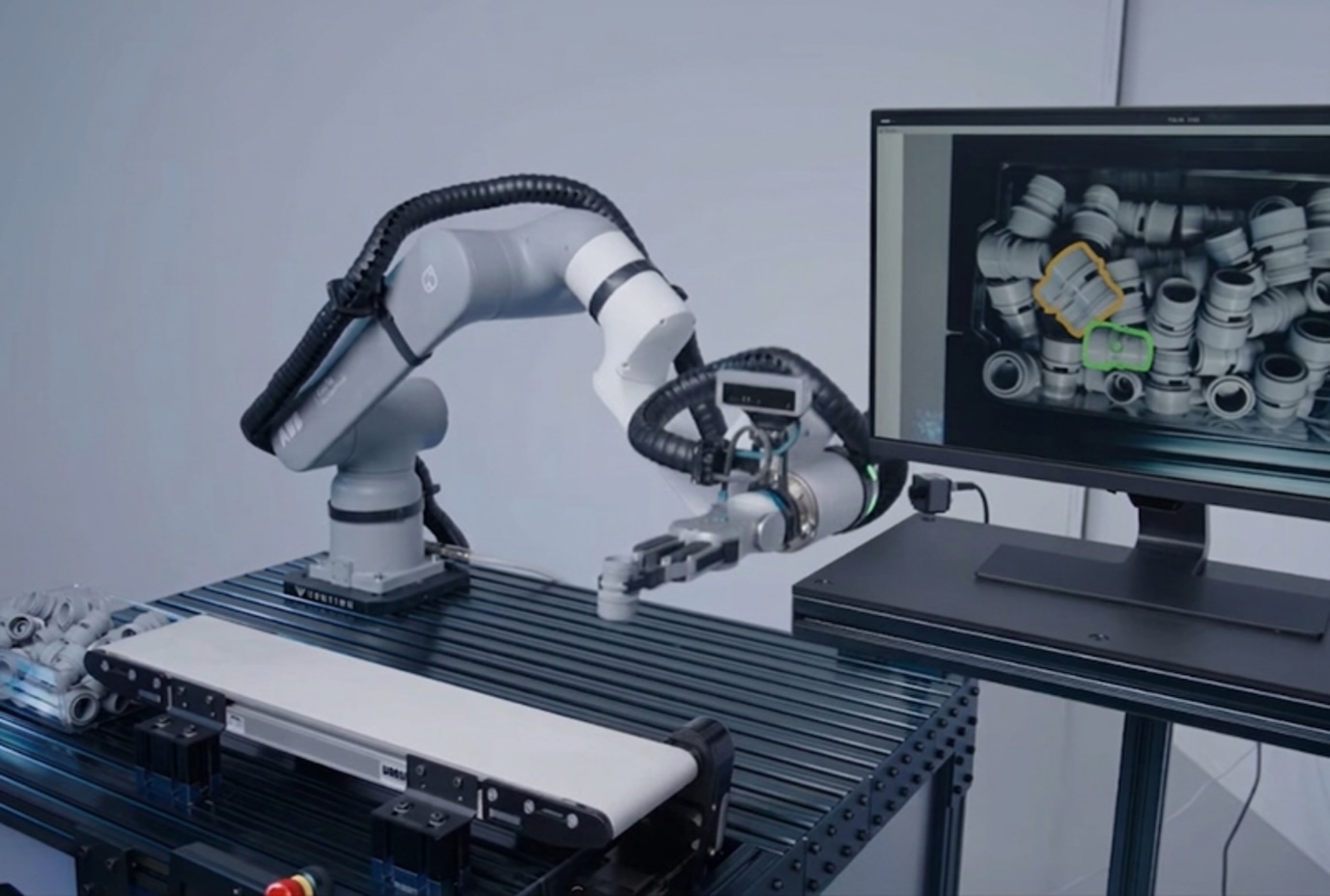
The Journal of Field Robotics has published an early view article detailing the development of CSGE, a modular cross-spatial guided space representation designed to improve multi-view 3D detection in robotic systems. This innovative approach aims to enhance the accuracy and efficiency of 3D perception in various robotic applications. The significance of CSGE lies in its potential to address challenges in multi-view 3D detection, which is crucial for the effective operation of robotic systems in complex environments. By utilizing a modular design, CSGE allows for flexible integration into existing robotic frameworks, potentially leading to advancements in automation and intelligent manufacturing. Looking ahead, the industry will be monitoring the implementation of CSGE in real-world robotic applications and its impact on performance metrics. Further developments and research findings related to this technology may provide insights into its broader applicability and effectiveness in enhancing robotic perception capabilities. No further timeline was disclosed at the time of publication.
RESEARCH ARTICLE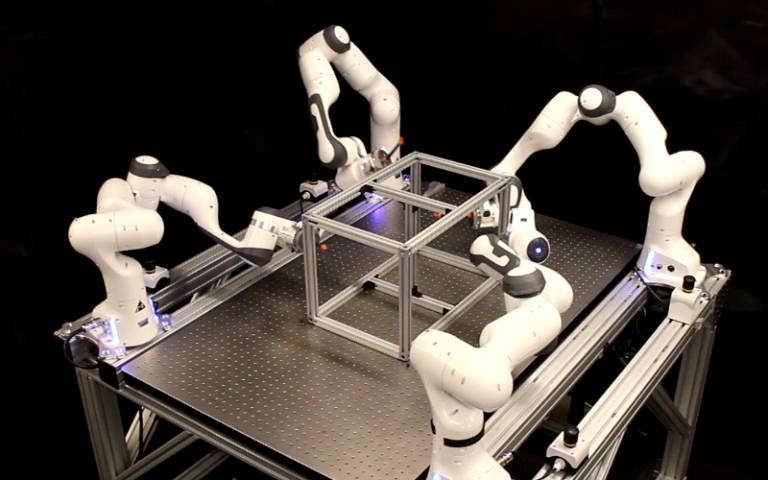
Skild AI Introduces S1 Robot Foundation Model for Learning from Video Demonstrations
Skild AI has launched the S1, a groundbreaking robotics foundation model that allows robots to learn manipulation tasks from just one video demonstration. This innovative model eliminates the need for task-specific fine-tuning or post-training, streamlining the learning process for robotic systems. The significance of the S1 model lies in its use of in-context learning, which parallels the prompting techniques utilized in large language models. This capability enables operators to simply demonstrate a task via video, making it easier for robots to acquire new skills efficiently and effectively. Looking ahead, the implications of the S1 model could reshape how robots are trained and deployed across various industries. As Skild AI continues to develop this technology, industry professionals should monitor advancements and potential applications of the S1 model in real-world scenarios. No further timeline was disclosed at the time of publication.
Computing Design News Software artificial intelligence Autonomous robots
ACE Robotics and NTU S-Lab Release Open-Source Puffin-World Multimodal Model
ACE Robotics and NTU S-Lab have announced the open-source release of Puffin-World, a multimodal world model that integrates physics, geometry, and appearance. This model utilizes the Puffin-16M dataset and achieves state-of-the-art camera absolute pose errors, reporting sub-degree accuracy across four public benchmarks. The significance of this release lies in its potential to enhance various applications in robotics and computer vision by providing a unified framework for understanding complex environments. By achieving such high accuracy in pose estimation, Puffin-World could facilitate advancements in autonomous navigation and scene understanding. Looking ahead, the impact of Puffin-World on the robotics community will be closely monitored, particularly in how it influences future research and development in multimodal models. No further timeline was disclosed at the time of publication.

Skild AI Achieves $100 Million ARR in Just 10 Months, Challenging Robotics Demo Culture
Skild AI, a Pittsburgh-based foundation model startup, has announced it surpassed $100 million in annual recurring revenue (ARR) just ten months after its first commercial deployment. This rapid growth marks one of the fastest commercial ramp-ups in enterprise automation, with revenue increasing from approximately $30 million during its $1.4 billion Series C funding round in January to over $100 million by year-end. The significance of this milestone lies in Skild's ability to integrate its general-purpose robot brain into over 60 enterprise customer environments, moving beyond traditional applications like parcel sorting. The company's revenue is primarily driven by complex industrial manipulation tasks, with mobility contributing only 10% of total revenue. Partnerships with major players like Foxconn and NVIDIA further bolster Skild's position in the market. Looking ahead, Skild co-founders Deepak Pathak and Abhinav Gupta emphasize the importance of real-world deployment as a critical research tool, challenging the robotics sector's reliance on polished video demonstrations. No further timeline was disclosed at the time of publication.
Skild AI US Deployment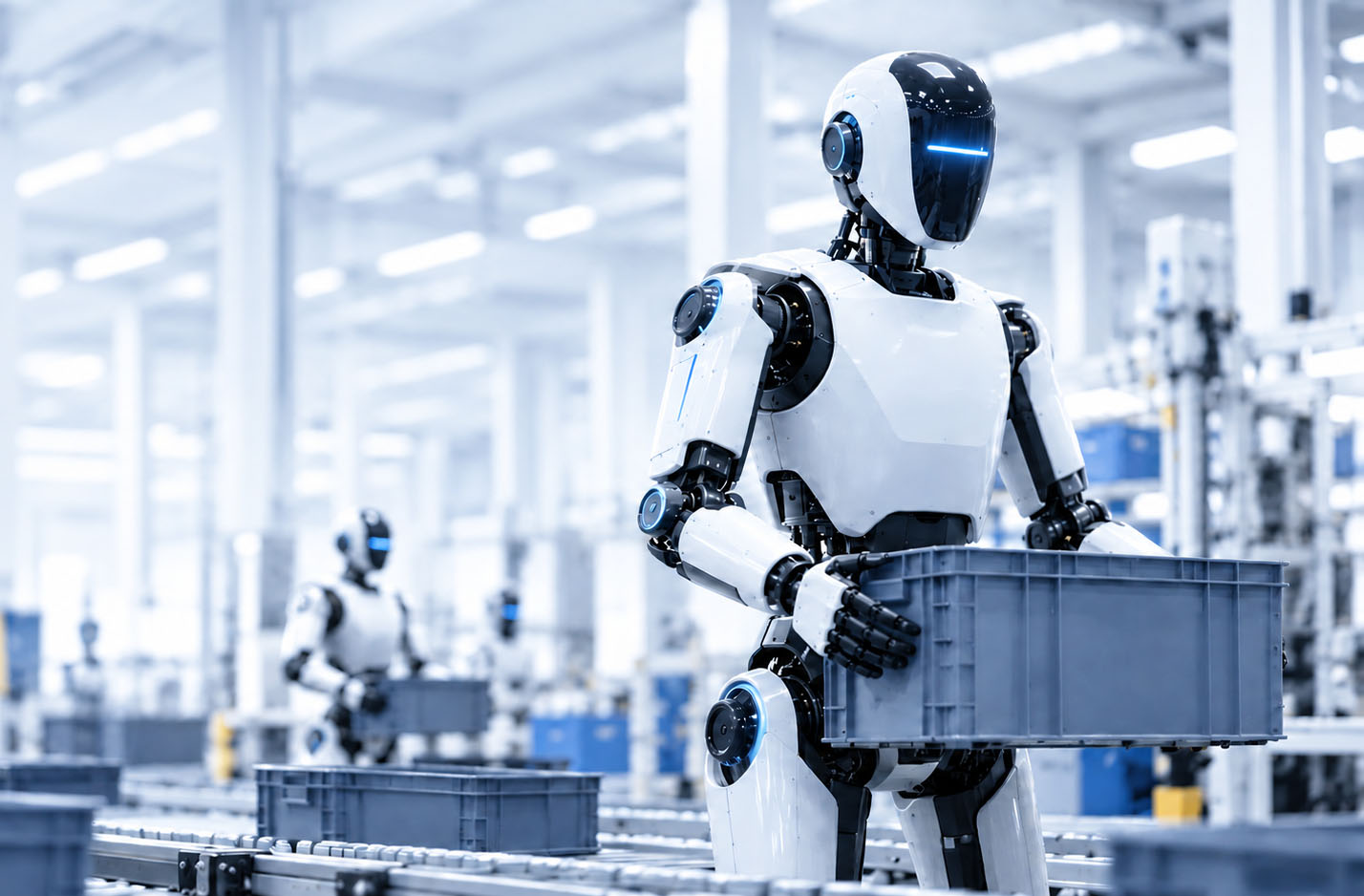
Humanoid Robots: Moving Beyond Demonstrations to Real-World Profitability
The humanoid robotics sector has long promised productivity, with expectations for significant sales by 2026. Humanoid robots are now capable of walking, sorting components, and performing increasingly complex industrial tasks. However, industrial buyers are shifting their focus from impressive demonstrations to the critical question of return on investment. As the industry transitions from prototypes to production environments, the evaluation criteria are evolving. Successful demonstrations are no longer sufficient; manufacturers must now prove operational availability, throughput, safety, integration costs, and actual customer willingness to pay for their robots' work. Data from September 2026 indicates that this transition is underway, but only a few companies report significant commercial deployments. Agility Robotics stands out as a strong example, with its robot Digit commercially deployed by GXO Logistics since 2024 under a multi-year Robots-as-a-Service agreement. Digit has moved over 100,000 bins at GXO's Flowery Branch site, showcasing its role in a repetitive logistics process rather than a staged demonstration. In 2026, Agility announced over $300 million in multi-year contractual orders for Digit v5, signaling that industrial clients are ready to invest significantly in humanoid automation.
À la une Humanoide IA Industrie Robotique automatisation industrielle.
Scalabot Unveils HERON-World Model with Enhanced Multiplayer Mode for Robotics
Scalabot has introduced the HERON-World Model, a new action-conditioned world model aimed at enhancing robotic understanding and future prediction capabilities. This model utilizes a three-tier data pyramid, incorporating real robot teleoperation data, simulation data, and first-person human operation videos to improve the robot's interaction with the environment. The significance of this development lies in its ability to extend the boundaries of world models from physical to social reasoning. By employing a diverse range of data sources, HERON-World Model aims to create a robust learning loop that allows robots to adapt and respond to dynamic environments, thereby advancing embodied intelligence from single-task capabilities to more general, transferable skills. Looking ahead, Scalabot's focus on integrating real-world data with simulation and human interaction videos will be crucial for the ongoing evolution of robotics. The HERON-World Model's current evaluation score stands at 75.80, indicating its potential impact on the industry. No further timeline was disclosed at the time of publication.
World Models Robotics AI Machine Learning Data Strategy
Multiway Robotics Enhances Malaysian Manufacturer's Smart Warehouse with Over 5,000 Storage Locations
Multiway Robotics has implemented a solution for a Malaysian manufacturer that features over 5,000 storage locations and multi-model autonomous forklift collaboration. This transformation has led to a more efficient and scalable warehouse operation, achieving a storage density improvement of over 30%. The significance of this development lies in its support for the customer's ongoing supply chain transformation, showcasing how advanced robotics can optimize warehouse logistics. By enhancing storage capabilities and operational efficiency, Multiway Robotics is setting a new standard in smart warehouse solutions. Looking ahead, it will be important to monitor how this implementation impacts the manufacturer's overall supply chain performance and whether similar solutions will be adopted by other manufacturers in the region. No further timeline was disclosed at the time of publication.
Generalist AI's GEN-1.5 Robot Learns Tasks from 3 to 12 Seconds of Demonstration
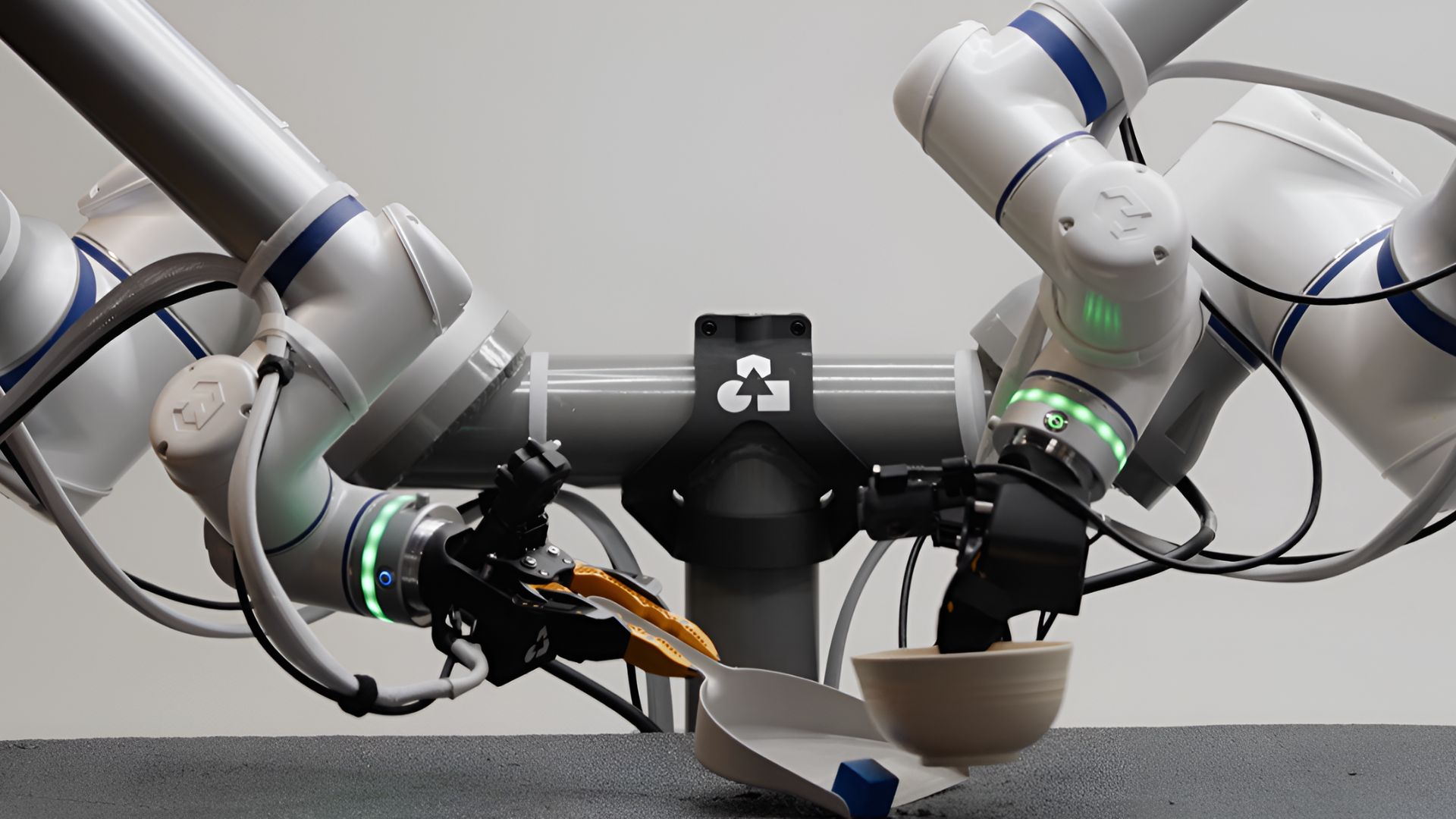
Generalist AI has developed a new robot foundation model, GEN-1.5, capable of learning physical tasks from a single demonstration lasting just 3 to 12 seconds. This innovative approach allows the robot to attempt tasks immediately without requiring gradient updates or fine-tuning, marking a significant advancement in robotics. The importance of GEN-1.5 lies in its ability to infer task requirements from short sensorimotor demonstrations, achieving an average success rate of 59% across 10 physical tasks with just one demonstration. When provided with five minutes of task-specific data, its success rate increased to 83%, showcasing the model's efficiency and adaptability in learning. Looking ahead, GEN-1.5's capability to combine physical prompts and generalize beyond specific actions presents exciting possibilities for future applications in robotics. The model's performance in adapting to new tasks with minimal data and steps indicates a shift in how robots can be trained and utilized in various environments. No further timeline was disclosed at the time of publication.
AI and Robotics
Two-Stage Planning Method Enhances Continuous Multi-Robot Inspection in Mines
A two-stage robot planning method has been developed to enhance continuous underground mine inspections. This method integrates predictive charging, obstacle avoidance, and road condition assessments to optimize the performance of multiple robots in simulated environments. The significance of this advancement lies in its potential to improve safety and efficiency in mine inspections. By effectively managing the robots' charging needs and navigating obstacles, the method ensures that inspections can be conducted without interruptions, thereby increasing operational productivity. Looking ahead, the implications of this technology could lead to broader applications in various sectors requiring autonomous inspections. No further timeline was disclosed at the time of publication.
Sami Robotics Advances Broccoli Harvesting with Multi-Crop Platform Development
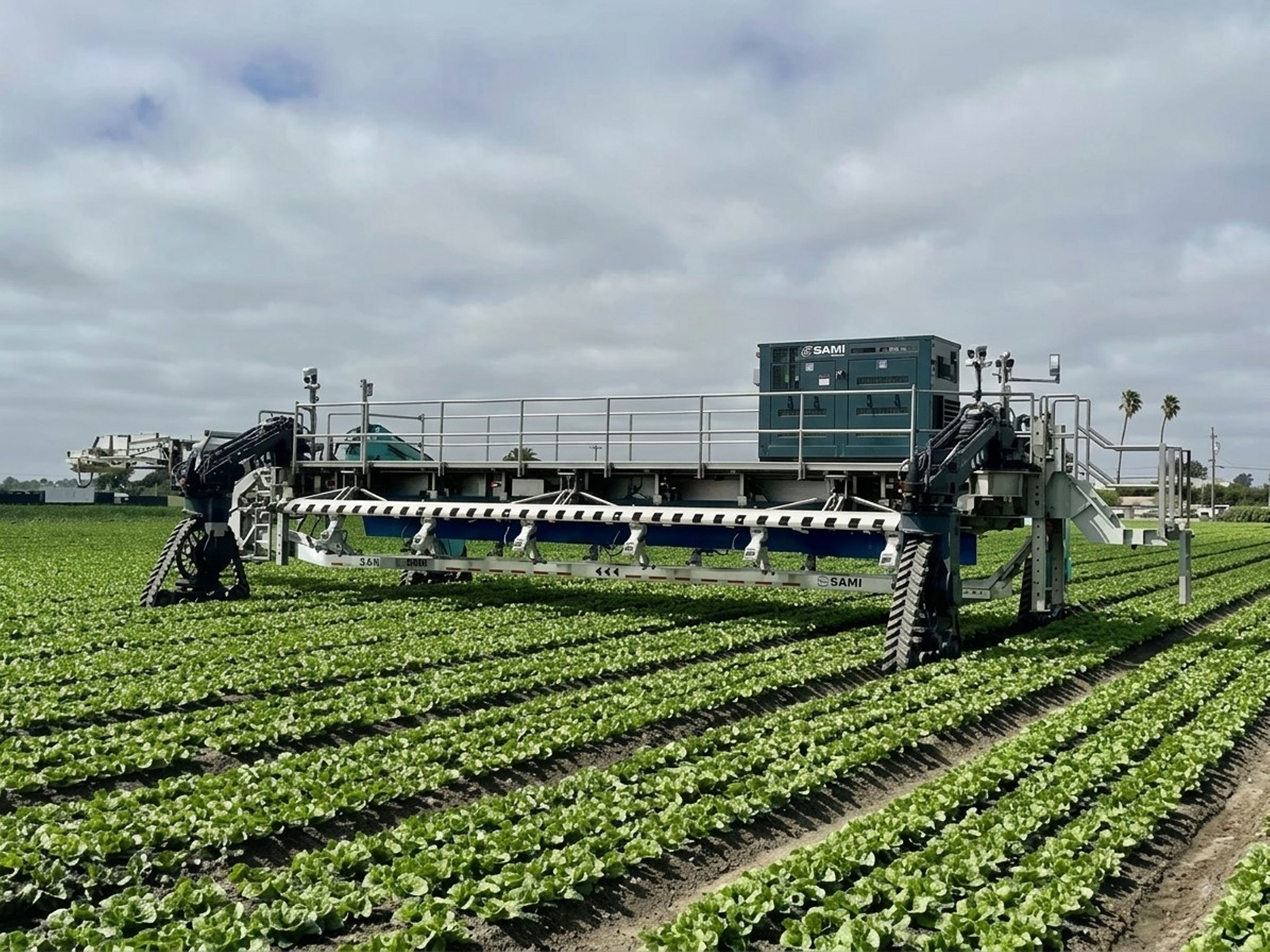
Sami Robotics, located in Varennes, Québec, has successfully transitioned its broccoli harvesting application from prototype to operational status, utilizing a scalable, multi-arm design. The platform employs 12 to 18 robotic arms that work in parallel to identify and harvest mature vegetables, although specific throughput figures are not disclosed due to varying field conditions. The significance of this advancement lies in Sami Robotics' commitment to automating labor-intensive agricultural tasks through advanced robotics, AI, and data analytics. CEO Pascal Labrecque emphasizes the platform's adaptability for multiple crops and agricultural operations, aiming to enhance efficiency and reduce labor dependency for growers. Looking ahead, Sami Robotics plans to scale commercial deployments while refining its technology. Romaine lettuce is next in line for development, with iceberg lettuce and cauliflower also generating interest. The company envisions a multifunctional platform that could eventually support various agricultural tasks beyond harvesting, although no additional capabilities are currently in development.
Crop solutions Harvest & storage harvest Harvest robot
Generalist Leverages Human Demonstration Data for Enhanced Robot Learning
Generalist, a robotics startup valued at $2 billion, utilizes human demonstration data to train robots on real-world tasks. Developed through collaboration among Toyota Research Institute, Columbia University, and Stanford University, the Universal Manipulation Interface (UMI) enables the collection of training data via puppet-like end effectors and GoPro cameras. This innovative approach allows collaborative robots to learn tasks such as washing dishes and picking up objects more efficiently. The significance of Generalist's work lies in its ability to create adaptable robots that can recover from errors in real-time, a feature demonstrated at the Automate event. The company showcased its models performing various tasks with Universal Robots and Flexiv arms, highlighting the intelligence of these systems in handling unexpected challenges. This capability has the potential to reshape perceptions of automation in industrial settings. Looking ahead, Generalist aims to further refine its models to maintain a competitive edge in a rapidly evolving market that has seen over $4 billion in investments. The company’s commitment to developing versatile robotic solutions across diverse applications will be crucial for its growth and adoption in the industry. No further timeline was disclosed at the time of publication.
Academia / Research Arms / Manipulators Artificial Intelligence Artificial Intelligence / Cognition Assembly Cobot Arms
RoboScience Unveils REX G1: A Multifunctional Wheeled Humanoid Robot for Diverse Applications
On August 17, RoboScience officially launched the REX G1, a versatile wheeled humanoid robot designed for various operational scenarios. This robot, equipped with RoboScience's proprietary VLOA architecture and Visics model, aims to enhance productivity in logistics, factories, retail, and home environments by executing complete tasks in dynamic, unstructured settings. The significance of REX G1 lies in its ability to integrate mobility and operational capabilities, addressing the limitations of traditional robots that often operate in isolation. With 22 degrees of freedom, REX G1 can perform tasks with high precision, including object handling and positioning, while adapting to existing spatial layouts without requiring modifications. Looking ahead, REX G1's advanced perception and control systems allow it to function effectively in complex environments, reducing reliance on external infrastructure. No further timeline was disclosed at the time of publication.
Humanoid Robots Logistics Automation AI Robotics Warehouse Automation
Multiway Robotics Completes Intelligent Warehouse Automation for Malaysian Manufacturer
Multiway Robotics has successfully deployed an intelligent warehouse automation system for a manufacturing company in Malaysia, integrating autonomous forklifts with warehouse management software to enhance storage capacity and material handling. This project supports over 5,000 storage locations, including raw material warehouses and finished goods storage, and has reportedly increased storage density by more than 30 percent. The significance of this deployment lies in its contribution to the ongoing trend of warehouse automation and digital transformation among manufacturers in Southeast Asia. By addressing the customer's growing storage needs and complex material flows, Multiway Robotics has implemented a fleet of autonomous forklifts alongside its proprietary Warehouse Management System (WMS) and Robot Control System (RCS), facilitating end-to-end automation of warehouse operations. Looking ahead, the system's capabilities include managing raw material receiving, finished goods storage, and internal material transportation. The deployment features three autonomous forklift models, each designed for specific tasks, and operates 24/7 with automatic charging. No further timeline was disclosed at the time of publication.
News Warehouse robots amrs automated warehouse autonomous forklifts autonomous mobile robots
PaXini Unveils PX-FOOTRIX, the First Multi-Dimensional Tactile Sensor for Bipedal Robots
PaXini has officially launched the PX-FOOTRIX, the world's first multi-dimensional tactile sensor designed for bipedal robots. This innovative product utilizes a pioneering 6D Hall array tactile sensing technology to provide comprehensive three-dimensional force perception and six-dimensional force/moment sensing, enabling robots to accurately understand ground features and adapt their gait in real-time. The introduction of PX-FOOTRIX is significant as it enhances the ability of bipedal robots to navigate complex real-world terrains, moving beyond simple walking capabilities to a deeper understanding of how to walk. This advancement is crucial for applications in industrial manufacturing, logistics, and public services, where robots must adjust their movements based on varying ground conditions. Looking ahead, the PX-FOOTRIX is set to redefine robotic gait perception and control. With its ability to deliver rich tactile feedback and support dynamic gait optimization, it promises to improve the stability and safety of robotic movements in diverse environments. No further timeline was disclosed at the time of publication.
Bipedal Robots Tactile Sensors Robotics Technology AI Sensor Technology
Google DeepMind Launches Gemini Robotics 2, Enhancing Whole-Body Intelligence and Multi-Robot Collaboration
Google DeepMind has introduced Gemini Robotics 2, a significant update that enhances its robotics capabilities. This new version expands beyond previous iterations by incorporating full-body movement control for humanoids, advanced manipulation for multi-fingered hands, and improved collaboration among multiple robots. The importance of Gemini Robotics 2 lies in its ability to unify locomotion and manipulation, addressing a common limitation in robotics. As Carolina Parada, Head of Robotics at Google DeepMind, stated, the new model enables robots to think, act, and interact intelligently, which is crucial for tackling complex tasks in diverse environments. Looking ahead, Gemini Robotics 2 is now available through Google AI Studio and in private preview on the Gemini Enterprise Agent Platform. The rollout of the core VLA and On-Device 2 models to early-access hardware partners is also underway. No further timeline was disclosed at the time of publication.
DeepMind US Apollo SharpaWave Sharpa Robotics Google
Exploring Multilevel Dynamics of Brain, Hormones, Mind, and Behavior in Human-Robot Interaction
A recent study published in Science Robotics investigates the complex interactions between the brain, hormones, mind, and behavior in social human-robot interactions. This research highlights how these multilevel dynamics influence the way humans engage with robots, potentially reshaping our understanding of robotics in social contexts. Understanding these interactions is crucial as it can lead to improved design and functionality of robots, enhancing their effectiveness in various applications. The findings may also inform the development of robots that can better respond to human emotional and psychological states, thereby fostering more natural interactions. As the field of robotics continues to evolve, it will be important to monitor advancements in understanding human-robot dynamics. Future research may explore specific applications of these findings in sectors such as healthcare, education, and entertainment, where social interaction with robots is increasingly prevalent. No further timeline was disclosed at the time of publication.
Research Article
Innovative Puppet Master Approach Enables Control of Multiple Robots Simultaneously
A team from the Technical University of Munich demonstrated a novel method for controlling three distinct robots to collaboratively transport a whiteboard through a doorway. This approach, published in Science Robotics, utilizes an allocentric perspective, allowing operators to oversee multiple robots from a 'God's eye' view, akin to puppeteering. The results showed an 84% increase in speed for parallel tasks compared to traditional first-person control. This new paradigm is significant as it addresses the cognitive load associated with egocentric control, where operators switch perspectives between robots, hindering efficiency. The allocentric method allows for simultaneous control, enhancing usability scores when operators can switch between modes. Cognitive science supports this approach, indicating that the brain processes spatial information more effectively in an allocentric manner, particularly in complex scenarios. Looking ahead, the research indicates potential for further exploration in robot control systems. While the allocentric mode excels in speed, it shows limitations in precision tasks, suggesting a need for hybrid approaches that leverage the strengths of both allocentric and egocentric perspectives. No further timeline was disclosed at the time of publication.
Multi-Robot Control Remote Operation Robotics Research Human-Robot Interaction
Multimodal Robotics Inspired by Biological Systems Explored in Science Robotics
The latest issue of Science Robotics, Volume 11, Issue 116, published in July 2026, delves into the advancements in bioinspired multimodal robotics. This research highlights how biological systems can inform the design and functionality of robotic systems, leading to more versatile and adaptive technologies. The significance of this research lies in its potential to enhance robotic capabilities by mimicking the diverse modalities found in nature. By studying biological organisms, engineers can develop robots that are not only more efficient but also capable of performing complex tasks across various environments, which is crucial for applications in fields such as search and rescue, agriculture, and environmental monitoring. Looking ahead, the ongoing exploration of bioinspired designs in robotics will likely lead to innovative solutions that address current limitations in robotic performance. No further timeline was disclosed at the time of publication.
Review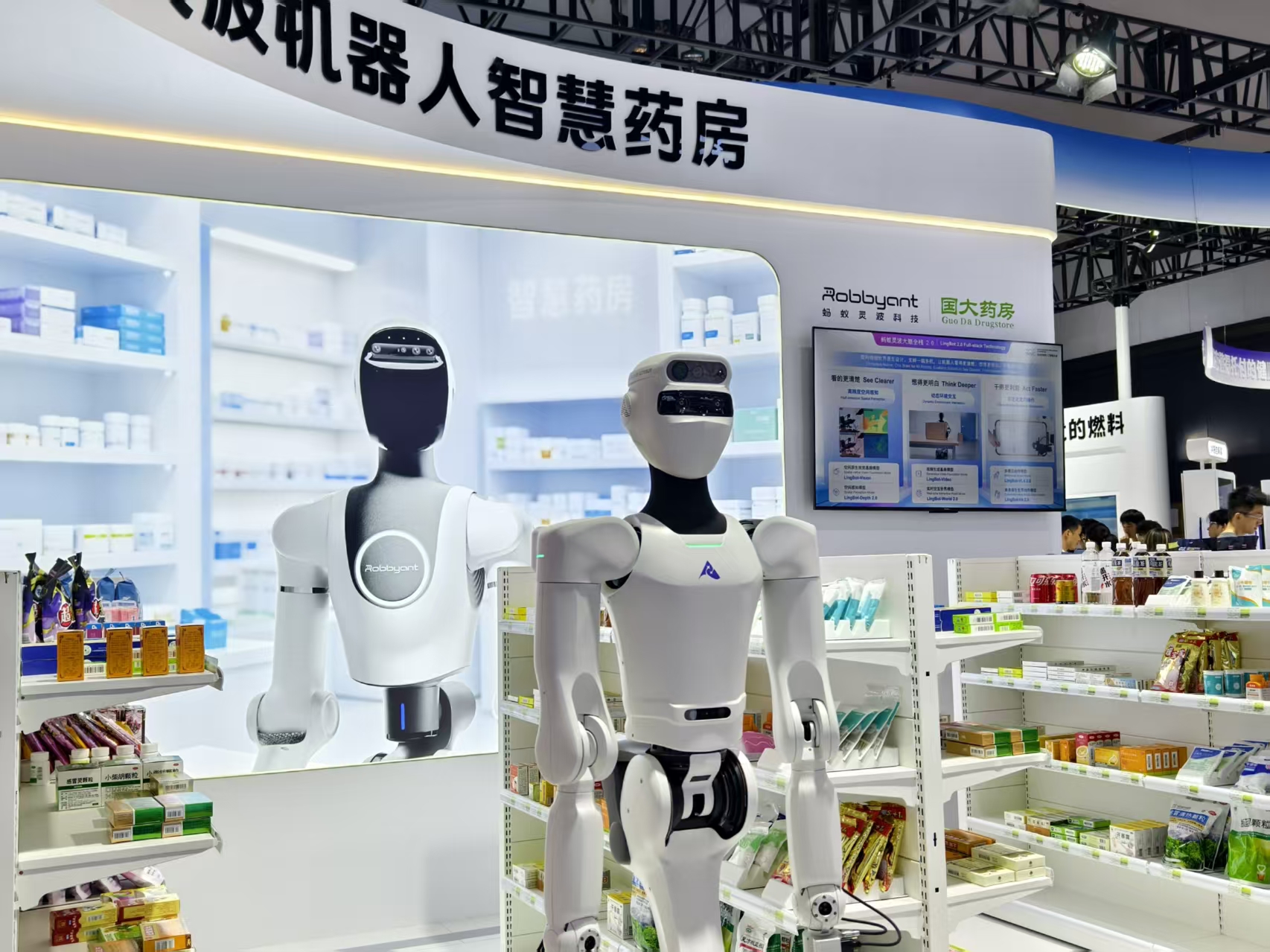
Multiple Exhibitors Showcase the Same Robot at WAIC, Highlighting Industry Trends
At the WAIC, the focus shifted from individual robot models to practical applications, with over 60 out of 200 exhibiting companies emphasizing 'scenarios' for deployment. A notable example was the AI robot S1 from Astribot, showcased at various booths, performing tasks from sorting medications to assisting in retail environments. The significance of this trend lies in the growing recognition that operational capabilities and versatile applications are crucial for commercial success in robotics. Companies like Ant Group, JD.com, and Xian Gong Intelligent are leveraging the same humanoid robot for diverse tasks, indicating a shift in the industry towards physical operational intelligence. Looking ahead, the emphasis on the S1 robot's adaptability and safety features suggests a promising future for humanoid robots in various sectors. However, challenges remain in transitioning from product development to commercial deployment, as many manufacturers still face uncertainties in scaling production and fulfilling orders.
Humanoid Robots Robotics Applications AI Technology Physical Intelligence
Cooperative Climbing Control for Bridge Pier Defect Detection Using Multi-Wheel Robots
A new multi-wheel cooperative climbing control system has been developed for detecting defects in bridge piers. This innovative circular frame robot system enhances the efficiency and accuracy of inspections, addressing a critical need in infrastructure maintenance. The significance of this technology lies in its potential to improve safety and reduce costs associated with bridge maintenance. By utilizing a cooperative approach, the system can navigate complex structures more effectively, ensuring that defects are identified promptly and accurately. Looking ahead, the adoption of this multi-wheel cooperative climbing control system could revolutionize the way infrastructure inspections are conducted. No further timeline was disclosed at the time of publication.
RESEARCH ARTICLE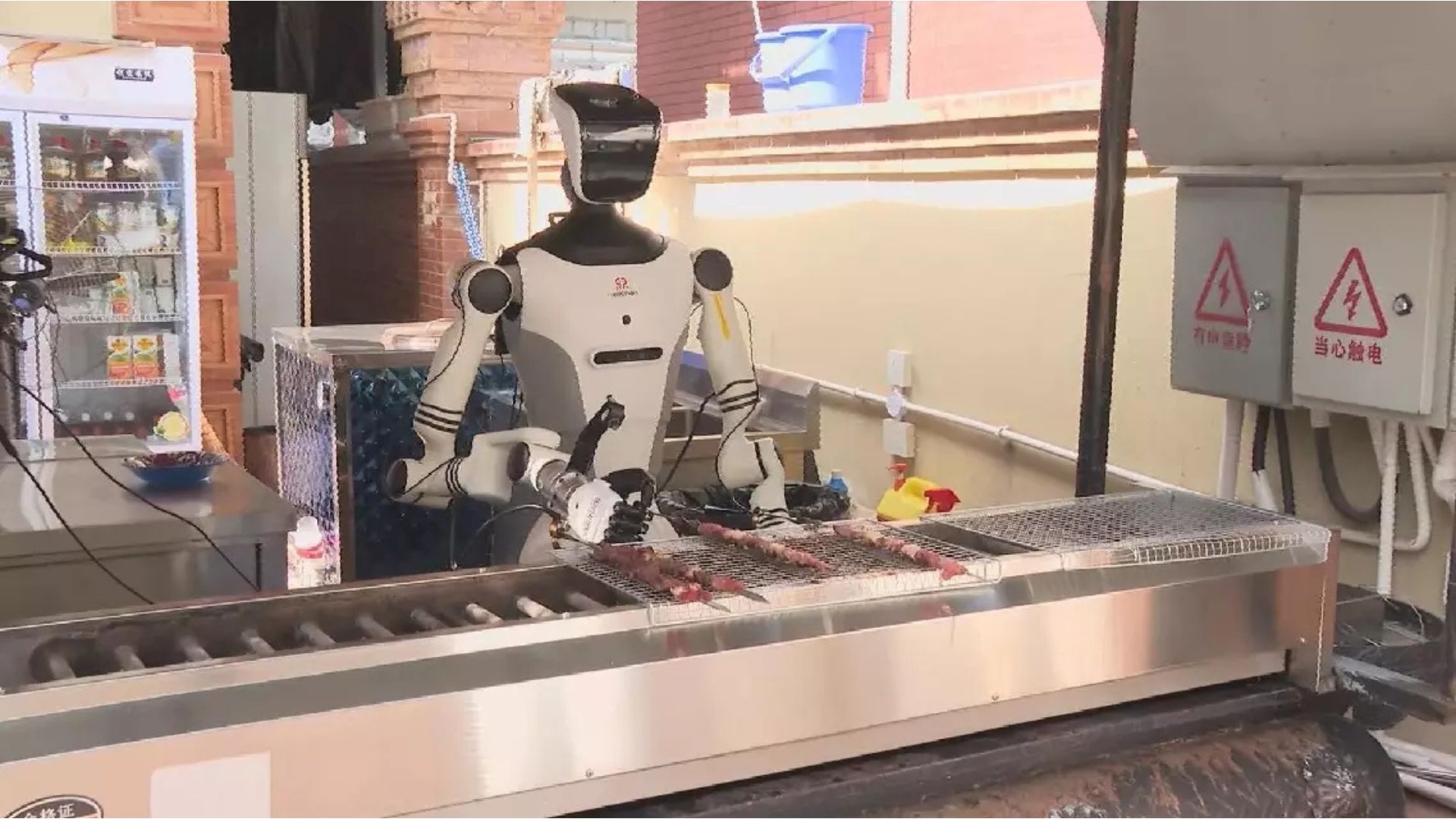
Humanoid Robot Showcases Cooking Skills in Live Demo of Xinjiang Dishes
A humanoid robot demonstrated its culinary abilities by preparing traditional Xinjiang dishes during a live show in Yining City, China. The robot successfully grilled kebabs and skewered meat, showcasing its coordination and force control after less than a week of specialized training, although it still lagged behind experienced chefs. This demonstration is significant as it highlights the advancements in embodied artificial intelligence and robotic dexterity, particularly in complex tasks like food preparation. The event took place on July 15, emphasizing the potential for humanoid robots to tackle real-world challenges that require precision and adaptability. Looking ahead, the demonstration served as a precursor to the second World Humanoid Robot Games in Beijing, scheduled for August 22 to 26. This event will further showcase the progress in humanoid robotics and their applications in various sectors beyond manufacturing, such as hospitality and healthcare.
AI and Robotics
Noetra Initiates Development of Japan's Multimodal AI Foundation Model for Robotics
Noetra, in collaboration with key partners including Sony, SoftBank, NEC, and Honda Motor, has launched extensive R&D for a multimodal foundation model aimed at enhancing AI-enabled robotics in Japan. This initiative is part of a broader effort to develop sovereign AI technologies within the country, supported by investments from 44 companies across various sectors, primarily manufacturing. The significance of this development lies in its potential to position Japan as a leader in physical AI. By creating a robust multimodal foundation model, Noetra aims to improve industrial competitiveness and address societal challenges through advanced AI capabilities, including natural language processing and multimodal data understanding. Looking ahead, Noetra plans to construct AI computing infrastructure with Nvidia's advanced GPUs, with operations expected to commence in June 2028. The phased development will culminate in a comprehensive omni-modal foundation model by fiscal 2028, ultimately striving for a “Real-world Native AI” by fiscal 2030, which will be capable of understanding physical properties in real-world applications.
Artificial Intelligence News Robot simulation ai agents AI infrastructure artificial intelligence
Pudu Robotics Showcases 'One Brain, Multiple Embodiments' Technology and PUDU D7 at WAIC 2026
Pudu Robotics presented its advancements in the 'One Brain, Multiple Embodiments' technology architecture at WAIC 2026. The event featured an in-depth exploration of its Physical Agent architecture, highlighting the innovative capabilities of this system. The company also unveiled the PUDU D7, an industrial-grade semi-humanoid robot, during its first offline public showcase. This demonstration marks a significant step in Pudu Robotics' efforts to enhance automation solutions across various sectors. Looking ahead, industry observers will be keen to see how Pudu Robotics continues to develop its technology and the potential applications of the PUDU D7 in real-world scenarios. No further timeline was disclosed at the time of publication.

Agile Multiskill Locomotion Techniques for Quadrupedal Robots in Natural Environments
A recent study published in Science Robotics explores advanced locomotion techniques for quadrupedal robots designed for outdoor environments. The research focuses on developing agile and perceptive multiskill locomotion capabilities that enable these robots to navigate complex terrains effectively. This advancement is significant as it enhances the operational versatility of quadrupedal robots, making them more suitable for various applications in challenging environments. By improving their ability to adapt to different terrains, these robots can be utilized in fields such as search and rescue, environmental monitoring, and exploration. Looking ahead, the implications of this research could lead to further innovations in robotic mobility and autonomy. No further timeline was disclosed at the time of publication.
Research Article
Allocentric Teleoperation Enhances Multirobot Coordination from Variable Perspectives
In the July 2026 issue of Science Robotics, researchers introduced allocentric teleoperation as a novel approach to enhance multirobot coordination. This method allows operators to control multiple robots from various perspectives, improving situational awareness and operational efficiency. The significance of this development lies in its potential to transform how operators interact with robotic systems. By enabling a variable perspective, allocentric teleoperation can facilitate more intuitive control and better decision-making in complex environments, which is crucial for applications in fields such as search and rescue, exploration, and industrial automation. Looking ahead, the implications of allocentric teleoperation could lead to advancements in robotic teamwork and autonomy. Future research may focus on refining this technology and exploring its integration into existing robotic systems. No further timeline was disclosed at the time of publication.
Research Article
MindOn Robotics Demonstrates Coordination of Humanoids and Dual-Arm Robots Using Unified AI Model
MindOn Robotics has released a video showcasing a coordinated logistics workflow involving two Unitree G1 humanoid robots and two dual-arm systems. The demonstration highlights the robots' ability to work together seamlessly, with the G1 humanoids picking items and the dual-arm robots packing them. The innovation lies in the software that powers this heterogeneous system, which is driven by a single AI model trained on human data without the need for teleoperation. This development is significant as it addresses the industry's need for diverse robotic hardware to navigate human-centric environments while performing structured tasks efficiently. MindOn's approach separates its software architecture into high-level and low-level layers, allowing for better scalability and adaptability across different robot platforms. This decoupling is crucial in overcoming the traditional bottlenecks associated with training unique models for each robot type. Looking ahead, MindOn's advancements in training models on human-centric data and employing a Cross-Embodiment Data Pipeline could revolutionize how robots learn and execute tasks. The company aims to bridge the gap between human motion and robotic action, achieving high precision in manipulation tasks. No further timeline was disclosed at the time of publication.
MindOn China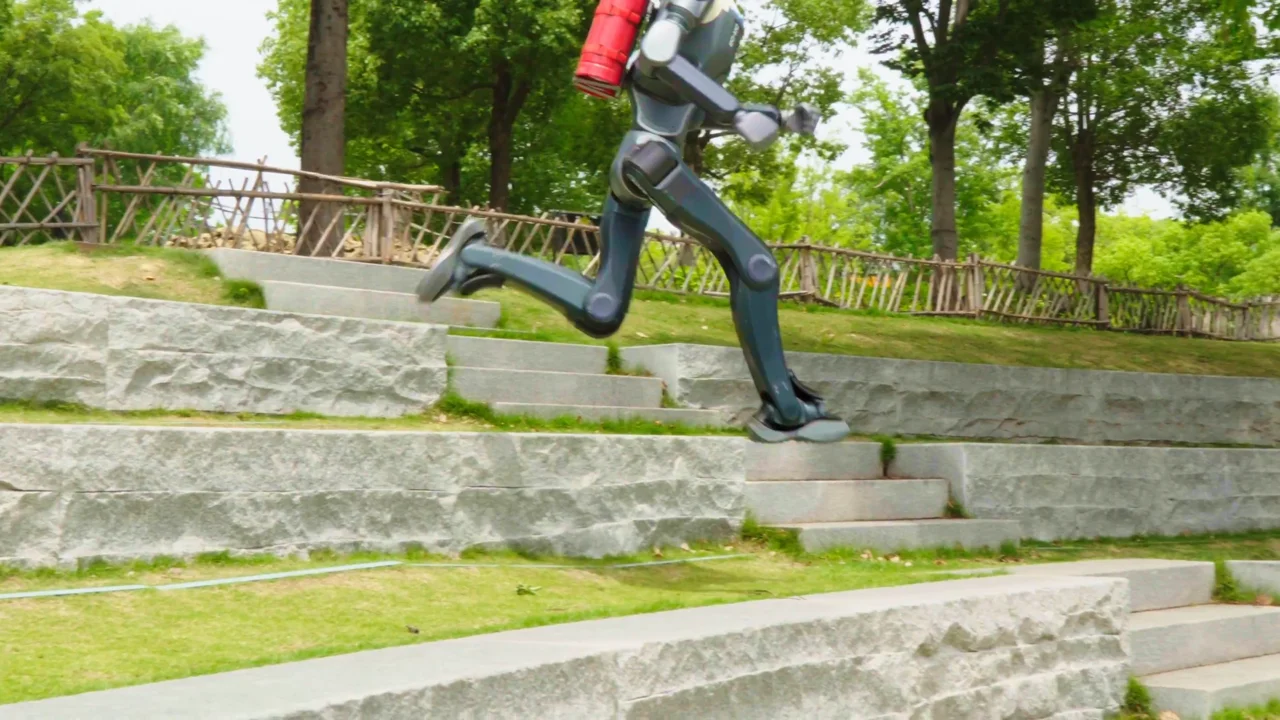
Deep Robotics Unveils Enhanced DR02 Humanoid with Firefighting Capabilities in New Demo
Deep Robotics has released a new video demonstration of its DR02 humanoid robot, showcasing its advanced mobility and utility in hazardous environments. The bipedal robot is seen navigating uneven terrain, jumping over obstacles, and equipped with a fire extinguisher, emphasizing its application in firefighting and industrial inspections. This demonstration is significant as it highlights Deep Robotics' transition from a venture-backed startup to a publicly traded company, with an IPO application accepted by the Shanghai Stock Exchange. The DR02's enhanced capabilities, including increased payload capacity and improved balance control, reflect the company's commitment to evolving its technology in a competitive market. Looking ahead, Deep Robotics aims to leverage the anticipated CNY 2.5 billion from its IPO to fund advancements in embodied AI and scaling manufacturing. The competitive landscape is intensifying, as rival Unitree Robotics also seeks to raise substantial funds through its own IPO, indicating a burgeoning robotics sector in China.
Market Deep Robotics China
ABB Robotics Introduces E-Device for Multi-Device Robot Control
ABB Robotics has expanded its offerings for programming and operating robots with the introduction of the E-Device. This new tool allows users to control robots through various devices, enhancing flexibility and usability in robotic applications. The introduction of the E-Device is significant as it addresses the growing need for adaptable and user-friendly solutions in robotics. By enabling control from multiple devices, ABB Robotics aims to streamline operations and improve the efficiency of robotic systems in various industrial settings. Looking ahead, industry professionals should monitor how the E-Device impacts robot programming and operation. No further timeline was disclosed at the time of publication.
Allgemein Robotersteuerung & Digital Twin Robotik
RobotPlusPlus Enhances Industrial Maintenance with HighMate Series at SMM 2026
RobotPlusPlus showcased its HighMate Series at SMM 2026 in Hamburg, focusing on industrial cleaning and corrosion control. The HighMate AP-F-CO Coating Robot+VOC Recovery System aims to reduce workers' exposure to hazardous tasks at height while enhancing the efficiency and consistency of cleaning and surface treatment processes. This development is significant as it addresses safety concerns associated with working at height, a common issue in industrial maintenance. By automating these processes, RobotPlusPlus not only improves worker safety but also increases operational efficiency, which is crucial for industries that rely on regular maintenance and cleaning. Looking ahead, the adoption of the HighMate Series could lead to broader applications in various industrial sectors. No further timeline was disclosed at the time of publication.

Specialized Robots Demonstrate Advanced Functions in Extreme Environments
Recently, several domestic specialized robots have gained attention online for their remarkable capabilities. These include a robotic wolf that can withstand temperatures of 500°C and a flying rescue device from Hangzhou police that autonomously reaches water rescue points at a speed of 14 meters per second. Many observers noted that science fiction scenarios have become a reality. On September 20, the first Intelligent Robot Application Skills Exhibition was launched in Yuhang, Hangzhou, showcasing over 300 robots. Among the exhibits were humanoid robots, but a significant number were uniquely designed robots tailored for specific tasks. These robots are engineered to operate in hazardous environments where humans cannot safely go, emphasizing functionality over human-like appearance. The design logic of specialized robots differs from humanoid robots, focusing on performing tasks in extreme conditions such as high temperatures, toxic gases, and complex underwater environments. Capabilities like 500°C heat resistance, 6-ton towing capacity, and 60-meter range are directly linked to operational scenarios. However, the true value of these robots lies in their ability to work reliably in high-risk environments, necessitating continuous optimization based on real-world conditions.
Specialized Robots Firefighting Robots Rescue Technology Industrial Automation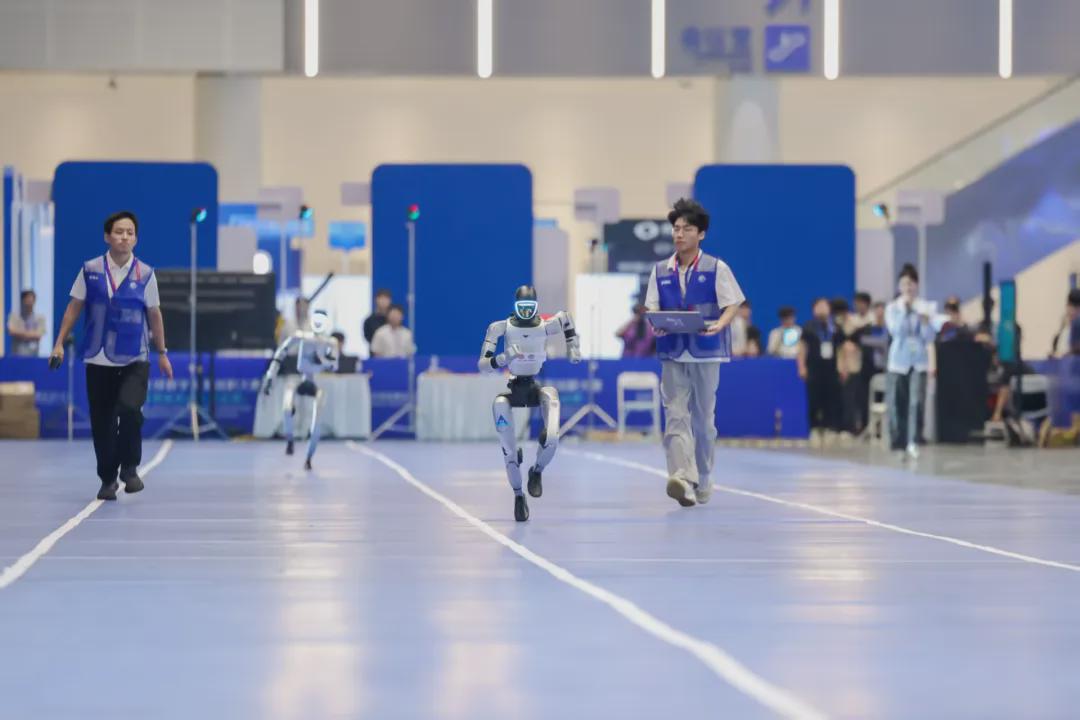
Humanoid Robots Compete in Multiple Events at 2026 Global Digital Trade Innovation Competition
On September 24, 2026, the Global Digital Trade Innovation Competition featured a day packed with events for humanoid robots at the Hangzhou International Expo Center. This marked the first time humanoid robots participated in competitive racing, including 100-meter sprints, obstacle courses, and endurance tests, showcasing their movement control capabilities. The significance of this event lies in its role as a benchmark for evaluating the technological advancements in humanoid robotics. The competition highlighted critical challenges, such as the difficulty in deceleration, which affects the robots' ability to stop safely after high-speed runs. This issue underscores the importance of refining motion control algorithms for practical applications in real-world scenarios. Looking ahead, the competition's standardized testing environment provides valuable insights into the baseline capabilities of humanoid robots, shifting the focus from mere speed to essential skills like stability and adaptability in complex terrains. No further timeline was disclosed at the time of publication.
Humanoid Robots Robotics Competition AI Technology Motion Control Industrial Robotics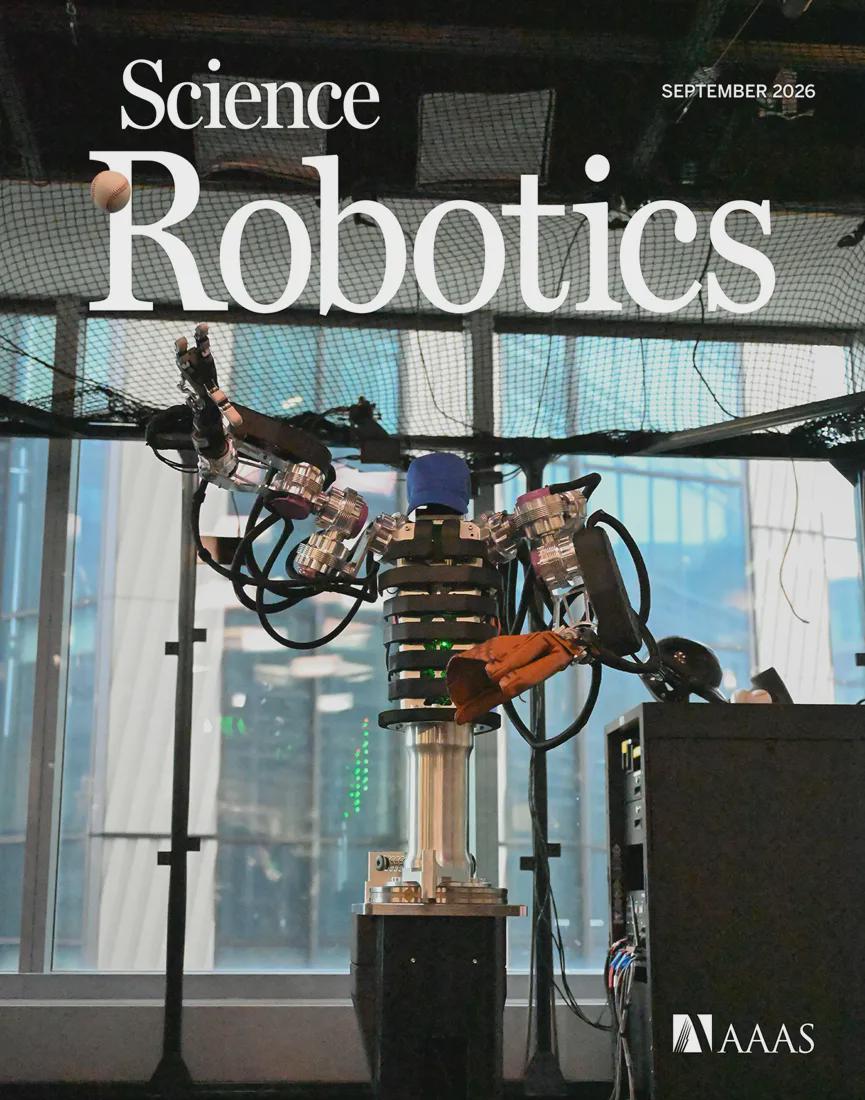
AthenaZero: A Robotic Arm Demonstrating Advanced Baseball Skills and Precision
AthenaZero, developed by the RAI Institute, has showcased its capabilities by successfully catching a baseball from 7.3 meters away, with the ball's flight time being less than 0.4 seconds. Additionally, it demonstrated its batting skills by adjusting its swing based on the pitch location, achieving a hit rate of 27 out of 33 attempts in testing. This innovation is significant as it addresses the challenge of balancing explosive power and precision in robotic arms. By reducing the arm's inertia, AthenaZero can accelerate and decelerate more effectively, allowing for a controlled response upon contact with the ball. This capability is crucial for tasks that require delicate handling, such as catching lightweight objects without deflecting them. Looking ahead, the focus will be on further refining the mechanical structure to minimize inertia, enhancing the arm's performance in dynamic environments. No further timeline was disclosed at the time of publication.
Robotic Arms AI Dynamic Manipulation Baseball Robotics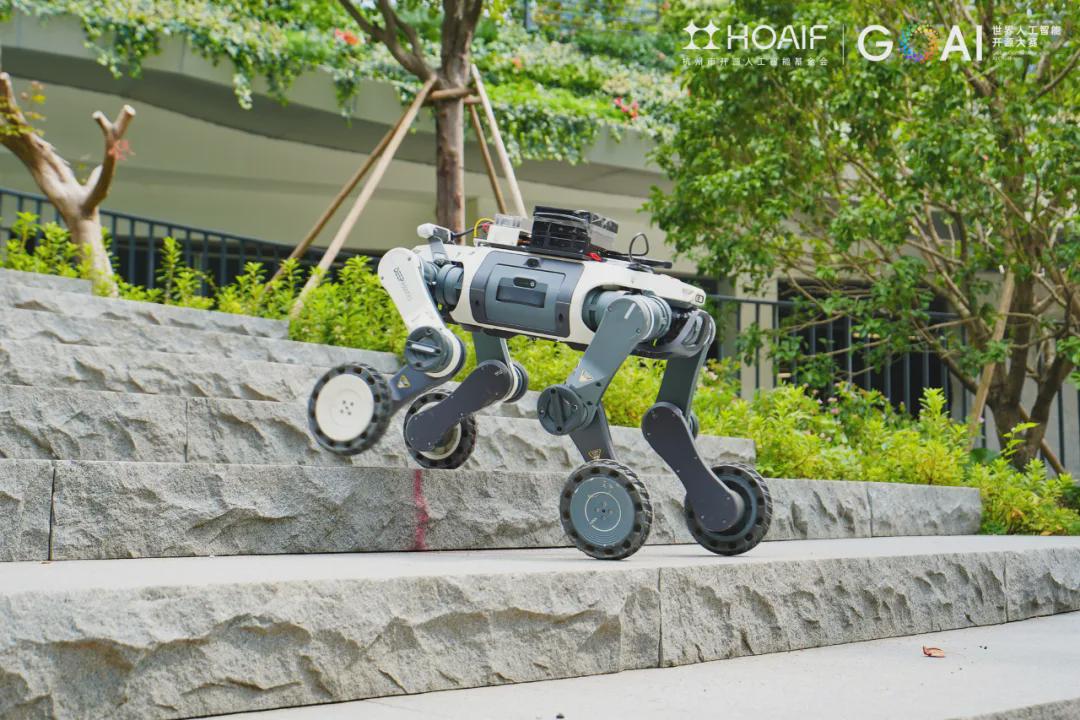
Competition in Embodied Intelligence: Openness Drives Innovation with Cloud Deep Technology's Robot
The GOAI World AI Open Source Competition featured teams using the Cloud Deep Technology's Cat S10 robot to tackle real-world terrain challenges. The competition emphasized practical problem-solving over theoretical presentations, allowing diverse teams to develop algorithms and deploy solutions on the same robotic platform. This approach highlights the importance of collaboration and openness in advancing embodied intelligence. By providing access to their mature product, Cloud Deep Technology encourages innovation and collective progress in the industry, moving from individual success to broader possibilities for all participants. Looking ahead, the competition showcased various strategies, including autonomous navigation and reinforcement learning, emphasizing the need for reliable solutions in real-world applications. No further timeline was disclosed at the time of publication.
Embodied Intelligence Robot Competitions Algorithm Development Real-World Applications
Innovative Hopping Robot Demonstrates Precise Control Over Jump Height
A new hopping robot has been developed that can accurately control its jump height, showcasing a significant advancement in robotic locomotion. This technology mimics the energy-efficient jumping mechanism found in insects and amphibians, which is nearly two times more efficient than flying. The ability to conserve energy while achieving effective movement could revolutionize how robots navigate various environments. The significance of this development lies in its potential applications across multiple sectors, including search and rescue operations, environmental monitoring, and even entertainment. By adopting a locomotion style that requires less energy than traditional flying methods, this hopping robot could operate longer and more effectively in challenging terrains. This efficiency could lead to broader adoption of hopping robots in real-world scenarios. Looking ahead, it will be important to monitor how this technology evolves and its integration into existing robotic systems. Future advancements may focus on enhancing the robot's capabilities, such as improving its agility and adaptability in diverse environments. No further timeline was disclosed at the time of publication.
Robotics
MVP Robotics Showcases M2P Heavy's Autonomy in Wildfire Vehicle Challenge
MVP Robotics successfully demonstrated the autonomous capabilities of its M2P Heavy, capable of moving up to 800 pounds, during the Autonomous Ground Vehicles Prize Challenge. This event took place at the Beasley Knob Off-Highway Vehicle Trail in Georgia's Chattahoochee-Oconee National Forest, focusing on wildfire response operations. The demonstration is significant as it highlights advancements in heavy-payload autonomous ground operations, which are crucial for effective wildfire management and emergency response. The ability to transport substantial loads autonomously can enhance operational efficiency in challenging terrains, particularly in disaster scenarios. Looking ahead, the performance of the M2P Heavy in such demanding conditions may influence future applications of autonomous vehicles in various sectors, including emergency services and environmental management. No further timeline was disclosed at the time of publication.
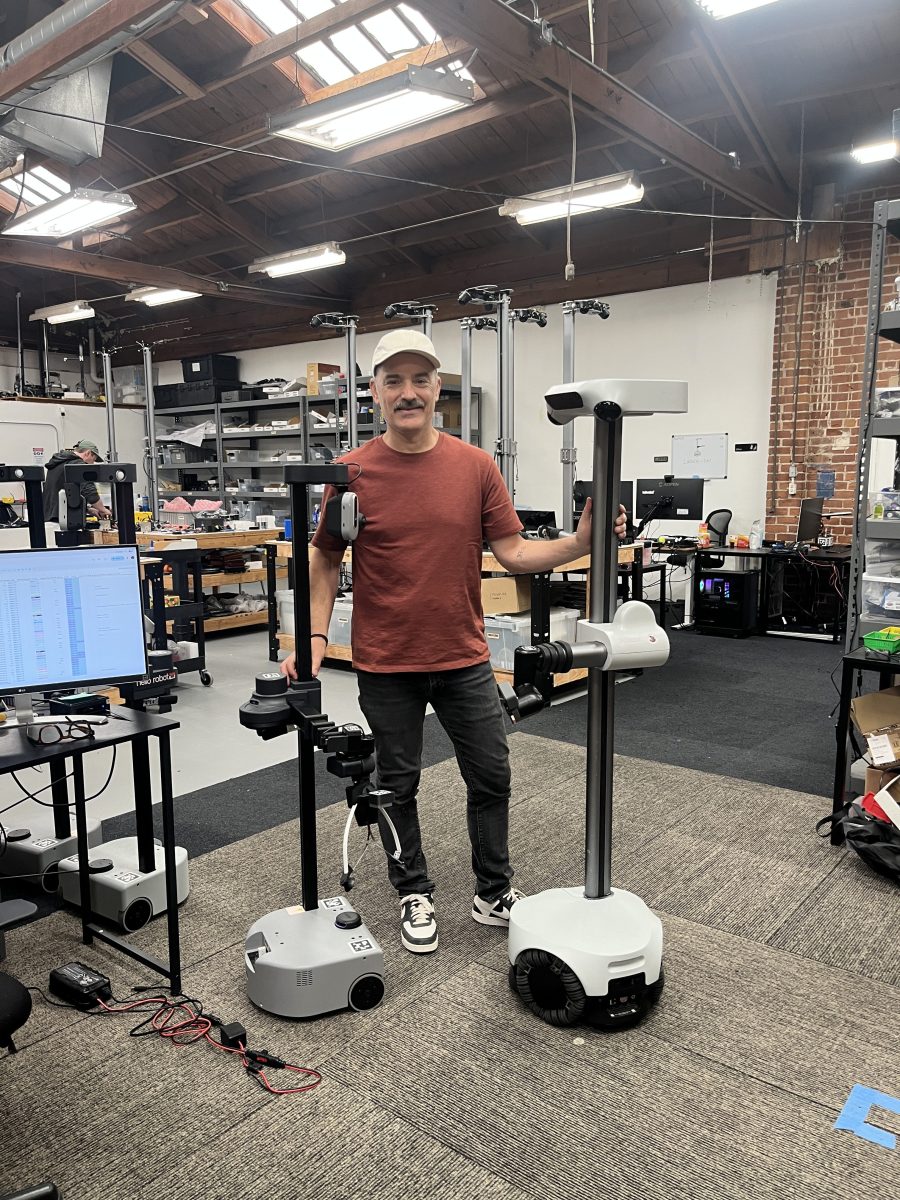
Hello Robot's Stretch 4 Demonstrated by Aaron Edsinger at TechCrunch Disrupt 2026
At TechCrunch Disrupt 2026, Aaron Edsinger, CEO of Hello Robot, showcased Stretch 4, a home-assistance robot designed to aid individuals with severe mobility impairments. Stretch 4, which launched in May, features a compact design with a telescoping arm, enabling it to perform everyday tasks like feeding, closing blinds, and scratching an itch. This demonstration highlights the importance of practical robotics in enhancing independence for users with mobility challenges. Unlike many robots focused on humanoid designs, Stretch 4 emphasizes functionality and accessibility, making it suitable for real-world environments. The robot's first production run sold out shortly after its launch, indicating strong demand and interest in its capabilities. Attendees at Disrupt will witness Stretch 4 in action and learn about Hello Robot's innovative approach to physical AI. The session aims to shift the narrative from flashy demonstrations to real-life applications, showcasing how technology can significantly improve the quality of life for individuals with disabilities. No further timeline was disclosed at the time of publication.
Startups Hardware AI Robotics TechCrunch Disrupt hello robot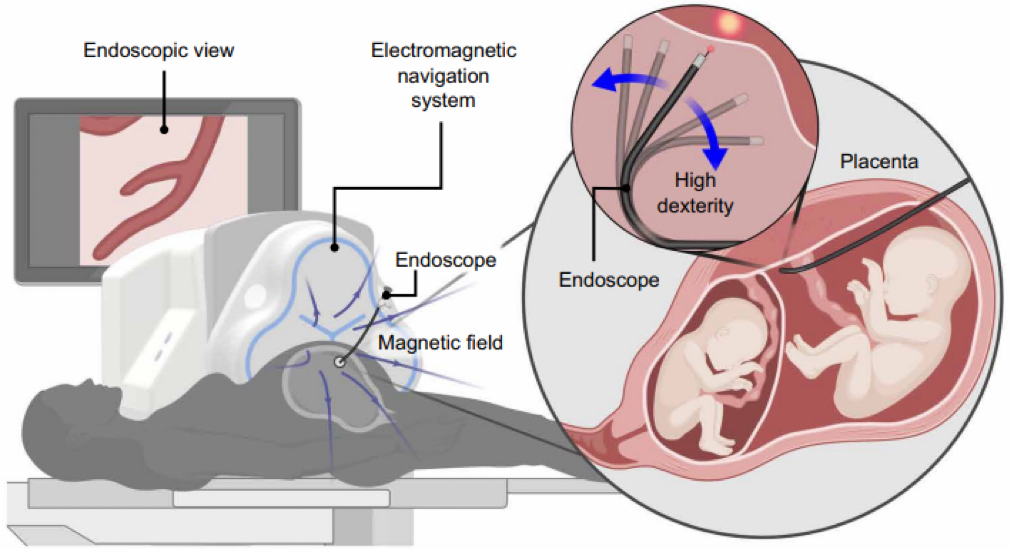
ETH Zurich Team Demonstrates Robotic System for Fetal Surgery in Sheep Using 3.2mm Endoscope
A research team from ETH Zurich has developed a magnetic-controlled flexible endoscope robot platform, successfully validating its navigation and ablation capabilities in a live sheep model for twin-to-twin transfusion syndrome (TTTS) laser surgery. This condition affects 10% to 15% of twin pregnancies sharing a placenta and is treated with fetal endoscopic laser coagulation (FLC). Current methods have a survival rate of about 70%, with significant risks of long-term neurological damage. The new 3.2mm robotic endoscope offers improved access and ablation angles compared to traditional rigid endoscopes, which struggle with visibility and precision. The flexible endoscope's design allows it to navigate through a 10-Fr cannula, crucial for better clinical outcomes. It can bend up to 173° under a 25 mT magnetic field, achieving a 91% coverage rate for optimal ablation angles, significantly outperforming existing tools. The team conducted in vivo experiments using a pregnant black goat, which closely resembles human placental and developmental characteristics. The robotic system demonstrated effective manual and automated navigation strategies, achieving high precision in targeting and image stitching. No further timeline was disclosed at the time of publication.
Robotic Surgery Medical Robotics Fetal Surgery Endoscopic Technology
OLogic to Present on Egocentric Robot Learning at RoboBusiness 2026
OLogic will showcase the potential of egocentric robot learning at RoboBusiness 2026, highlighting how robots can learn from human demonstrations. This innovative approach allows robots to acquire complex skills by observing human behavior, addressing challenges such as labor shortages and operational complexity across various industries. The significance of this technology lies in its ability to reduce the time, cost, and expertise needed for deploying robotic systems. By leveraging egocentric learning, organizations can enhance automation in sectors like manufacturing, logistics, and healthcare, ultimately bridging the gap between research and practical applications. At the event, Ted Larson, CEO of OLogic, will lead a session on the foundations and challenges of egocentric robot learning. Attendees can expect insights into how advancements in embodied AI and large-scale robot learning are transforming the landscape of commercial robotics. No further timeline was disclosed at the time of publication.
Artificial Intelligence / Cognition Design / Development Events Healthcare Robotics Logistics Manufacturing
Robot Showcases Traditional Lacquer Fan Craft at Hong Kong Mid-Autumn Festival
The first International Mid-Autumn Lantern Festival in Hong Kong, held from September 17 to 27 at Victoria Park, featured a theme of reunion and showcased lanterns from 20 countries, including traditional Nanjing Qinhuai lanterns and local Hong Kong crafts. Zhixing Robotics was invited to demonstrate the intricate art of lacquer fan making using their advanced robotic technology. Lacquer fan crafting is a traditional intangible cultural heritage that requires precision in various steps, such as the force used to take the fan, the depth of immersion in lacquer, and the speed of rotation. Zhixing's wheeled humanoid robot, Han Yue, utilized proprietary technologies in force control, 3D visual perception, and adaptive grasping to accurately execute the entire fan-making process. This performance highlighted the blend of mechanical precision and the poetic essence of lacquer art. The choice of the lantern festival as a venue was strategic, as it attracts a diverse audience, making the robot's artistic demonstration more relatable than a technical showcase in a museum. The unique patterns created by the robot's craftsmanship added aesthetic value, allowing viewers to appreciate the cultural significance of the lacquer fan, thus bridging advanced robotics with traditional Chinese heritage.
Robotics Cultural Heritage Automation AI Technology
Humanoid Robot Demonstrates Agility on Monkey Bars in Latest Video Showcase
In the latest edition of Video Friday, a humanoid robot showcases its ability to traverse monkey bars, demonstrating advanced agility and perception of complex 3D structures. This task requires the robot to jump onto the structure, navigate through sparse bar interactions, and land safely, highlighting its whole-body motion capabilities. The significance of this demonstration lies in its implications for humanoid robotics, particularly in environments where navigating thin and overhanging geometries is essential. As humanoid robots become more adept at traversing challenging obstacles, the potential applications in search and rescue, disaster response, and other critical fields continue to expand. Looking ahead, the upcoming Humanoids Summit in Seoul and other robotics events scheduled for late 2026 will likely feature further advancements in humanoid robotics. No further timeline was disclosed at the time of publication.
Humanoid-robots Video-friday Drones Robot-videos Center-for-robot-assisted-search Quadruped-robots
Robotic Dog Demonstrates Autonomous Grocery Shopping Amid Payment Technology Challenges
A robotic dog named 'Tutu' showcased its ability to autonomously find stalls, confirm products, place orders, and make payments at the September Bund Conference. This demonstration marked it as the world's first embodied intelligent product with complete payment capabilities. The significance of this development lies in the challenges of responsibility attribution in autonomous transactions. While traditional payment methods involve clear user intent, the robotic dog must independently assess product quality and pricing, raising questions about accountability in case of errors. Looking ahead, the focus should not solely be on when robotic dogs can replace human shoppers, but rather on how disputes arising from transactions conducted by intelligent agents will be resolved legally. The absence of clear regulatory frameworks for these scenarios poses a significant challenge for the future of embodied intelligent payments.
Robotic Automation AI Payment Systems Financial Technology Risk Management
Bionic Emotion-Sensing Humanoid Robot Demonstrates Real Tears During Interaction
A new humanoid robot has been developed that can express emotions by shedding real tears while communicating. This advancement highlights the potential for robots to engage more authentically with humans, enhancing their roles in various applications. The ability of this robot to exhibit genuine emotional responses could significantly impact industries such as healthcare and customer service, where human-like interactions are crucial. As robots become more integrated into daily life, their emotional capabilities may improve user acceptance and trust. Looking ahead, the evolution of emotion-sensing technology in robotics will be critical to watch. The implications of such advancements could reshape how robots are utilized across sectors, potentially leading to more empathetic and responsive machines. No further timeline was disclosed at the time of publication.
AI and RoboticsRobotics needs a service framework.
RSF defines a common language for robot service capability, lifecycle operations, certification pathways, and service-provider networks.
Join the RobotToday community on LinkedIn
Daily robotics news, in-depth analysis, conference highlights, and discussions with professionals worldwide.







