

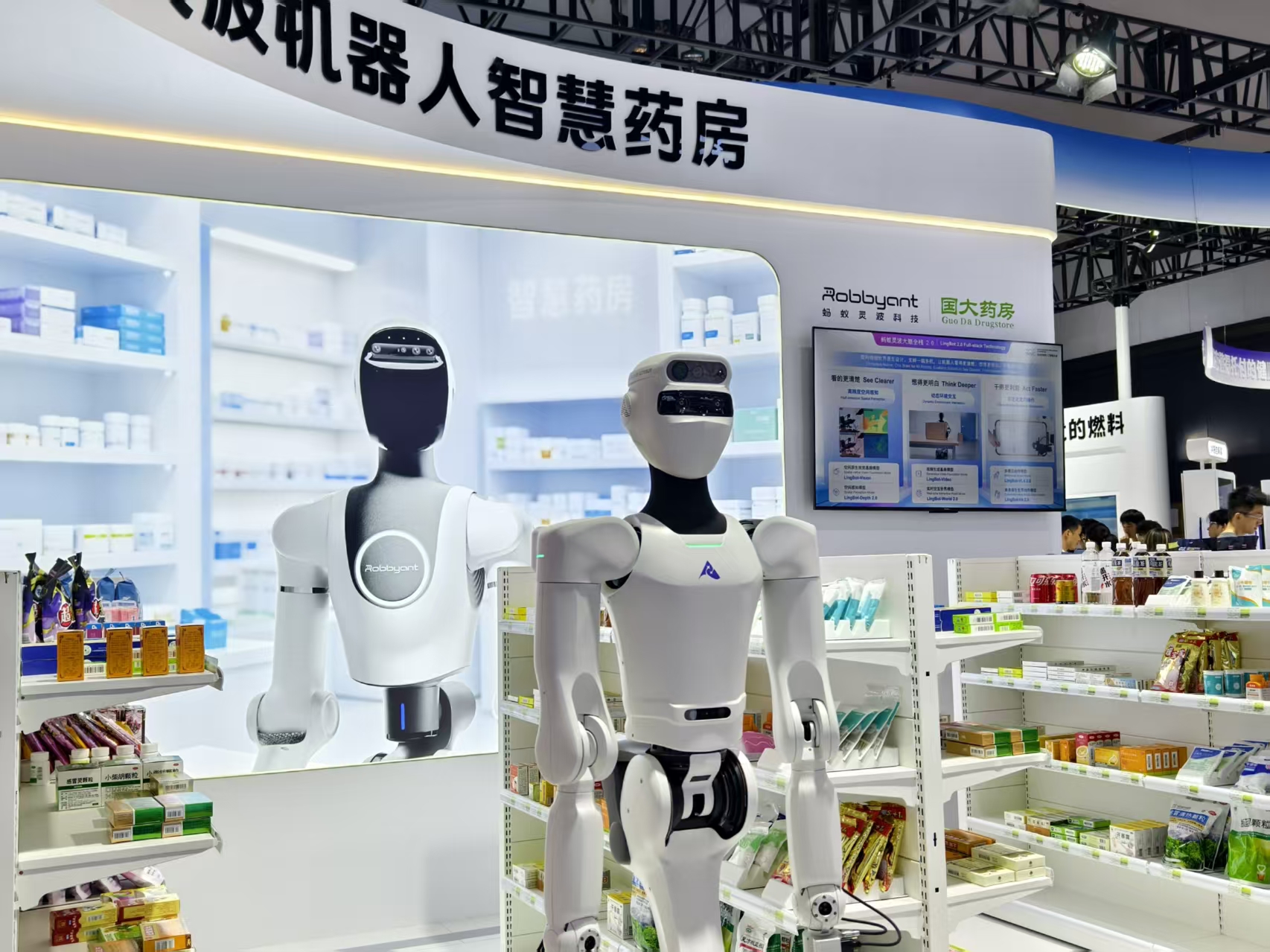
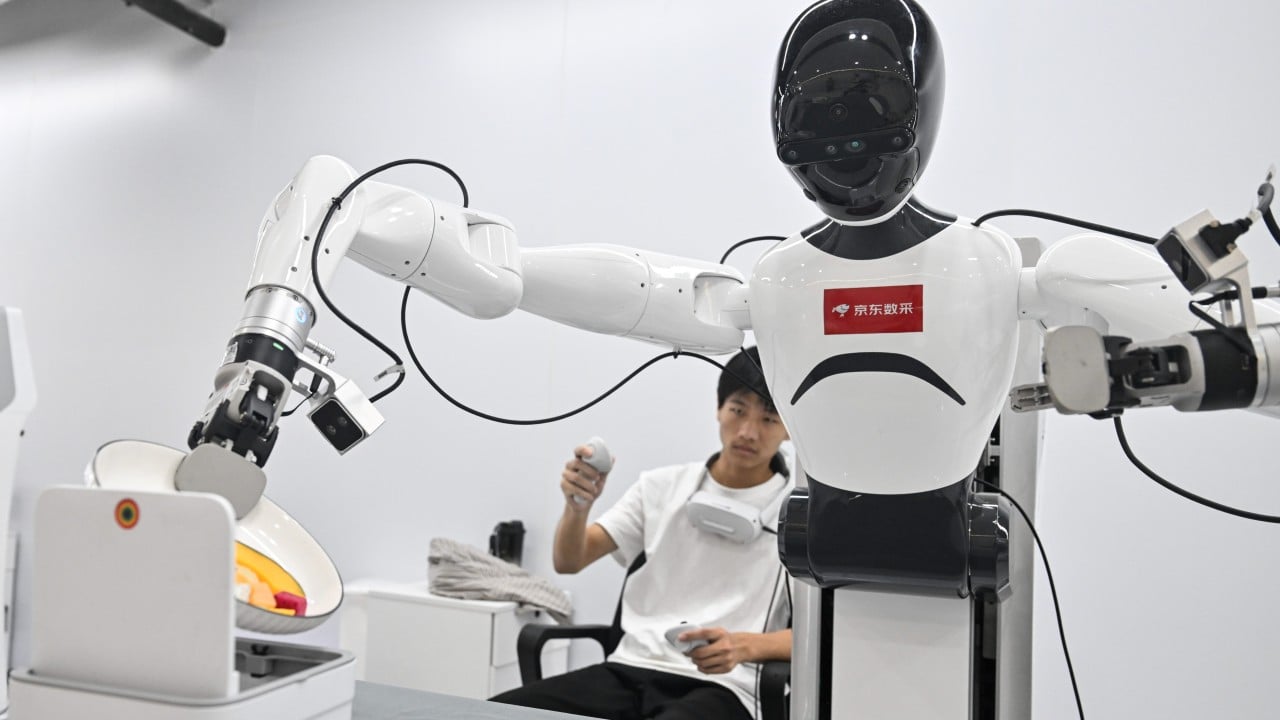
At the WAIC, the focus shifted from individual robot models to practical applications, with over 60 out of 200 exhibiting companies emphasizing 'scenarios' for deployment. A notable example was the AI robot S1 from Astribot, showcased at various booths, performing tasks from sorting medications to assisting in retail environments.
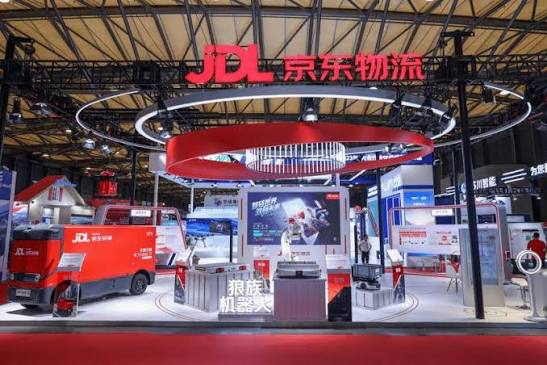
The significance of this trend lies in the growing recognition that operational capabilities and versatile applications are crucial for commercial success in robotics. Companies like Ant Group, JD.com, and Xian Gong Intelligent are leveraging the same humanoid robot for diverse tasks, indicating a shift in the industry towards physical operational intelligence.
Looking ahead, the emphasis on the S1 robot's adaptability and safety features suggests a promising future for humanoid robots in various sectors. However, challenges remain in transitioning from product development to commercial deployment, as many manufacturers still face uncertainties in scaling production and fulfilling orders.
Editor's Note
The robotics industry is increasingly prioritizing physical operational capabilities over general intelligence. This shift is evident in the adoption of versatile humanoid robots across different sectors, which may reshape competitive dynamics and procurement strategies in the market. As companies strive for effective deployment, the focus on engineering validation and commercial readiness will be critical.
























Leave a comment